
-
E-mail
Austin120521@outlook.com -
E-mail
sales@jujiuhouse.com -
Telephone
+86-17864099991 -
Telephone
+86-17854044442
- Chinese
- French
- German
- Portuguese
- Spanish
- Russian
- Japanese
- Korean
- Arabic
- Irish
- Greek
- Turkish
- Italian
- Danish
- Romanian
- Indonesian
- Czech
- Afrikaans
- Swedish
- Polish
- Basque
- Catalan
- Esperanto
- Hindi
- Lao
- Albanian
- Amharic
- Armenian
- Azerbaijani
- Belarusian
- Bengali
- Bosnian
- Bulgarian
- Cebuano
- Chichewa
- Corsican
- Croatian
- Dutch
- Estonian
- Filipino
- Finnish
- Frisian
- Galician
- Georgian
- Gujarati
- Haitian
- Hausa
- Hawaiian
- Hebrew
- Hmong
- Hungarian
- Icelandic
- Igbo
- Javanese
- Kannada
- Kazakh
- Khmer
- Kurdish
- Kyrgyz
- Latin
- Latvian
- Lithuanian
- Luxembou..
- Macedonian
- Malagasy
- Malay
- Malayalam
- Maltese
- Maori
- Marathi
- Mongolian
- Burmese
- Nepali
- Norwegian
- Pashto
- Persian
- Punjabi
- Serbian
- Sesotho
- Sinhala
- Slovak
- Slovenian
- Somali
- Samoan
- Scots Gaelic
- Shona
- Sindhi
- Sundanese
- Swahili
- Tajik
- Tamil
- Telugu
- Thai
- Ukrainian
- Urdu
- Uzbek
- Vietnamese
- Welsh
- Xhosa
- Yiddish
- Yoruba
- Zulu
- Kinyarwanda
- Tatar
- Oriya
- Turkmen
- Uyghur




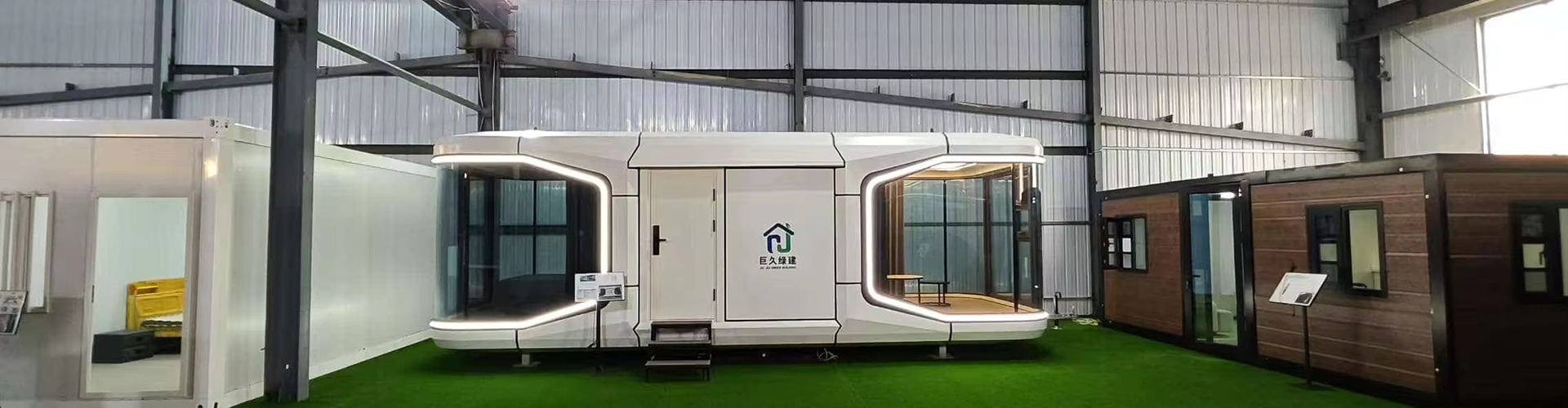
China folding house trailer
The Intricacies of China Folding House Trailers
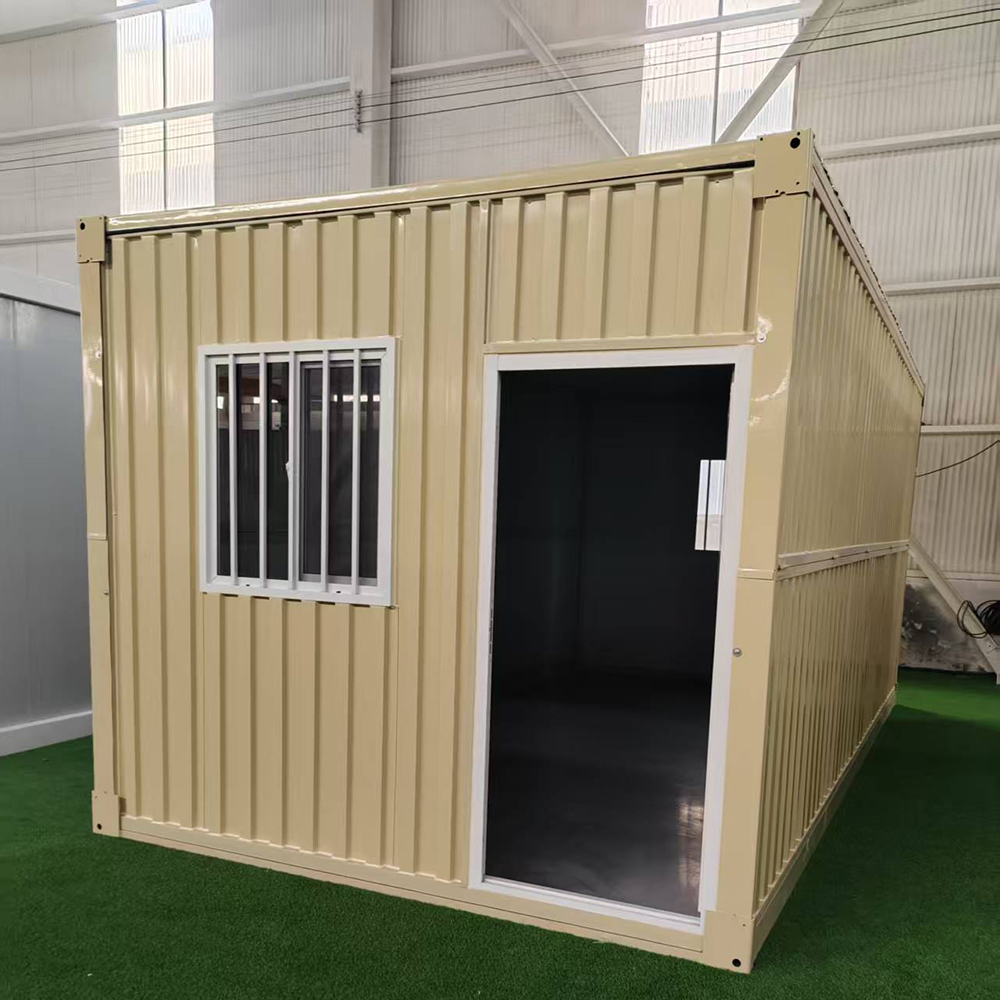
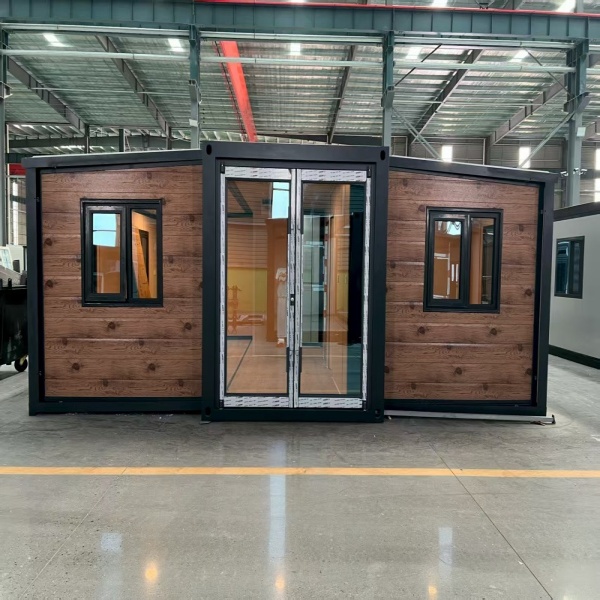
When you dive into the world of folding house trailers from China, there's more than meets the eye. These compact, versatile solutions are gaining traction globally, but understanding them requires navigating through a myriad of options and considerations. It's not just about the appeal of mobility and compact living; it's about thoughtful design and function.
Understanding the Appeal
The charm of a China folding house trailer lies in its ingenuity. These adaptable structures fold into compact units for easy transport and expand into livable spaces. Having worked closely with Shandong Jujiu Integrated Housing Co., Ltd., I've seen firsthand the dedication behind these designs. Their focus on integrated housing solutions offers a unique insight into how these trailers meet diverse needs.
What makes these trailers special isn't just their portability. It's how companies like SHANDONG JUJIU INTEGRATED HOUSING CO.,LTD (https://www.jujiuhouse.com) have optimized every square inch for functionality. Ensuring comfort within a limited space requires a blend of innovation and practical engineering—a balance that is anything but easy to achieve.
There is often a misconception that these trailers are just a novelty. However, in regions where space is a premium or transitional living situations are common, these units serve as practical and sometimes necessary solutions. They're not just a product of innovation, but a response to real-world housing challenges.
Construction and Design Nuances
Working with these trailers brings some interesting challenges. It's not only about collapsing structures for easy transport; it’s also about ensuring they expand robustly and reliably. The design must withstand frequent setup and takedown, which involves stress-testing materials and joints. A lesson learned the hard way is that quality of hinges and locking mechanisms can make or break user satisfaction.
The R&D teams at companies like Jujiu focus significantly on material choice. Light, durable metals like aluminum are favored for frames to balance weight and durability. For insulation, especially in extreme climates, advanced polymer composites might be utilized, a choice that stems from years of listening to customer feedback and field testing.
Optimizing space also involves keen attention to interior layout. A poorly placed fixture can disrupt workflow or comfort in what should be an efficient space, a truth anyone who has spent a night in one can confirm. Everything—from the foldable furniture to the integrated storage solutions—has to serve multiple purposes.
Practical Use Cases
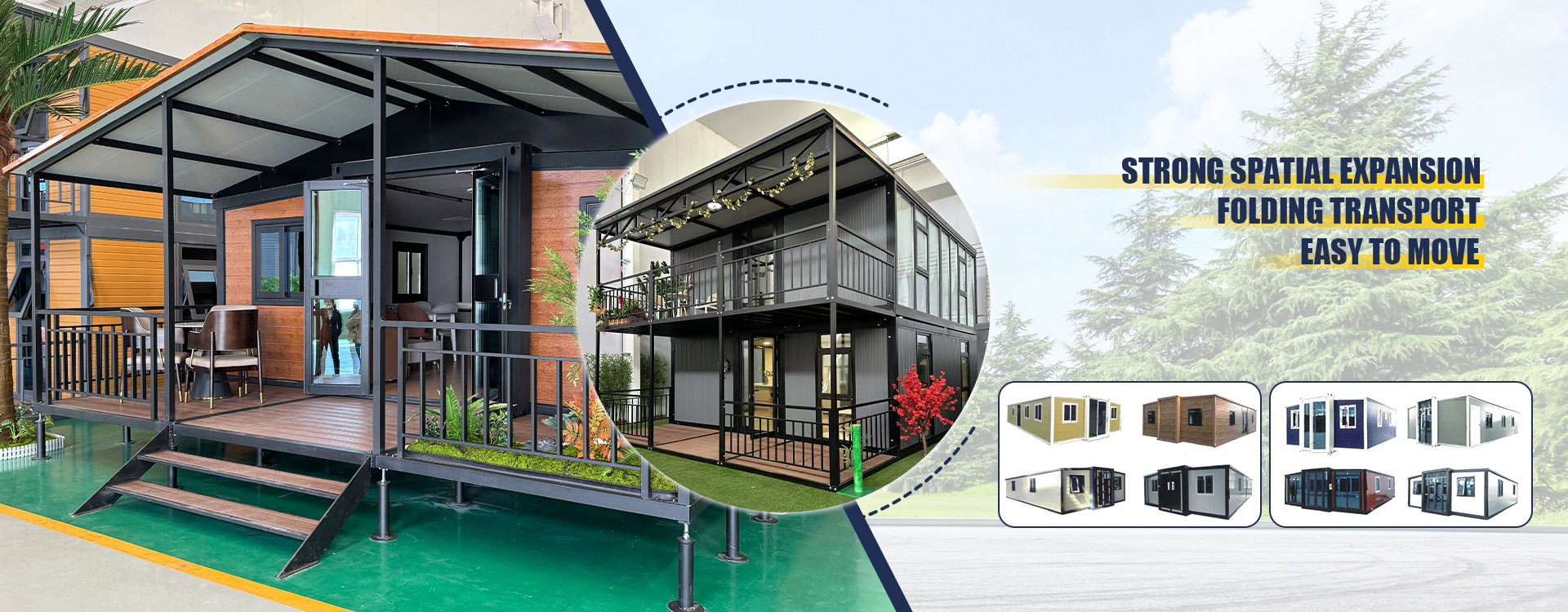
Folding house trailers have found applications ranging from temporary disaster relief accommodations to luxury travel solutions. In emergency situations, their rapid deployability gives them an edge. Yet, I've observed an increasing interest from the hospitality sector, where they serve as unique, high-end retreats.
For instance, a project I collaborated on involved setting up mobile resorts near remote scenic destinations. The use of Jujiu’s trailers allowed for a minimal footprint on the environment while still providing tourists with the comfort of a modern stay. Here, the challenge was not just logistical but ecological—ensuring that the setup and removal of units left no trace.
Furthermore, for personal use, they present an interesting proposition for those interested in sustainable living. Off-grid setups can leverage solar panels and water reclamation systems, turning these trailers from mere mobile shelters into self-sustaining units. It's an area ripe for innovation, as energy efficiency becomes more paramount.
Installation and Maintenance Insights
Installing a folding house trailer might seem straightforward, but experience teaches that the devil is in the details. Each terrain offers its quirks, whether it's sandy soils that require special anchoring techniques or uneven grounds needing adjustable leveling technologies.
One often overlooked aspect is the need for proper maintenance routines. Regular inspection of mechanical parts like hydraulic systems or hinges is crucial. A rusted joint discovered during a deployment could lead to hours of delay—a costly oversight in a business context.
Partnering with manufacturers like Jujiu assures that technical support is readily available. Their customer service often includes detailed setup guides and troubleshooting assistance, reflecting a commitment to user satisfaction and operational longevity.
Looking Towards the Future
The innovation journey for China folding house trailers is certainly dynamic. New technologies, like AI-aided designs and improved material sciences, promise to elevate these structures beyond their current capabilities. I've heard discussions about integrating smart home technology to automate functions, a development that could revolutionize their appeal.
As these solutions continue to evolve, so does their market. A broader acceptance across different lifestyle sectors points to a transformative potential. The industry's growth is not just about producing more—it's about producing better, more adaptable solutions that can seamlessly integrate into diverse scenarios.
Ultimately, the future of folding house trailers in China—and companies like SHANDONG JUJIU INTEGRATED HOUSING CO., LTD—looks promising. The blend of resourcefulness, technological advancement, and genuine responsiveness to user needs will likely keep them at the forefront of this niche yet impactful field.
Related products
Related products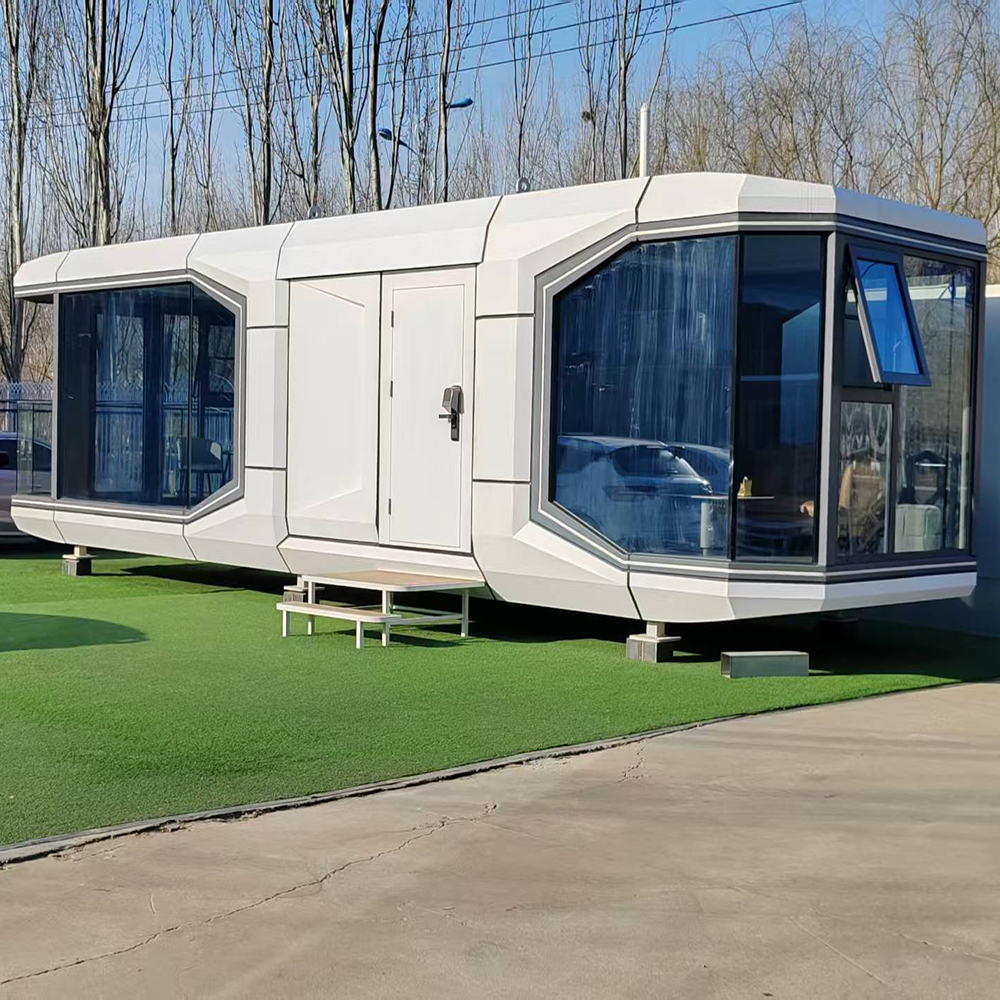
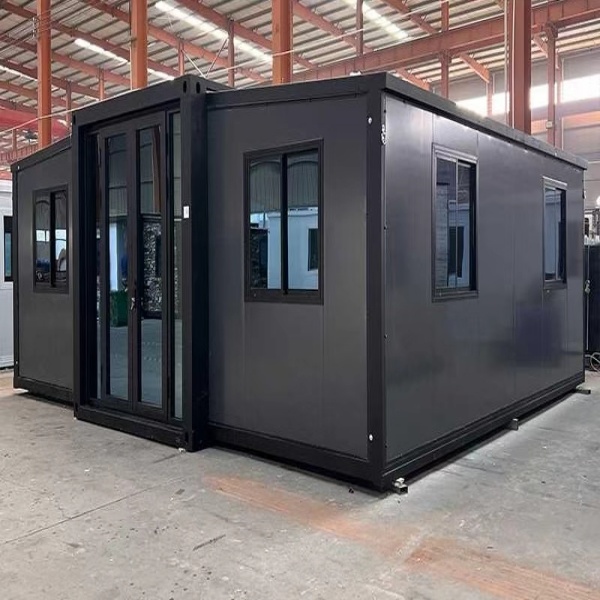
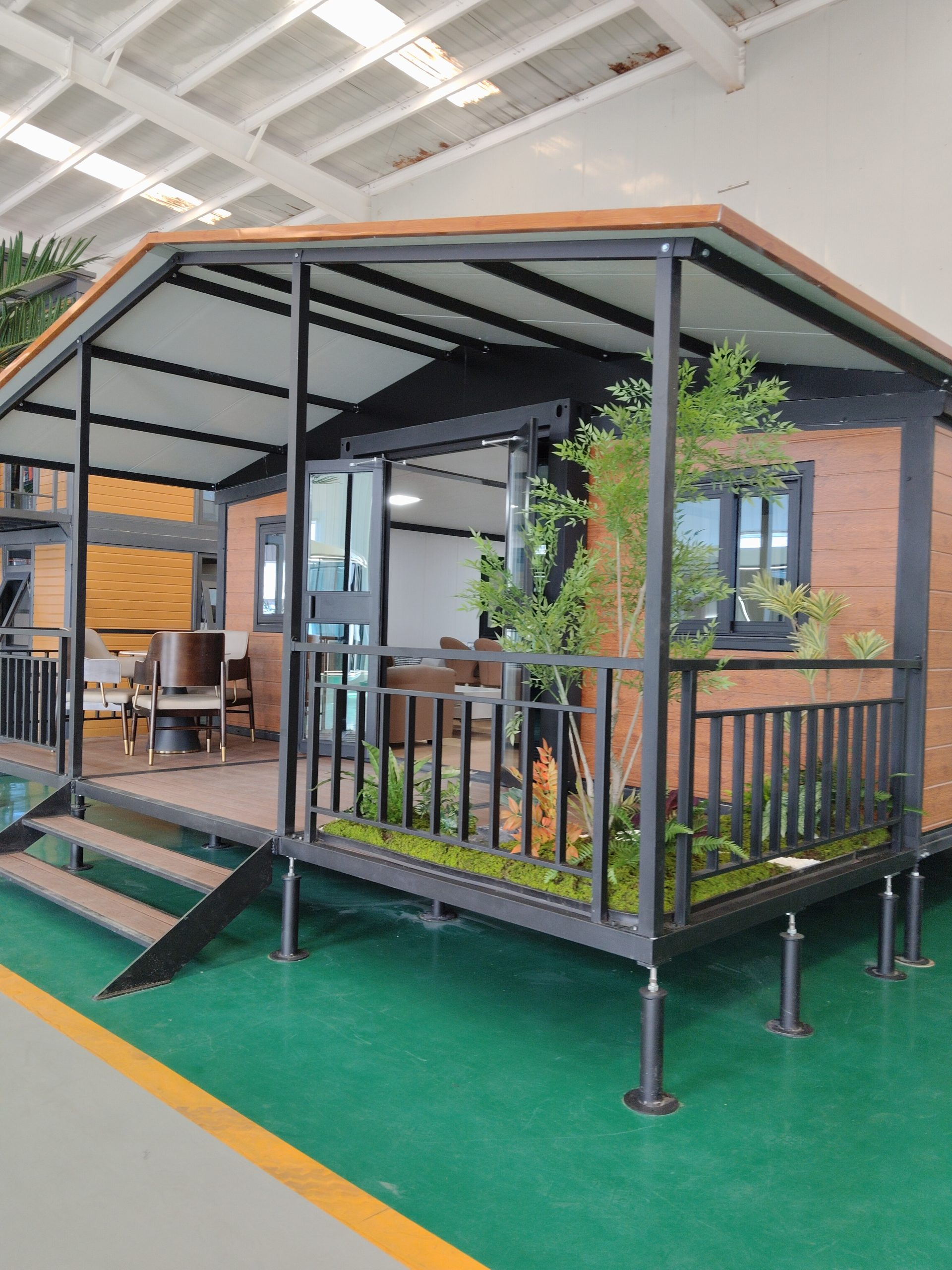
Best selling products
Best selling products-
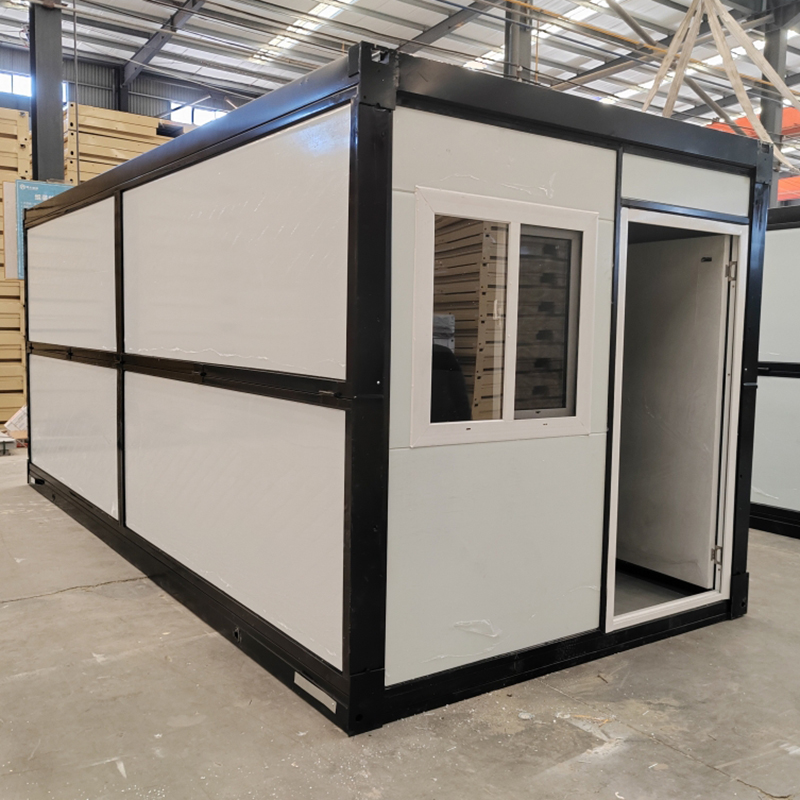 Detachable Design Prefabricated Container House Portable Modular Office Building Folding Container House
 -
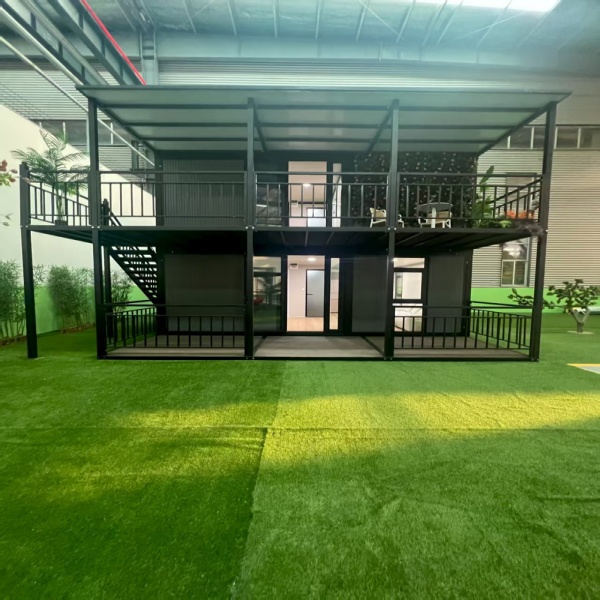 Luxury foldable two-story container houses in luxury resort hotels and villa hotels
 -
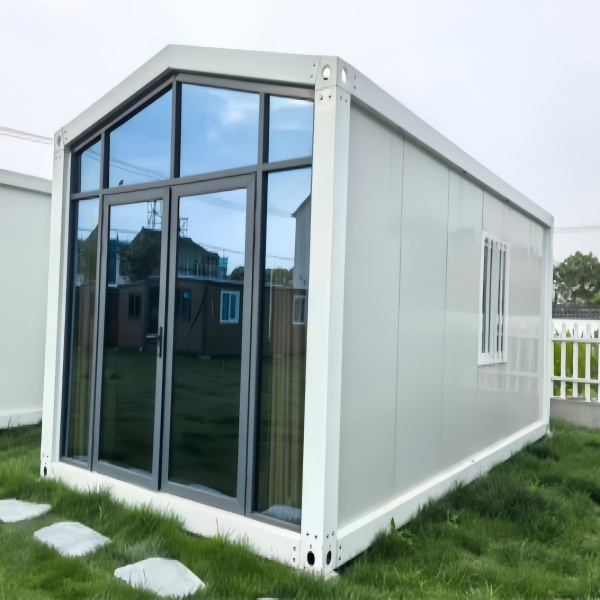 Waterproof folding container house – mobile accommodation for campsites/scenic spots
 -
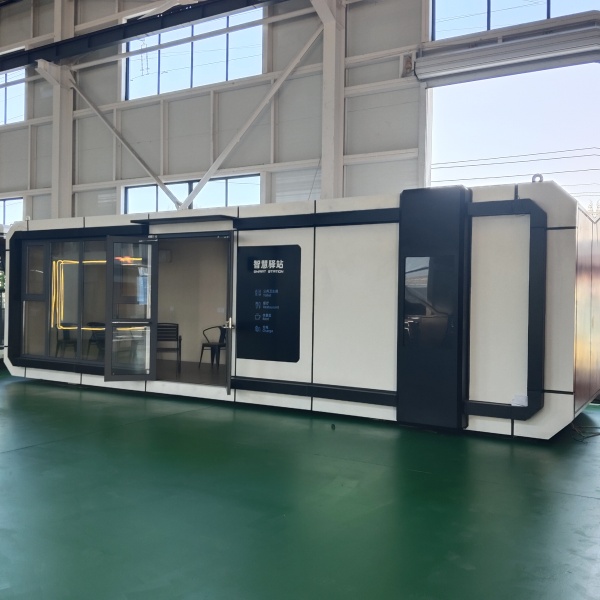 Modular modern movable apple cabins, customized high-end folk houses and portable bedrooms, delivered as a whole
 -
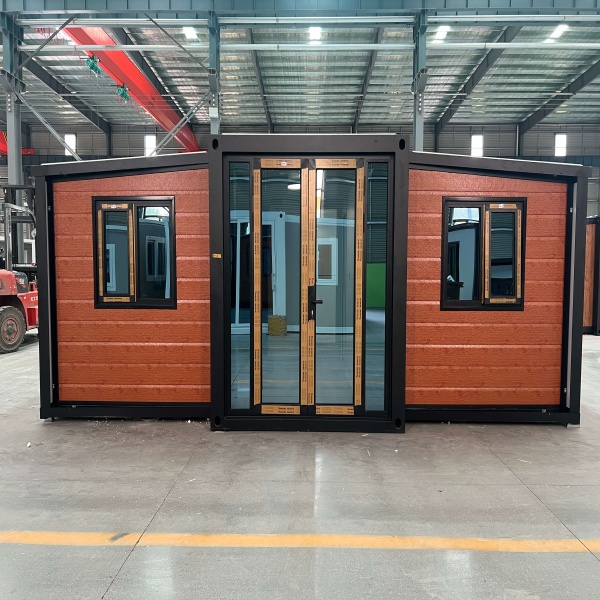 High-quality Double-wing Folding Container House with Doors and Windows, Insulated Walls, Suitable for Various Scenarios.
 -
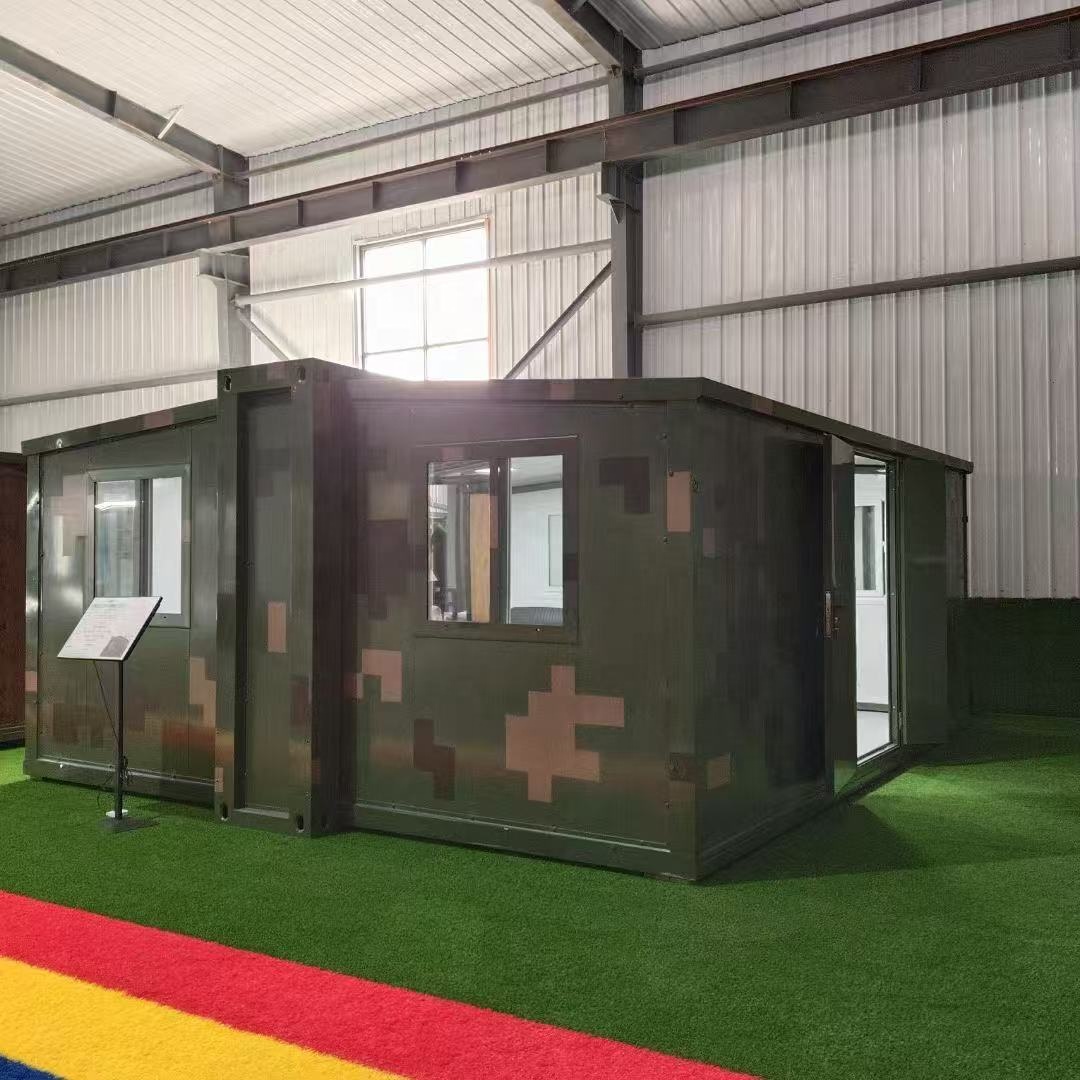 Movable Prefabricated Container House Villas Modular Portable Homes 1 Bedroom Container House Offices Apartments
 -
Two Wing Folding Expandable Container House
-
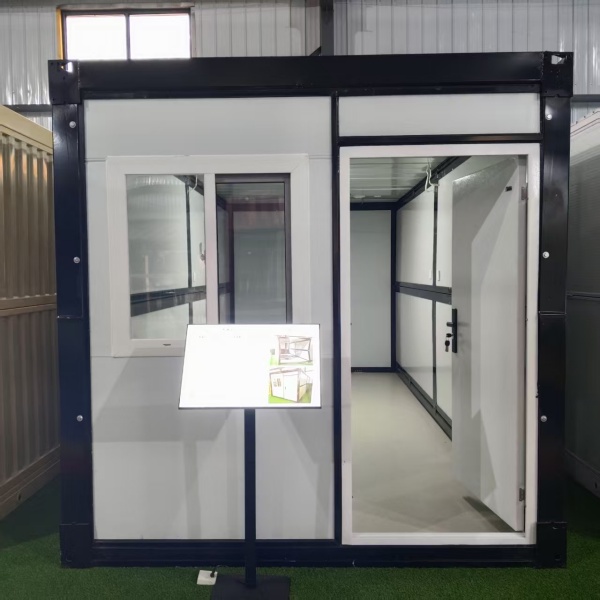 Hot-selling foldable container houses, expandable prefabricated houses, suitable for office or living use, with fast delivery.
 -
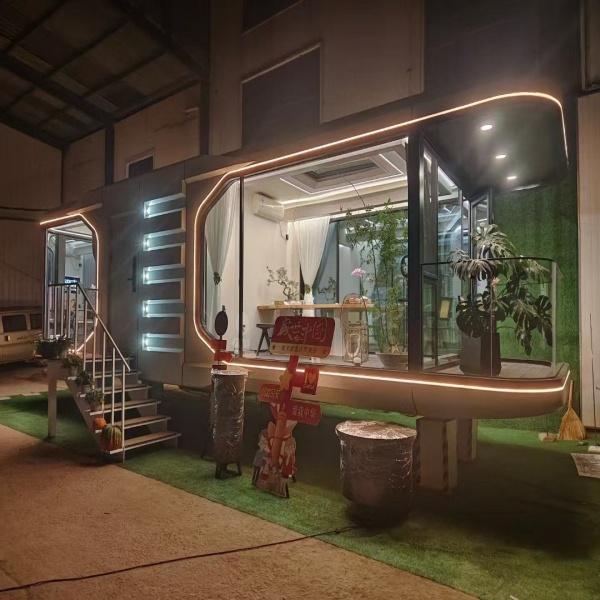 Outdoor ecological capsule rooms, luxury pods, space capsule hotel rooms, prefabricated space capsules, container houses
 -
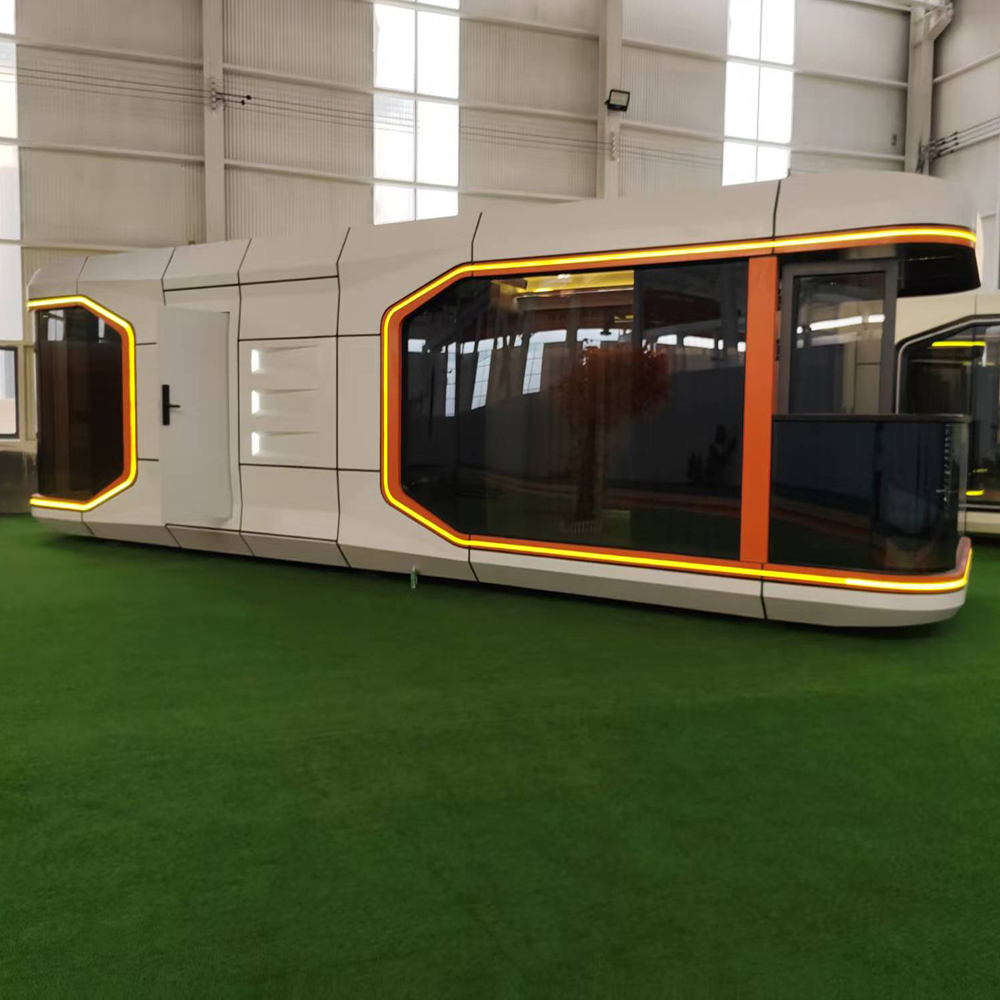 Standard Modern Camping Pod Space Prefabricated Portable Mobile Capsule Room Hotel Bathroom Prefabricated Spaceship House
 -
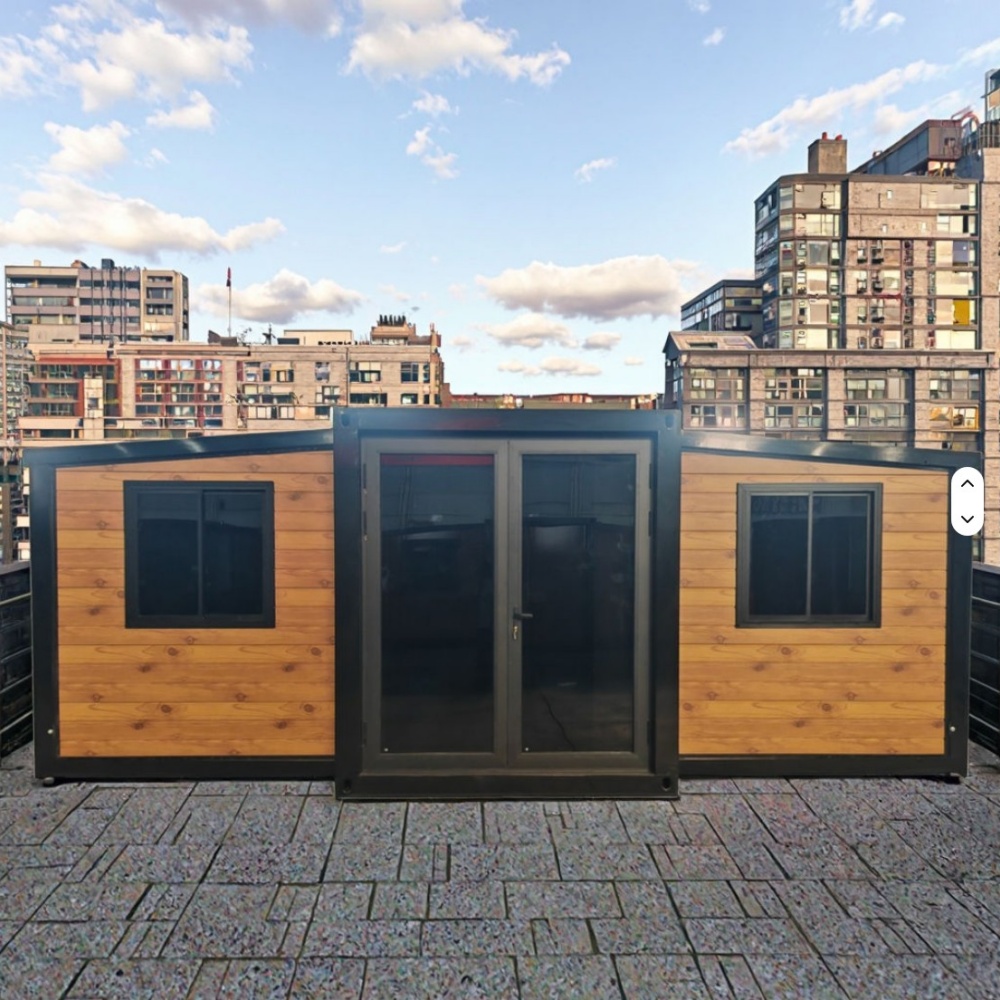 Customized Two Wing Folding Expandable Container House
 -
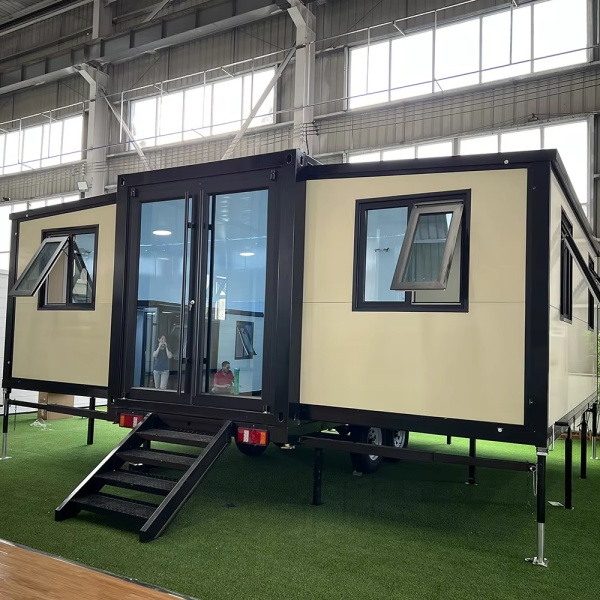 Stair Access Double Wing Expandable Container House | Easy Installation Mobile Office
Related search
Related search- Buy china wholesale container prefabricate house
- economical prefabricated modular mobile portable container house
- container homes fold out
- Buy space capsule villas
- China folding house container
- expandable shipping container house
- fold out shipping container house
- container houses prefabricated homes modern prefab modular house
- Buy capsule house commercial space
- China fold out house boxabl