
-
E-mail
Austin120521@outlook.com -
E-mail
sales@jujiuhouse.com -
Telephone
+86-17864099991 -
Telephone
+86-17854044442
- Chinese
- French
- German
- Portuguese
- Spanish
- Russian
- Japanese
- Korean
- Arabic
- Irish
- Greek
- Turkish
- Italian
- Danish
- Romanian
- Indonesian
- Czech
- Afrikaans
- Swedish
- Polish
- Basque
- Catalan
- Esperanto
- Hindi
- Lao
- Albanian
- Amharic
- Armenian
- Azerbaijani
- Belarusian
- Bengali
- Bosnian
- Bulgarian
- Cebuano
- Chichewa
- Corsican
- Croatian
- Dutch
- Estonian
- Filipino
- Finnish
- Frisian
- Galician
- Georgian
- Gujarati
- Haitian
- Hausa
- Hawaiian
- Hebrew
- Hmong
- Hungarian
- Icelandic
- Igbo
- Javanese
- Kannada
- Kazakh
- Khmer
- Kurdish
- Kyrgyz
- Latin
- Latvian
- Lithuanian
- Luxembou..
- Macedonian
- Malagasy
- Malay
- Malayalam
- Maltese
- Maori
- Marathi
- Mongolian
- Burmese
- Nepali
- Norwegian
- Pashto
- Persian
- Punjabi
- Serbian
- Sesotho
- Sinhala
- Slovak
- Slovenian
- Somali
- Samoan
- Scots Gaelic
- Shona
- Sindhi
- Sundanese
- Swahili
- Tajik
- Tamil
- Telugu
- Thai
- Ukrainian
- Urdu
- Uzbek
- Vietnamese
- Welsh
- Xhosa
- Yiddish
- Yoruba
- Zulu
- Kinyarwanda
- Tatar
- Oriya
- Turkmen
- Uyghur




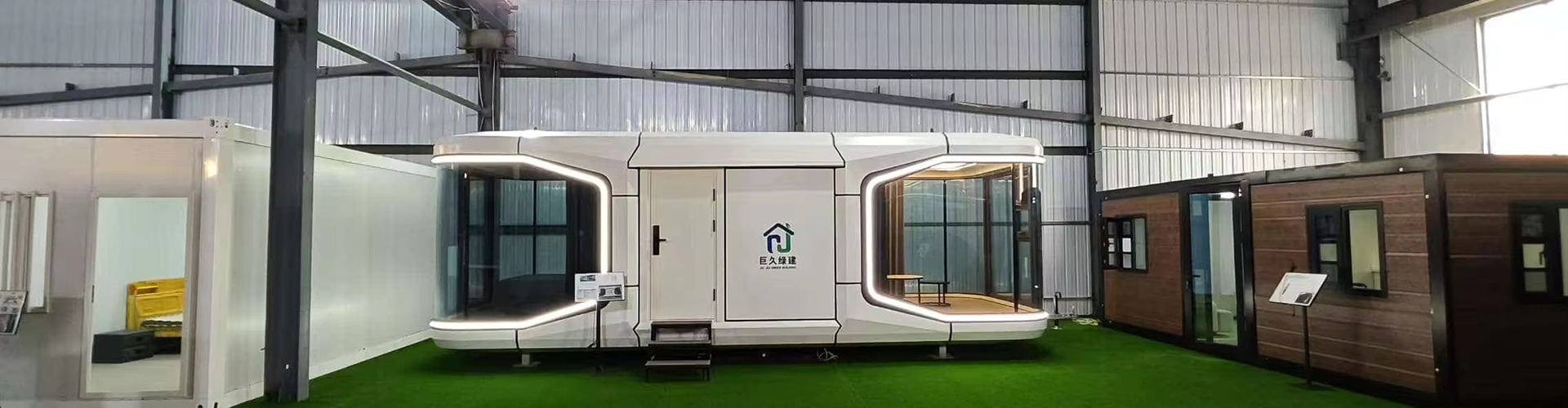
China folding houses usa
China's Folding Houses: An Emerging Trend in the USA
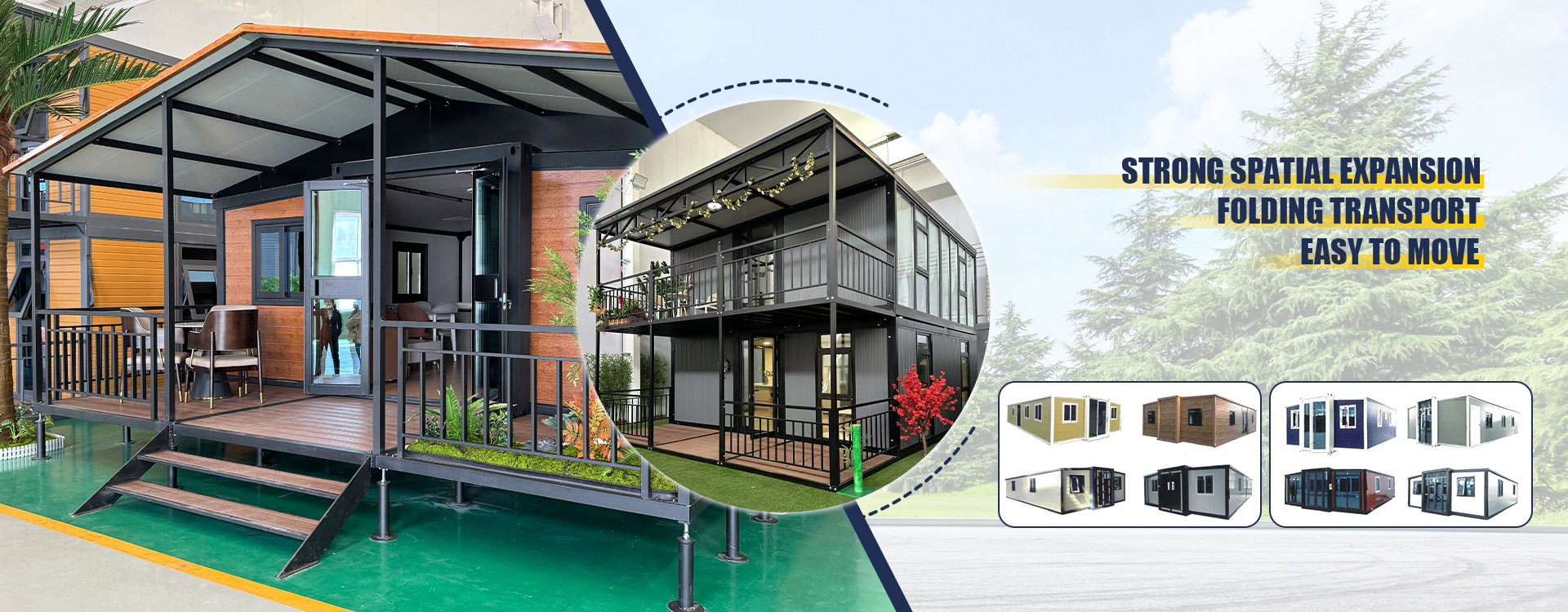
The concept of folding houses from China entering the USA might initially seem like a quirky novelty. But beneath the surface, there's a mix of practical innovation and economic opportunity. Folding houses, sometimes known as modular homes, are gaining attention for their flexible designs, efficient construction processes, and potential cost savings. They might just hold the key to solving some of the housing challenges that we face today.
The Rise of Folding Houses in the USA
It’s fascinating how quickly the idea has caught on in certain American regions. With rising housing costs and the demand for sustainable living solutions growing, modular housing provides a viable alternative. The adaptability of these structures allows for quick assembly and disassembly, making them ideal for disaster-stricken areas or sites with difficult access.
One of the key players propelling this trend forward is SHANDONG JUJIU INTEGRATED HOUSING CO, LTD. They specialize in the integrated housing industry and have established themselves by offering innovative solutions such as movable board rooms and light steel villas. You can learn more about their offerings on their website.
From a construction perspective, these houses are remarkable for their speed in deployment and the minimal on-site labor required, significantly reducing the initial investment and overhead costs compared to traditional home building.
Challenges and Adaptations
Nevertheless, as with any innovative endeavor, there are hurdles. One major issue is the compliance with local building codes and standards in the USA, which can vary significantly from state to state. Adapting to these regulations can require substantial adjustments in design and materials.
Another obstacle is the perception of quality and durability. Many potential buyers are skeptical, imagining these homes as temporary or less robust than traditional structures. Yet anyone with direct experience in this sector can tell you that advancements in materials and engineering have drastically improved quality.
Furthermore, the intro of sustainable materials and eco-friendly technologies addresses some environmental concerns. This factor not only aligns with modern ecological priorities but also offers new marketing angles in a progressively green-conscious market.
Real-world Applications
A real turning point came when these homes were employed by construction and mining companies in remote areas to provide quick, efficient housing for workers. The speed and ease of setup made them indispensable in these settings, further proving their utility and robustness.
Yet, it’s not only industrial applications that benefit. In residential markets, there’s growing interest among young, eco-conscious buyers. The affordability and adaptability of these structures provide an attractive prospect for first-time homebuyers and those looking to downsize.
Urban planners in certain areas are even considering these folding houses for urban infill projects, directly addressing housing shortages without protracted construction periods.
Cost Implications and Financial Considerations
Financially, these homes can offer significant savings—not just in initial outlays but in long-term maintenance too. However, the costs can vary widely based on customization, shipping, and site-specific modifications.
It's essential to factor in potential hidden costs, such as land preparation or local taxes, which can sometimes blindside buyers unfamiliar with the market. This aspect requires savvy navigation and clear communication with providers like SHANDONG JUJIU INTEGRATED HOUSING CO, LTD.
In relation to energy efficiency, these structures can offer lower utility costs, thanks to better insulation and modern systems designed to minimize consumption. Yet, achieving these benefits demands up-front knowledge and perhaps a slightly bigger initial investment.
Future Outlook for China's Folding Houses
Looking forward, there's room for these homes to capture a greater share of the market. The trend dovetails neatly with evolving consumer expectations and urban development strategies emphasizing sustainability and efficiency.
More partnerships between Chinese manufacturers and American distributors could facilitate smoother integration and wider acceptance in the market. Companies like SHANDONG JUJIU with a broad scope of projects, including curtain wall engineering, are in a prime position to lead this charge.
Ultimately, the potential for folding houses to redefine living spaces is vast. It's clear that their utility extends beyond mere novelty, finding solid footing in solving real-world housing challenges and setting the stage for future growth.
Related products
Related products
Best selling products
Best selling products-
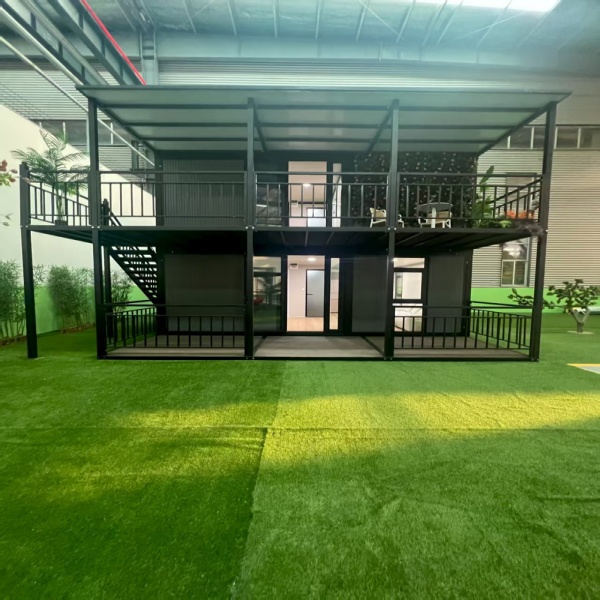 Luxury foldable two-story container houses in luxury resort hotels and villa hotels
 -
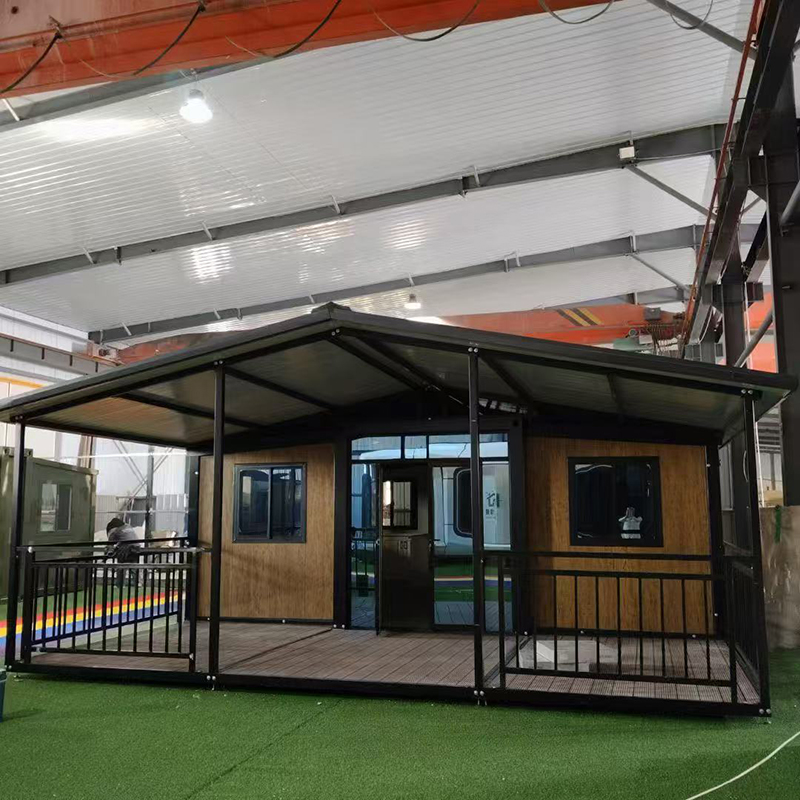 Customized Expandable Container House Holiday Home Folding Prefab Container House with Bathroom and Kitchen
 -
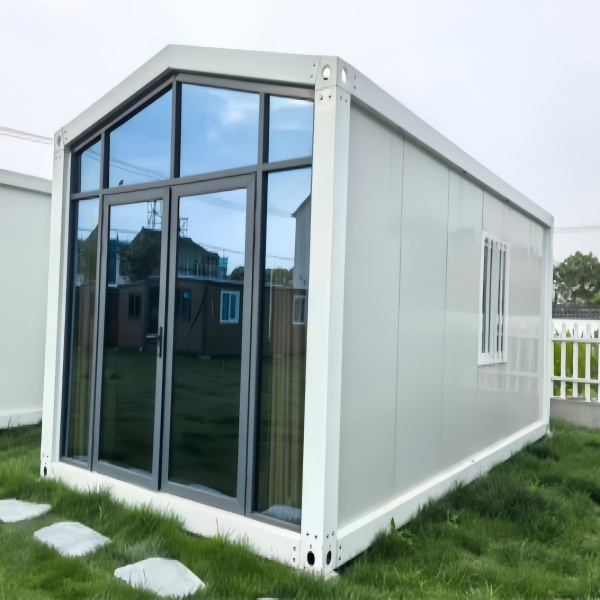 Waterproof folding container house – mobile accommodation for campsites/scenic spots
 -
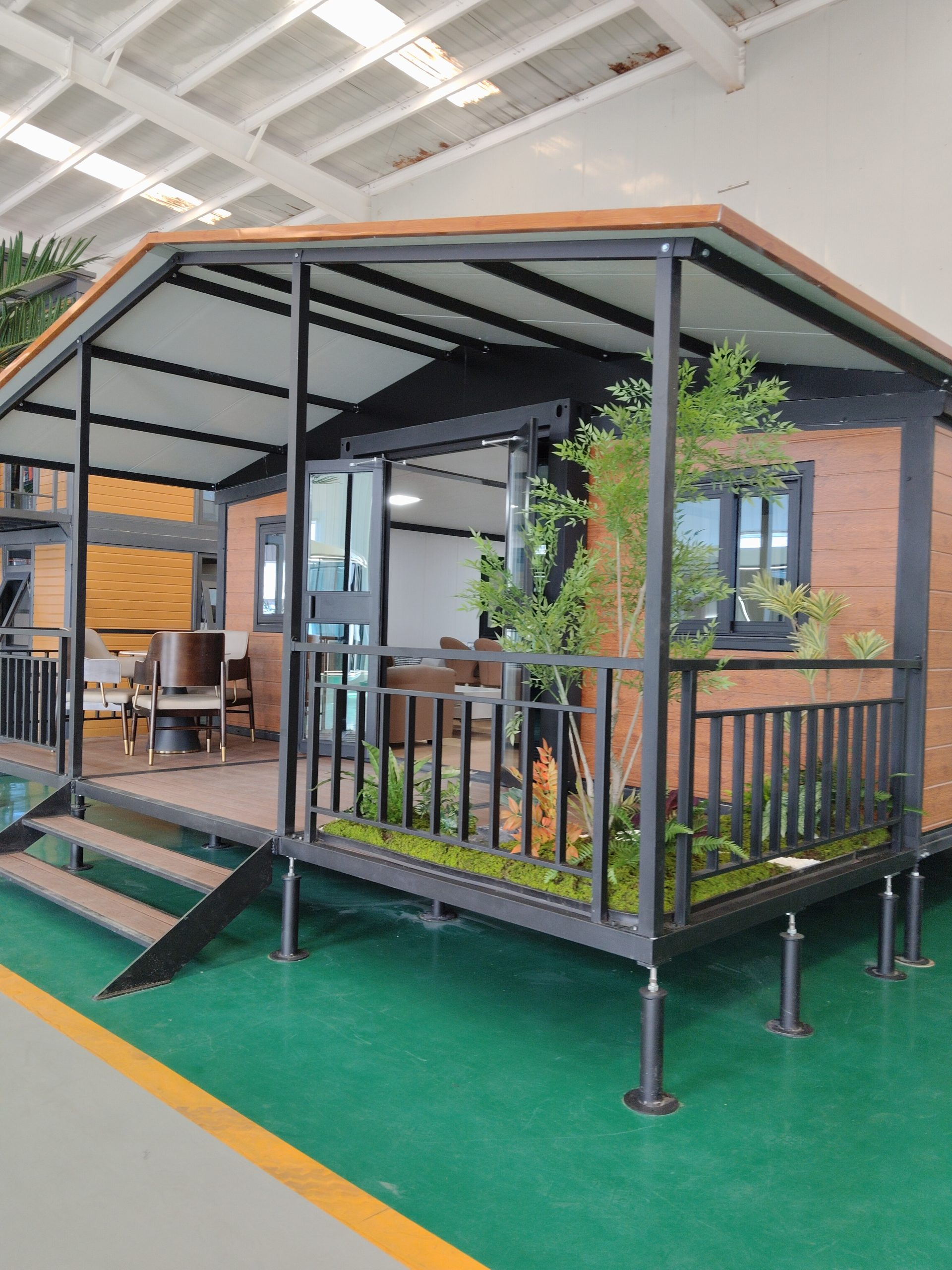 A container house with a terrace and double-wing folding design, suitable for various purposes such as offices, meeting rooms, living rooms, etc.
 -
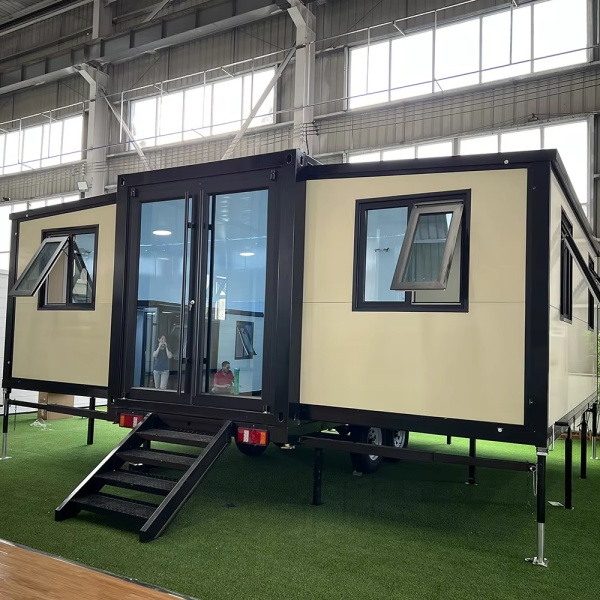 Stair Access Double Wing Expandable Container House | Easy Installation Mobile Office
 -
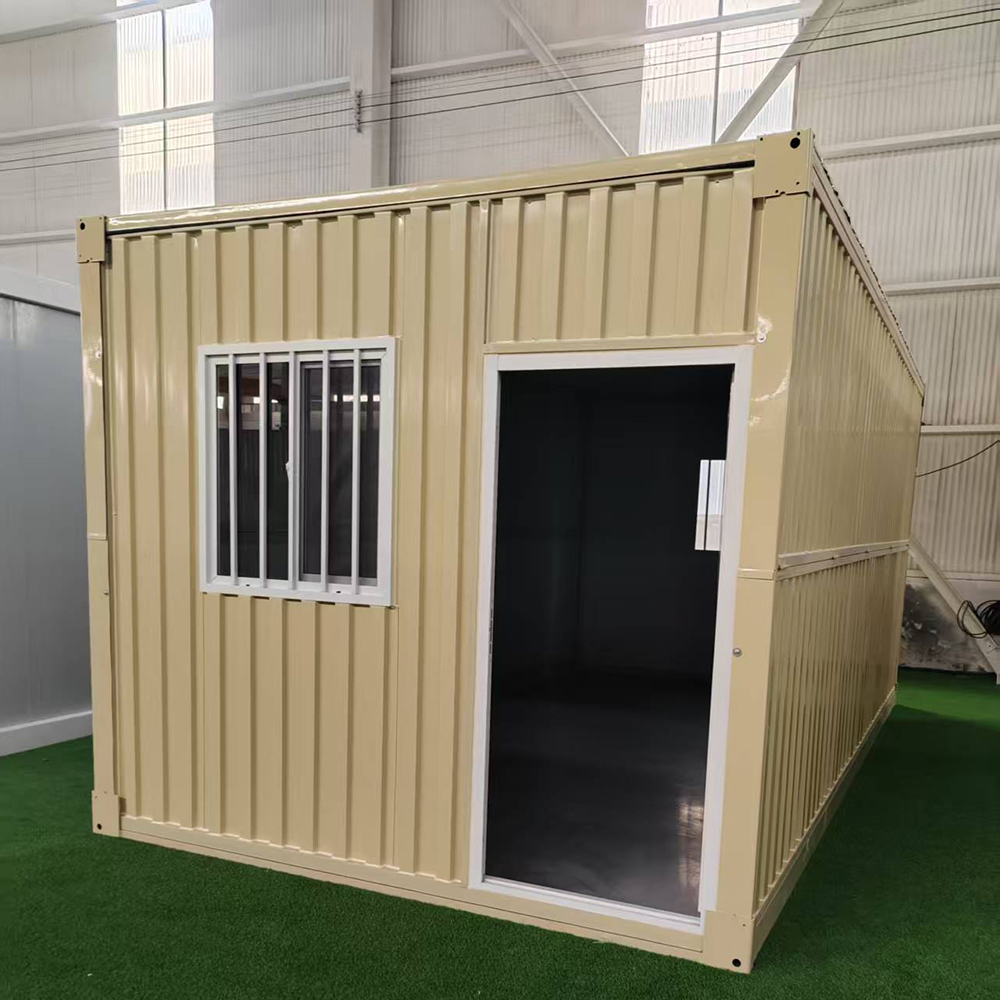
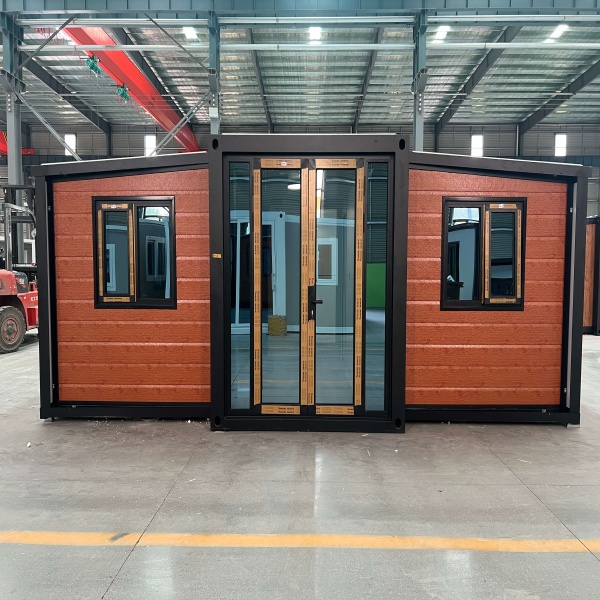 High-quality Double-wing Folding Container House with Doors and Windows, Insulated Walls, Suitable for Various Scenarios.
 -
Two Wing Folding Expandable Container House
-
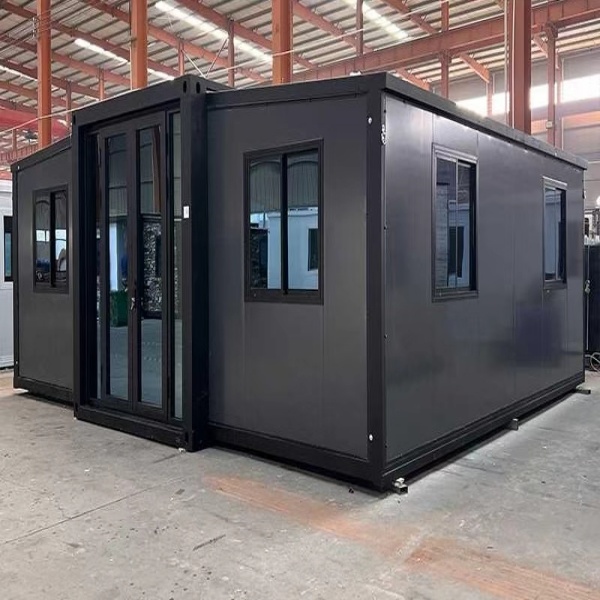 Dual-Wing Folding Container House: Fast Assembly, Space-Saving & Multi-Scene Adaptable
 -
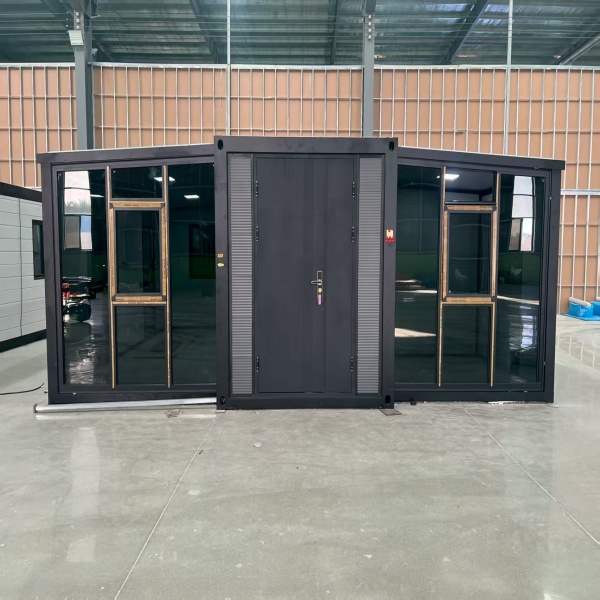 Customizable Office Mobile Home with Flat Roof and Double Wing Expansion Box, Convenient Container
 -
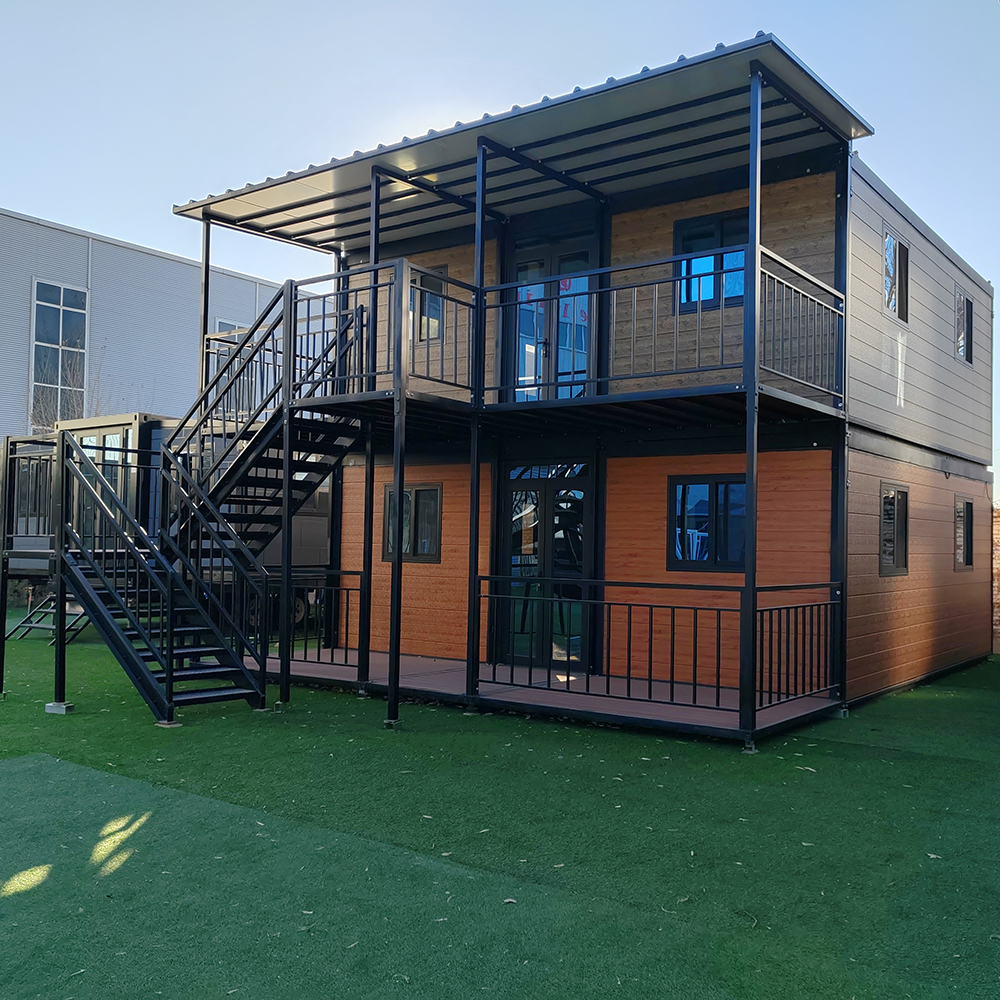 Easy Install Customized Detachable Container Homes Extendable House Prefab 2 Floors Expandable Container House
 -
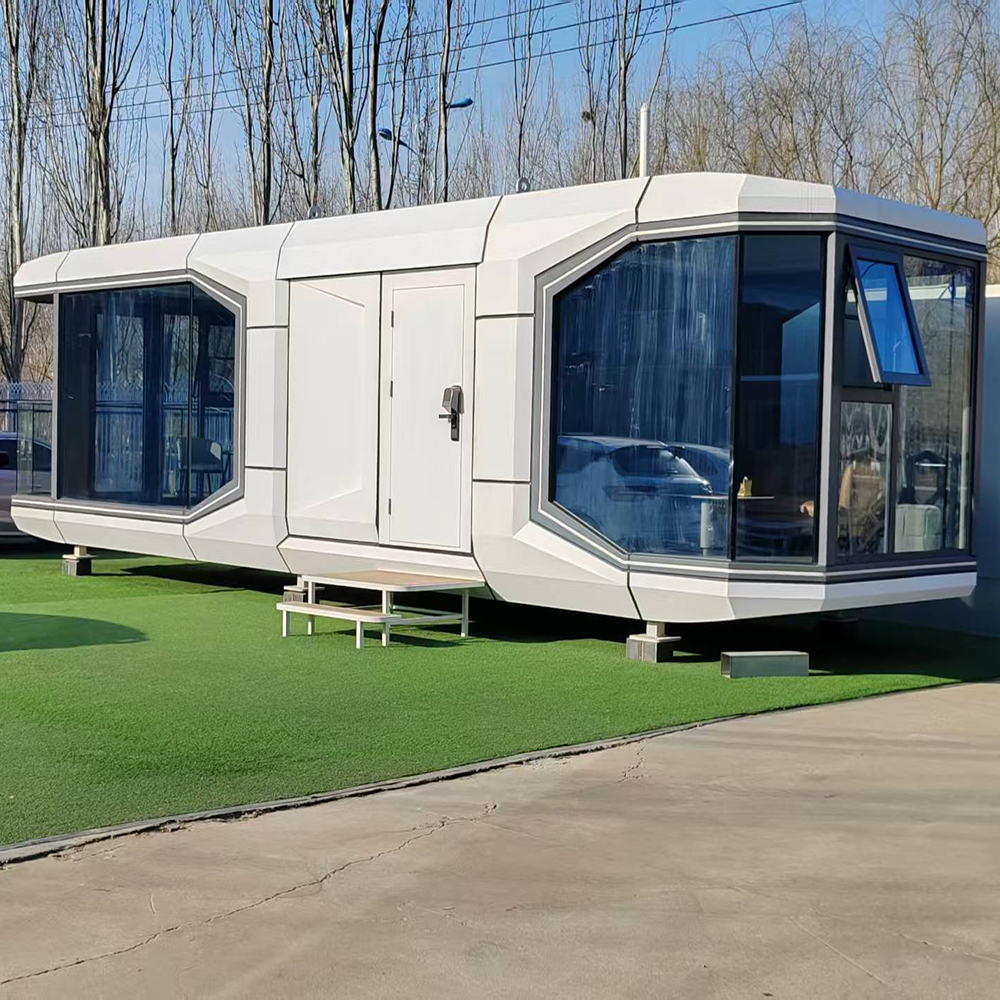 Luxury High Quality 2 Bedroom Container Home Prefabricated Steel Space Capsule for Office Shop Hotel or Outdoor House
 -
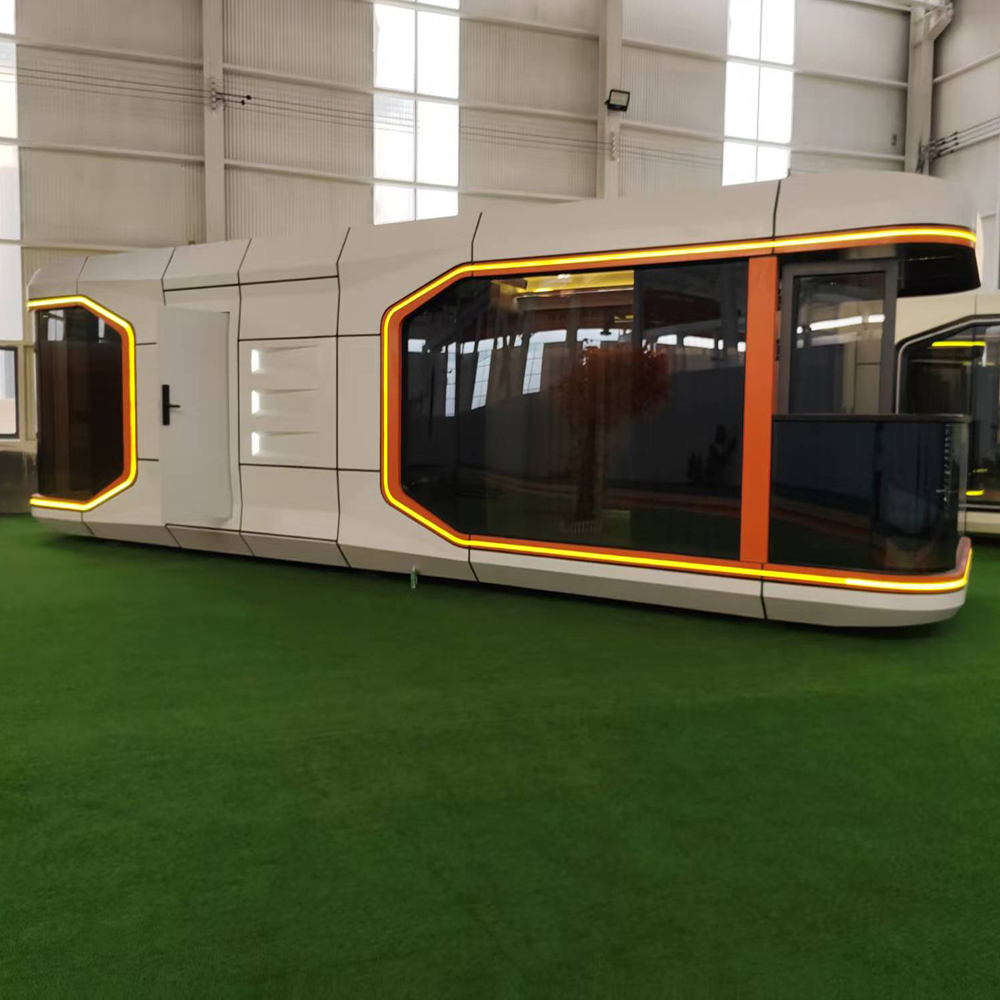
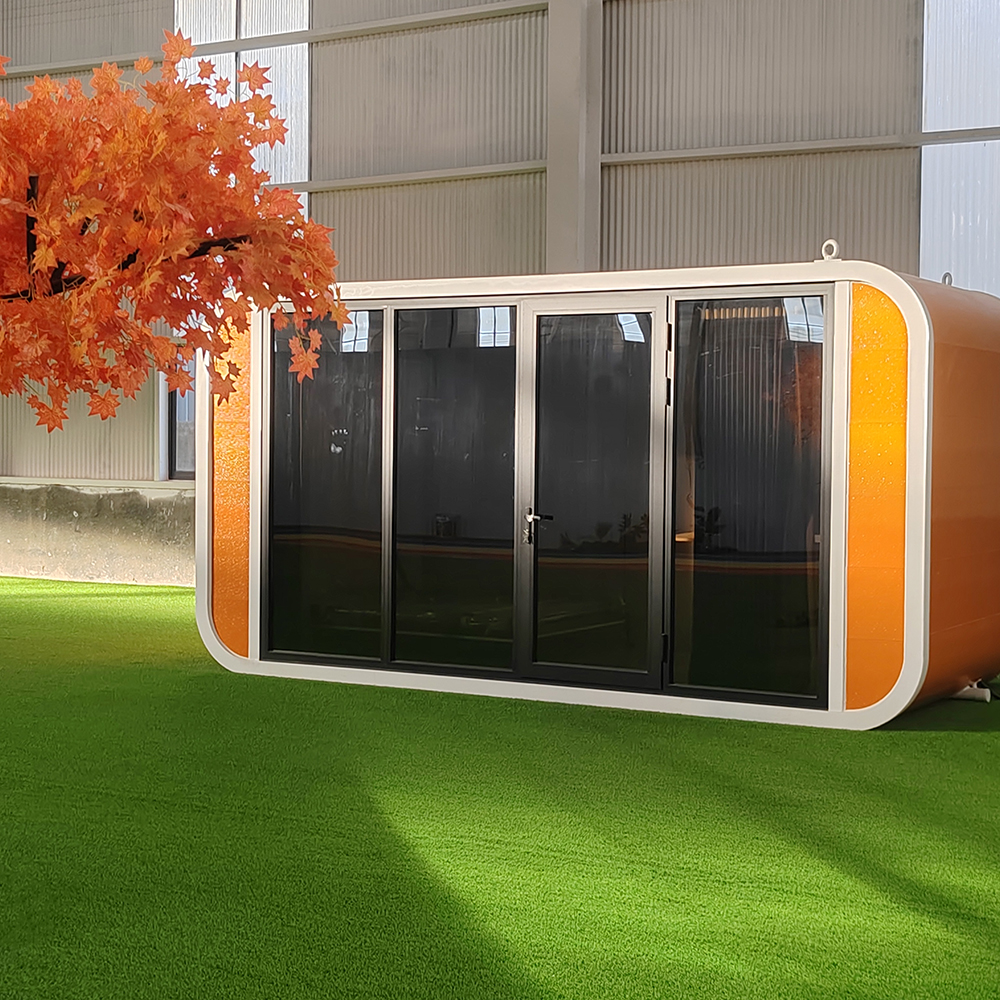 Luxury Prefabricated Living Container House Modular Glass Tiny House Prefab Container Home Apple Cabin