
-
E-mail
Austin120521@outlook.com -
E-mail
sales@jujiuhouse.com -
Telephone
+86-17864099991 -
Telephone
+86-17854044442
- Chinese
- French
- German
- Portuguese
- Spanish
- Russian
- Japanese
- Korean
- Arabic
- Irish
- Greek
- Turkish
- Italian
- Danish
- Romanian
- Indonesian
- Czech
- Afrikaans
- Swedish
- Polish
- Basque
- Catalan
- Esperanto
- Hindi
- Lao
- Albanian
- Amharic
- Armenian
- Azerbaijani
- Belarusian
- Bengali
- Bosnian
- Bulgarian
- Cebuano
- Chichewa
- Corsican
- Croatian
- Dutch
- Estonian
- Filipino
- Finnish
- Frisian
- Galician
- Georgian
- Gujarati
- Haitian
- Hausa
- Hawaiian
- Hebrew
- Hmong
- Hungarian
- Icelandic
- Igbo
- Javanese
- Kannada
- Kazakh
- Khmer
- Kurdish
- Kyrgyz
- Latin
- Latvian
- Lithuanian
- Luxembou..
- Macedonian
- Malagasy
- Malay
- Malayalam
- Maltese
- Maori
- Marathi
- Mongolian
- Burmese
- Nepali
- Norwegian
- Pashto
- Persian
- Punjabi
- Serbian
- Sesotho
- Sinhala
- Slovak
- Slovenian
- Somali
- Samoan
- Scots Gaelic
- Shona
- Sindhi
- Sundanese
- Swahili
- Tajik
- Tamil
- Telugu
- Thai
- Ukrainian
- Urdu
- Uzbek
- Vietnamese
- Welsh
- Xhosa
- Yiddish
- Yoruba
- Zulu
- Kinyarwanda
- Tatar
- Oriya
- Turkmen
- Uyghur




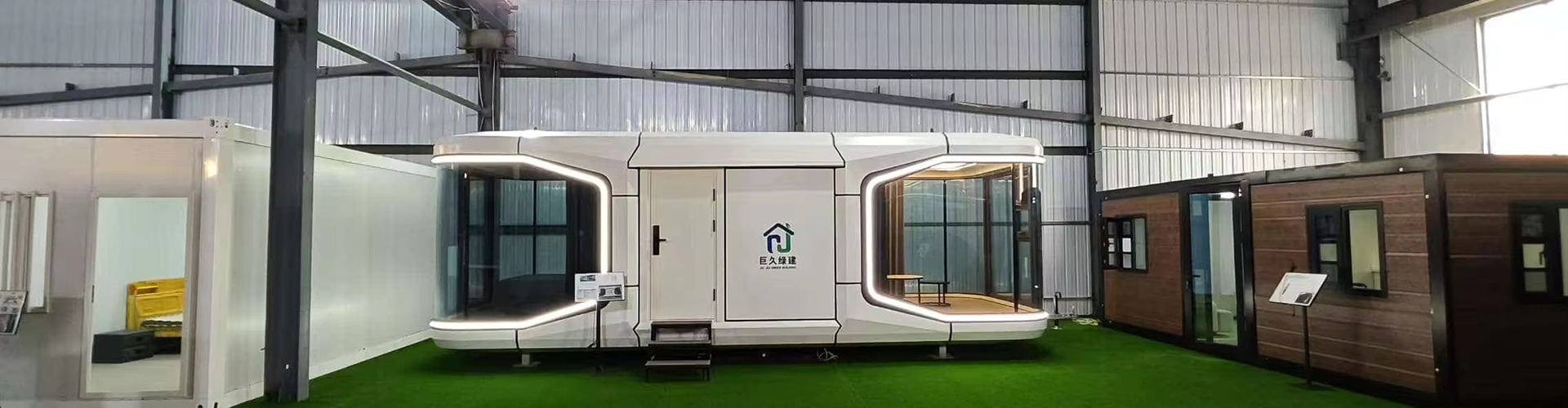
China modular modern container house tiny home prefabricated
The Emerging Trend: China’s Modular Modern Container Homes
The notion of modular modern container houses often sparks curiosity and even skepticism. These structures promise convenience, affordability, and sustainability, but how do they hold up in real-world applications? I’ve encountered numerous misconceptions along the way—let's unpack them and see where the promise meets the practical.
Understanding the Basics
First off, the term tiny home tends to evoke images of cramped spaces; however, the reality is more nuanced. China has emerged as a forerunner in this industry, primarily due to its capability to mass-produce high-quality, cost-effective components. Companies like Shandong Jujiu Integrated Housing Co., Ltd. are leading the charge, blending innovation with practical applications. They offer everything from simple shipping container conversions to sophisticated light steel villas.
What's captivating is the flexibility of these designs. They can be tailored for various climates, terrains, and even personal tastes. The modular nature means rapid assembly and disassembly, allowing for relocations or modifications. Yet, the biggest allure might just be how these homes defy traditional housing constraints without sacrificing integrity or aesthetics.
Quality and durability are often subjects of debate. However, modern prefabricated homes are far removed from their basic predecessors. Today, they incorporate energy-efficient materials and advanced engineering techniques, ensuring both robustness and comfort.
Challenges in Practice
But let's temper this enthusiasm with a bit of skepticism. The road to widespread acceptance isn't without its potholes. Zoning laws, building regulations, and public perception can be substantial barriers. For example, retrofitting these structures into urban landscapes often requires clever design and negotiation skills to meet local codes and standards.
One particular case involved integrating a series of container homes into a dense neighborhood. The local government had reservations, stemming mainly from aesthetic concerns and the potential impact on property values. Yet, after a few rounds of adjustments and a lot of diplomatic dialogue, the project not only got the green light but also became a model for similar future initiatives.
Then there's the issue of customization versus cost. While modular construction can be economical, over-customization might tip the scale. Balancing personalized elements with standardized components is key, and this is where experienced players like Shandong Jujiu shine, offering optimized solutions without breaking the bank.
The Role of Sustainability
Sustainability is often touted as a strong point for container homes, yet not all projects fulfill this promise. True, many prefabricated options use recycled or sustainable materials, but achieving full sustainability involves more than just materials. It includes energy usage during production and the building's lifecycle.
In practice, this might mean employing solar panels, efficient insulation, or water recycling systems. Companies are increasingly focusing on such aspects as part of their design philosophy, but the balance between sustainability and affordability remains a delicate dance.
From my experience, integrating these eco-friendly technologies is most successful when planned from the outset rather than retrofitted later, providing a seamless blend of form and function.
Success Stories and Lessons
In recent years, I’ve witnessed firsthand how these homes have transformed communities. One notable project involved transforming a patch of underutilized land into a vibrant residential area. The key to its success was maintaining a close dialogue with all stakeholders—residents, local authorities, and developers—to ensure everyone was on board.
However, not all ventures attain such success. I recall an ambitious attempt to establish a prefabricated village, which stumbled due to unforeseen logistical challenges—transporting large units across difficult terrain proved more complicated than anticipated. This highlighted the importance of thorough pre-planning and realistic logistics assessments.
Despite occasional setbacks, the progress is undeniable. With increasing acceptance and technological advancements, the potential of prefabricated homes appears vast and promising.
The Path Forward
So, where does this leave us? Modular homes are undoubtedly gaining ground, though challenges remain. They represent a growing segment of the housing market that continues to evolve through trial and error, fueled by innovative companies like Shandong Jujiu Integrated Housing Co., Ltd.
For anyone considering a step into the world of prefabricated homes, it’s crucial to stay informed and prepared for the journey ahead. Each project is unique, demanding flexibility, creativity, and a tenacious spirit. These aren't just houses; they're a new way of living—modular, modern, and ready to redefine our approach to homebuilding.
It’s an exciting time in the industry, and as these homes continue to ripple across the global landscape, they serve not only as dwellings but as bold statements of innovation and adaptability.
Related products
Related products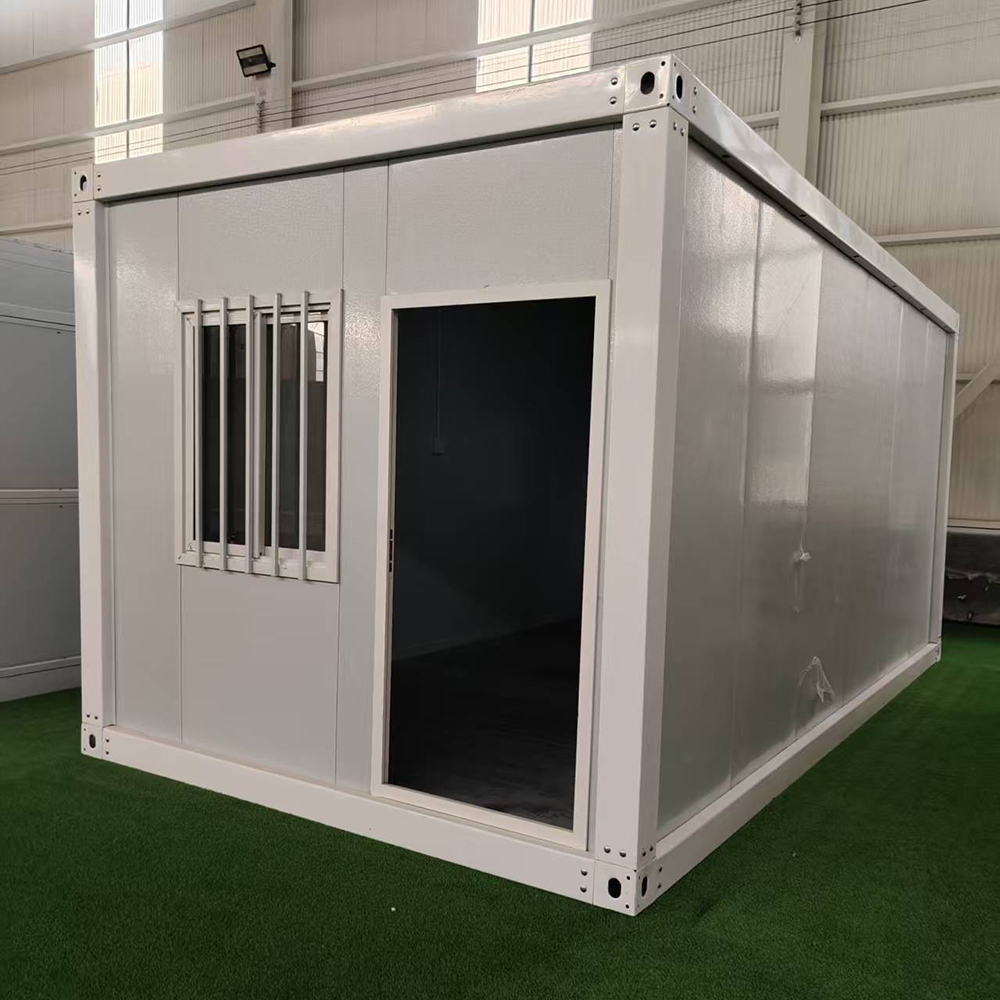
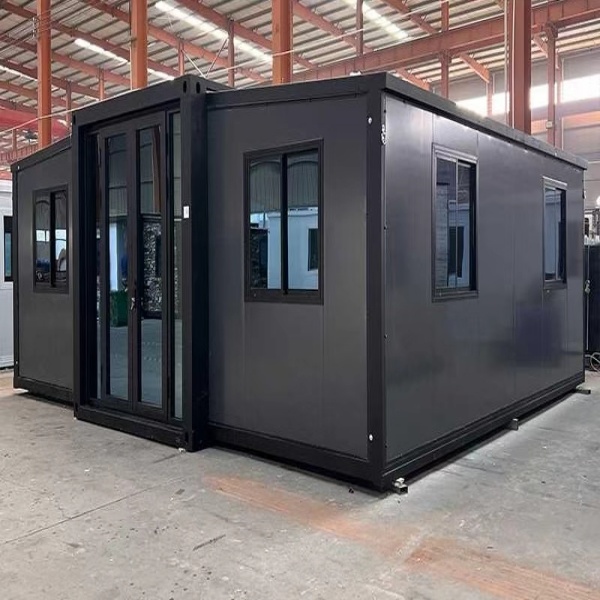

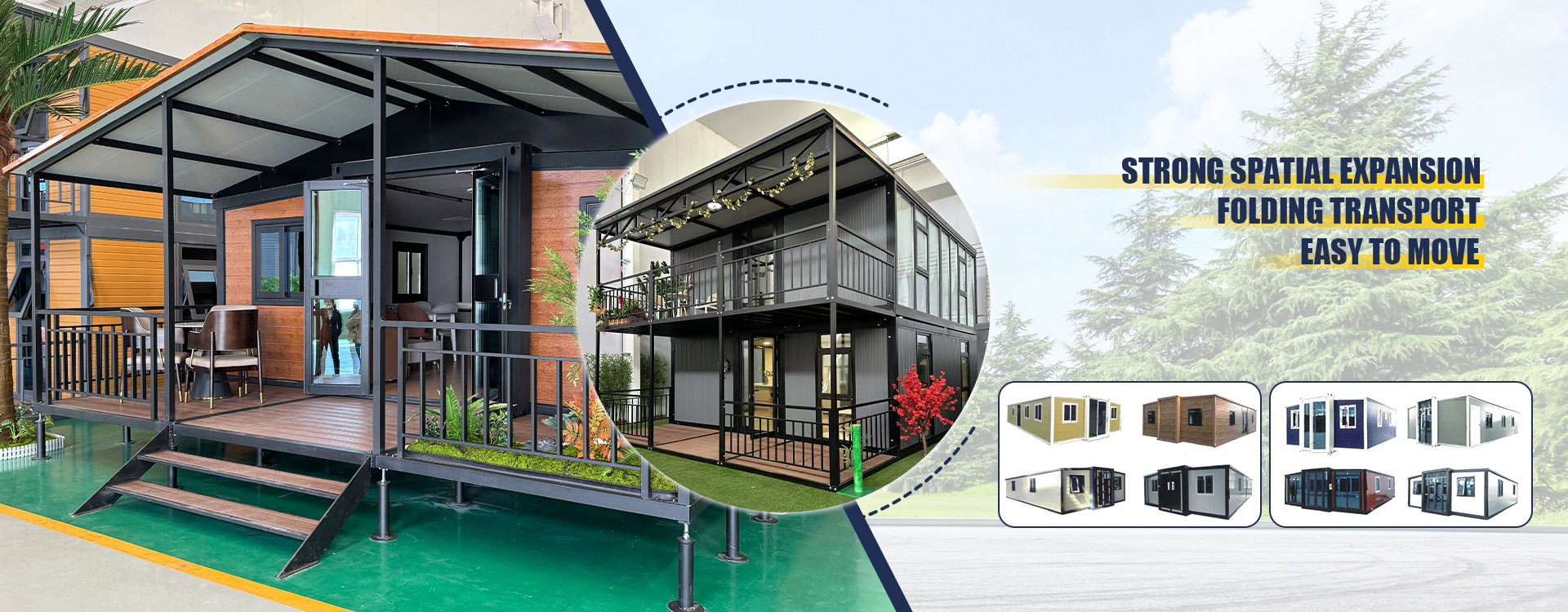
Best selling products
Best selling products-
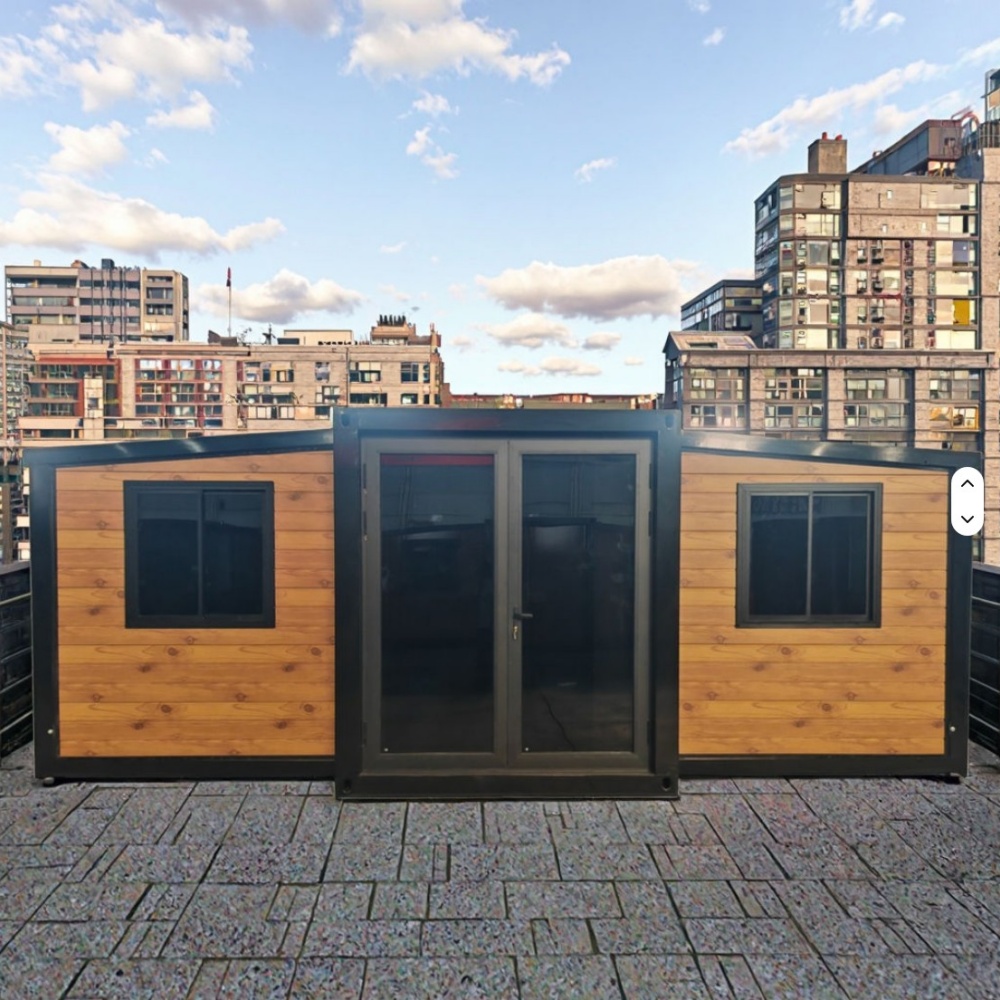 Customized Two Wing Folding Expandable Container House
 -
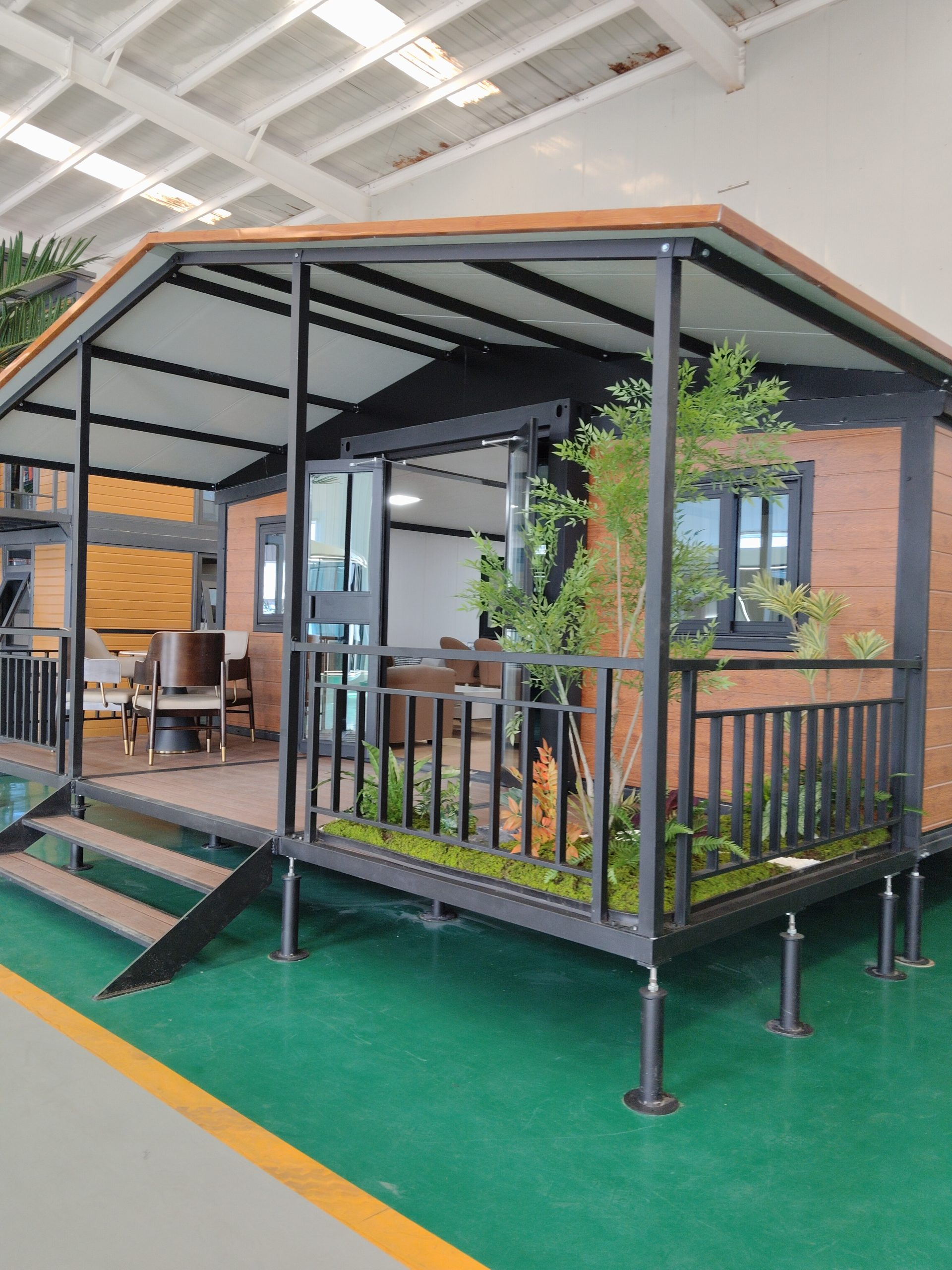 A container house with a terrace and double-wing folding design, suitable for various purposes such as offices, meeting rooms, living rooms, etc.
 -
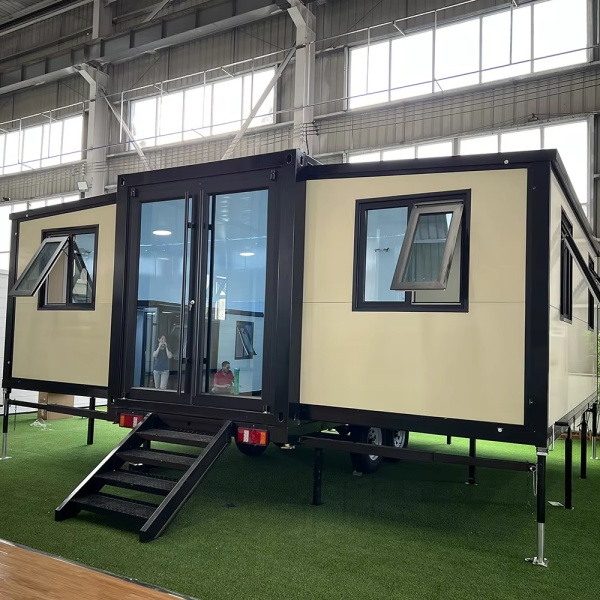 Stair Access Double Wing Expandable Container House | Easy Installation Mobile Office
 -
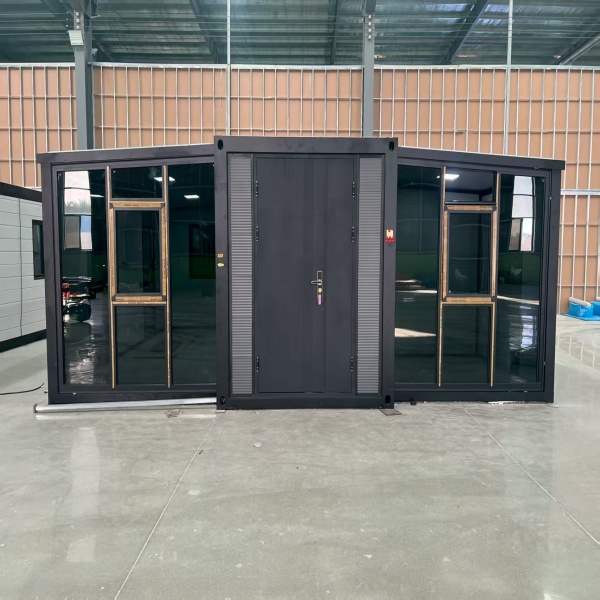 Customizable Office Mobile Home with Flat Roof and Double Wing Expansion Box, Convenient Container
 -
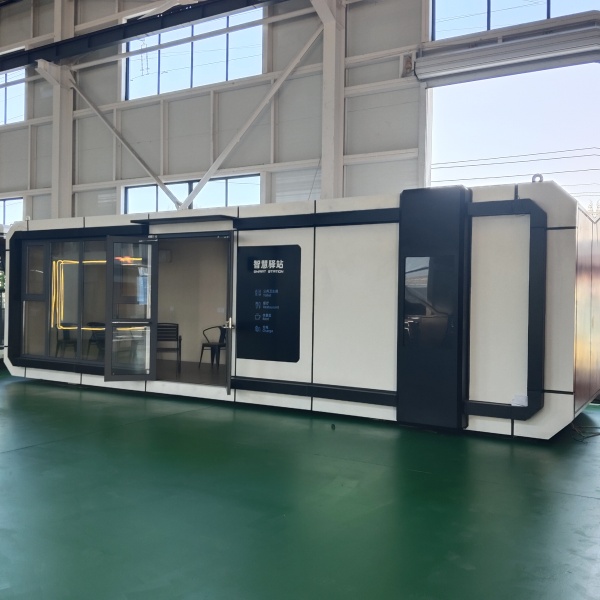 Modular modern movable apple cabins, customized high-end folk houses and portable bedrooms, delivered as a whole
 -
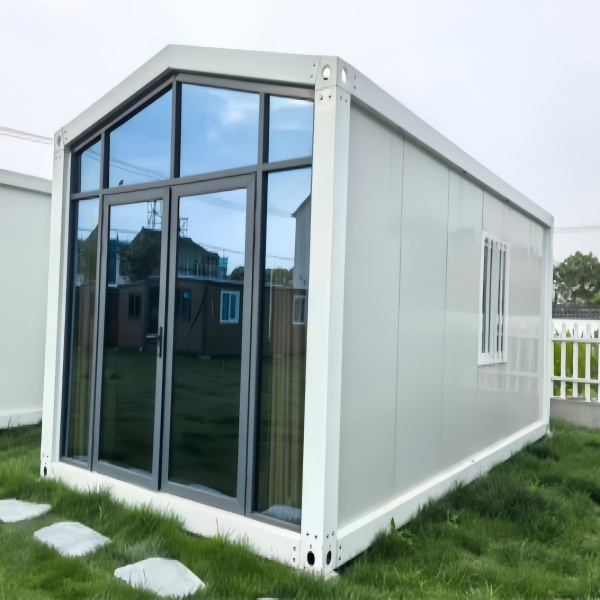 Waterproof folding container house – mobile accommodation for campsites/scenic spots
 -
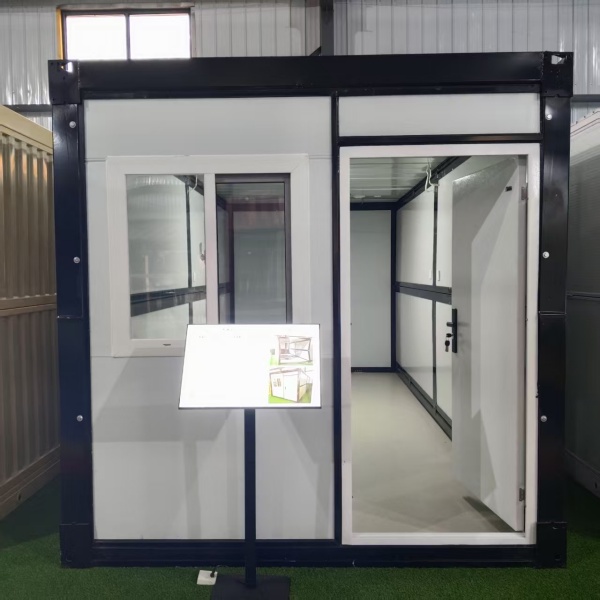 Hot-selling foldable container houses, expandable prefabricated houses, suitable for office or living use, with fast delivery.
 -
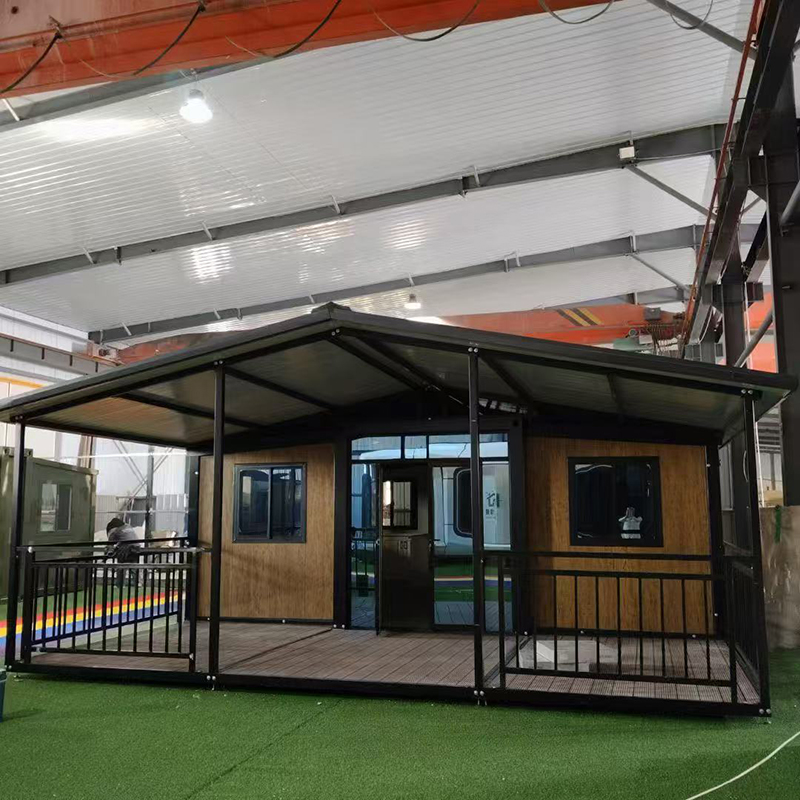 Customized Expandable Container House Holiday Home Folding Prefab Container House with Bathroom and Kitchen
 -
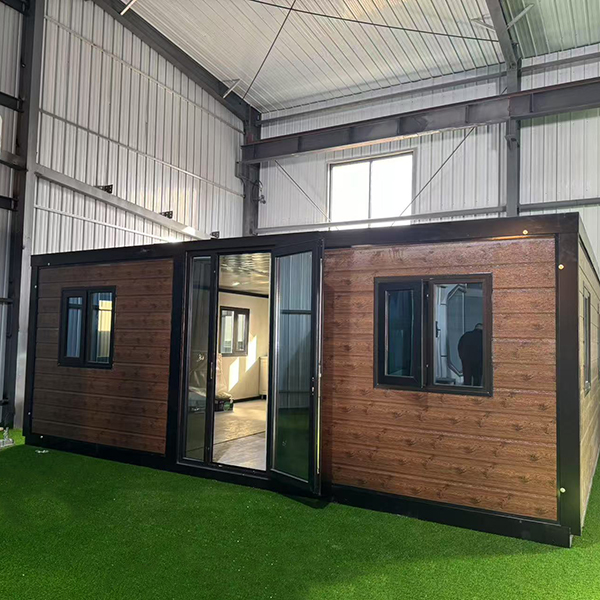 Good Quality Modular Homes Prefabricated House Expandable Container House 20FT Mobile Flat Roof House
 -
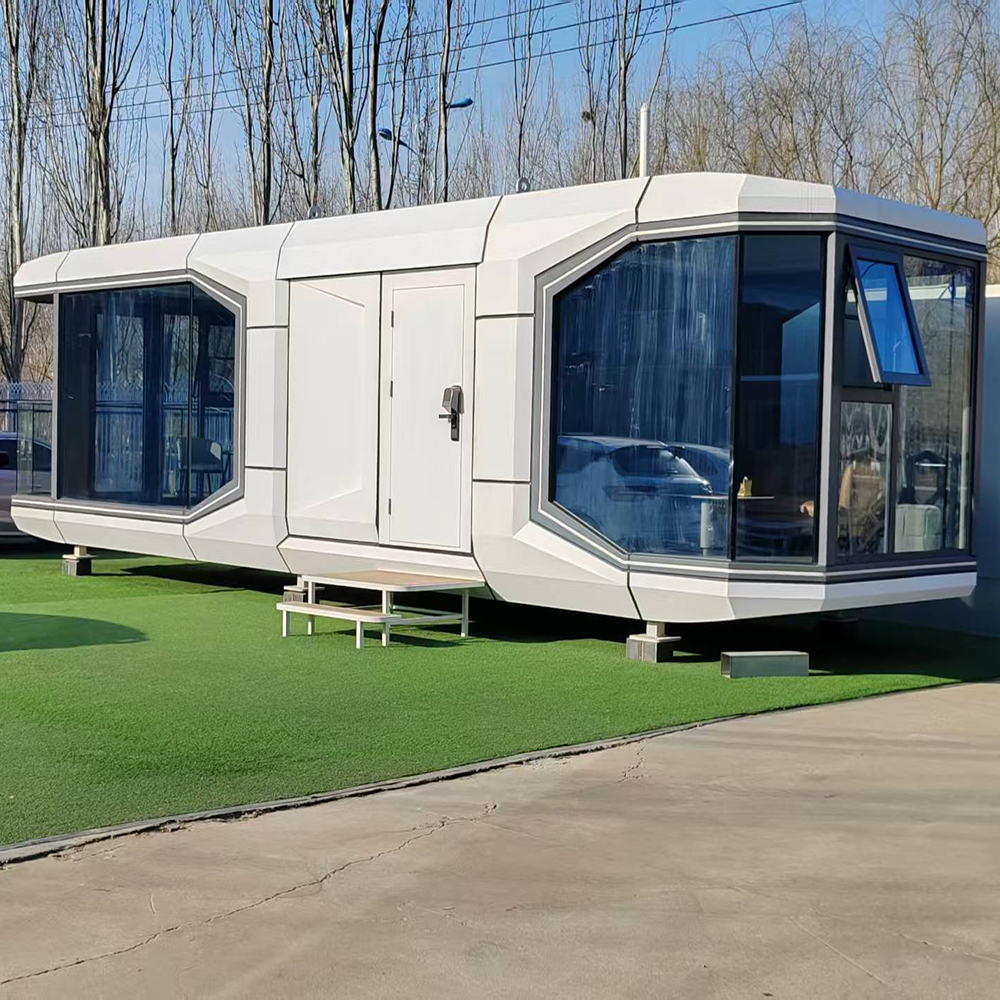 Luxury High Quality 2 Bedroom Container Home Prefabricated Steel Space Capsule for Office Shop Hotel or Outdoor House
 -
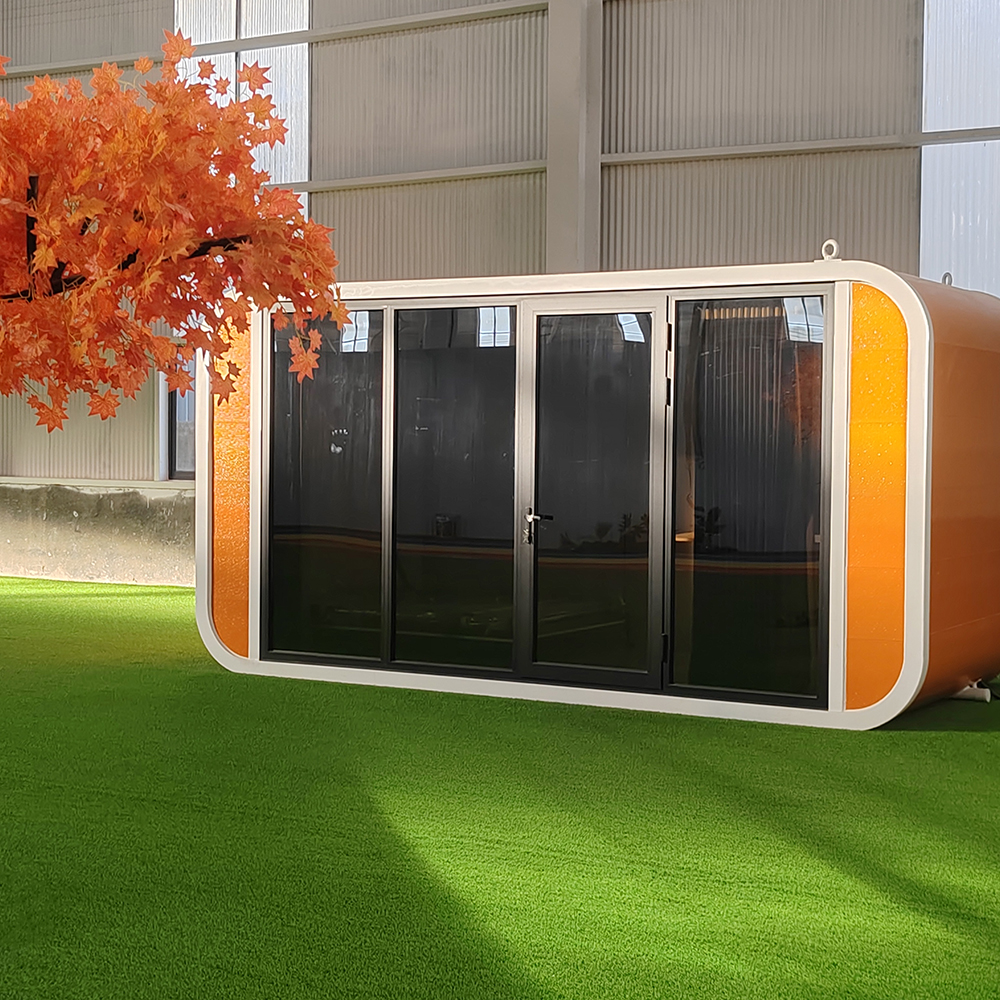 Luxury Prefabricated Living Container House Modular Glass Tiny House Prefab Container Home Apple Cabin
 -
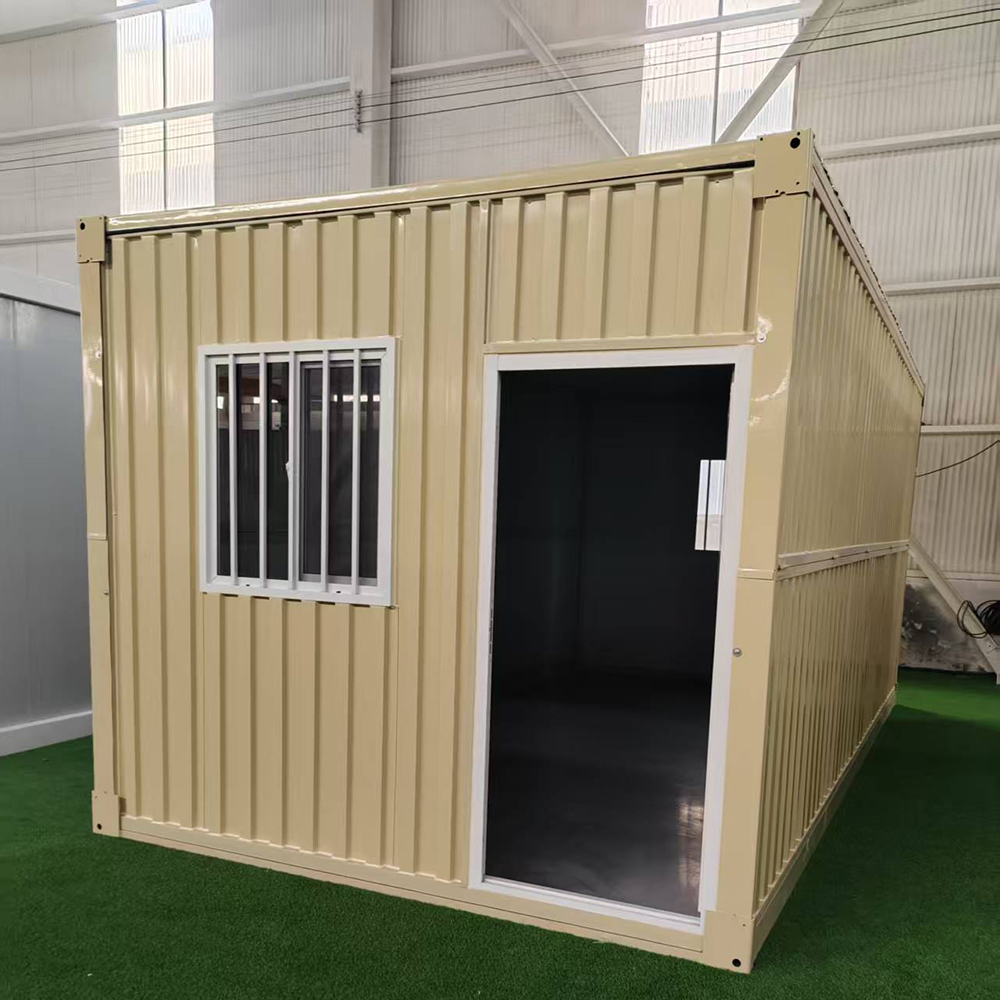 Competitive Price Portable Container House Foldable Container Mobile Living Modular Homes
Related search
Related search- the folding house
- Buy fold out tiny home
- China luxury expandable container house
- prefabricated expandable container house
- cabin expandable container house for hotel
- fold out container house
- China expanding container house
- China container homes fold out
- China folding houses
- Buy mobile living container house prefabricated house