
-
E-mail
Austin120521@outlook.com -
E-mail
sales@jujiuhouse.com -
Telephone
+86-17864099991 -
Telephone
+86-17854044442
- Chinese
- French
- German
- Portuguese
- Spanish
- Russian
- Japanese
- Korean
- Arabic
- Irish
- Greek
- Turkish
- Italian
- Danish
- Romanian
- Indonesian
- Czech
- Afrikaans
- Swedish
- Polish
- Basque
- Catalan
- Esperanto
- Hindi
- Lao
- Albanian
- Amharic
- Armenian
- Azerbaijani
- Belarusian
- Bengali
- Bosnian
- Bulgarian
- Cebuano
- Chichewa
- Corsican
- Croatian
- Dutch
- Estonian
- Filipino
- Finnish
- Frisian
- Galician
- Georgian
- Gujarati
- Haitian
- Hausa
- Hawaiian
- Hebrew
- Hmong
- Hungarian
- Icelandic
- Igbo
- Javanese
- Kannada
- Kazakh
- Khmer
- Kurdish
- Kyrgyz
- Latin
- Latvian
- Lithuanian
- Luxembou..
- Macedonian
- Malagasy
- Malay
- Malayalam
- Maltese
- Maori
- Marathi
- Mongolian
- Burmese
- Nepali
- Norwegian
- Pashto
- Persian
- Punjabi
- Serbian
- Sesotho
- Sinhala
- Slovak
- Slovenian
- Somali
- Samoan
- Scots Gaelic
- Shona
- Sindhi
- Sundanese
- Swahili
- Tajik
- Tamil
- Telugu
- Thai
- Ukrainian
- Urdu
- Uzbek
- Vietnamese
- Welsh
- Xhosa
- Yiddish
- Yoruba
- Zulu
- Kinyarwanda
- Tatar
- Oriya
- Turkmen
- Uyghur




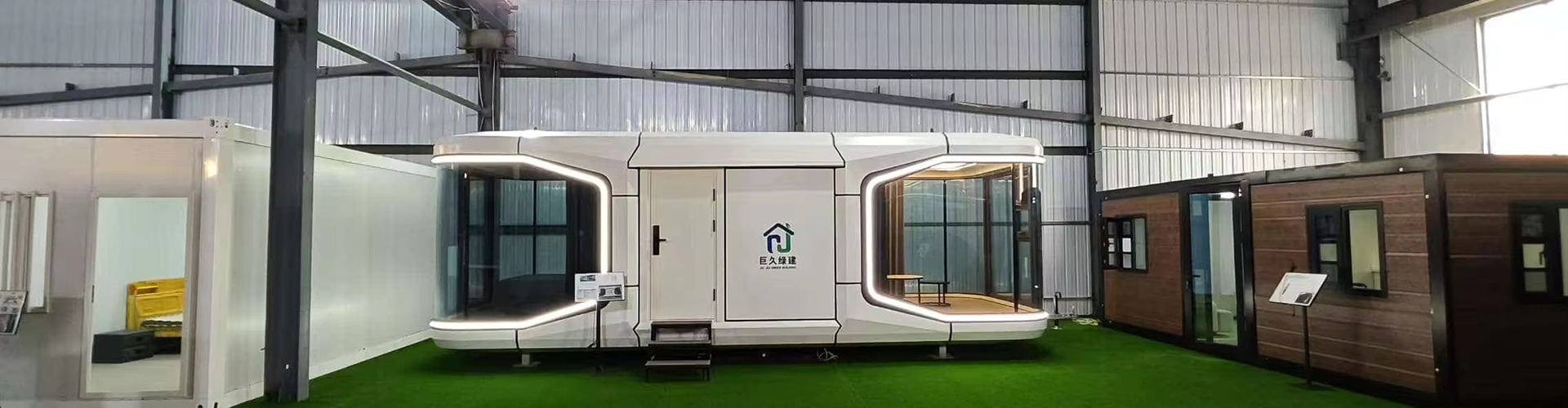
China modular prefab prefabricated shipping container house home
The Evolution of Modular Prefabricated Shipping Container Homes in China
Modular prefabricated homes, especially those built from shipping containers, are gaining significant attention in China. This approach combines innovation with practicality, striking a balance that intrigues investors and prospective homeowners alike. However, there are nuances often overlooked—even oversimplified—in discussions outside industry circles.
Understanding the Prefab Phenomenon
In the world of construction, the term prefabricated has been around for decades, yet its rise in China, particularly using shipping containers, marks a new era. From architectural studios in Beijing to manufacturing hubs like Shandong, the attention on these structures is undeniable. One might think of prefab as just an assembly line production, which misses the complexity involved in turning a container into a genuinely livable space.
Companies like Shandong Jujiu Integrated Housing Co., Ltd. are spearheading this transformation. Through their work, it’s evident that the industry demands a blend of creativity and stringent engineering skills. Their projects often highlight optimized space use and environmental considerations, pushing the envelope of what a basic container can be.
A visit to factory sites, such as those found in https://www.jujiuhouse.com, reveals layers of this intricacy. Raw steel containers are innovatively modified into units with plumbing, insulation, and electricity—all vital yet challenging additions, given the initial purpose of these containers.
Challenges in Design and Fabrication
Designing a coherent, appealing home from a box that's eight feet wide involves a particular kind of creativity. Architects must reconcile limited space with the needs for comfort and functionality. Moreover, not every idea is feasible; structural integrity is paramount, and shipping containers, despite their robustness, have limitations.
During a project with Shandong Jujiu Integrated Housing, a critical challenge arose: optimizing thermal performance. Standard container insulation doesn’t cut it during scorching summers or cold winters. The solution involved a hybrid insulation method, blending materials to ensure comfort without sacrificing interior space—certainly not as straightforward as installing traditional insulation in a brick-and-mortar house.
Another aspect is the modular adaptability. The possibility to extend or combine units is a selling point but presents engineering hurdles. How does one ensure stability when stacking these modular units? The firm addressed this by developing custom joinery techniques to bolster the support system, ensuring safety and reliability.
Market Trends and Perceptions
Interest in these homes is piqued by a rising consciousness about sustainability and cost. China’s dense urban environments amplify the appeal of compact, efficient living spaces. Yet, there remains a lingering misconception that these are not real homes. This view is slowly changing, particularly as real-world applications defy earlier skeptics.
Case in point: a recent project by Shandong Jujiu demonstrated full-scale villages constructed from these units, offering quick, economically viable housing solutions. Residents noted the similar comfort levels to traditional homes, challenging outdated stereotypes.
The economic benefit isn’t confined to the buyer alone. Developers see reduced construction timelines as a direct financial advantage. Less time building means less exposure to market volatility, a point of strategic significance especially in fluctuating economies.
Real-World Applications and Innovations
Beyond individual homes, these modular structures find uses in various domains—offices, pop-up shops, and even schools. A notable project in Shandong saw shipping containers repurposed into temporary COVID-19 testing stations, evidencing flexibility in urgent scenarios.
This adaptability demonstrates a broader potential for integrated housing solutions. Research and development drive this trend, with companies like Shandong Jujiu exploring new applications and material sciences to enhance their offerings.
Nevertheless, not every innovation hits the mark. Prototype designs occasionally fail under practical scrutiny, proving that aesthetic appeal must align with functionality. The learning curve is steep, yet each setback catalyzes further ingenuity.
The Future Outlook
Looking ahead, the trajectory of modular prefab housing in China seems promising. As sustainability and economic considerations continue to motivate change, the industry is poised for growth. With firms like Shandong Jujiu dedicated to evolving their craft, the potential seems limitless.
Despite the positive trend, challenges remain. Regulatory frameworks often lag behind innovation, requiring agile adaptation from manufacturers and designers. Moreover, market acceptance takes time, where cultural expectations surrounding 'homes' influence buyer decisions.
As with any evolving industry, the journey is replete with trial and triumph. Yet, if the present dynamics are any indication, modular prefabricated shipping container homes are more than a passing trend—they may very well represent a cornerstone of future urban living solutions.
Related products
Related products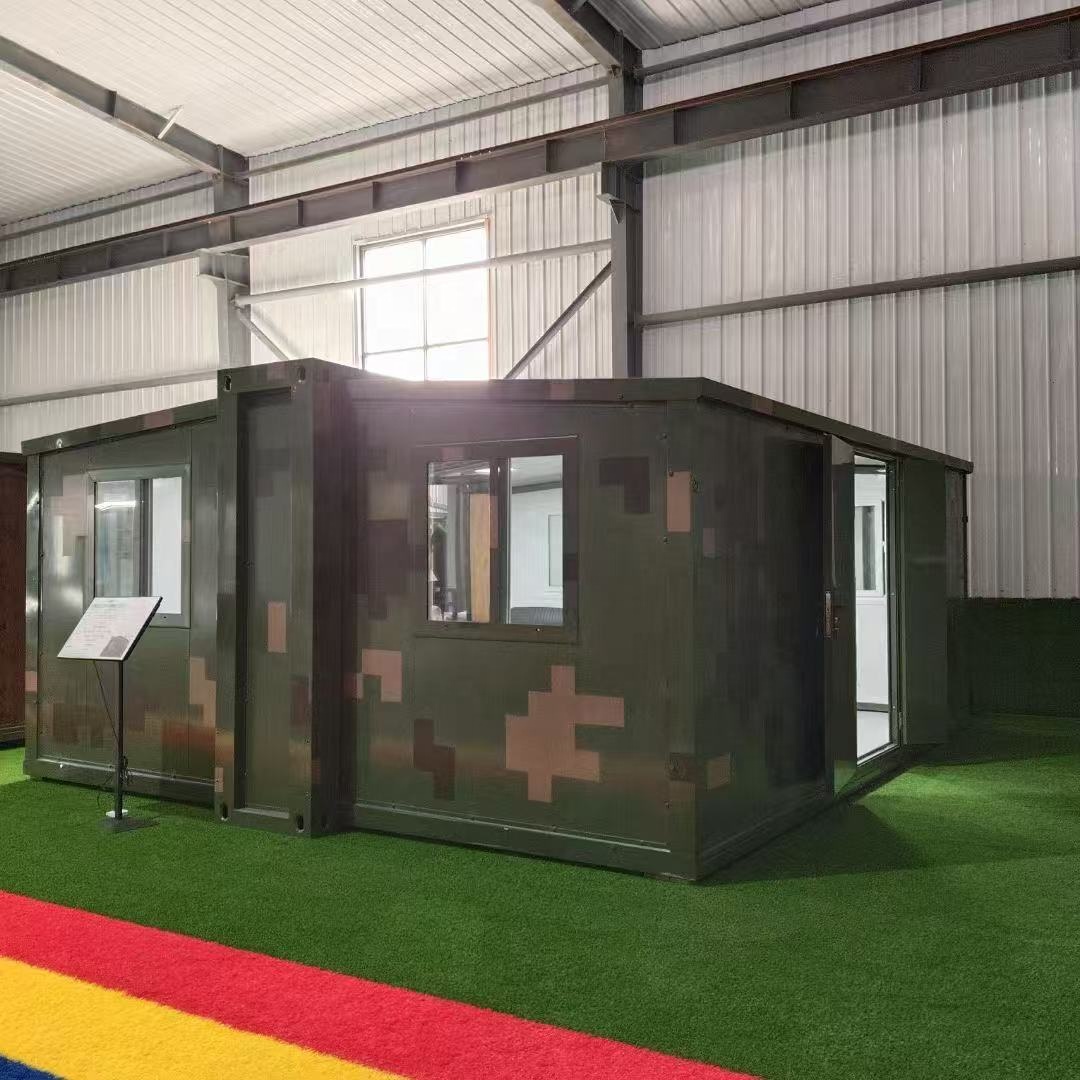
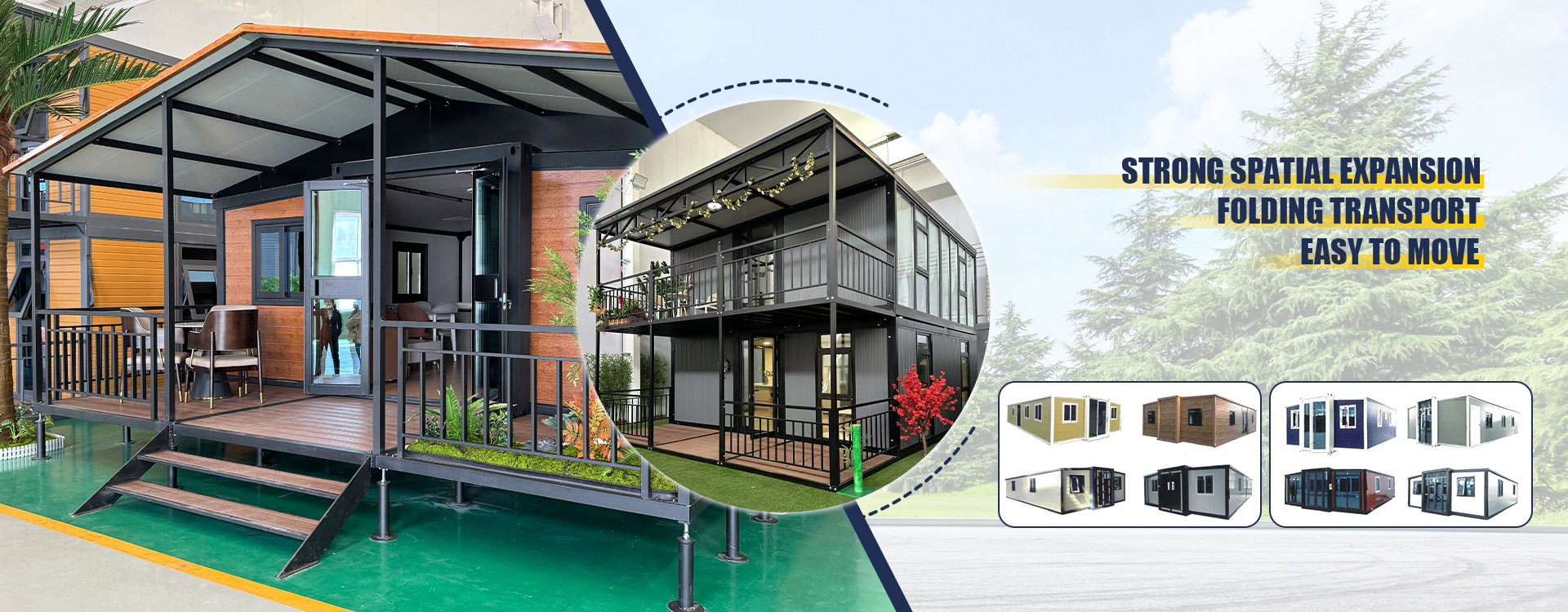
Best selling products
Best selling products-
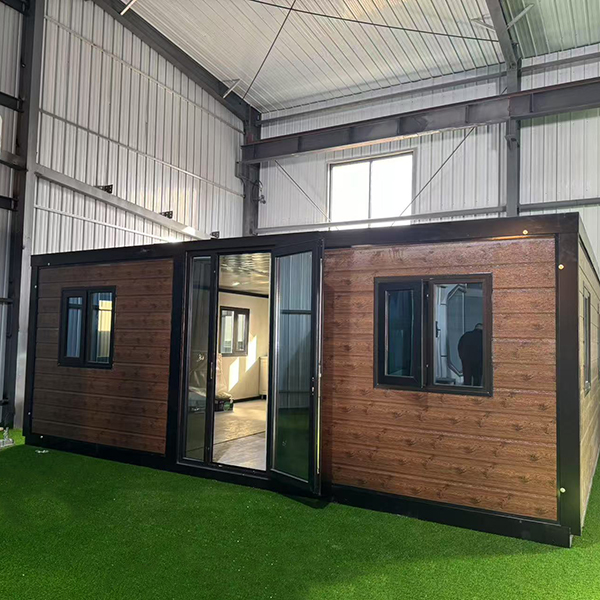 Good Quality Modular Homes Prefabricated House Expandable Container House 20FT Mobile Flat Roof House
 -
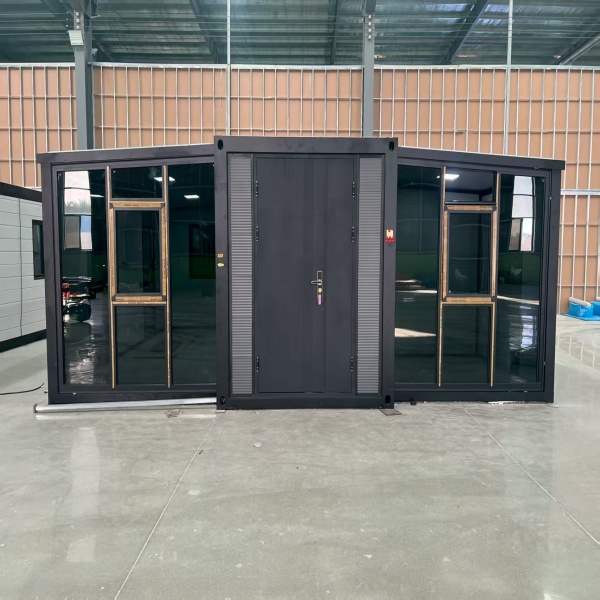 Customizable Office Mobile Home with Flat Roof and Double Wing Expansion Box, Convenient Container
 -
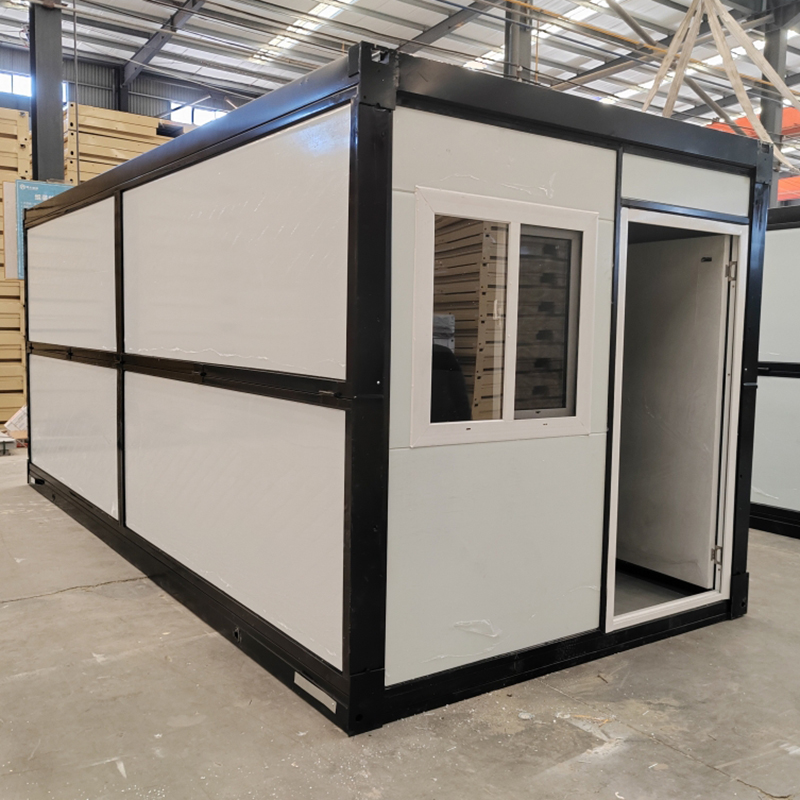
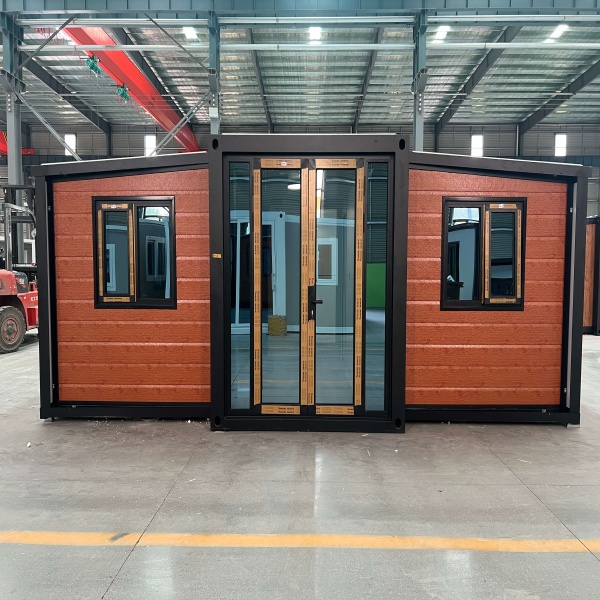 High-quality Double-wing Folding Container House with Doors and Windows, Insulated Walls, Suitable for Various Scenarios.
 -
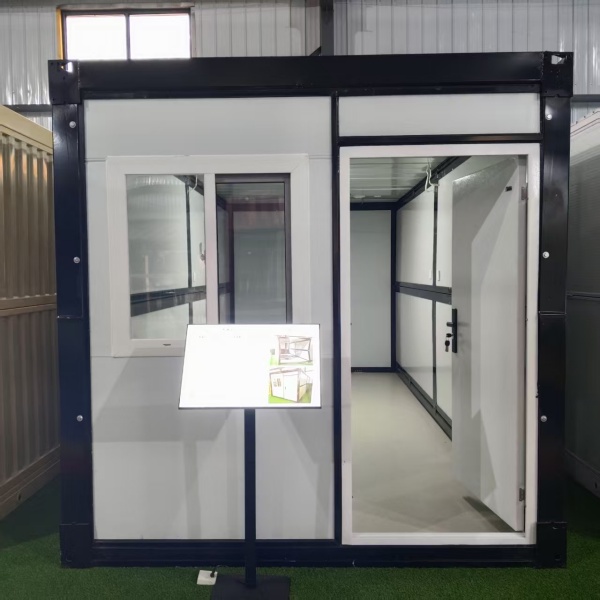 Factory Direct Sales Office Folding Container Luxury House Living Container House
 -
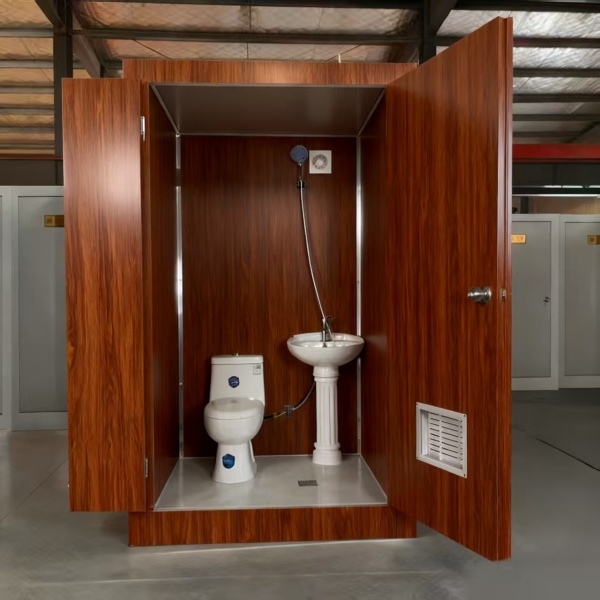 Portable outdoor camping bathroom, mobile toilet, prefabricated modular villa & rental of outdoor and indoor showers
 -
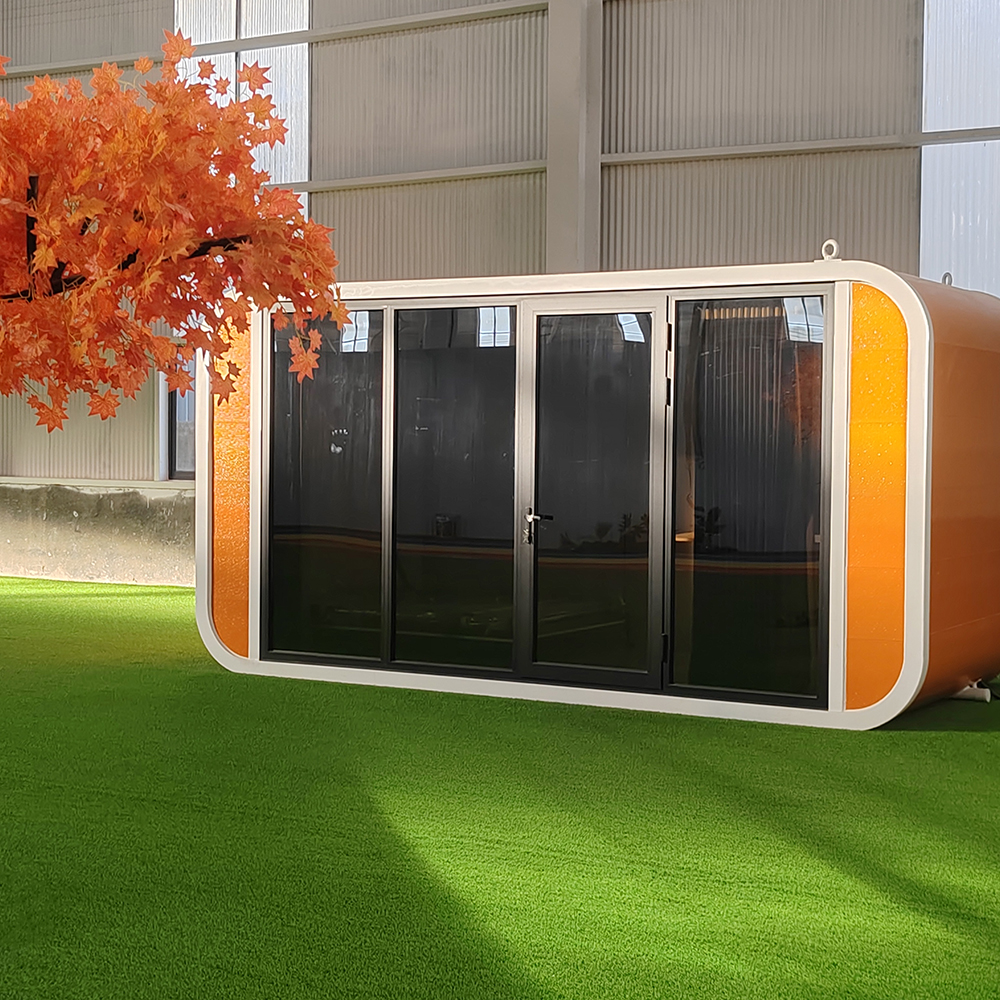
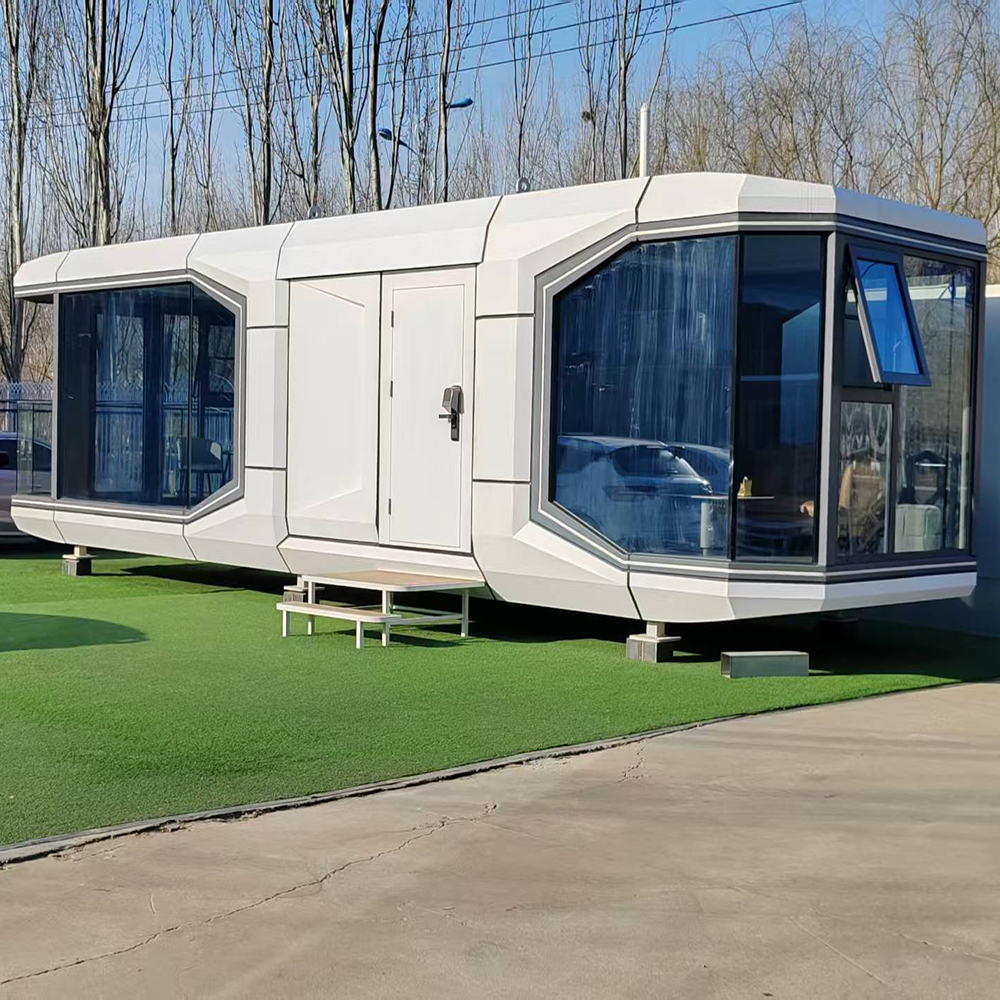 Luxury High Quality 2 Bedroom Container Home Prefabricated Steel Space Capsule for Office Shop Hotel or Outdoor House
 -
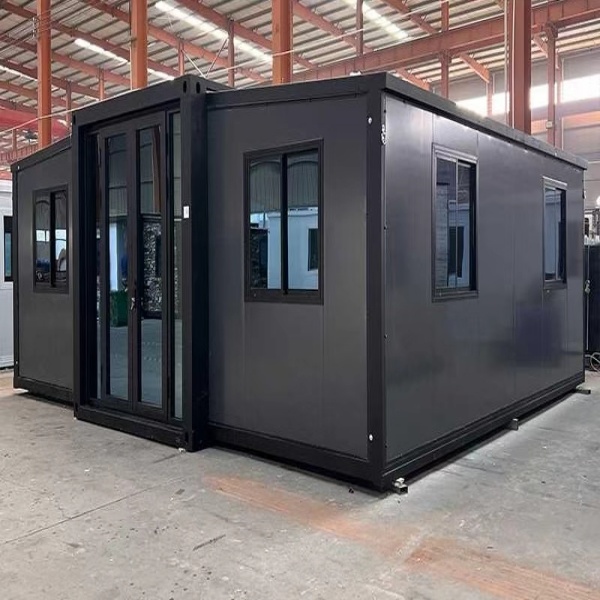 Dual-Wing Folding Container House: Fast Assembly, Space-Saving & Multi-Scene Adaptable
 -
 Luxury Foldable Two Story Container House for Glamping Resort and Villa Hotel
 -
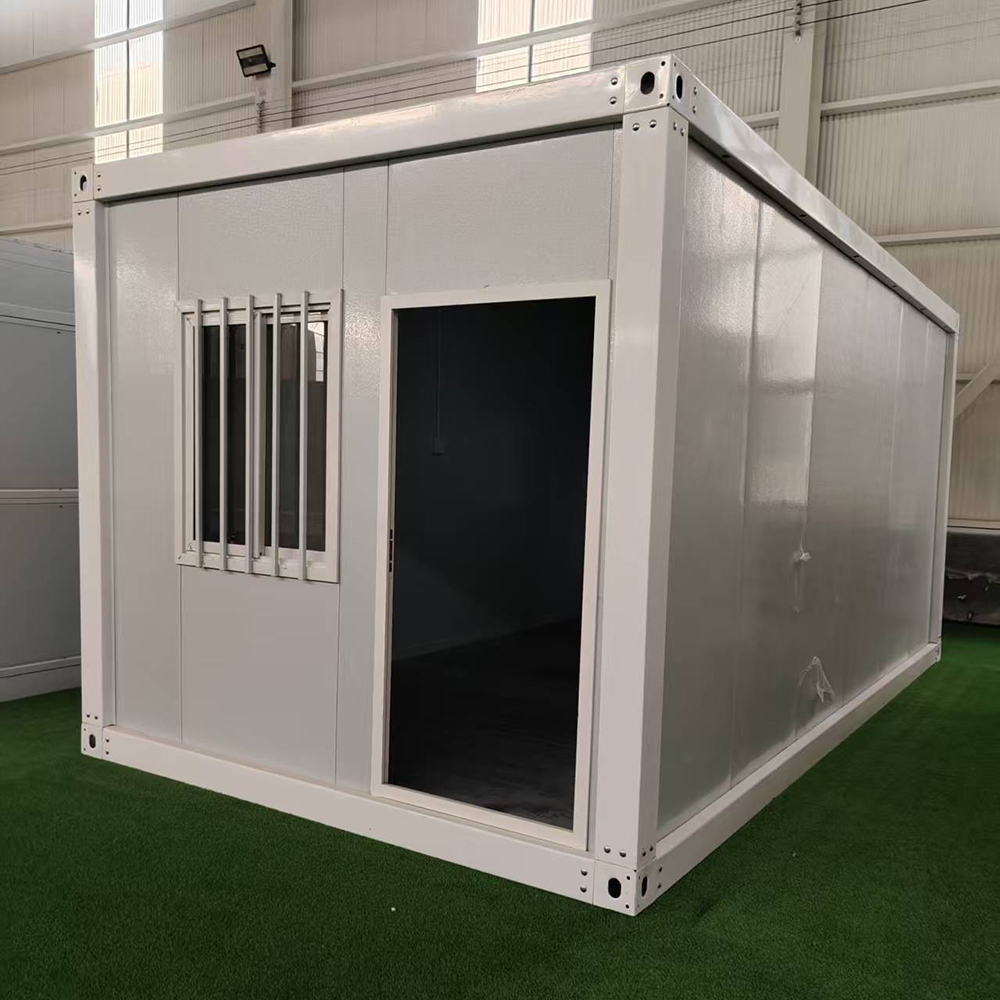 Folding Container Moving House Modular Office Container House Prefab Container for Outdoor Use
 -
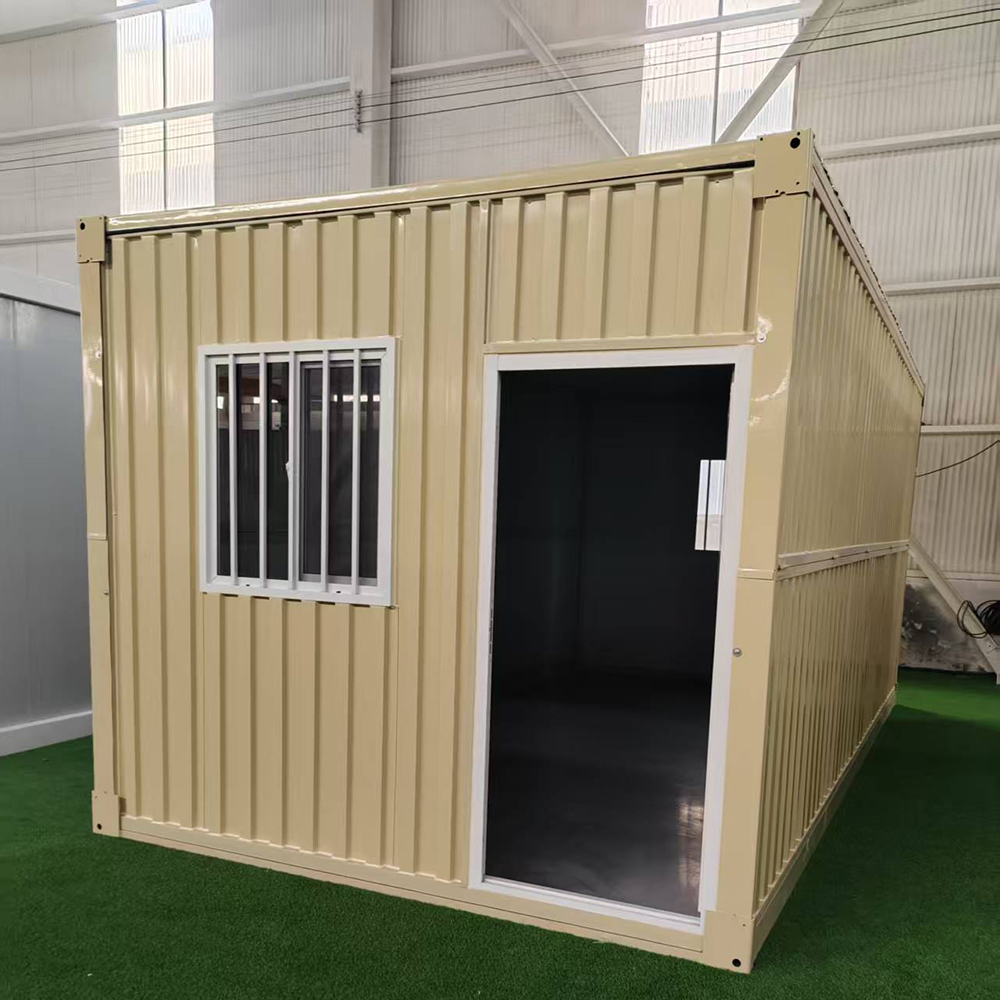 Competitive Price Portable Container House Foldable Container Mobile Living Modular Homes
 -
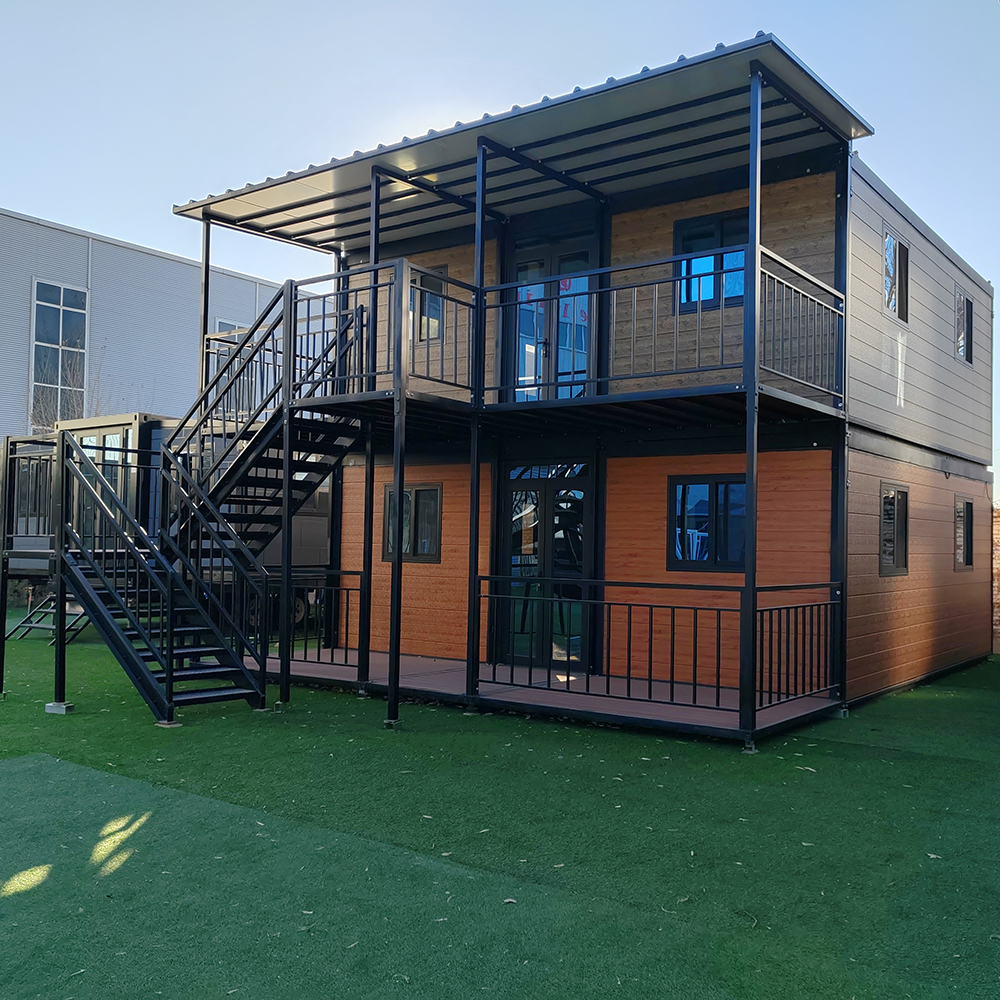 Easy Install Customized Detachable Container Homes Extendable House Prefab 2 Floors Expandable Container House
 -
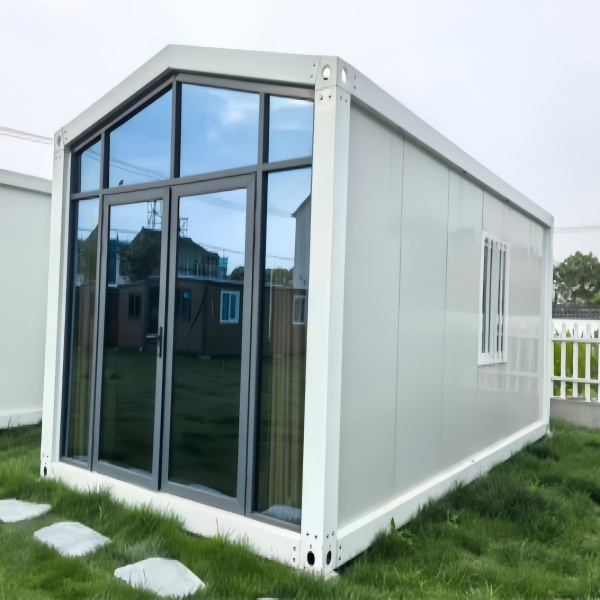 Waterproof folding container house – mobile accommodation for campsites/scenic spots
Related search
Related search- portable prefabricated expandable container house
- China container house luxury prefab homes prefabricated
- cabins on apple valley road
- Buy apple hollow cabins
- bastone mobile expandable prefab house 19ft x 20ft
- apple cabin prefabricated home
- Buy cabins on apple valley road
- China expandable container house with solar energy
- Buy modular modern container house tiny home prefabricated
- prefabricated home folding container house