
-
E-mail
Austin120521@outlook.com -
E-mail
sales@jujiuhouse.com -
Telephone
+86-17864099991 -
Telephone
+86-17854044442
- Chinese
- French
- German
- Portuguese
- Spanish
- Russian
- Japanese
- Korean
- Arabic
- Irish
- Greek
- Turkish
- Italian
- Danish
- Romanian
- Indonesian
- Czech
- Afrikaans
- Swedish
- Polish
- Basque
- Catalan
- Esperanto
- Hindi
- Lao
- Albanian
- Amharic
- Armenian
- Azerbaijani
- Belarusian
- Bengali
- Bosnian
- Bulgarian
- Cebuano
- Chichewa
- Corsican
- Croatian
- Dutch
- Estonian
- Filipino
- Finnish
- Frisian
- Galician
- Georgian
- Gujarati
- Haitian
- Hausa
- Hawaiian
- Hebrew
- Hmong
- Hungarian
- Icelandic
- Igbo
- Javanese
- Kannada
- Kazakh
- Khmer
- Kurdish
- Kyrgyz
- Latin
- Latvian
- Lithuanian
- Luxembou..
- Macedonian
- Malagasy
- Malay
- Malayalam
- Maltese
- Maori
- Marathi
- Mongolian
- Burmese
- Nepali
- Norwegian
- Pashto
- Persian
- Punjabi
- Serbian
- Sesotho
- Sinhala
- Slovak
- Slovenian
- Somali
- Samoan
- Scots Gaelic
- Shona
- Sindhi
- Sundanese
- Swahili
- Tajik
- Tamil
- Telugu
- Thai
- Ukrainian
- Urdu
- Uzbek
- Vietnamese
- Welsh
- Xhosa
- Yiddish
- Yoruba
- Zulu
- Kinyarwanda
- Tatar
- Oriya
- Turkmen
- Uyghur




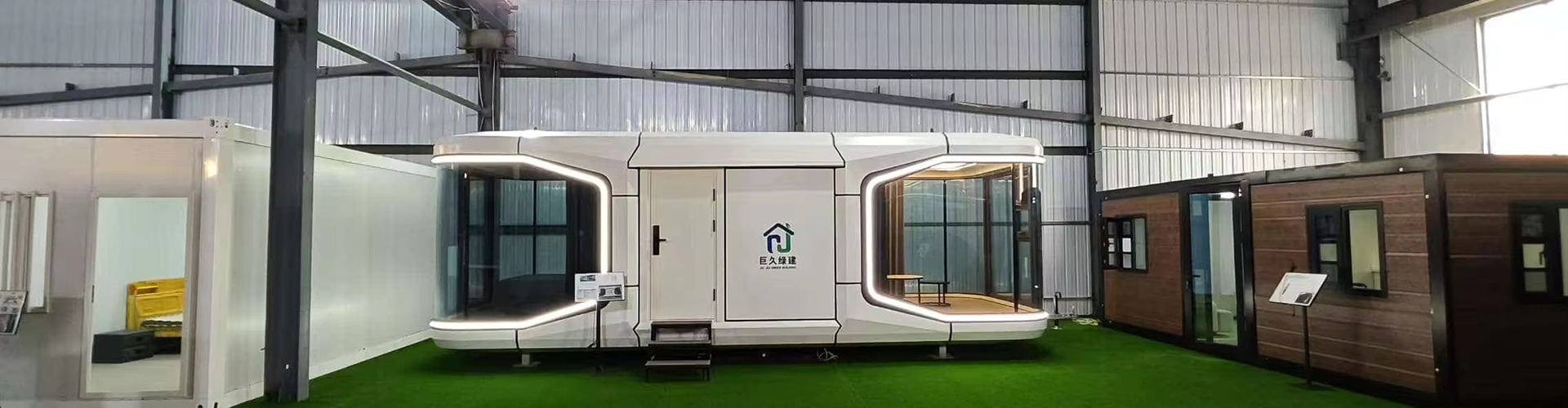
China movable space capsule homes
Exploring the World of China's Movable Space Capsule Homes
The concept of movable space capsule homes in China often evokes images of futuristic living with a touch of the unconventional. These homes aren't just about portability; they're reshaping the way people think about residential mobility. Though many assume these are simply modern tiny homes, the reality is much deeper, involving sophisticated engineering and innovative design. The journey of understanding these homes is equally about embracing adaptability as it is about housing.
Understanding Movable Space Capsule Homes
So, what exactly are these capsule homes? Primarily, they’re an evolution of the traditional portable house—think container homes with a sci-fi flair. The design concept typically involves modular units that are both compact and functional. Although reminiscent of something out of a tech-centered utopia, these structures emphasize efficiency and sustainability.
Some pioneers in the industry, like Shandong Jujiu Integrated Housing Co., Ltd., have taken this concept further. You can find more about their innovation on their site. They integrate advanced materials and design processes, enhancing not just durability but also aesthetic appeal. Unlike older models, today's capsule homes consider environmental impact and user comfort as primary concerns.
An interesting challenge these homes address is land use efficiency, particularly in urban settings where space is limited yet demands are high. Movable homes are becoming a practical solution, reducing the carbon footprint while adapting to varied terrains and climate conditions.
Benefits and Drawbacks
The primary benefit? Mobility. Imagine relocating your home with minimal fuss, a concept that appeals to both younger generations and those with a nomadic lifestyle. By utilizing lightweight materials and smart engineering, homes can be placed in otherwise challenging locations. Shandong Jujiu's approach ensures these structures are not just movable but sustainable.
However, as with any innovation, there are drawbacks. Cost remains a substantial consideration. Even though these homes are efficient, the upfront investment can be significant. Yet, there is potential for savings in the long run—lower utility costs, reduced maintenance compared to traditional homes, and flexibility in location.
Moreover, regulatory hurdles can complicate deployment, especially in urban areas not fully equipped to handle such innovations. Navigating these bureaucratic landscapes requires a keen understanding of local regulations, something firms like Shandong Jujiu are adept at managing.
Real-Life Applications and Case Studies
Practical applications of capsule homes vary widely. In emergency situations, their quick deployment capabilities make them invaluable. Not long ago, parts of China utilized these structures for temporary housing following natural disasters—offering rapid relief due to their quick setup times and minimal infrastructure requirements.
In another instance, eco-tourism projects are employing capsule homes as sustainable lodging options in remote locations. Their small footprint allows guests to experience nature without intruding on the environment, offering a blend of luxury and rustic experience.
Residential projects, too, are picking up pace. In suburban areas, these homes can serve as secondary units or starter homes. As seen on the fields of Shandong Jujiu, they can also function as community housing projects, addressing urban sprawl by maximizing vertical rather than horizontal growth.
Design and Innovation
The design process behind movable space capsule homes is intricate. It's not just about aesthetics—though that’s a big part. These homes need to withstand various environmental pressures, from extreme weather to urban pollution. The materials used often include advanced composites and treated metals, ensuring longevity without sacrificing style.
Customization is another exciting aspect. Modular units can be tailored to individual needs, allowing adaptations in size, shape, and even internal configurations. The homes become a personal reflection of those living within them, a concept that traditional housing struggles to accomplish at the same scale or efficiency.
Companies such as Shandong Jujiu are leading the charge here, harnessing technology to blend form with function effectively. Their projects often exhibit an understanding of both aesthetic and practical needs, pushing the boundaries of what these homes can achieve.
The Future of Movable Space Capsule Homes
Looking ahead, the appeal of movable homes continues to grow. Urbanization trends indicate a shift toward more flexible living arrangements, particularly as work-from-anywhere culture expands. People are seeking out solutions that align with their environmental and personal values.
Collaboration and innovation will be key. As more firms enter this space, competition will spur further advancements. Companies like Shandong Jujiu will likely remain at the forefront, driven by their commitment to design and sustainability. Their efforts can encourage regulation updates, making these homes more accessible globally.
Ultimately, the potential of movable space capsule homes is as limitless as imagination allows, blending futuristic aspirations with today’s practicalities. As we move forward, they represent a significant step toward versatile, sustainable living solutions. This isn’t just a trend; it’s an evolution in housing that’s just beginning to unfold.
Related products
Related products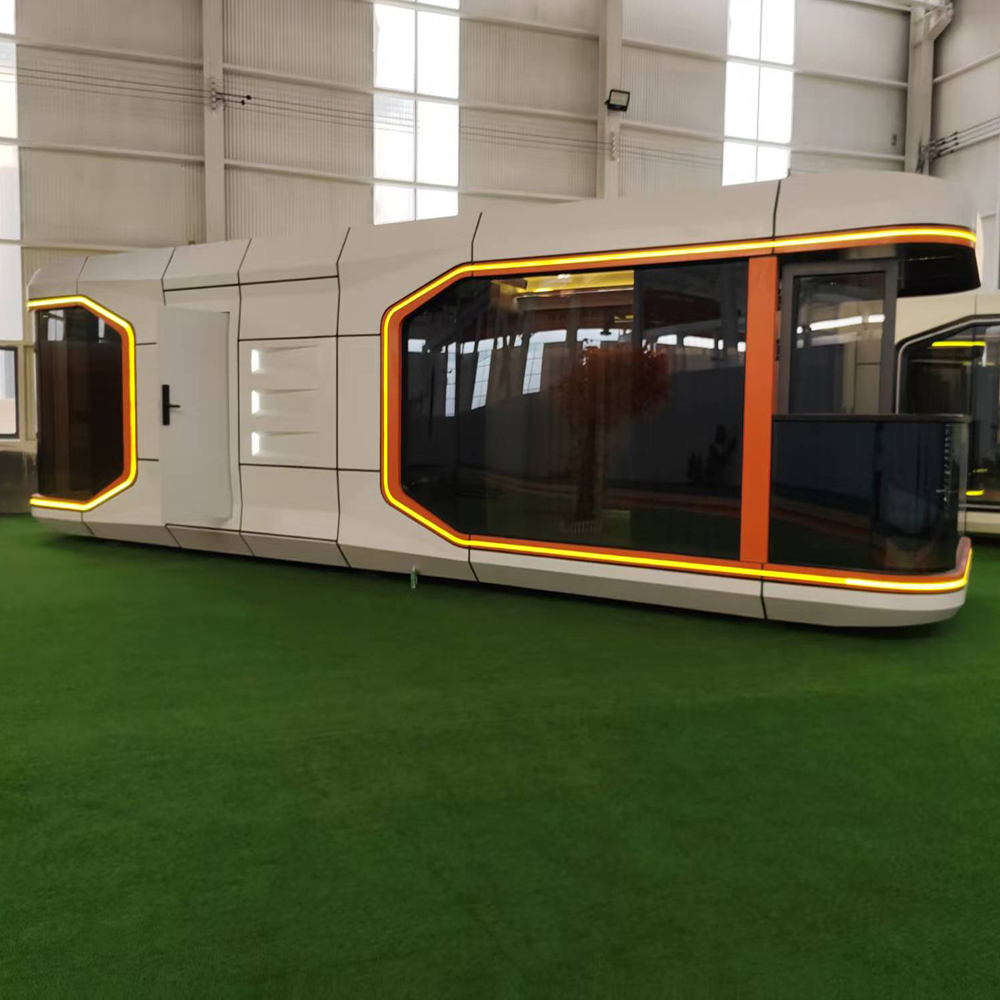
Best selling products
Best selling products-
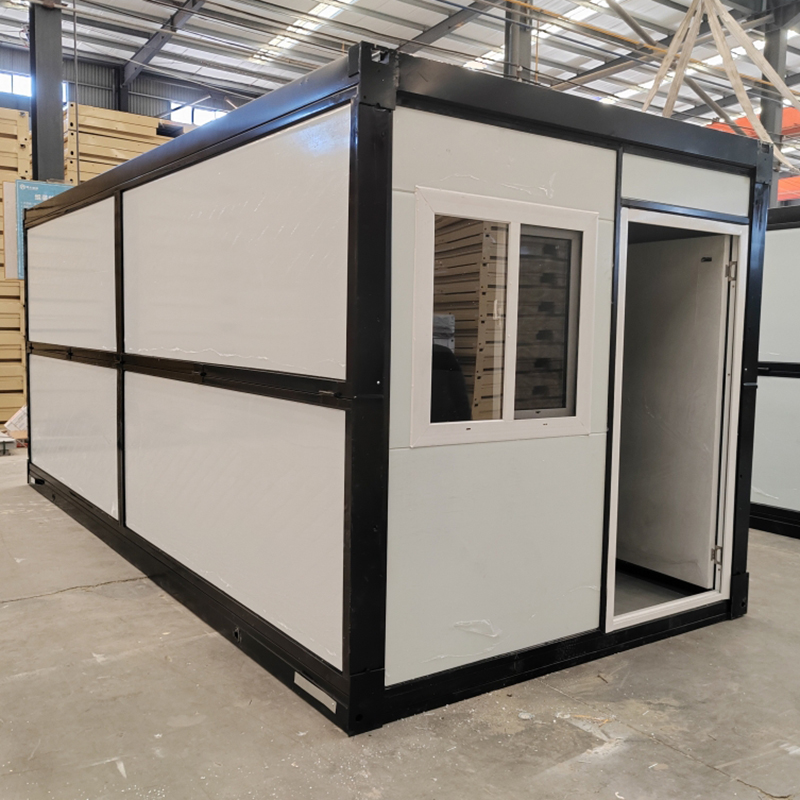
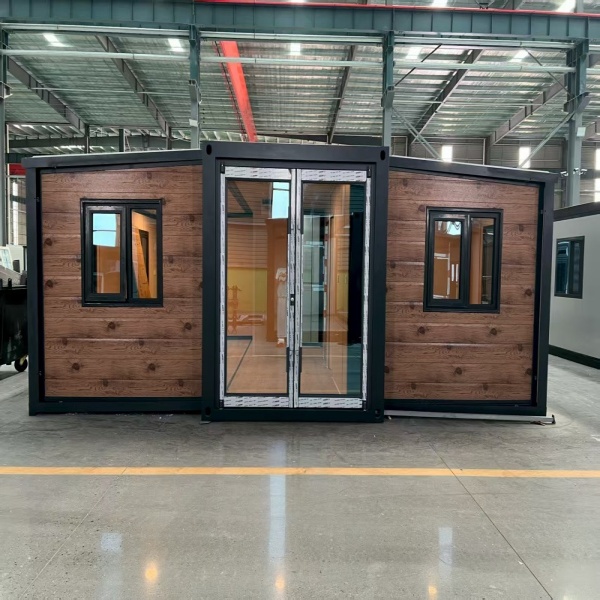
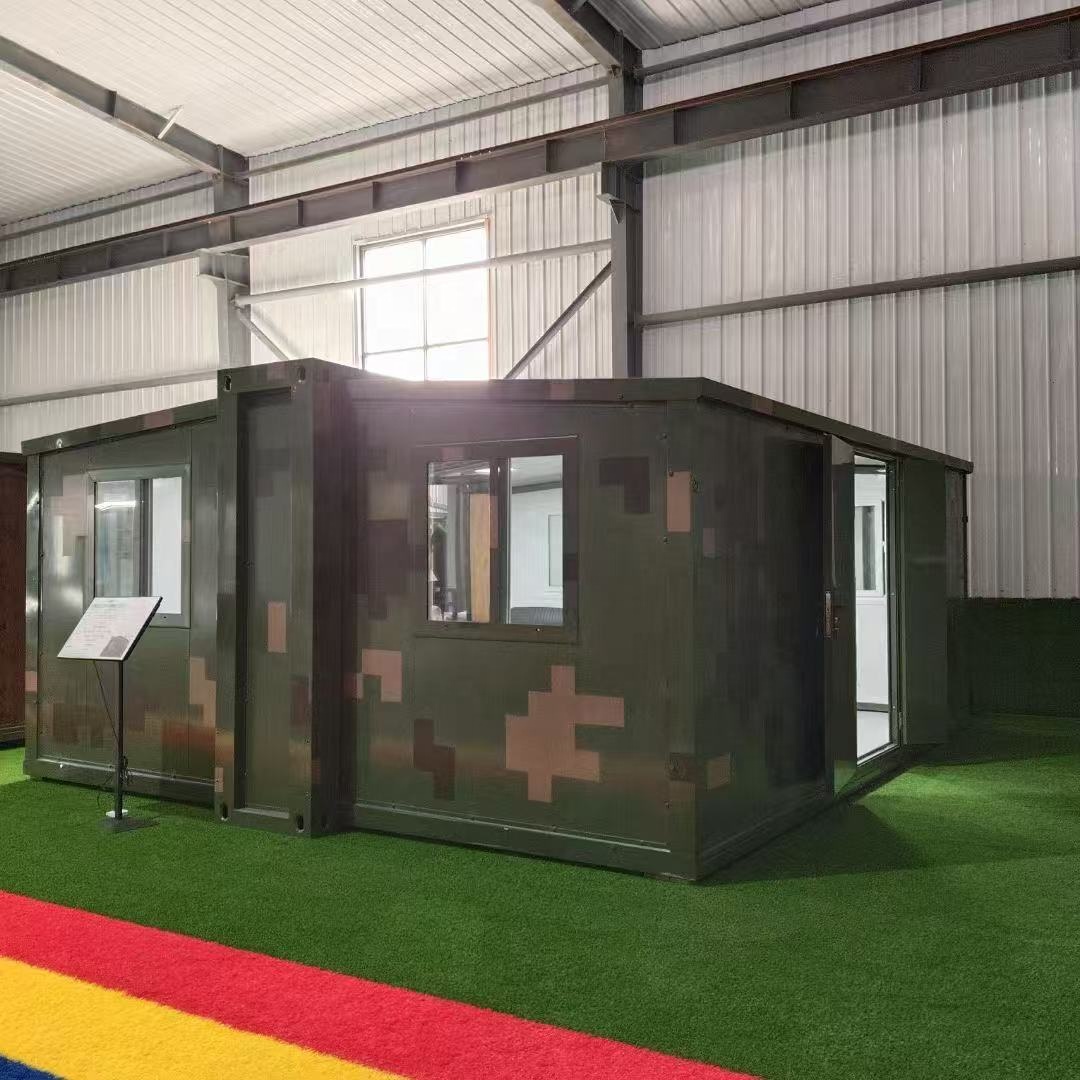
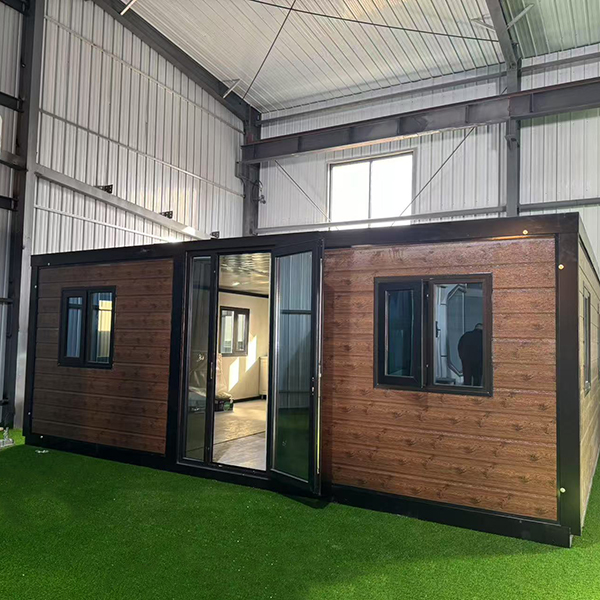
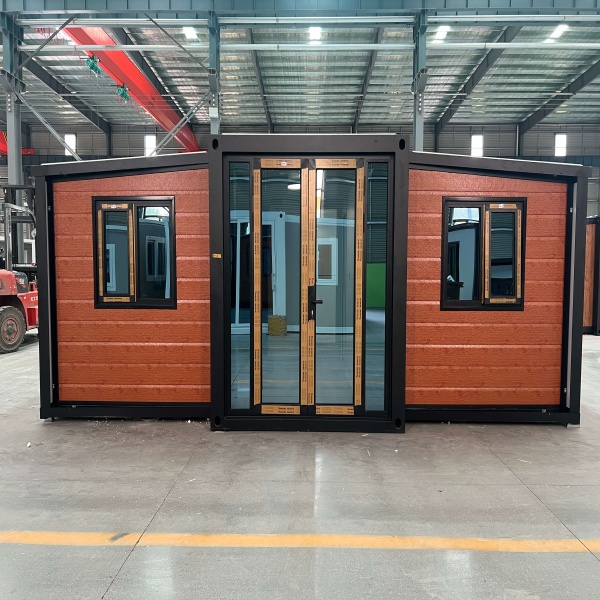 High-quality Double-wing Folding Container House with Doors and Windows, Insulated Walls, Suitable for Various Scenarios.
 -
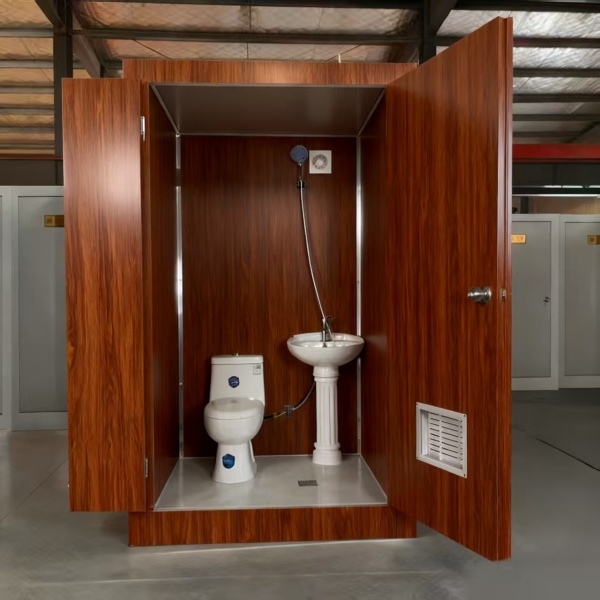 Portable outdoor camping bathroom, mobile toilet, prefabricated modular villa & rental of outdoor and indoor showers
 -
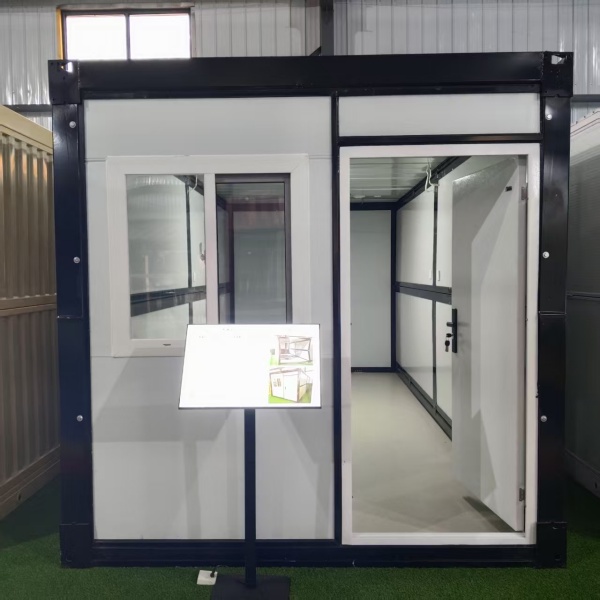 Factory Direct Sales Office Folding Container Luxury House Living Container House
 -
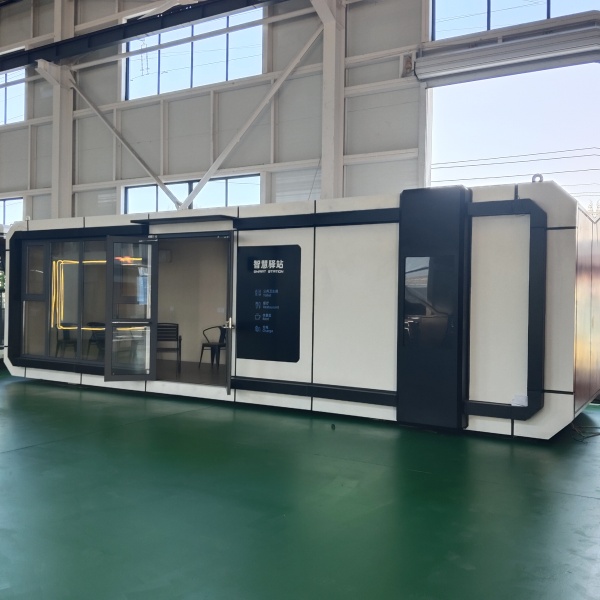 Modular modern movable apple cabins, customized high-end folk houses and portable bedrooms, delivered as a whole
 -
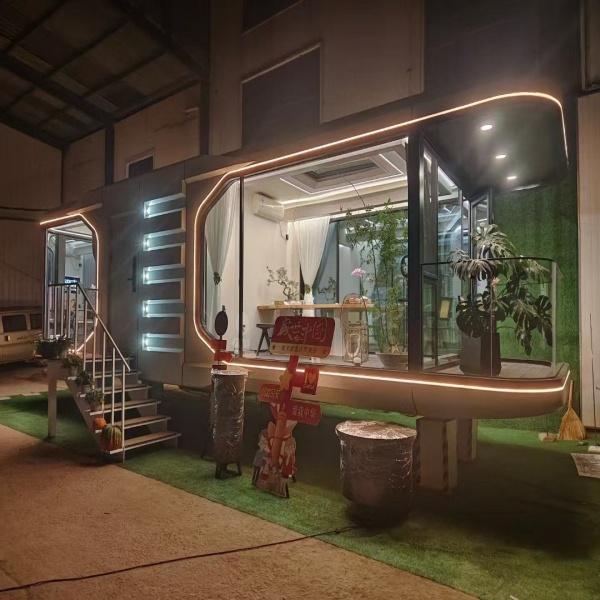 Outdoor ecological capsule rooms, luxury pods, space capsule hotel rooms, prefabricated space capsules, container houses
 -
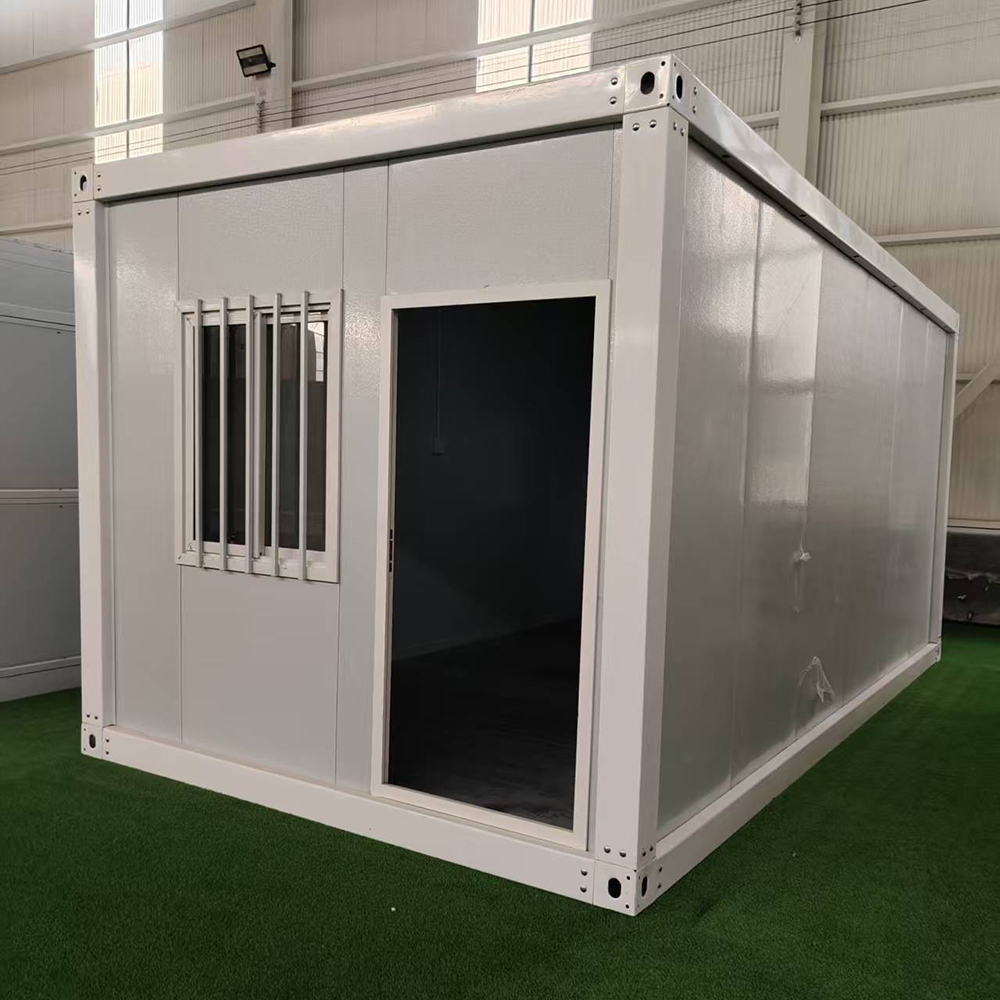 Folding Container Moving House Modular Office Container House Prefab Container for Outdoor Use
 -
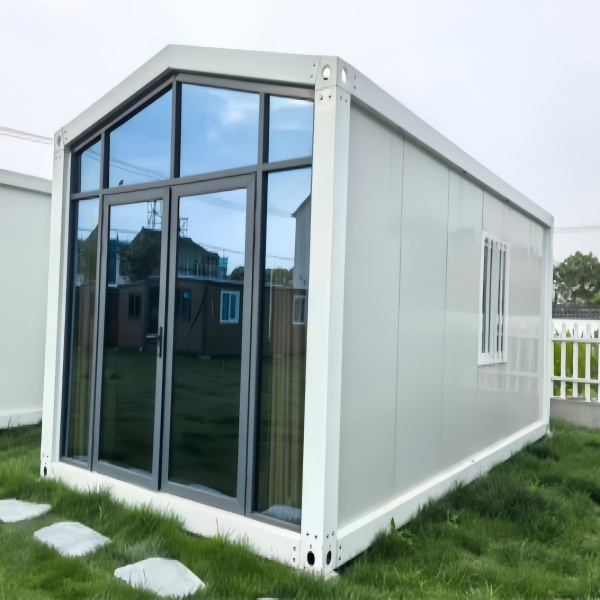 Waterproof folding container house – mobile accommodation for campsites/scenic spots
 -
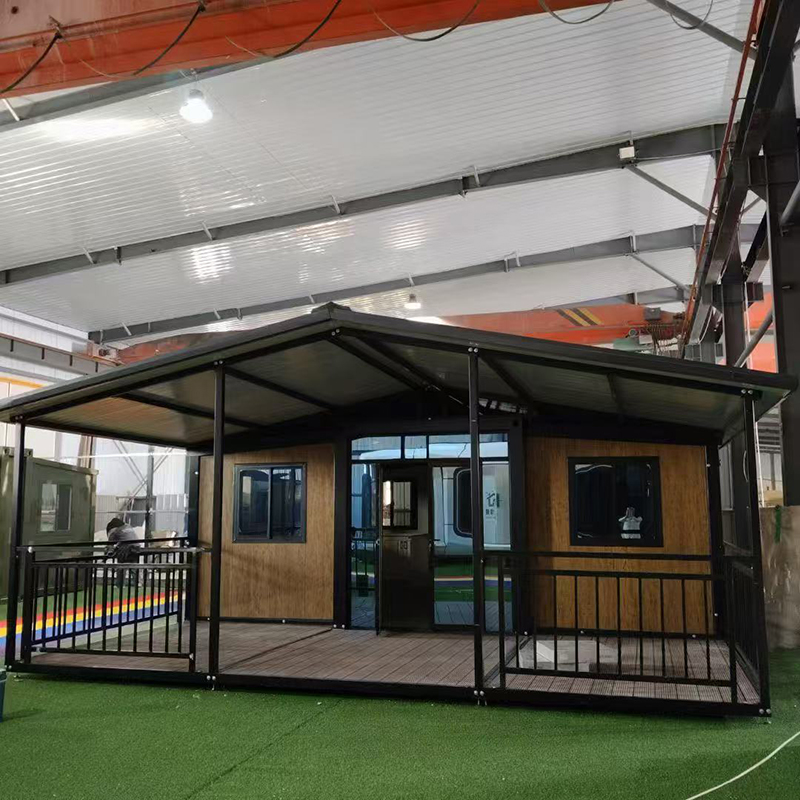 Customized Expandable Container House Holiday Home Folding Prefab Container House with Bathroom and Kitchen
 -
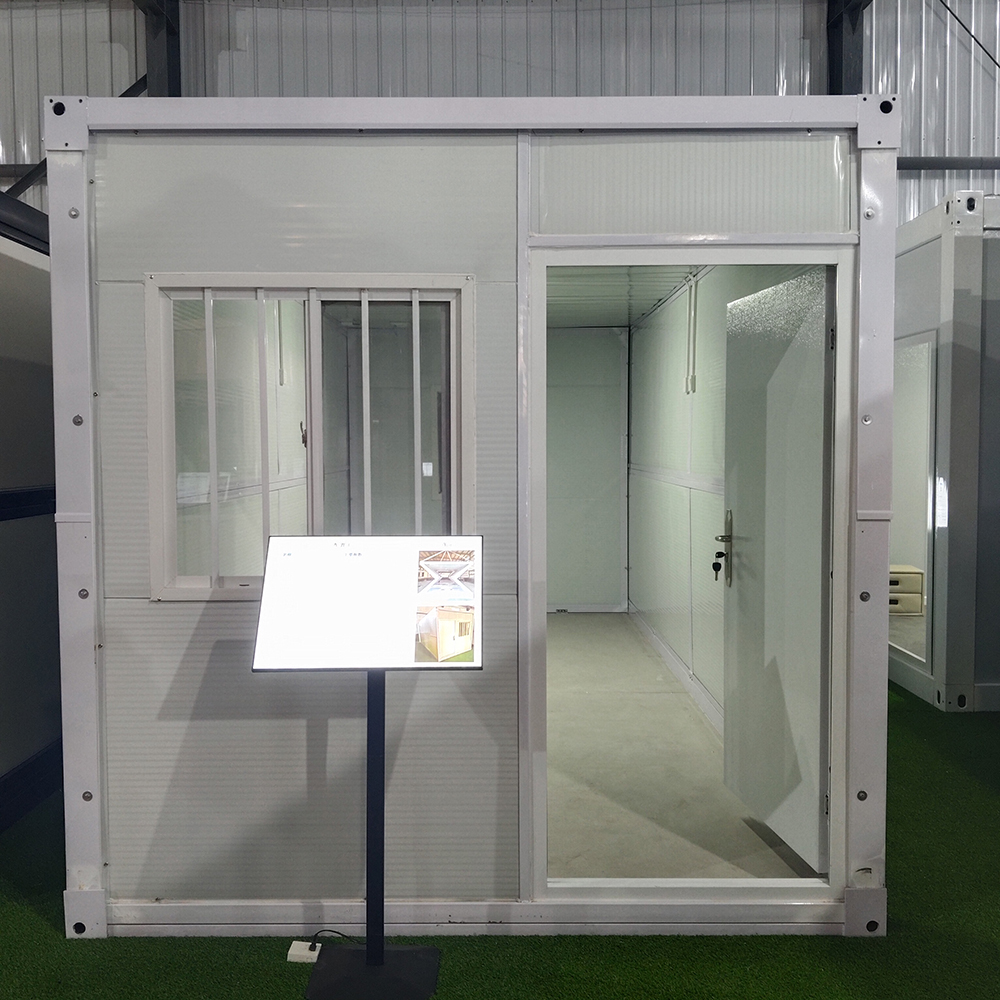 Reasonable Price 1 Bedroom Modular Container House Folding Container Home for Villa or Apartment Use
 -
Two Wing Folding Expandable Container House
-
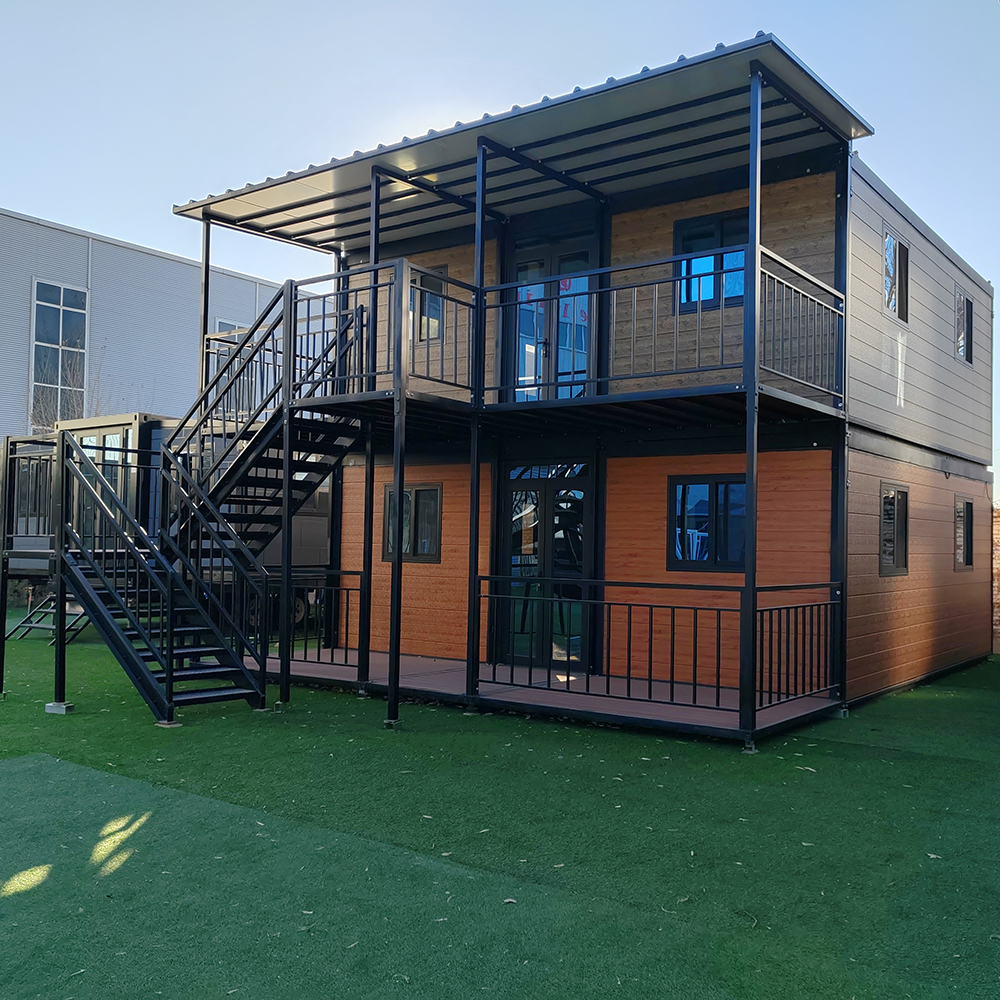
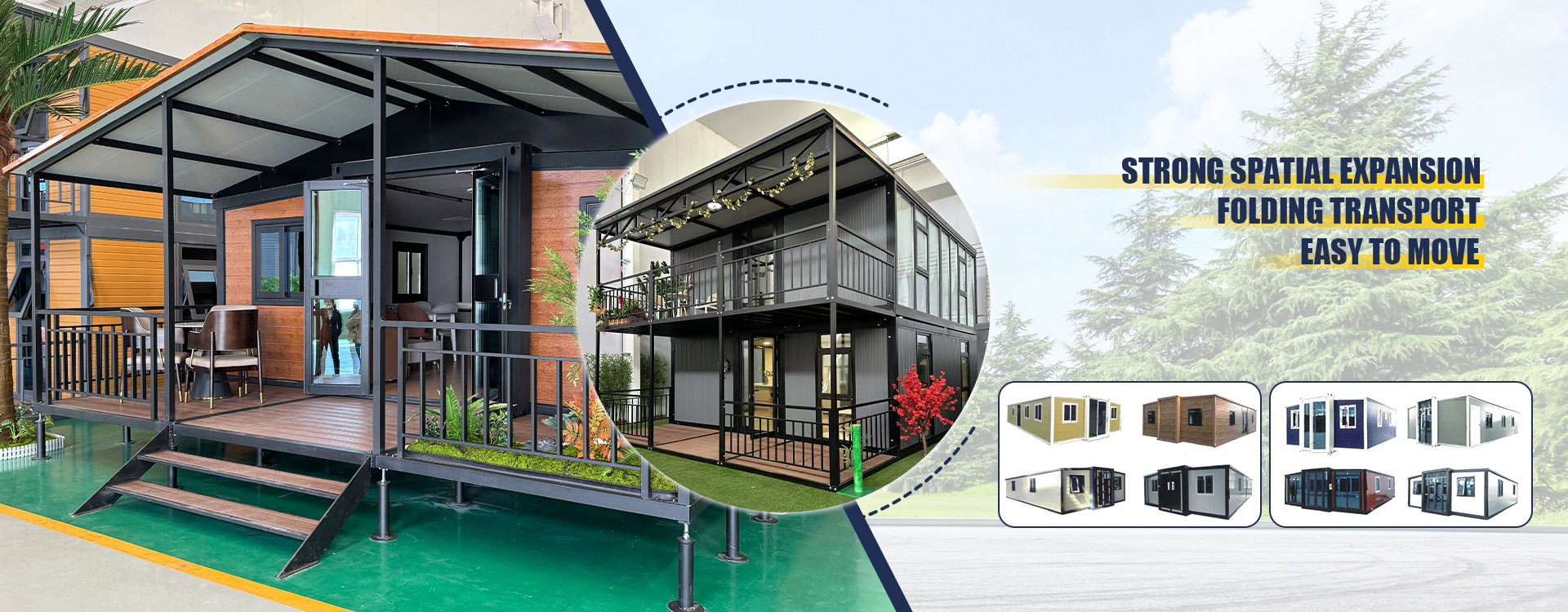
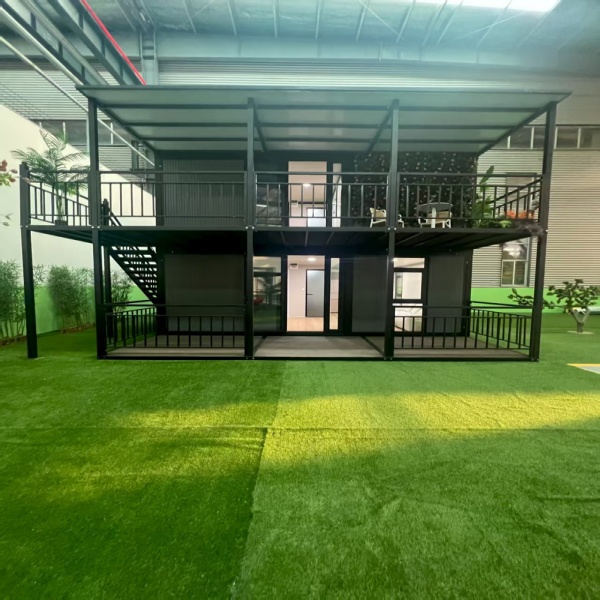 Luxury foldable two-story container houses in luxury resort hotels and villa hotels
 -
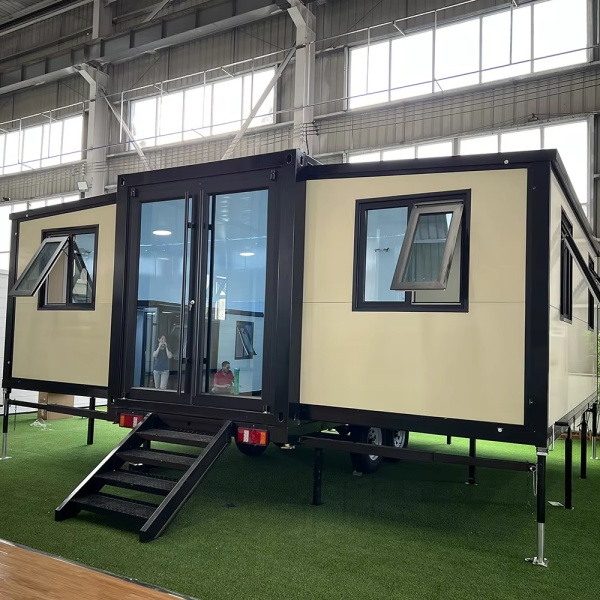 Stair Access Double Wing Expandable Container House | Easy Installation Mobile Office
Related search
Related search- Buy portable folding houses
- China fold out homes from shipping containers
- Buy z type folding container house
- apple cabin 40ft capsule
- mobile expandable prefab house 15ft x 20ft
- China folding shipping container house
- cabin expandable container house for hotel
- fold out house boxabl
- China apple valley road cabins
- space capsule villas