
-
E-mail
Austin120521@outlook.com -
E-mail
sales@jujiuhouse.com -
Telephone
+86-17864099991 -
Telephone
+86-17854044442
- Chinese
- French
- German
- Portuguese
- Spanish
- Russian
- Japanese
- Korean
- Arabic
- Irish
- Greek
- Turkish
- Italian
- Danish
- Romanian
- Indonesian
- Czech
- Afrikaans
- Swedish
- Polish
- Basque
- Catalan
- Esperanto
- Hindi
- Lao
- Albanian
- Amharic
- Armenian
- Azerbaijani
- Belarusian
- Bengali
- Bosnian
- Bulgarian
- Cebuano
- Chichewa
- Corsican
- Croatian
- Dutch
- Estonian
- Filipino
- Finnish
- Frisian
- Galician
- Georgian
- Gujarati
- Haitian
- Hausa
- Hawaiian
- Hebrew
- Hmong
- Hungarian
- Icelandic
- Igbo
- Javanese
- Kannada
- Kazakh
- Khmer
- Kurdish
- Kyrgyz
- Latin
- Latvian
- Lithuanian
- Luxembou..
- Macedonian
- Malagasy
- Malay
- Malayalam
- Maltese
- Maori
- Marathi
- Mongolian
- Burmese
- Nepali
- Norwegian
- Pashto
- Persian
- Punjabi
- Serbian
- Sesotho
- Sinhala
- Slovak
- Slovenian
- Somali
- Samoan
- Scots Gaelic
- Shona
- Sindhi
- Sundanese
- Swahili
- Tajik
- Tamil
- Telugu
- Thai
- Ukrainian
- Urdu
- Uzbek
- Vietnamese
- Welsh
- Xhosa
- Yiddish
- Yoruba
- Zulu
- Kinyarwanda
- Tatar
- Oriya
- Turkmen
- Uyghur




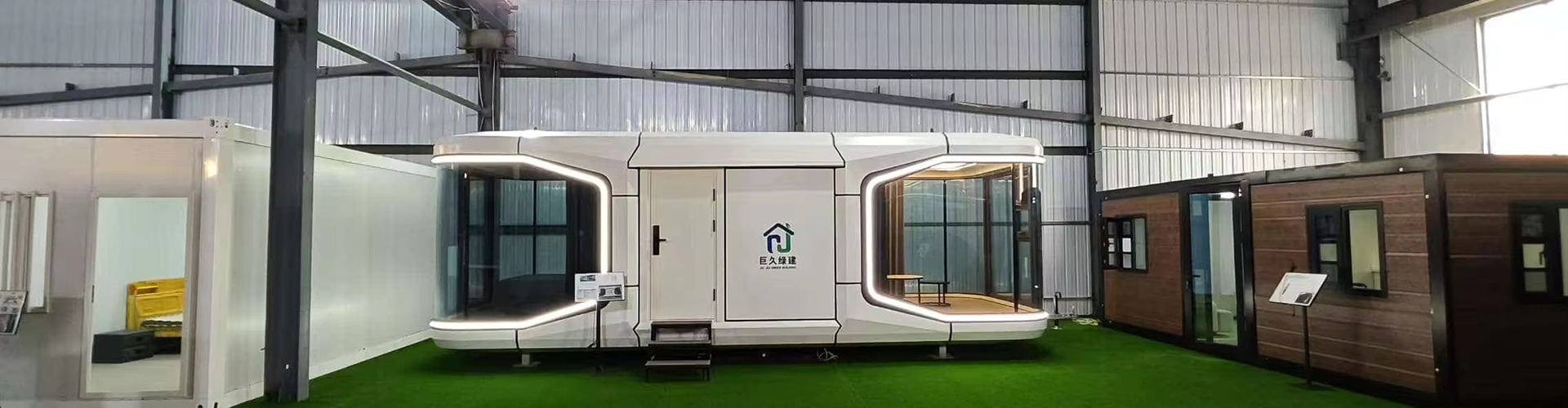
China new spire prefabricated container house
China's New Spire: The Rise of Prefabricated Container Houses
In recent years, the construction industry in China has witnessed a significant transformation with the introduction and rising popularity of prefabricated container houses. Unlike traditional methods, these innovative structures are challenging norms and setting new benchmarks. However, like any new trend, misconceptions abound, and not all prefabricated solutions are created equal.
The Shift Towards Prefabrication
The main allure of prefabricated container houses is their adaptability and speed of construction. Gone are the days of lengthy building processes; these units arrive on-site ready for assembly. Companies like SHANDONG JUJIU INTEGRATED HOUSING CO, LTD have positioned themselves at the forefront of this trend. With a focus on efficiency and innovation, they have developed a reputation for quality and reliability in the housing sector.
What really sets these solutions apart is the ability to customize and optimize every unit. Whether for residential or commercial use, the options are seemingly endless. Yet, this personalization often leads to a significant realization: not every concept translates well to reality. Some initial designs might look great on paper, but practical execution might reveal challenges, especially if the local climate and terrain aren't considered.
As with any innovation, there’s a learning curve. Some developers have been caught off guard by unexpected issues such as local regulatory hurdles or transportation logistics. These experiences, while initially frustrating, provide invaluable lessons for refining future projects.
Industry Insights and Realizations
An intriguing aspect of this building trend is the shift in consumer mindset. Homeowners are now more receptive to modern, functional designs, valuing practical usage over traditional aesthetics. In some regions, this has led to a blossoming of creativity, as architects venture into uncharted territories of design and utility.
Yet, with creativity comes unpredictability. For instance, while integrating advanced smart-home technologies, builders often encounter compatibility issues with existing infrastructure. This is where a company with comprehensive expertise like Shandong Jujiu Integrated Housing proves invaluable — their ability to integrate sustainable solutions from inception to execution is noteworthy.
The success stories, while inspiring, sometimes overshadow the missteps. In an eagerness to innovate, some projects have faced setbacks due to inadequate site analysis or unrealistic timelines. These experiences underscore the importance of thorough planning and collaboration with experienced on-ground teams.
The Role of Innovation and Technology
The evolution of prefabricated container houses relies heavily on technological advancements. The use of BIM (Building Information Modeling) allows for precise planning and minimizes surprises during construction. This tech-driven approach also offers clients a realistic preview of the finished product, facilitating better decision-making.
One noteworthy technological leap has been in sustainability. Eco-friendly materials and designs are becoming a mainstay, reflecting a broader societal trend towards environmental responsibility. Shandong Jujiu Integrated Housing emphasizes this in their projects, ensuring their solutions aren't just modern but also planet-friendly.
However, not every innovation seamlessly integrates into the field. Builders often realize the gap between expected and actual performance, especially with energy-efficient technologies. These hurdles, though challenging, are vital for industry-wide growth and refinement.
Real-world Applications and Case Studies
Across urban and rural landscapes, prefabricated container houses are making a visible impact. For example, densely populated areas can benefit significantly from these solutions due to their space-saving designs and quick assembly. A project by Shandong Jujiu Integrated Housing in a bustling megacity illustrated the capability to offer high-quality, rapid-response housing solutions while addressing urban density issues.
Yet, not every location is an ideal match. Some rural areas present unique hurdles, such as limited access routes for transporting large modules. Understanding these challenges in advance allows for strategic planning and the implementation of feasible alternatives.
Through trial and error, the industry continues to learn and improve. The missteps are as much a part of the narrative of growth as the successes. And companies like Shandong Jujiu not only contribute solutions but also shape the lessons that will guide future innovations.
The Future: Opportunities and Challenges
Looking forward, the potential for growth in the prefabricated housing sector is vast. With increasing urbanization and the global push for sustainable living, these solutions are more relevant than ever. Businesses that adapt and evolve with market demands, like Shandong Jujiu, are poised to redefine the housing landscape.
However, the journey is not without its challenges. Weather patterns, logistical constraints, and evolving consumer preferences will continue to test even the most seasoned players. Navigating these obstacles requires not just technical expertise but also a deep understanding of market dynamics.
In conclusion, while prefabricated container houses are reshaping the architecture and construction worlds, the path is paved with both opportunity and complexity. Only through continuous innovation and adaptation will the industry meet the evolving demands of the future.
Related products
Related products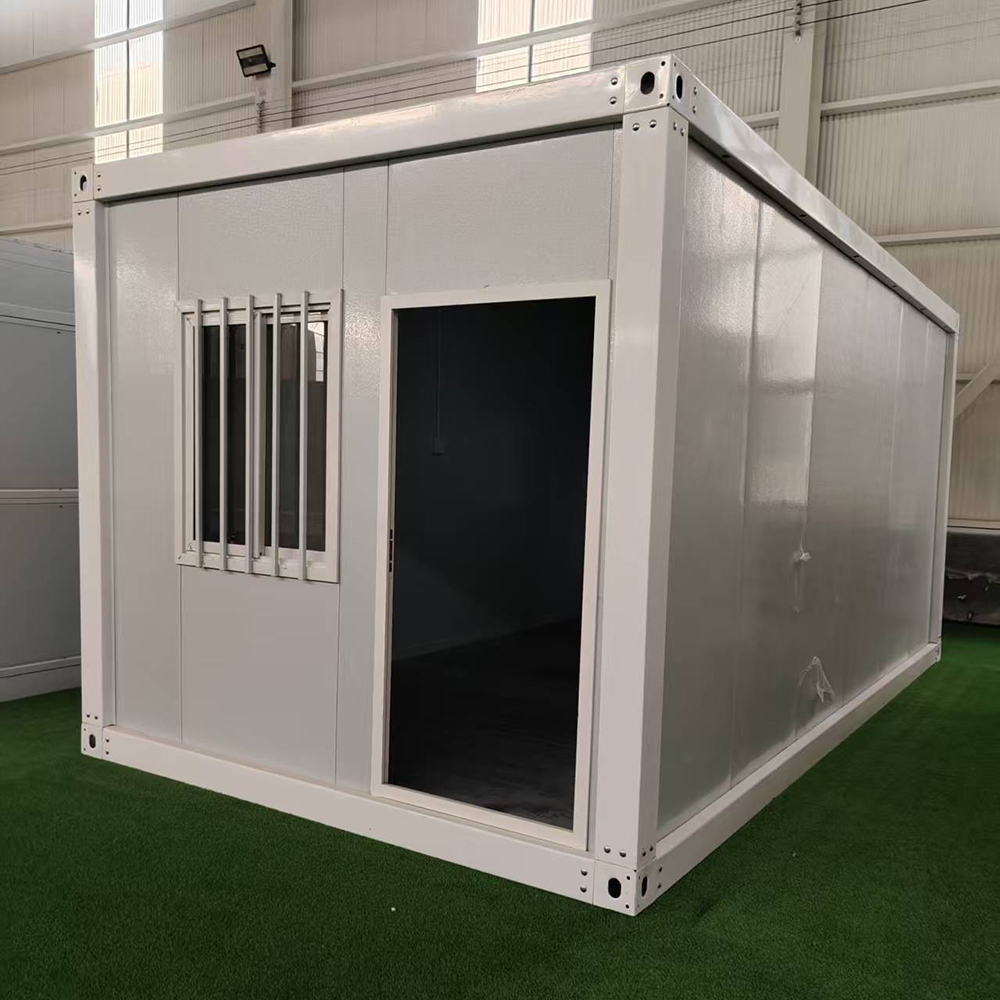
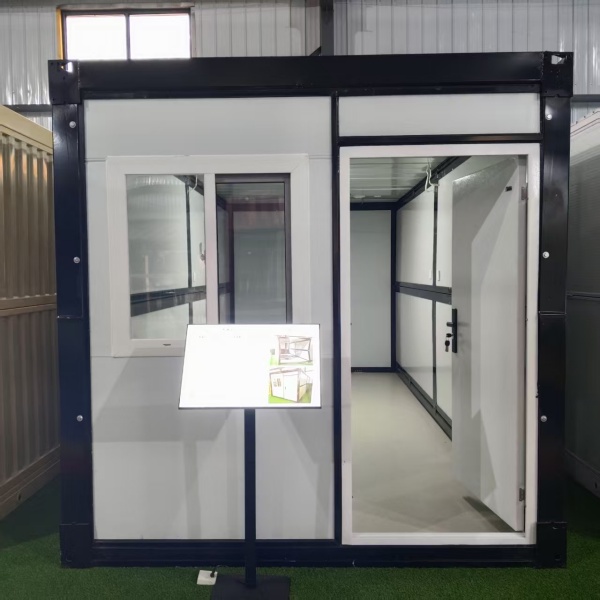
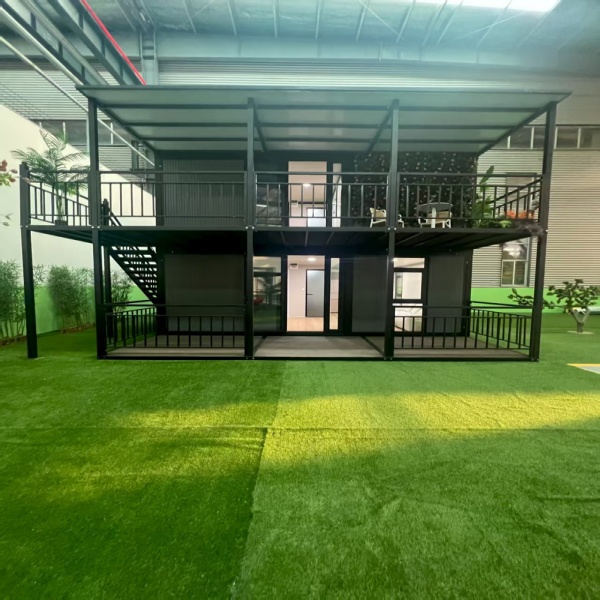
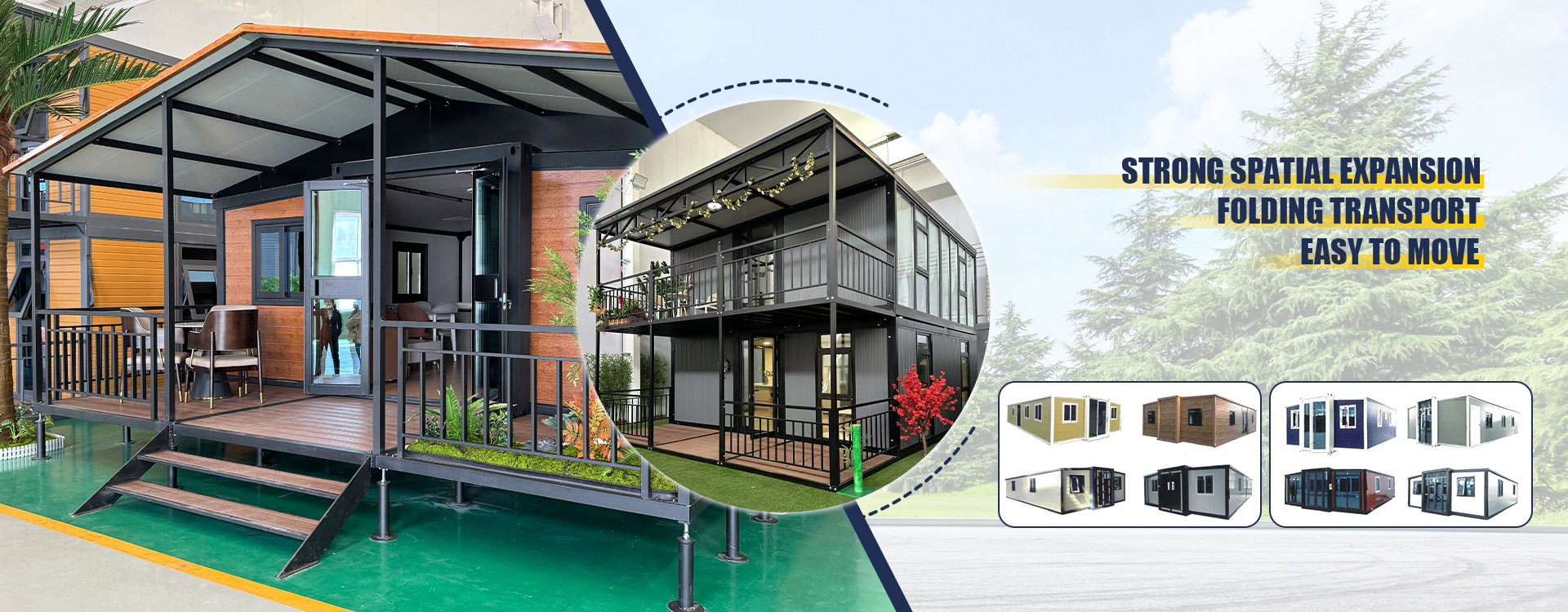
Best selling products
Best selling products-
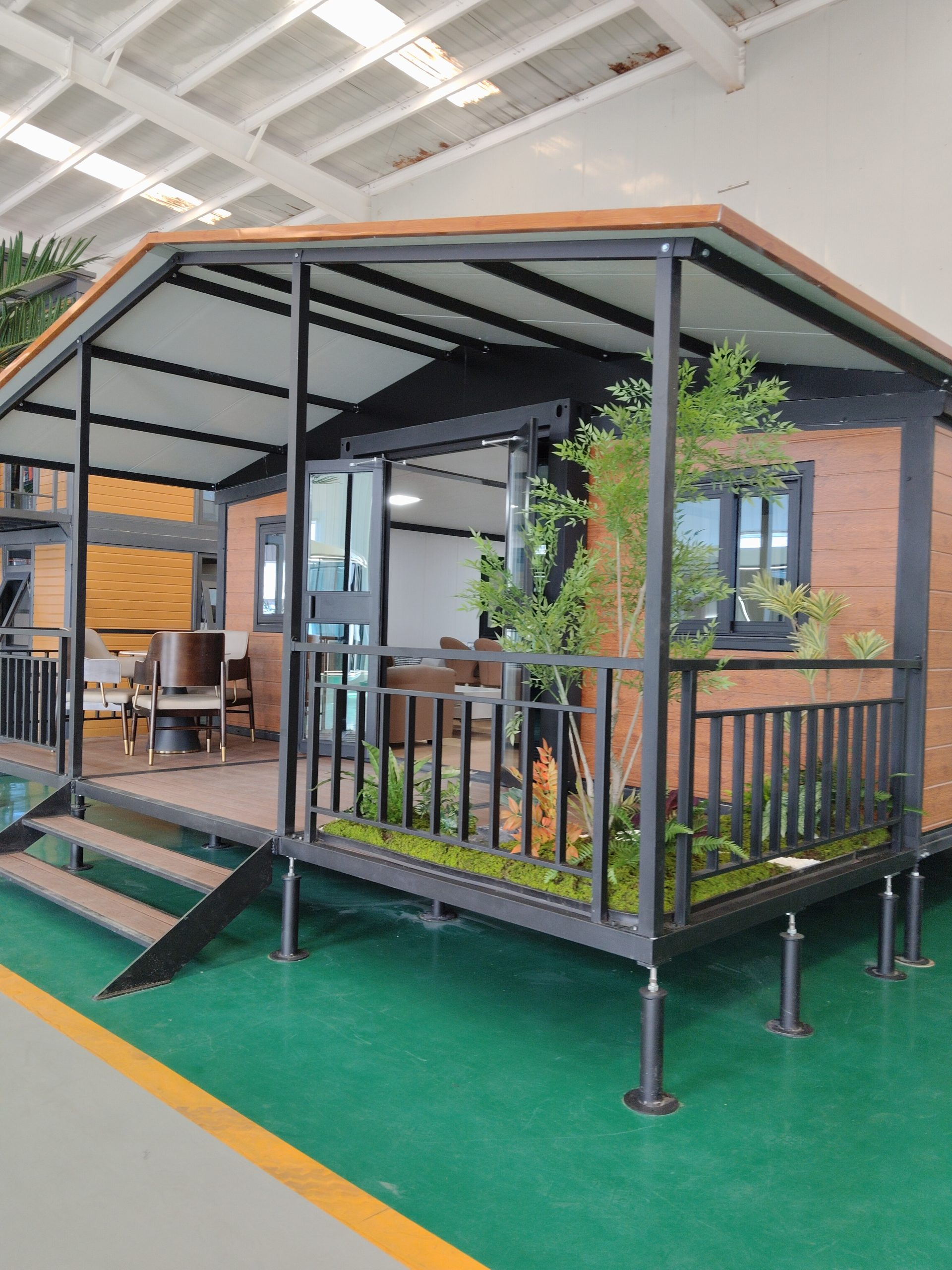 A container house with a terrace and double-wing folding design, suitable for various purposes such as offices, meeting rooms, living rooms, etc.
 -
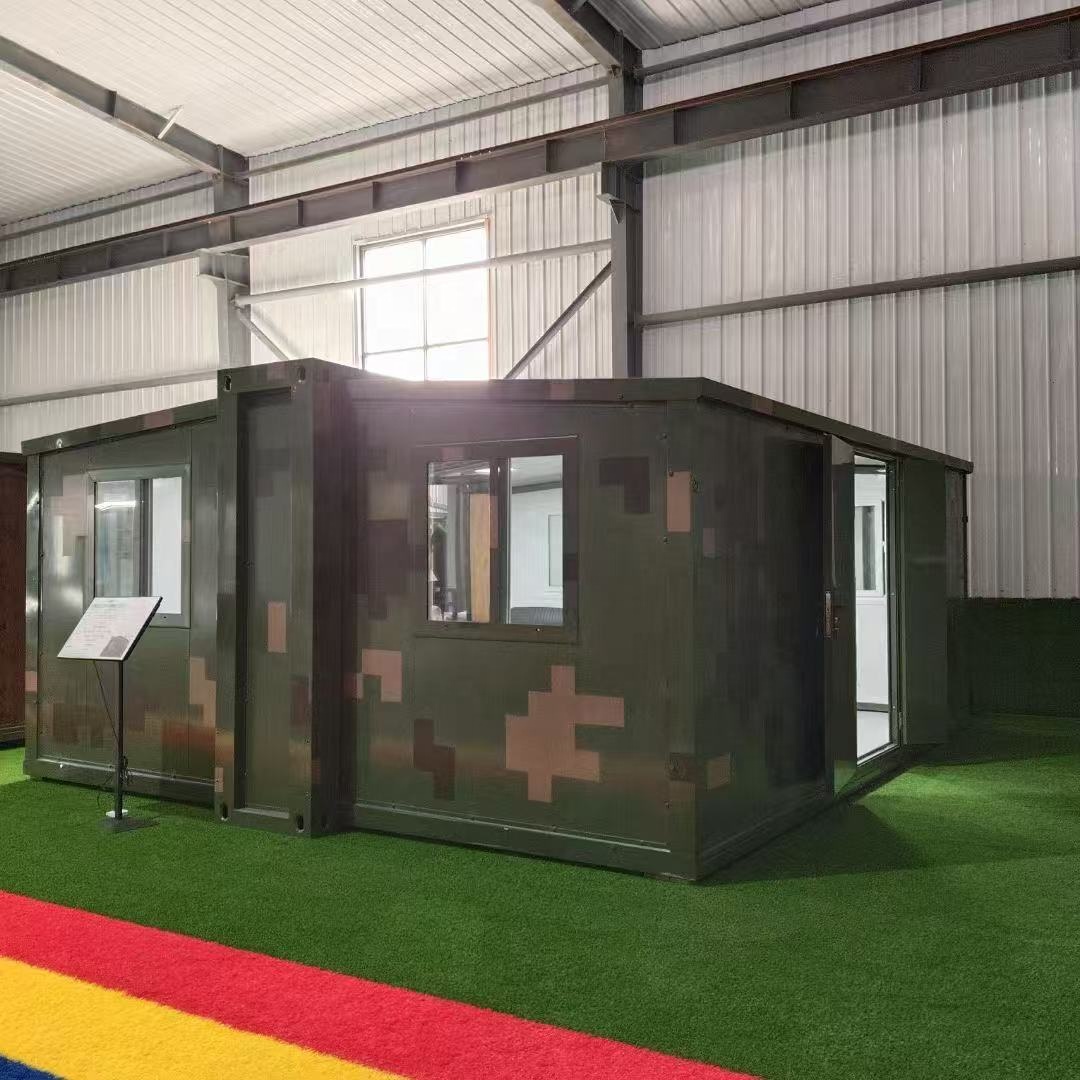 Movable Prefabricated Container House Villas Modular Portable Homes 1 Bedroom Container House Offices Apartments
 -
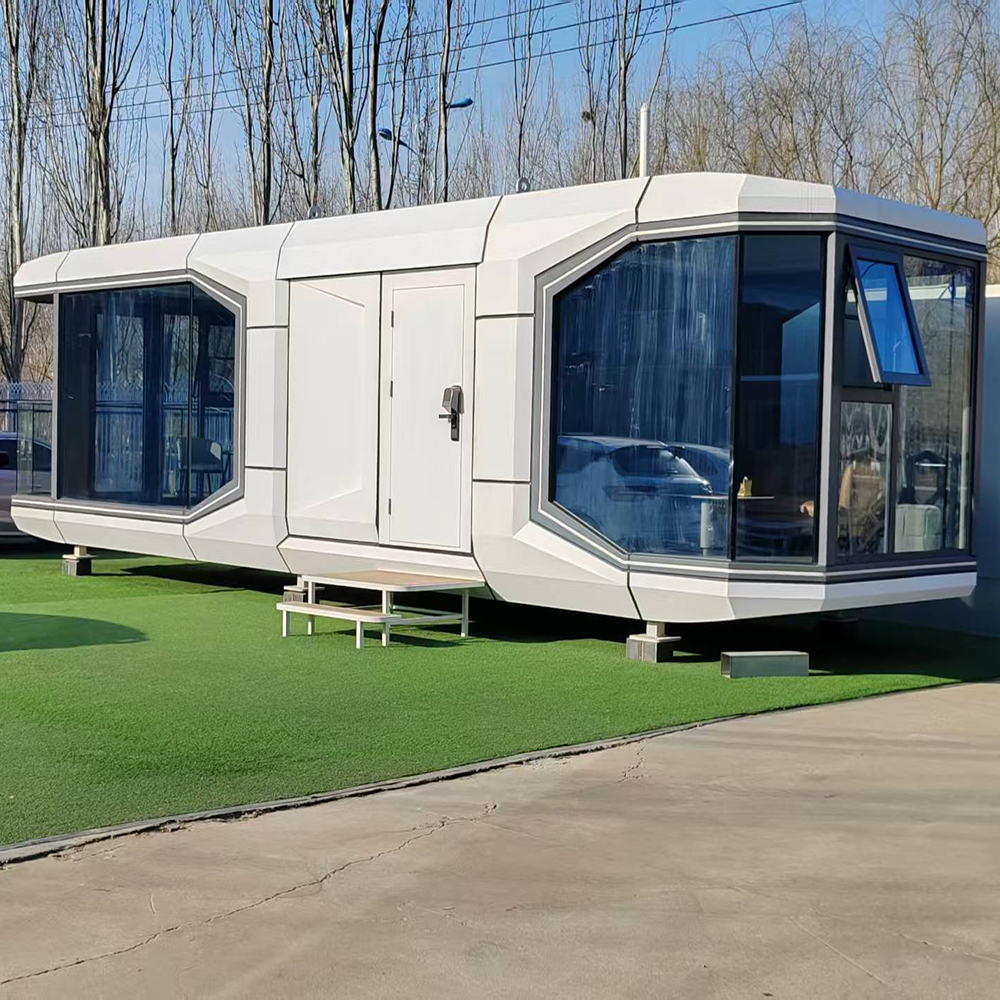 Luxury High Quality 2 Bedroom Container Home Prefabricated Steel Space Capsule for Office Shop Hotel or Outdoor House
 -
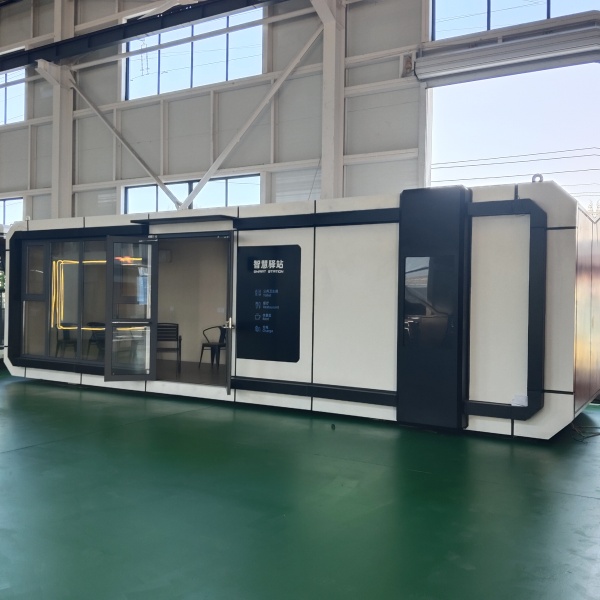 Modular modern movable apple cabins, customized high-end folk houses and portable bedrooms, delivered as a whole
 -
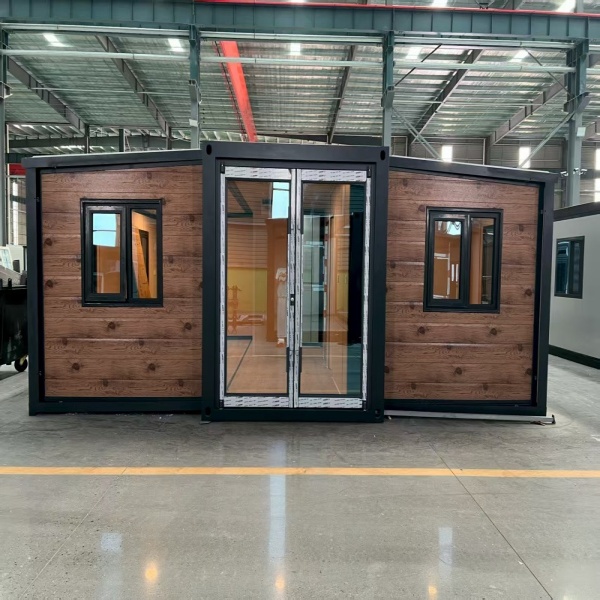 The foldable container house with side wing design can be quickly set up and is suitable for various environments.
 -
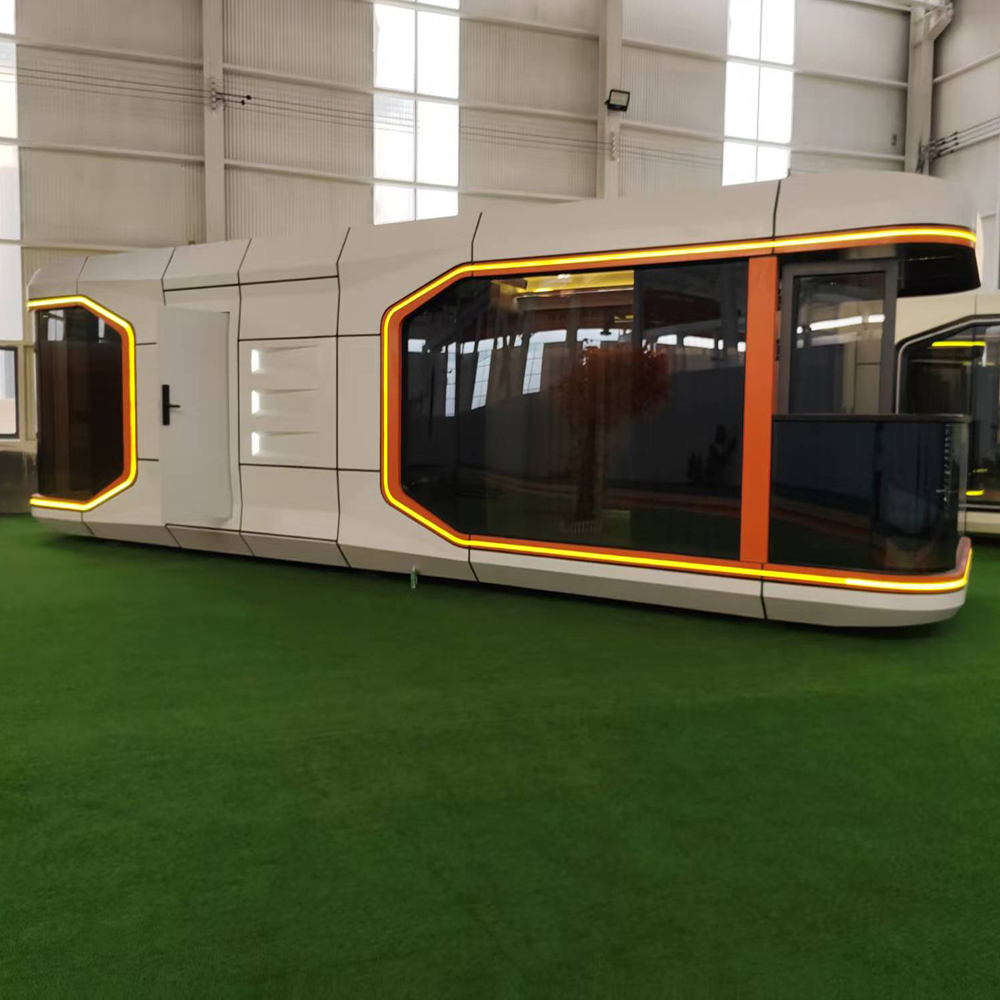 Standard Modern Camping Pod Space Prefabricated Portable Mobile Capsule Room Hotel Bathroom Prefabricated Spaceship House
 -
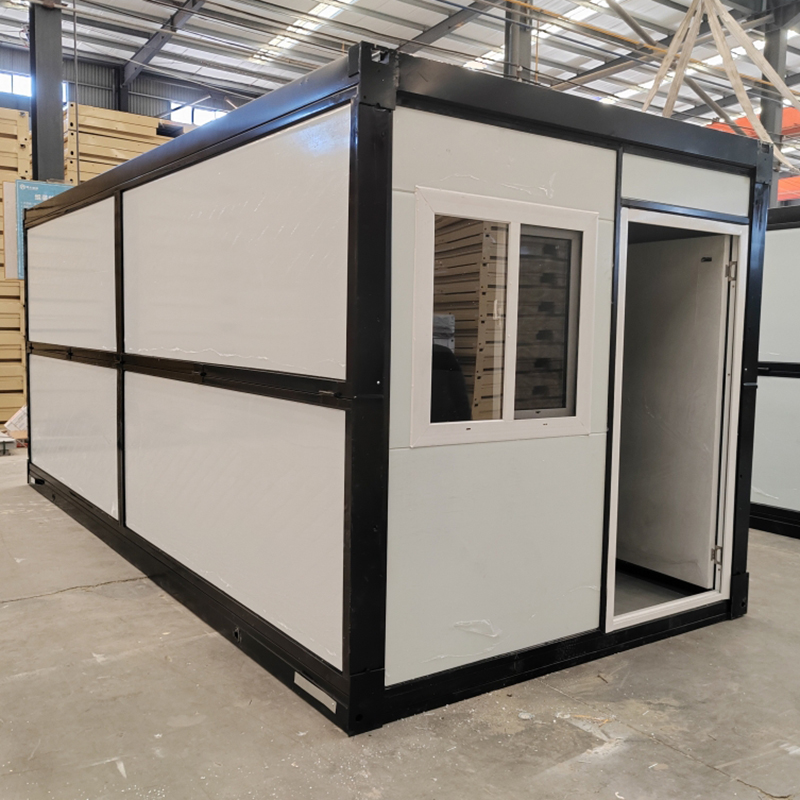 Detachable Design Prefabricated Container House Portable Modular Office Building Folding Container House
 -
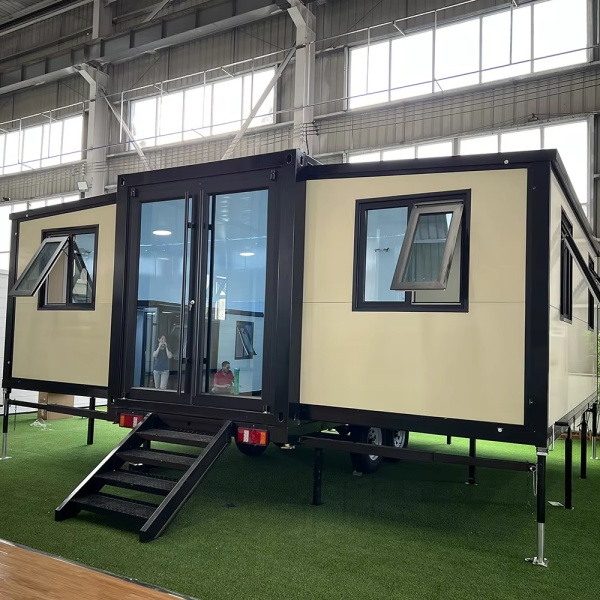 Stair Access Double Wing Expandable Container House | Easy Installation Mobile Office
 -
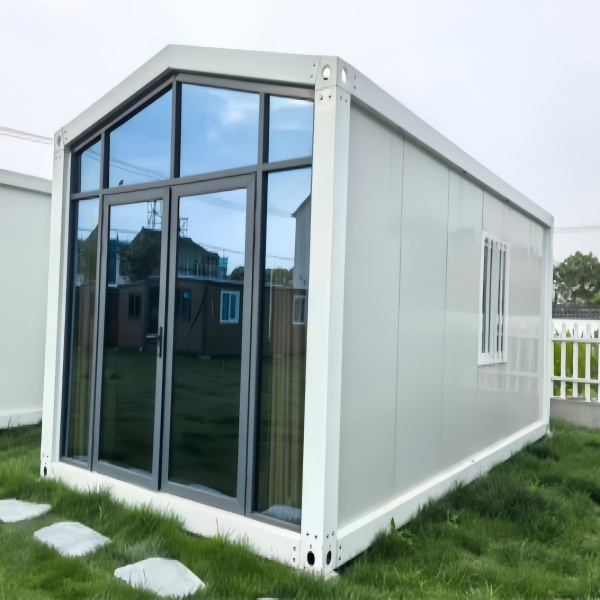 Waterproof folding container house – mobile accommodation for campsites/scenic spots
 -
Two Wing Folding Expandable Container House
-
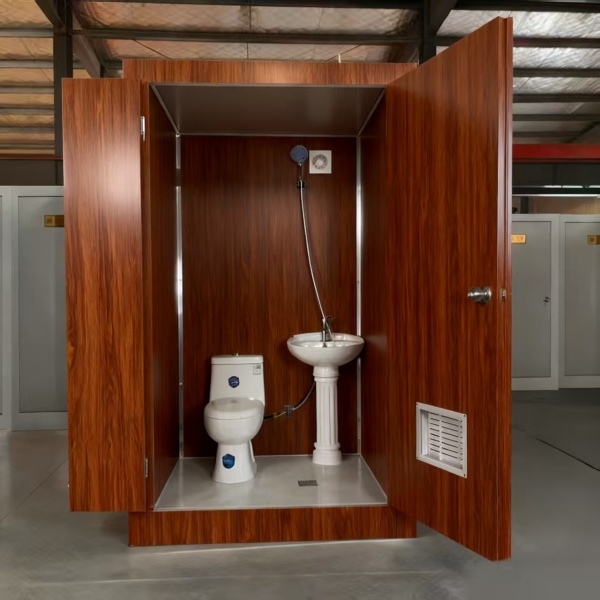 Portable outdoor camping bathroom, mobile toilet, prefabricated modular villa & rental of outdoor and indoor showers
 -
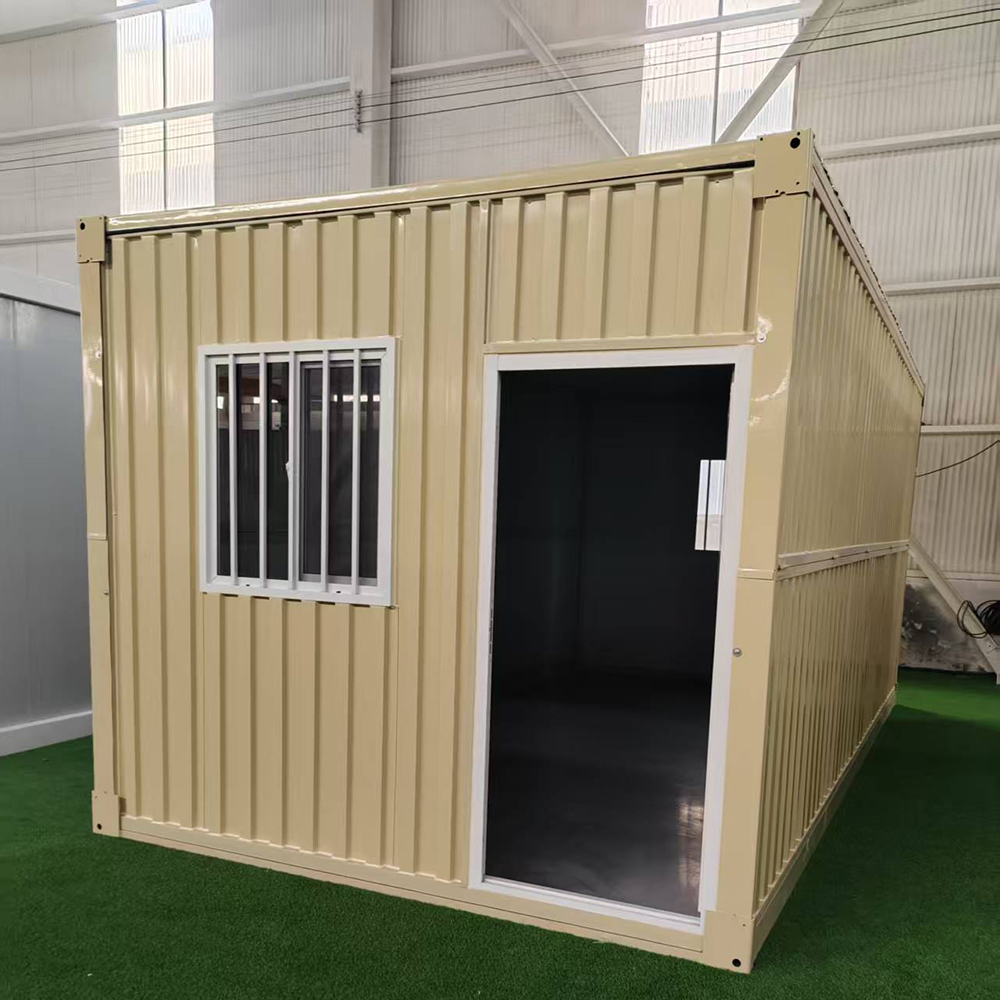 Competitive Price Portable Container House Foldable Container Mobile Living Modular Homes
Related search
Related search- China container house luxury prefab homes prefabricated
- apple valley road cabins
- low price container prefabricated house
- folding house trailer
- Buy new spire prefabricated house container house
- China space capsule mobile home
- apple valley lake cabins
- the apple cabin
- prefab folding house
- expandable container house for sale