
-
E-mail
Austin120521@outlook.com -
E-mail
sales@jujiuhouse.com -
Telephone
+86-17864099991 -
Telephone
+86-17854044442
- Chinese
- French
- German
- Portuguese
- Spanish
- Russian
- Japanese
- Korean
- Arabic
- Irish
- Greek
- Turkish
- Italian
- Danish
- Romanian
- Indonesian
- Czech
- Afrikaans
- Swedish
- Polish
- Basque
- Catalan
- Esperanto
- Hindi
- Lao
- Albanian
- Amharic
- Armenian
- Azerbaijani
- Belarusian
- Bengali
- Bosnian
- Bulgarian
- Cebuano
- Chichewa
- Corsican
- Croatian
- Dutch
- Estonian
- Filipino
- Finnish
- Frisian
- Galician
- Georgian
- Gujarati
- Haitian
- Hausa
- Hawaiian
- Hebrew
- Hmong
- Hungarian
- Icelandic
- Igbo
- Javanese
- Kannada
- Kazakh
- Khmer
- Kurdish
- Kyrgyz
- Latin
- Latvian
- Lithuanian
- Luxembou..
- Macedonian
- Malagasy
- Malay
- Malayalam
- Maltese
- Maori
- Marathi
- Mongolian
- Burmese
- Nepali
- Norwegian
- Pashto
- Persian
- Punjabi
- Serbian
- Sesotho
- Sinhala
- Slovak
- Slovenian
- Somali
- Samoan
- Scots Gaelic
- Shona
- Sindhi
- Sundanese
- Swahili
- Tajik
- Tamil
- Telugu
- Thai
- Ukrainian
- Urdu
- Uzbek
- Vietnamese
- Welsh
- Xhosa
- Yiddish
- Yoruba
- Zulu
- Kinyarwanda
- Tatar
- Oriya
- Turkmen
- Uyghur




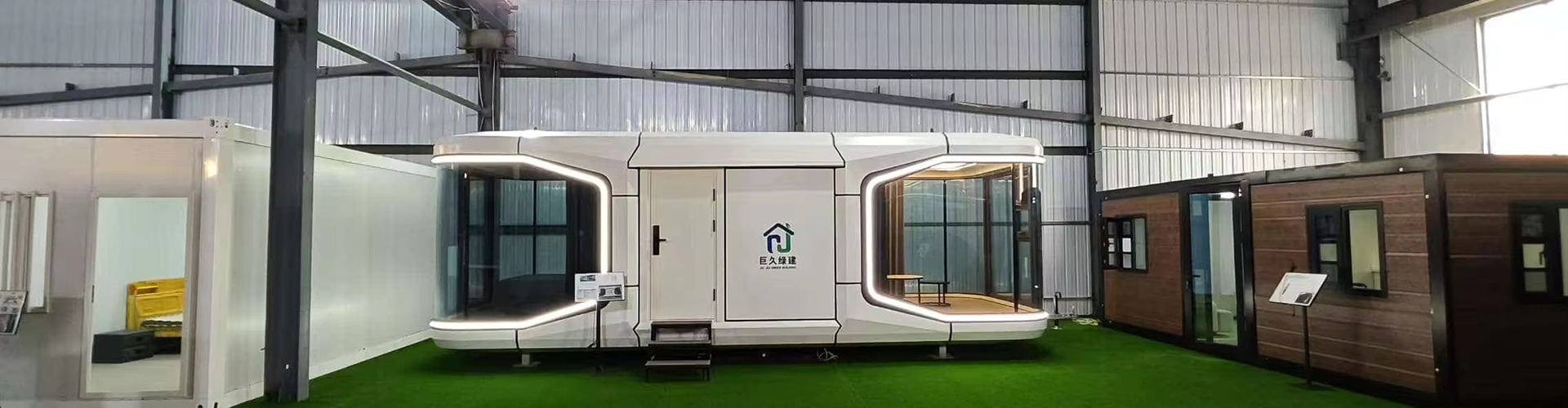
China prefabricated expandable container house
Understanding the Revolution of Prefabricated Expandable Container Houses in China
At first glance, the concept of a prefab container house might seem like a no-brainer—after all, modular construction promises efficiency and sustainability—but misconceptions abound. Many believe these structures are flimsy or lack aesthetic appeal. Yet, China's industry, especially players like SHANDONG JUJIU INTEGRATED HOUSING CO,LTD, tells a different story. The prefab movement, driven by innovation, can redefine housing standards, if done right.
Redefining Modern Living with Prefab Solutions
When discussing prefabricated expandable container houses in China, what's often overlooked is the diversity of applications. It's not just about low-cost housing. These constructions range from chic urban apartments to secluded vacation homes. What distinguishes companies like Shandong Jujiu is their keen focus on design optimization while maintaining structural integrity.
Clients are often surprised by the aesthetic possibilities. Many expect a bare-bones structure, but with careful attention to detail, like the work Jujiu puts into the design phase, these homes can be customized to fit almost any visual or functional desire. We've seen clients use them as sleek offices, fully equipped with modern amenities, shattering preconceived notions of what a container can be.
However, rapid urbanization comes with its challenges. One major issue is zoning and regulation compliance. Expanding in China's diverse regions requires navigating a web of local legislations, something that demands expertise and patience, both of which Shandong Jujiu has honed over years in the industry.
Execution Challenges and Overcoming Them
The actual installation and execution of these expandable homes can sometimes be a logistical quagmire. For instance, transport can be tricky—those narrow city streets aren't exactly conducive to large prefab units. Shandong Jujiu, with its efficient production and processing strategies, often preempts these issues, ensuring smoother deliveries.
Another common pitfall in the field is weather-related disruptions. During one project in the coastal regions, unexpected storms delayed progress. It's a reminder that while prefab homes are typically faster to build, they're not immune to natural delays. A mitigative approach was taken by preparing on-site shelters to store sensitive materials, ensuring they remained intact.
Adapting to diverse climatic zones is another factor. From harsh winters in the north to humid summers in the south, materials need to be appropriately chosen and treated. This requires continuous R&D investment, something Shandong Jujiu prioritizes, to ensure homes are as durable as they are beautiful.
The Role of Technology in Prefabrication
Technology plays a crucial role in advancing the industry. Advanced software aids in the design and customization process, allowing for precise adjustments and client input at every stage. Companies like Shandong Jujiu utilize cutting-edge tools to streamline every phase, from conceptual design to final installation.
The integration of sustainable technologies, such as solar panels and rainwater harvesting systems, has also become increasingly prevalent. Clients are now looking for green solutions, which are seamlessly incorporated into the design process by forward-thinking companies.
Moreover, the use of digital twin technology—a virtual model of the future home—allows clients to 'walk through' their designs, offering a clear vision of the end product. This innovation reduces misunderstandings and enhances client satisfaction.
Success Stories and Lessons Learned
Reflecting on successful projects, it's the combination of quality, speed, and customization that leaves lasting impressions. One notable project involved transforming an unused urban space into a dynamic commercial area using expandable containers, illustrating the model's adaptability.
Lessons from failures are equally important. On a project intended as an eco-resort, initial miscalculations led to spatial inefficiencies. The remedy involved redesigning the layout to better utilize space—a relatively simple fix, but a good lesson in the importance of foresight.
Iterative learning is a hallmark of the best in the business. Companies that continuously learn from their experiences, like Shandong Jujiu, constantly improve their offerings, ensuring each future effort is better than the last.
The Future of Container Homes in China
Looking ahead, the potential for growth in China's prefab container house market seems limitless, driven by increasing urbanization and a need for sustainable solutions. The emphasis will likely shift towards even greater customization and higher environmental standards, something companies like Shandong Jujiu are well-prepared for.
Innovation will not slow. With more firms entering the field, competition drives the development of better, smarter, and more efficient homes. While challenges remain, the future of this industry in China looks bright.
Ultimately, understanding the landscape of prefabricated expandable container houses in China means recognizing both the possibilities and hurdles. It’s an ever-evolving dialogue between design, technology, and the pressing needs of modern society.
Related products
Related products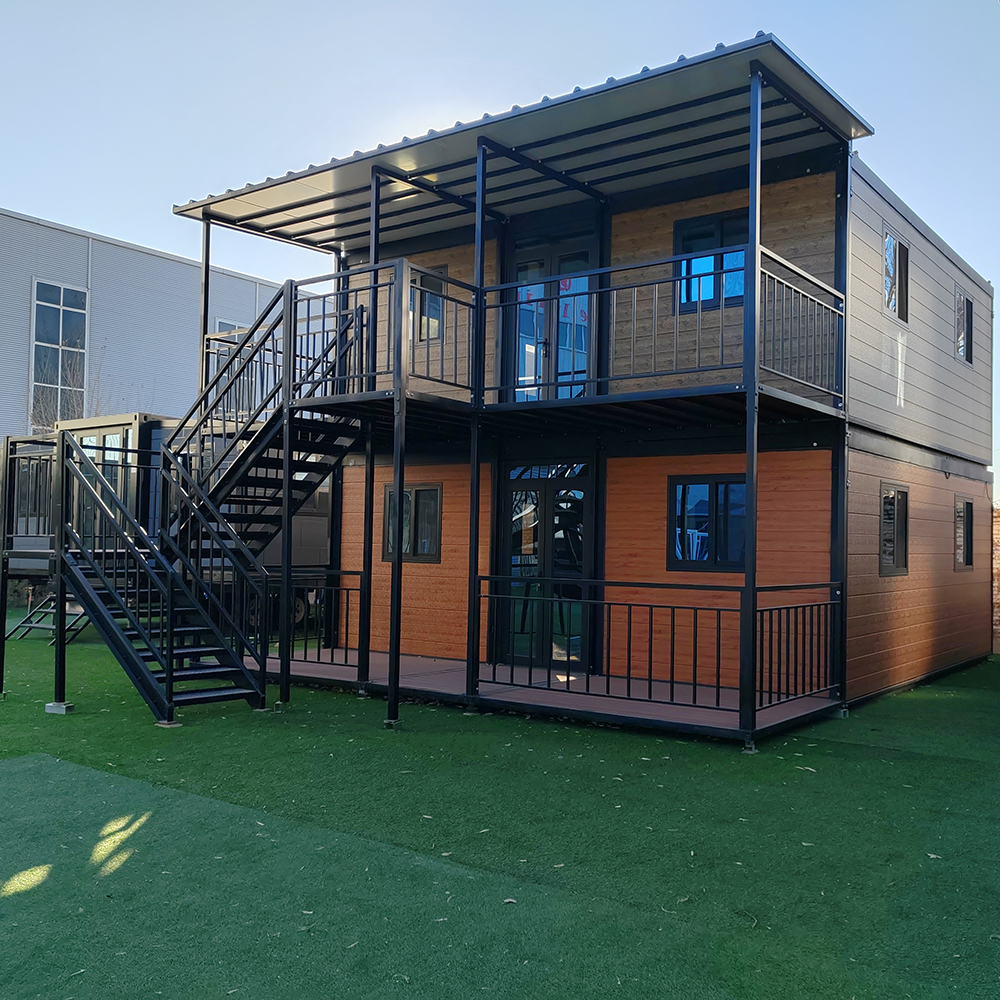
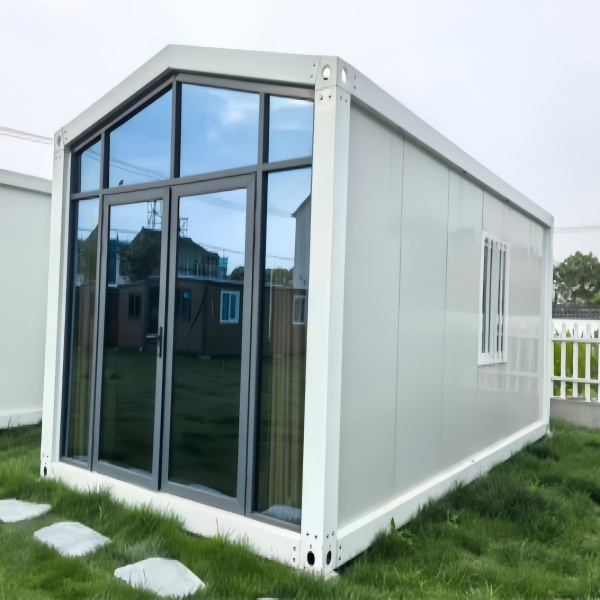
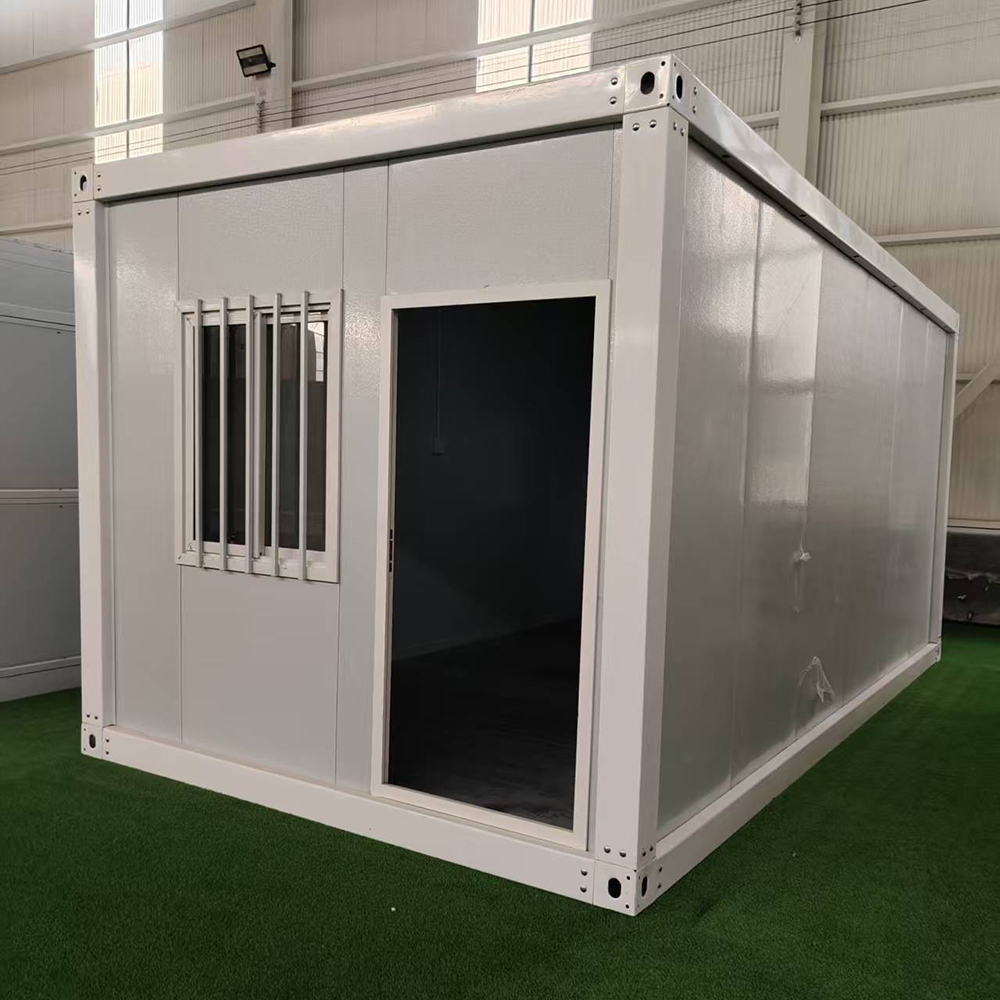
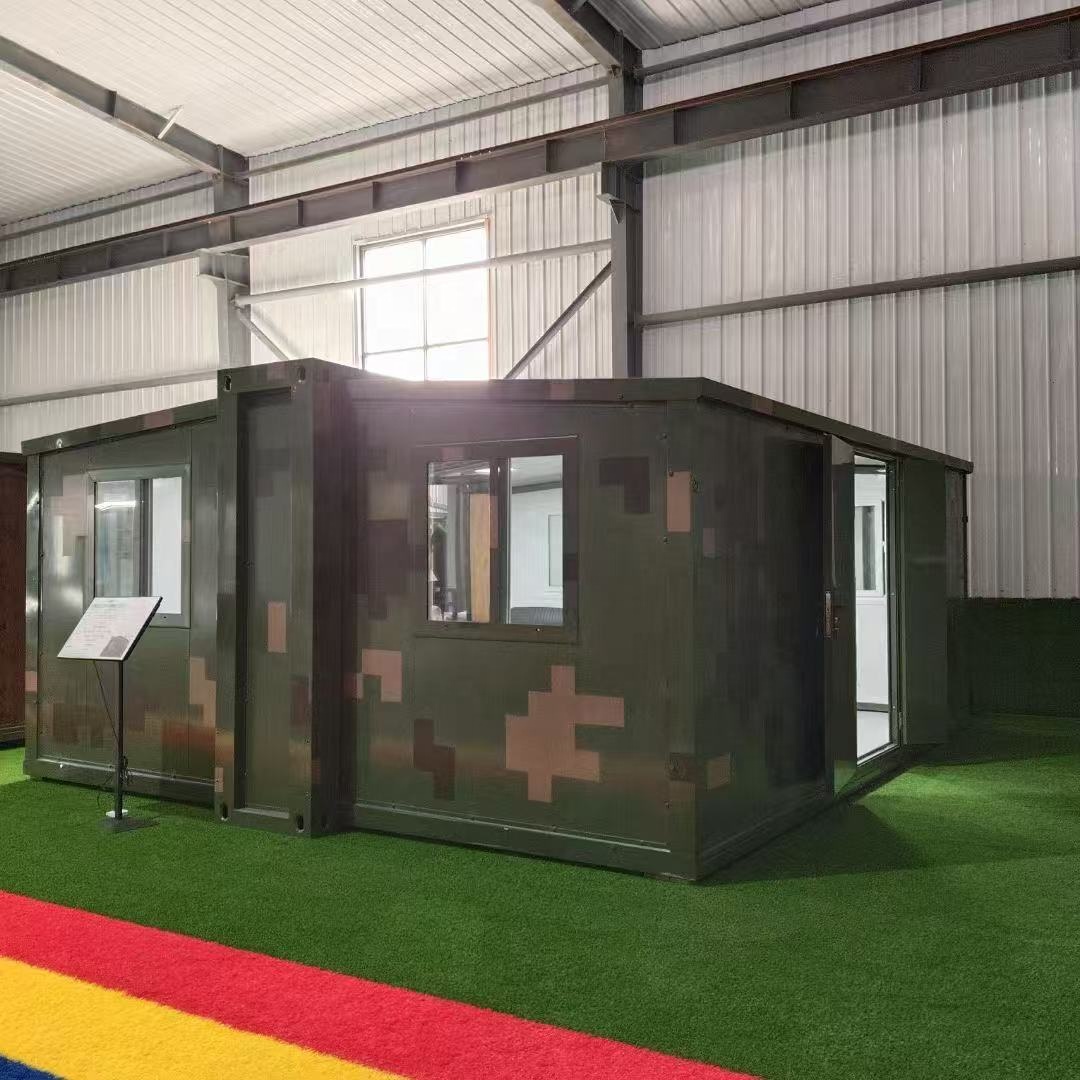
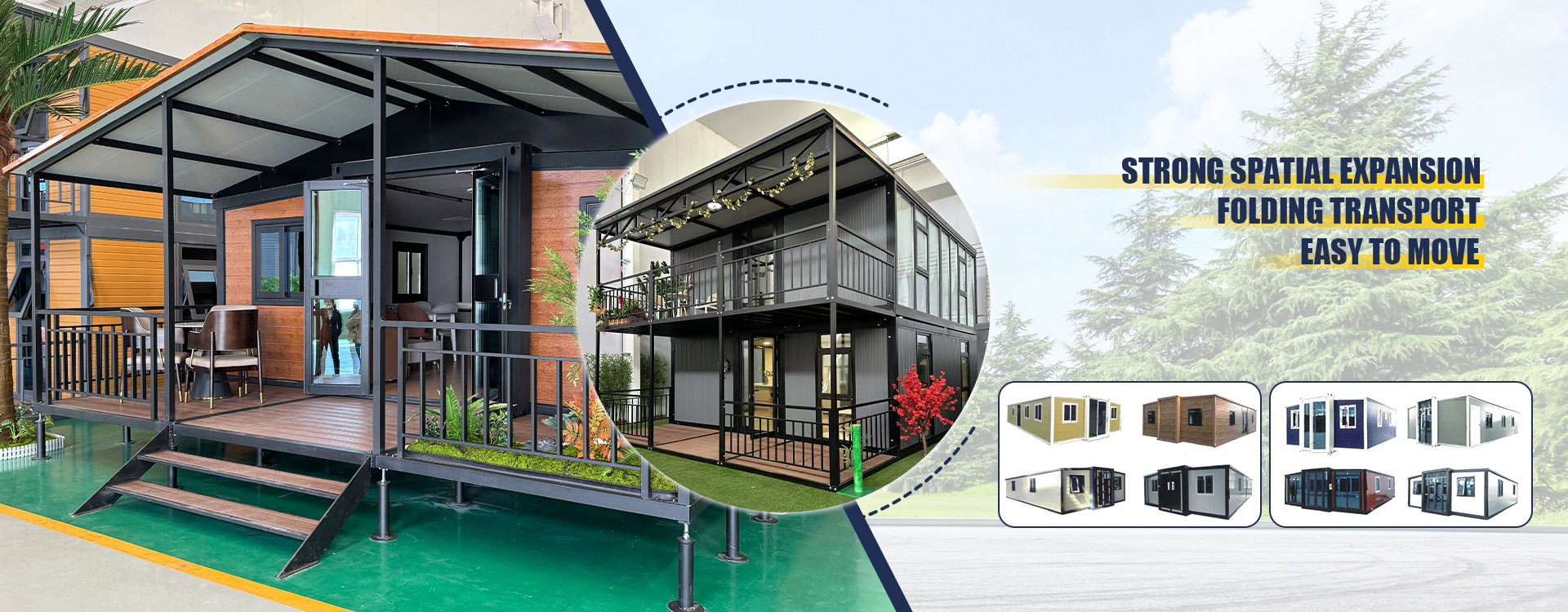
Best selling products
Best selling products-
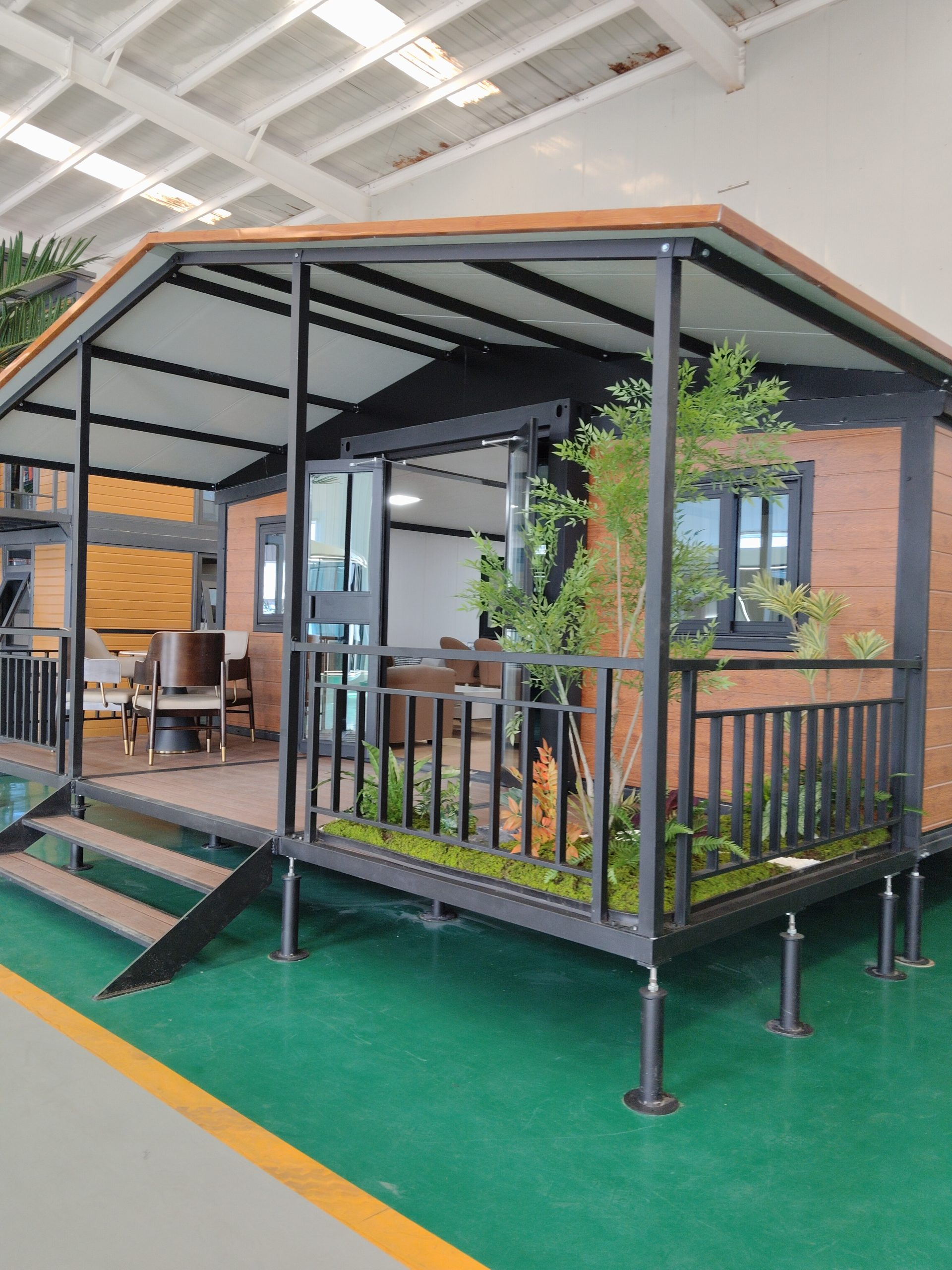 A container house with a terrace and double-wing folding design, suitable for various purposes such as offices, meeting rooms, living rooms, etc.
 -
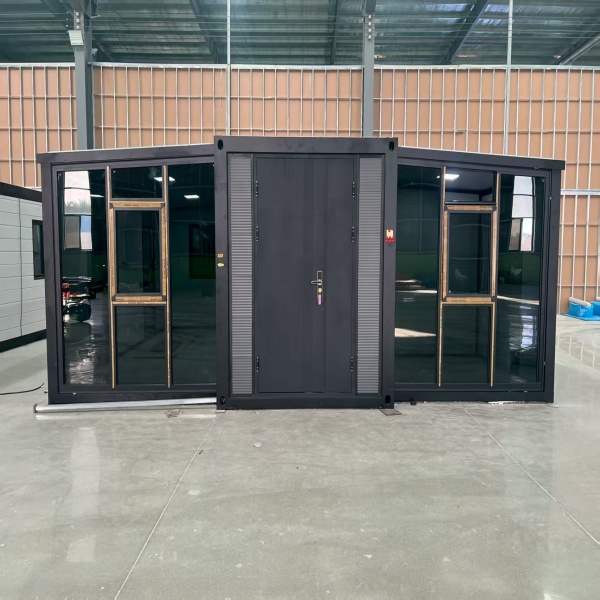
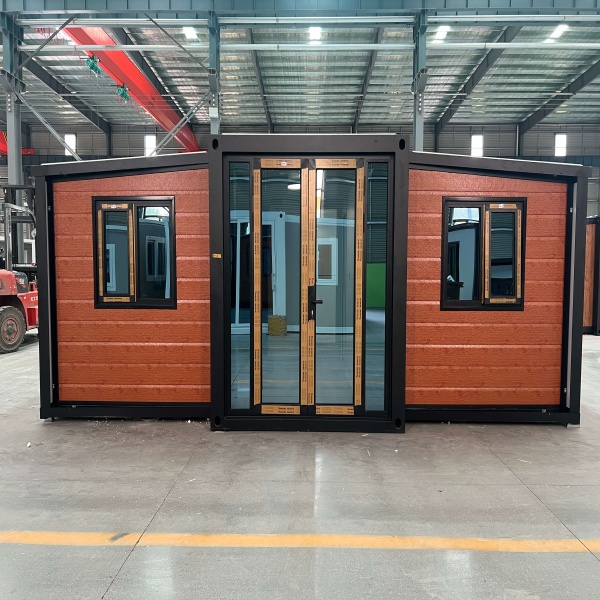 High-quality Double-wing Folding Container House with Doors and Windows, Insulated Walls, Suitable for Various Scenarios.
 -
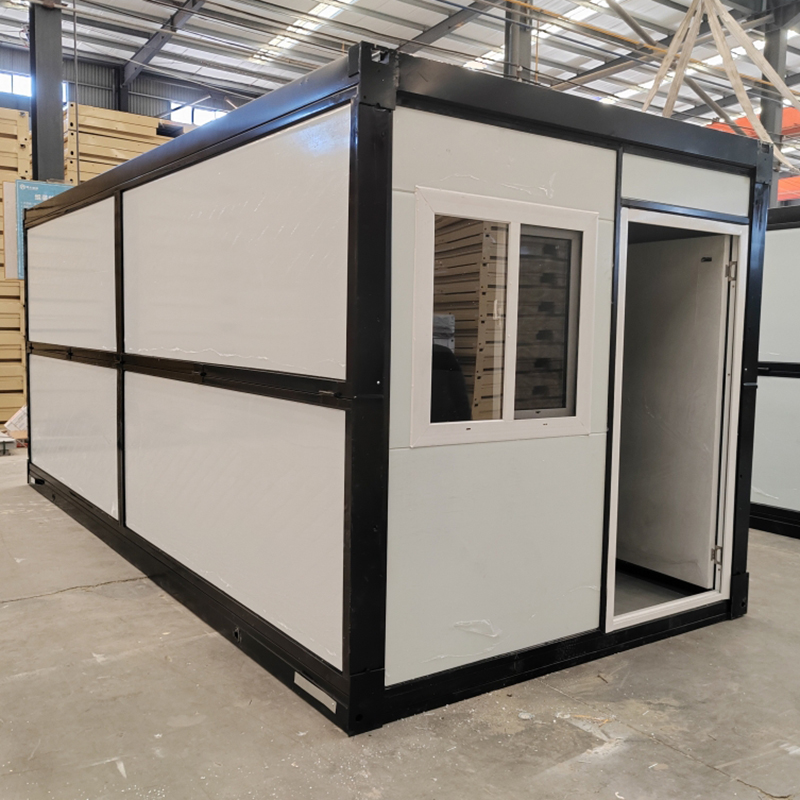 Detachable Design Prefabricated Container House Portable Modular Office Building Folding Container House
 -
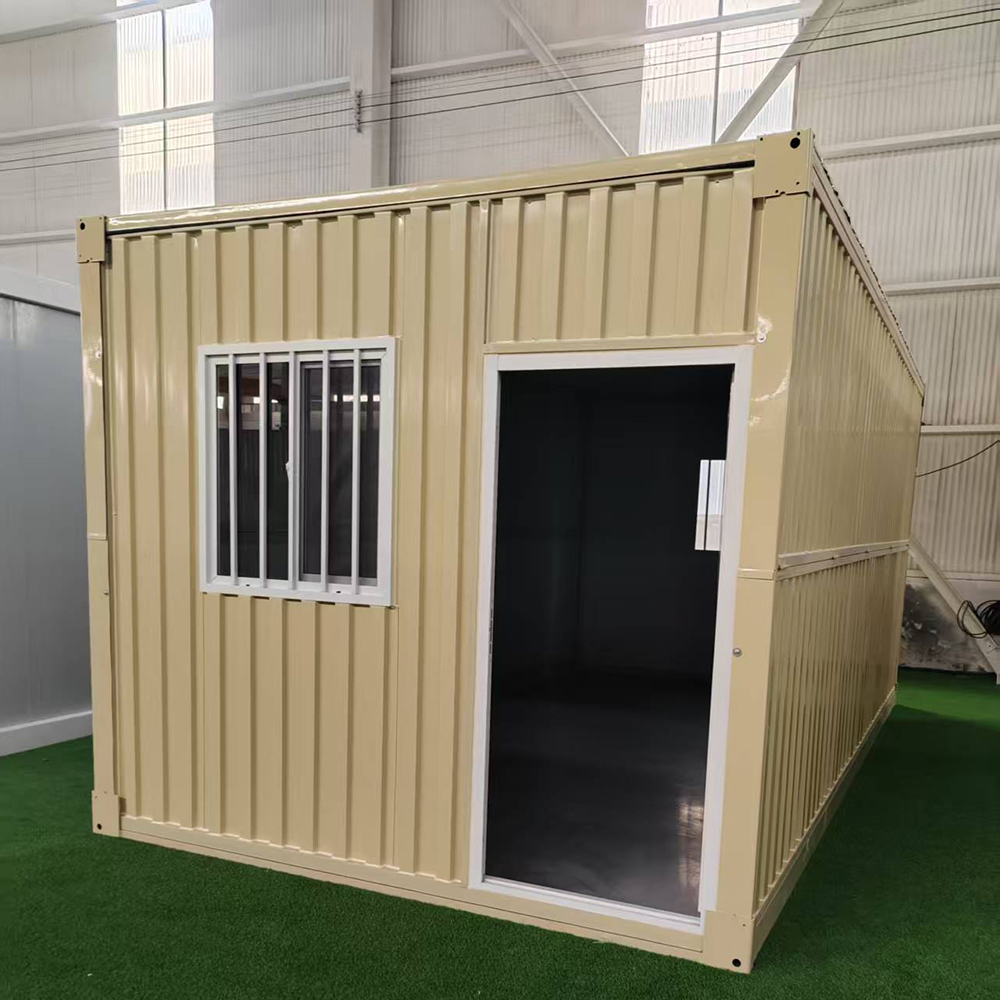 Competitive Price Portable Container House Foldable Container Mobile Living Modular Homes
 -
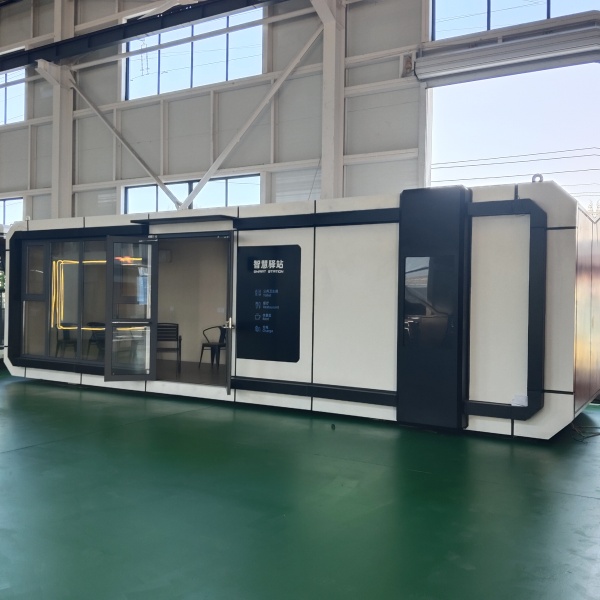 Modular modern movable apple cabins, customized high-end folk houses and portable bedrooms, delivered as a whole
 -
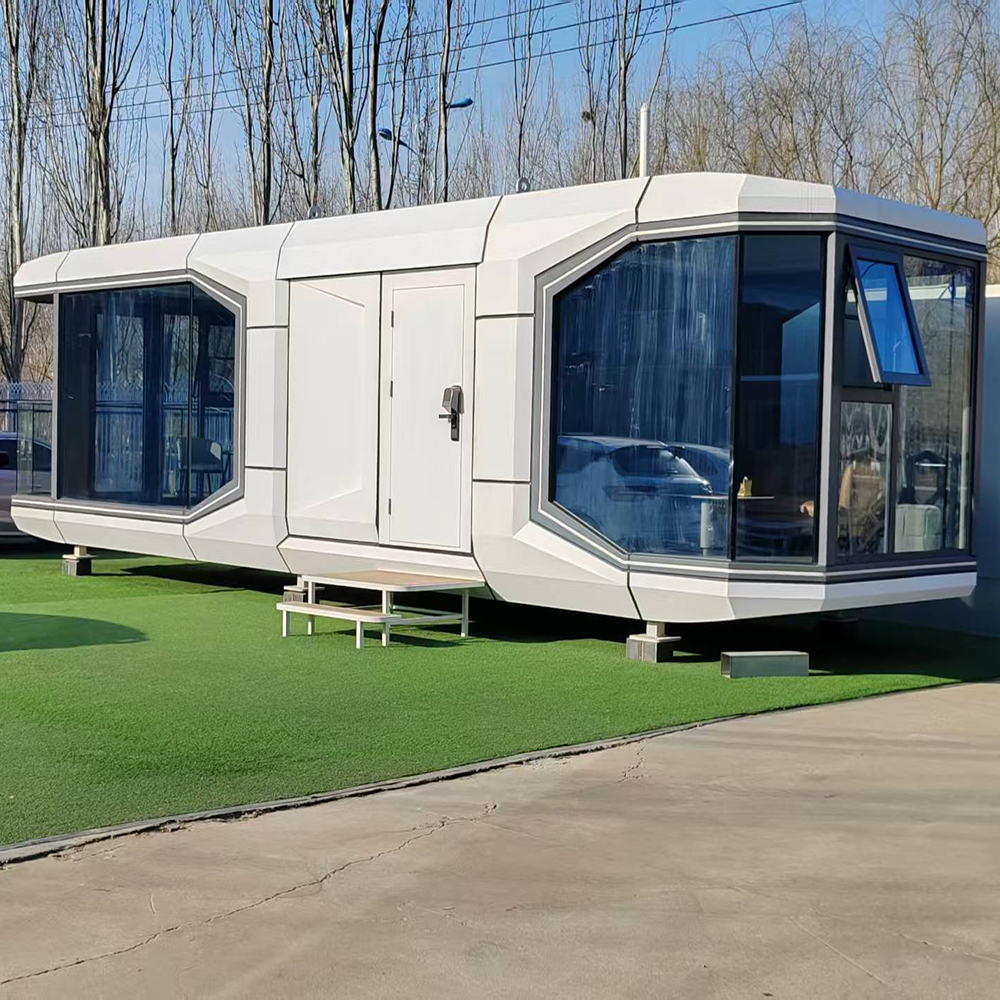
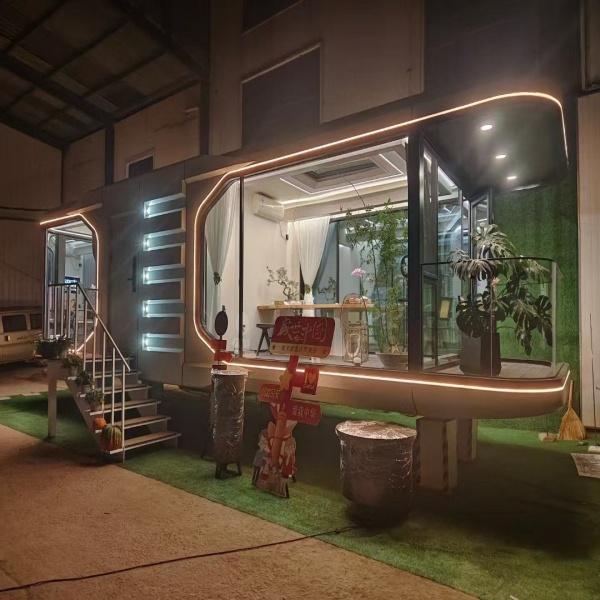 Outdoor ecological capsule rooms, luxury pods, space capsule hotel rooms, prefabricated space capsules, container houses
 -
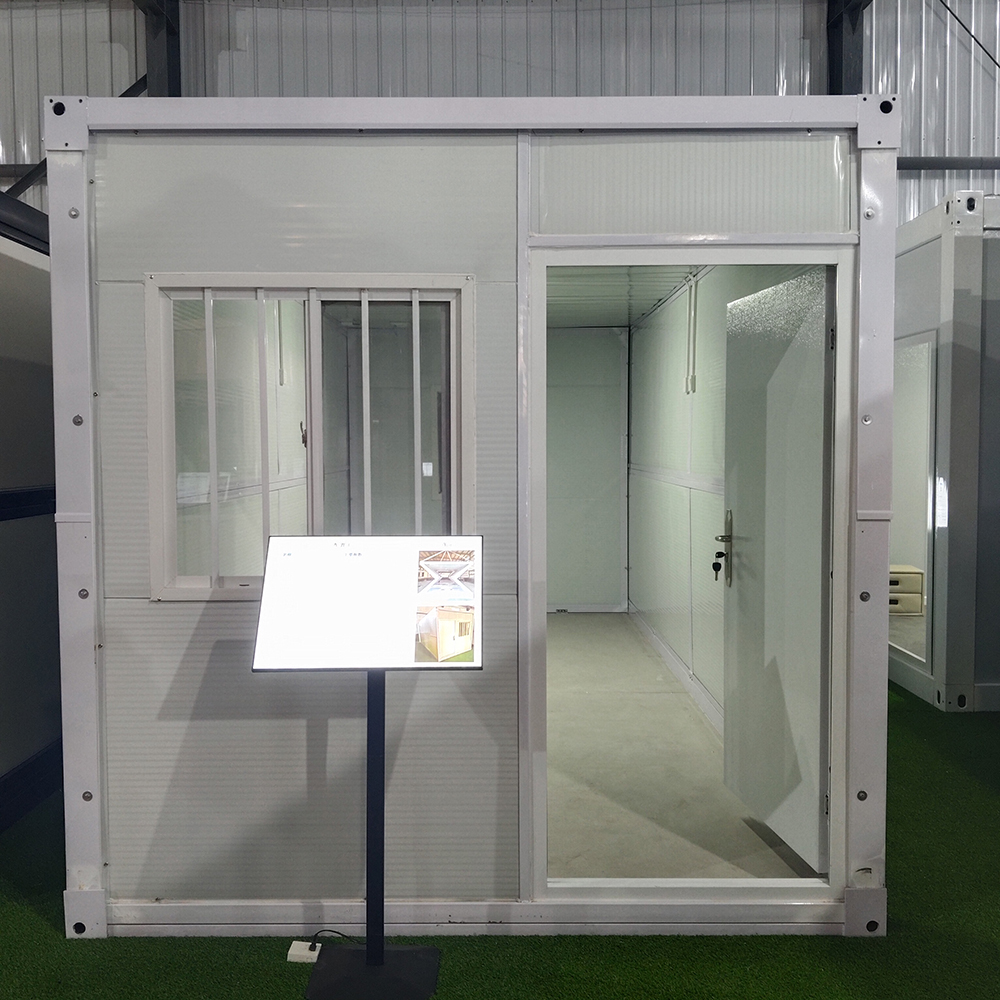 Reasonable Price 1 Bedroom Modular Container House Folding Container Home for Villa or Apartment Use
 -
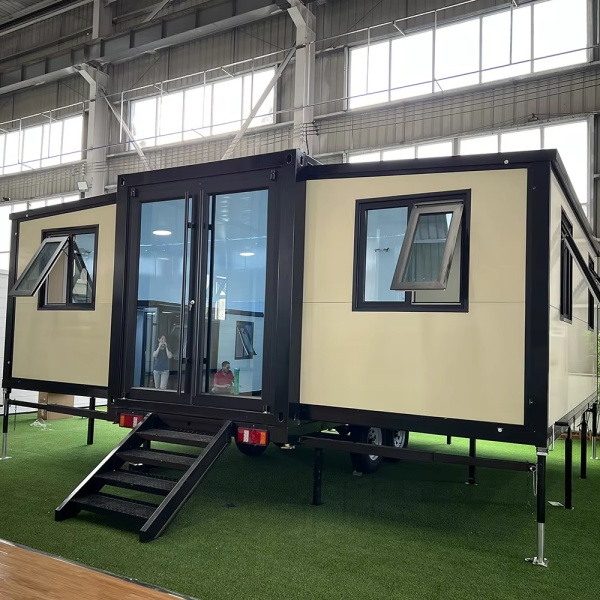 Stair Access Double Wing Expandable Container House | Easy Installation Mobile Office
 -
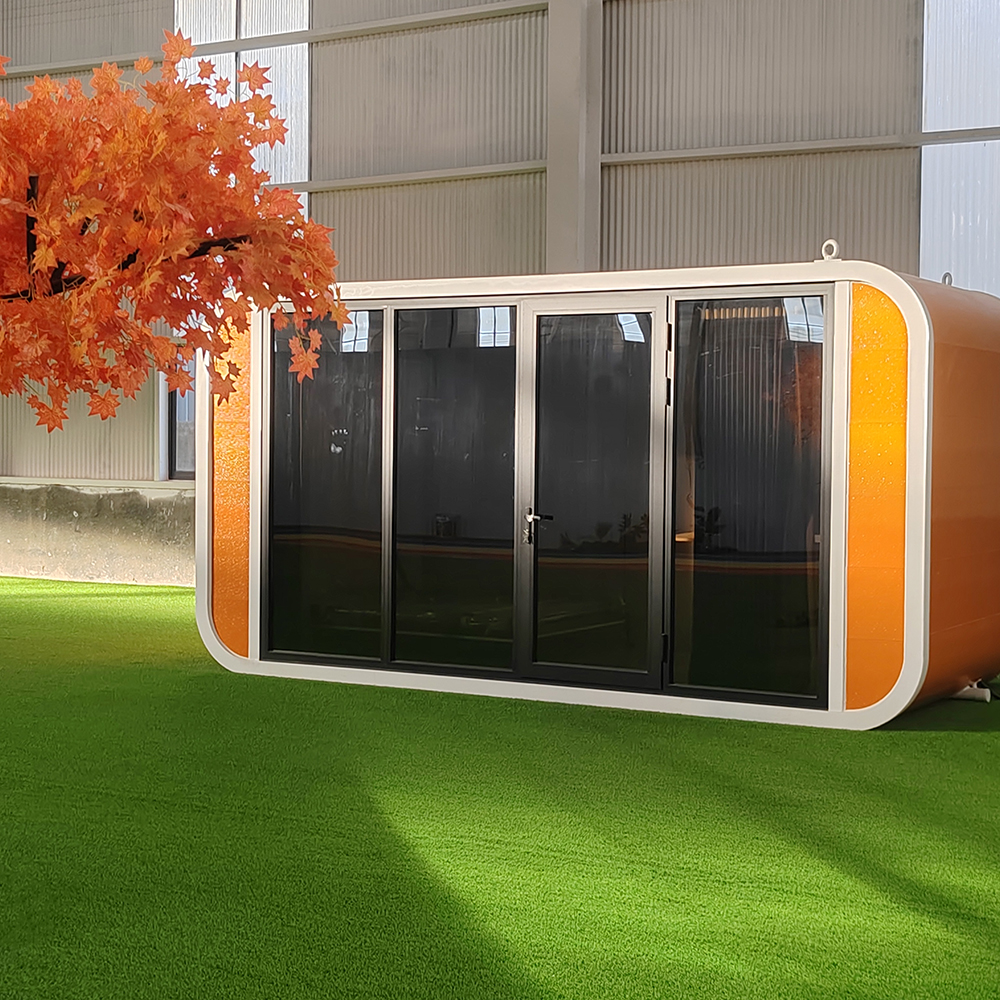 Luxury Prefabricated Living Container House Modular Glass Tiny House Prefab Container Home Apple Cabin
 -
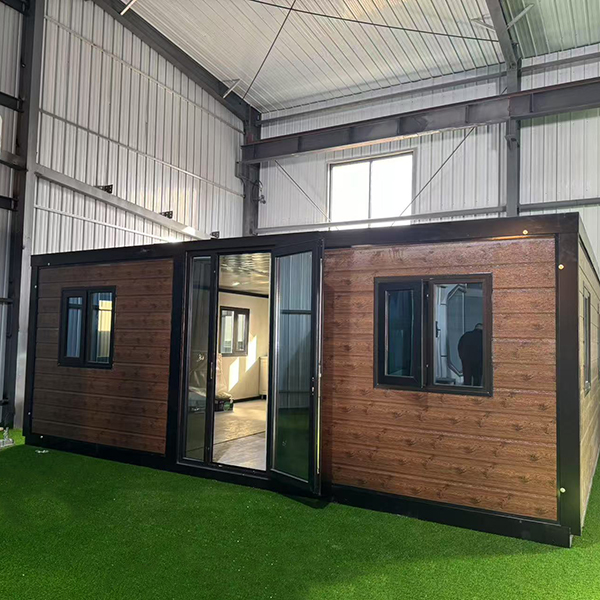 Good Quality Modular Homes Prefabricated House Expandable Container House 20FT Mobile Flat Roof House
 -
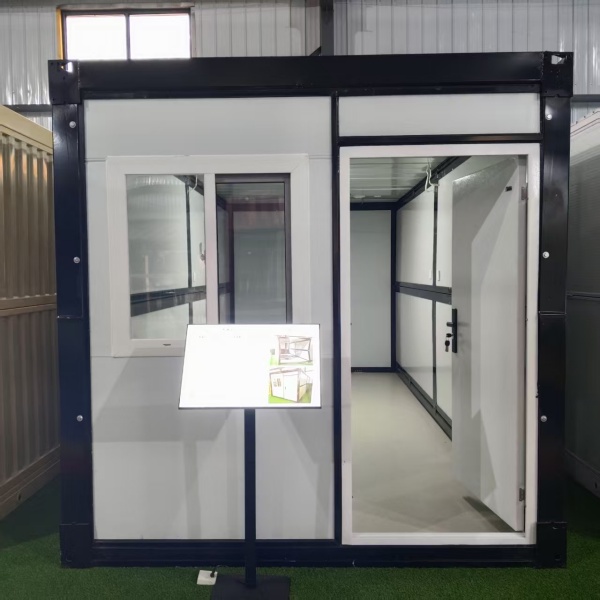 Factory Direct Sales Office Folding Container Luxury House Living Container House
 -
Two Wing Folding Expandable Container House
Related search
Related search- Buy mobile expandable prefab house 15ft x 20ft
- China expandable container house with solar energy
- China assembled two bedroom home prefab expandable container house
- folding container house usa
- Buy expandable prefab mobile house prefab home 19x20ft mobile home
- tiny folding house
- China 40ft expandable container house usa
- China prefab container house
- China luxury space capsule
- Buy fold out container homes