
-
E-mail
Austin120521@outlook.com -
E-mail
sales@jujiuhouse.com -
Telephone
+86-17864099991 -
Telephone
+86-17854044442
- Chinese
- French
- German
- Portuguese
- Spanish
- Russian
- Japanese
- Korean
- Arabic
- Irish
- Greek
- Turkish
- Italian
- Danish
- Romanian
- Indonesian
- Czech
- Afrikaans
- Swedish
- Polish
- Basque
- Catalan
- Esperanto
- Hindi
- Lao
- Albanian
- Amharic
- Armenian
- Azerbaijani
- Belarusian
- Bengali
- Bosnian
- Bulgarian
- Cebuano
- Chichewa
- Corsican
- Croatian
- Dutch
- Estonian
- Filipino
- Finnish
- Frisian
- Galician
- Georgian
- Gujarati
- Haitian
- Hausa
- Hawaiian
- Hebrew
- Hmong
- Hungarian
- Icelandic
- Igbo
- Javanese
- Kannada
- Kazakh
- Khmer
- Kurdish
- Kyrgyz
- Latin
- Latvian
- Lithuanian
- Luxembou..
- Macedonian
- Malagasy
- Malay
- Malayalam
- Maltese
- Maori
- Marathi
- Mongolian
- Burmese
- Nepali
- Norwegian
- Pashto
- Persian
- Punjabi
- Serbian
- Sesotho
- Sinhala
- Slovak
- Slovenian
- Somali
- Samoan
- Scots Gaelic
- Shona
- Sindhi
- Sundanese
- Swahili
- Tajik
- Tamil
- Telugu
- Thai
- Ukrainian
- Urdu
- Uzbek
- Vietnamese
- Welsh
- Xhosa
- Yiddish
- Yoruba
- Zulu
- Kinyarwanda
- Tatar
- Oriya
- Turkmen
- Uyghur




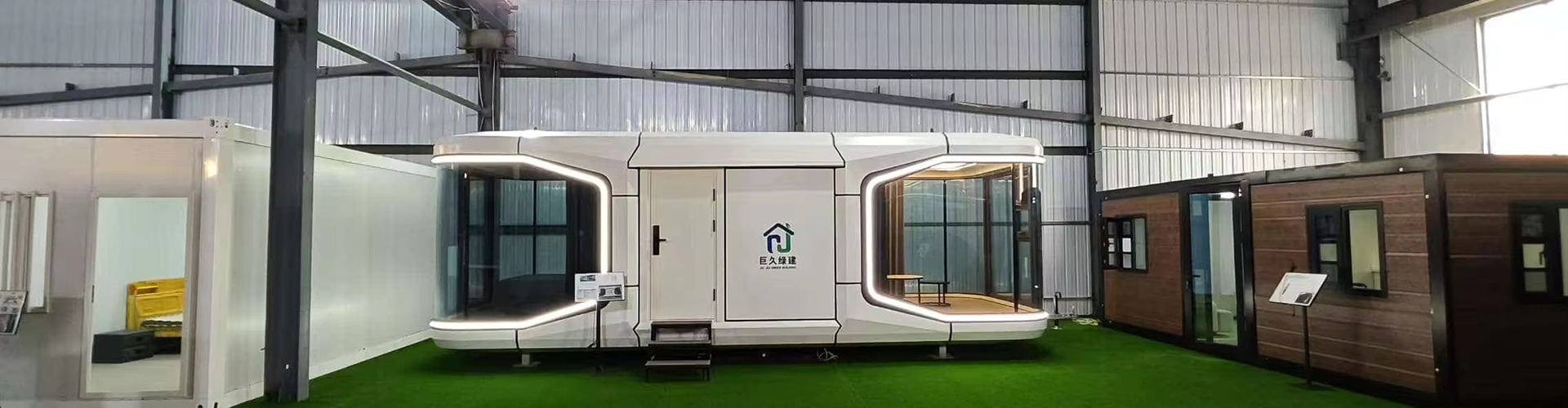
China prefabricated modular container house
Exploring the World of Prefabricated Modular Container Houses in China
In recent years, the conversation around China prefabricated modular container house construction has become increasingly relevant. A lot of folks have been diving into this space, some driven by innovation, others out of necessity. The allure? Quick assembly times, cost-effectiveness, and the flexibility they offer. But, let's be realistic, it's not all smooth sailing. There are nuances and challenges unique to these projects that might not be immediately obvious. I'd like to share insights based on my own experience in this fascinating field.
The Rising Star of Integrated Housing
One of the key players in this arena is Shandong Jujiu Integrated Housing Co., Ltd.. They’ve swiftly become a notable figure, thanks to their comprehensive take on prefabricated solutions. What makes them tick is their ability to streamline everything—from research and development to design, and down to installation. Everything's under one roof, which is pretty efficient.
I remember visiting their plant and being thoroughly impressed by their production line. With machines humming and steel being precisely cut, it was a symphony of modern engineering. But, what caught my eye wasn’t just the technology; it was the meticulous attention to design and optimization. Each component felt like a puzzle piece, ready to fit seamlessly into a larger structure. You don’t always get that sense of cohesion.
However, it's not just about aesthetics and efficiency. The industry has to navigate regulatory constraints and site-specific challenges. This is where Shandong Jujiu shines—they have honed the craft of adaptation to meet local standards while delivering globally appealing projects.
From Factory Floor to Finished Home
When people think of a China prefabricated modular container house, often the image is that of a basic structure, almost temporary in nature. That couldn’t be further from the truth. I’ve seen projects that range from simple, functional structures to designs that rival traditional homes in both luxury and comfort.
Taking a project off the ground typically starts with understanding the client's vision. I’ve sat in countless meetings where this was the primary focus. Clients often have a host of ideas, and it’s the job of the integrated housing companies to sift through these to deliver something viable. This collaborative phase is crucial, and it’s where many missteps can happen if not handled with care.
I recall working on a project where miscommunication on the design front led to significant setbacks. Lessons were learned, and ever since, the approach to communication has been much more robust. It’s a simple truth: in this industry, clarity is key.
Overcoming Hurdles
Despite all the advances and streamlined processes, challenges abound. Weather, for instance, is an unpredictable element that can throw a project off schedule. I've been part of teams that had to halt production because the logistics of transporting these container modules were impacted by unforeseen weather conditions, something that naturally frustrates clients.
Furthermore, shipping container sizes can often limit design possibilities. Sure, it’s great to think of containers as the ultimate building block, but structural integrity and architectural aesthetics can sometimes clash. Balancing these aspects requires creative solutions and often a bit of compromise.
Then there are the sustainability concerns. Clients today are more environmentally conscious, which introduces another layer of complexity but also opportunity. Shandong Jujiu, for example, incorporates energy-efficient materials to align with green building standards, making this a selling point rather than a hurdle.
A Glimpse Into Future Trends
Looking forward, there’s a buzz about integrating smart technology within modular homes. Imagine living in a house that can optimize energy usage or adapt to your preferences autonomously. There’s no shortage of possibilities here, and it's exciting to see how companies like Shandong Jujiu might tackle this in their upcoming projects.
Urbanization is another significant driver. With cities getting more crowded, modular homes offer a solution for quick expansion without the hefty price tag of traditional construction. It’s an area that has potential, especially in developing regions. As these areas grow, the need for quick, affordable housing solutions will undoubtedly rise.
Moreover, as people grow more accustomed to remote work, the idea of using modular homes as mobile workspaces is catching on. This trend is something to watch. Versatility is the name of the game, and companies that can adapt will thrive.
Final Reflections
In wrapping this up, my venture into the world of China prefabricated modular container house development has shown me that the realm is ripe with both challenges and opportunities. It requires a blend of technical expertise, innovative spirit, and a deep understanding of client needs. Companies like Shandong Jujiu pave the way by not only highlighting current possibilities but also shaping future trends in integrated housing. It’s a dynamic field, and I’m keen to see how it evolves in the coming years.
For anyone eyeing a project in this area, my advice is simple: stay informed, be adaptable, and always prioritize clear communication. It's a rewarding yet demanding sector, and each project tells its own unique story.
Explore more about their offerings and innovations at Shandong Jujiu Integrated Housing Co., Ltd..
Related products
Related products
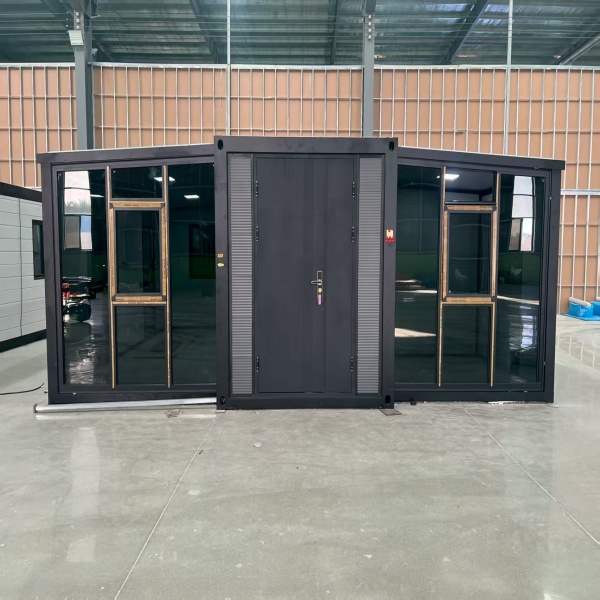
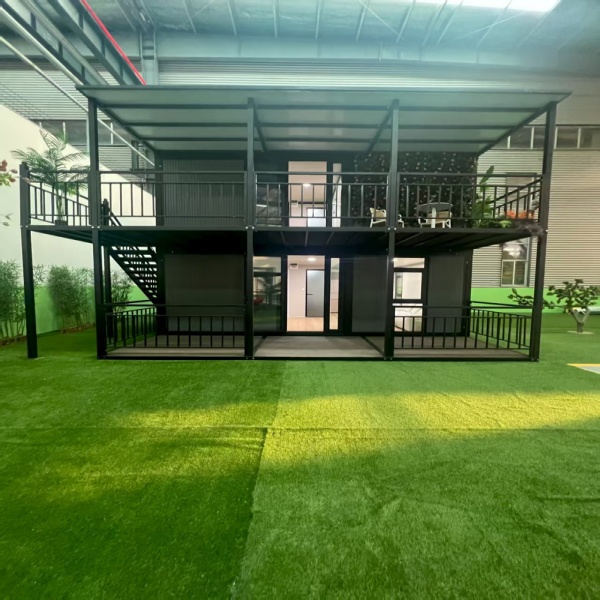
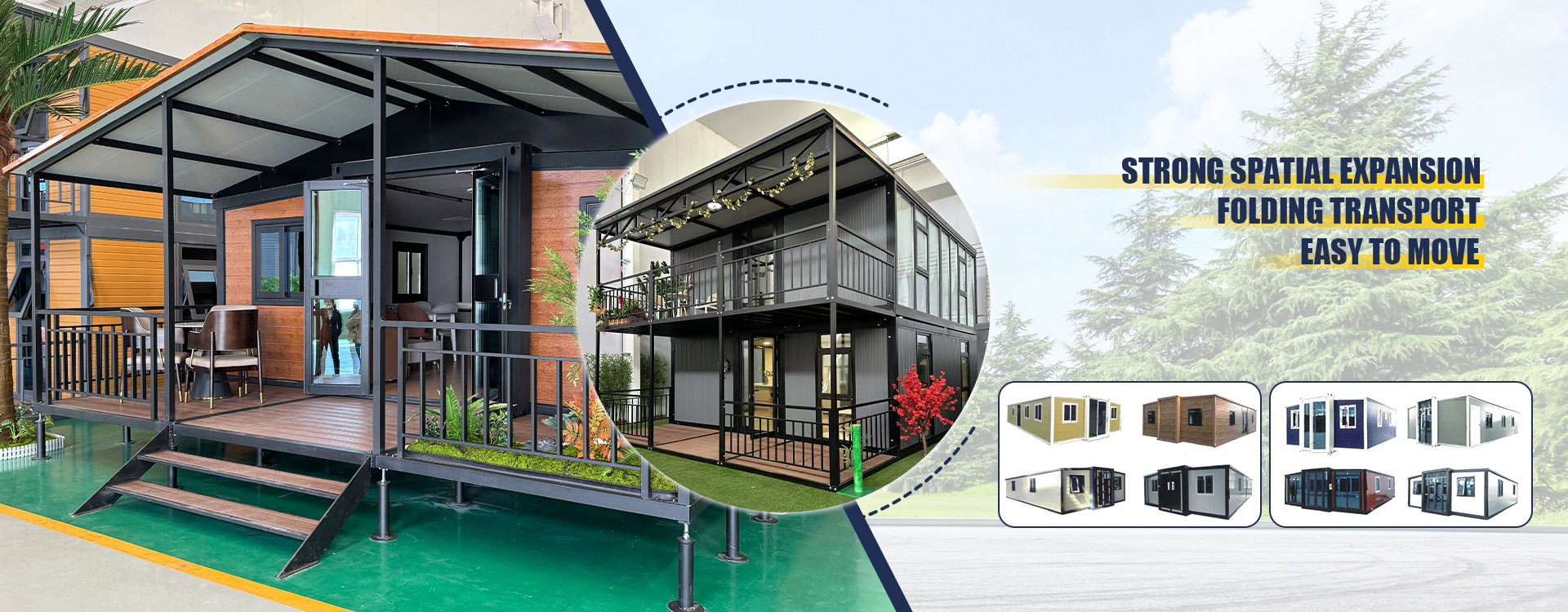
Best selling products
Best selling products-
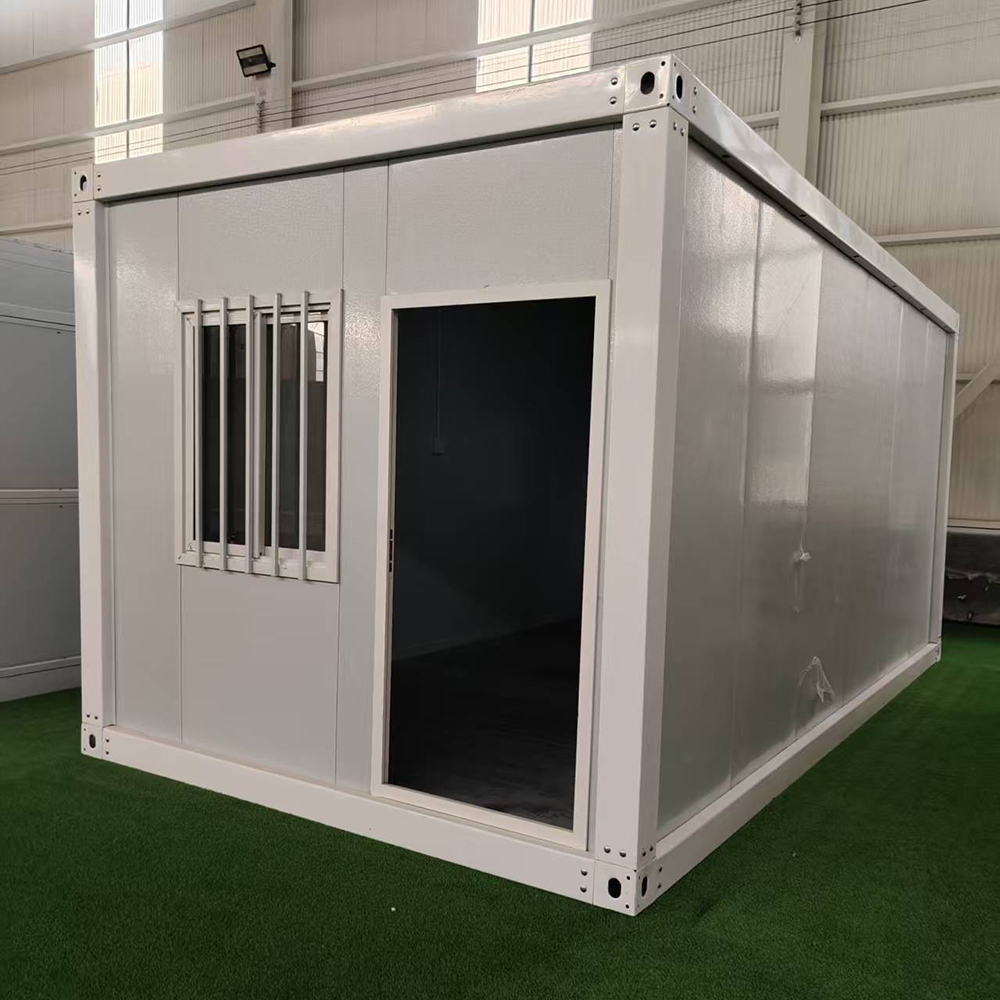 Folding Container Moving House Modular Office Container House Prefab Container for Outdoor Use
 -
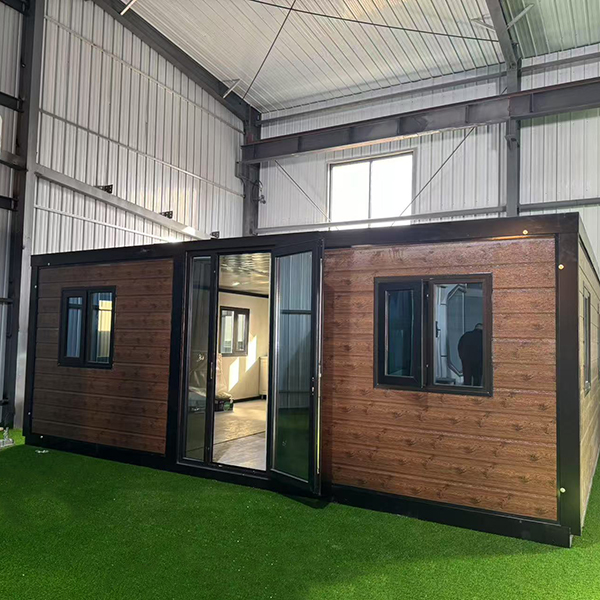 Good Quality Modular Homes Prefabricated House Expandable Container House 20FT Mobile Flat Roof House
 -
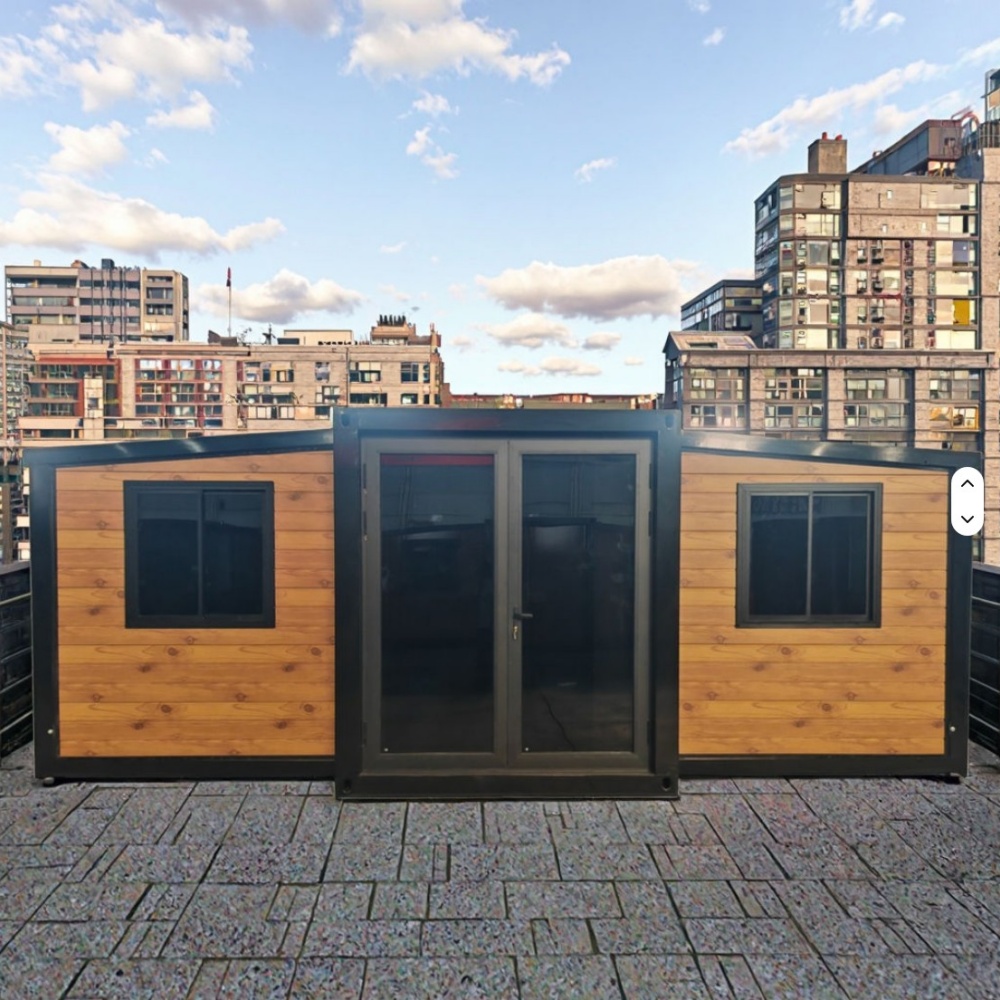 Customized Two Wing Folding Expandable Container House
 -
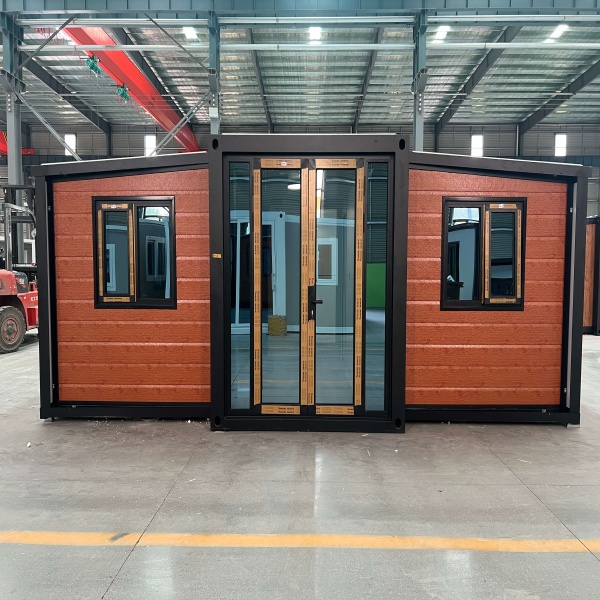 High-quality Double-wing Folding Container House with Doors and Windows, Insulated Walls, Suitable for Various Scenarios.
 -
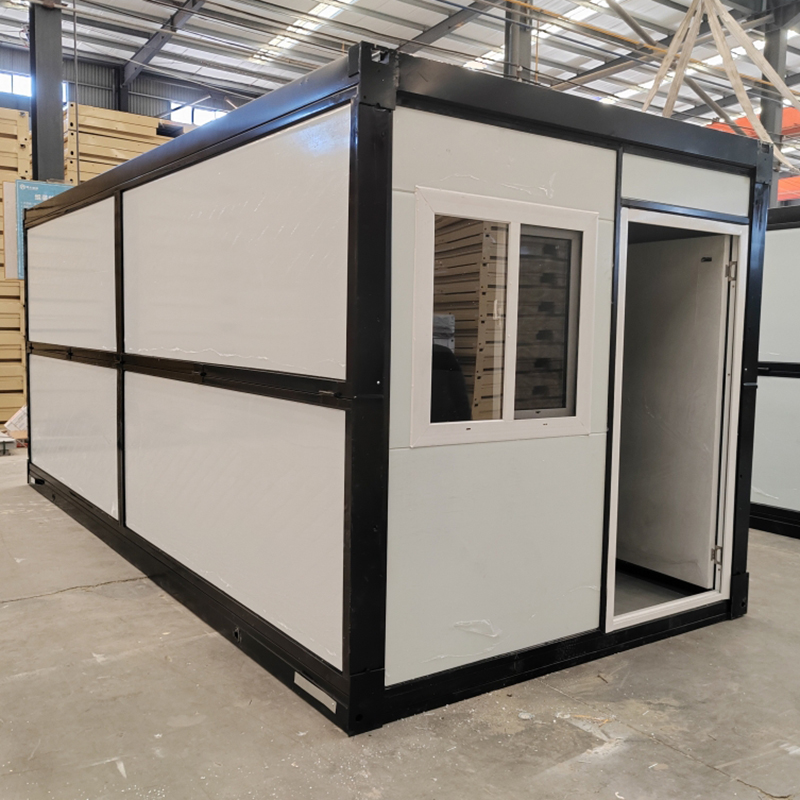 Detachable Design Prefabricated Container House Portable Modular Office Building Folding Container House
 -
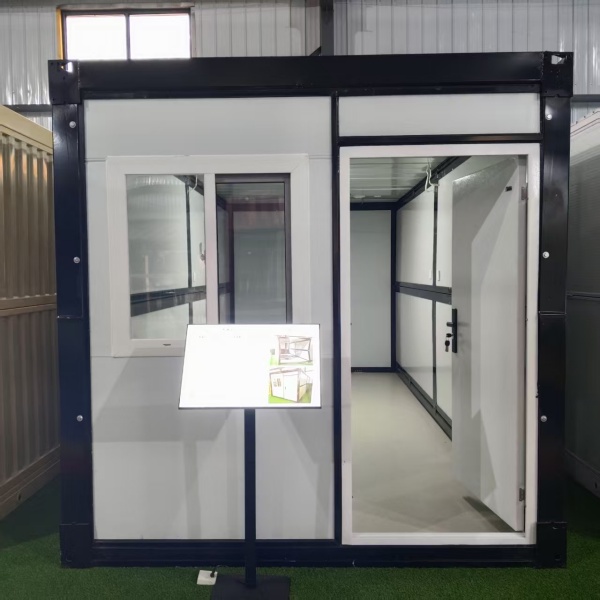 Factory Direct Sales Office Folding Container Luxury House Living Container House
 -
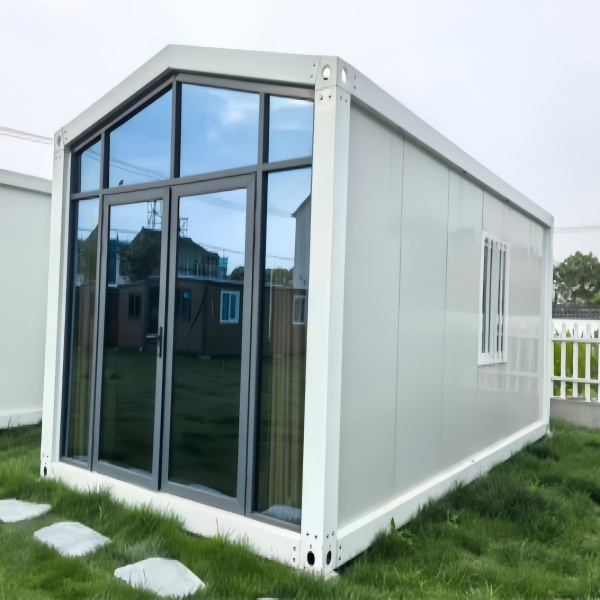 Waterproof folding container house – mobile accommodation for campsites/scenic spots
 -
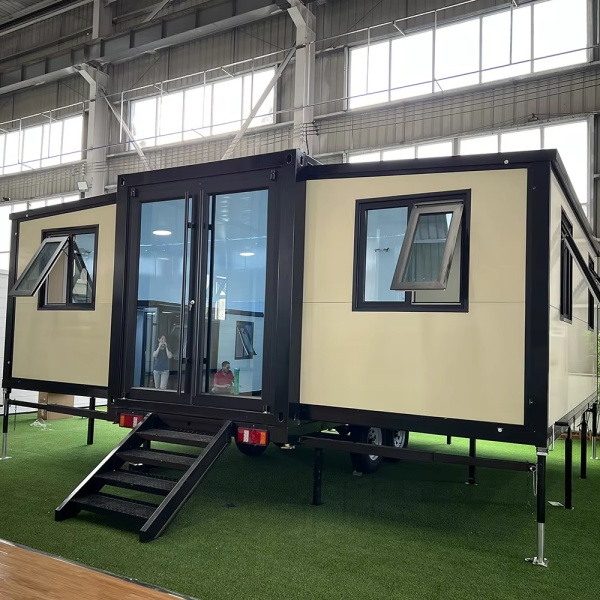 Stair Access Double Wing Expandable Container House | Easy Installation Mobile Office
 -
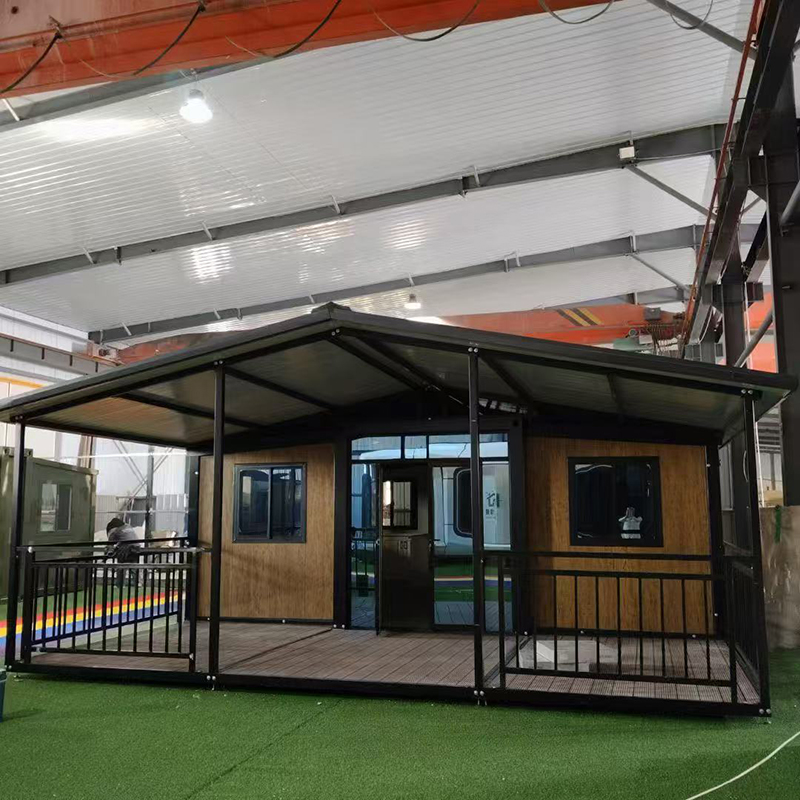 Customized Expandable Container House Holiday Home Folding Prefab Container House with Bathroom and Kitchen
 -
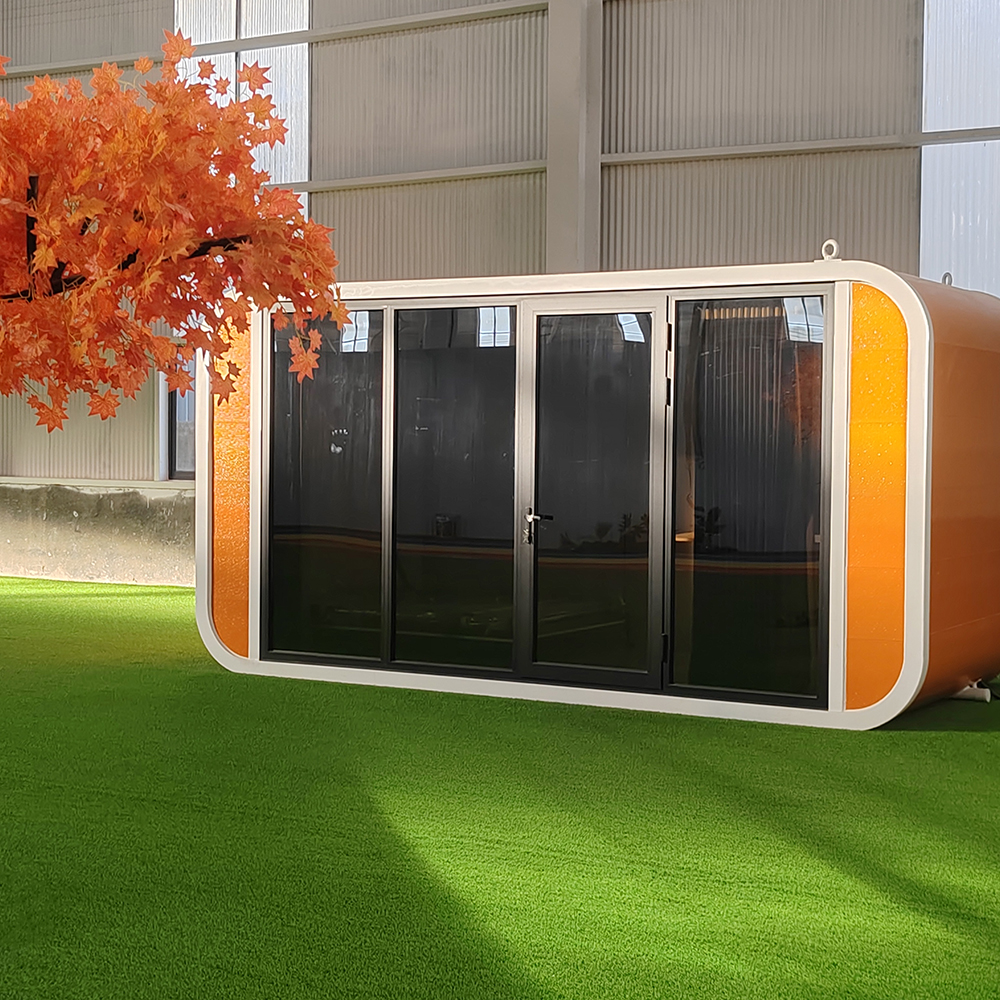 Luxury Prefabricated Living Container House Modular Glass Tiny House Prefab Container Home Apple Cabin
 -
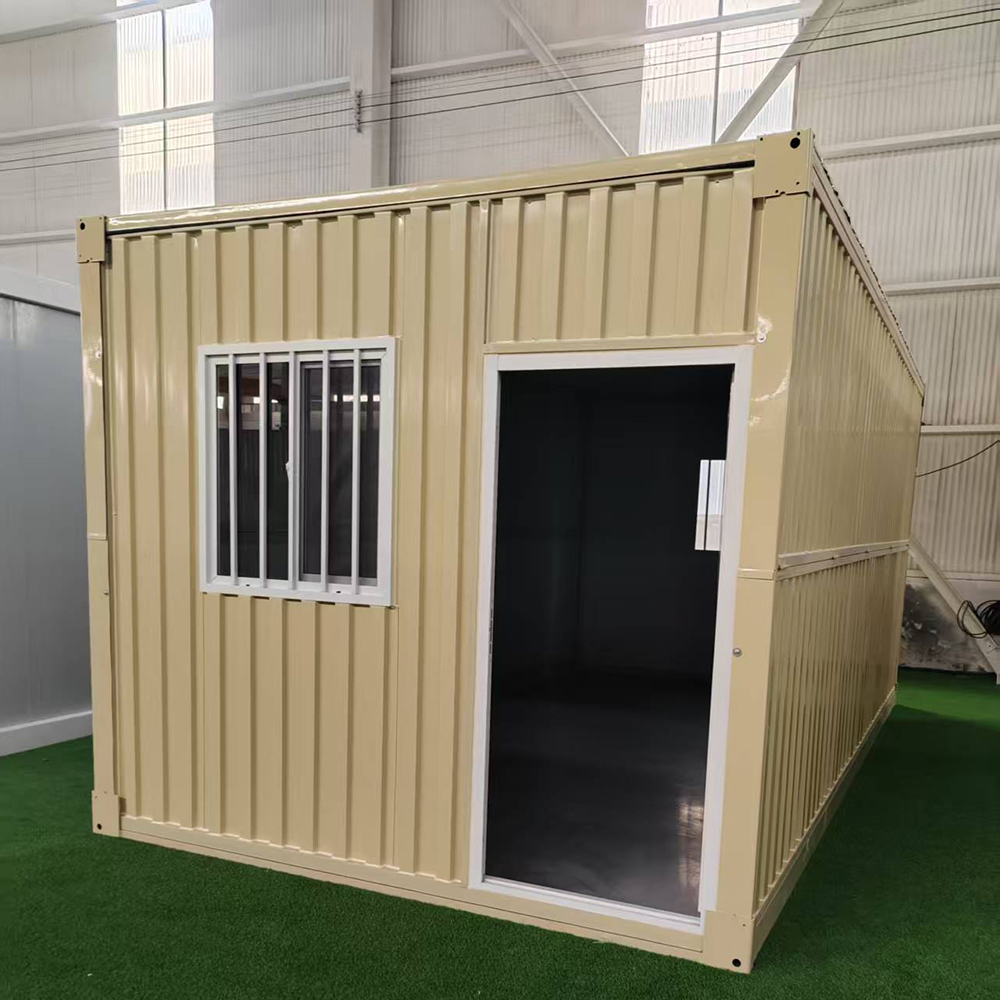 Competitive Price Portable Container House Foldable Container Mobile Living Modular Homes
 -
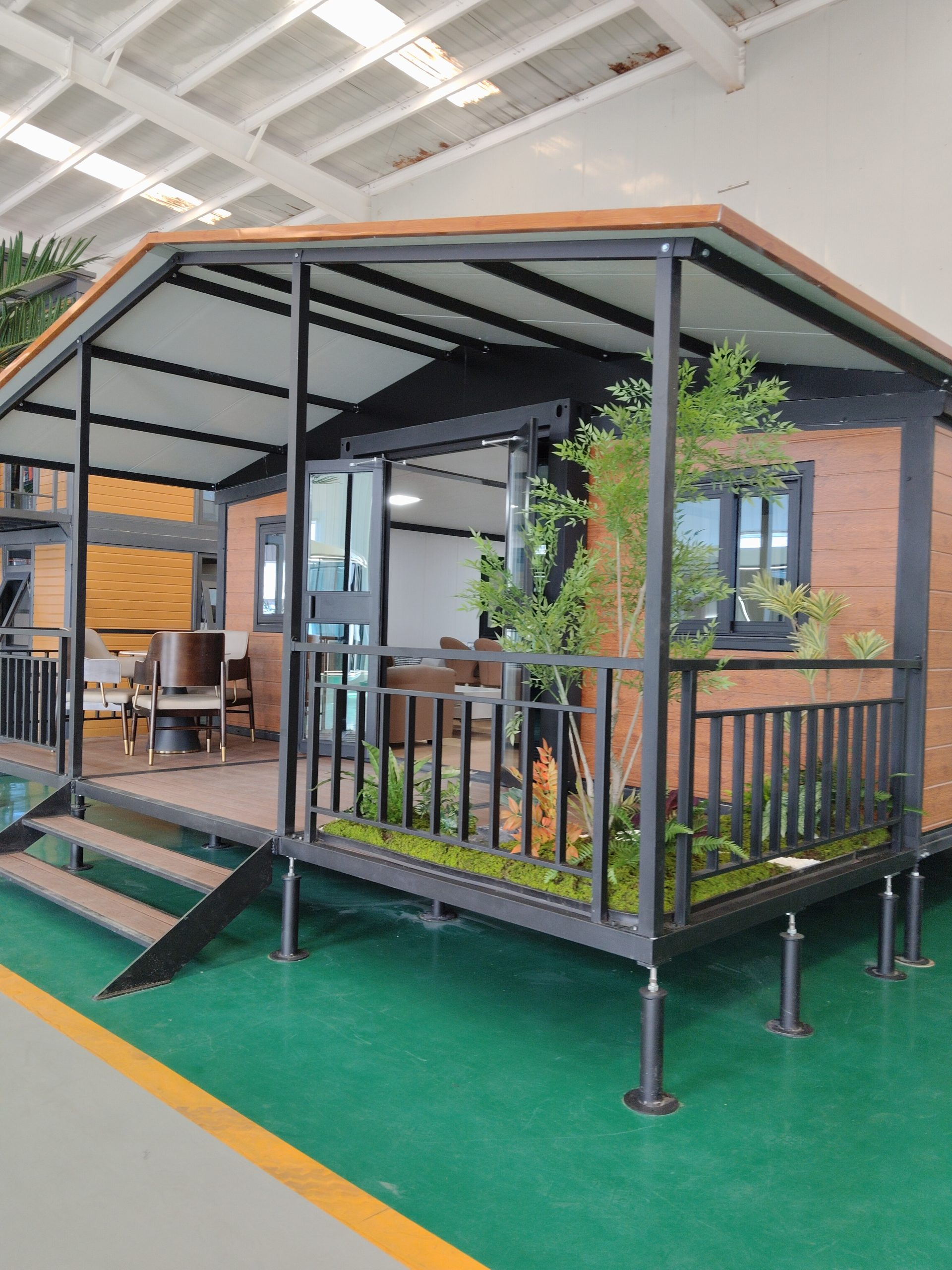 A container house with a terrace and double-wing folding design, suitable for various purposes such as offices, meeting rooms, living rooms, etc.
Related search
Related search- Buy prefab container house for sale
- Buy pre built shipping container house
- red apple cabin
- expanding container house
- fold out container homes for sale
- China house that folds out
- expandable prefab house
- Buy pre fab 2 bedroom prefab container house homes luxury
- bastone mobile expandable prefab house 19ft x 20ft
- China 15ftx 20ft mobile expandable prefab house mobile home prefab