
-
E-mail
Austin120521@outlook.com -
E-mail
sales@jujiuhouse.com -
Telephone
+86-17864099991 -
Telephone
+86-17854044442
- Chinese
- French
- German
- Portuguese
- Spanish
- Russian
- Japanese
- Korean
- Arabic
- Irish
- Greek
- Turkish
- Italian
- Danish
- Romanian
- Indonesian
- Czech
- Afrikaans
- Swedish
- Polish
- Basque
- Catalan
- Esperanto
- Hindi
- Lao
- Albanian
- Amharic
- Armenian
- Azerbaijani
- Belarusian
- Bengali
- Bosnian
- Bulgarian
- Cebuano
- Chichewa
- Corsican
- Croatian
- Dutch
- Estonian
- Filipino
- Finnish
- Frisian
- Galician
- Georgian
- Gujarati
- Haitian
- Hausa
- Hawaiian
- Hebrew
- Hmong
- Hungarian
- Icelandic
- Igbo
- Javanese
- Kannada
- Kazakh
- Khmer
- Kurdish
- Kyrgyz
- Latin
- Latvian
- Lithuanian
- Luxembou..
- Macedonian
- Malagasy
- Malay
- Malayalam
- Maltese
- Maori
- Marathi
- Mongolian
- Burmese
- Nepali
- Norwegian
- Pashto
- Persian
- Punjabi
- Serbian
- Sesotho
- Sinhala
- Slovak
- Slovenian
- Somali
- Samoan
- Scots Gaelic
- Shona
- Sindhi
- Sundanese
- Swahili
- Tajik
- Tamil
- Telugu
- Thai
- Ukrainian
- Urdu
- Uzbek
- Vietnamese
- Welsh
- Xhosa
- Yiddish
- Yoruba
- Zulu
- Kinyarwanda
- Tatar
- Oriya
- Turkmen
- Uyghur




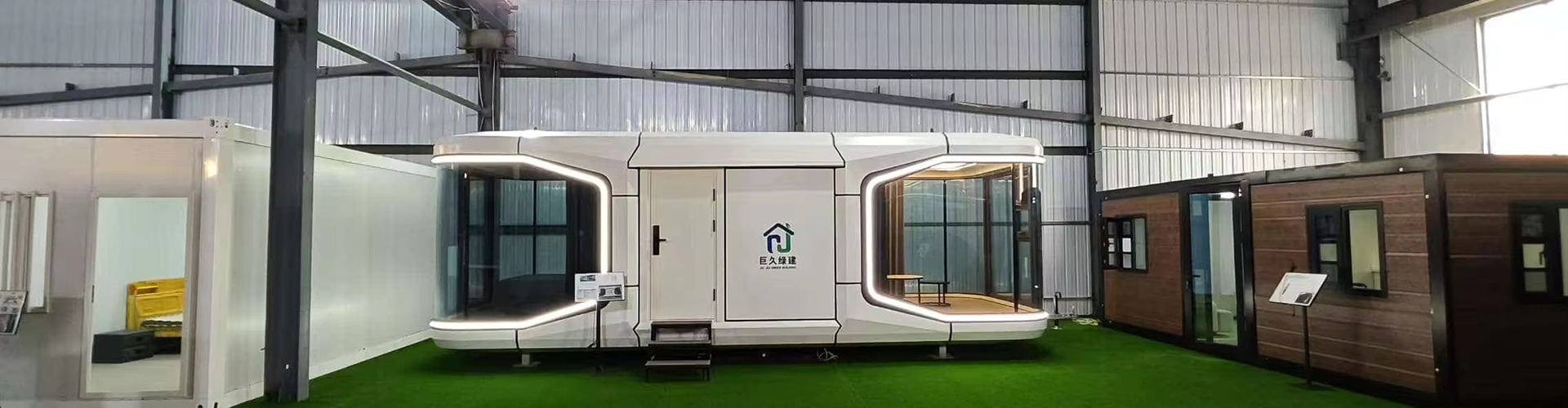
China relocatable shipping container home expandable granny flat portable tiny house
The Versatility of China’s Relocatable Shipping Container Homes
Relocatable shipping container homes from China have been gaining traction, especially forms like the expandable granny flat or portable tiny house. It's fascinating how these trendy, yet practical dwellings are redefining modern living spaces. With companies like SHANDONG JUJIU INTEGRATED HOUSING CO., LTD leading the industry, offering a range of integrated housing solutions, it's worth diving into the real potential and challenges of these mobile homes.
Emerging Trends in Portable Housing
Over the years, the rise of relocatable shipping container homes has transformed how we think about living spaces. Many are attracted to their affordability, sustainability, and the ability to be situated just about anywhere. Shandong Jujiu, accessible at jujiuhouse.com, manifests these trends through their innovative designs, crafting structures that are not just portable but also elegantly functional.
However, there's a misconception that these homes are just a passing fad. In practice, the demand has seen a consistent rise, especially with urban dwellers seeking simplicity without sacrificing comfort. The thought of erecting an expandable granny flat for elderly family members or a sleek tiny house for eco-conscious youngsters captures an emotional and practical pull that traditional housing often can't.
Practicality also roots itself in customization. Customers are increasingly interested in adjusting layouts, adding personal touches, and integrating sustainable technologies, reflecting a trend seen firsthand during various project completions. The flexibility offered by container homes is unparalleled, especially in urban settings where land is scarce.
Engineering and Design Considerations
Despite the booming interest in these homes, challenges abound. The engineering aspects — from insulation to structural integrity — are crucial. Companies like Shandong Jujiu are continually advancing solutions, optimizing designs that must withstand a range of environments while maintaining energy efficiency.
For instance, when designing a portable tiny house, thermal insulation poses significant challenges. During one project, we experimented with different materials, eventually selecting innovative composites that promised both durability and efficiency. The importance of these nuances often becomes clear only through firsthand experience on-site, where theory meets practical constraints.
Also, there's the often overlooked logistics of assembling and disassembling these units. Ensuring that components fit seamlessly during transportation and setup requires meticulous planning and execution. Over the years, I've seen brilliant designs falter due to overlooked transportation issues.
On-the-Ground Realities
Installation processes are pivotal, and differing terrains add layers of complexity. The nature of these challenges varies, whether setting up on a rocky hillside or urban rooftop. Each has its tales of attempts, sometimes underscored by harsh weather conditions or unexpected zoning regulations.
Real success stories emerge from adaptability and problem-solving. Take the installation of an integrated housing project by Shandong Jujiu, which had to accommodate the abrupt shifts in local regulations. This required swift alterations to both structural plans and design features, showcasing the beauty and struggle intertwined in such ventures.
Collaboration with local authorities often determines the project’s pace and feasibility. Engaging proactively, often from the ground up, ensures smoother progression. This isn’t merely hypothetical but something seasoned professionals have navigated countless times.
The Future of Integrated Housing
While shipping container homes are admired for their affordability and adaptability, the real future lies in further innovation. As sustainability becomes an ethos rather than an option, companies like Shandong Jujiu continuously explore eco-friendly materials and methods.
I’ve witnessed a shift towards not just energy-efficient homes, but ones that integrate seamlessly with their surroundings, adopting green walls, solar integration, and smart home technologies. It’s no longer just about portability — it’s about integration.
Looking forward, the challenge and excitement rest in blending this mobility with advanced sustainability. This is where the insights of industry leaders, field experiences, and environmental advancements converge to reshape our definition of home.
Related products
Related products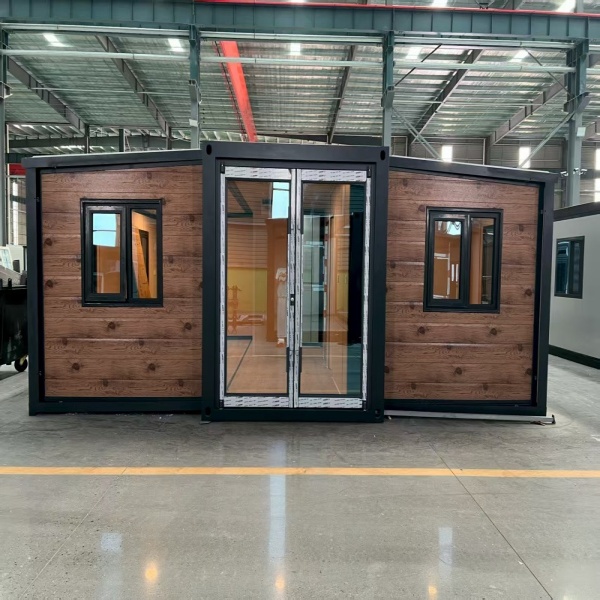
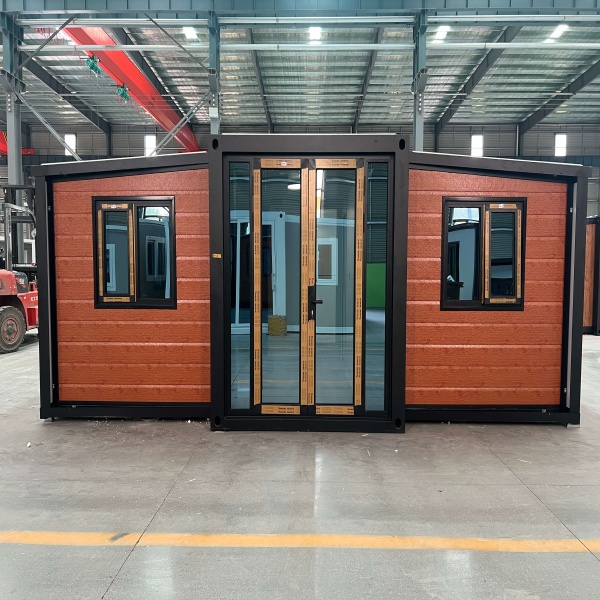
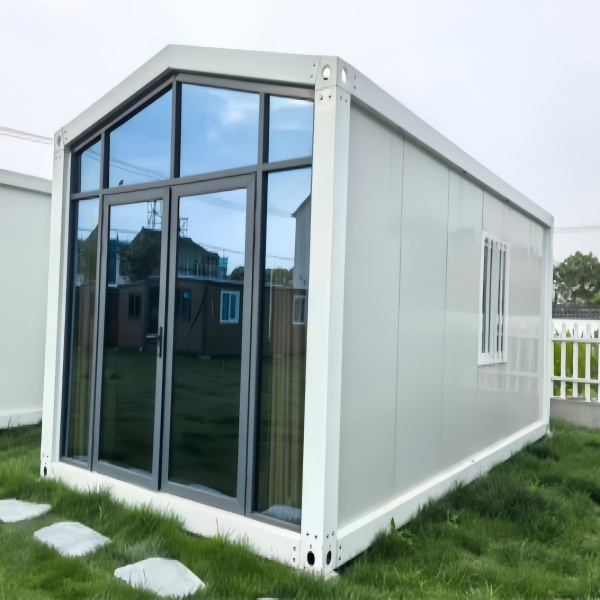
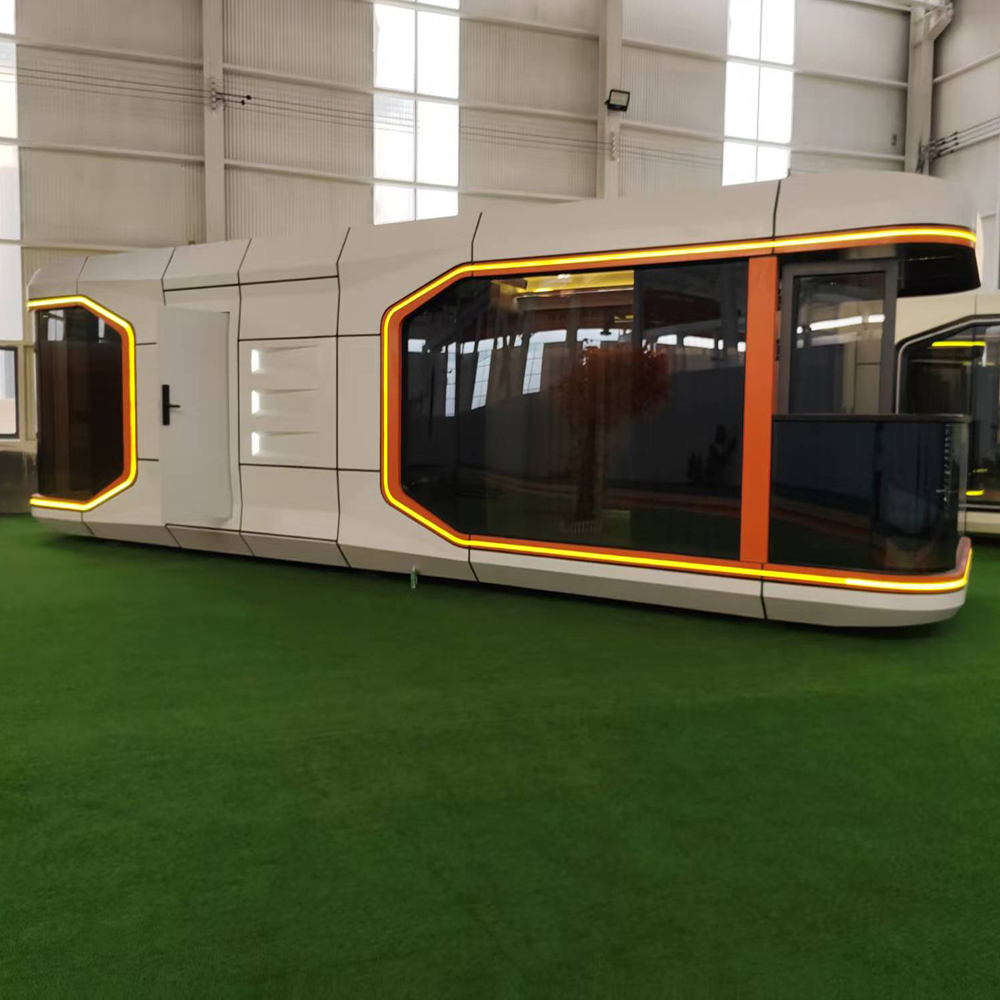
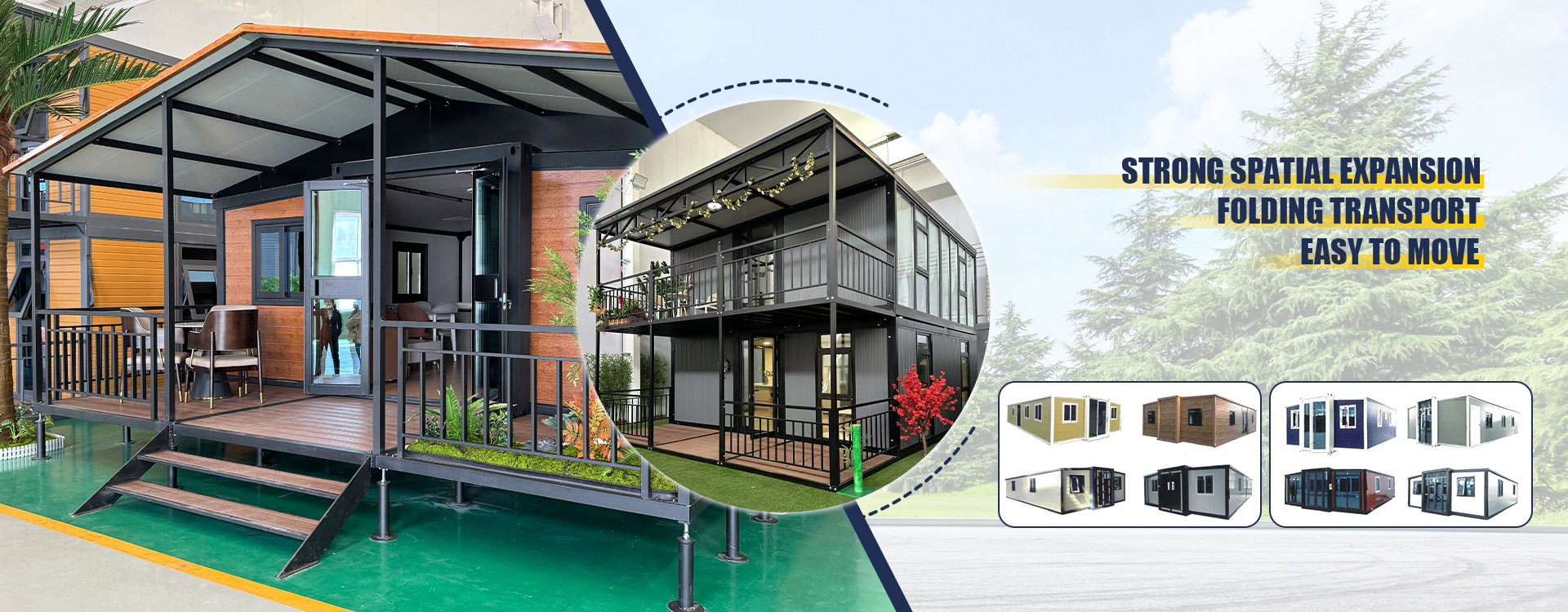
Best selling products
Best selling products-
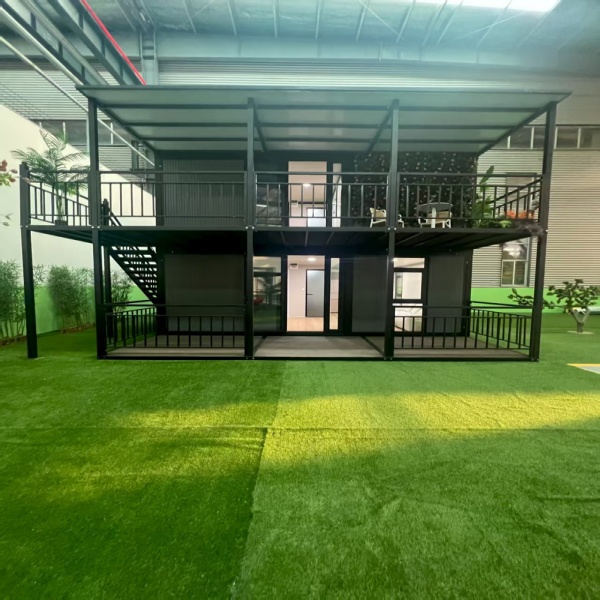 Luxury foldable two-story container houses in luxury resort hotels and villa hotels
 -
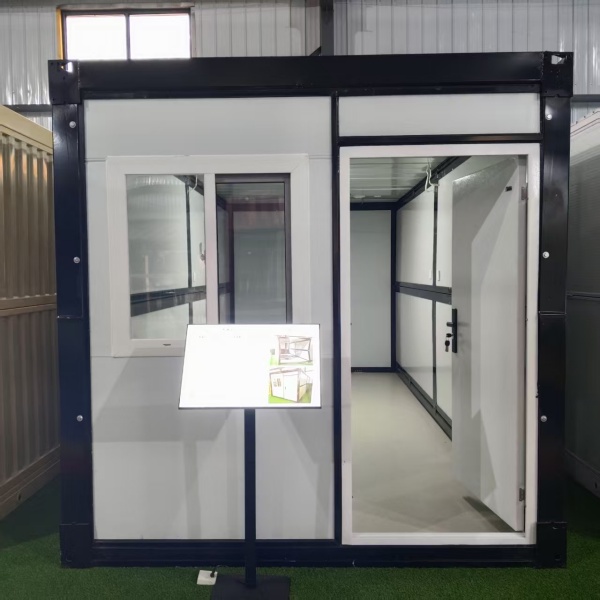 Hot-selling foldable container houses, expandable prefabricated houses, suitable for office or living use, with fast delivery.
 -
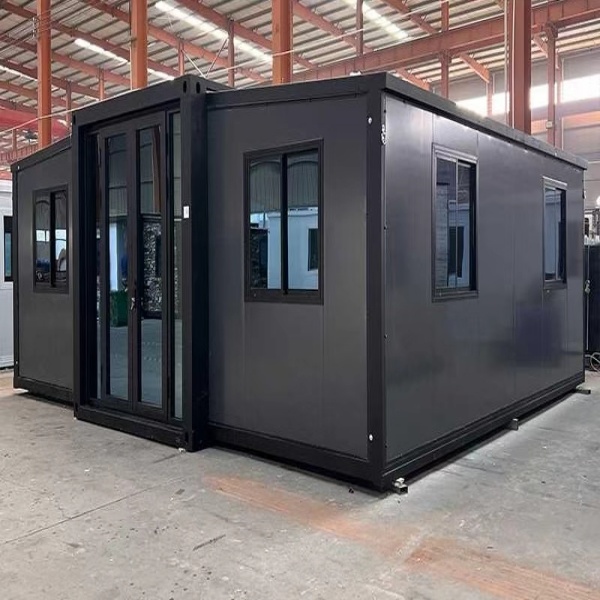 Dual-Wing Folding Container House: Fast Assembly, Space-Saving & Multi-Scene Adaptable
 -
Factory Direct Sales Office Folding Container Luxury House Living Container House
-
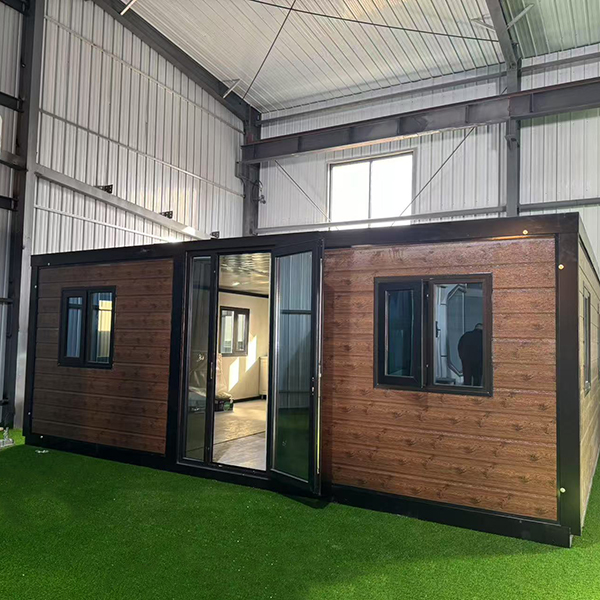 Good Quality Modular Homes Prefabricated House Expandable Container House 20FT Mobile Flat Roof House
 -
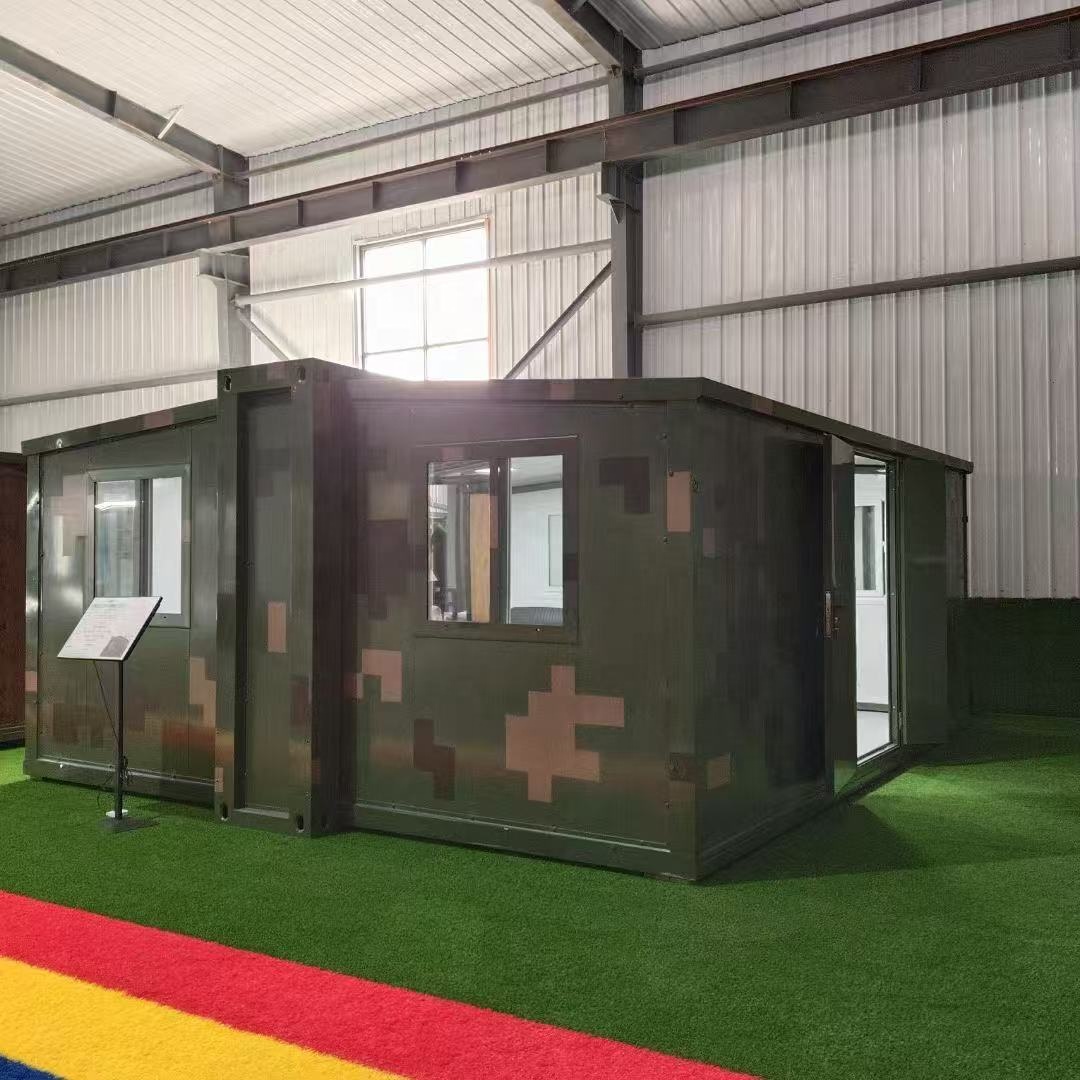 Movable Prefabricated Container House Villas Modular Portable Homes 1 Bedroom Container House Offices Apartments
 -
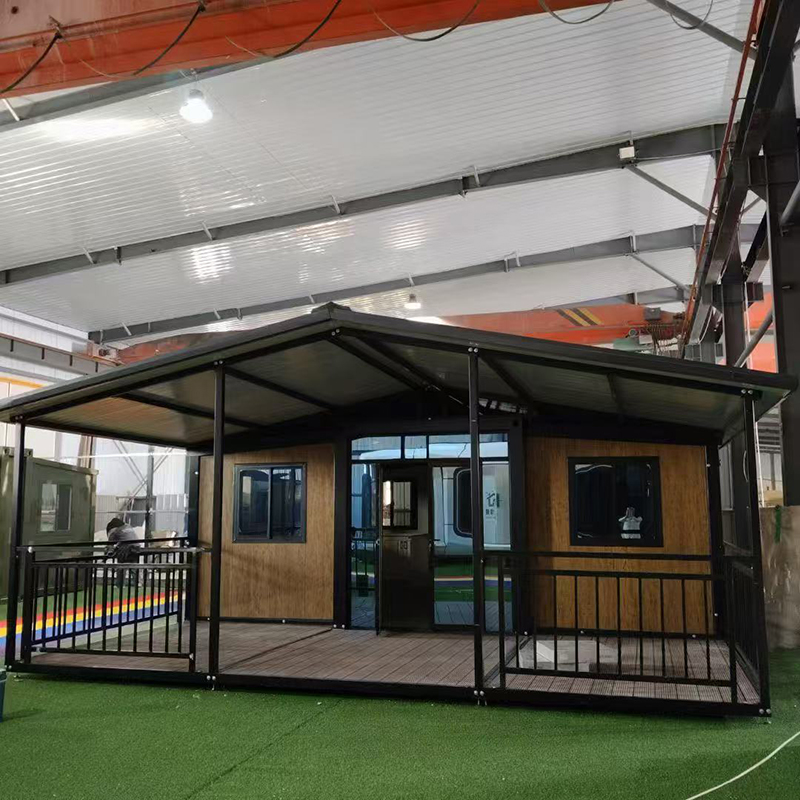 Customized Expandable Container House Holiday Home Folding Prefab Container House with Bathroom and Kitchen
 -
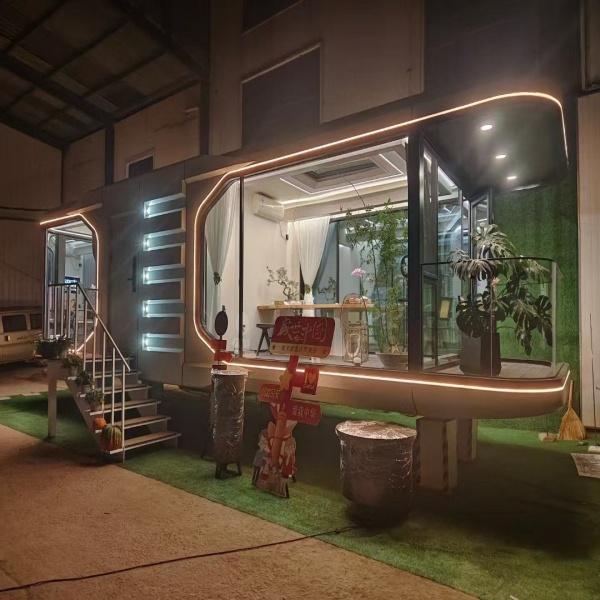 Outdoor ecological capsule rooms, luxury pods, space capsule hotel rooms, prefabricated space capsules, container houses
 -
 Luxury Foldable Two Story Container House for Glamping Resort and Villa Hotel
 -
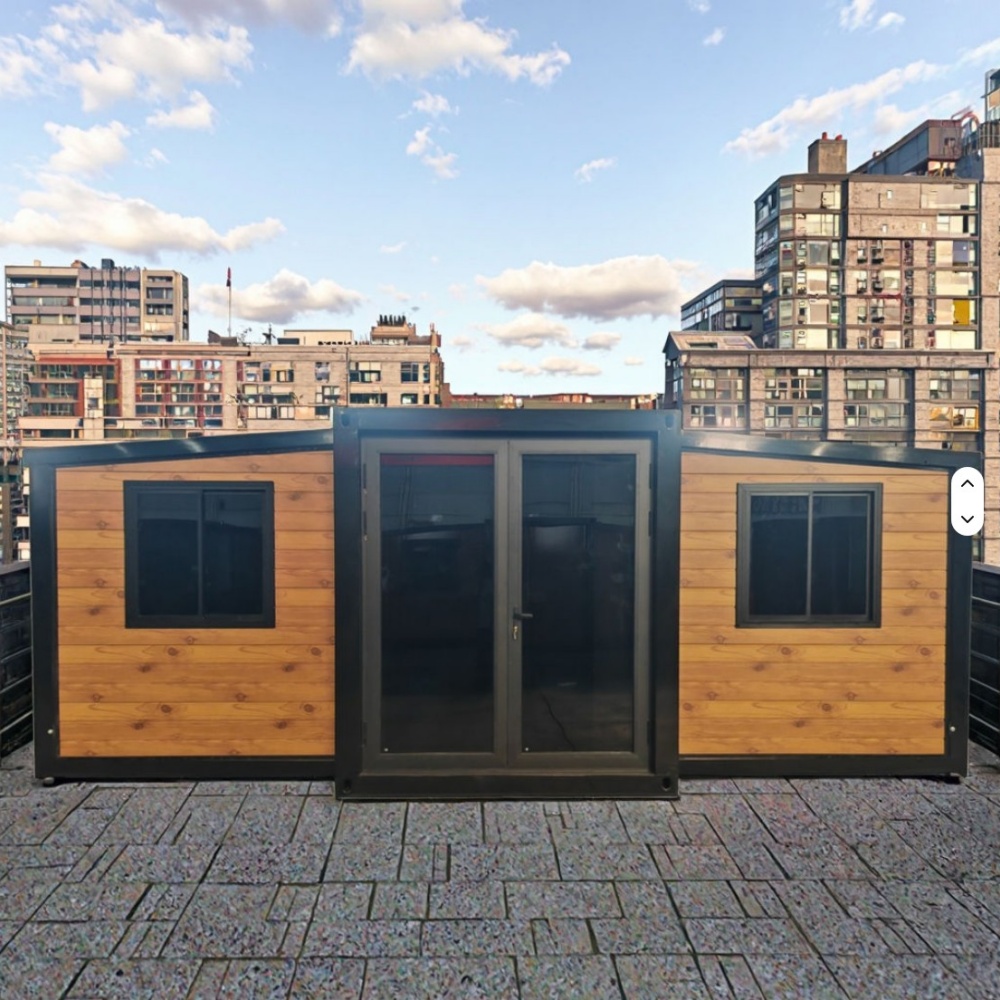 Customized Two Wing Folding Expandable Container House
 -
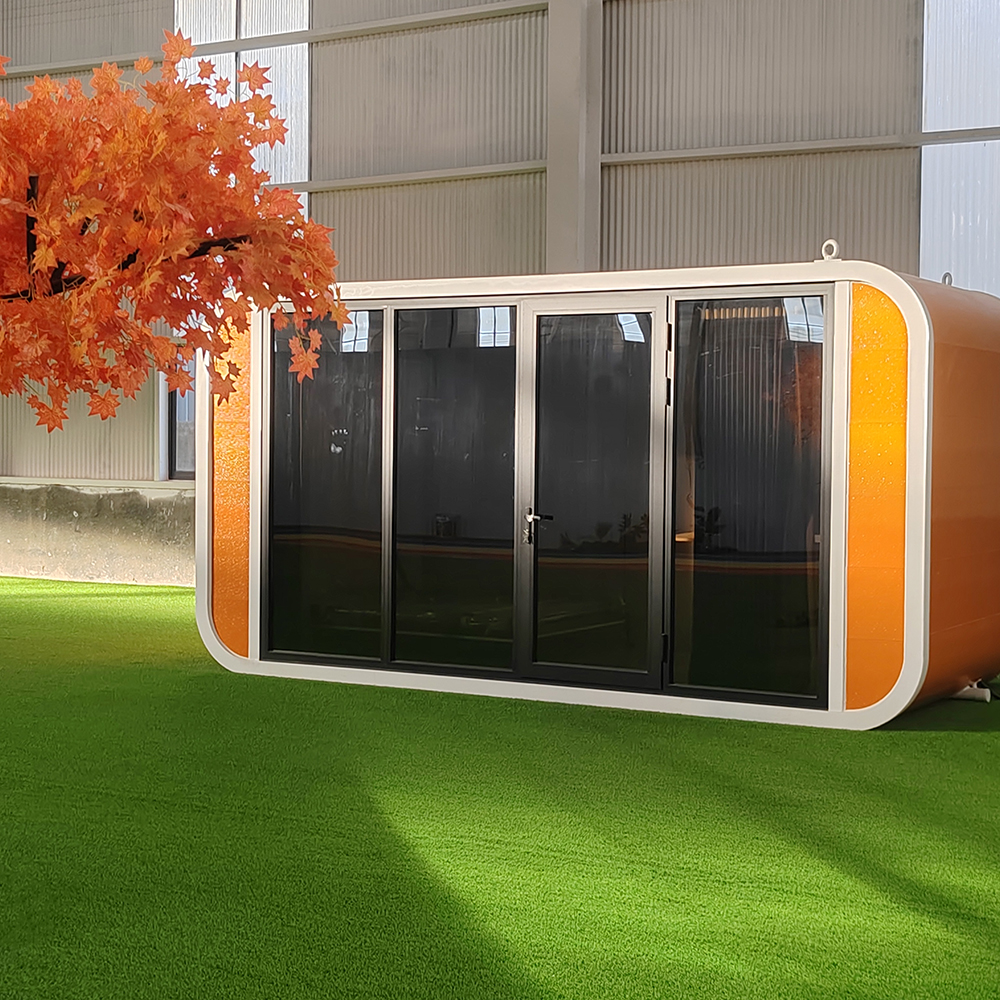 Luxury Prefabricated Living Container House Modular Glass Tiny House Prefab Container Home Apple Cabin
 -
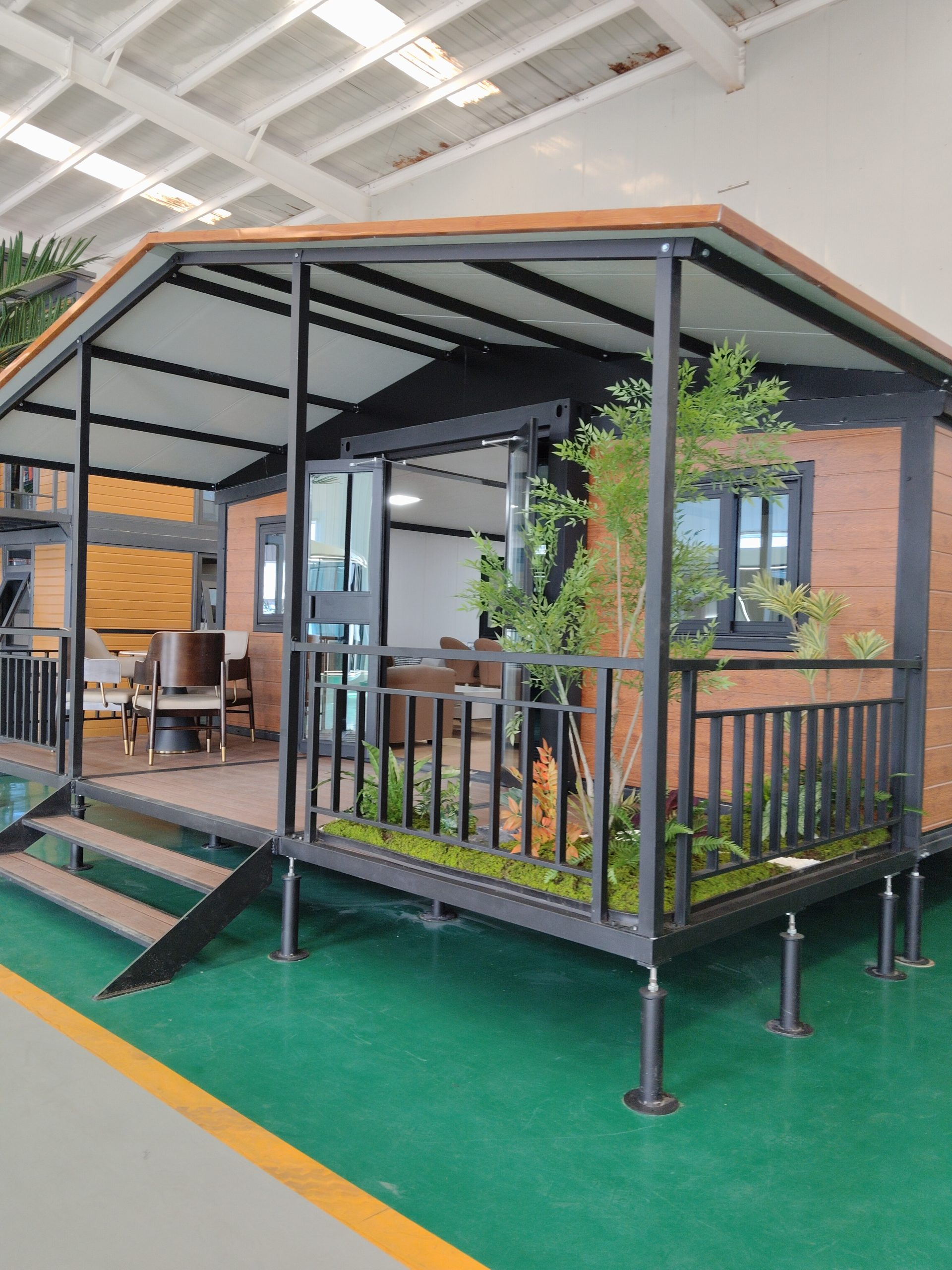 A container house with a terrace and double-wing folding design, suitable for various purposes such as offices, meeting rooms, living rooms, etc.
Related search
Related search- wholesale expandable container house 40ft luxury
- Buy expandable container house
- Buy foldable prefabricated folding container house
- fold out tiny home
- Buy red apple cabin
- expandable container house with solar energy
- expandable container house for sale
- fold out house on trailer
- Buy prefabricated container house
- Buy container house foldable