
-
E-mail
Austin120521@outlook.com -
E-mail
sales@jujiuhouse.com -
Telephone
+86-17864099991 -
Telephone
+86-17854044442
- Chinese
- French
- German
- Portuguese
- Spanish
- Russian
- Japanese
- Korean
- Arabic
- Irish
- Greek
- Turkish
- Italian
- Danish
- Romanian
- Indonesian
- Czech
- Afrikaans
- Swedish
- Polish
- Basque
- Catalan
- Esperanto
- Hindi
- Lao
- Albanian
- Amharic
- Armenian
- Azerbaijani
- Belarusian
- Bengali
- Bosnian
- Bulgarian
- Cebuano
- Chichewa
- Corsican
- Croatian
- Dutch
- Estonian
- Filipino
- Finnish
- Frisian
- Galician
- Georgian
- Gujarati
- Haitian
- Hausa
- Hawaiian
- Hebrew
- Hmong
- Hungarian
- Icelandic
- Igbo
- Javanese
- Kannada
- Kazakh
- Khmer
- Kurdish
- Kyrgyz
- Latin
- Latvian
- Lithuanian
- Luxembou..
- Macedonian
- Malagasy
- Malay
- Malayalam
- Maltese
- Maori
- Marathi
- Mongolian
- Burmese
- Nepali
- Norwegian
- Pashto
- Persian
- Punjabi
- Serbian
- Sesotho
- Sinhala
- Slovak
- Slovenian
- Somali
- Samoan
- Scots Gaelic
- Shona
- Sindhi
- Sundanese
- Swahili
- Tajik
- Tamil
- Telugu
- Thai
- Ukrainian
- Urdu
- Uzbek
- Vietnamese
- Welsh
- Xhosa
- Yiddish
- Yoruba
- Zulu
- Kinyarwanda
- Tatar
- Oriya
- Turkmen
- Uyghur




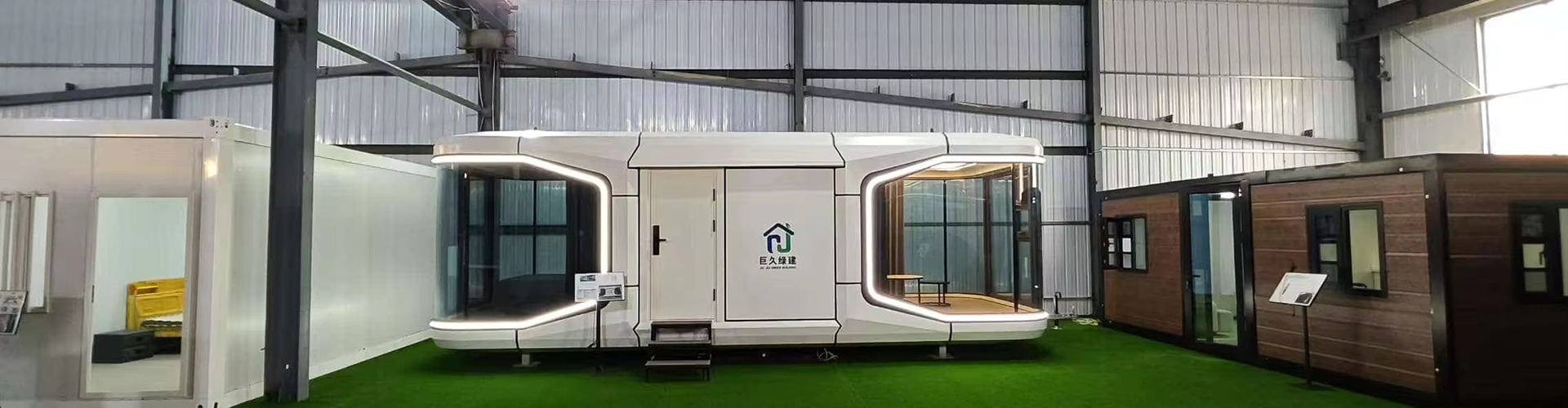
China semi trailer fold out houses
Exploring the Future: China Semi Trailer Fold Out Houses
When you first hear about China semi trailer fold out houses, it might sound like a sci-fi concept rather than a practical solution. The idea of transforming a trailer into a complete living space intrigues many—those interested in mobile living, those in disaster-prone areas, and even urbanites looking for cost-efficient housing solutions. But what does this mean in practical terms? What's the reality on the ground, beyond the glossy brochures?
Understanding the Concept
At the heart of the concept is innovation. Companies like SHANDONG JUJIU INTEGRATED HOUSING CO,LTD, found at jujiuhouse.com, have taken the lead in exploring how fold-out technology can maximize space efficiency. The principle seems straightforward: a semi trailer that unfolds into a liveable, functional home in a matter of hours. Yet, there's much more to it.
The process begins with meticulous engineering—something that might seem overwhelming at first. Imagine having to account for structural integrity, insulation, plumbing, and electrical systems all carefully hidden within a compact, transportable framework. But that's precisely where companies like Shandong Jujiu excel, leveraging advanced design and manufacturing techniques to create robust solutions.
Cost is a significant factor. While it may appear cheaper than traditional housing, several hidden costs can emerge, from logistics to the local adaptation of these units. There's more than meets the eye, and potential buyers should be aware of these before jumping in.
Challenges on the Road
One of the biggest hurdles is adaptation to different climates. A semi trailer fold out house designed for a temperate climate might not fare well in extreme weather conditions. This requires constant innovation and adjustment, something companies must factor in during the design phase.
There's also the perception challenge. Many still view these homes as temporary or substandard. This couldn't be further from the truth when done right. High-quality models offer all the amenities of a permanent residence, but convincing the broader market takes time and effort.
Then, there's the regulatory landscape. Moving a structure like this isn't just about logistics; it's also about navigating building codes, zoning laws, and permitting processes, which can vary dramatically depending on where you are.
Real-World Applications
Practical applications are diverse. For instance, disaster relief organizations see potential in these homes as rapid deployment solutions. A crisis region could benefit from immediate, sturdy housing solutions that can be transported with ease.
For urban living, these homes provide a fascinating alternative in cities grappling with space constraints. Imagine a parking lot transformed into a vibrant mini-community overnight. It's imaginative but certainly not far-fetched.
Even as temporary offices or event spaces, these fold-out homes have shown their versatility. Their mobility and adaptability are undeniable assets, allowing for creativity in uses.
Shandong Jujiu's Role
Looking at industry leaders, Shandong Jujiu Integrated Housing Co., Ltd. stands out, not just for their innovation but for their comprehensive service model. Their approach, incorporating everything from R&D to installation, ensures quality control and customer satisfaction.
They utilize light steel structures and custom designs to match client needs, whether it's a single residential unit or a large-scale project. It's this dedication to quality and adaptability that sets them apart.
Perhaps their biggest contribution is making such technology accessible and mainstream, contributing significantly to the industry's growth and development.
The Road Ahead
In summary, China semi trailer fold out houses represent a groundbreaking shift in how we view mobile and efficient living spaces. With companies like Shandong Jujiu at the forefront, the possibilities seem limitless.
However, embracing this innovation requires a shift in perception and openness to new living paradigms. As these houses continue to evolve and improve, their future in the global housing market looks promising.
The true test will be how quickly the broader public and regulatory bodies can adapt to this new model of housing, which challenges traditional notions but offers significant advantages in flexibility and efficiency.
Related products
Related products
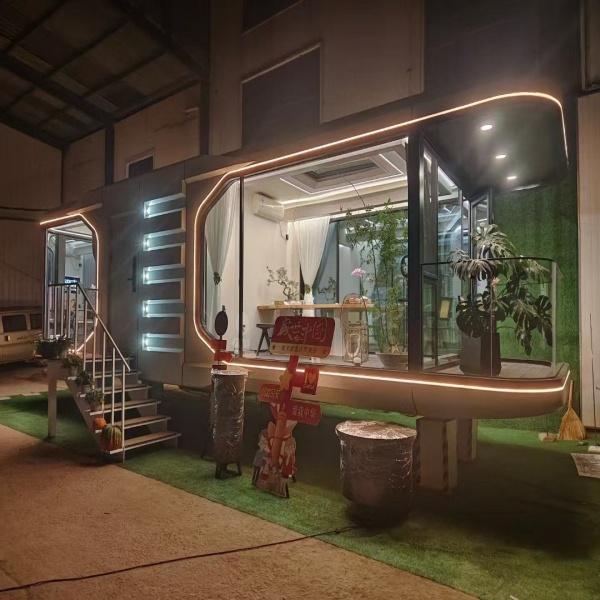
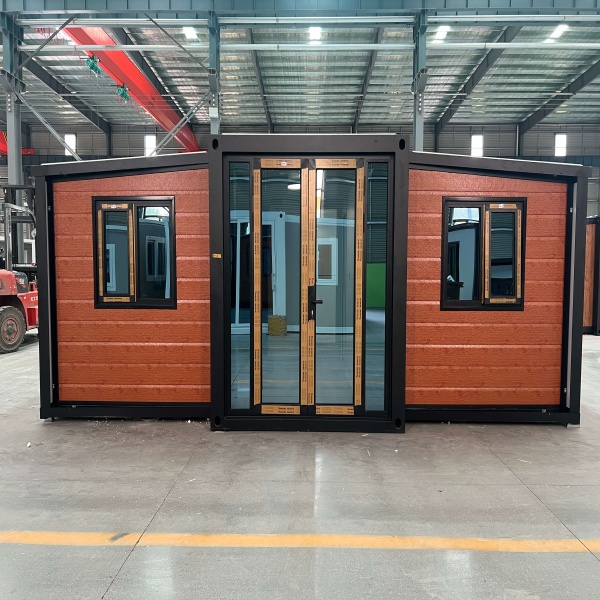
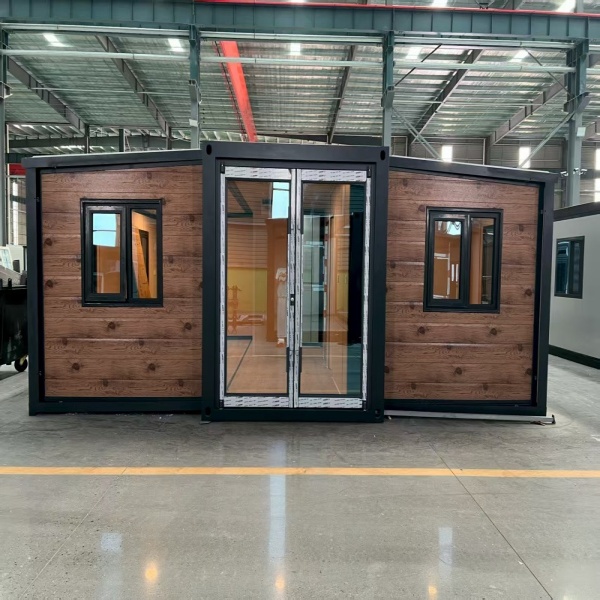
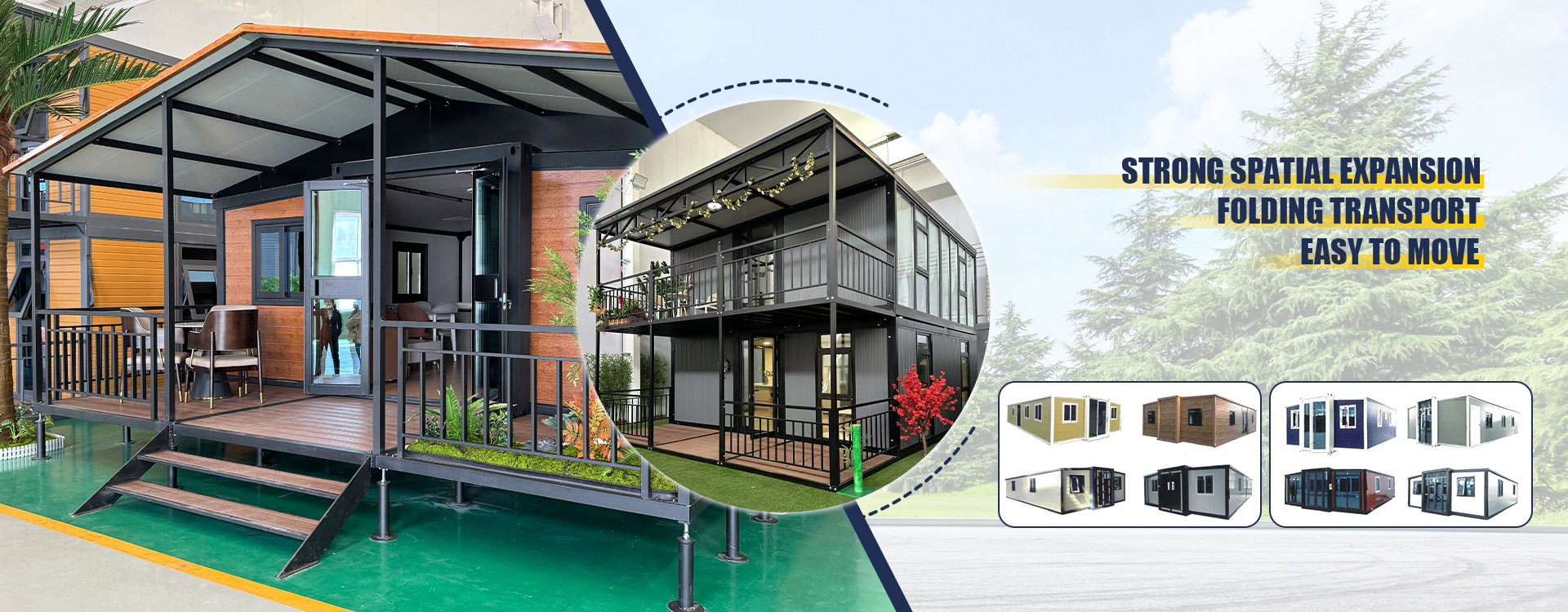
Best selling products
Best selling products-
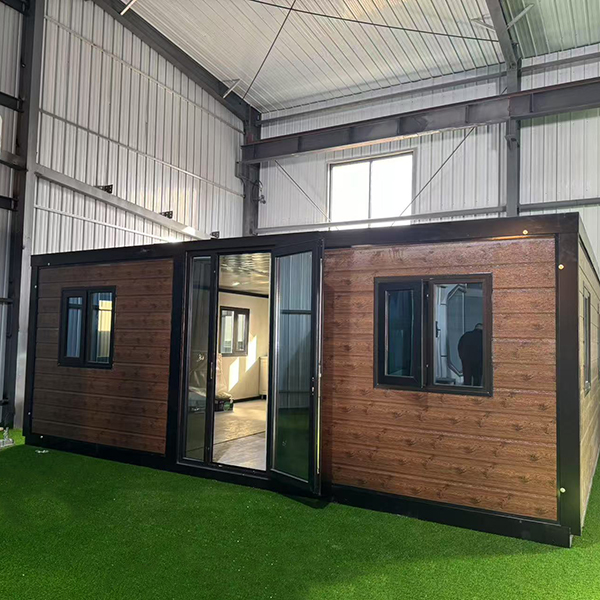 Good Quality Modular Homes Prefabricated House Expandable Container House 20FT Mobile Flat Roof House
 -
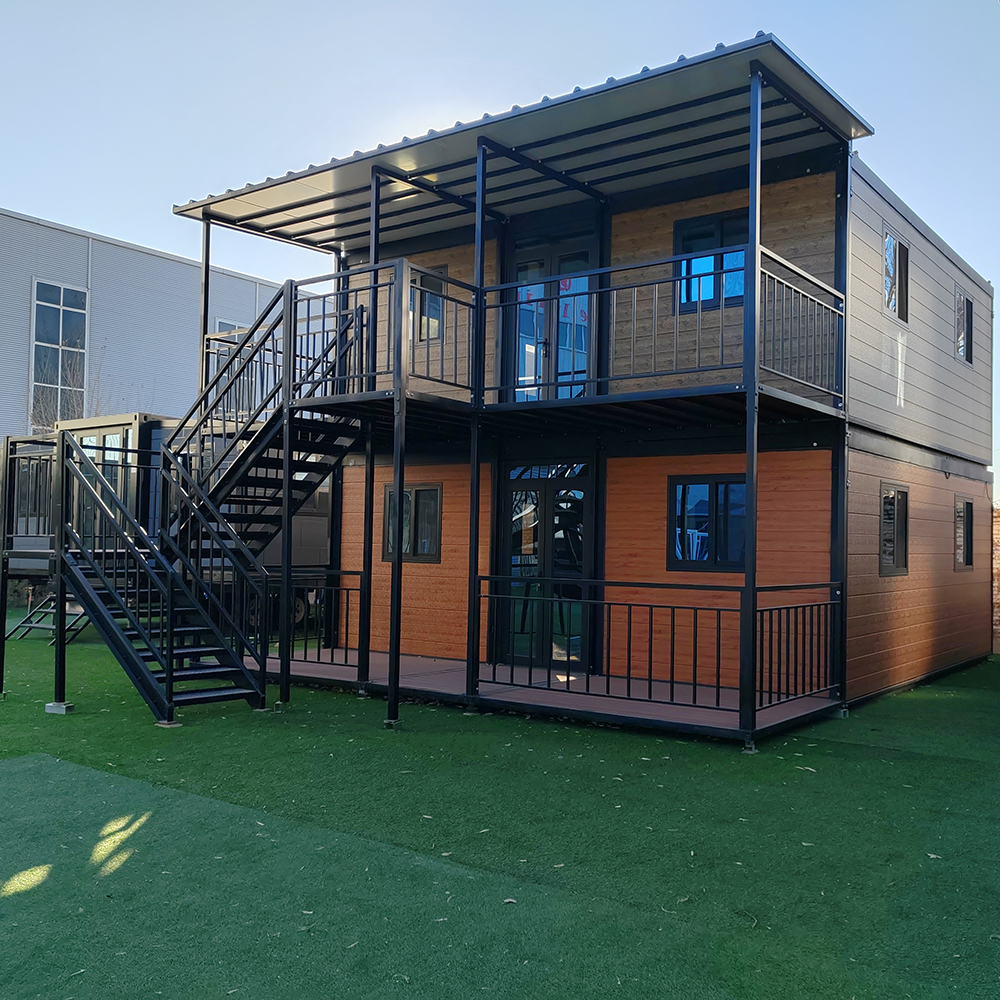 Easy Install Customized Detachable Container Homes Extendable House Prefab 2 Floors Expandable Container House
 -
Two Wing Folding Expandable Container House
-
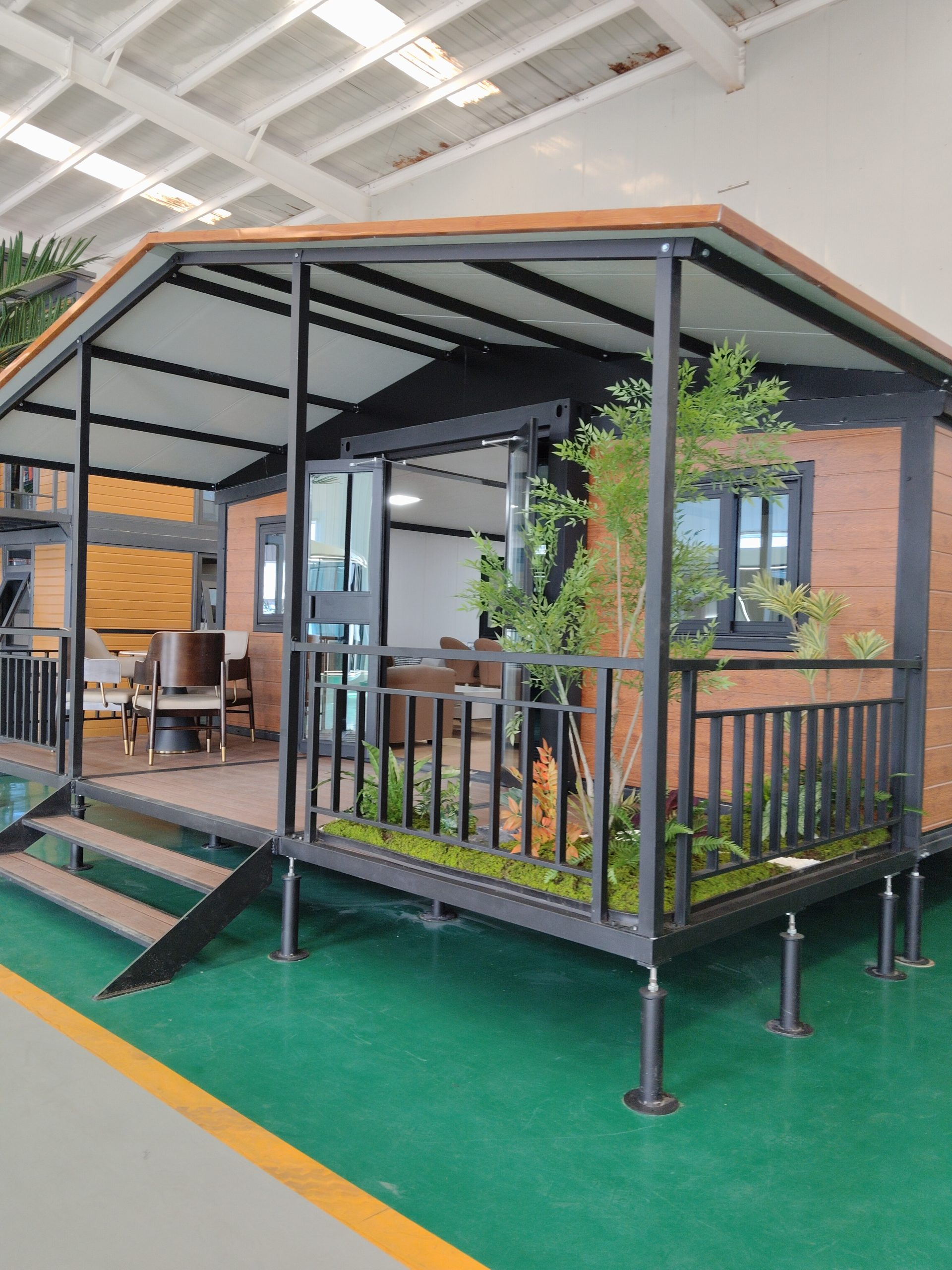 A container house with a terrace and double-wing folding design, suitable for various purposes such as offices, meeting rooms, living rooms, etc.
 -
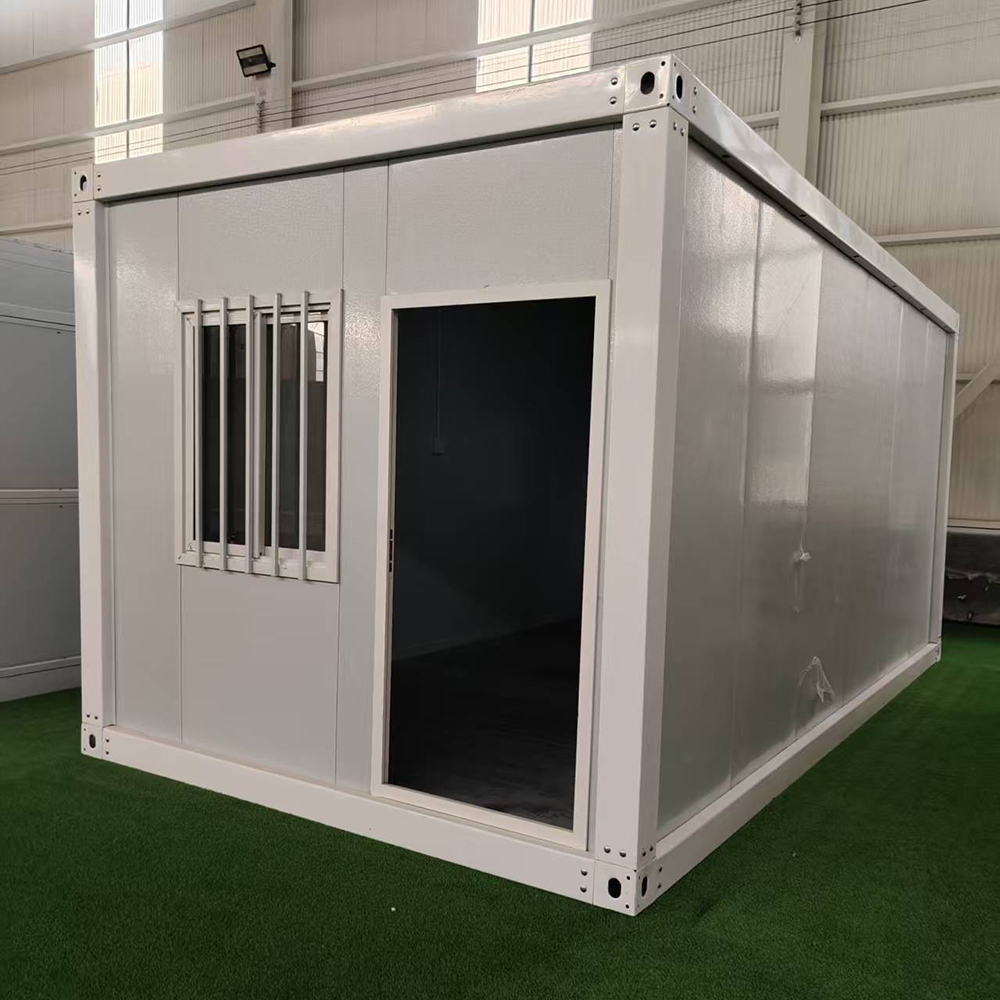 Folding Container Moving House Modular Office Container House Prefab Container for Outdoor Use
 -
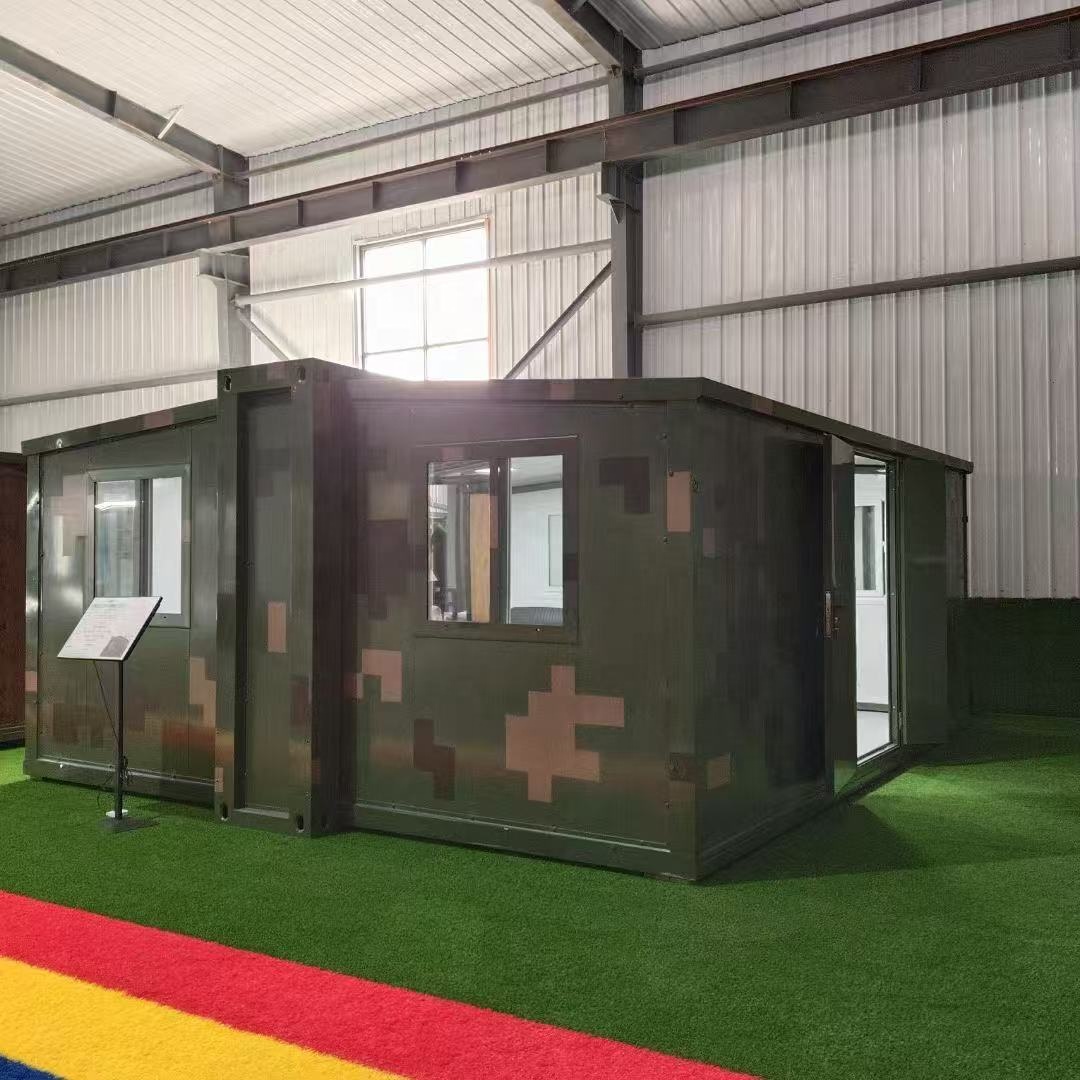 Movable Prefabricated Container House Villas Modular Portable Homes 1 Bedroom Container House Offices Apartments
 -
 Luxury Foldable Two Story Container House for Glamping Resort and Villa Hotel
 -
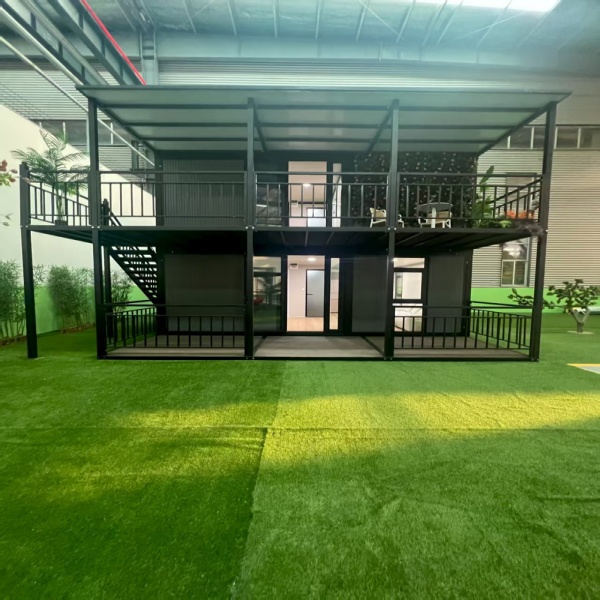 Luxury foldable two-story container houses in luxury resort hotels and villa hotels
 -
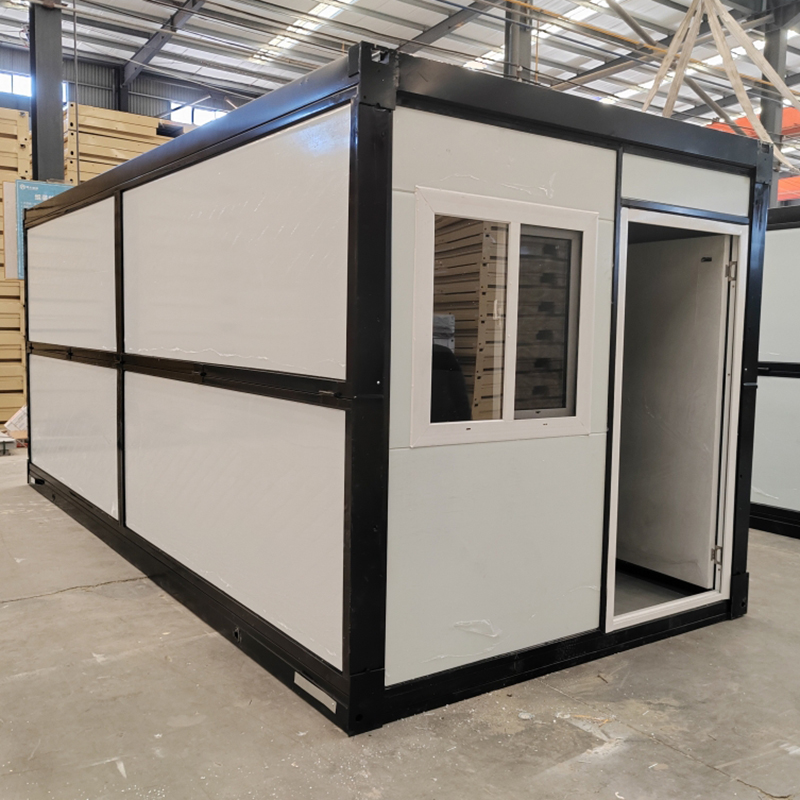 Detachable Design Prefabricated Container House Portable Modular Office Building Folding Container House
 -
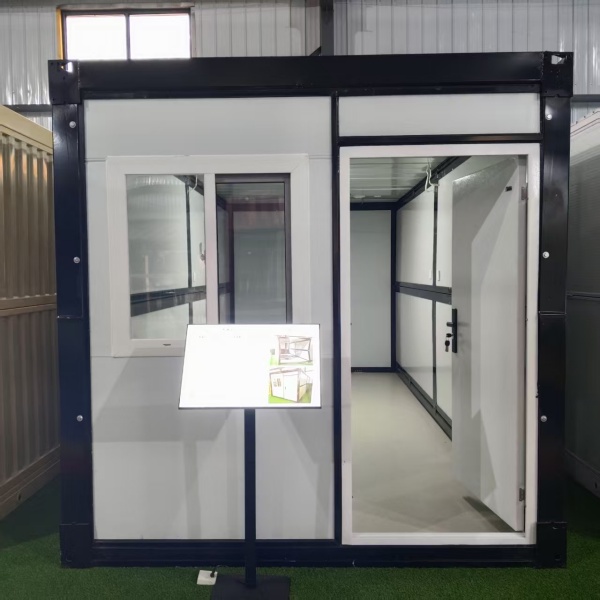 Factory Direct Sales Office Folding Container Luxury House Living Container House
 -
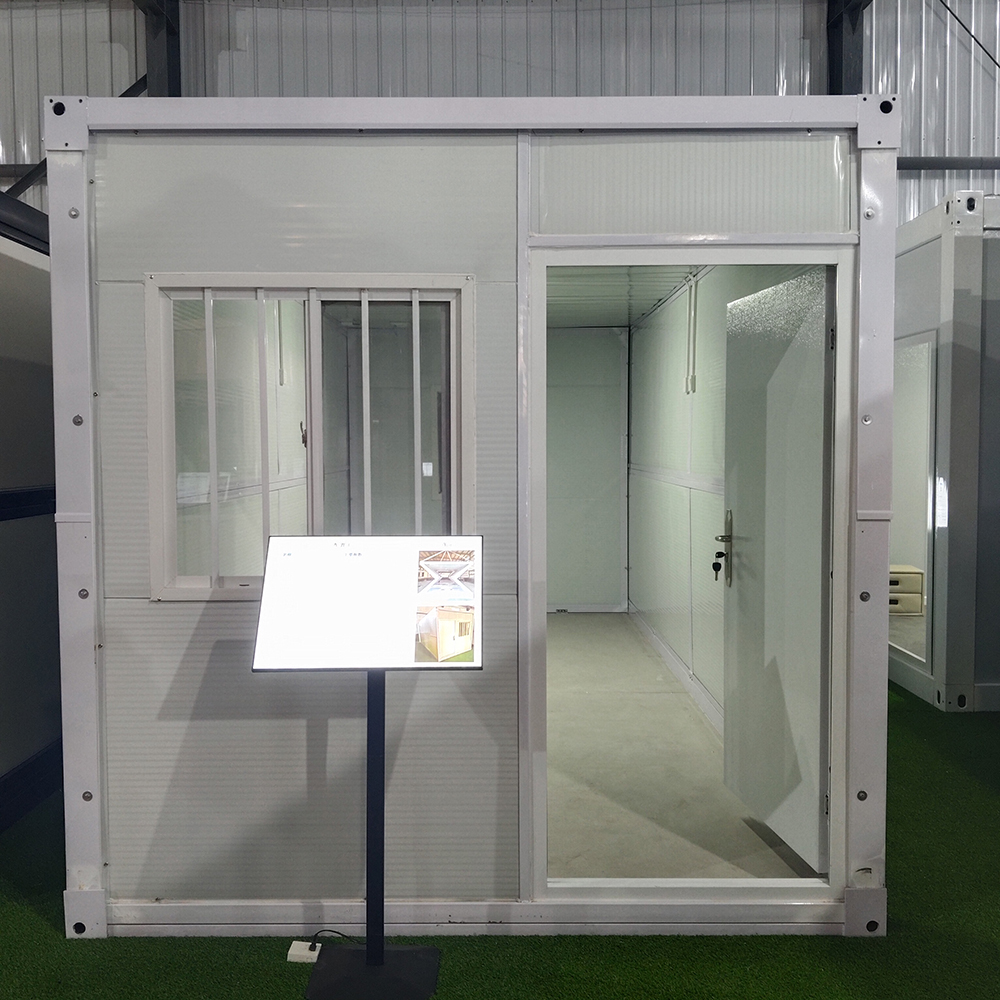 Reasonable Price 1 Bedroom Modular Container House Folding Container Home for Villa or Apartment Use
 -
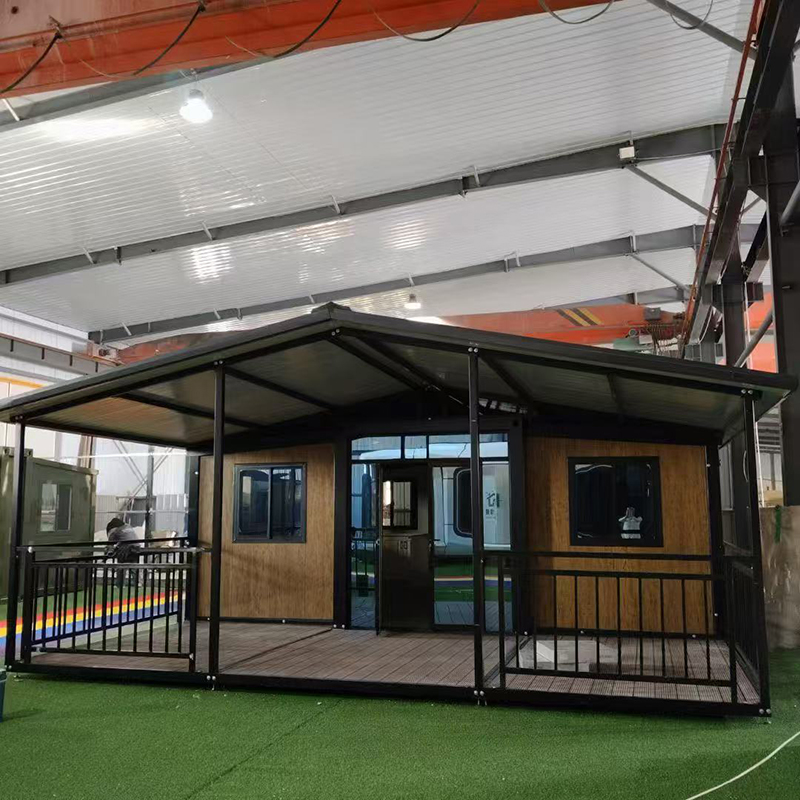 Customized Expandable Container House Holiday Home Folding Prefab Container House with Bathroom and Kitchen
Related search
Related search- China space cabin capsule
- China prefabricated container house
- Buy apple creek cabins
- Buy foldable container house price
- apple modular cabin
- expandable container house
- Buy expandable modular house
- container house luxury prefab homes prefabricated
- Buy collapsible container house
- China wholesale 40 foot container house prefabricated