
-
E-mail
Austin120521@outlook.com -
E-mail
sales@jujiuhouse.com -
Telephone
+86-17864099991 -
Telephone
+86-17854044442
- Chinese
- French
- German
- Portuguese
- Spanish
- Russian
- Japanese
- Korean
- Arabic
- Irish
- Greek
- Turkish
- Italian
- Danish
- Romanian
- Indonesian
- Czech
- Afrikaans
- Swedish
- Polish
- Basque
- Catalan
- Esperanto
- Hindi
- Lao
- Albanian
- Amharic
- Armenian
- Azerbaijani
- Belarusian
- Bengali
- Bosnian
- Bulgarian
- Cebuano
- Chichewa
- Corsican
- Croatian
- Dutch
- Estonian
- Filipino
- Finnish
- Frisian
- Galician
- Georgian
- Gujarati
- Haitian
- Hausa
- Hawaiian
- Hebrew
- Hmong
- Hungarian
- Icelandic
- Igbo
- Javanese
- Kannada
- Kazakh
- Khmer
- Kurdish
- Kyrgyz
- Latin
- Latvian
- Lithuanian
- Luxembou..
- Macedonian
- Malagasy
- Malay
- Malayalam
- Maltese
- Maori
- Marathi
- Mongolian
- Burmese
- Nepali
- Norwegian
- Pashto
- Persian
- Punjabi
- Serbian
- Sesotho
- Sinhala
- Slovak
- Slovenian
- Somali
- Samoan
- Scots Gaelic
- Shona
- Sindhi
- Sundanese
- Swahili
- Tajik
- Tamil
- Telugu
- Thai
- Ukrainian
- Urdu
- Uzbek
- Vietnamese
- Welsh
- Xhosa
- Yiddish
- Yoruba
- Zulu
- Kinyarwanda
- Tatar
- Oriya
- Turkmen
- Uyghur




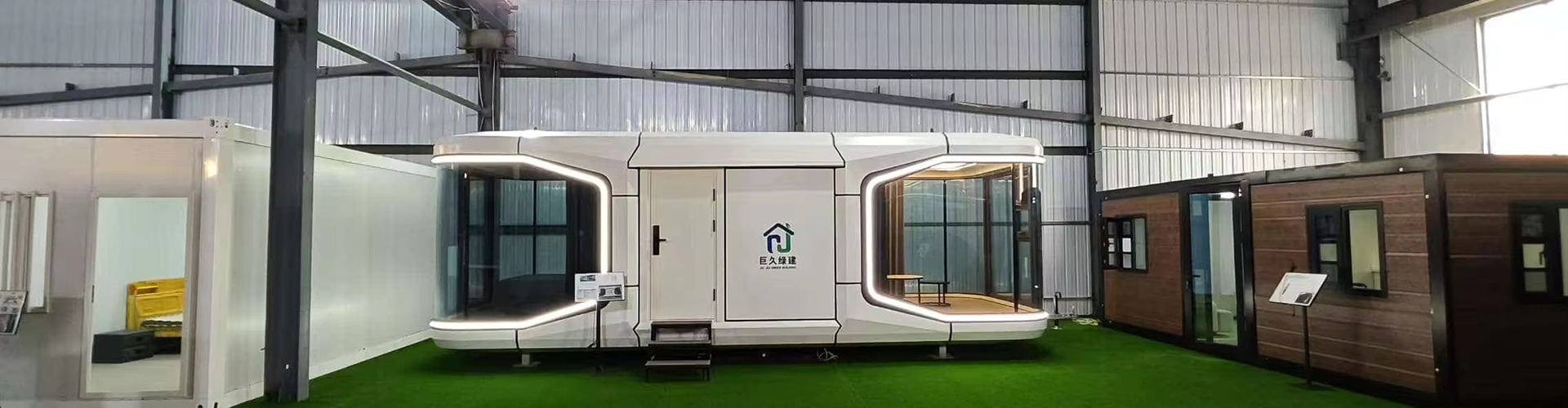
China space capsule mobile home
Exploring the Intersection of Space Technology and Mobile Living: The China Space Capsule Mobile Home
Imagine a future where cutting-edge space technology reshapes not just our journey to the stars, but our everyday lives here on Earth. This is the captivating promise behind the idea of the China space capsule mobile home. An innovative concept that seamlessly marries aerospace engineering with residential functionality, providing a glimpse into how advanced design can transform living spaces.
The Inspiration Behind Space Capsule Homes
The concept of the space capsule mobile home is not as far-fetched as it might initially appear. Drawing inspiration from the compact, efficient design of actual space capsules used in missions, these homes prioritize ergonomic and technologically savvy solutions to maximize limited space. It's an idea that echoes the needs of an increasingly urbanized world, where space utilization is key.
One might wonder how exactly aerospace technology informs these designs. It starts with the materials and the structural approach. Space travel demands light, durable materials, which can withstand significant stress. These same principles apply to constructing mobile homes that need to be robust yet flexible enough to transport.
Another interesting angle is the focus on sustainability and energy efficiency, a significant consideration for both aerospace and residential applications. Advanced insulation materials and energy systems originally developed for spacecraft now find new applications in creating homes that are both efficient and environmentally conscious.
Case Study: A Practical Example
When looking to explore practical applications, companies like Shandong Jujiu Integrated Housing Co., Ltd. (visit: Jujiu House) offer intriguing examples. Known for their cutting-edge approaches in integrated housing, they merge the theoretical with the practical, creating housing solutions like movable board rooms and light steel villas that echo aspects of space capsule design.
One practical example comes from their innovative approach to construction optimization. By leveraging the strengths of prefabrication—a process not unlike how space capsules are assembled—the company ensures efficiency in both production and installation. This methodology not only reduces waste but also streamlines the building process.
It’s fascinating to see how the integration of space-inspired design impacts the planning and execution stages of modern housing projects, pushing forward the boundaries of what's possible.
Innovative Design and Real-World Challenges
The journey of integrating space capsule technology into mobile homes is not without its challenges. Design considerations often face practical obstacles: adapting technology to local building regulations, ensuring user-friendly designs that cater to diverse user needs, and maintaining a balance between cutting-edge functionality and aesthetic appeal.
Companies must innovate, but also adapt; for instance, when translating technical specs into user-friendly interfaces, there can be a learning curve. Clients might need education on how to operate and maintain complex systems initially developed for space use.
Moreover, costs can be a significant factor. Advanced materials and tech integration naturally come at a premium. However, as technologies become more ubiquitous, the potential for reduced costs exists, making it more accessible to everyday consumers.
Potential Impact on Urban Living
As city spaces become more constrained, the viability of mobile homes inspired by space capsules rises. These homes can adapt to tight areas, providing efficient living solutions without sacrificing comfort. Imagine the possibilities in urban centers where making every square meter count is essential.
The melding of tech and lifestyle also introduces an exciting possibility for creating sustainable, self-sufficient living spaces. Solar panels, water recycling systems, and energy-efficient appliances are features that go hand-in-hand with this innovative housing approach.
This futuristic vision can inspire further advancements in residential architecture, challenging existing notions of what a home can be and pushing the industry to innovate continuously.
Future Trends and Considerations
Looking ahead, key trends such as smart home technology integration and modular living are likely to accelerate the adoption of these versatile homes. Automation tech, initially developed for space missions, is a natural fit, offering intelligent systems that manage energy use, security, and living conditions.
For instance, Shandong Jujiu, with its expansive portfolio and industry expertise, is well-poised to leverage these trends, transforming theoretical concepts into tangible solutions that can change how we think about housing.
As the sector evolves, ongoing research and feedback loops between designers, engineers, and residents will be critical in overcoming technological and cultural barriers, ensuring that these homes don't just exist as a novelty, but become a vital part of housing solutions worldwide.
Related products
Related products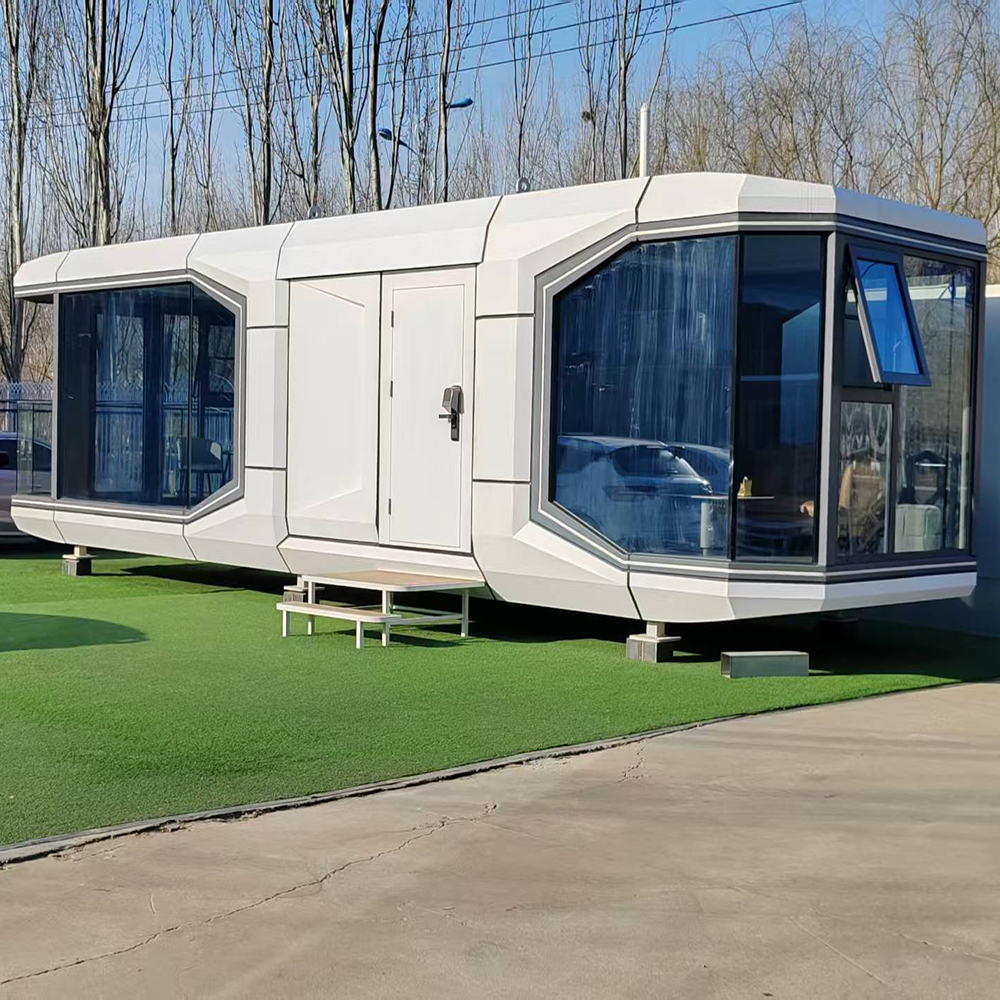
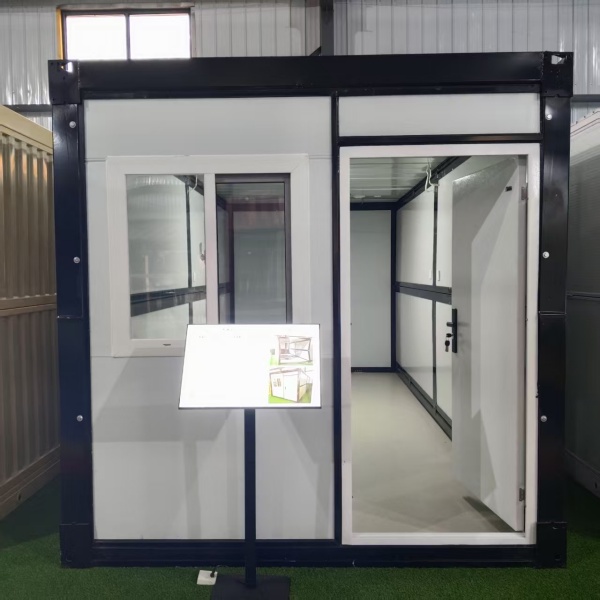

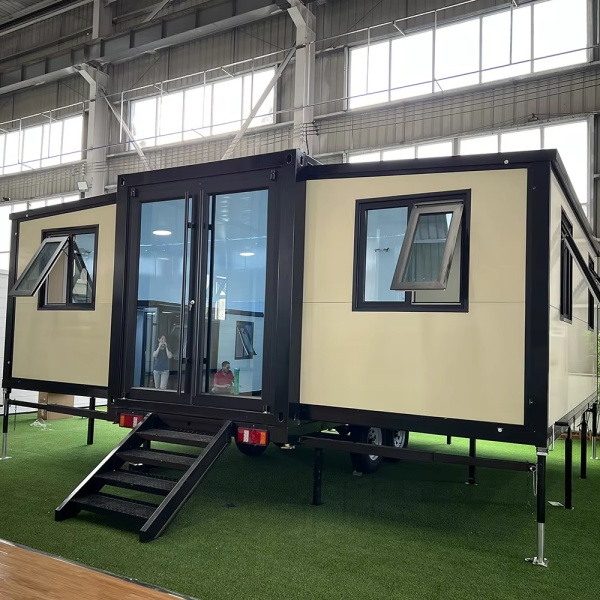
Best selling products
Best selling products-
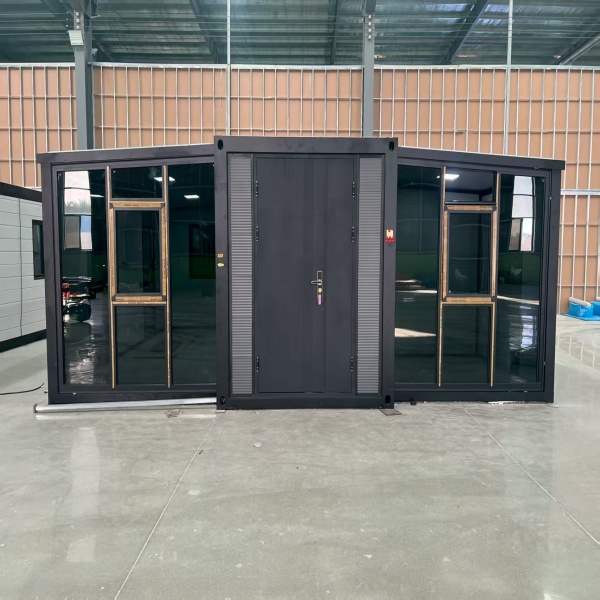 Customizable Office Mobile Home with Flat Roof and Double Wing Expansion Box, Convenient Container
 -
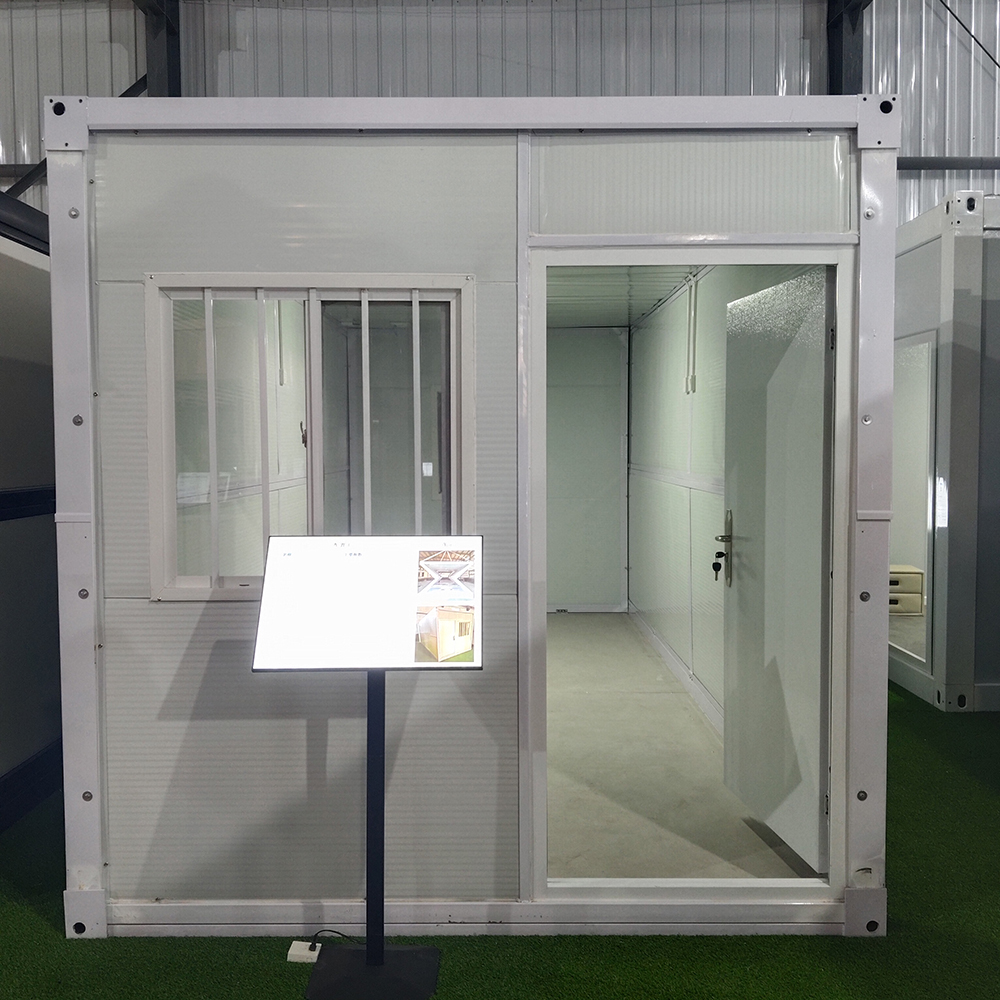 Reasonable Price 1 Bedroom Modular Container House Folding Container Home for Villa or Apartment Use
 -
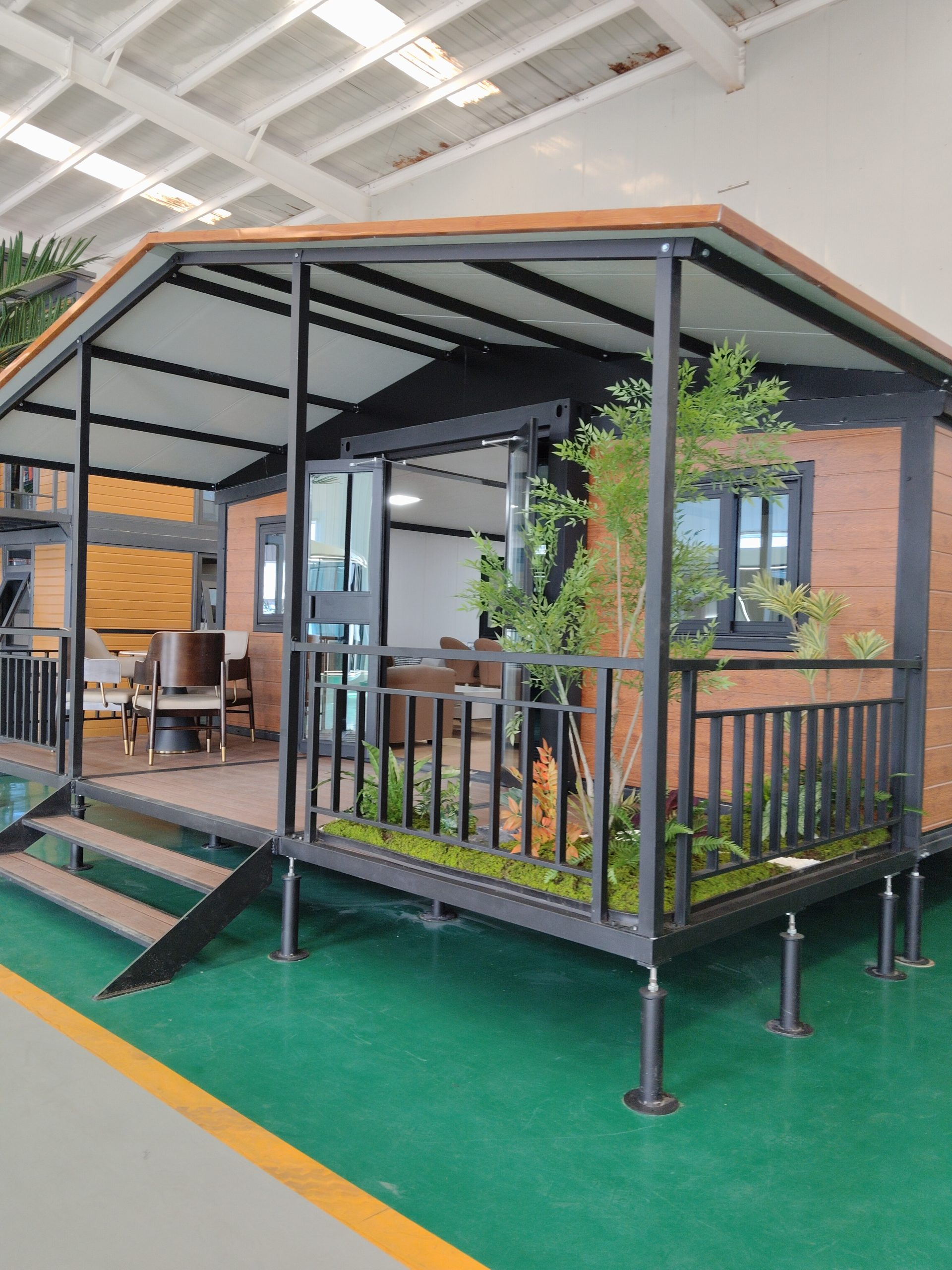 A container house with a terrace and double-wing folding design, suitable for various purposes such as offices, meeting rooms, living rooms, etc.
 -
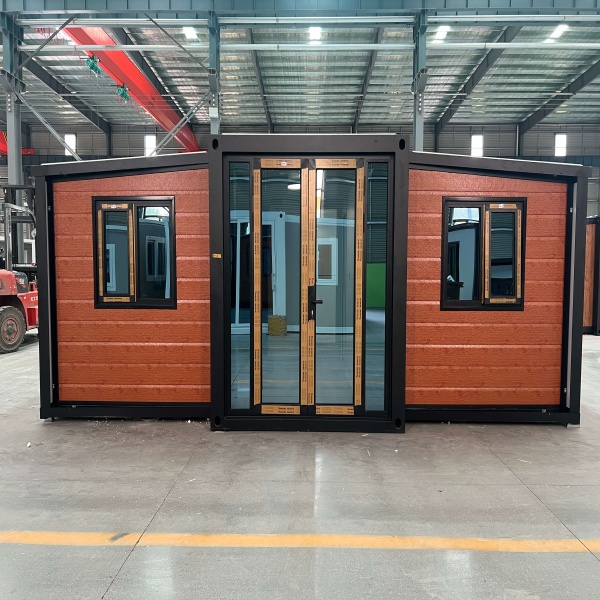 High-quality Double-wing Folding Container House with Doors and Windows, Insulated Walls, Suitable for Various Scenarios.
 -
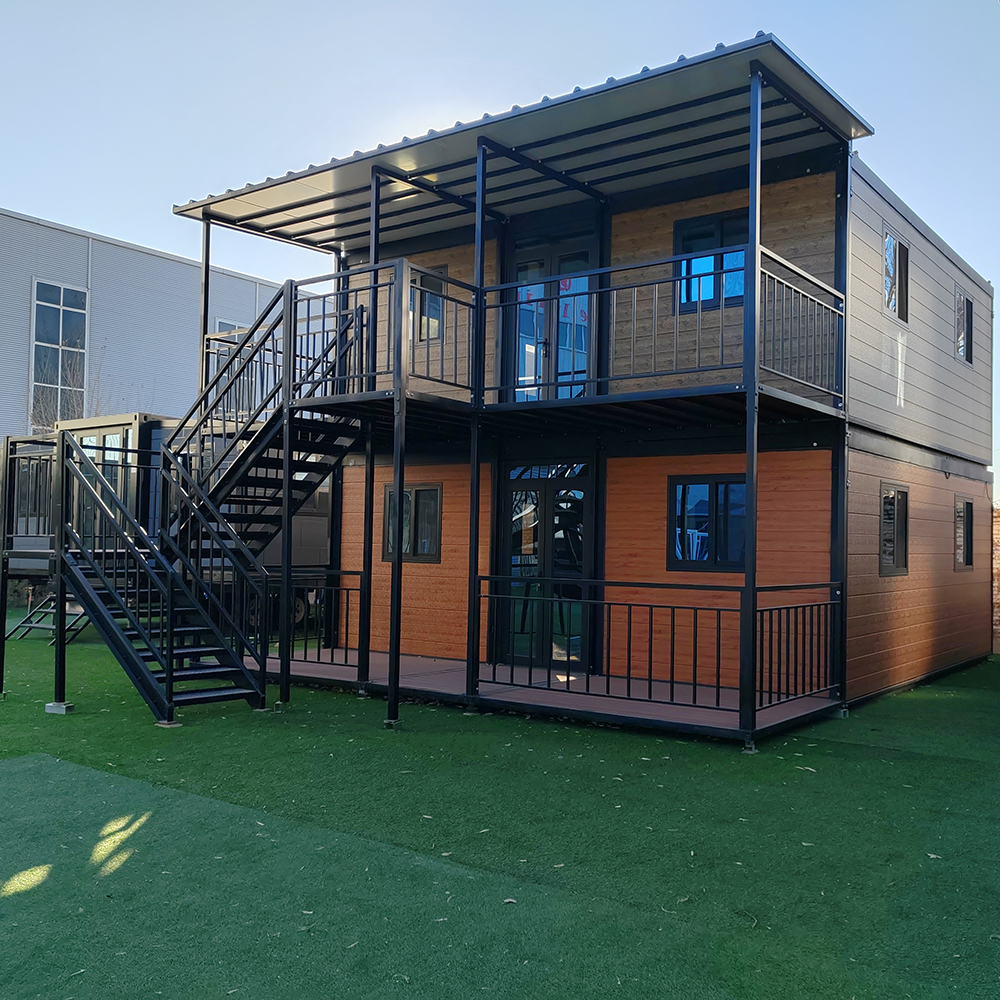 Easy Install Customized Detachable Container Homes Extendable House Prefab 2 Floors Expandable Container House
 -
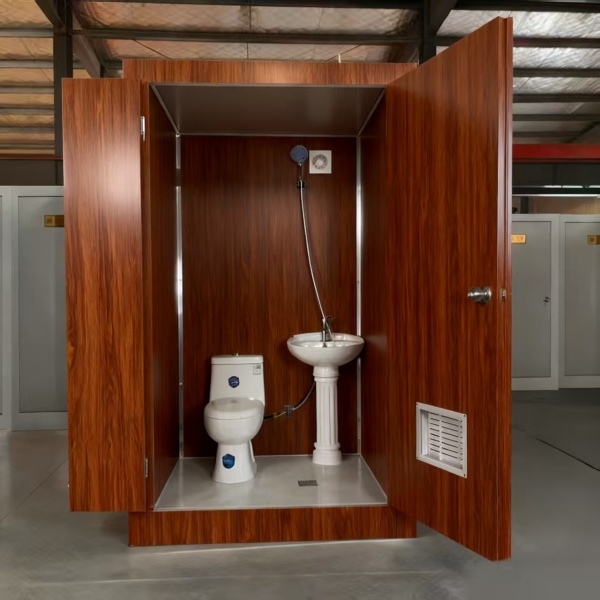 Portable outdoor camping bathroom, mobile toilet, prefabricated modular villa & rental of outdoor and indoor showers
 -
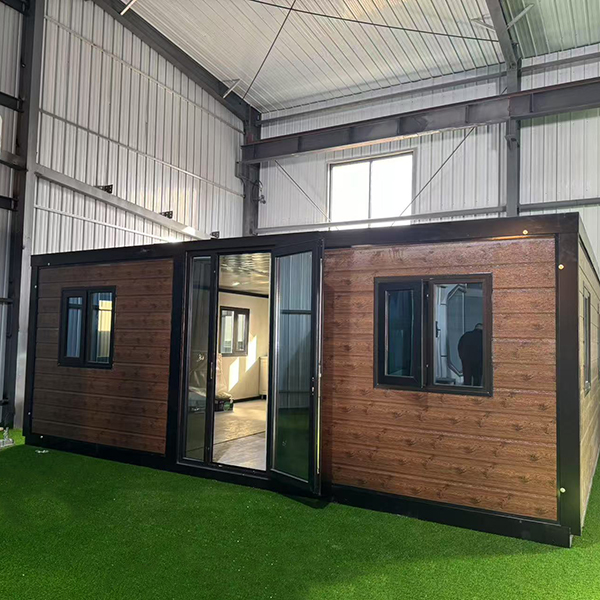 Good Quality Modular Homes Prefabricated House Expandable Container House 20FT Mobile Flat Roof House
 -
Two Wing Folding Expandable Container House
-
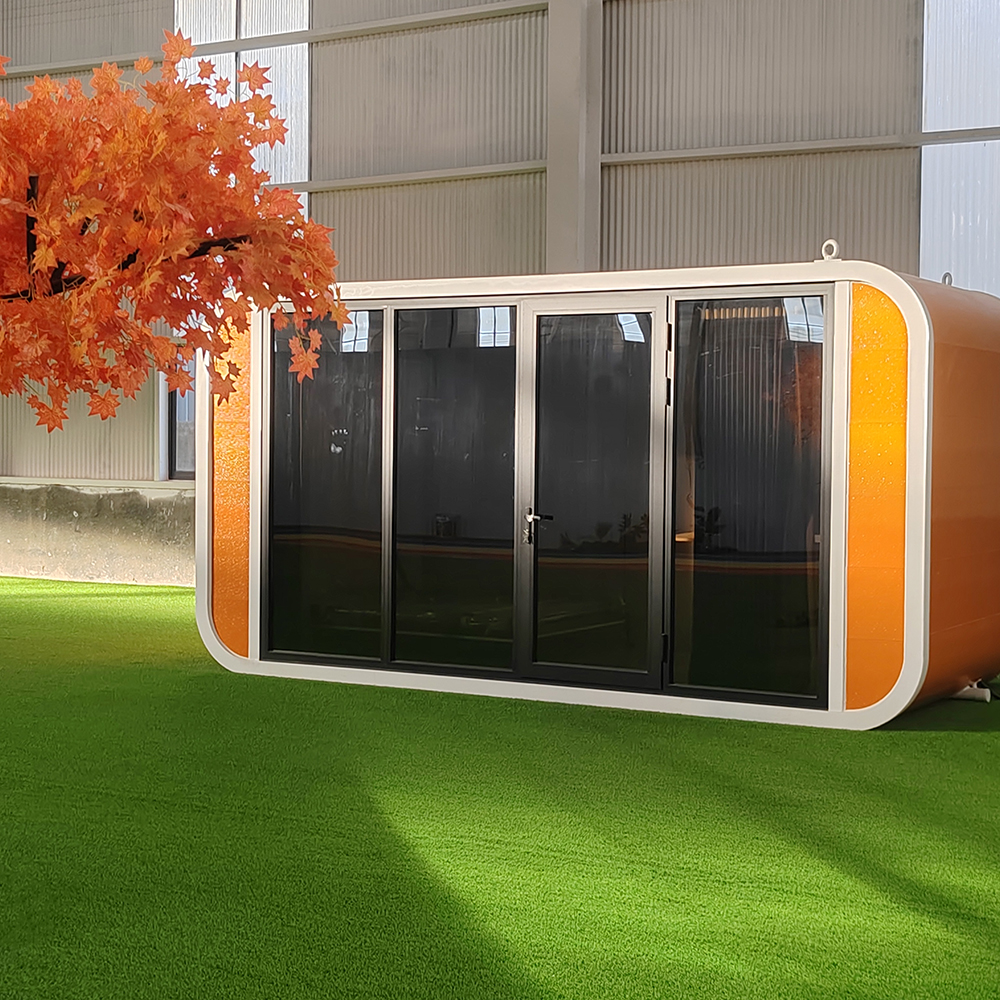 Luxury Prefabricated Living Container House Modular Glass Tiny House Prefab Container Home Apple Cabin
 -
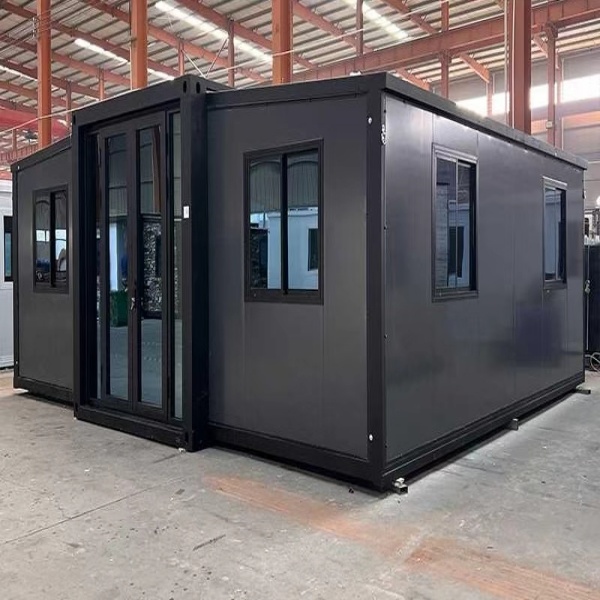 Dual-Wing Folding Container House: Fast Assembly, Space-Saving & Multi-Scene Adaptable
 -
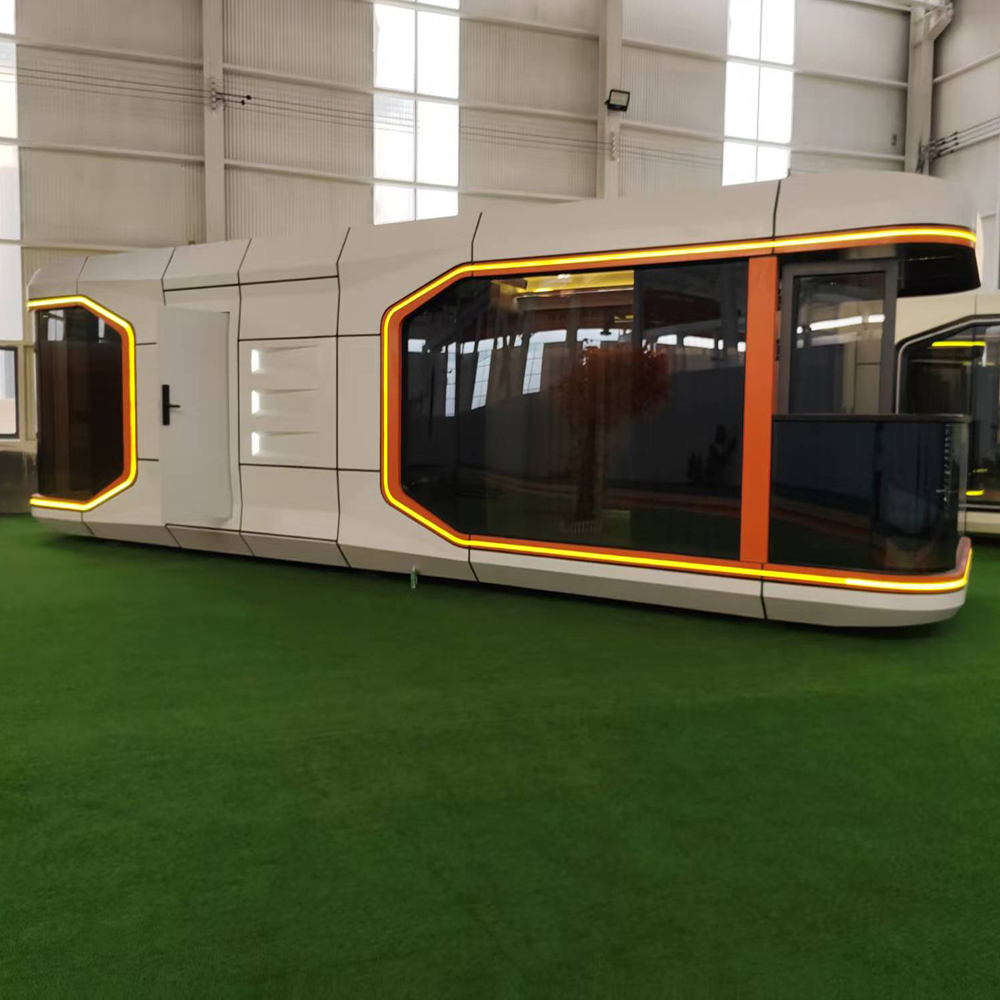 Standard Modern Camping Pod Space Prefabricated Portable Mobile Capsule Room Hotel Bathroom Prefabricated Spaceship House
 -
A container house with a terrace and double-wing folding design, suitable for various purposes such as offices, meeting rooms, living rooms, etc.
Related search
Related search- prebuilt container house
- cheap wholesale price folding prefabricated house
- China madi folding house
- Buy prefabricated home folding container house
- mobile expandable prefab house
- Buy expandable house container
- China container home fold out
- apple cabin tiny home
- China portable folding houses for sale
- space capsule homes