
-
E-mail
Austin120521@outlook.com -
E-mail
sales@jujiuhouse.com -
Telephone
+86-17864099991 -
Telephone
+86-17854044442
- Chinese
- French
- German
- Portuguese
- Spanish
- Russian
- Japanese
- Korean
- Arabic
- Irish
- Greek
- Turkish
- Italian
- Danish
- Romanian
- Indonesian
- Czech
- Afrikaans
- Swedish
- Polish
- Basque
- Catalan
- Esperanto
- Hindi
- Lao
- Albanian
- Amharic
- Armenian
- Azerbaijani
- Belarusian
- Bengali
- Bosnian
- Bulgarian
- Cebuano
- Chichewa
- Corsican
- Croatian
- Dutch
- Estonian
- Filipino
- Finnish
- Frisian
- Galician
- Georgian
- Gujarati
- Haitian
- Hausa
- Hawaiian
- Hebrew
- Hmong
- Hungarian
- Icelandic
- Igbo
- Javanese
- Kannada
- Kazakh
- Khmer
- Kurdish
- Kyrgyz
- Latin
- Latvian
- Lithuanian
- Luxembou..
- Macedonian
- Malagasy
- Malay
- Malayalam
- Maltese
- Maori
- Marathi
- Mongolian
- Burmese
- Nepali
- Norwegian
- Pashto
- Persian
- Punjabi
- Serbian
- Sesotho
- Sinhala
- Slovak
- Slovenian
- Somali
- Samoan
- Scots Gaelic
- Shona
- Sindhi
- Sundanese
- Swahili
- Tajik
- Tamil
- Telugu
- Thai
- Ukrainian
- Urdu
- Uzbek
- Vietnamese
- Welsh
- Xhosa
- Yiddish
- Yoruba
- Zulu
- Kinyarwanda
- Tatar
- Oriya
- Turkmen
- Uyghur




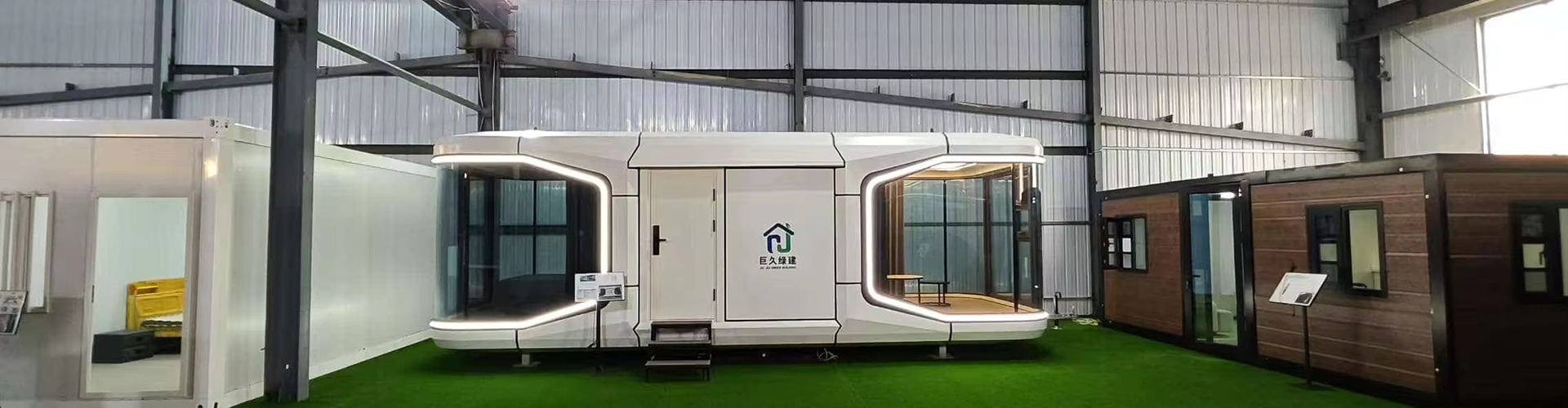
China the folding house
Exploring the Innovative World of the Folding House in China
In recent years, the concept of the folding house has sparked significant interest in architectural circles, especially within the burgeoning markets of China. Often misunderstood, these structures aren't just about efficient space-saving; they embody an evolving philosophy of adaptable living. As someone who's navigated the intricacies of modular design firsthand, I've seen how these innovations are redefining what we consider a home. However, innovation doesn't come without its challenges and insights.
Understanding the Basics of Folding Houses
The term folding house often evokes images of simplistic, temporary shelters, but this is a misconception. In reality, firms like SHANDONG JUJIU INTEGRATED HOUSING CO,LTD are at the forefront, pushing the boundaries of design and functionality. These houses offer an incredible balance of flexibility and sustainability, and the process starts from a deep-rooted commitment to cutting-edge research and progressive design.
Walking through the production facilities at Shandong Jujiu, one gets a sense of the sheer scale of this venture. They’ve integrated research, design, and production to create homes that fit into the ever-tightening urban spaces, all without sacrificing functionality. The use of light steel and innovative folding mechanisms allows structures to transform based on a family's needs, a true reflection of modern living.
The target market for such homes is diverse, spanning urban millennials to rural communities looking for quick, affordable housing solutions. Their adaptability makes them suitable for various climates and terrains, bolstered by an efficient packing and assembly process. But, let's not gloss over the technical hitches that can crop up — aligning light steel components for the perfect fit can be challenging and requires precision.
The Role of Technology and Materials
A key component in the evolution of the folding house is the advancements in materials science. At companies like Jujiu, the choice of materials is critical. Light steel is a preferred choice due to its strength and flexibility, and it withstands diverse weather conditions. This is crucial, given the environmental considerations in different Chinese provinces.
I recall a particular project where a prototype faced unexpected challenges during the rainy season. Water seeped into joints not adequately sealed, showcasing the necessity of precision in design and assembly. This incident led to the introduction of improved sealing techniques, which are now a standard feature in newer models.
Beyond materials, tech integration is a fascinating area. Many units now incorporate smart home features, from automated folding sequences to integrated home systems. It's impressive but tangentially leads to a consideration of how these features are implemented without overwhelming manufacturing processes and cost structures.
The Market Trends and Consumer Reception
Consumer perception is an ever-evolving facet of the folding house market. At Jujiu, feedback loops with users are integral to refining product lines. Early adopters, primarily younger demographics, drive changes with their feedback but also challenge developers to prioritize critical updates.
The positive reception voiced by these buyers fuels an industry that quickly adapts to both cultural habits and living space constraints. This consumer-driven demand shapes the ongoing research and development within leading companies, encouraging an agile approach in addressing market needs.
However, skepticism still lingers among traditionalists who view these homes as transient solutions. Countering this perception involves extensive documentation and sharing of successful real-world applications, where durability and comfort are proven over years, not months.
Challenges and Future Prospects
The expansion of folding houses comes with layers of complexity. As companies like Shandong Jujiu push forward, regulatory approvals and building codes remain hurdles. Navigating these requires a delicate mix of engineering expertise and legal acumen. The future is promising yet demanding.
There's also the challenge of scaling production without compromising quality. Every error in alignment or assembly, no matter how minute, can lead to broader structural issues. Here lies the bulk of ongoing research — finding the sweet spot between automation and skilled craftsmanship.
Looking ahead, the role of the folding house in global housing solutions is undeniable. As these homes continue to evolve, their environmental impact, affordability, and flexibility make them viable options in addressing worldwide housing shortages. The journey is complex but the potential is vast, offering a stepping stone to a future where homes are as dynamic as the lives they host.
Related products
Related products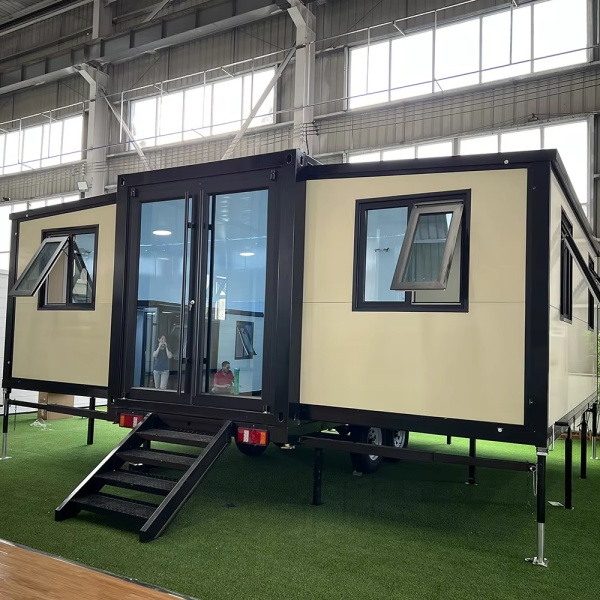
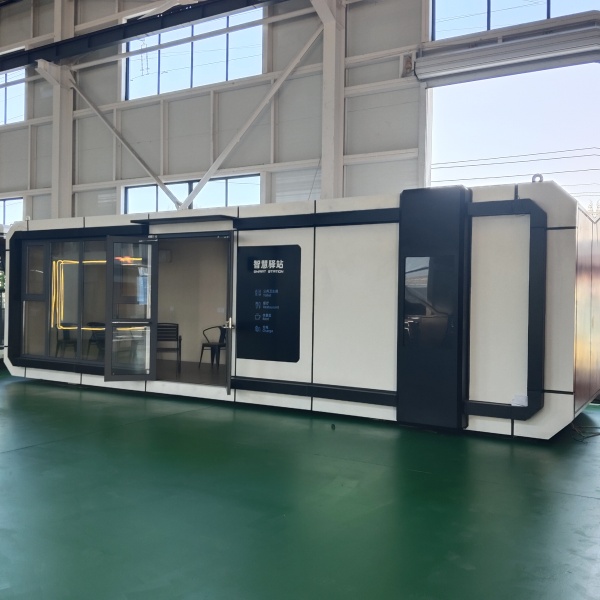
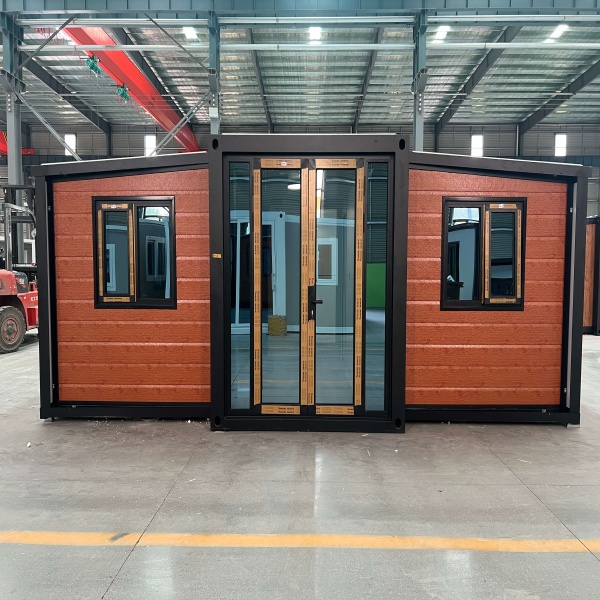
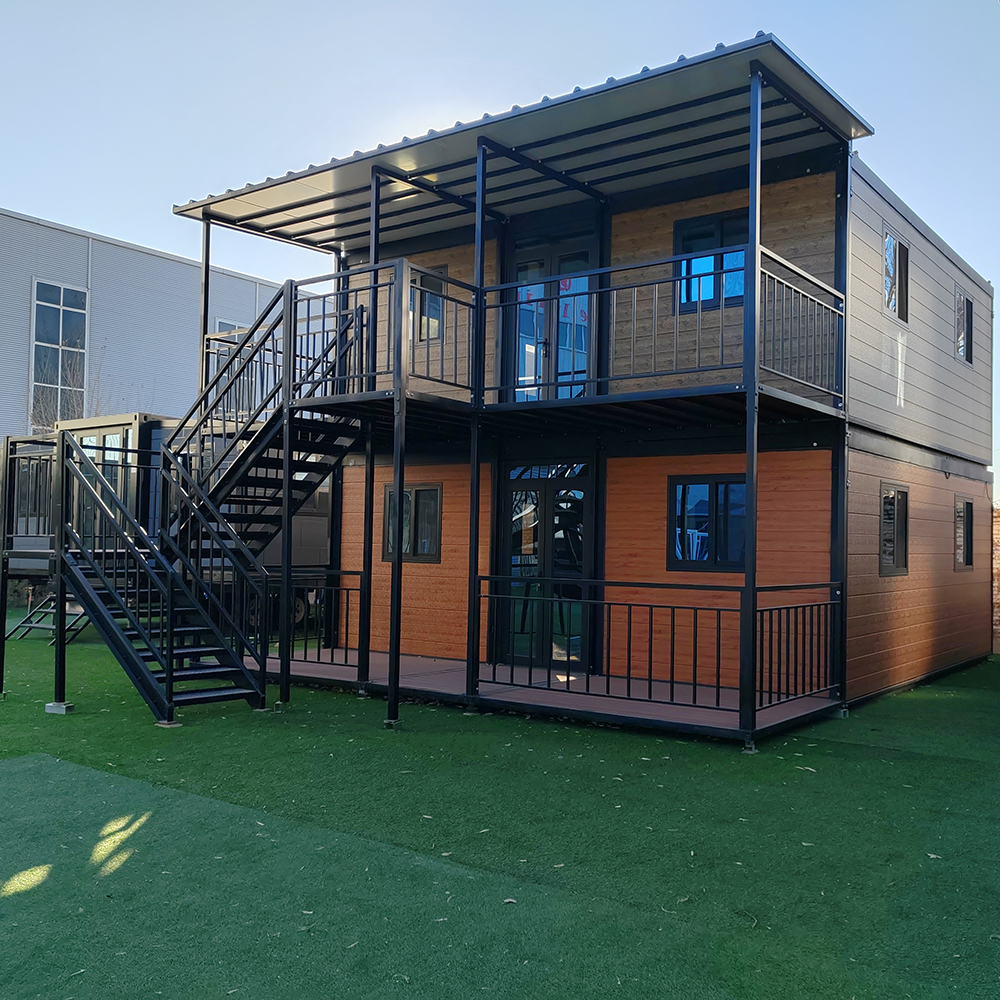
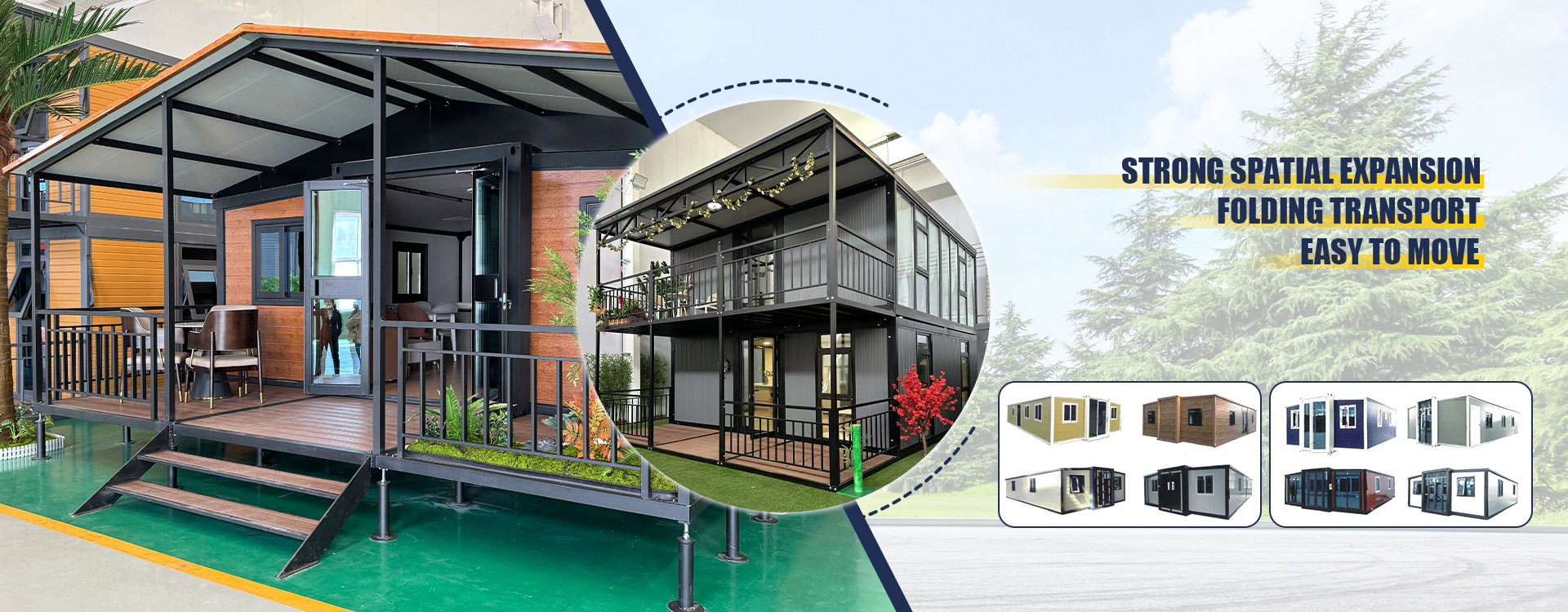
Best selling products
Best selling products-
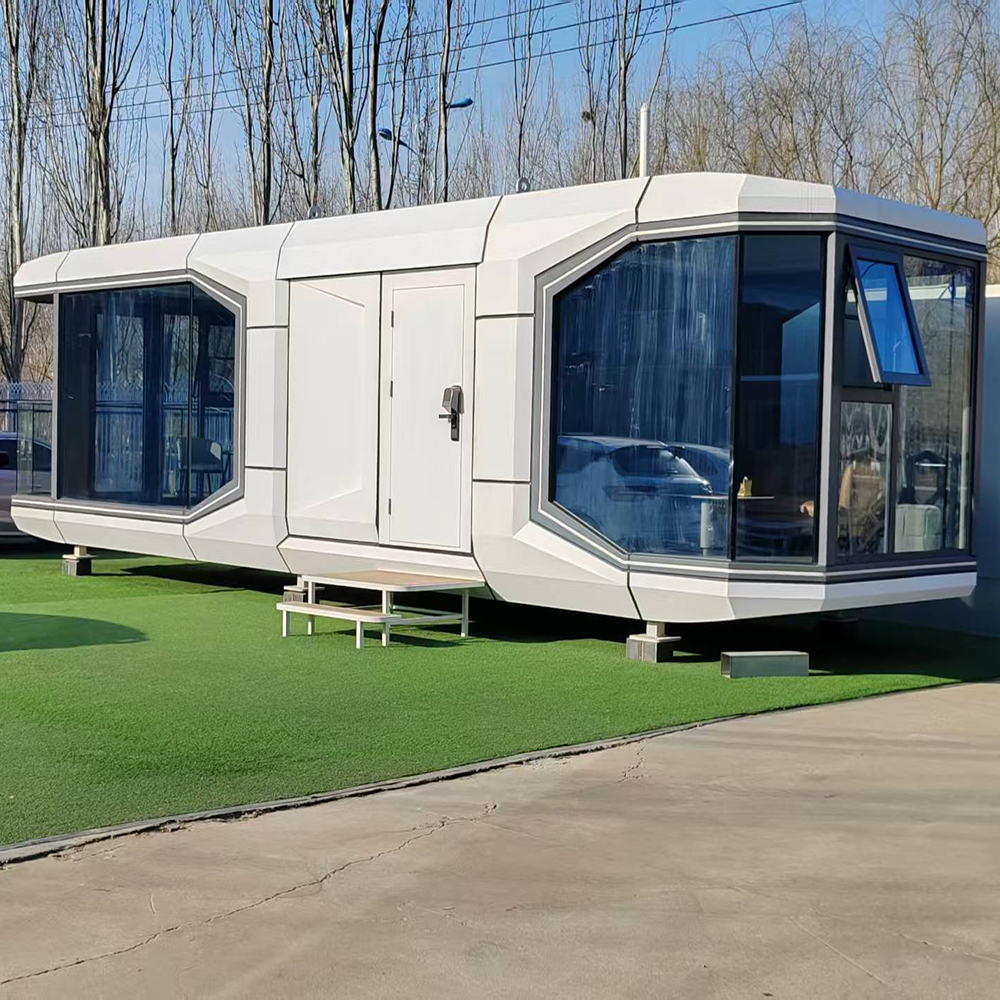 Luxury High Quality 2 Bedroom Container Home Prefabricated Steel Space Capsule for Office Shop Hotel or Outdoor House
 -
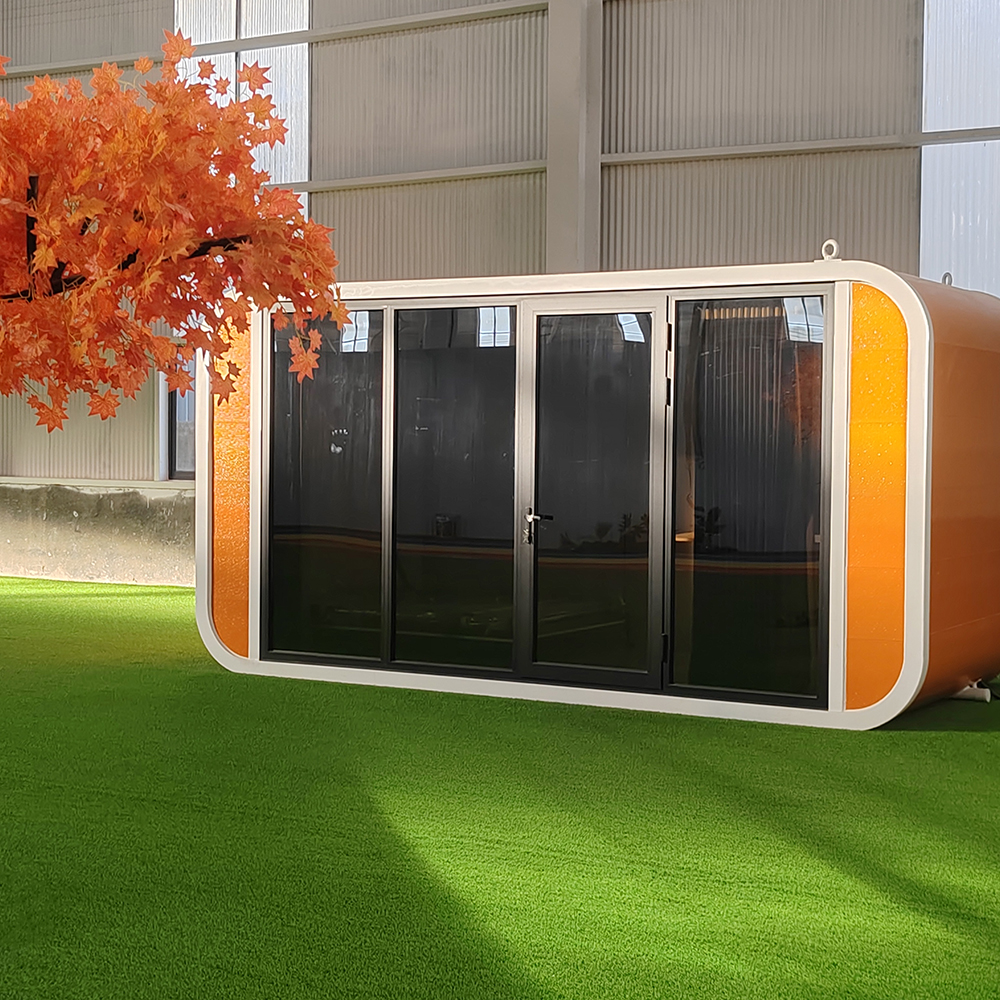 Luxury Prefabricated Living Container House Modular Glass Tiny House Prefab Container Home Apple Cabin
 -
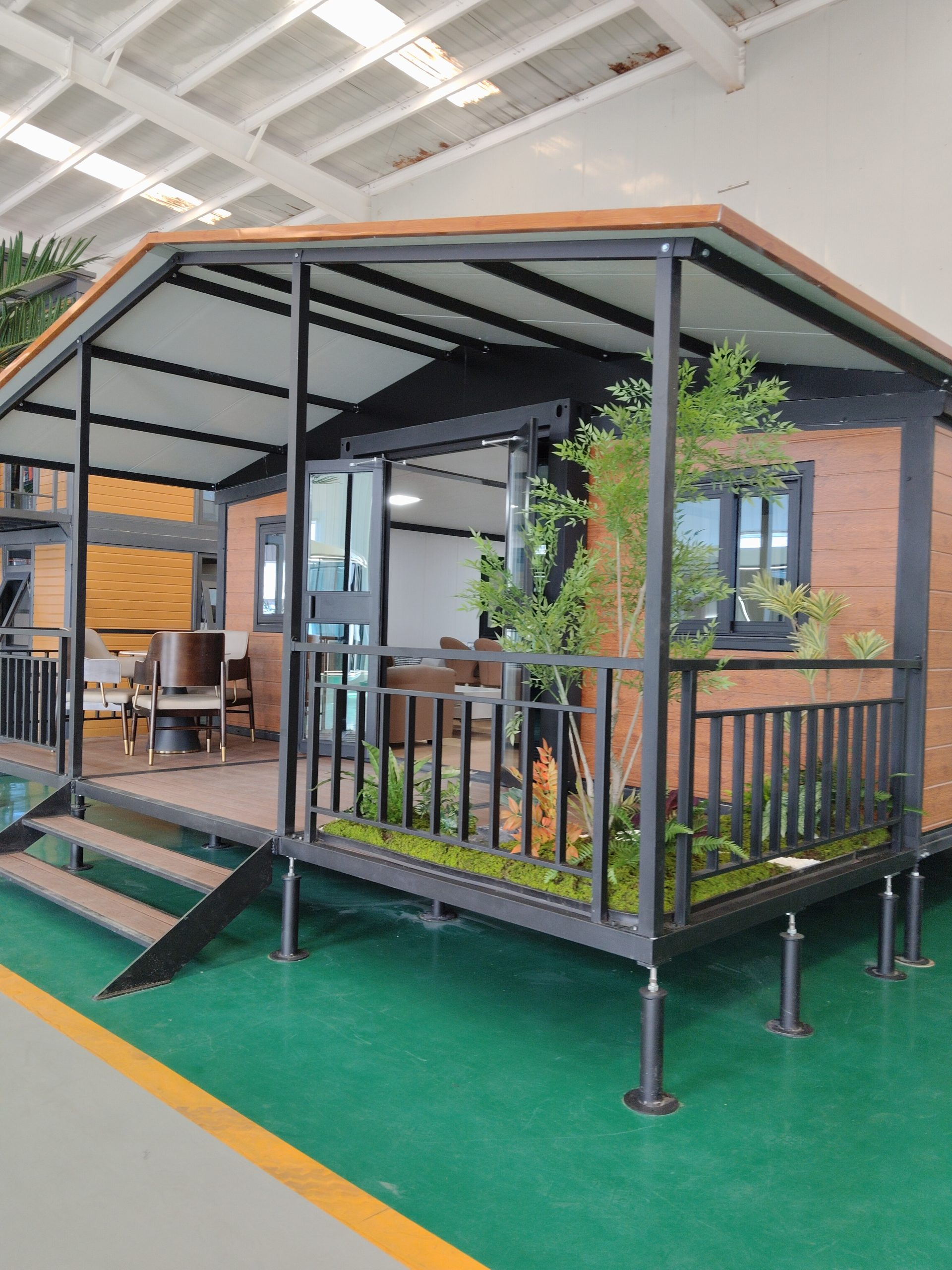 A container house with a terrace and double-wing folding design, suitable for various purposes such as offices, meeting rooms, living rooms, etc.
 -
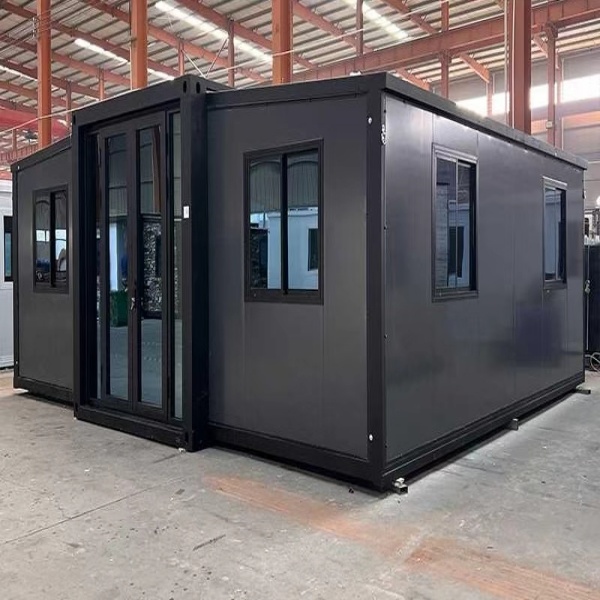 Dual-Wing Folding Container House: Fast Assembly, Space-Saving & Multi-Scene Adaptable
 -
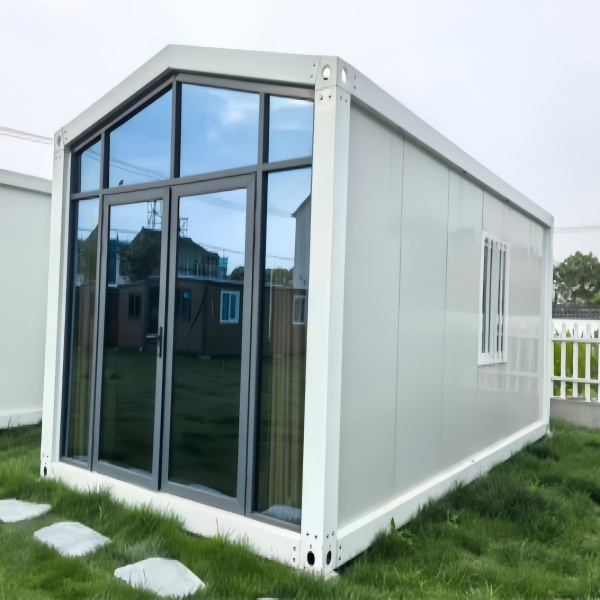 Waterproof folding container house – mobile accommodation for campsites/scenic spots
 -
A container house with a terrace and double-wing folding design, suitable for various purposes such as offices, meeting rooms, living rooms, etc.
-
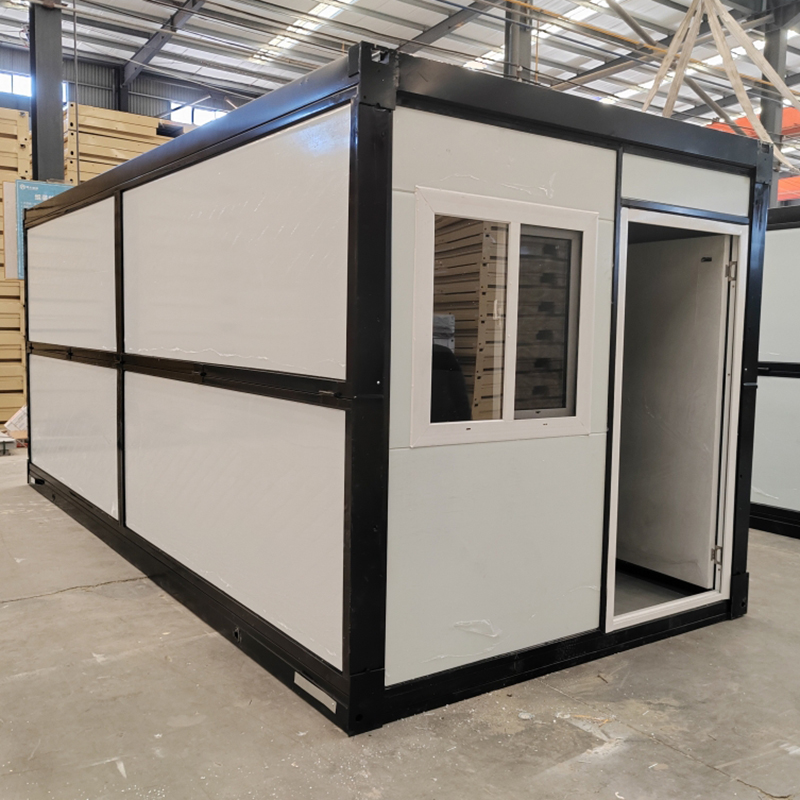 Detachable Design Prefabricated Container House Portable Modular Office Building Folding Container House
 -
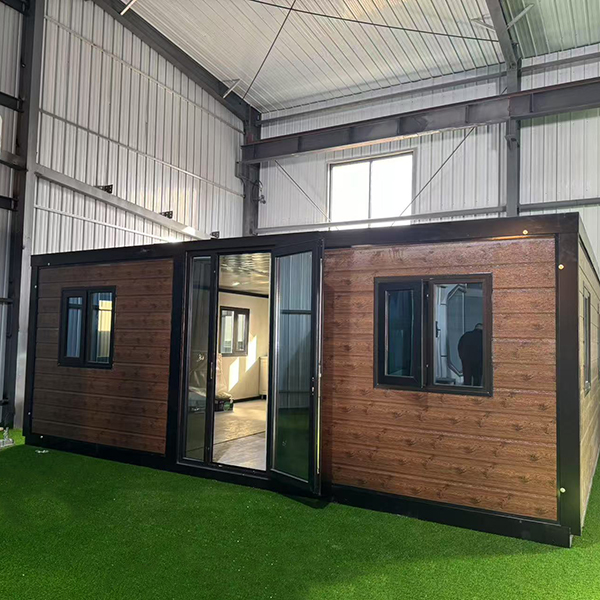 Good Quality Modular Homes Prefabricated House Expandable Container House 20FT Mobile Flat Roof House
 -
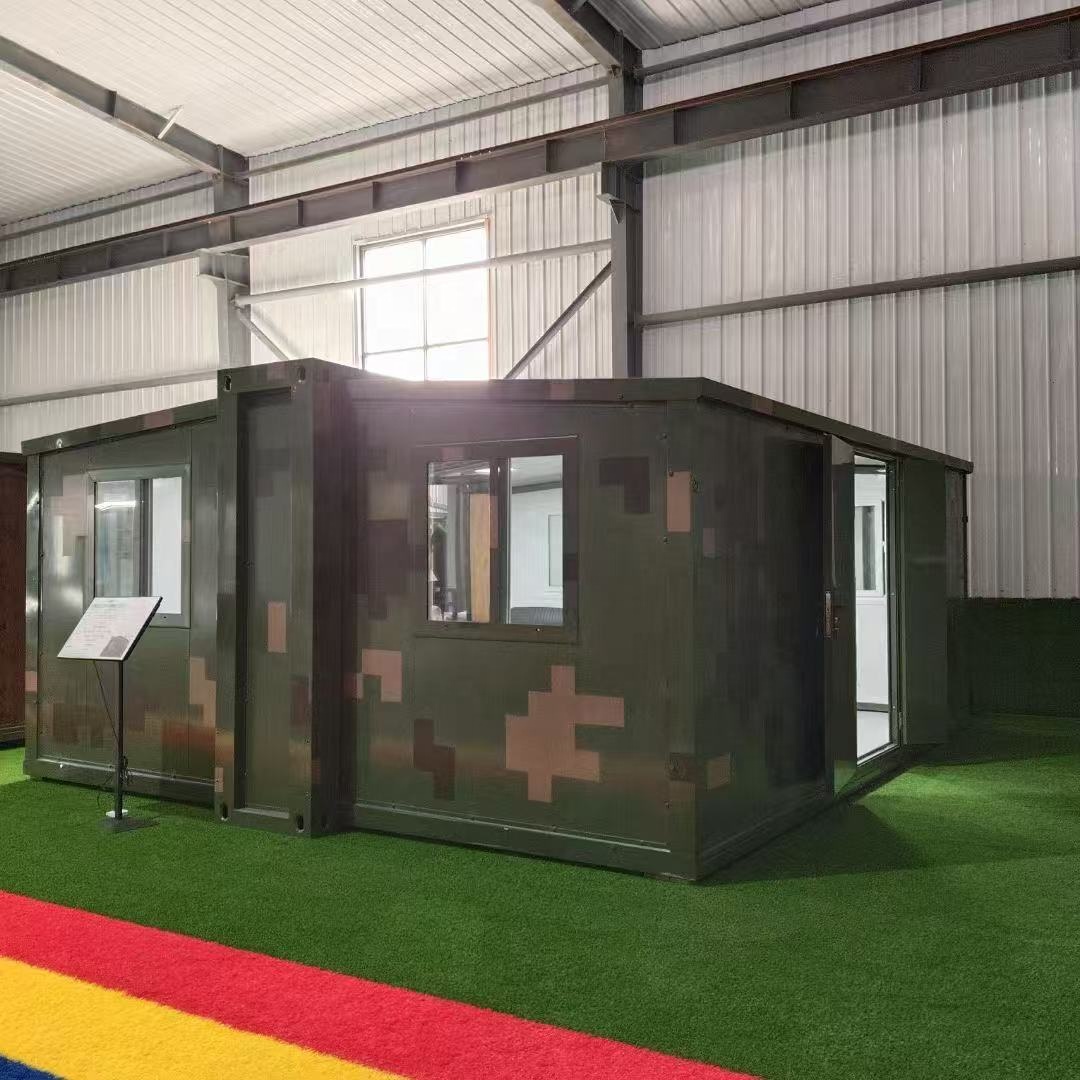 Movable Prefabricated Container House Villas Modular Portable Homes 1 Bedroom Container House Offices Apartments
 -
 Luxury Foldable Two Story Container House for Glamping Resort and Villa Hotel
 -
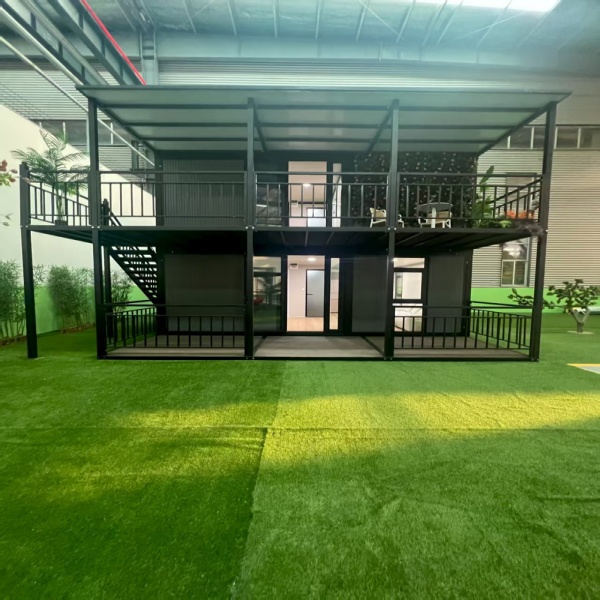 Luxury foldable two-story container houses in luxury resort hotels and villa hotels
 -
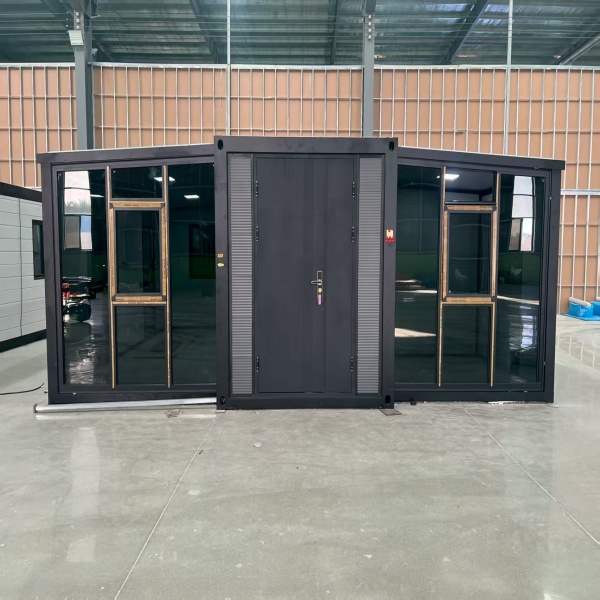 Customizable Office Mobile Home with Flat Roof and Double Wing Expansion Box, Convenient Container
Related search
Related search- China portable folding houses for sale
- Buy price homes extended expandable container house
- bedroom space capsule
- Buy a folding house
- China modular prefab prefabricated shipping container house home
- China pre built shipping container house
- luxury expandable house container house family home
- bastone mobile expandable prefab house 19ft x 20ft
- portable folding house
- China portable folding house