
-
E-mail
Austin120521@outlook.com -
E-mail
sales@jujiuhouse.com -
Telephone
+86-17864099991 -
Telephone
+86-17854044442
- Chinese
- French
- German
- Portuguese
- Spanish
- Russian
- Japanese
- Korean
- Arabic
- Irish
- Greek
- Turkish
- Italian
- Danish
- Romanian
- Indonesian
- Czech
- Afrikaans
- Swedish
- Polish
- Basque
- Catalan
- Esperanto
- Hindi
- Lao
- Albanian
- Amharic
- Armenian
- Azerbaijani
- Belarusian
- Bengali
- Bosnian
- Bulgarian
- Cebuano
- Chichewa
- Corsican
- Croatian
- Dutch
- Estonian
- Filipino
- Finnish
- Frisian
- Galician
- Georgian
- Gujarati
- Haitian
- Hausa
- Hawaiian
- Hebrew
- Hmong
- Hungarian
- Icelandic
- Igbo
- Javanese
- Kannada
- Kazakh
- Khmer
- Kurdish
- Kyrgyz
- Latin
- Latvian
- Lithuanian
- Luxembou..
- Macedonian
- Malagasy
- Malay
- Malayalam
- Maltese
- Maori
- Marathi
- Mongolian
- Burmese
- Nepali
- Norwegian
- Pashto
- Persian
- Punjabi
- Serbian
- Sesotho
- Sinhala
- Slovak
- Slovenian
- Somali
- Samoan
- Scots Gaelic
- Shona
- Sindhi
- Sundanese
- Swahili
- Tajik
- Tamil
- Telugu
- Thai
- Ukrainian
- Urdu
- Uzbek
- Vietnamese
- Welsh
- Xhosa
- Yiddish
- Yoruba
- Zulu
- Kinyarwanda
- Tatar
- Oriya
- Turkmen
- Uyghur




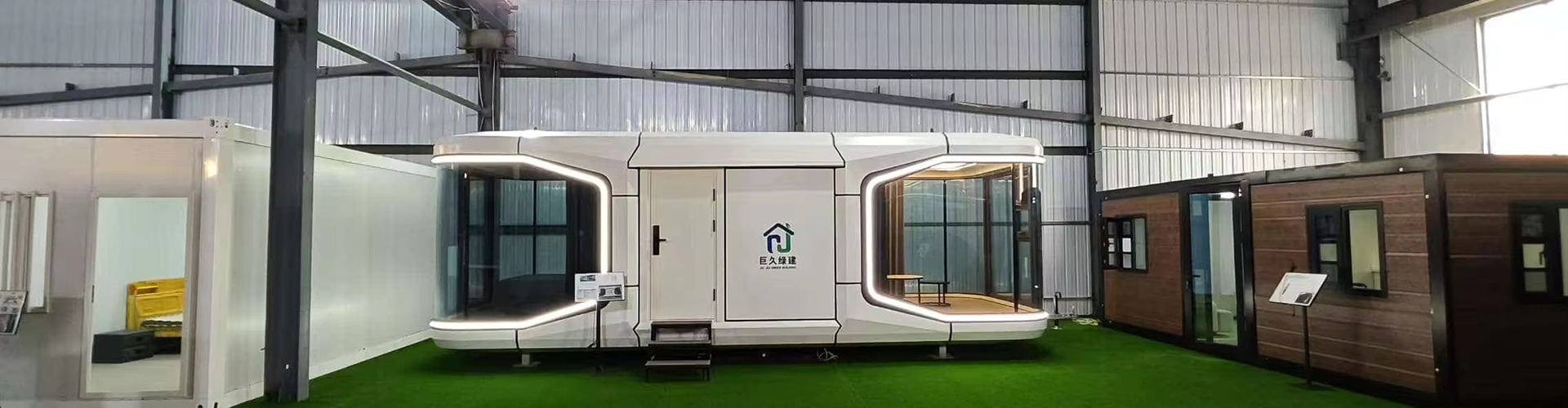
China tiny house
Tiny Houses in China: A Growing Trend
The concept of tiny houses is gaining traction in China, albeit with some unique twists that cater to local needs and preferences. These compact dwellings are reshaping urban landscapes and challenging conventional housing norms. But as with any trend, it's accompanied by a mix of enthusiasm and skepticism.
The Allure of Tiny Living
Tiny houses appeal to different demographics in China for varying reasons. Urbanites see them as a solution to soaring property prices. Younger generations, often burdened by student debt, are enticed by the notion of financial freedom they promise. The idea is to own less and live more—prioritizing experiences over material possessions.
However, this movement also faces criticism for its practicality. Some argue that the Chinese preference for larger homes may hinder its widespread adoption. Yet, given the rising awareness of sustainability, this trend is slowly gaining favor among environmentally conscious individuals.
It's worth mentioning companies like SHANDONG JUJIU INTEGRATED HOUSING CO,LTD. They are significantly contributing to this sector by offering customizable, energy-efficient, and cost-effective housing solutions, which align well with the tiny house ethos.
Design Meets Functionality
China's approach to tiny house design is fascinating. Unlike the Western models, which often emphasize minimalism, Chinese designs prioritize multifunctional spaces. A single area can transition from a living room to a workspace to a bedroom—an element that reflects both cultural adaptability and necessity.
One practical glimpse into this is through modular designs, which companies like Shandong Jujiu specialize in. They integrate elements of traditional design with modern aesthetics, resulting in spaces that feel both familiar and innovative. This combination is crucial for appealing to a diverse audience.
To ensure these homes are liveable, developers are investing heavily in research and development. Innovations include space-saving furniture and smart home technologies, all of which are becoming standard offerings in the tiny house market.
Challenges in Implementation
The rise of tiny houses in China isn’t without hurdles. Urban planning and building regulations remain complex, often requiring meticulous navigation. Local governments are cautious, driven by concerns over safety standards and urban sprawl management.
Moreover, there’s the undeniable social dimension—how do these homes fit within traditional family structures? In many Chinese households, multi-generational living is the norm. Thus, developers must consider configurations that accommodate varying family dynamics.
Despite these challenges, the adaptability of companies like SHANDONG JUJIU is commendable. By leveraging their wide-ranging expertise in integrated housing, they're setting examples of strategic growth in the sector.
A Sustainable Future
Sustainability is a major driver for the China tiny house trend. In response to environmental concerns, there's a growing shift toward using renewable materials and implementing green technologies in construction. This isn't just about reducing costs but also about educating consumers on sustainable living practices.
Developments in this arena often involve innovative solutions like solar panels and rainwater harvesting systems. Companies are tasked with balancing aesthetic appeal and functional durability to ensure long-term viability.
The commitment of companies like Shandong Jujiu to sustainable practices not only reflects industry standards but also aligns with the broader national endeavors towards ecological responsibility.
Future Prospects and Conclusions
Looking forward, the future of tiny houses in China seems promising, driven by cultural shifts and economic pragmatism. As the population becomes more discerning, the demand for quality, affordability, and environmental consciousness in housing will likely increase.
Companies such as SHANDONG JUJIU, with their comprehensive approach to modular housing, are poised to play crucial roles in this evolution. By focusing on both innovation and community needs, they exemplify how adaptability might lead the way forward.
Ultimately, the tiny house movement in China is more than a trend; it’s a reflection of broader societal changes. As the nation continues to urbanize, these compact living solutions may well become integral to China’s housing landscape, shaping how future generations coexist with one another and the environment.
Related products
Related products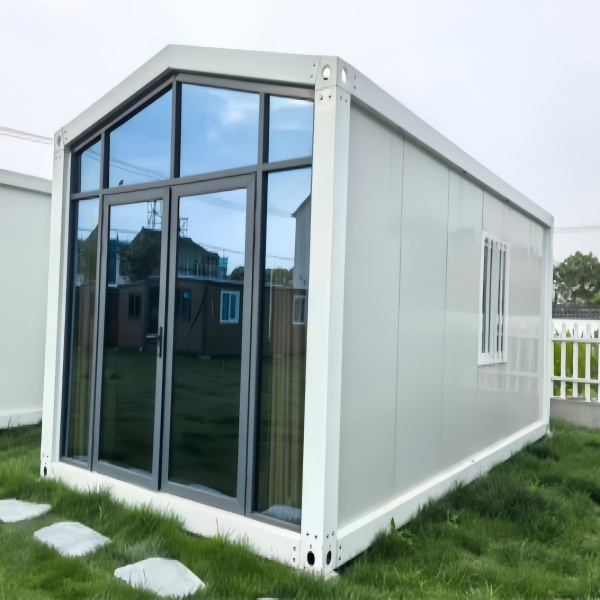
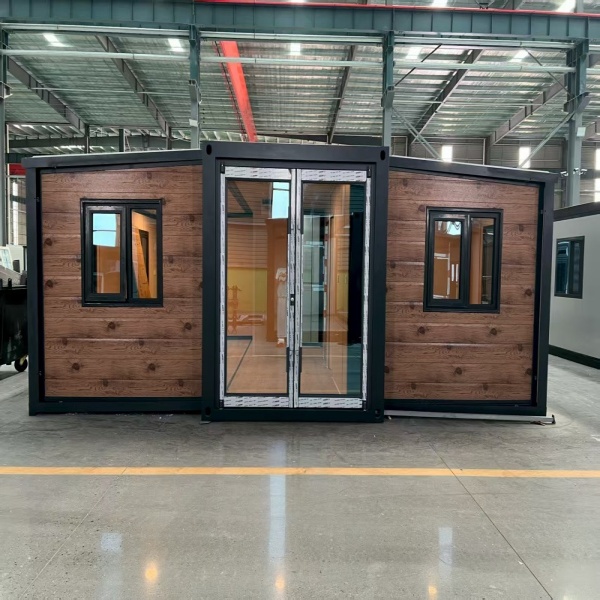
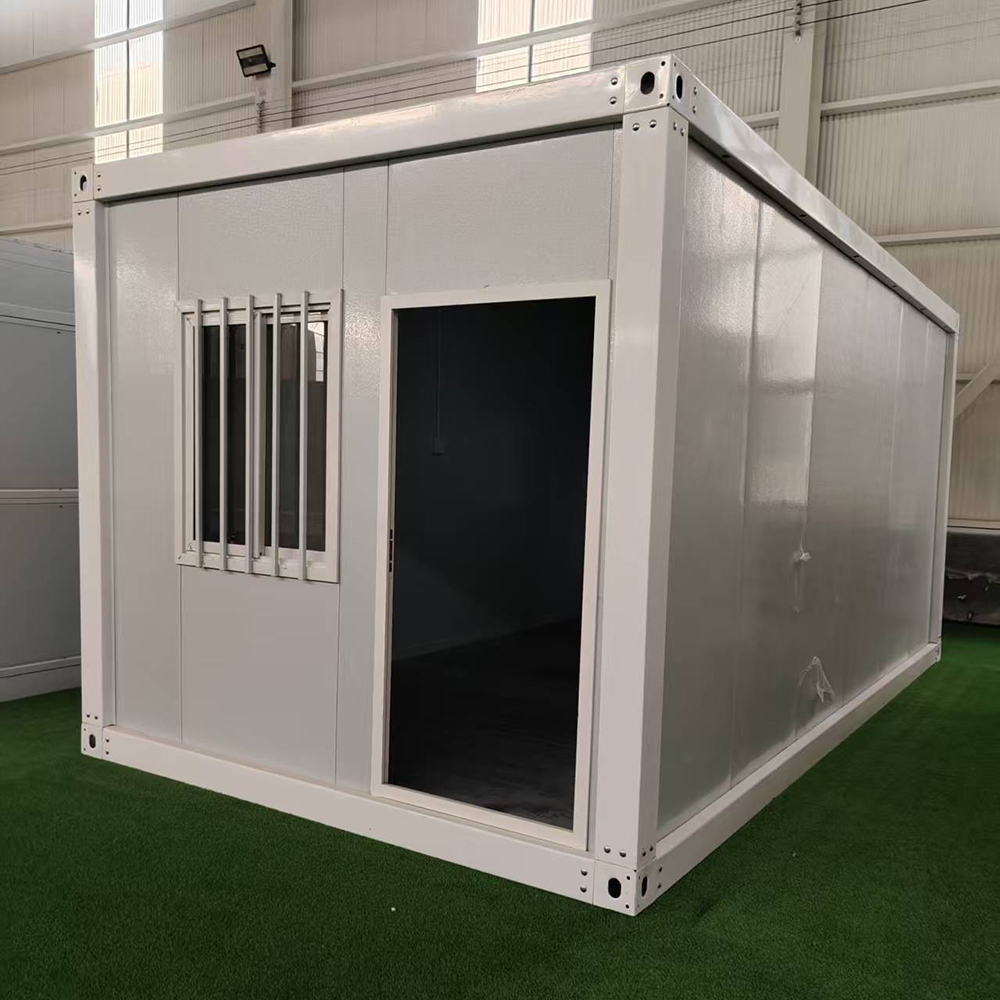
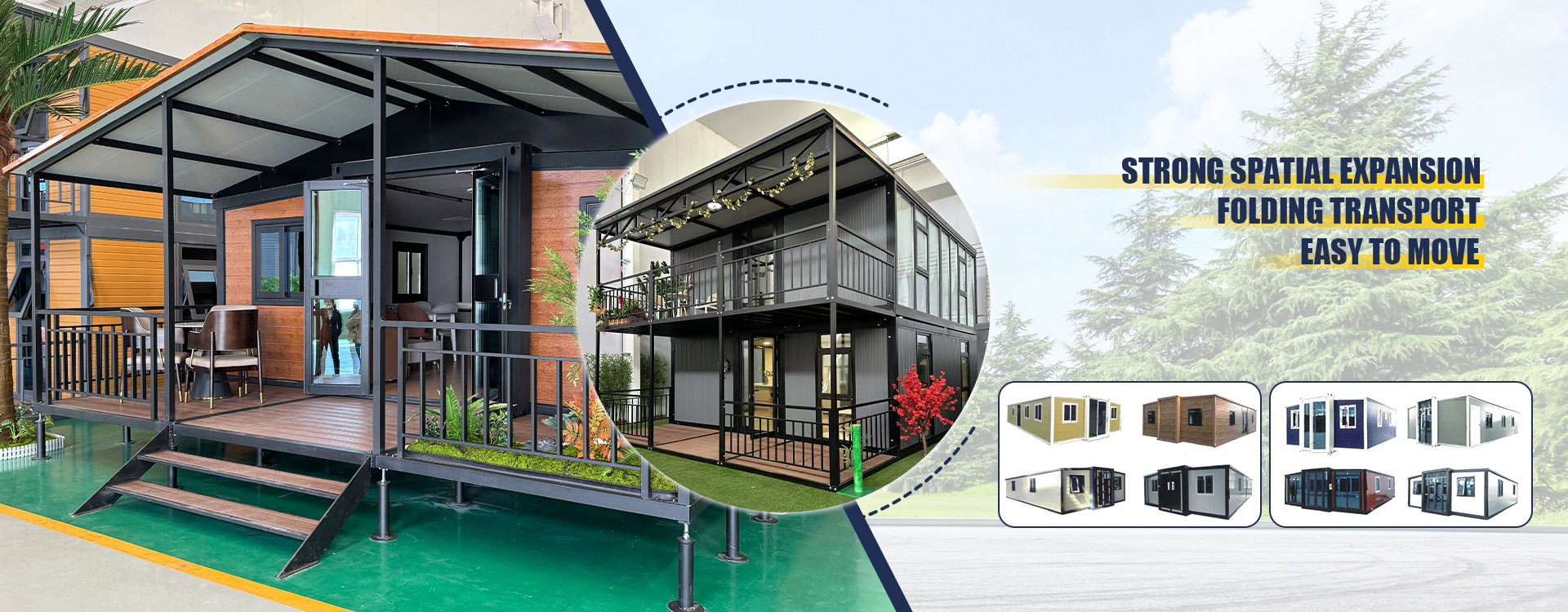
Best selling products
Best selling products-
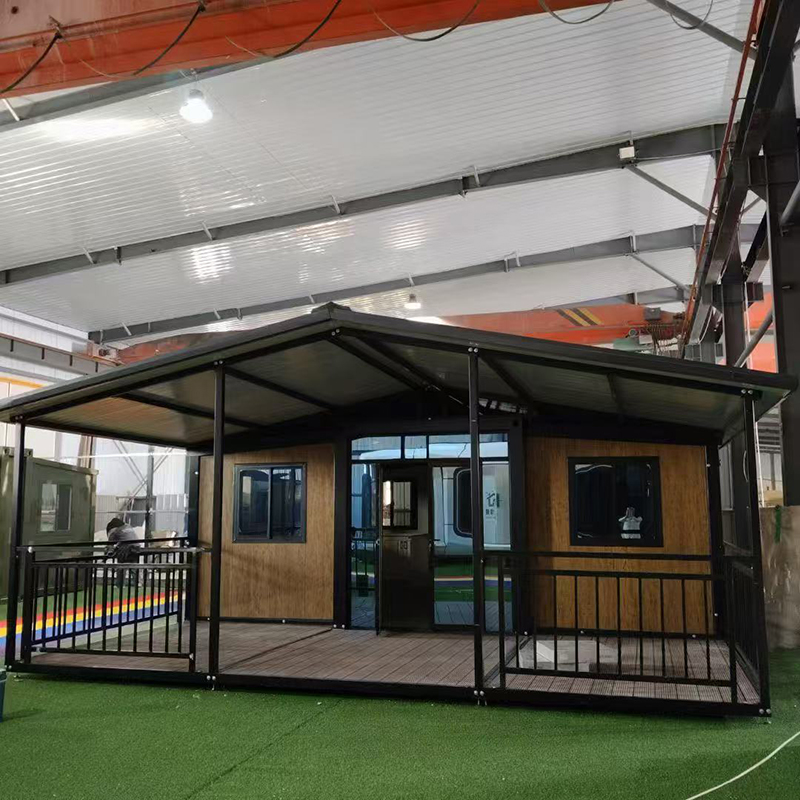 Customized Expandable Container House Holiday Home Folding Prefab Container House with Bathroom and Kitchen
 -
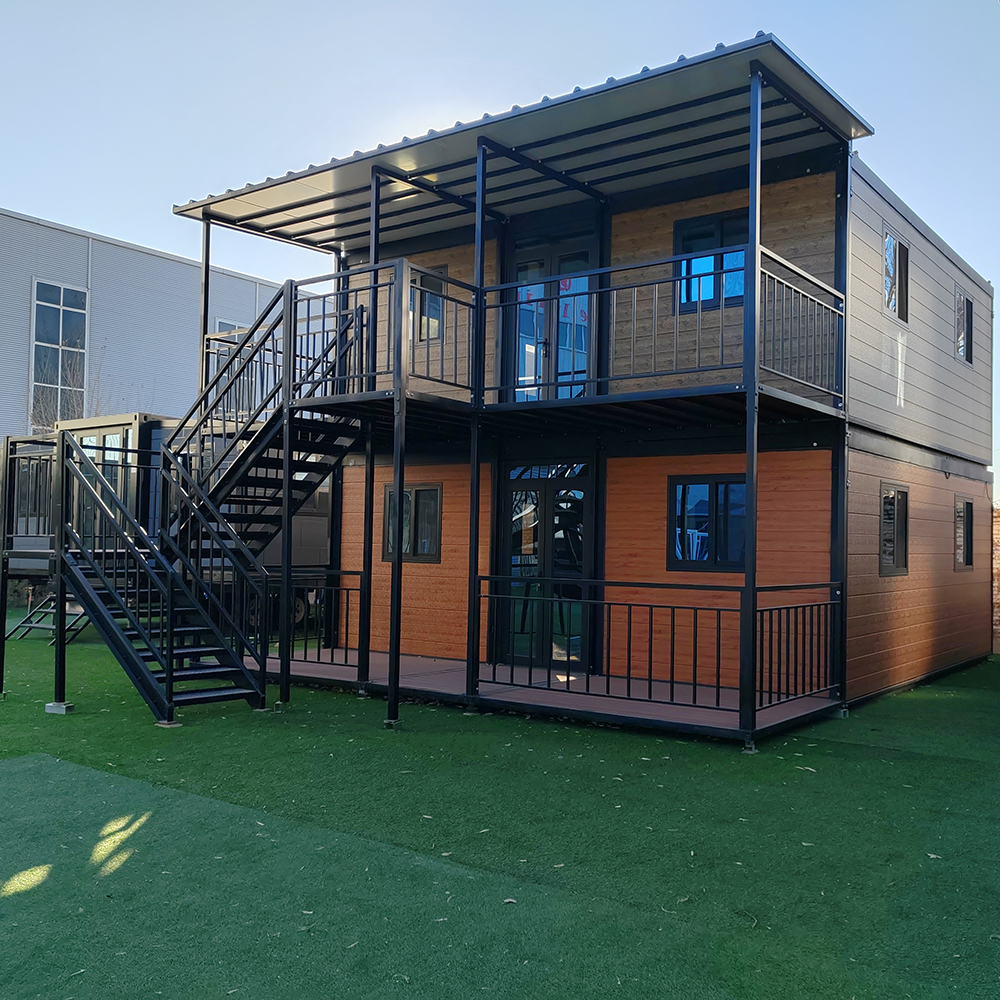 Easy Install Customized Detachable Container Homes Extendable House Prefab 2 Floors Expandable Container House
 -
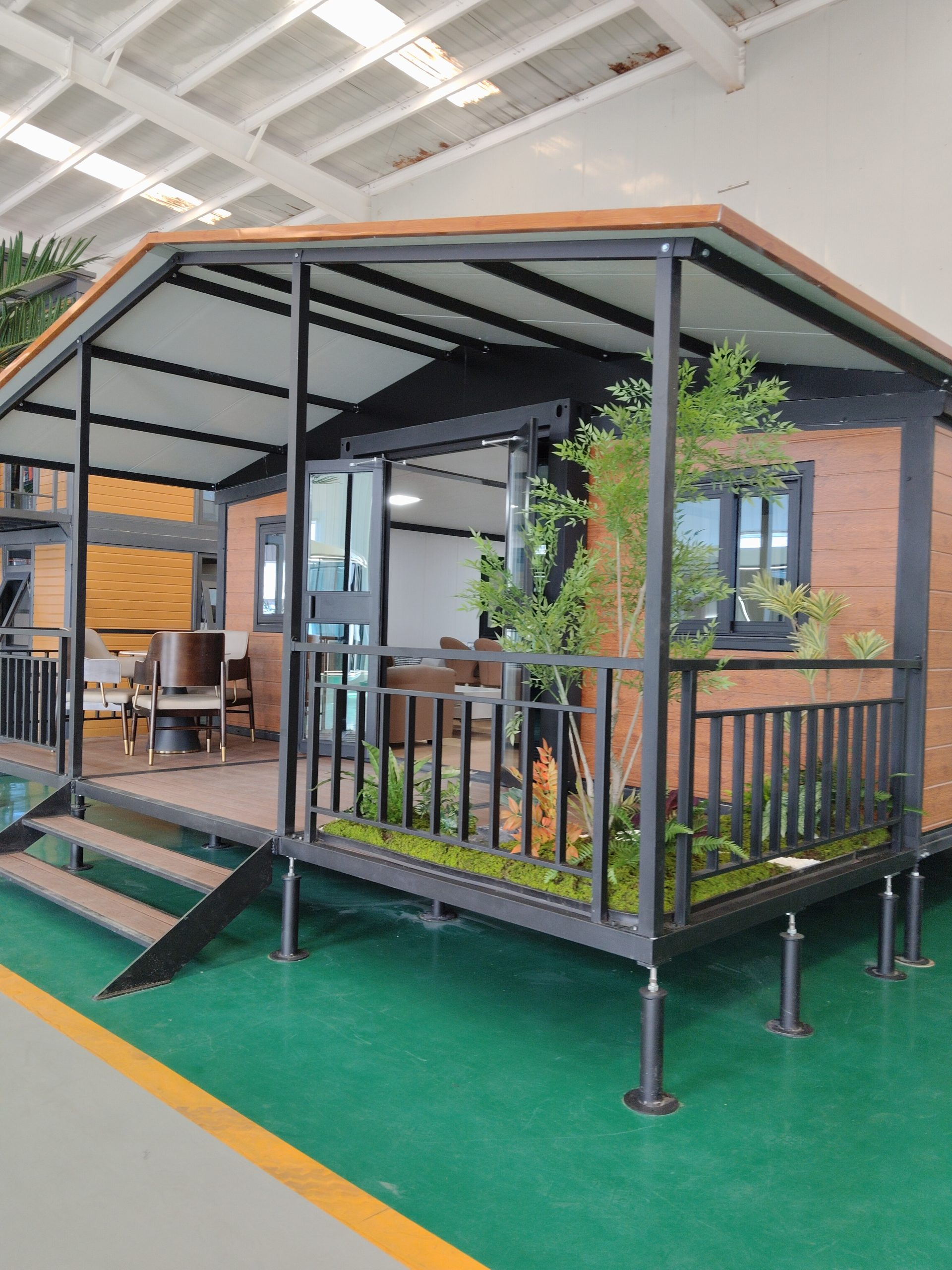 A container house with a terrace and double-wing folding design, suitable for various purposes such as offices, meeting rooms, living rooms, etc.
 -
A container house with a terrace and double-wing folding design, suitable for various purposes such as offices, meeting rooms, living rooms, etc.
-
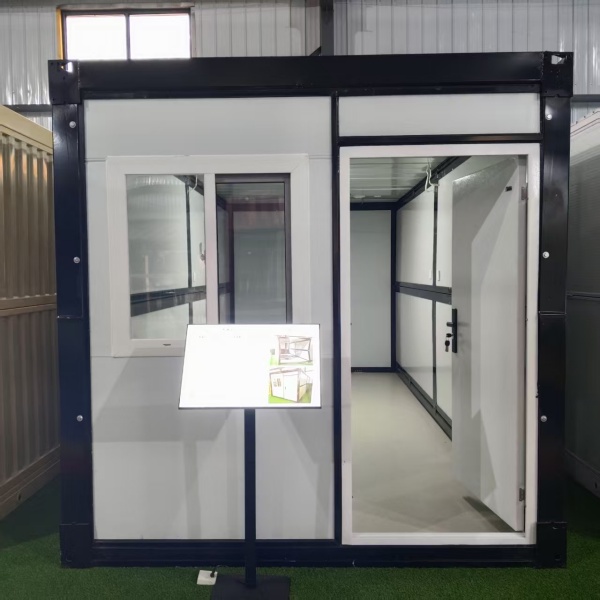 Factory Direct Sales Office Folding Container Luxury House Living Container House
 -
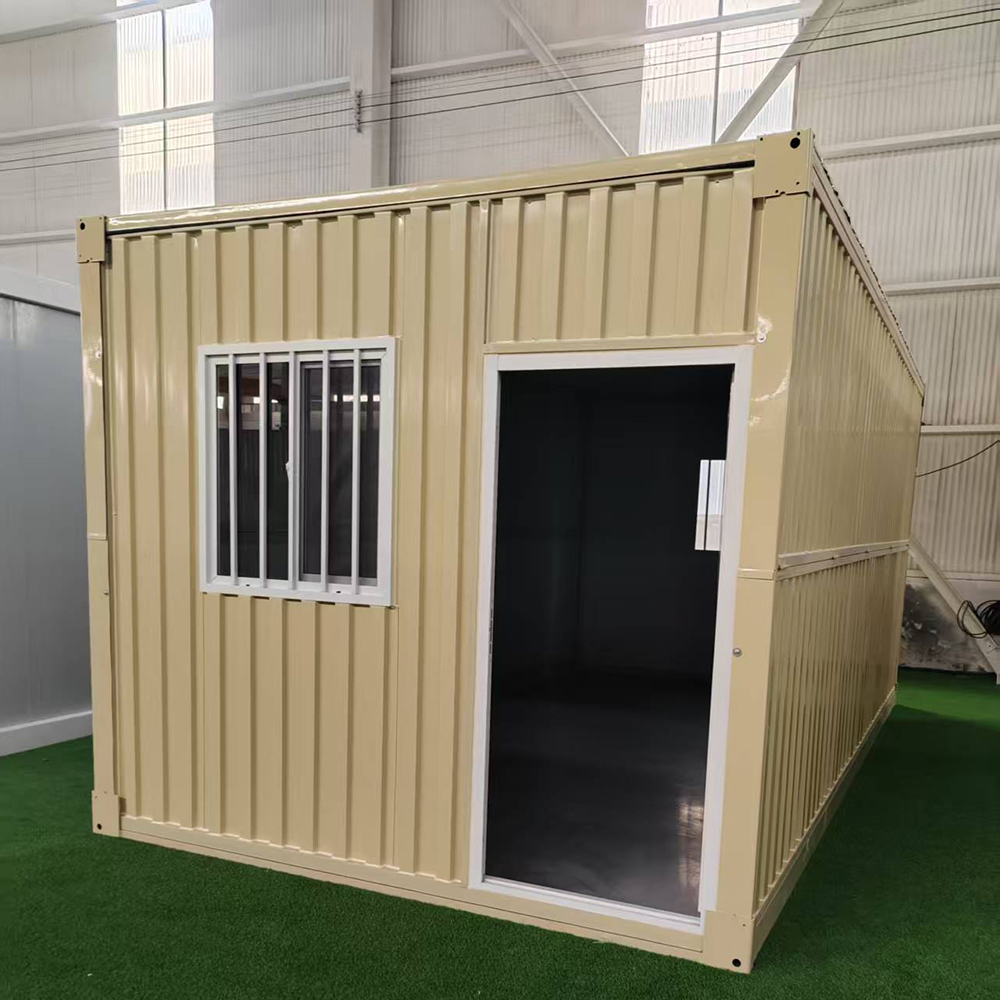 Competitive Price Portable Container House Foldable Container Mobile Living Modular Homes
 -
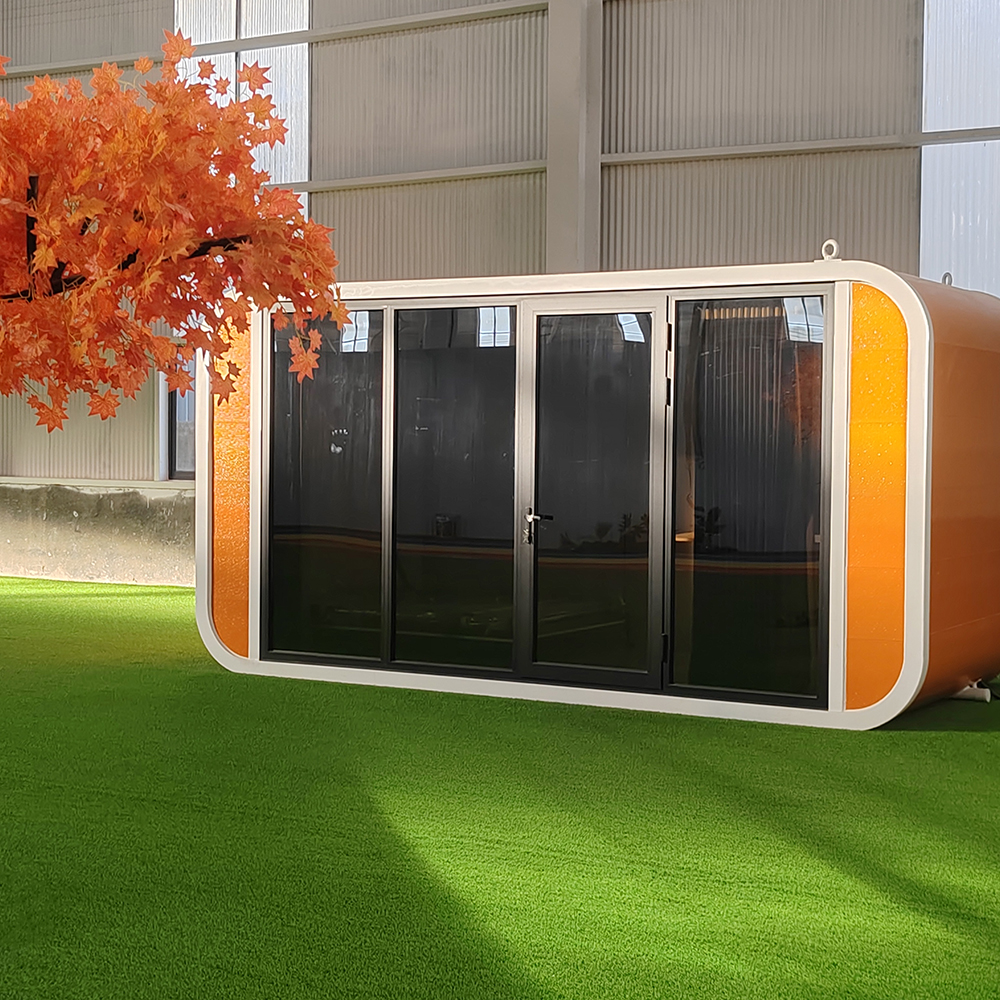 Luxury Prefabricated Living Container House Modular Glass Tiny House Prefab Container Home Apple Cabin
 -
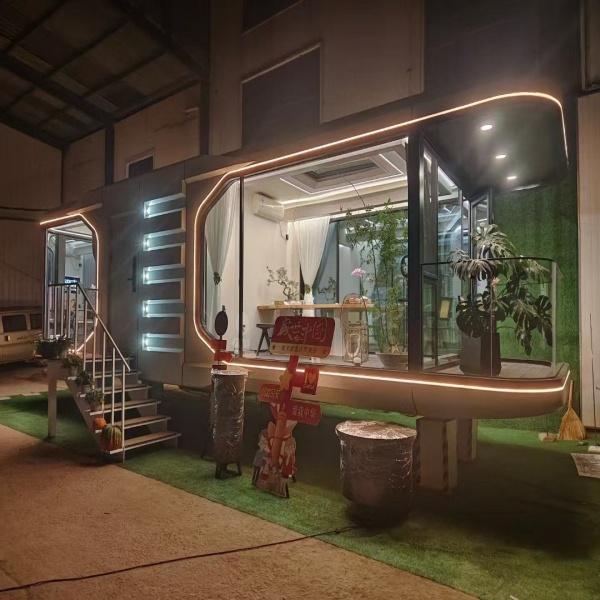 Outdoor ecological capsule rooms, luxury pods, space capsule hotel rooms, prefabricated space capsules, container houses
 -
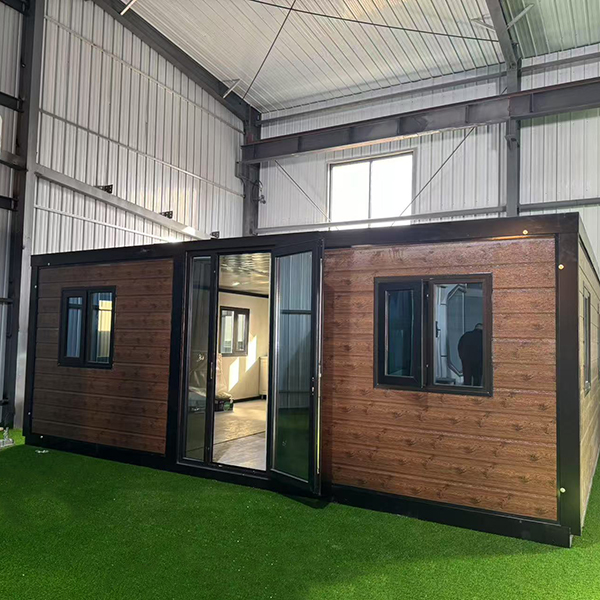 Good Quality Modular Homes Prefabricated House Expandable Container House 20FT Mobile Flat Roof House
 -
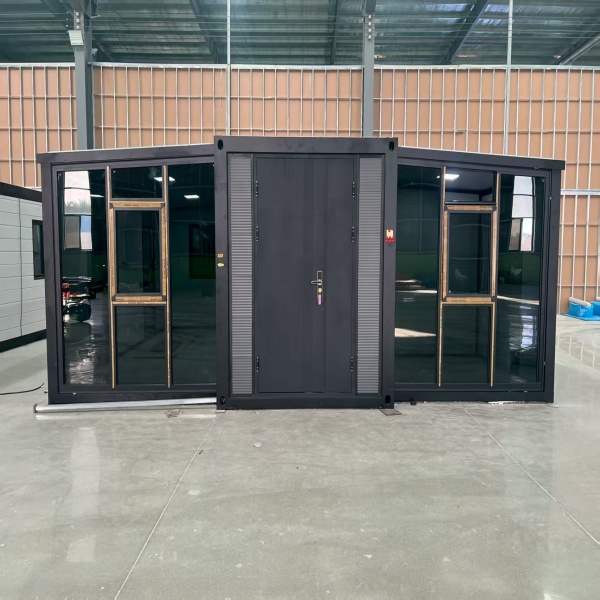 Customizable Office Mobile Home with Flat Roof and Double Wing Expansion Box, Convenient Container
 -
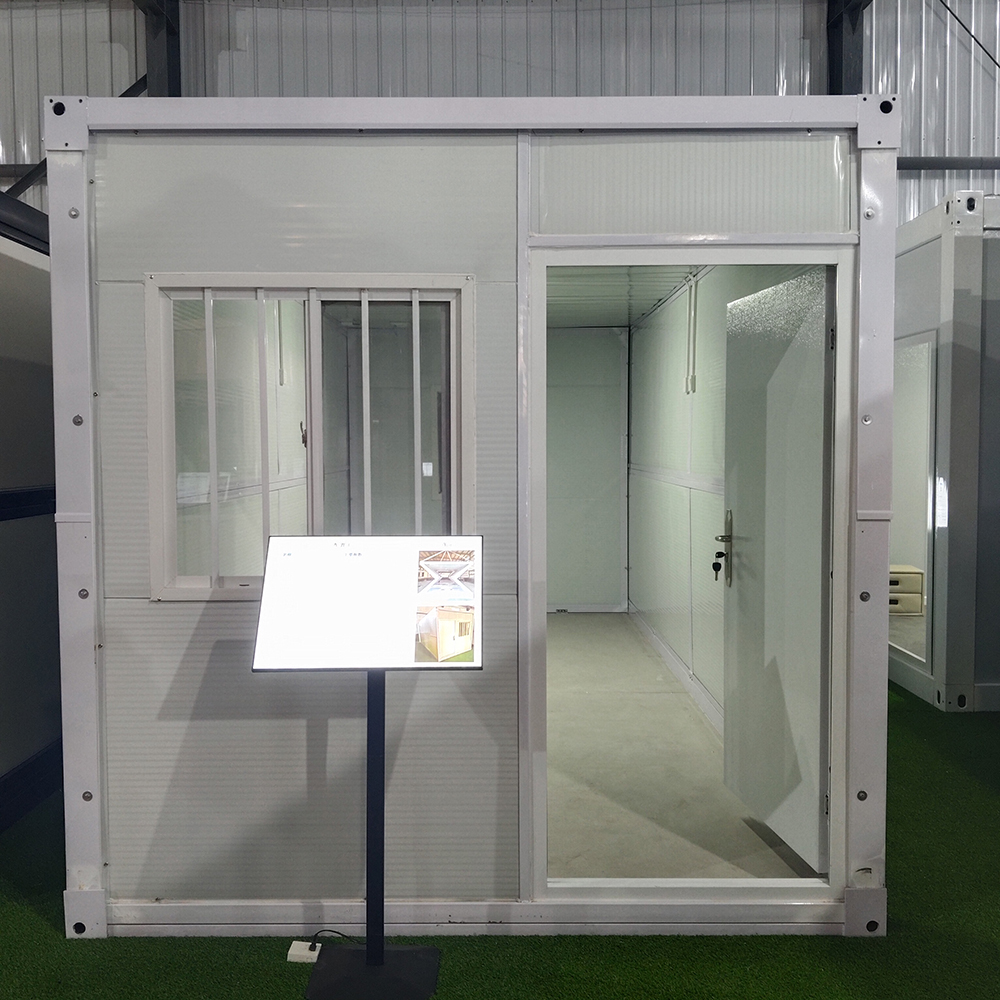 Reasonable Price 1 Bedroom Modular Container House Folding Container Home for Villa or Apartment Use
 -
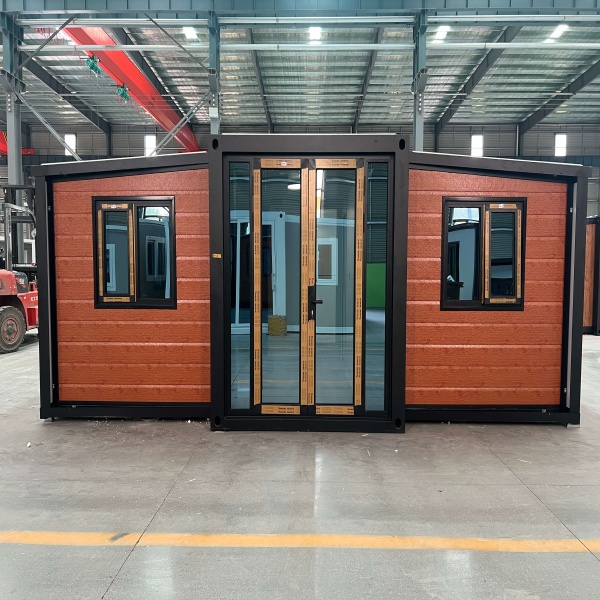 High-quality Double-wing Folding Container House with Doors and Windows, Insulated Walls, Suitable for Various Scenarios.
Related search
Related search- tiny folding house
- modern durable quality expandable container house
- space capsule mobile home
- China folding houses usa
- China folding house container home
- Buy fold out container homes price
- luxury expandable house container house family home
- 40ft expandable container house usa
- madi folding house
- Buy expandable container house price