
-
E-mail
Austin120521@outlook.com -
E-mail
sales@jujiuhouse.com -
Telephone
+86-17864099991 -
Telephone
+86-17854044442
- Chinese
- French
- German
- Portuguese
- Spanish
- Russian
- Japanese
- Korean
- Arabic
- Irish
- Greek
- Turkish
- Italian
- Danish
- Romanian
- Indonesian
- Czech
- Afrikaans
- Swedish
- Polish
- Basque
- Catalan
- Esperanto
- Hindi
- Lao
- Albanian
- Amharic
- Armenian
- Azerbaijani
- Belarusian
- Bengali
- Bosnian
- Bulgarian
- Cebuano
- Chichewa
- Corsican
- Croatian
- Dutch
- Estonian
- Filipino
- Finnish
- Frisian
- Galician
- Georgian
- Gujarati
- Haitian
- Hausa
- Hawaiian
- Hebrew
- Hmong
- Hungarian
- Icelandic
- Igbo
- Javanese
- Kannada
- Kazakh
- Khmer
- Kurdish
- Kyrgyz
- Latin
- Latvian
- Lithuanian
- Luxembou..
- Macedonian
- Malagasy
- Malay
- Malayalam
- Maltese
- Maori
- Marathi
- Mongolian
- Burmese
- Nepali
- Norwegian
- Pashto
- Persian
- Punjabi
- Serbian
- Sesotho
- Sinhala
- Slovak
- Slovenian
- Somali
- Samoan
- Scots Gaelic
- Shona
- Sindhi
- Sundanese
- Swahili
- Tajik
- Tamil
- Telugu
- Thai
- Ukrainian
- Urdu
- Uzbek
- Vietnamese
- Welsh
- Xhosa
- Yiddish
- Yoruba
- Zulu
- Kinyarwanda
- Tatar
- Oriya
- Turkmen
- Uyghur




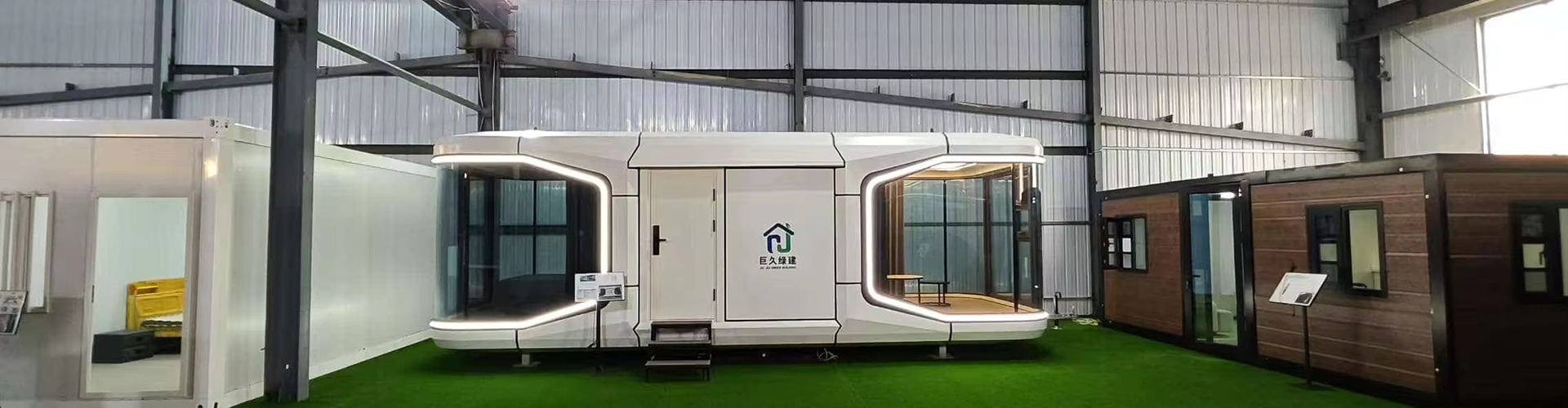
China wholesale expandable container house 40ft luxury
Redefining Space: The Luxury of China Wholesale Expandable Container Homes
Imagine a luxury living space that arrives in a box but expands into a fully-fledged home. This is the magic of the China wholesale expandable container house 40ft luxury, a revolution in modern housing. What initially seems simple evolves into a stylish and practical abode, reflecting both ingenuity and elegance.
The Growing Popularity of Container Homes
In recent years, container homes have captured the imagination of many, offering a unique blend of mobility, affordability, and sustainability. The concept is intriguing—taking a basic shipping container and transforming it into a comfortable living space. When we talk about luxury, the bar raises high, but China's advancements have made this quite attainable.
Being in the field, I’ve seen innovations in the sector firsthand. It’s not just about plopping a container down and calling it a day. Companies like SHANDONG JUJIU INTEGRATED HOUSING CO., LTD have pushed boundaries, taking R&D and design to new heights. Their contributions, especially in the production and installation, are noteworthy. Their website, JuJiu House, offers a glimpse into these transformative endeavors.
Many might underestimate the versatility these homes offer. Indeed, the initial setups are minimalistic, but the potential for customization is enormous. Whether it's adding a luxurious interior or optimizing the space for efficiency, the possibilities are extensive.
Engineering Elegance: The Design Process
Understanding the design process behind these homes is key to appreciating their value. It's not just about putting up a frame and calling it a house. The engineering behind expandable container houses involves meticulous planning and execution. With the steel structure engineering brought by companies like JuJiu, every detail is thought out to ensure durability and comfort.
The 40ft container is a popular choice because it offers a balance of space and flexibility. The initial step is optimizing the interior without sacrificing structural integrity. This involves using high-quality materials and innovative designs, a domain where JuJiu excels.
Real-world application and testing are crucial. I've been involved in projects where assumptions had to be adjusted once on-site issues were identified. The design phase isn't just theoretical on paper; it's a dynamic process responding to real-world constraints and opportunities.
Real-World Applications and Challenges
Choosing an expandable container house isn’t just about aesthetics or curiosity. There's a practical side to it—one involving regulations, transport logistics, and site preparation. Many times, potential buyers focus solely on interior design or layout, overlooking essential steps like land zoning laws or transportation permits.
From my experience, one of the common pitfalls is underestimating site preparation. No matter how luxurious the container house is, improper groundwork can lead to unforeseen issues. Ensuring the site is ready for installation is as critical as any design aspect.
For instance, a project I encountered in the outskirts required significant adjustments due to unexpected soil conditions. It’s these on-the-ground realities that often shape the final product more than the initial sketches do.
Customization: Making Luxury Personal
One aspect that lures many into opting for a container home is customization. While the shell might look standard across the board, the interior tells a different story. From opulent finishes to smart home technology integrations, each home can be a reflection of personal taste and lifestyle.
The role that companies such as Shandong Jujiu play cannot be overstated. Their ability to blend customer visions with technical feasibility results in spaces that are not only habitable but bespoke.
In a recent project, a client wanted an open-plan living area with full-length windows, a feature that required specialized panels and strategic spatial planning. Achieving such customization without compromising the structural strength was a triumph for the team.
Looking to the Future: Sustainability and Innovation
As we move forward, sustainability is at the forefront of expandable container house designs. It's not just about reducing waste; it's about ensuring the production, usage, and eventual deconstruction phases are as efficient and eco-friendly as possible.
JuJiu, notable for integrating modern sustainability practices, has been pioneering methods to make their production processes greener. Embracing eco-friendly materials and innovative construction techniques helps reduce the carbon footprint significantly.
The future holds exciting possibilities. Imagine integrating renewable energy solutions like solar panels straight into the design, making the home not just expandable, but truly self-sufficient. This forward-thinking approach is what keeps container homes at the cutting edge of modern housing solutions.
Related products
Related products
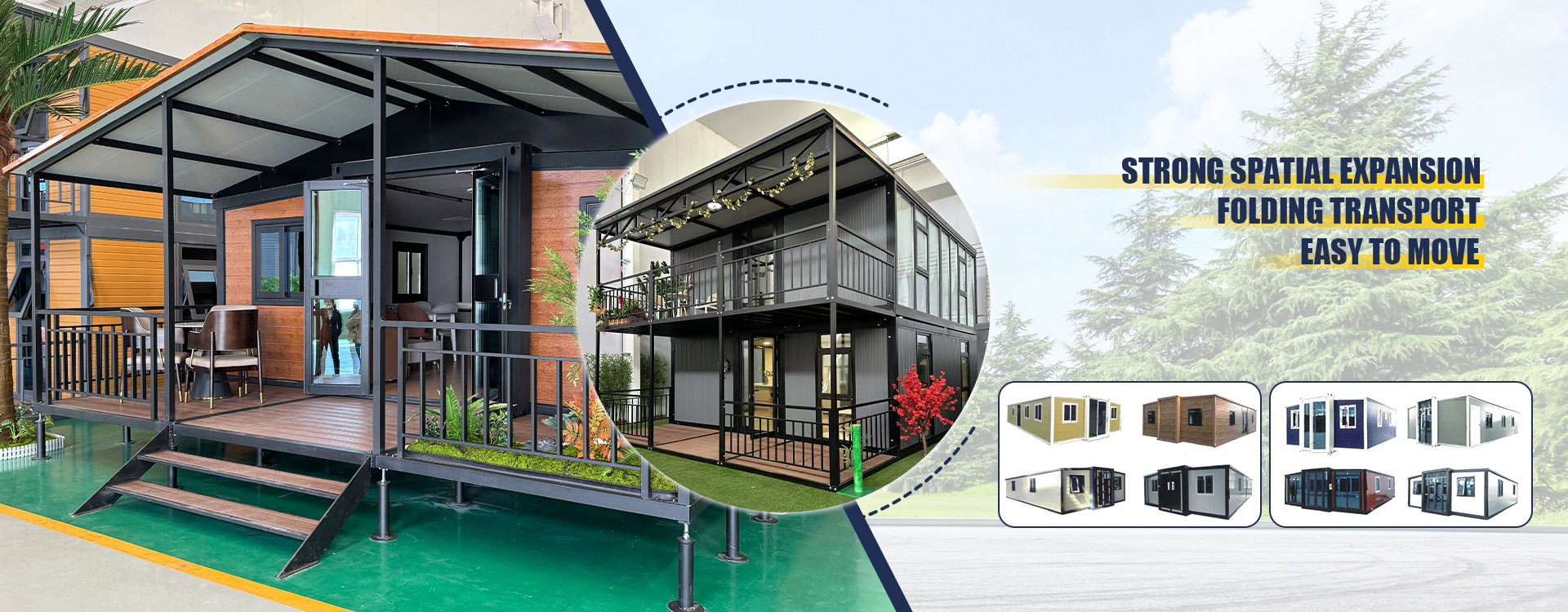
Best selling products
Best selling products-
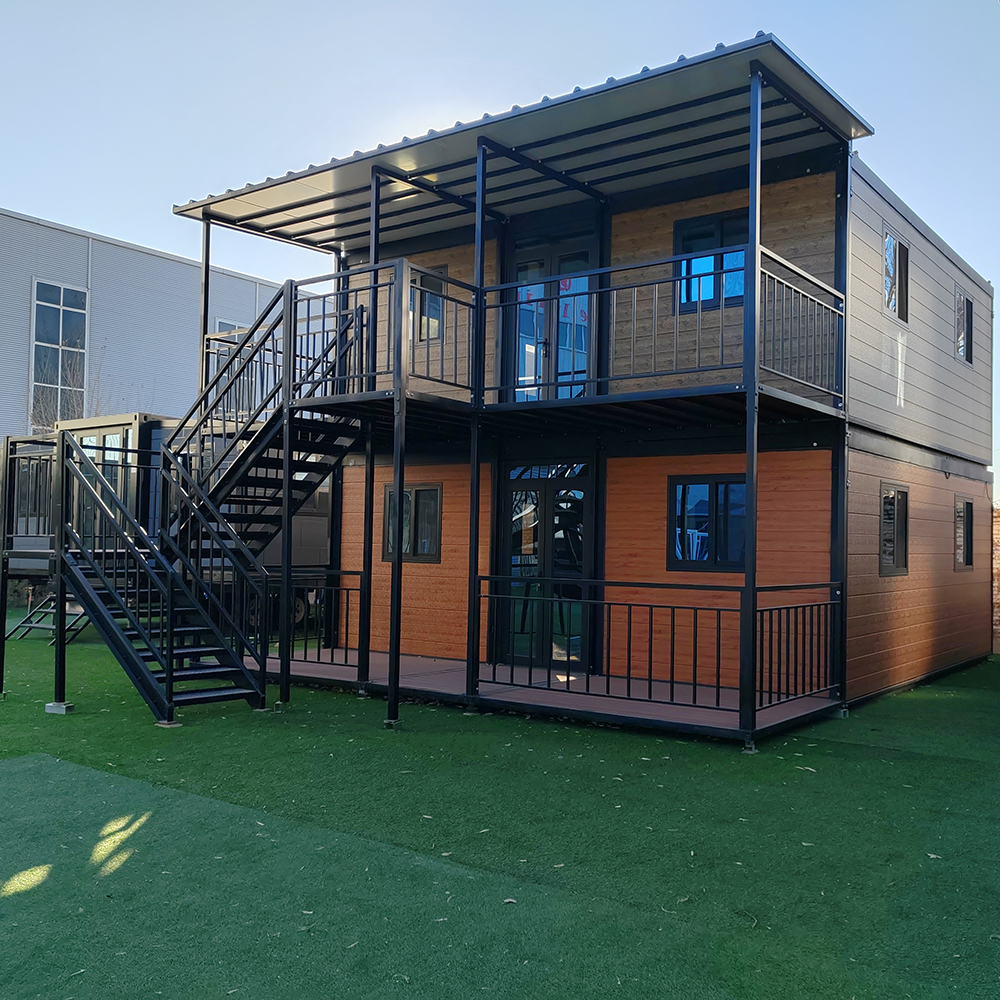 Easy Install Customized Detachable Container Homes Extendable House Prefab 2 Floors Expandable Container House
 -
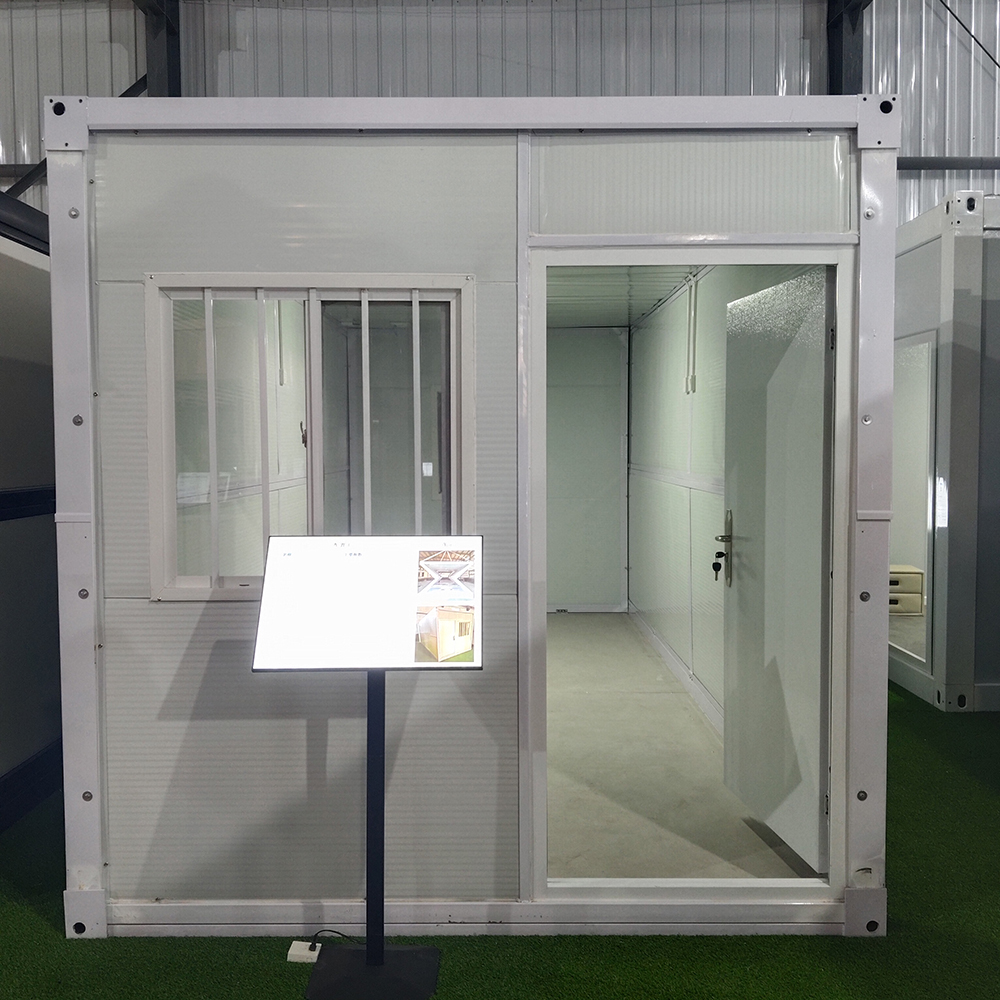 Reasonable Price 1 Bedroom Modular Container House Folding Container Home for Villa or Apartment Use
 -
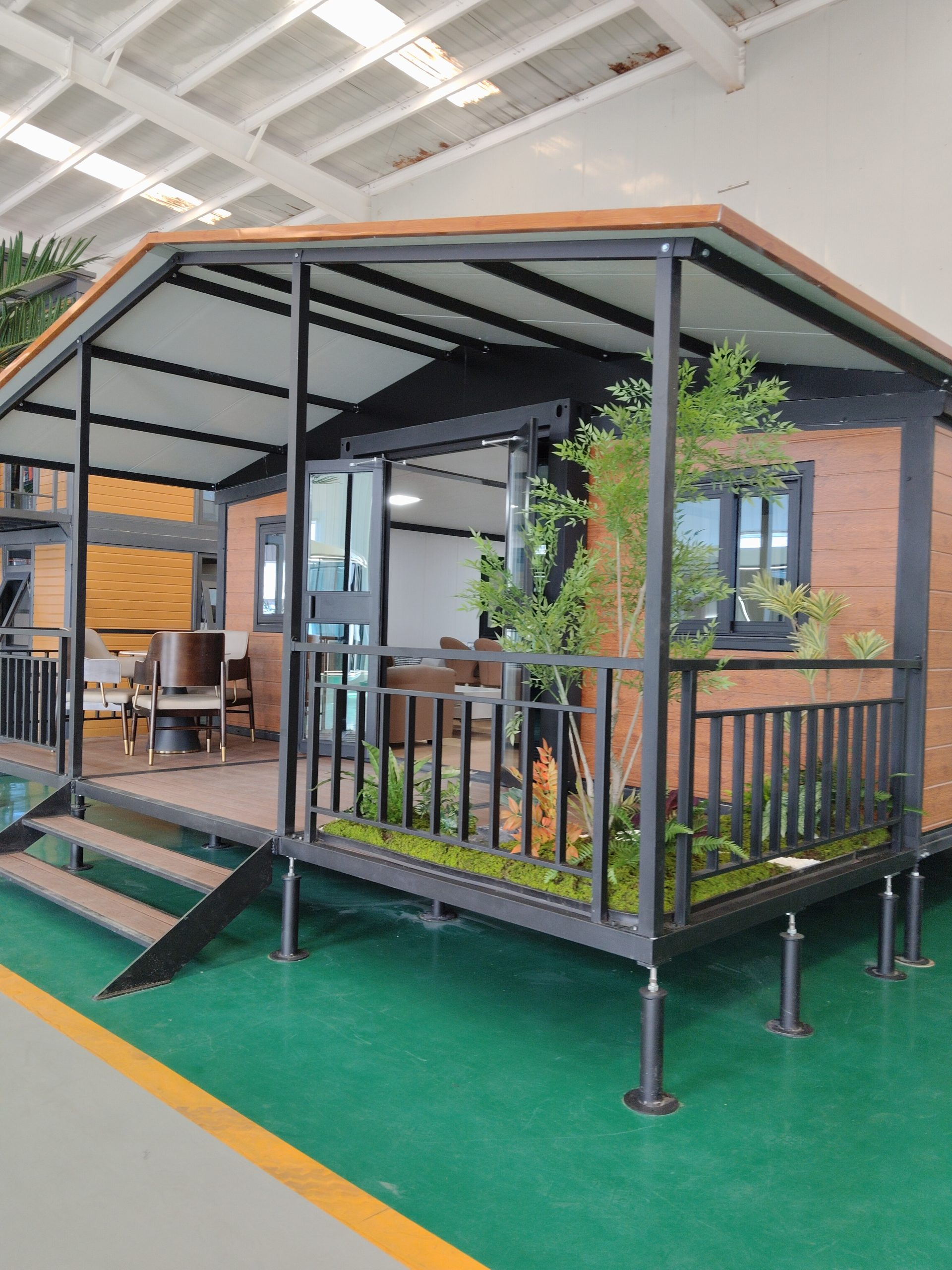 A container house with a terrace and double-wing folding design, suitable for various purposes such as offices, meeting rooms, living rooms, etc.
 -
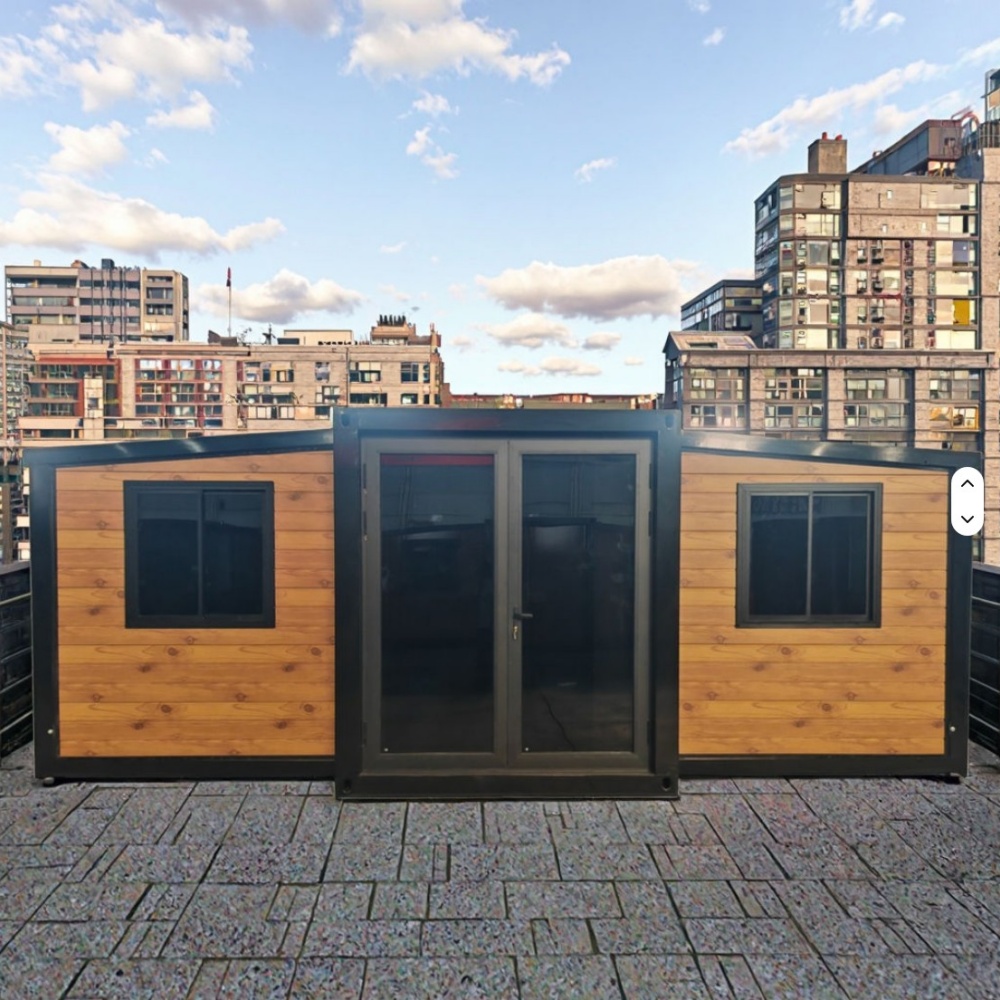 Customized Two Wing Folding Expandable Container House
 -
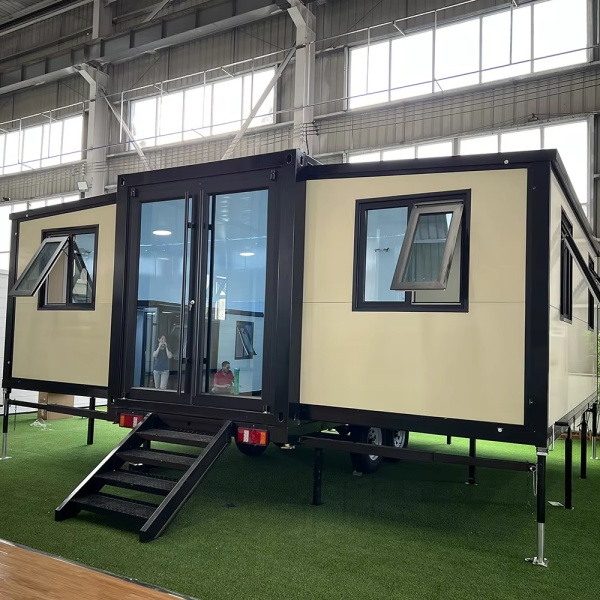 Stair Access Double Wing Expandable Container House | Easy Installation Mobile Office
 -
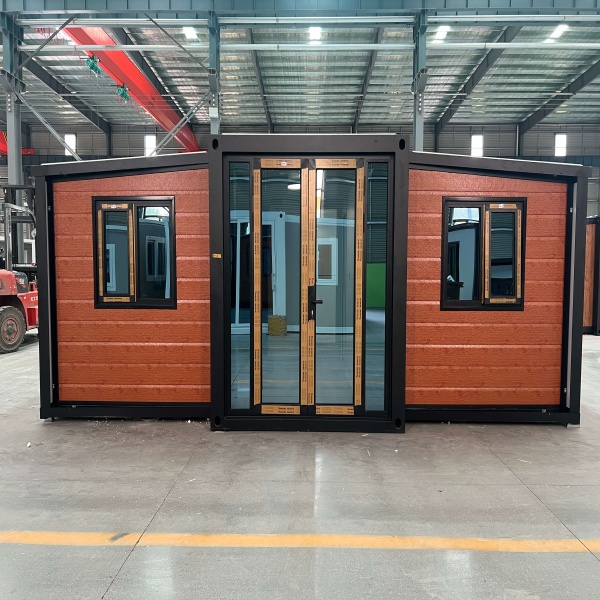 High-quality Double-wing Folding Container House with Doors and Windows, Insulated Walls, Suitable for Various Scenarios.
 -
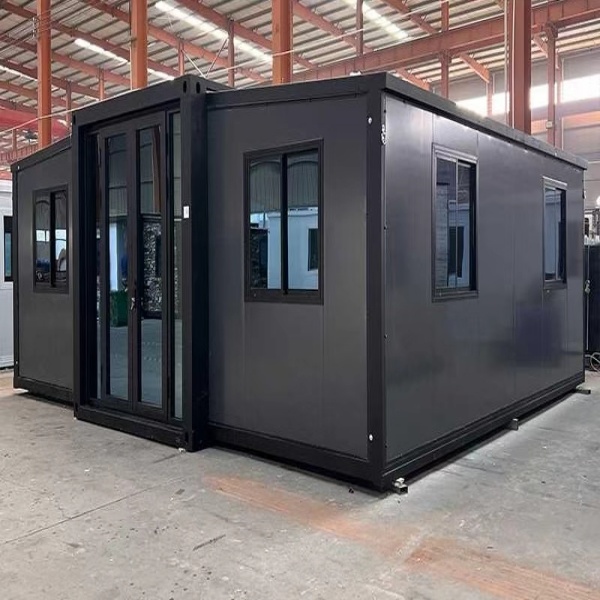 Dual-Wing Folding Container House: Fast Assembly, Space-Saving & Multi-Scene Adaptable
 -
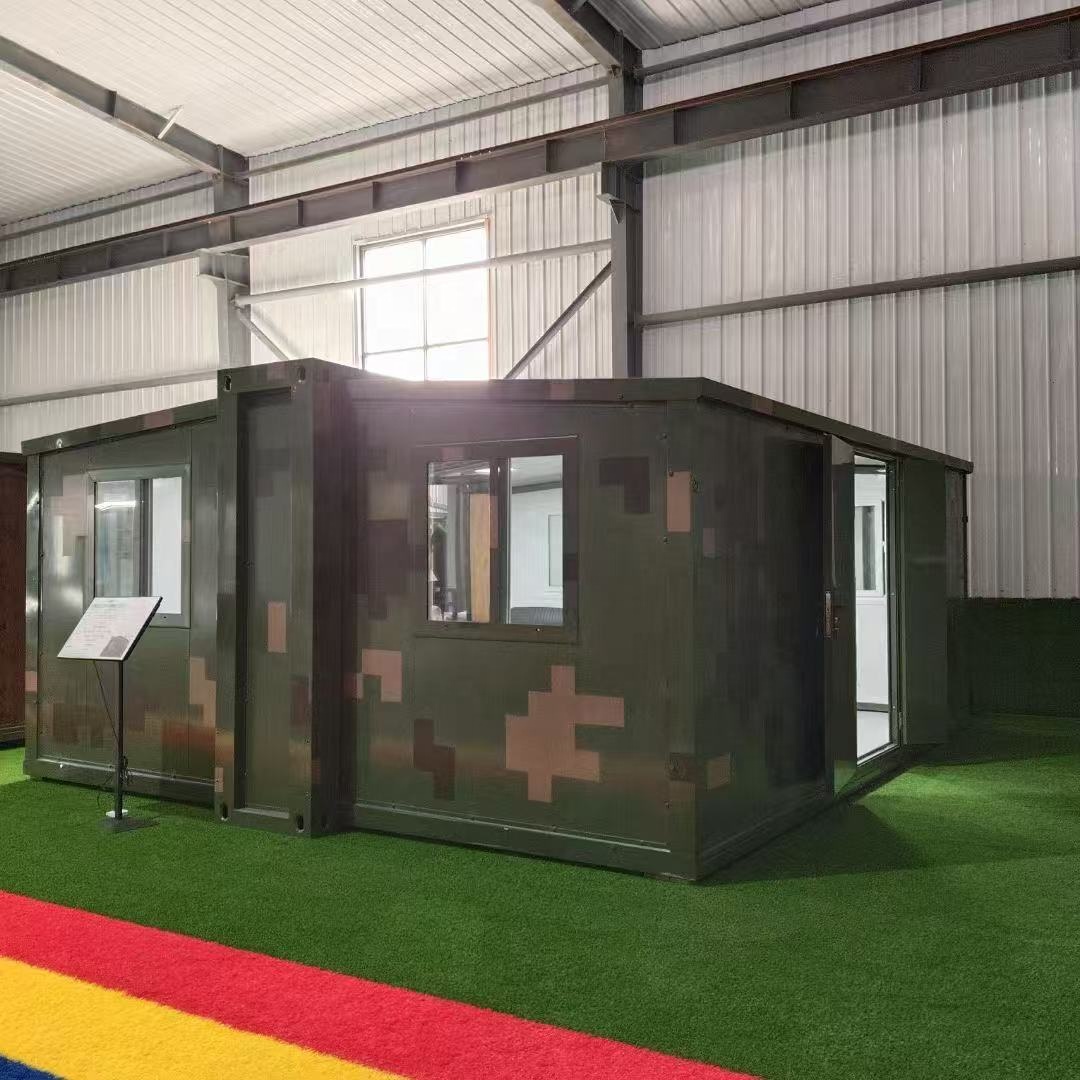 Movable Prefabricated Container House Villas Modular Portable Homes 1 Bedroom Container House Offices Apartments
 -
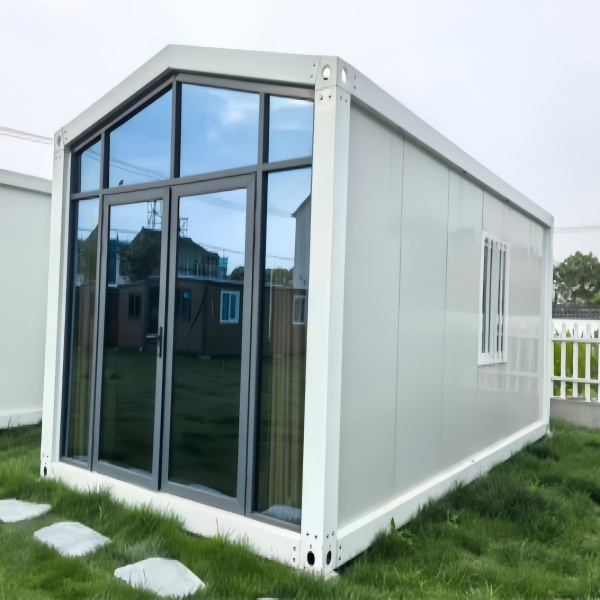 Waterproof folding container house – mobile accommodation for campsites/scenic spots
 -
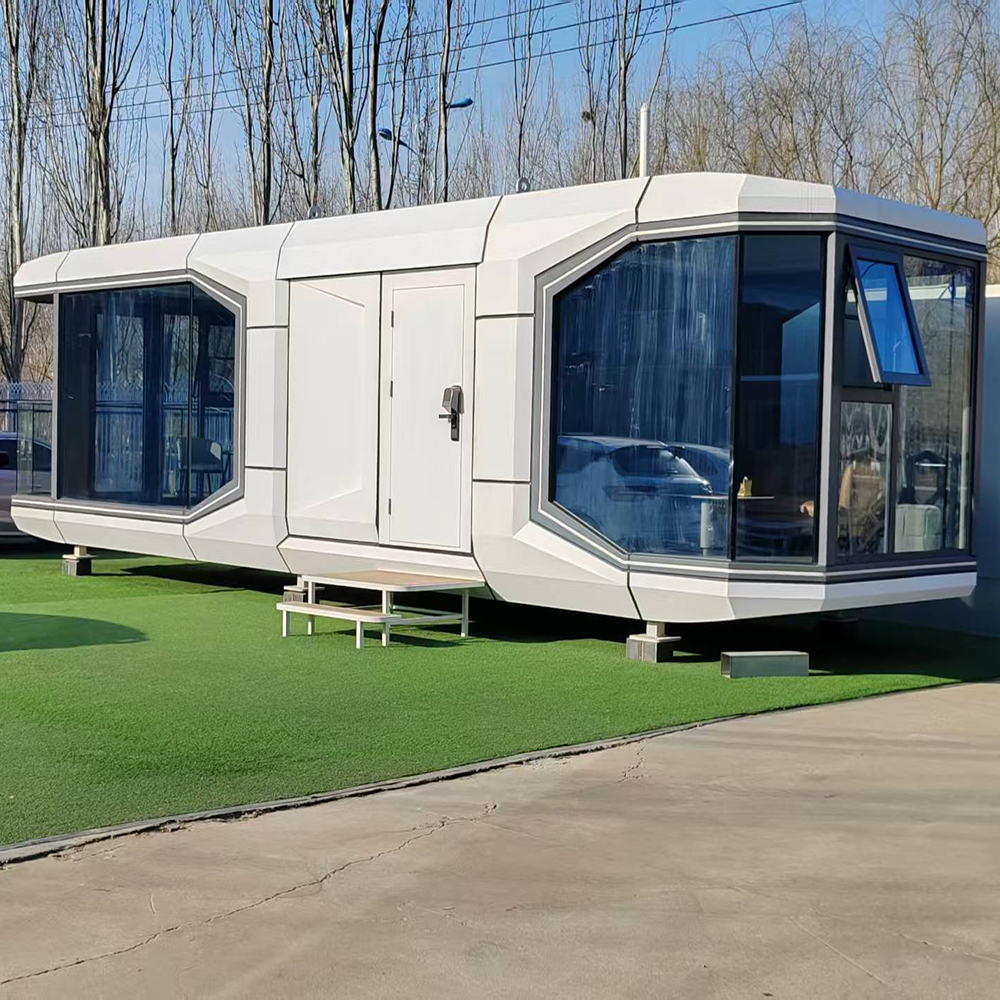 Luxury High Quality 2 Bedroom Container Home Prefabricated Steel Space Capsule for Office Shop Hotel or Outdoor House
 -
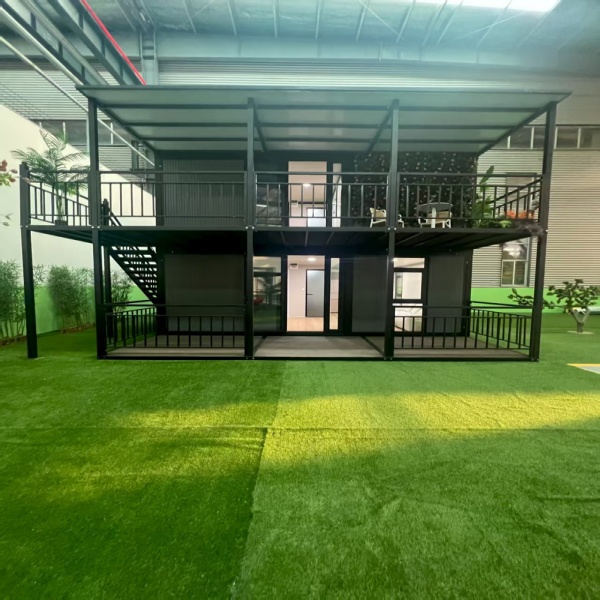 Luxury foldable two-story container houses in luxury resort hotels and villa hotels
 -
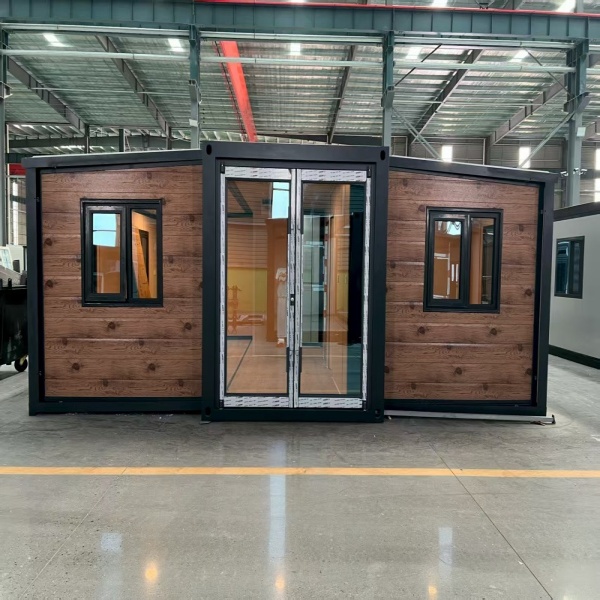 The foldable container house with side wing design can be quickly set up and is suitable for various environments.
Related search
Related search- China house that folds out
- mobile expandable prefab house
- 40ft expandable container house usa
- modern space capsule
- bastone mobile expandable prefab house 19ft x 20ft
- Buy expandable shipping container house
- Buy expanding container house
- apple cabin modular house
- China expandable house container
- China foldable mobile container house