
-
E-mail
Austin120521@outlook.com -
E-mail
sales@jujiuhouse.com -
Telephone
+86-17864099991 -
Telephone
+86-17854044442
- Chinese
- French
- German
- Portuguese
- Spanish
- Russian
- Japanese
- Korean
- Arabic
- Irish
- Greek
- Turkish
- Italian
- Danish
- Romanian
- Indonesian
- Czech
- Afrikaans
- Swedish
- Polish
- Basque
- Catalan
- Esperanto
- Hindi
- Lao
- Albanian
- Amharic
- Armenian
- Azerbaijani
- Belarusian
- Bengali
- Bosnian
- Bulgarian
- Cebuano
- Chichewa
- Corsican
- Croatian
- Dutch
- Estonian
- Filipino
- Finnish
- Frisian
- Galician
- Georgian
- Gujarati
- Haitian
- Hausa
- Hawaiian
- Hebrew
- Hmong
- Hungarian
- Icelandic
- Igbo
- Javanese
- Kannada
- Kazakh
- Khmer
- Kurdish
- Kyrgyz
- Latin
- Latvian
- Lithuanian
- Luxembou..
- Macedonian
- Malagasy
- Malay
- Malayalam
- Maltese
- Maori
- Marathi
- Mongolian
- Burmese
- Nepali
- Norwegian
- Pashto
- Persian
- Punjabi
- Serbian
- Sesotho
- Sinhala
- Slovak
- Slovenian
- Somali
- Samoan
- Scots Gaelic
- Shona
- Sindhi
- Sundanese
- Swahili
- Tajik
- Tamil
- Telugu
- Thai
- Ukrainian
- Urdu
- Uzbek
- Vietnamese
- Welsh
- Xhosa
- Yiddish
- Yoruba
- Zulu
- Kinyarwanda
- Tatar
- Oriya
- Turkmen
- Uyghur




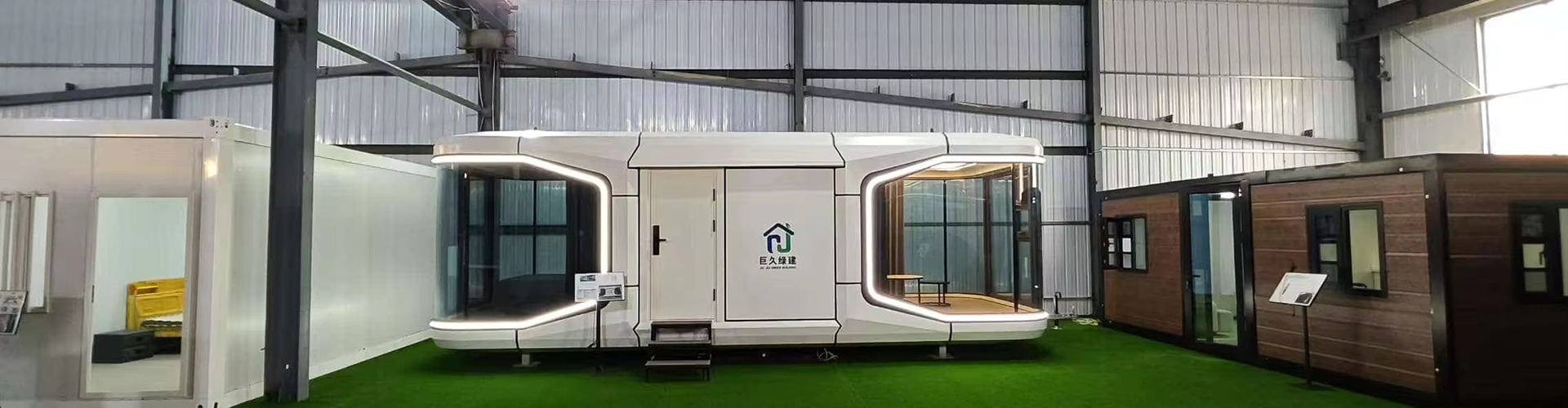
China z type folding container house
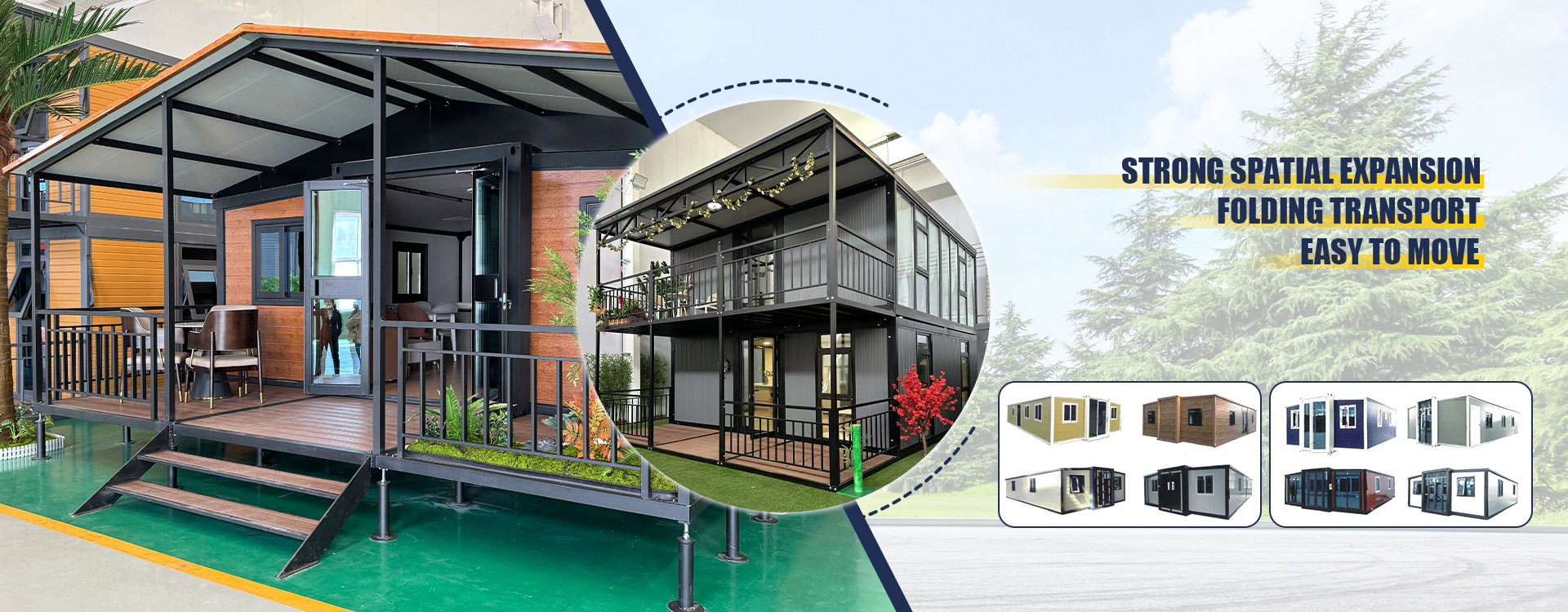
The Versatility of China Z Type Folding Container Houses
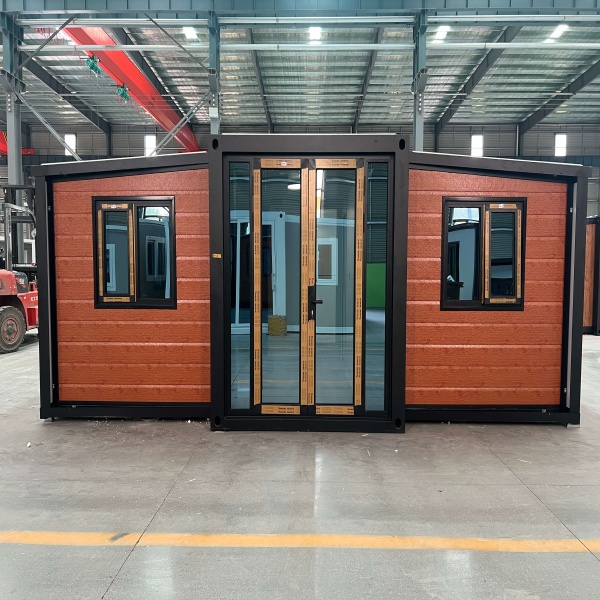
Growing interest in portable housing solutions has led many to explore options like the China Z type folding container house. These structures offer versatility and efficiency, but what should you really know before diving in?
Understanding the Basics
When discussing China Z type folding container houses, it’s crucial to start with a clear understanding of what they actually are. At their core, these are prefabricated buildings designed for easy transport and quick assembly. Their ‘Z type’ folding mechanism allows them to be compactly shipped and rapidly unfolded at the destination.
One common misconception is that all container houses provide the same durability and thermal insulation. While they are often economical, understanding the specific materials used is key. Some manufacturers, like SHANDONG JUJIU INTEGRATED HOUSING CO, LTD, emphasize quality in their production, using light steel structures and efficient thermal insulation methods.
Visiting https://www.jujiuhouse.com, you'll see the diversity in design and application available, which can be tailored to individual or project-specific needs. This adaptability is what sets the ‘Z type’ apart from typical container homes.
Real-World Applications
Through direct observation, these folding container houses have shown their flexibility in various sectors. From temporary office spaces on construction sites to emergency housing during disaster relief operations, their utility is evident. One of the most striking examples I've experienced was on a remote mining site in Inner Mongolia, where rapid deployment was critical.
While these projects often run smoothly, challenges do arise. In harsh weather conditions, for instance, ensuring proper sealing and structural stability can become complex, demanding close attention during installation. It's a good reminder that even with user-friendly systems, professional guidance is sometimes invaluable.
SHANDONG JUJIU INTEGRATED HOUSING CO,LTD offers compelling solutions to such issues through their design and implementation strategies, focusing on robust engineering and material quality.
Cost Considerations and Value
The appeal of container houses often lies in their cost-effectiveness. However, pinpointing the exact expenses can be tricky. Initial prices might seem low, but it's essential to consider transportation, groundwork, permits, and the inclusion of utilities. I've seen project budgets swell due to oversight on these fronts.
In choosing a provider, reputation and proven track records, like those of SHANDONG JUJIU INTEGRATED HOUSING CO,LTD, which integrates research and high-quality production processes, can provide an assurance of value beyond mere cost savings. This can prevent unnecessary headaches down the line.
The longevity of a well-constructed folding container house can far outweigh the initial expense, especially when considering long-term flexibility and operational savings.
Sustainability Aspects
Many are drawn to container homes for their potential environmental benefits. By repurposing containers or using sustainable materials, these houses can significantly reduce the carbon footprint compared to traditional building methods.
The choices made within the design and supply chain deeply affect these outcomes. Utilizing responsibly sourced materials and efficient production processes, companies like SHANDONG JUJIU INTEGRATED HOUSING CO,LTD contribute positively to this aspect.
Though marketed as eco-friendly, such claims should always be scrutinized. It's not just about marketing—it involves a genuine commitment to sustainability, a promise evident in the conscientious operations of trusted companies in the field.
Future Prospects
Looking forward, the scope of China Z type folding container houses is set to expand. With global demands for adaptive housing on the rise, innovations in design and technology are essential. The integration of smart technology, improved modular connections, and renewable energy sources are trends gaining traction.
Companies like SHANDONG JUJIU INTEGRATED HOUSING CO, LTD are at the forefront, merging research with practical applications to enhance the usability and efficiency of these homes. Such forward-thinking approaches may very well redefine urban landscapes and rural connectivity alike.
It's an exciting time for the industry, rife with potential and challenges. Whether you're in construction, real estate, or planning your own low-impact home, these evolving designs promise to meet diverse needs with agility and style.
Related products
Related products
Best selling products
Best selling products-
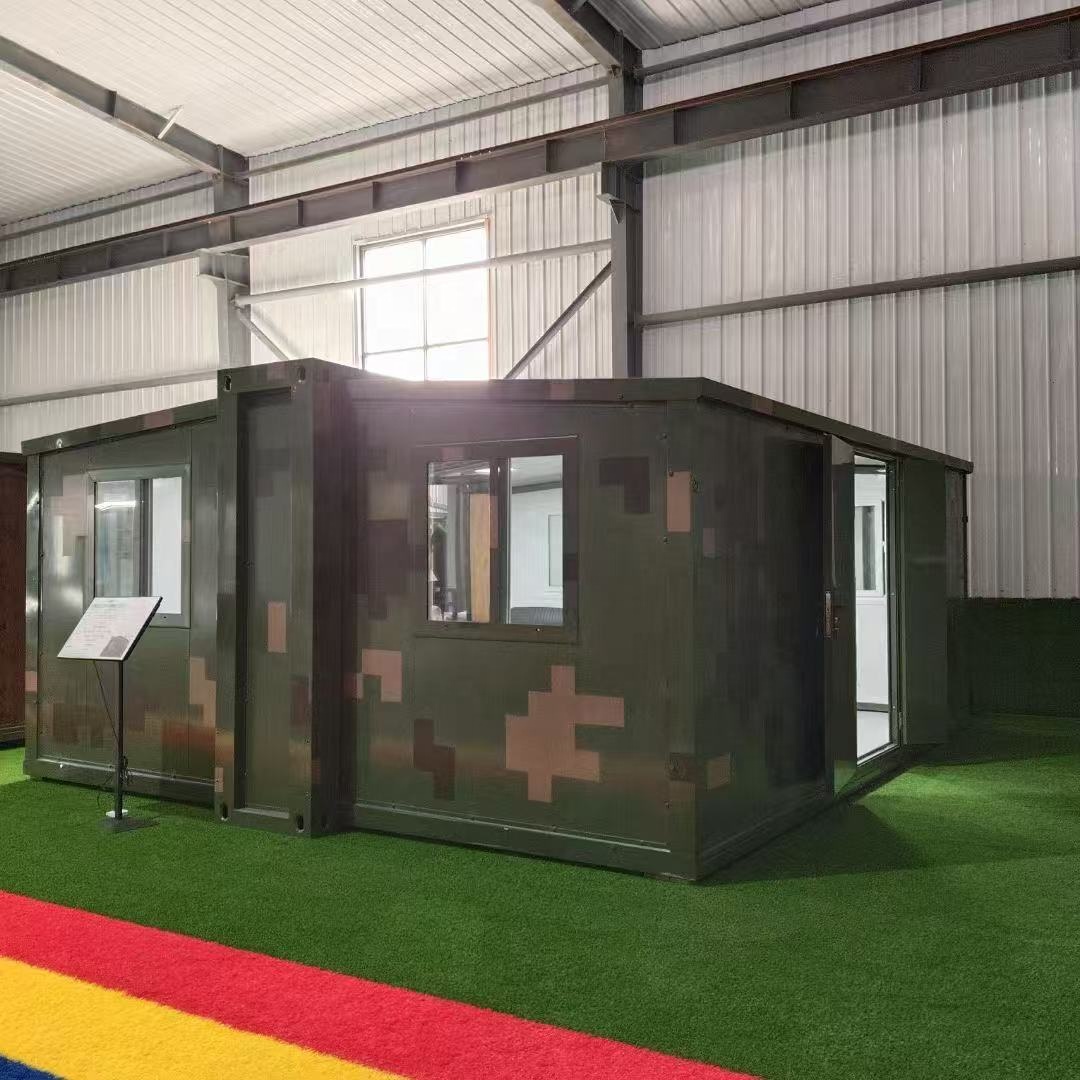 Movable Prefabricated Container House Villas Modular Portable Homes 1 Bedroom Container House Offices Apartments
 -
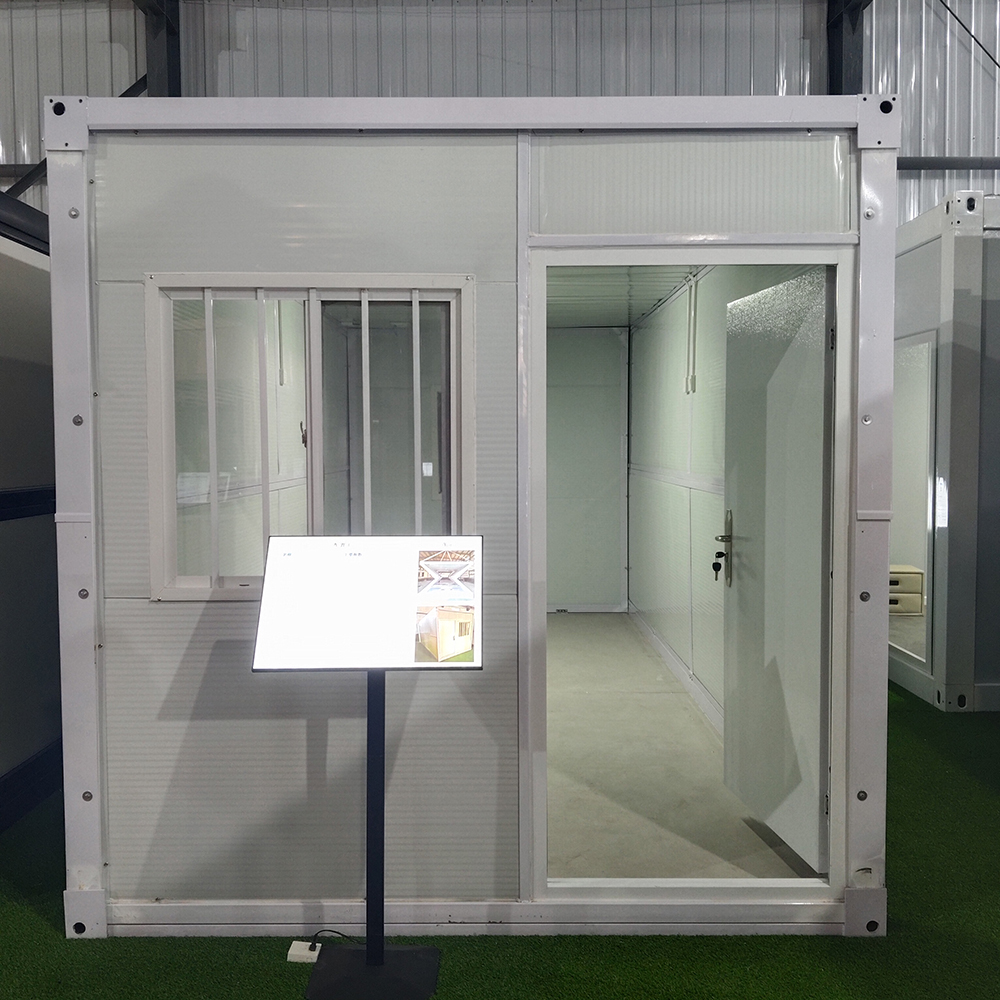 Reasonable Price 1 Bedroom Modular Container House Folding Container Home for Villa or Apartment Use
 -
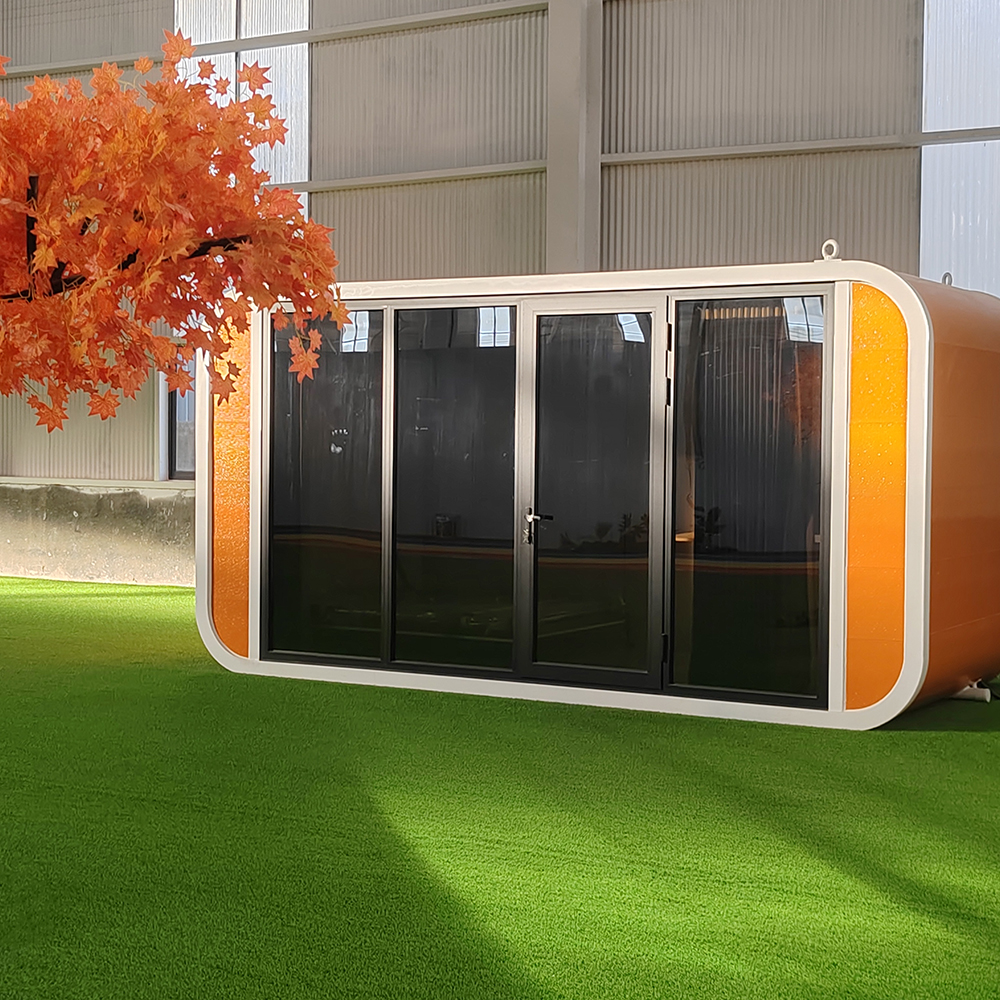 Luxury Prefabricated Living Container House Modular Glass Tiny House Prefab Container Home Apple Cabin
 -
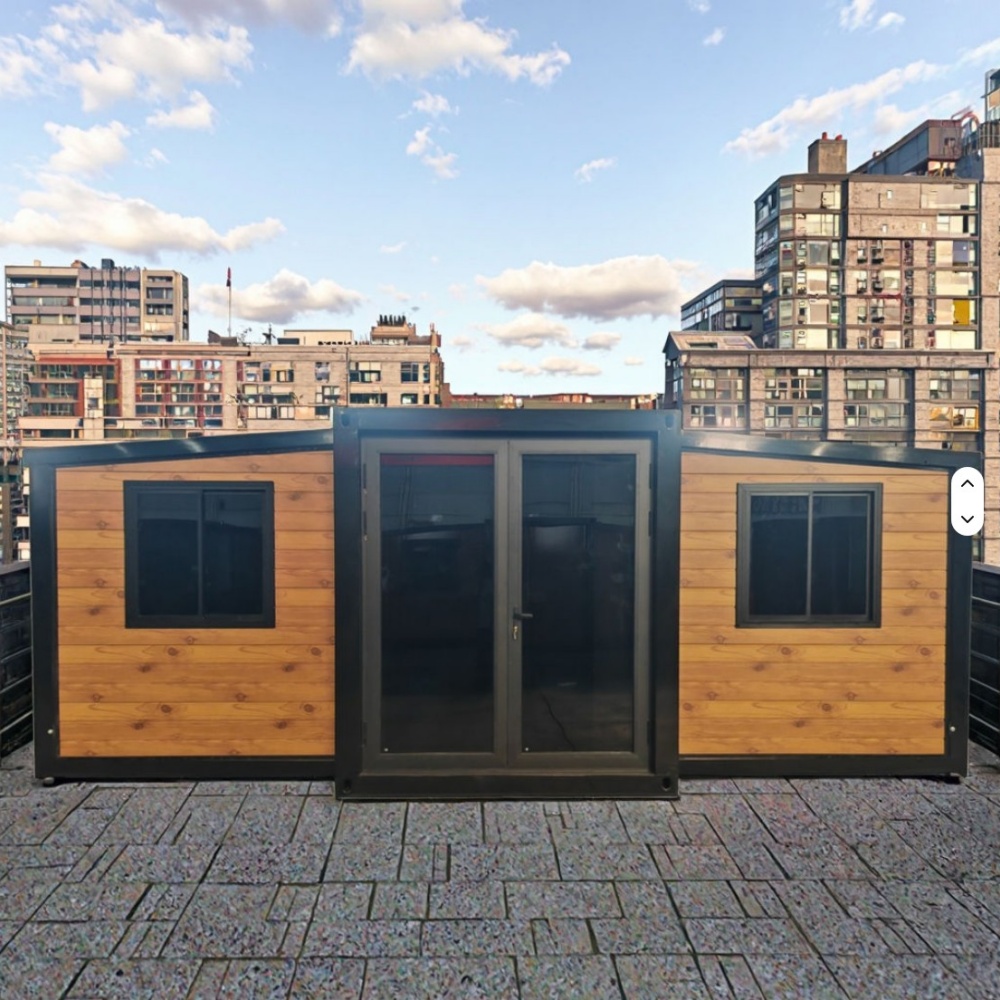 Customized Two Wing Folding Expandable Container House
 -
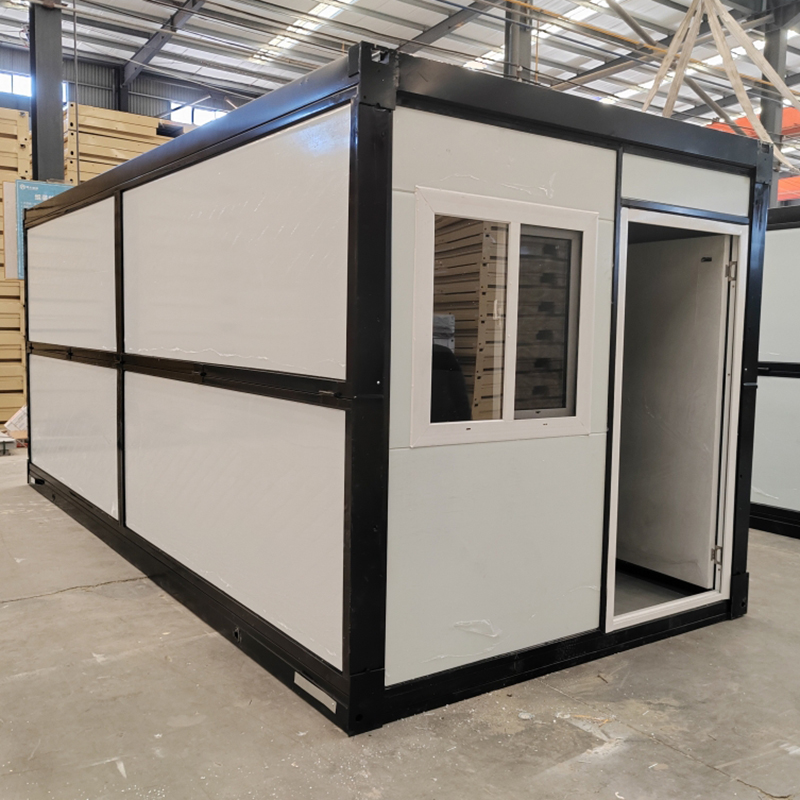 Detachable Design Prefabricated Container House Portable Modular Office Building Folding Container House
 -
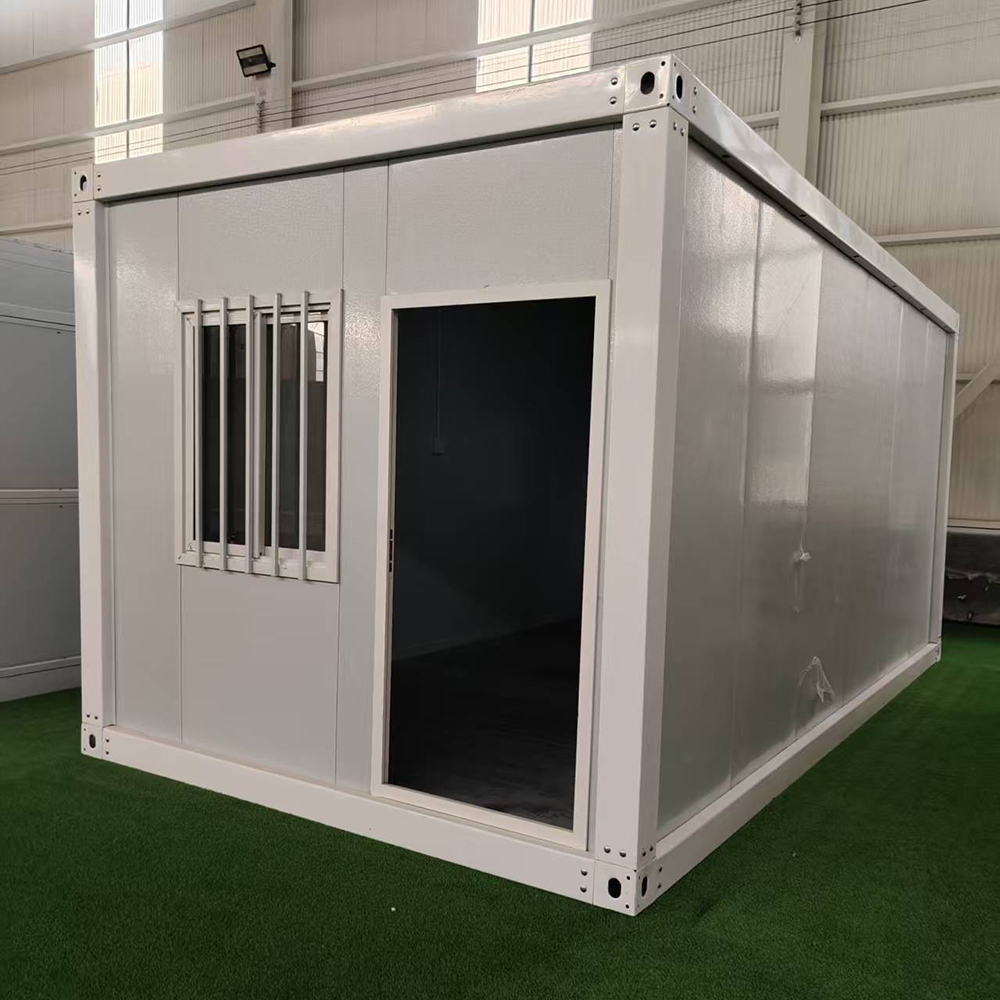 Folding Container Moving House Modular Office Container House Prefab Container for Outdoor Use
 -
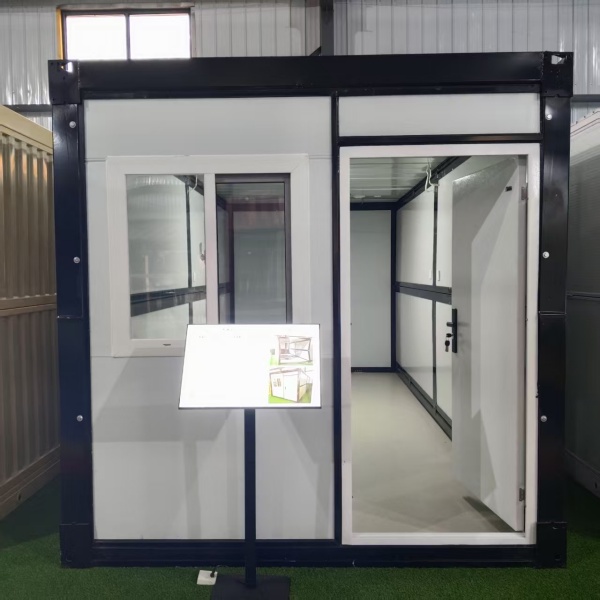 Hot-selling foldable container houses, expandable prefabricated houses, suitable for office or living use, with fast delivery.
 -
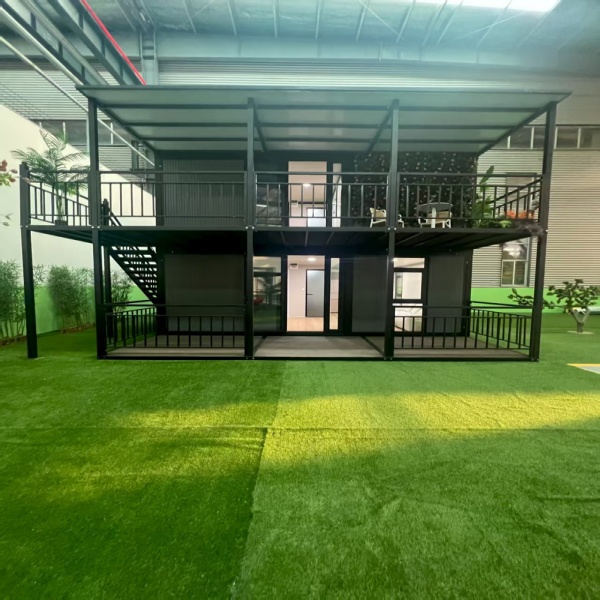 Luxury foldable two-story container houses in luxury resort hotels and villa hotels
 -
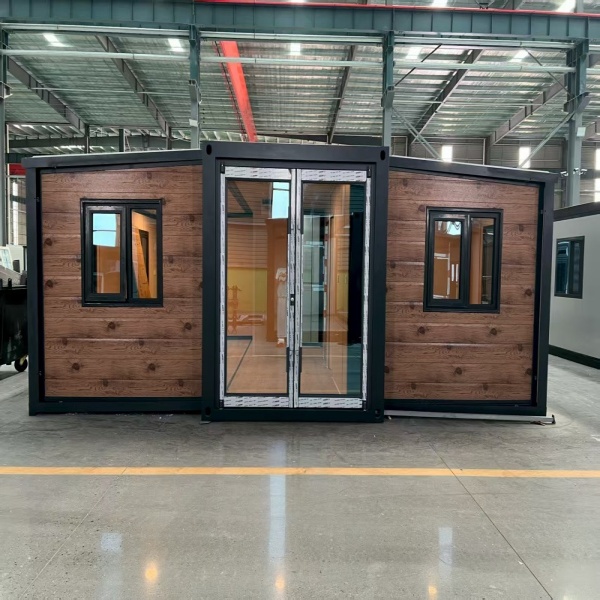 The foldable container house with side wing design can be quickly set up and is suitable for various environments.
 -
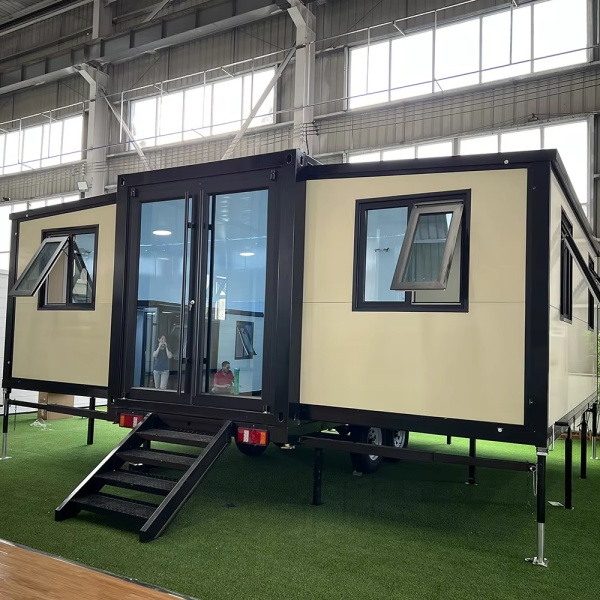 Stair Access Double Wing Expandable Container House | Easy Installation Mobile Office
 -
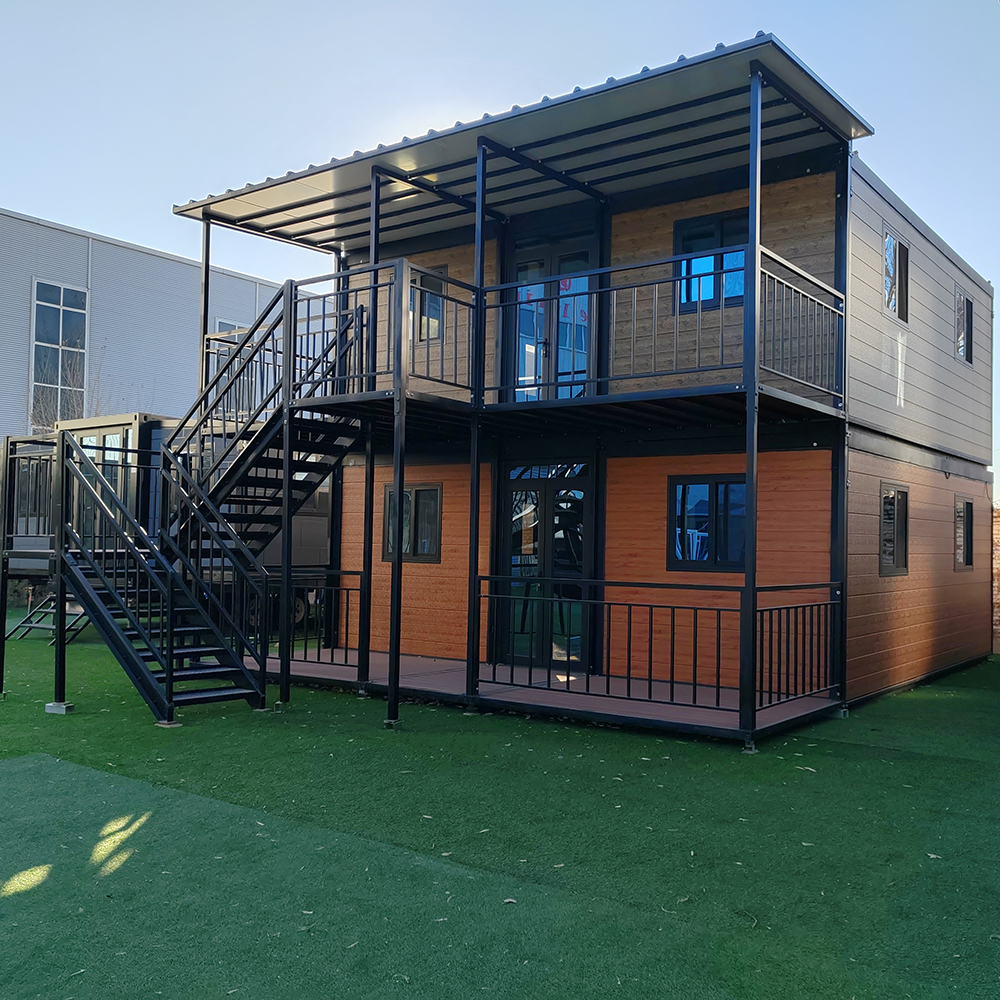 Easy Install Customized Detachable Container Homes Extendable House Prefab 2 Floors Expandable Container House
 -
Two Wing Folding Expandable Container House
Related search
Related search- cheap wholesale price folding prefabricated house
- Buy prefab container house
- cabins near apple barn
- Buy prefab container house price
- Buy fold out houses for sale
- China mobile homes modern 2 bedroom portable prefab container expandable house
- China modular modern container house tiny home prefabricated
- container homes fold out
- China prefabricated expandable container house
- z folding container house