
-
E-mail
Austin120521@outlook.com -
E-mail
sales@jujiuhouse.com -
Telephone
+86-17864099991 -
Telephone
+86-17854044442
- Chinese
- French
- German
- Portuguese
- Spanish
- Russian
- Japanese
- Korean
- Arabic
- Irish
- Greek
- Turkish
- Italian
- Danish
- Romanian
- Indonesian
- Czech
- Afrikaans
- Swedish
- Polish
- Basque
- Catalan
- Esperanto
- Hindi
- Lao
- Albanian
- Amharic
- Armenian
- Azerbaijani
- Belarusian
- Bengali
- Bosnian
- Bulgarian
- Cebuano
- Chichewa
- Corsican
- Croatian
- Dutch
- Estonian
- Filipino
- Finnish
- Frisian
- Galician
- Georgian
- Gujarati
- Haitian
- Hausa
- Hawaiian
- Hebrew
- Hmong
- Hungarian
- Icelandic
- Igbo
- Javanese
- Kannada
- Kazakh
- Khmer
- Kurdish
- Kyrgyz
- Latin
- Latvian
- Lithuanian
- Luxembou..
- Macedonian
- Malagasy
- Malay
- Malayalam
- Maltese
- Maori
- Marathi
- Mongolian
- Burmese
- Nepali
- Norwegian
- Pashto
- Persian
- Punjabi
- Serbian
- Sesotho
- Sinhala
- Slovak
- Slovenian
- Somali
- Samoan
- Scots Gaelic
- Shona
- Sindhi
- Sundanese
- Swahili
- Tajik
- Tamil
- Telugu
- Thai
- Ukrainian
- Urdu
- Uzbek
- Vietnamese
- Welsh
- Xhosa
- Yiddish
- Yoruba
- Zulu
- Kinyarwanda
- Tatar
- Oriya
- Turkmen
- Uyghur




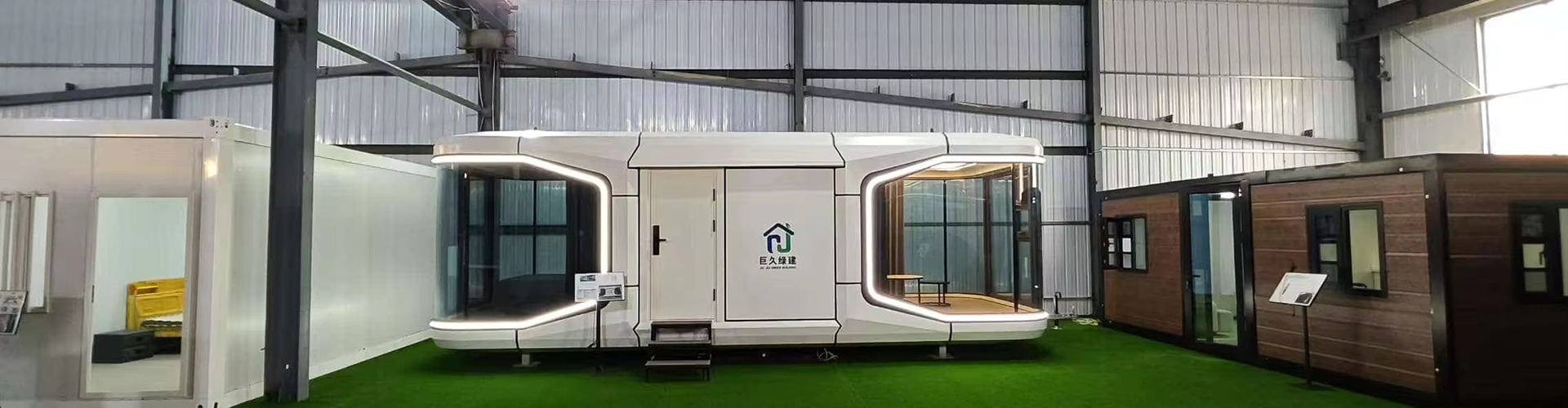
economical prefabricated modular mobile portable container house
The Growing Appeal of Economical Prefabricated Modular Mobile Portable Container Houses
Economical prefabricated modular mobile portable container houses are rapidly transforming the landscape of affordable housing. But what makes these container houses appealing, and are they truly the answer to modern housing challenges? Here's a look through the eyes of someone who's been in the trenches, navigating the maze of construction logistics and customer expectations.
Understanding the Basics
When we talk about economical prefabricated modular mobile portable container houses, we're diving into a unique blend of flexibility and practicality. These houses can be assembled swiftly, a point that most people overlook. In my experience, the time-savings alone make them a compelling option. It’s not simply about speed, though; it’s about efficiency and adaptability. When we first began using these in various projects, our team at SHANDONG JUJIU INTEGRATED HOUSING CO,LTD realized quickly that the ease of customization set them apart. You can learn more about our journey and offerings at our website.
That said, misconceptions abound. Many see container houses as soulless, industrial boxes—a notion I once held, admittedly. But having worked closely with these structures, I've witnessed firsthand their potential to be aesthetically pleasing and surprisingly cozy. It’s like watching a blank canvas transform into a piece of art, and all it takes is thoughtful design and quality materials.
In terms of materials, the focus is on durability and insulation. It's essential to choose the right kind of steel and insulating layers. During one installation project, we experimented with different insulation types and found that a combination approach, using both traditional and newer eco-friendly materials, struck the right balance. Mistakes teach us the most; it's vital to remain open to trial and error.
Practical Applications and Market Trends
The market for these structures is growing, particularly in urban centers where space is limited and construction costs are high. Shandong Jujiu has responded to this trend by emphasizing not just affordability, but also sustainability. The need to reduce our environmental footprint in construction gets more critical each year.
When we first started integrating solar panels and rainwater harvesting systems with our container houses, I must admit, there was skepticism. Yet, in recent projects, these features have become significant selling points for eco-conscious clients. The integration process is smoother than anticipated, largely because of the inherent modularity of the structures. It's a pleasant surprise how quickly the market adapts when you give it solid, value-add solutions.
There are, of course, challenges. One particular project uncovered regulatory gray areas—zoning laws can be surprisingly tricky. It's something I always caution new clients about: check local regulations early in the process. We learned to engage with local authorities proactively, ensuring compliance without compromising on design and functionality.
Customization: Creativity and Challenges
Customization is where container houses truly shine, offering a blank slate for architects and designers. It was during a bespoke project for a tech startup that we fully harnessed this potential. They required open spaces and multifunctional rooms, which we achieved using a combination of expandable sections and modular interiors. The client’s satisfaction confirmed the effectiveness of such an approach.
Not every customization is straightforward, though. It's a delicate balance between client dreams and logistical reality. I often tell clients, Let’s dream big, but also dream realistically. The key is transparent communication from the onset.
One of the more interesting custom features I’ve worked on involved a detachable unit that doubled as an office and entertainment room. The engineering required pushed boundaries, but the result was immensely gratifying. It turned heads and challenged preconceived norms about what container houses could offer.
The Economic Perspective
From an economical standpoint, container houses are life-savers for budget-conscious buyers. This is especially true in remote areas or places with labor shortages. Reflecting on a project undertaken in a rural setting, the logistical ease of transporting and assembling these units was revolutionary compared to traditional methods.
However, costs can escalate if not managed carefully. One common pitfall is underestimating the total project scope—I've seen it happen more than I'd like. A detailed project plan and continual oversight are non-negotiables. At SHANDONG JUJIU, our project managers are trained to anticipate hiccups before they become costly mistakes.
While initial expenses are lower, it’s essential to note the potential for additional costs in customization and site preparation. Proper planning and clear agreements with contractors help mitigate these risks significantly.
Looking Forward: The Future of Container Houses
The future looks promising for economical prefabricated modular mobile portable container houses. As technology advances, so do the possibilities for these versatile units. Smart home features and advanced modular designs are just around the corner, possibly transforming the way we think about living spaces completely.
At SHANDONG JUJIU, continuous innovation is a priority. Our team is currently exploring hybrid models that blend traditional aesthetics with modern efficiency, aiming for a market that's ready for a housing revolution. There's excitement in the air, a reminder of the field’s potential to redefine norms once again.
In conclusion, while challenges persist, the benefits overshadow them. Whether you’re a seasoned contractor or a prospective homeowner, understanding the nuances of container housing can lead to smarter, more sustainable choices. The journey of discovery in this field continues to be as captivating as it is challenging.
Related products
Related products
Best selling products
Best selling products-
 Reasonable Price 1 Bedroom Modular Container House Folding Container Home for Villa or Apartment Use
 -
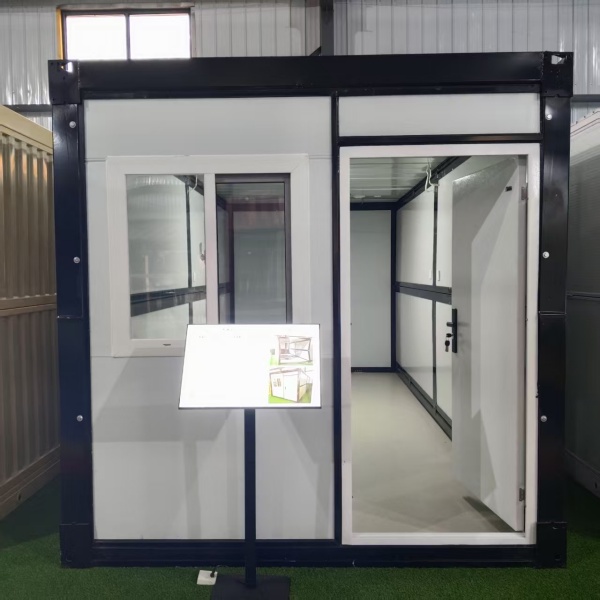 Factory Direct Sales Office Folding Container Luxury House Living Container House
 -
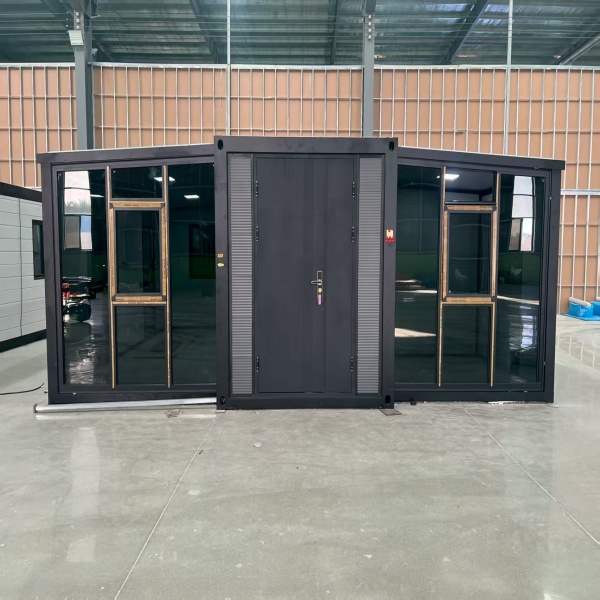 Customizable Office Mobile Home with Flat Roof and Double Wing Expansion Box, Convenient Container
 -
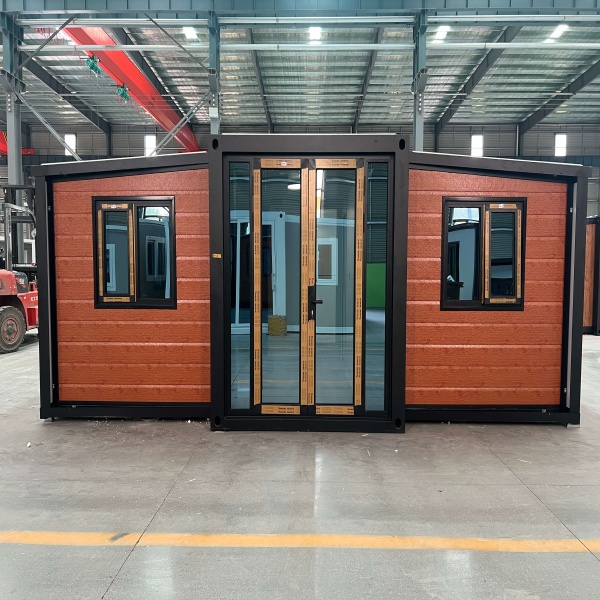 High-quality Double-wing Folding Container House with Doors and Windows, Insulated Walls, Suitable for Various Scenarios.
 -
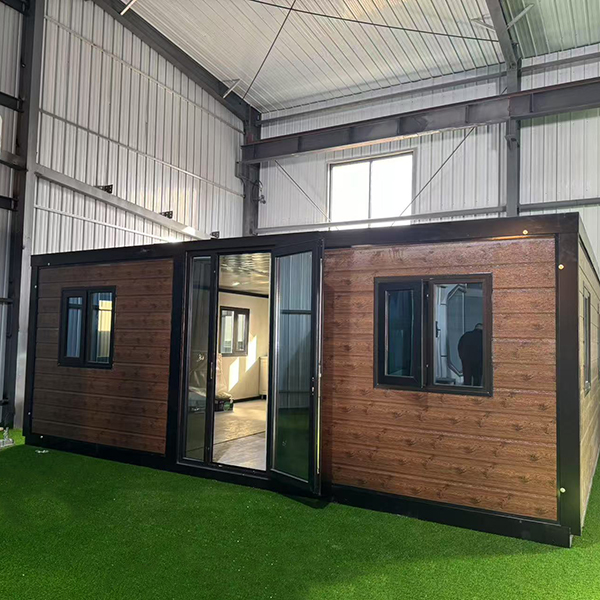 Good Quality Modular Homes Prefabricated House Expandable Container House 20FT Mobile Flat Roof House
 -
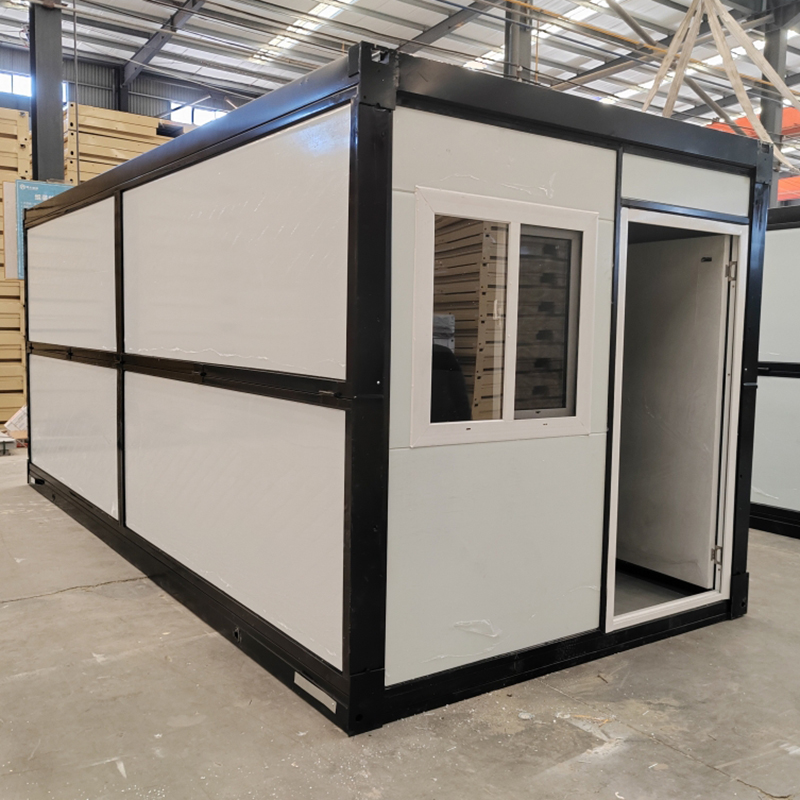 Detachable Design Prefabricated Container House Portable Modular Office Building Folding Container House
 -
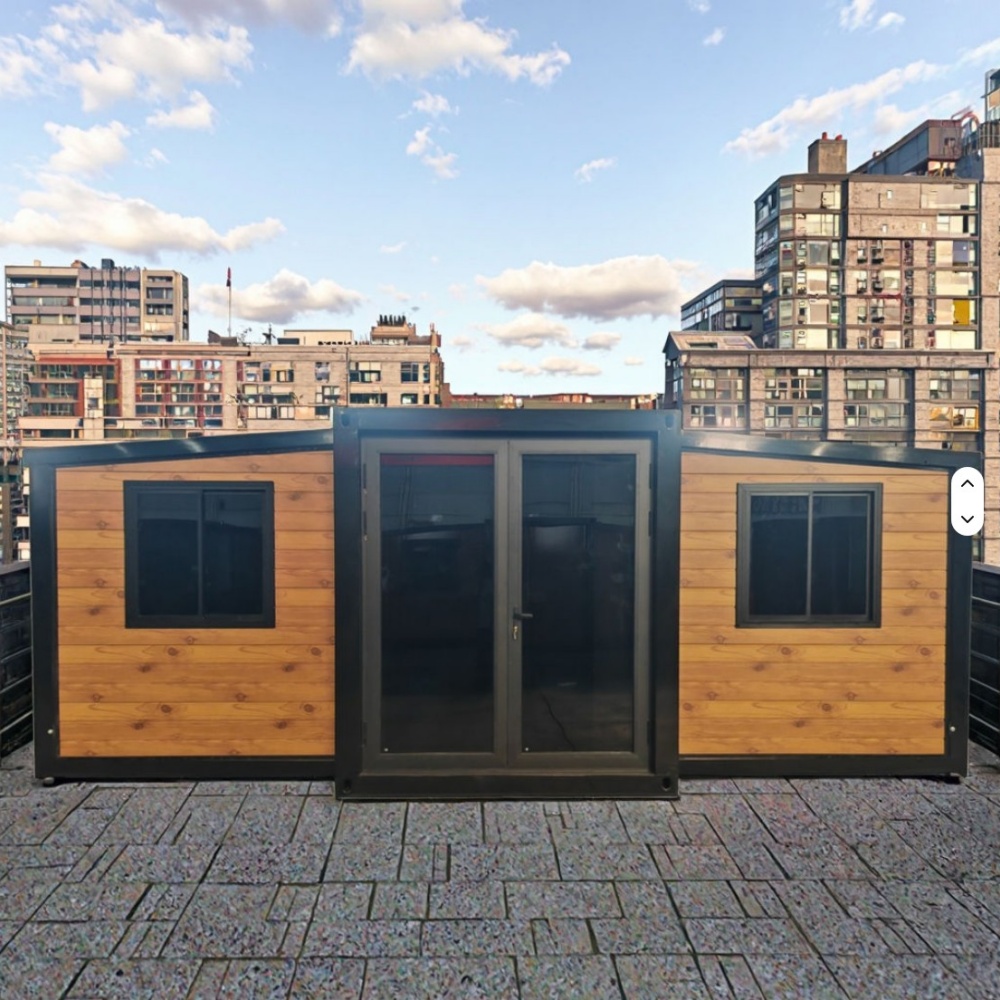 Customized Two Wing Folding Expandable Container House
 -
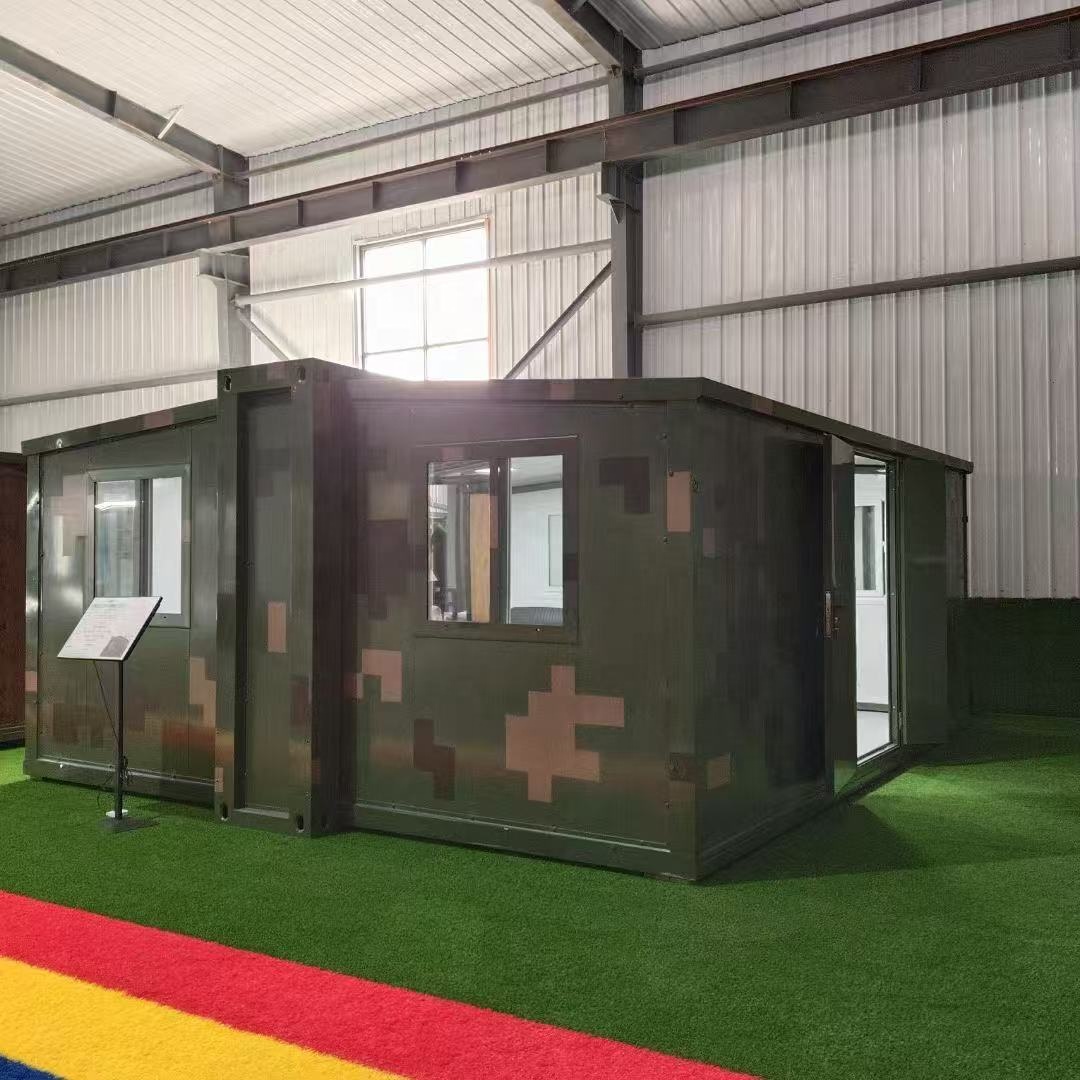 Movable Prefabricated Container House Villas Modular Portable Homes 1 Bedroom Container House Offices Apartments
 -
 Luxury Foldable Two Story Container House for Glamping Resort and Villa Hotel
 -
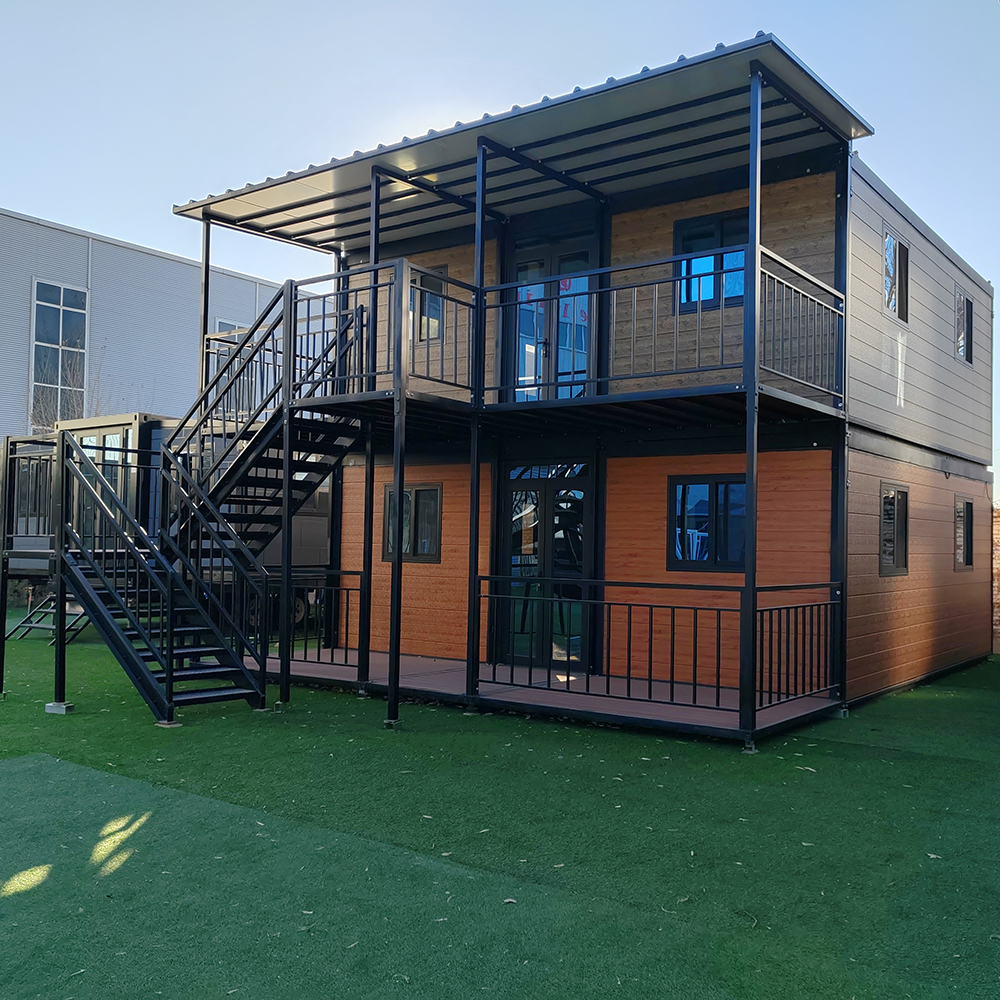 Easy Install Customized Detachable Container Homes Extendable House Prefab 2 Floors Expandable Container House
 -
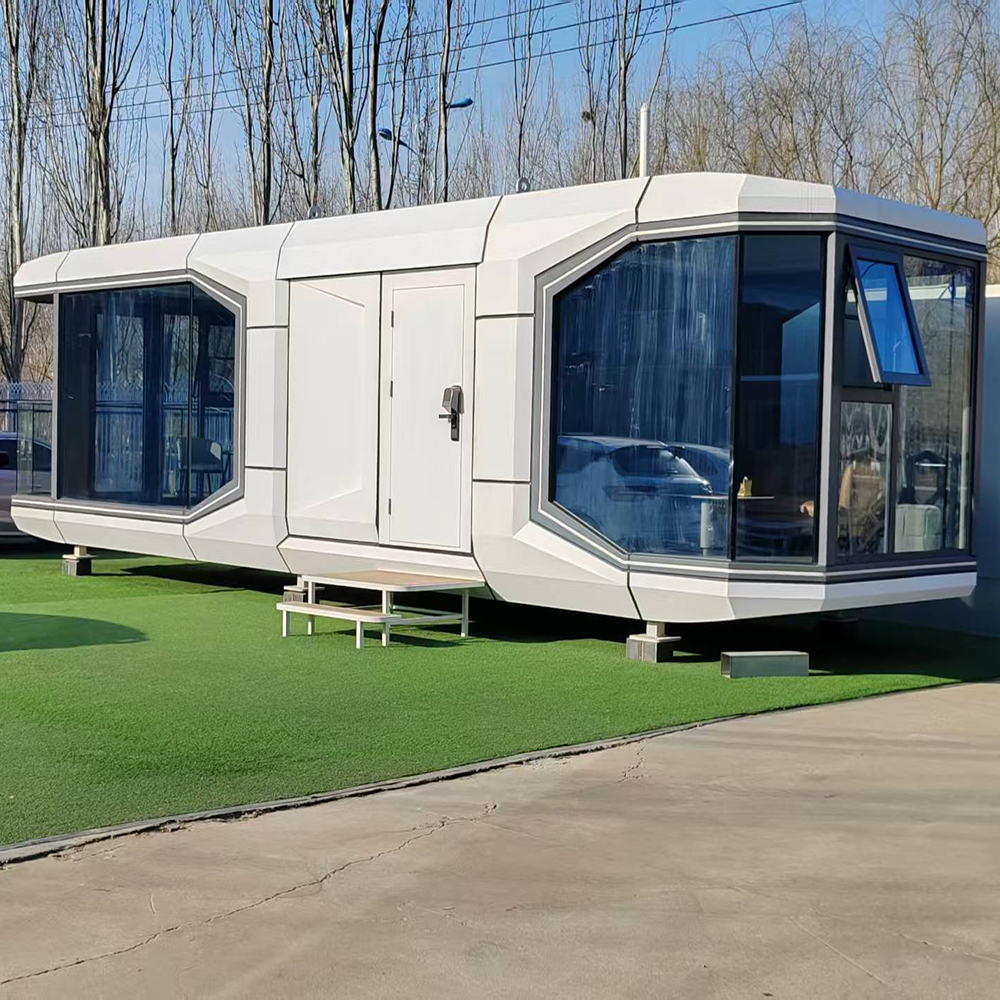 Luxury High Quality 2 Bedroom Container Home Prefabricated Steel Space Capsule for Office Shop Hotel or Outdoor House
 -
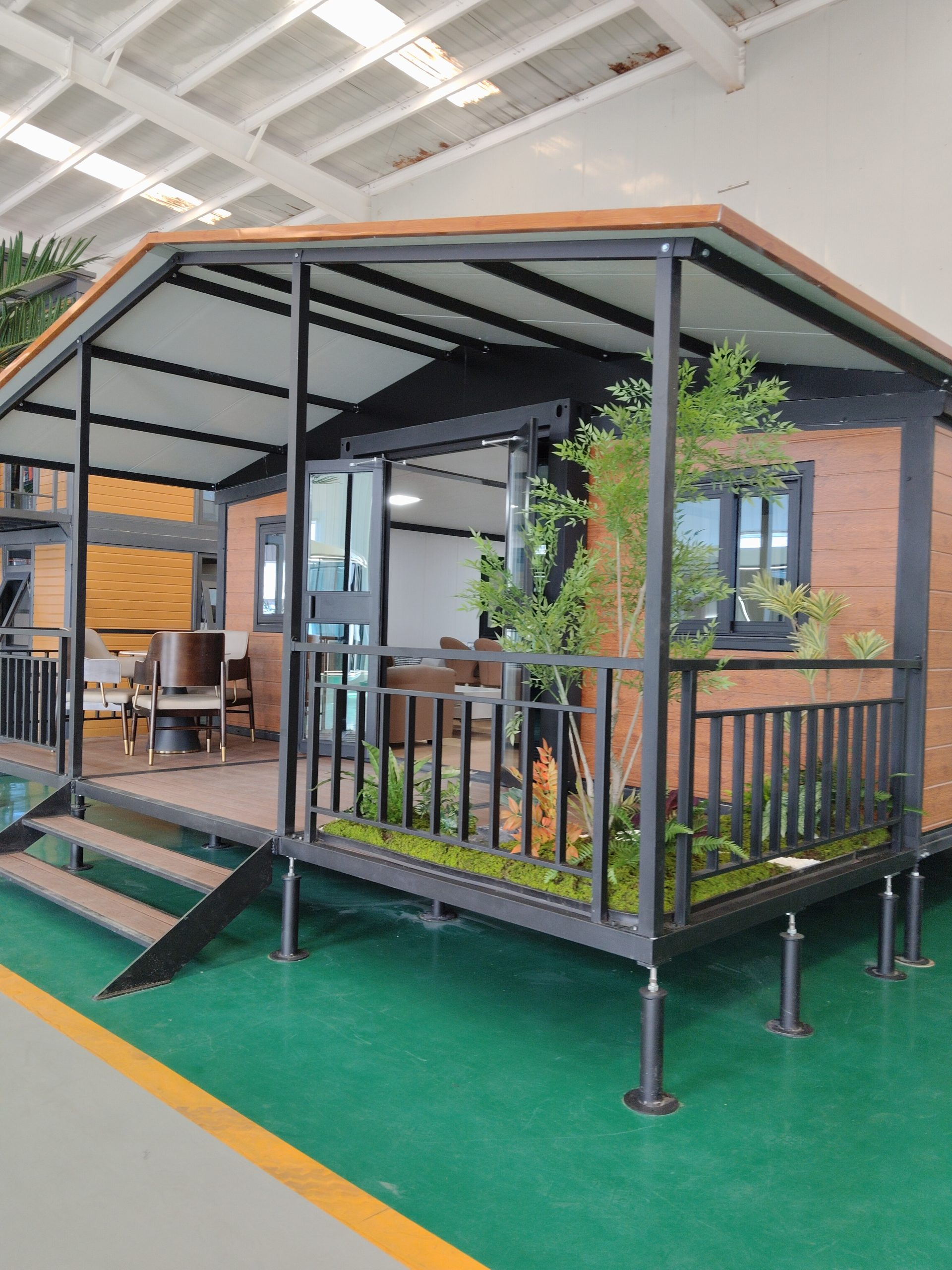 A container house with a terrace and double-wing folding design, suitable for various purposes such as offices, meeting rooms, living rooms, etc.