
-
E-mail
Austin120521@outlook.com -
E-mail
sales@jujiuhouse.com -
Telephone
+86-17864099991 -
Telephone
+86-17854044442
- Chinese
- French
- German
- Portuguese
- Spanish
- Russian
- Japanese
- Korean
- Arabic
- Irish
- Greek
- Turkish
- Italian
- Danish
- Romanian
- Indonesian
- Czech
- Afrikaans
- Swedish
- Polish
- Basque
- Catalan
- Esperanto
- Hindi
- Lao
- Albanian
- Amharic
- Armenian
- Azerbaijani
- Belarusian
- Bengali
- Bosnian
- Bulgarian
- Cebuano
- Chichewa
- Corsican
- Croatian
- Dutch
- Estonian
- Filipino
- Finnish
- Frisian
- Galician
- Georgian
- Gujarati
- Haitian
- Hausa
- Hawaiian
- Hebrew
- Hmong
- Hungarian
- Icelandic
- Igbo
- Javanese
- Kannada
- Kazakh
- Khmer
- Kurdish
- Kyrgyz
- Latin
- Latvian
- Lithuanian
- Luxembou..
- Macedonian
- Malagasy
- Malay
- Malayalam
- Maltese
- Maori
- Marathi
- Mongolian
- Burmese
- Nepali
- Norwegian
- Pashto
- Persian
- Punjabi
- Serbian
- Sesotho
- Sinhala
- Slovak
- Slovenian
- Somali
- Samoan
- Scots Gaelic
- Shona
- Sindhi
- Sundanese
- Swahili
- Tajik
- Tamil
- Telugu
- Thai
- Ukrainian
- Urdu
- Uzbek
- Vietnamese
- Welsh
- Xhosa
- Yiddish
- Yoruba
- Zulu
- Kinyarwanda
- Tatar
- Oriya
- Turkmen
- Uyghur




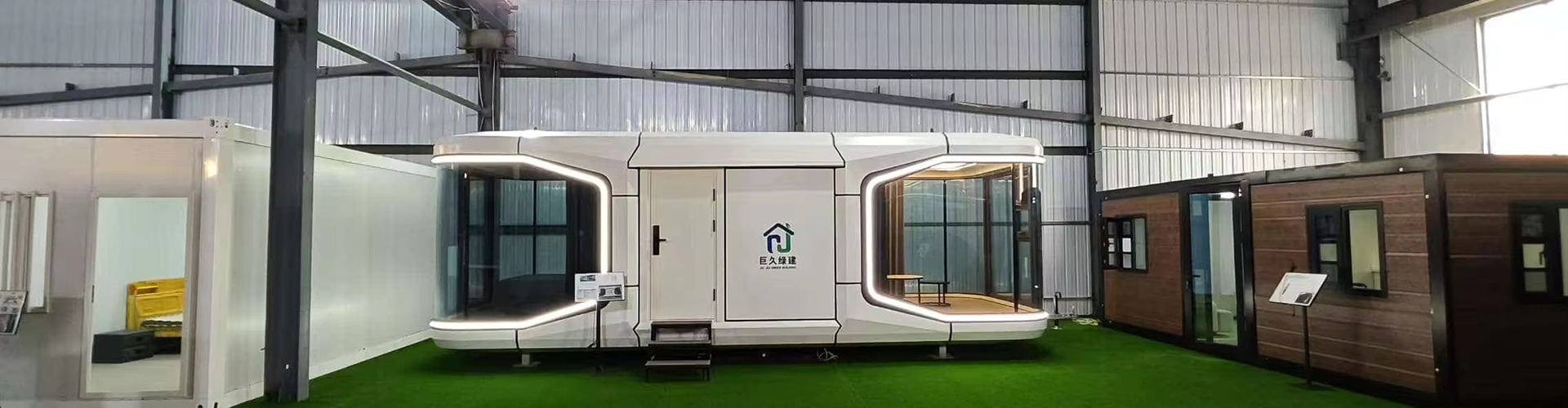
expandable container house price
Understanding the Cost of Expandable Container Houses
For many seeking alternative housing solutions, the concept of an expandable container house seems both innovative and practical. Prices can, however, fluctuate dramatically based on several factors, which I'll get into in a moment. These structures are far from uniform, and understanding what drives their cost is key.
The Basics of Expandable Container Houses
Expandable container houses are essentially modified shipping containers. At first glance, it seems like these would be a straightforward, cost-effective option. Yet, the variability in materials, design, and customization can lead to prices ranging from the surprisingly affordable to the unexpectedly high. Being well-versed in these nuances can save you both time and money.
Take Shandong Jujiu Integrated Housing Co., Ltd., for instance. They are known for integrating research, design, and production into their offerings. By visiting their website, https://www.jujiuhouse.com, you can get a sense of the diverse projects they handle, which all impact pricing differently.
Location is yet another factor. Costs can vary based on where these units are assembled and shipped. A container house might look cheap on paper, but transport and installation can inflate the price significantly, particularly if sited in remote areas.
Customization and Its Price Implications
Customization usually adds another layer of complexity. It's tempting to deck out your expandable container house with all the features you’ve dreamed of, but each addition—be it plumbing, insulation, or bespoke design—adds to the bill.
I’ve seen projects start out with a manageable budget, only to spiral out once customization options come into play. If you're considering a purchase, always factor in the hidden costs associated with these 'must-have' features.
By looking at companies like Shandong Jujiu Integrated Housing Co., Ltd., one can see how they offer a variety of customization options. This can be a double-edged sword: excellent for tailoring exactly what you need, yet potentially pricey.
Quality and Material Considerations
Quality of materials is one area where cutting costs can lead to future headaches. Opting for a cheaper build might save money in the short term, but these containers could suffer from longevity issues.
Steel quality is one factor. You'd be surprised at how varied steel compositions can affect both durability and price. Engaging with manufacturers that prioritize quality, like Shandong Jujiu, can provide better long-term value.
Not all steels are equal, and even things like paint types can influence both appearance and longevity. Look for watertight, rust-resistant options at companies with comprehensive offerings.
Practical Challenges and Costs
Let’s not overlook practical challenges. I've witnessed firsthand how site prep—like leveling ground or creating a foundation—can escalate costs. These are often overlooked when first budgeting for an expandable container house.
Weather considerations too, play a pivotal role. In areas prone to extreme weather, additional reinforcements or specialized construction techniques might be essential. All of these add up and sometimes come as a surprise to new buyers.
Partnering with comprehensive service providers such as Shandong Jujiu can mitigate some of these risks, as their expertise can better navigate these unforeseen costs.
The Final Price Tag
So what’s the final word on price? While it's important to start with a clear budget, remain flexible and open to adjustments. From my experience, setting aside a contingency fund specifically for potential overruns can alleviate future stress.
In the end, knowing your priorities and the value of reliable, quality materials and services can make the seemingly unpredictable pricing landscape of expandable container houses more manageable.
Choose suppliers that offer full transparency in pricing, like Shandong Jujiu Integrated Housing Co., Ltd., which can provide reliable estimates. This approach ensures that you're not only paying for a house but investing in a long-term housing solution.
Related products
Related products
Best selling products
Best selling products-
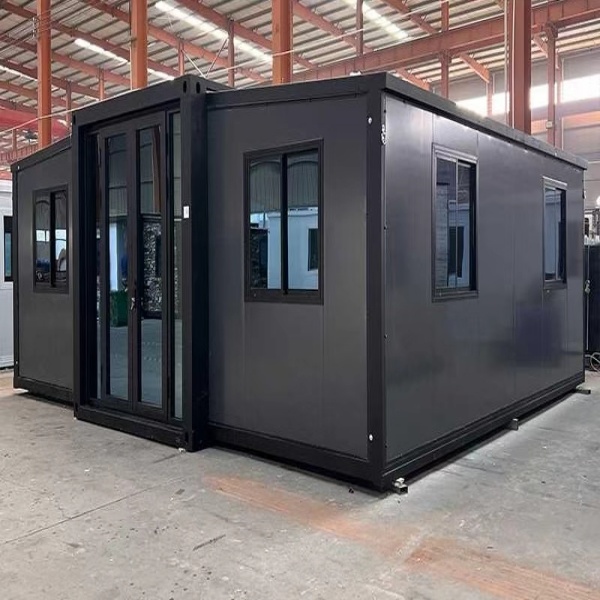 Dual-Wing Folding Container House: Fast Assembly, Space-Saving & Multi-Scene Adaptable
 -
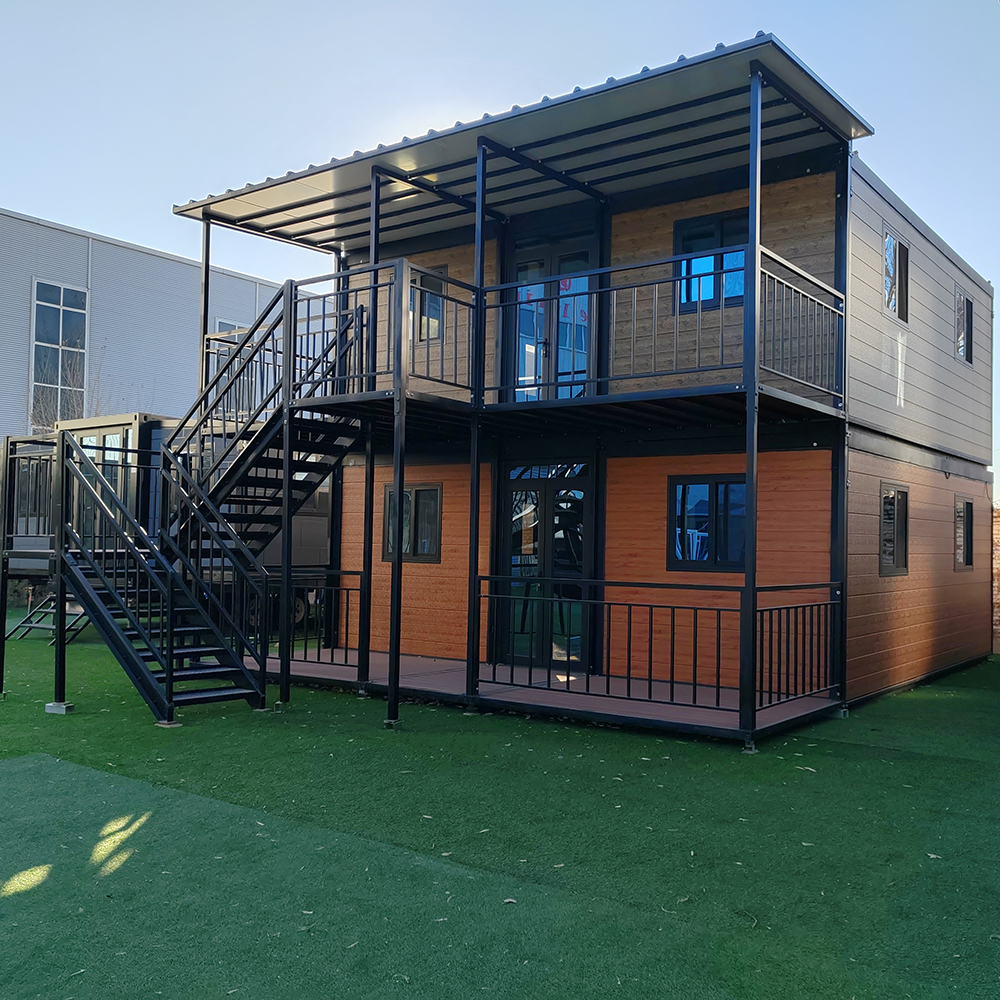 Easy Install Customized Detachable Container Homes Extendable House Prefab 2 Floors Expandable Container House
 -
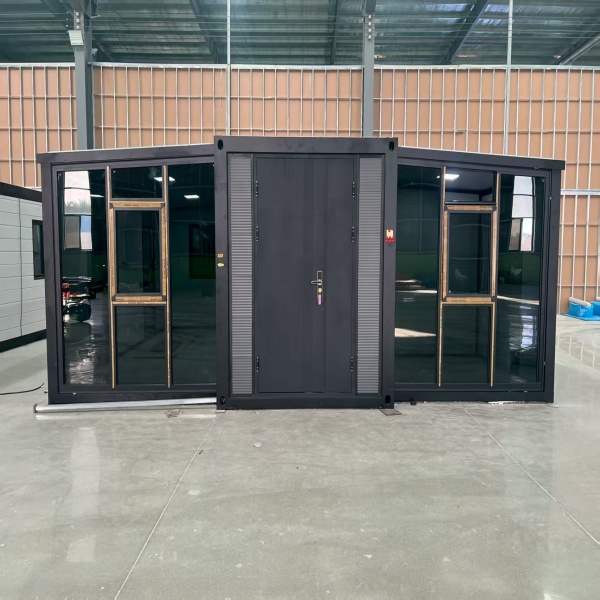 Customizable Office Mobile Home with Flat Roof and Double Wing Expansion Box, Convenient Container
 -
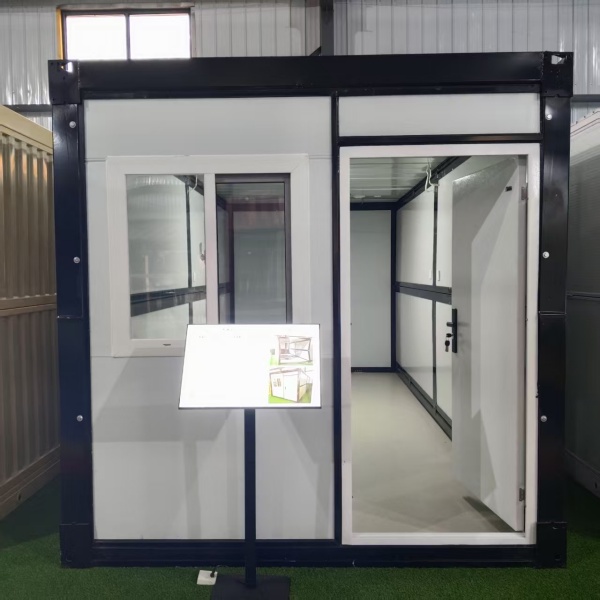 Hot-selling foldable container houses, expandable prefabricated houses, suitable for office or living use, with fast delivery.
 -
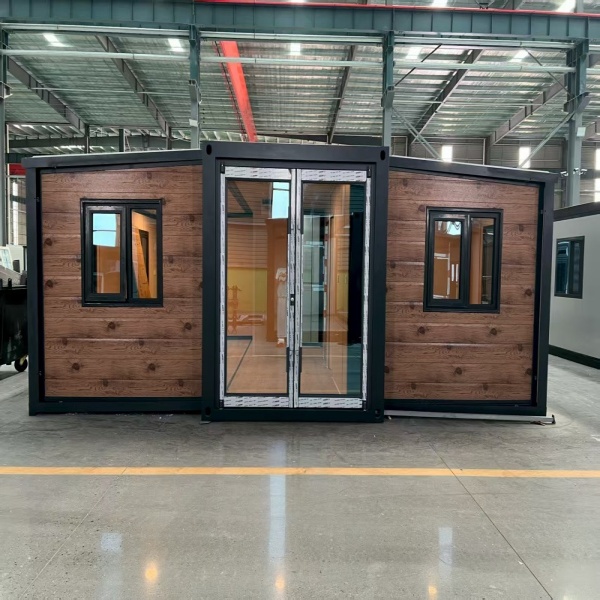 The foldable container house with side wing design can be quickly set up and is suitable for various environments.
 -
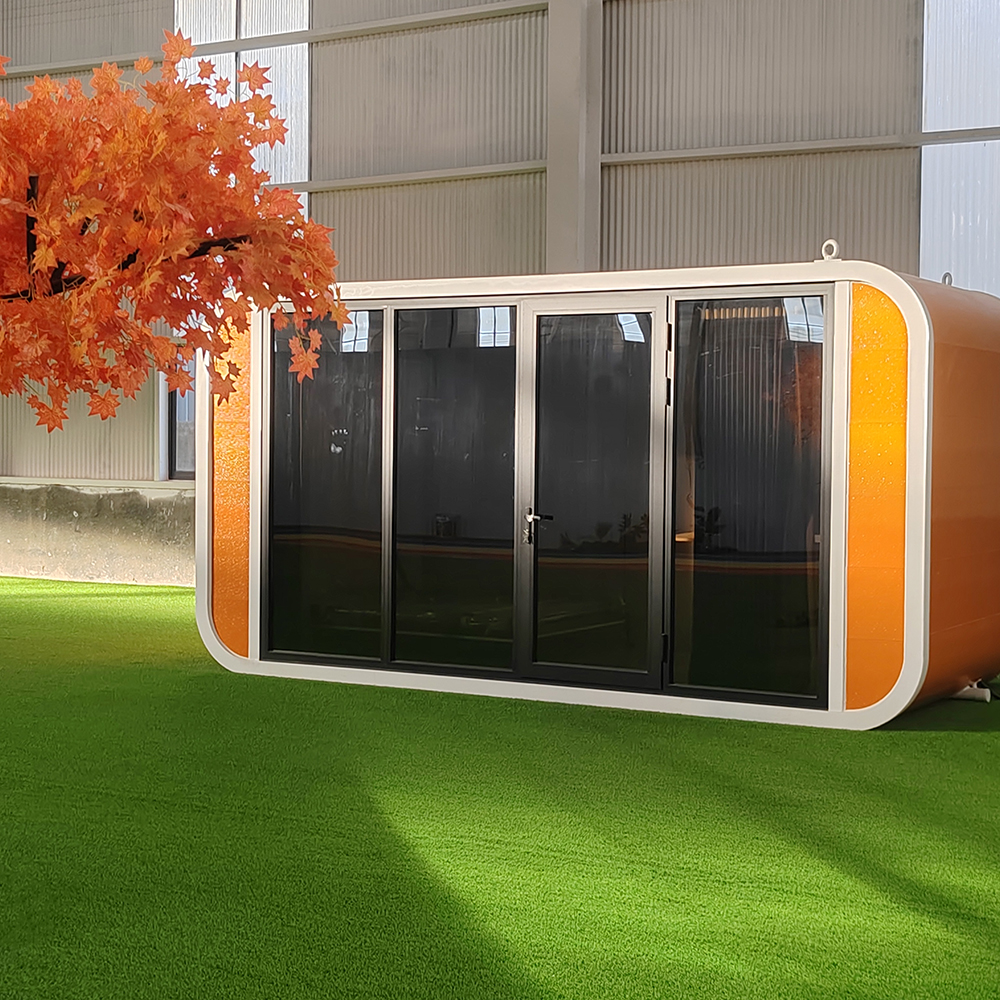 Luxury Prefabricated Living Container House Modular Glass Tiny House Prefab Container Home Apple Cabin
 -
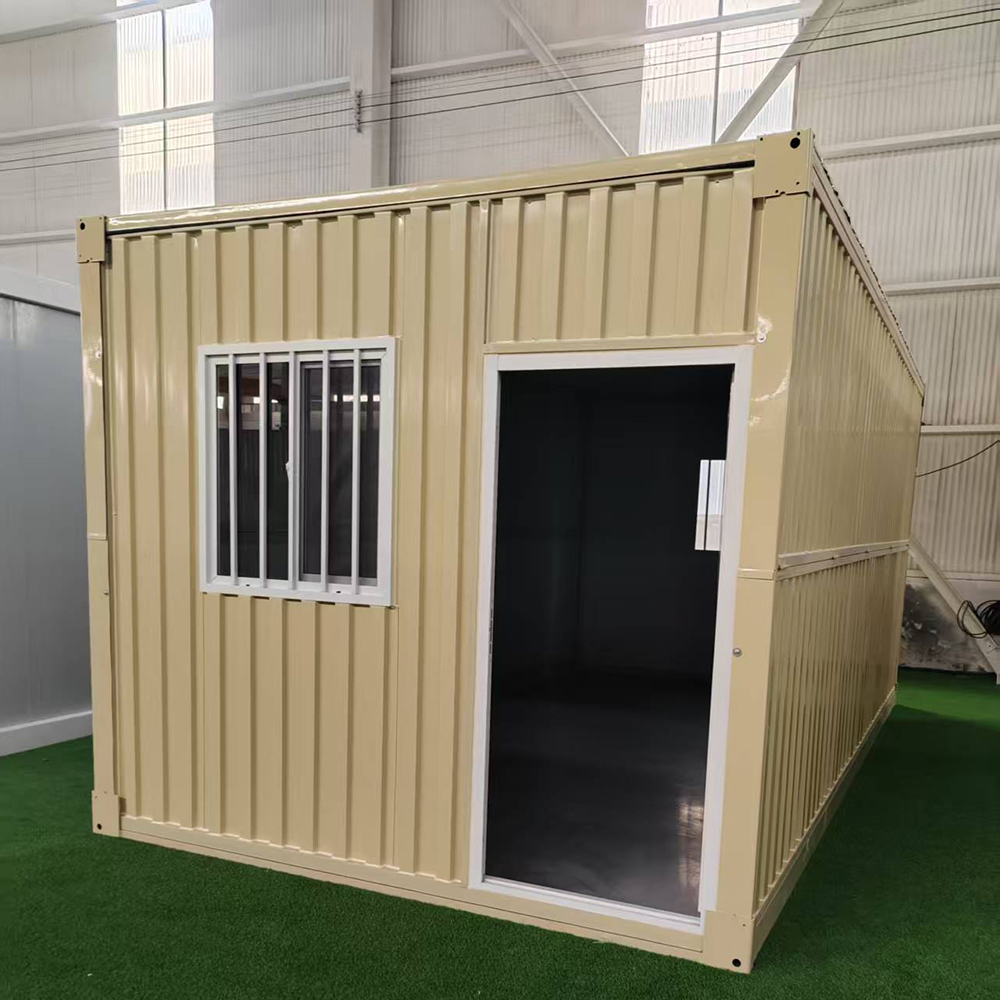 Competitive Price Portable Container House Foldable Container Mobile Living Modular Homes
 -
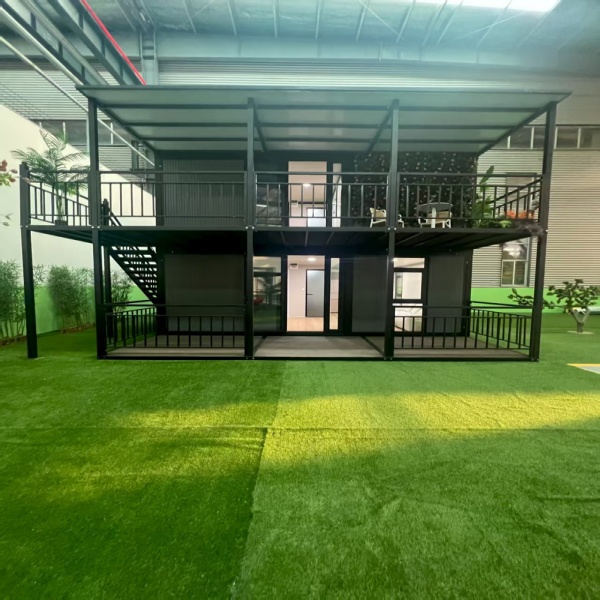 Luxury foldable two-story container houses in luxury resort hotels and villa hotels
 -
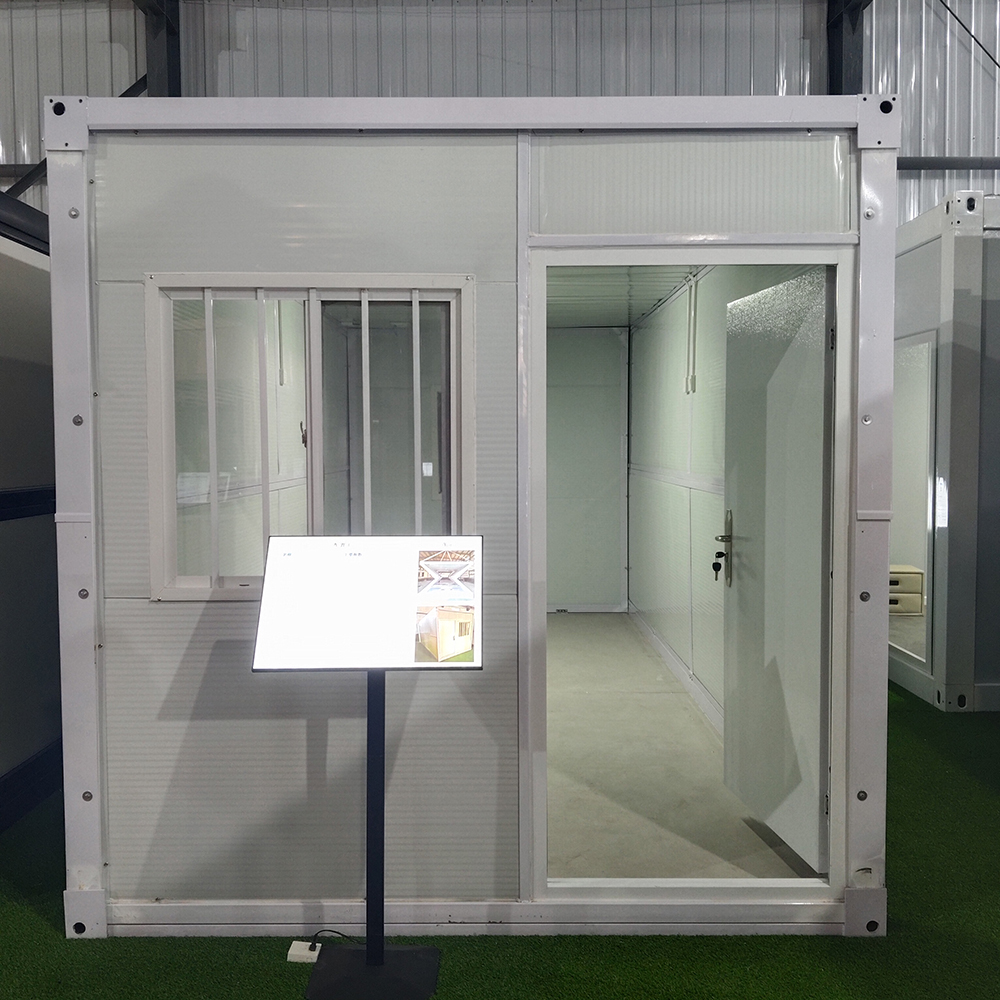 Reasonable Price 1 Bedroom Modular Container House Folding Container Home for Villa or Apartment Use
 -
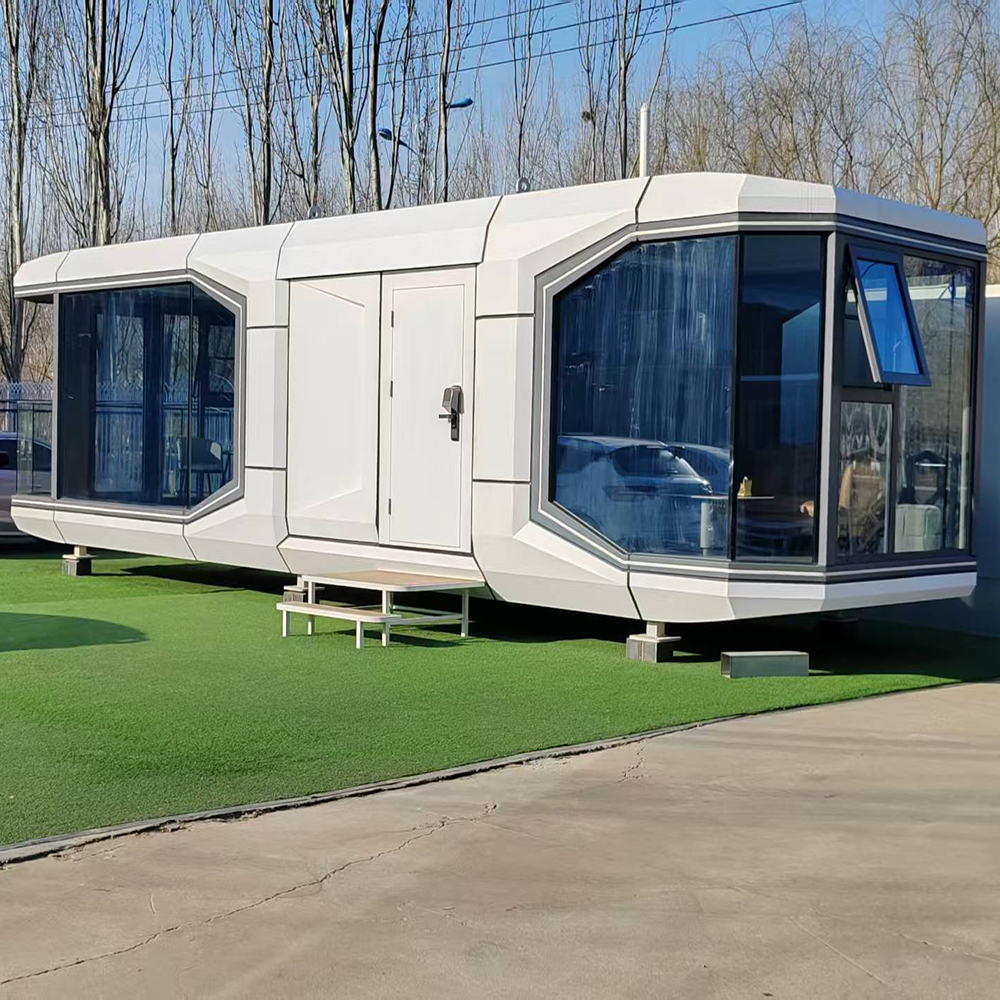 Luxury High Quality 2 Bedroom Container Home Prefabricated Steel Space Capsule for Office Shop Hotel or Outdoor House
 -
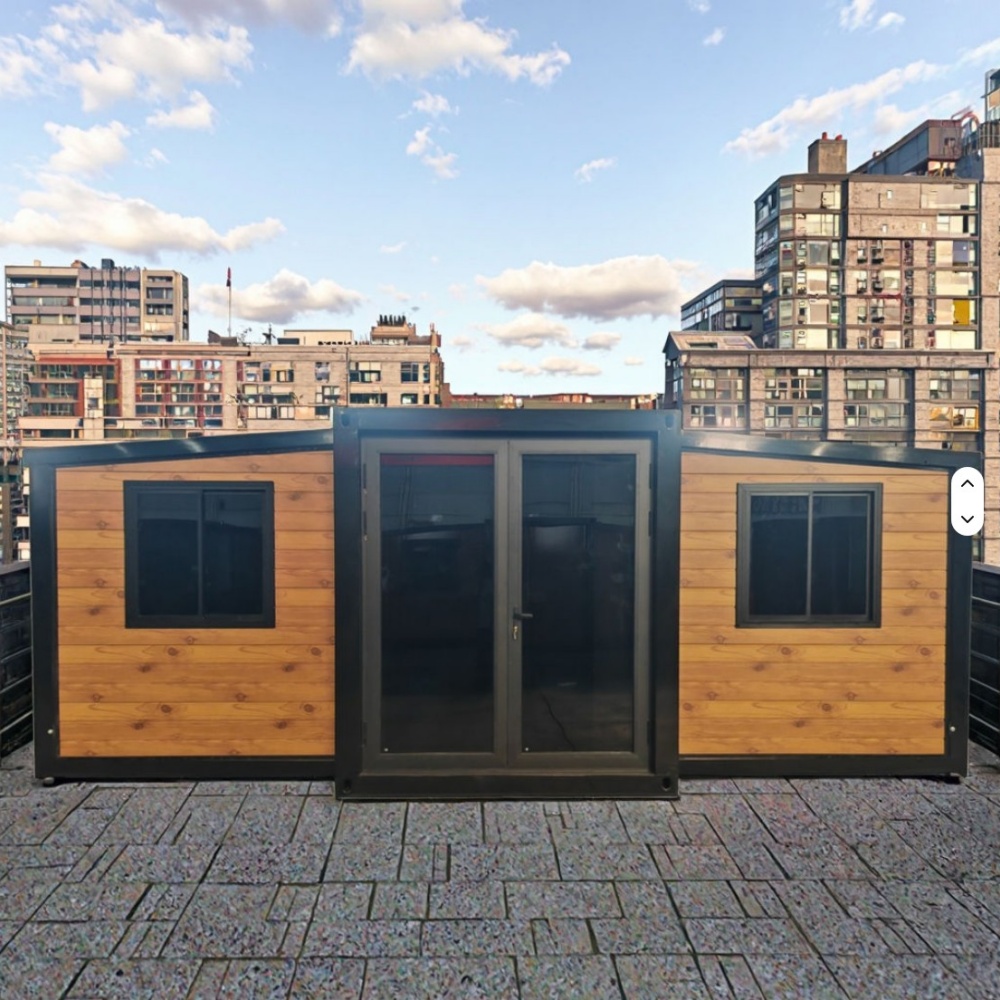 Customized Two Wing Folding Expandable Container House
 -
 Luxury Foldable Two Story Container House for Glamping Resort and Villa Hotel
Related search
Related search- modular prefab prefabricated shipping container house home
- prefab container house for sale
- container house
- Buy space capsule
- China folding house container home
- Buy space capsule homes
- China prefabricated expandable container house
- apple cabin prefabricated home
- China foldable tiny home house expandable container casa
- mobile folding house