
-
E-mail
Austin120521@outlook.com -
E-mail
sales@jujiuhouse.com -
Telephone
+86-17864099991 -
Telephone
+86-17854044442
- Chinese
- French
- German
- Portuguese
- Spanish
- Russian
- Japanese
- Korean
- Arabic
- Irish
- Greek
- Turkish
- Italian
- Danish
- Romanian
- Indonesian
- Czech
- Afrikaans
- Swedish
- Polish
- Basque
- Catalan
- Esperanto
- Hindi
- Lao
- Albanian
- Amharic
- Armenian
- Azerbaijani
- Belarusian
- Bengali
- Bosnian
- Bulgarian
- Cebuano
- Chichewa
- Corsican
- Croatian
- Dutch
- Estonian
- Filipino
- Finnish
- Frisian
- Galician
- Georgian
- Gujarati
- Haitian
- Hausa
- Hawaiian
- Hebrew
- Hmong
- Hungarian
- Icelandic
- Igbo
- Javanese
- Kannada
- Kazakh
- Khmer
- Kurdish
- Kyrgyz
- Latin
- Latvian
- Lithuanian
- Luxembou..
- Macedonian
- Malagasy
- Malay
- Malayalam
- Maltese
- Maori
- Marathi
- Mongolian
- Burmese
- Nepali
- Norwegian
- Pashto
- Persian
- Punjabi
- Serbian
- Sesotho
- Sinhala
- Slovak
- Slovenian
- Somali
- Samoan
- Scots Gaelic
- Shona
- Sindhi
- Sundanese
- Swahili
- Tajik
- Tamil
- Telugu
- Thai
- Ukrainian
- Urdu
- Uzbek
- Vietnamese
- Welsh
- Xhosa
- Yiddish
- Yoruba
- Zulu
- Kinyarwanda
- Tatar
- Oriya
- Turkmen
- Uyghur




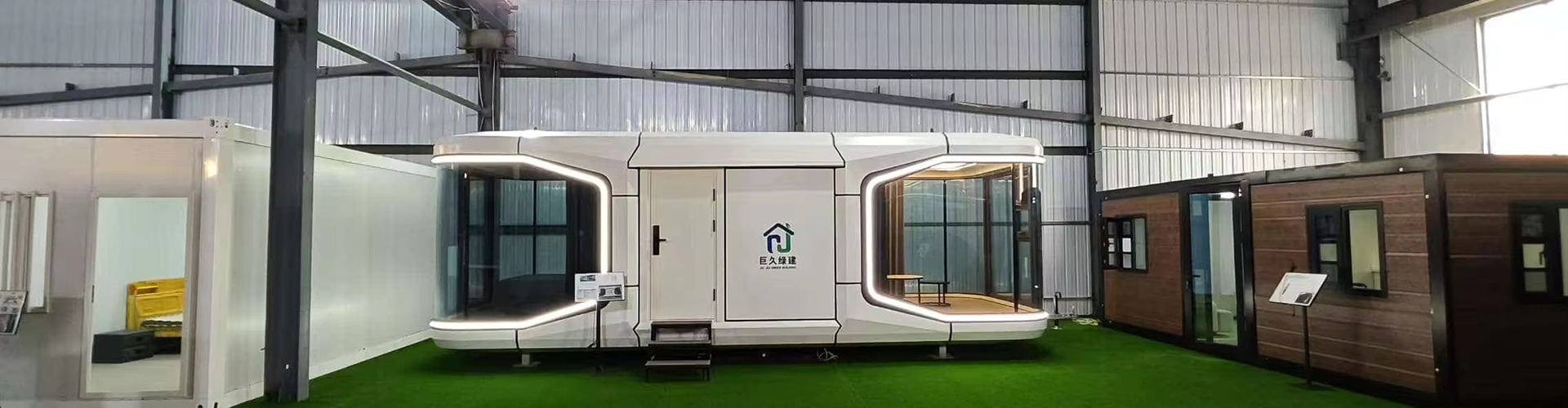
expandable shipping container house
The Intriguing World of Expandable Shipping Container Houses
Expandable shipping container houses are more than a trendy catchphrase in modern architecture; they're a practical solution with roots in resourcefulness and creativity. Many are drawn to their modular nature and adaptability, but misconceptions abound. Let's unravel the true potential and challenges of these innovative homes.
Understanding the Basics
An expandable shipping container house isn't just a box with a roof. These structures hinge on the art of maximizing limited space while offering the flexibility to adjust to different needs. The idea is simple: take a sturdy shipping container, cut and expand, then transform it into a livable space. Yet, it's anything but easy.
Having worked hands-on with these structures, one key understanding is the importance of quality materials. The containers themselves are designed for transport, not habitation. Therefore, insulation, ventilation, and structural integrity become paramount. This is where companies like Shandong Jujiu Integrated Housing Co., Ltd. play a crucial role in advancing the field. Their focus on research and development is pivotal in addressing these concerns.
In navigating the complexities of creating a shipping container home, attention to detail in the design phase is vital. Often there's the temptation to rush into construction due to the perceived simplicity of stacking containers. This hasty approach can lead to oversight of crucial elements like zoning laws and environmental considerations.
Adaptability and Utility
The allure of expandable shipping container houses lies in their adaptability. Whether it's a cozy starter home or a commercial space, the modular nature means you can reconfigure without the substantial costs associated with traditional construction methods.
I recall a project where the client needed additional workspace as their home office grew. With expandable containers, we simply adjusted the existing structure, and in less than a week, they had a functional new area. This adaptability goes beyond physical space; it allows for financial scalability too. You invest as needs arise, which is a godsend for startups and growing families alike.
However, adaptability is not without its challenges. Every expansion must consider load distribution to prevent structural failure. During one of our early projects, we learned this the hard way when a weight miscalculation led to a sagging roofline. Experiences like this underscore the necessity of engineering expertise in the logistics of portable architecture.
Design Aesthetics and Practical Challenges
The design aesthetics of these homes can be both appealing and deceptive. The clean lines and industrial chic appeal to many, but translating that into comfortable living requires a delicate balance of form and function.
Shandong Jujiu Integrated Housing Co., Ltd. manages this by integrating innovative solutions like light steel frames and curtain wall engineering. Their expertise in optimizing existing structures means that you don't sacrifice style for functionality or vice versa.
One critical aspect is addressing the balance between openness and privacy. Adding glass walls might sound appealing, but without proper shading and privacy options, it can turn into a fishbowl experience. Ensuring the integration of these elements is seamless takes meticulous planning and execution.
Sustainability and Environmental Impacts
Expandable shipping container houses also excite those keen on sustainable living. The idea of repurposing a container destined for a scrapyard is an attractive element of green architecture. Yet, it's not just about reuse; it's about responsible reuse.
The environmental impact of insulation materials and paint must be carefully assessed. Non-toxic and eco-friendly products might come at a higher price but align with sustainable practices. A project we handled in a coastal region highlighted the importance of corrosion-resistant materials to withstand salt-laden air.
Further, energy-efficient solutions like solar panels and rainwater harvesting systems can be easily incorporated into these structures. The compact roof space of containers, while initially challenging for solar installations, can often be addressed with innovative designs and advancements in technology.
Real-World Experiences and Innovations
On-the-ground experiences often reveal insights that theory doesn't account for. We had a project where the initial location chosen turned out to be a logistical nightmare, not because of the terrain but due to permitting issues and local regulations that changed unexpectedly. Flexibility and foresight saved the day, illustrating the unpredictability inherent in these ventures.
Innovations in this space continue to evolve, driven by companies like Shandong Jujiu Integrated Housing Co., Ltd., who are pushing boundaries with advanced production techniques and material optimization. Their website (https://www.jujiuhouse.com) provides a glimpse into the future of smart, sustainable housing solutions.
The journey into the world of expandable shipping container houses is one of creativity, innovation, and adaptation. It's not a pursuit without its hurdles, but for those willing to engage with the challenges, the rewards are manifold—truly redefining what modern living can be.
Related products
Related products
Best selling products
Best selling products-
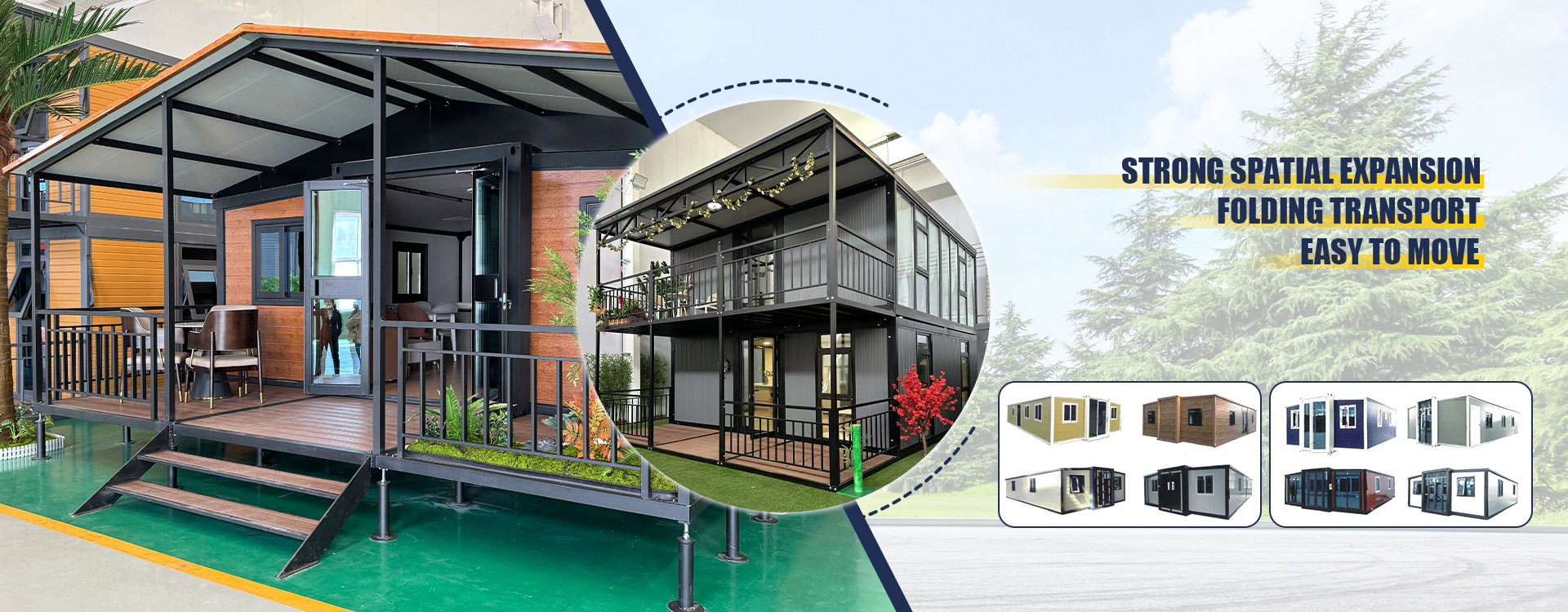
 Dual-Wing Folding Container House: Fast Assembly, Space-Saving & Multi-Scene Adaptable
 -
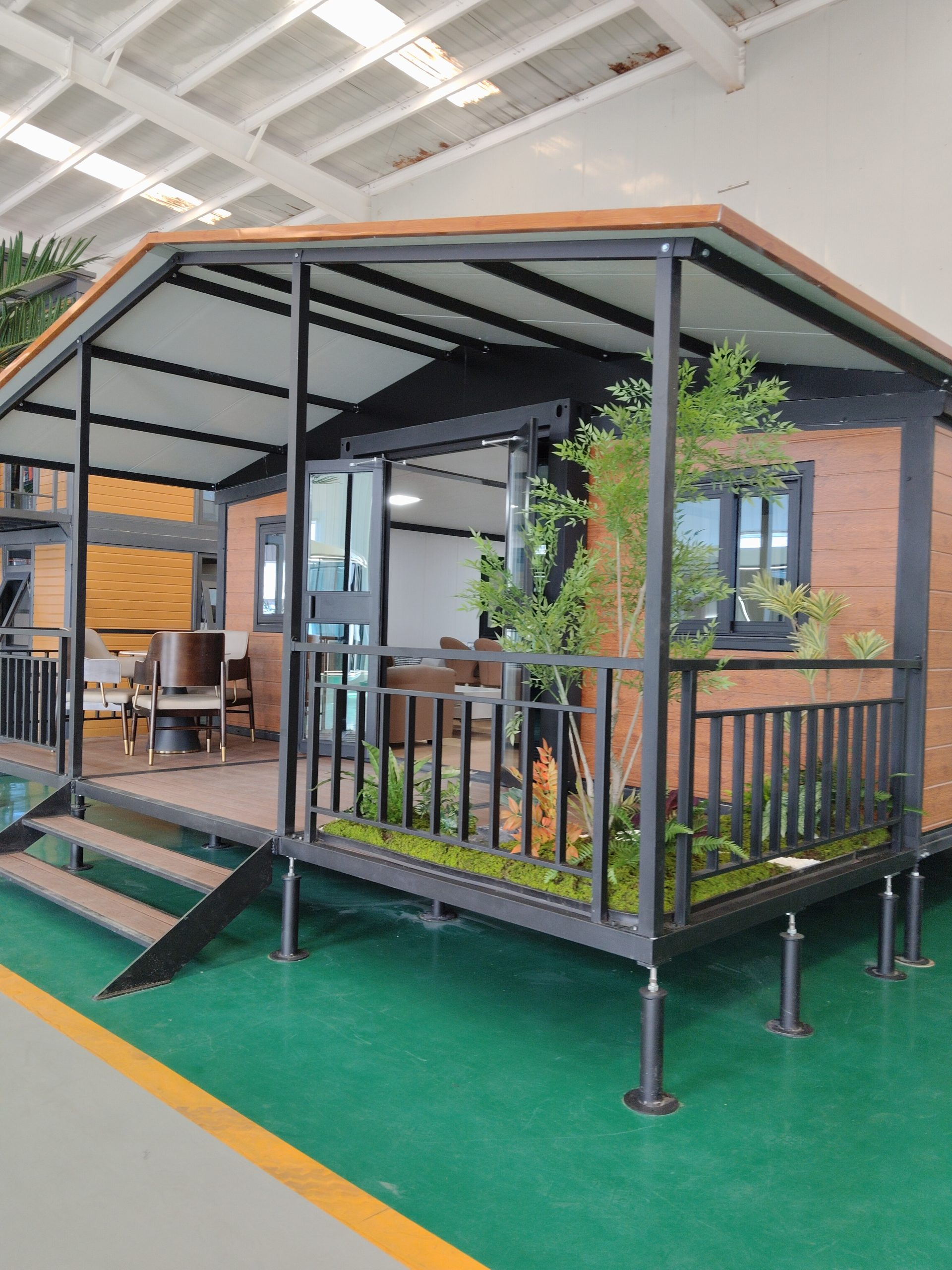 A container house with a terrace and double-wing folding design, suitable for various purposes such as offices, meeting rooms, living rooms, etc.
 -
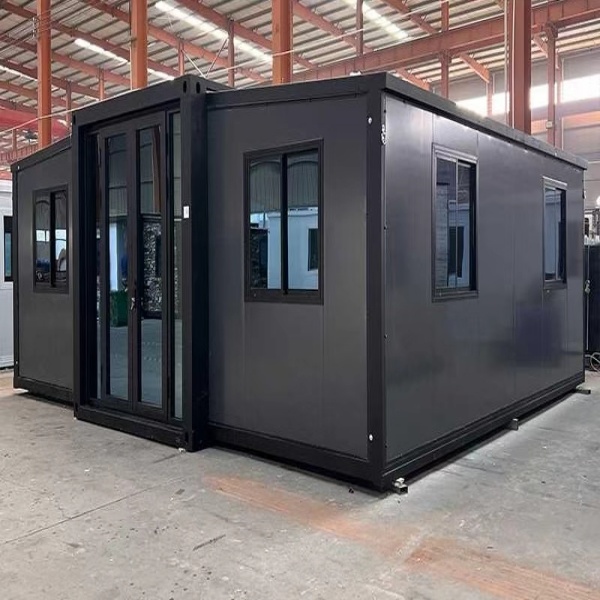
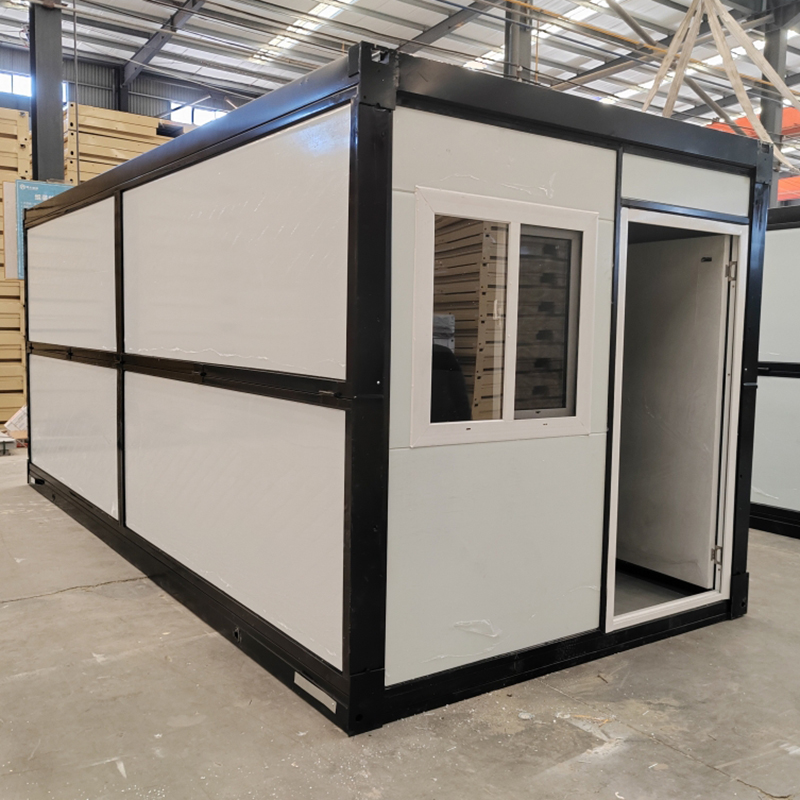 Detachable Design Prefabricated Container House Portable Modular Office Building Folding Container House
 -
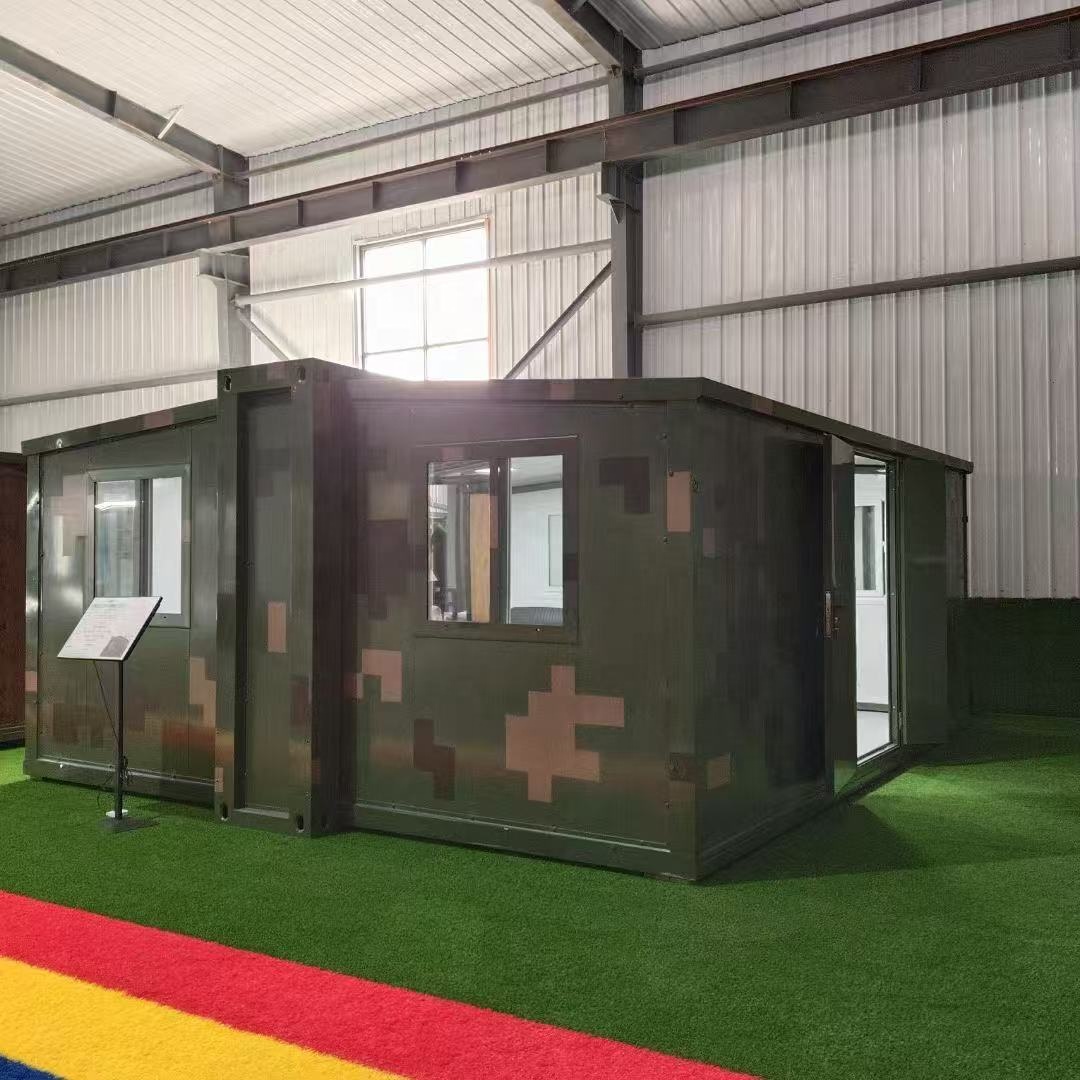 Movable Prefabricated Container House Villas Modular Portable Homes 1 Bedroom Container House Offices Apartments
 -
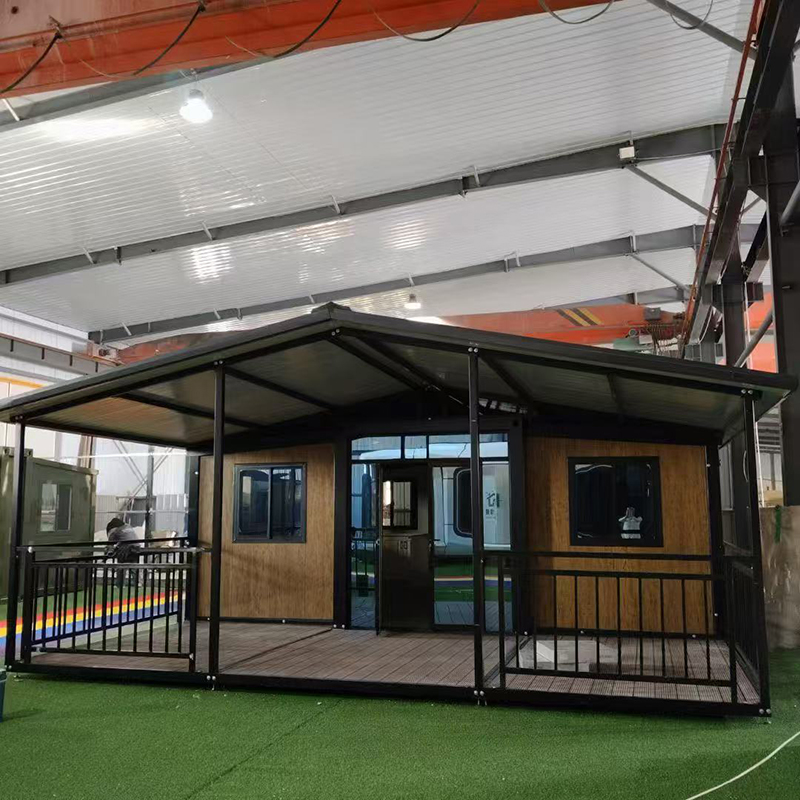 Customized Expandable Container House Holiday Home Folding Prefab Container House with Bathroom and Kitchen
 -
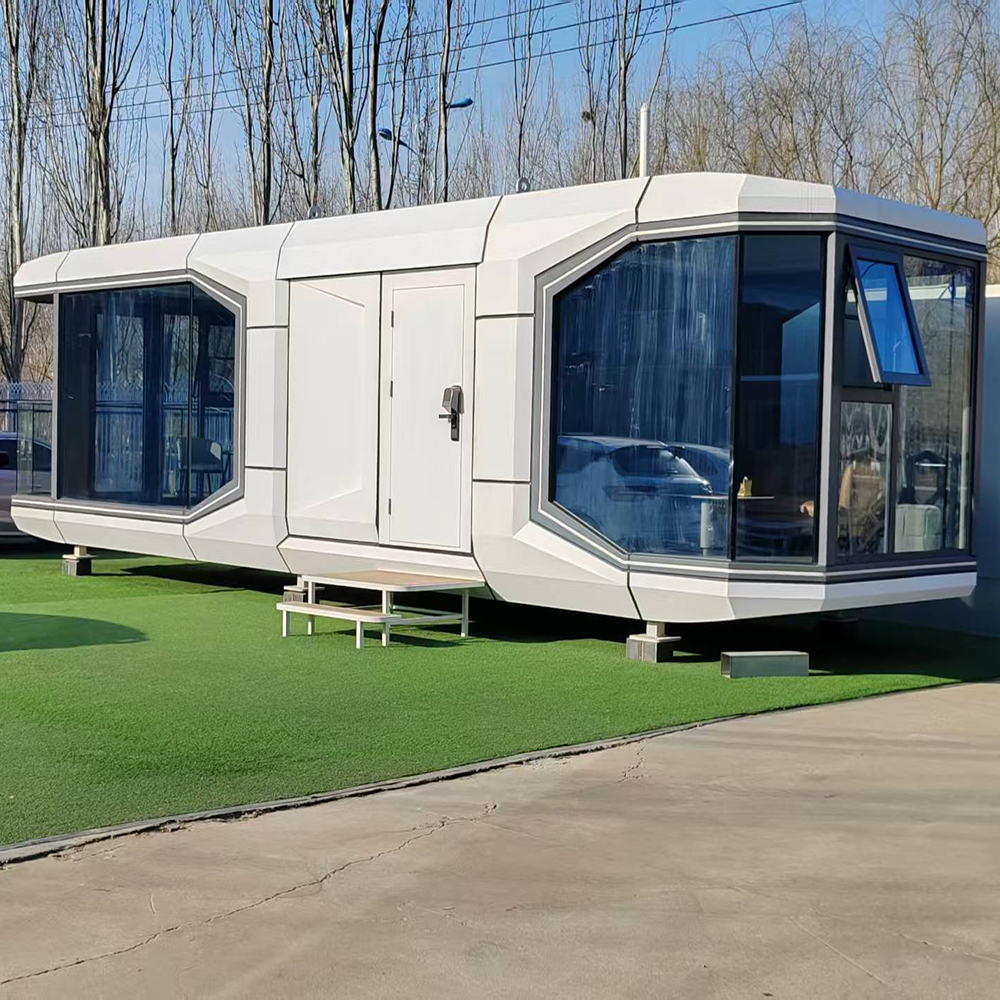
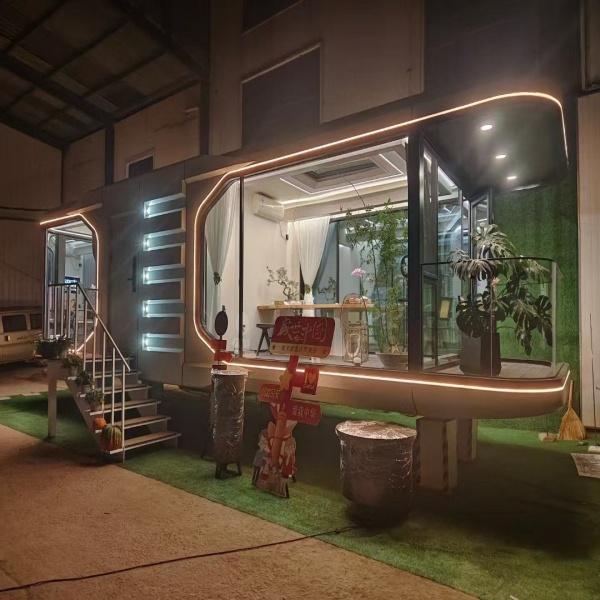 Outdoor ecological capsule rooms, luxury pods, space capsule hotel rooms, prefabricated space capsules, container houses
 -
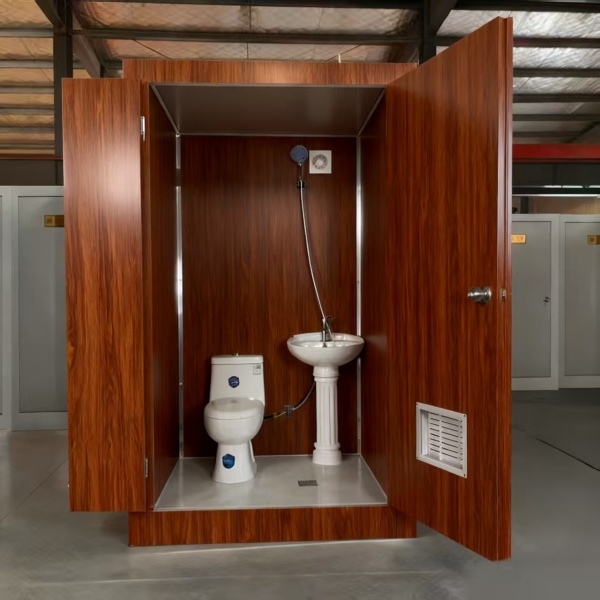 Portable outdoor camping bathroom, mobile toilet, prefabricated modular villa & rental of outdoor and indoor showers
 -
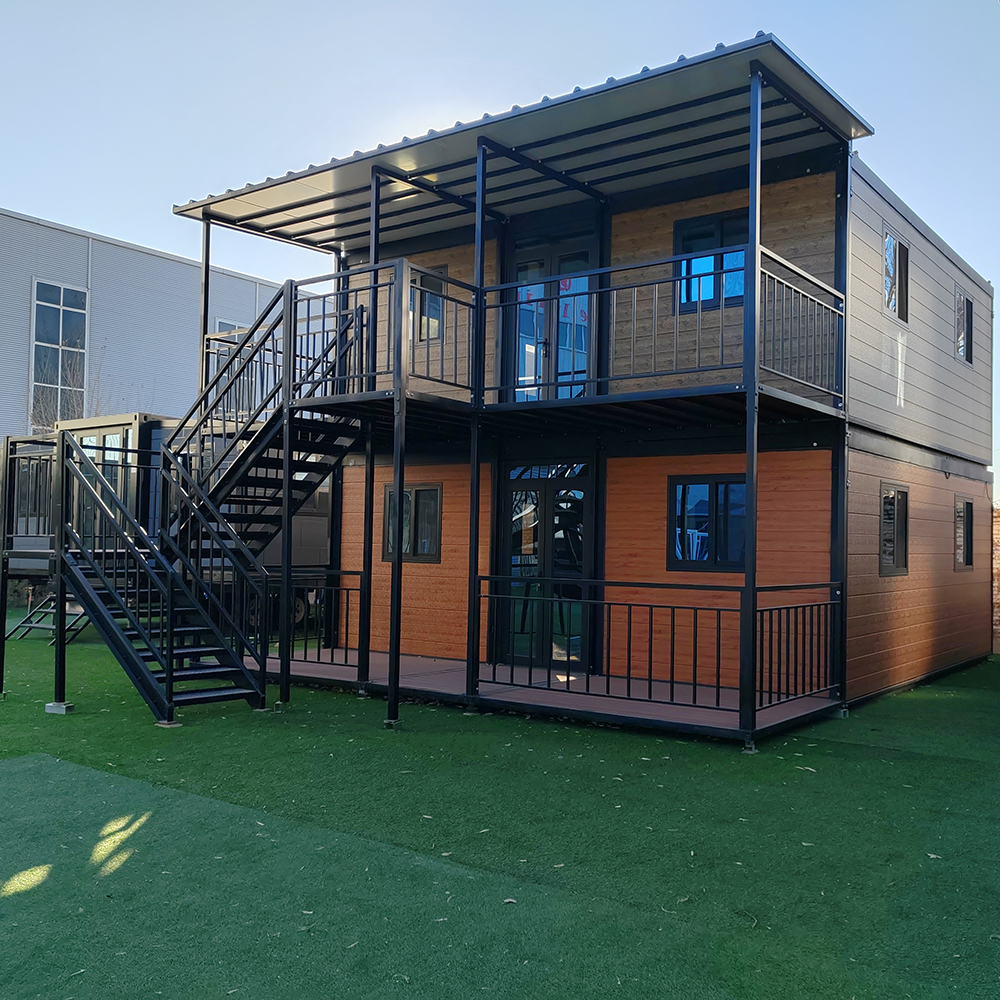 Easy Install Customized Detachable Container Homes Extendable House Prefab 2 Floors Expandable Container House
 -
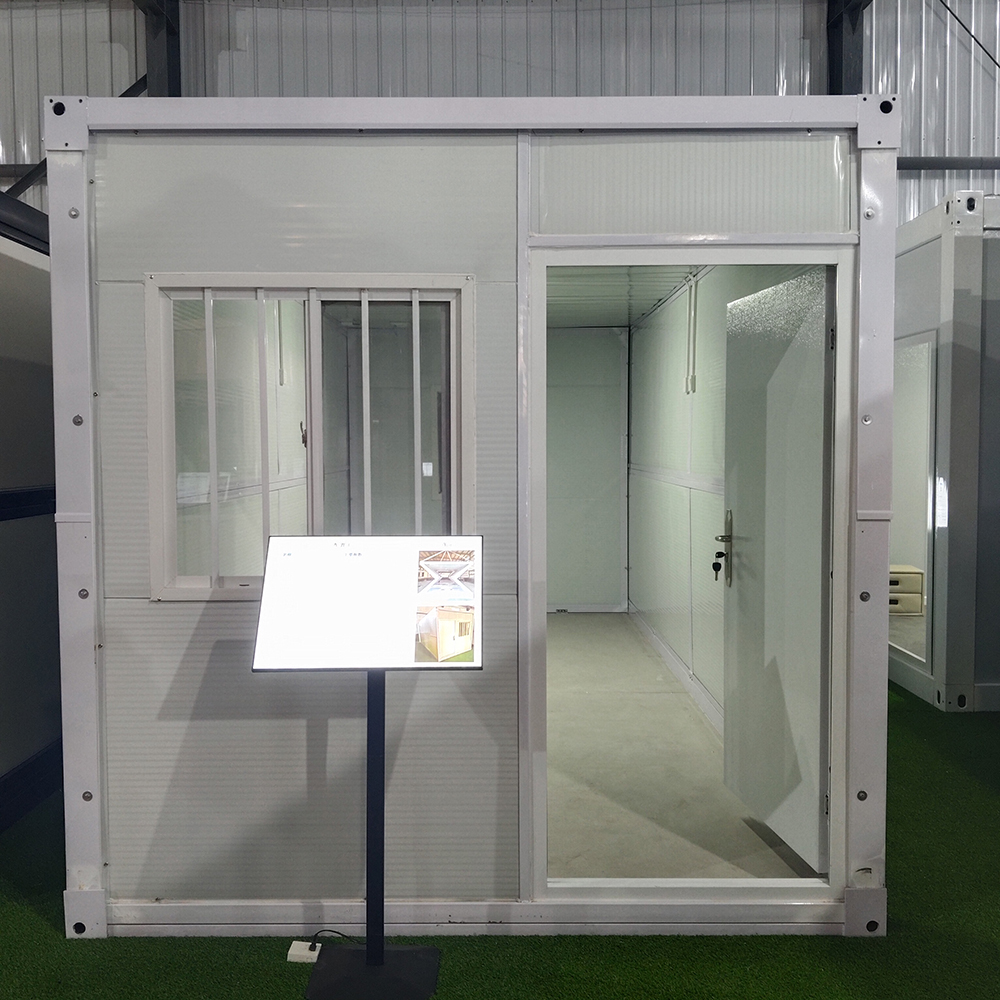 Reasonable Price 1 Bedroom Modular Container House Folding Container Home for Villa or Apartment Use
 -
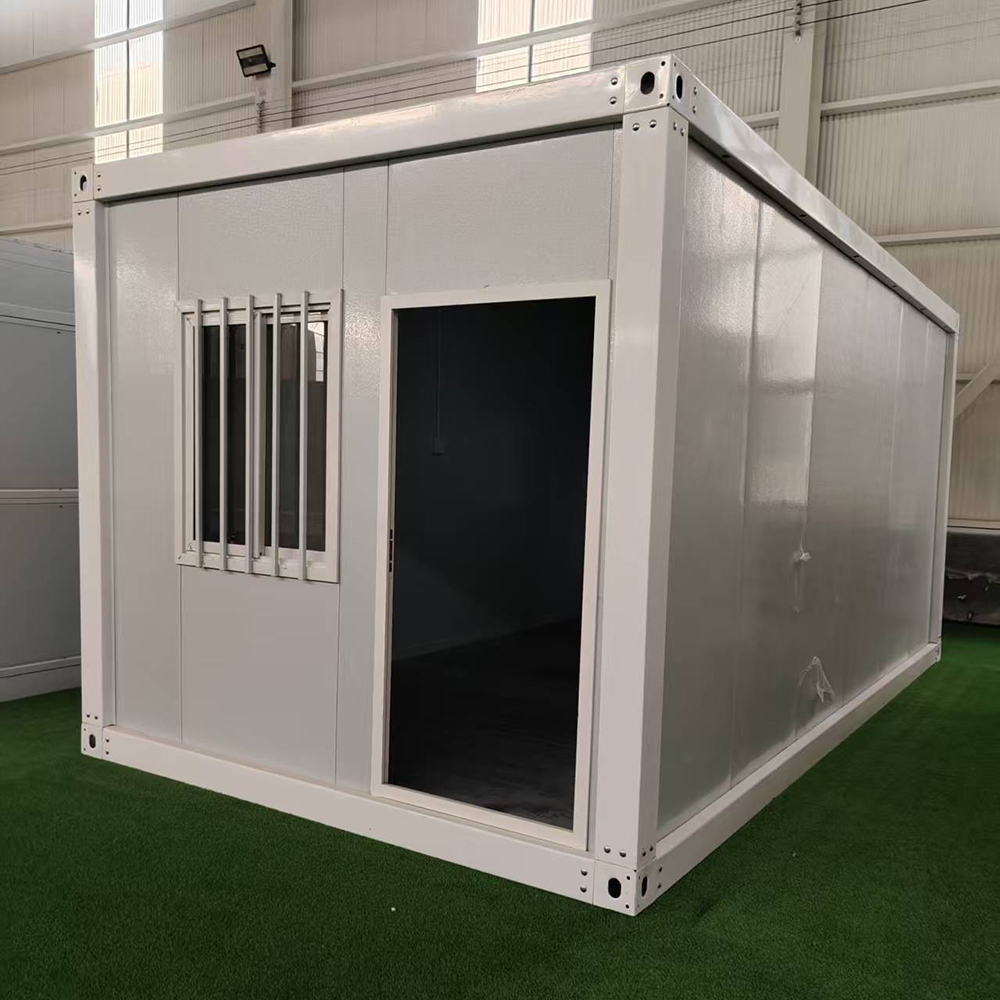 Folding Container Moving House Modular Office Container House Prefab Container for Outdoor Use
 -
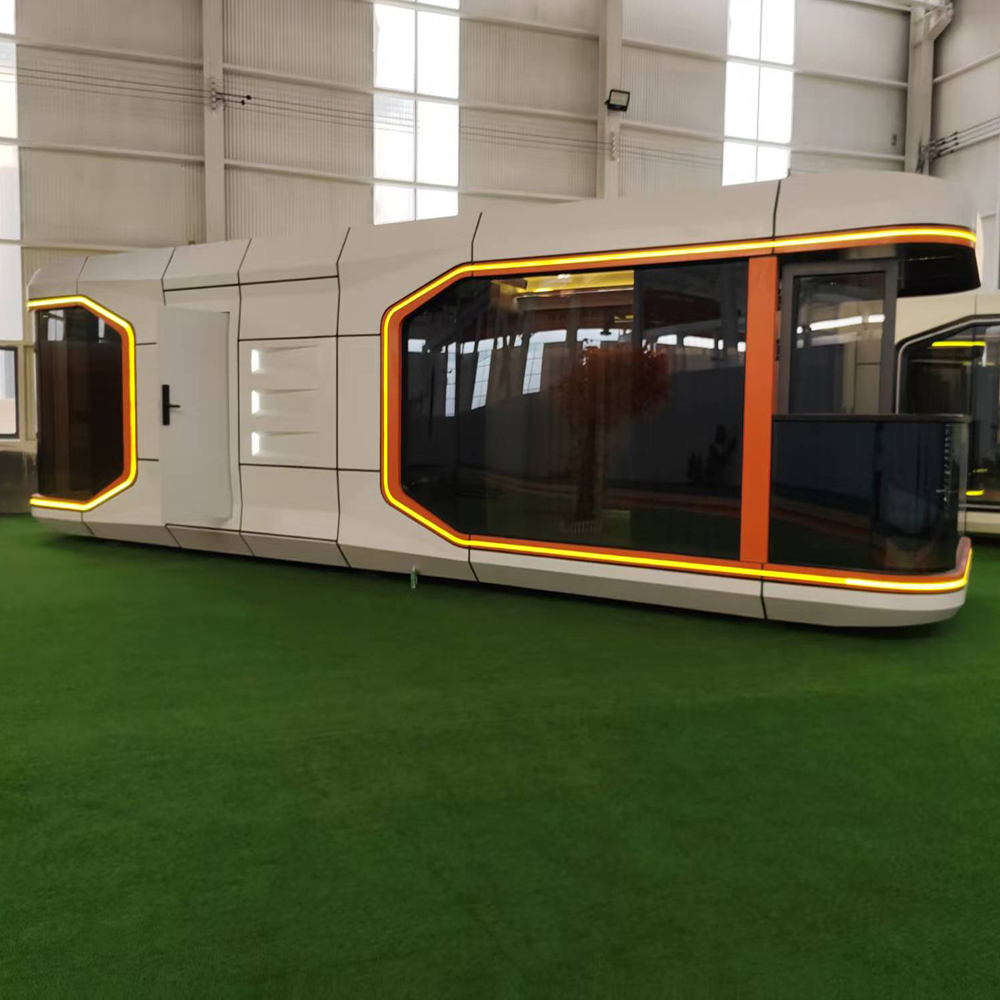 Standard Modern Camping Pod Space Prefabricated Portable Mobile Capsule Room Hotel Bathroom Prefabricated Spaceship House
 -
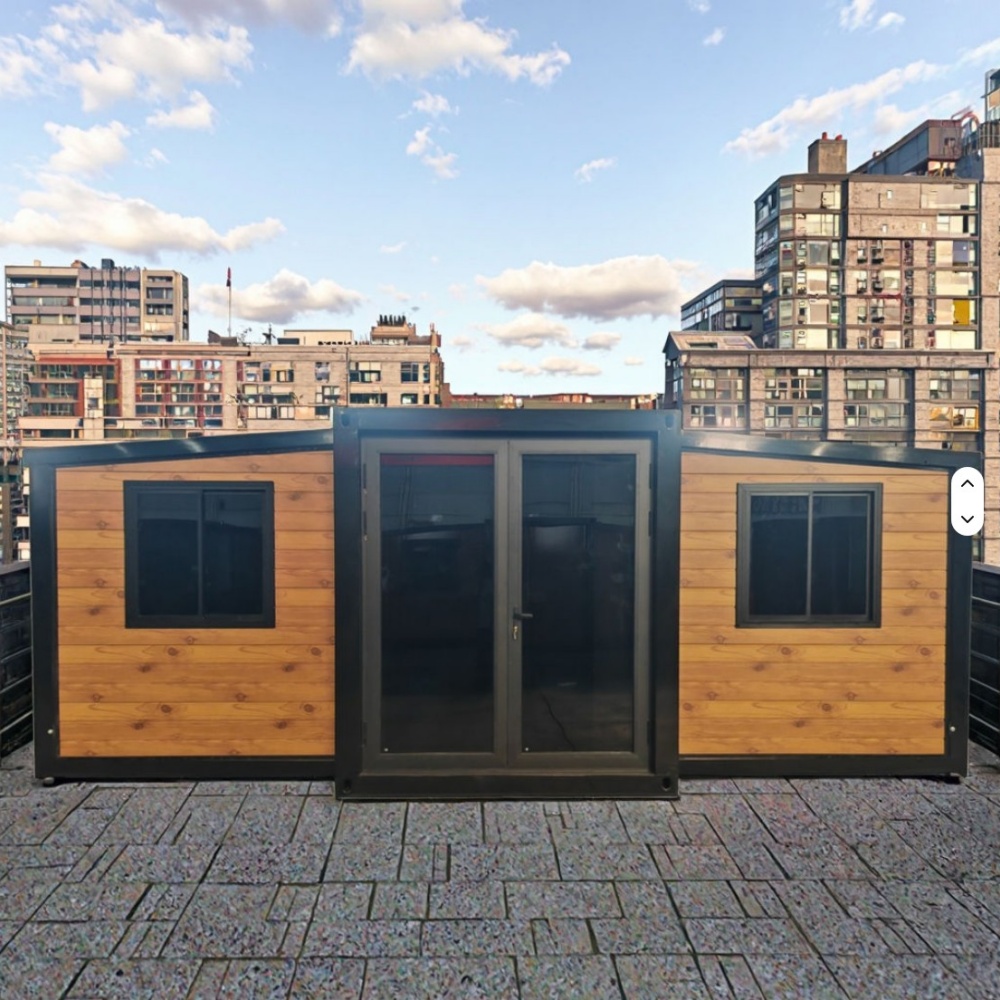 Customized Two Wing Folding Expandable Container House
Related search
Related search- new spire prefabricated house container house
- Buy apple modular cabin
- Buy portable folding house
- wholesale 40 foot container house prefabricated
- Buy prebuilt container house
- China prefabricated home folding container house
- Buy capsule house commercial space
- Buy expandable prefab house
- China 15ftx 20ft mobile expandable prefab house mobile home prefab
- China wholesale expandable container house 40ft luxury