
-
E-mail
Austin120521@outlook.com -
E-mail
sales@jujiuhouse.com -
Telephone
+86-17864099991 -
Telephone
+86-17854044442
- Chinese
- French
- German
- Portuguese
- Spanish
- Russian
- Japanese
- Korean
- Arabic
- Irish
- Greek
- Turkish
- Italian
- Danish
- Romanian
- Indonesian
- Czech
- Afrikaans
- Swedish
- Polish
- Basque
- Catalan
- Esperanto
- Hindi
- Lao
- Albanian
- Amharic
- Armenian
- Azerbaijani
- Belarusian
- Bengali
- Bosnian
- Bulgarian
- Cebuano
- Chichewa
- Corsican
- Croatian
- Dutch
- Estonian
- Filipino
- Finnish
- Frisian
- Galician
- Georgian
- Gujarati
- Haitian
- Hausa
- Hawaiian
- Hebrew
- Hmong
- Hungarian
- Icelandic
- Igbo
- Javanese
- Kannada
- Kazakh
- Khmer
- Kurdish
- Kyrgyz
- Latin
- Latvian
- Lithuanian
- Luxembou..
- Macedonian
- Malagasy
- Malay
- Malayalam
- Maltese
- Maori
- Marathi
- Mongolian
- Burmese
- Nepali
- Norwegian
- Pashto
- Persian
- Punjabi
- Serbian
- Sesotho
- Sinhala
- Slovak
- Slovenian
- Somali
- Samoan
- Scots Gaelic
- Shona
- Sindhi
- Sundanese
- Swahili
- Tajik
- Tamil
- Telugu
- Thai
- Ukrainian
- Urdu
- Uzbek
- Vietnamese
- Welsh
- Xhosa
- Yiddish
- Yoruba
- Zulu
- Kinyarwanda
- Tatar
- Oriya
- Turkmen
- Uyghur




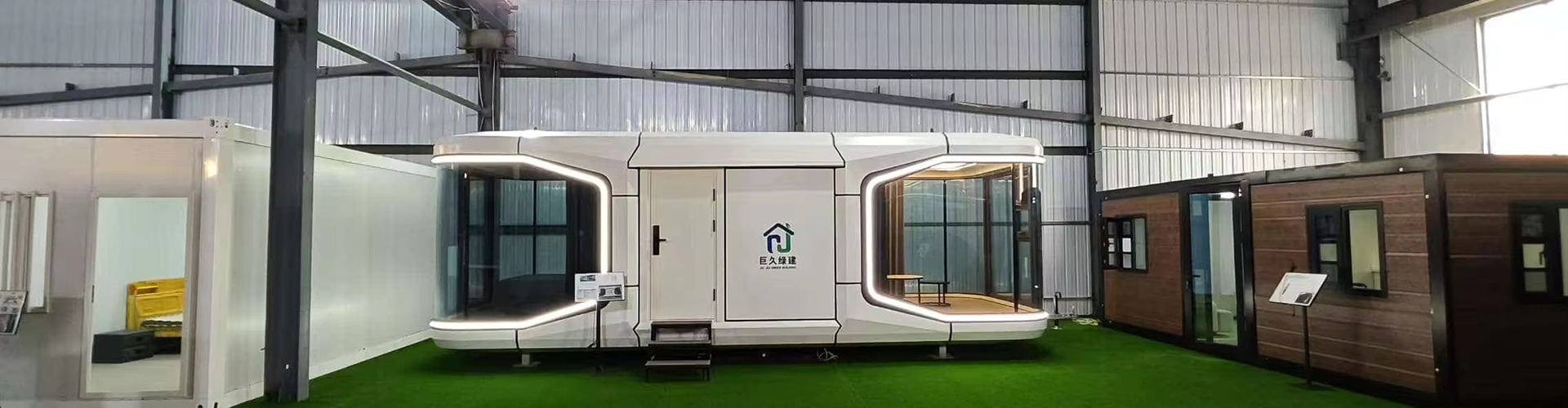
flat pack expandable modular container house
Exploring the Intricacies of Flat Pack Expandable Modular Container Houses
There's a certain allure to the concept of a flat pack expandable modular container house—the promise of a dwelling that assembles quickly, adapts effortlessly, and serves a myriad of purposes. Yet, like any innovation, it's not without its challenges. Whether you're an enthusiast eyeing it as an affordable housing solution or an architect considering its design possibilities, understanding the nuances is key.
The Allure of Modularity
What makes these structures so attractive? It’s their inherent flexibility and efficiency. A modular container house can serve multiple roles—housing, office spaces, or even pop-up retail spots. The flat pack model reduces logistical nightmares, as components are transported compactly and expanded on-site. This seems straightforward on paper, but the practicalities can be more complex.
I recall a project where unpredictable weather turned the site into a mud pit. While the flat pack nature minimized initial transport hurdles, the subsequent assembly required adjustments. We discovered that weatherproofing plans need more attention than one might initially think.
Building with these systems also challenges traditional construction mindsets. You’re essentially assembling a giant 3D jigsaw. While fascinating, it demands precise planning and a clear understanding of each piece’s role. Misplace a part, and you could find yourself unfolding a rather costly problem.
Industry Players and Real-World Applications
Companies like Shandong Jujiu Integrated Housing Co., Ltd. have been pivotal in pushing this modular approach. Known for their comprehensive offerings in packaging box rooms and light steel villas, they’ve built their reputation on versatility and innovation in design.
One notable project involved a series of modular units in a remote area where conventional construction wasn’t feasible. The ability to pre-fabricate and then expand renowned flat pack systems was a game changer. Yet, managing expectations was crucial—the timeline, while shorter than traditional builds, still demanded meticulous coordination.
I’ve seen firsthand how essential it is to have a clear end-use vision. Modular flexibility is a double-edged sword—without concrete planning, costs can spiral as customization options grow seemingly endless.
Key Considerations and Challenges
Let’s not overlook the regulatory maze accompanying these builds. Whether it's zoning laws or building codes, each jurisdiction offers its own set of puzzles. Navigating these requires not just compliance but creativity. One must constantly balance design innovation with regulatory requirements.
Then there’s the topic of durability. A flat pack expandable modular container house must withstand the elements. Insulation, water resistance, and structural integrity come into play. I still remember a particular project where insulation misjudgments led to glaring heat retention issues. Learning, in this industry, can be harsh but invaluable.
And, let's talk sustainability. Modular homes are often marketed as 'green' solutions. While they certainly have potential for reduced waste and minimal site impact, the sourcing and production methods of materials must align with these sustainability promises. It's more than just the final product; it's about the entire lifecycle.
Design Possibilities and Innovations
From an architectural standpoint, these houses offer intriguing design possibilities. It's about reimagining space—walls can be more than just dividers, serving multifunctional roles like storage or structural supports. Each design choice influences flexibility and ultimately, user satisfaction.
Innovative companies are testing new materials to enhance these structures. Shandong Jujiu Integrated Housing Co., Ltd., for instance, focuses on integrating new technologies and materials that optimize both functionality and aesthetics. This fusion of innovation with practical engineering is evident in their ever-evolving product line.
The balance between customizability and structural integrity is delicate. Push too far in either direction, and you risk compromising functionality. A successful modular home design cleverly aligns vision with practical constraints.
The Future of Living Spaces
So, where does the future lead us with these homes? It’s a burgeoning field with immense potential, yet still in a somewhat exploratory phase. As the industry matures, I anticipate advances in rapid prototyping and 3D printing techniques, further enhancing customization and reducing costs.
The scalability of these homes is particularly exciting. Imagine megacities adopting these units for emergency housing or temporary workplaces. The possibilities are vast, yet bringing them to fruition requires ongoing innovation and a grounded understanding of both constraints and opportunities.
Overall, the journey with flat pack expandable modular container houses is fascinating. Companies like Shandong Jujiu Integrated Housing Co., Ltd. are at the forefront, shaping a future where housing is more adaptable, affordable, and responsive to our ever-changing world. That’s the kind of evolution worth watching—and possibly, being a part of.
Related products
Related products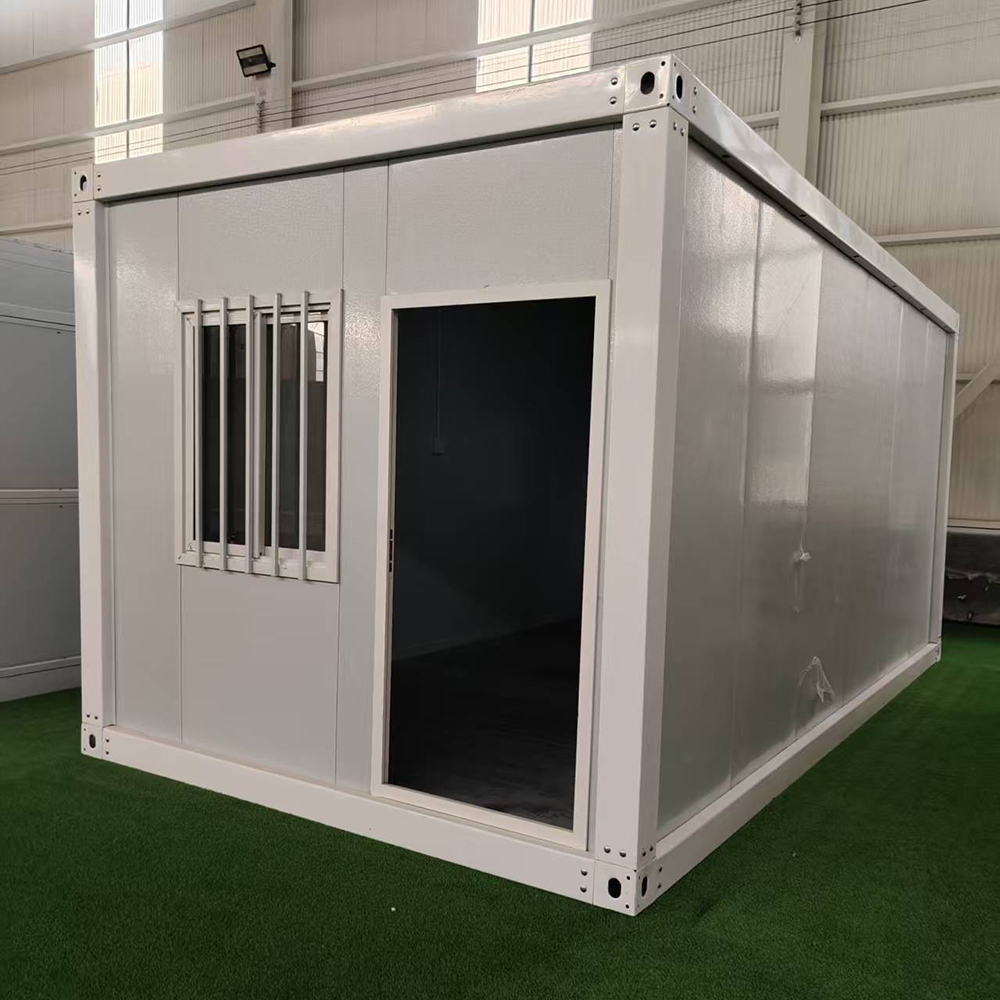
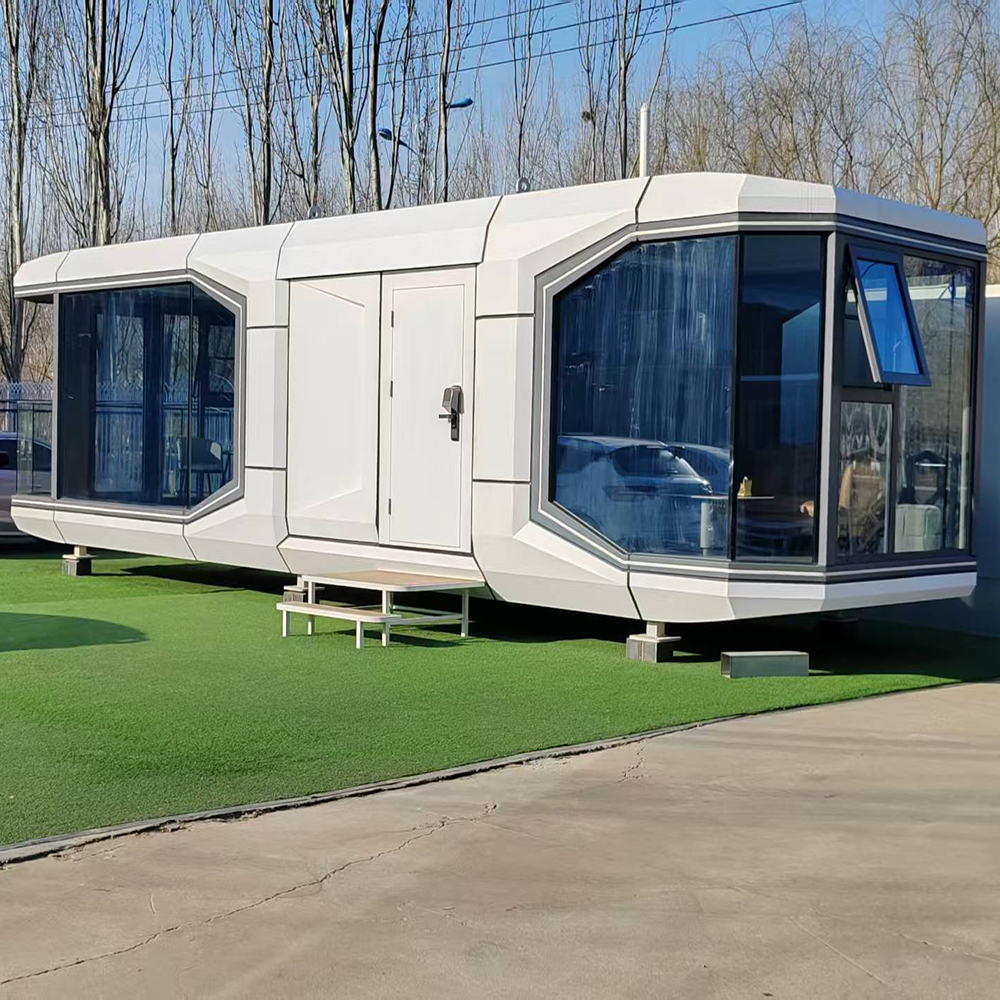
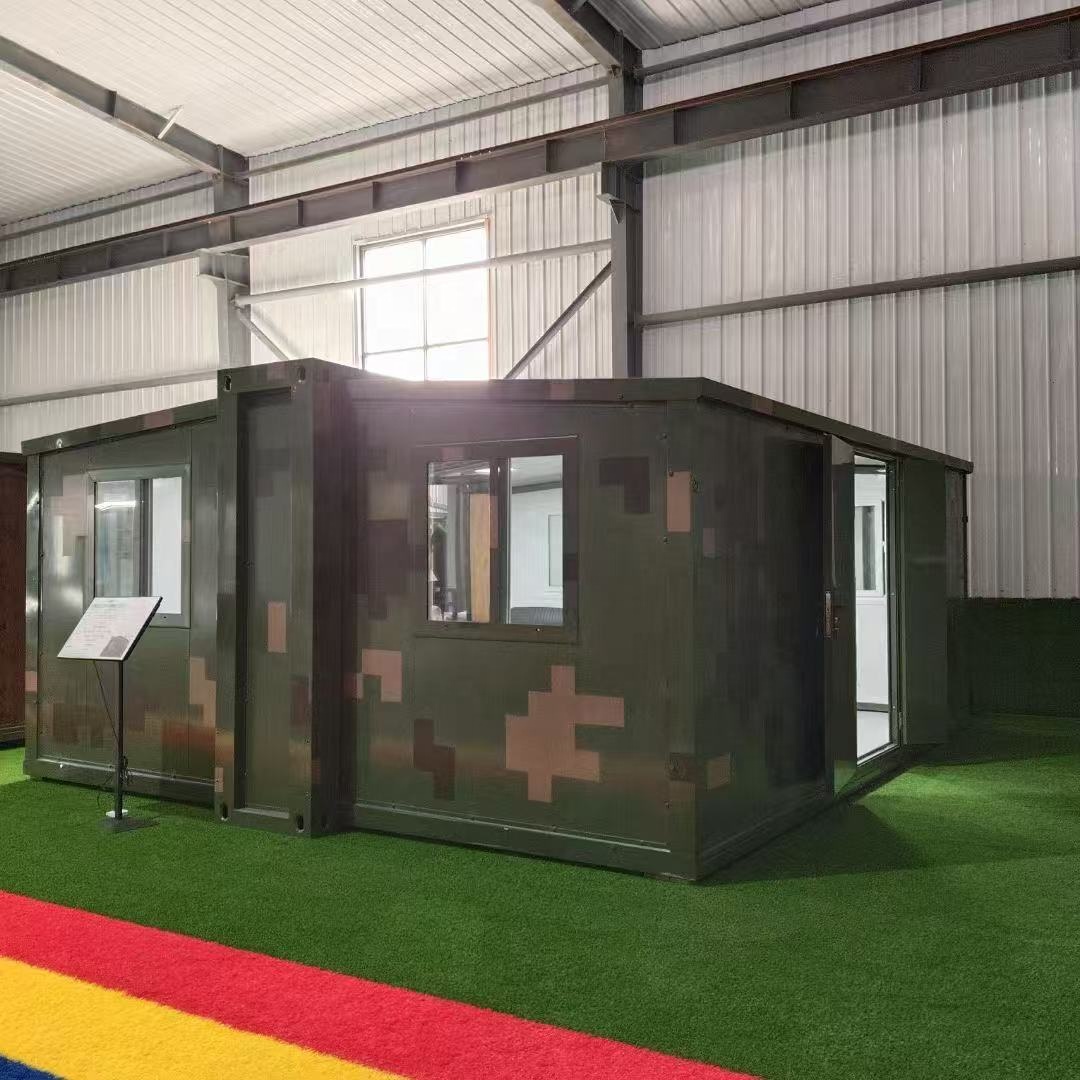
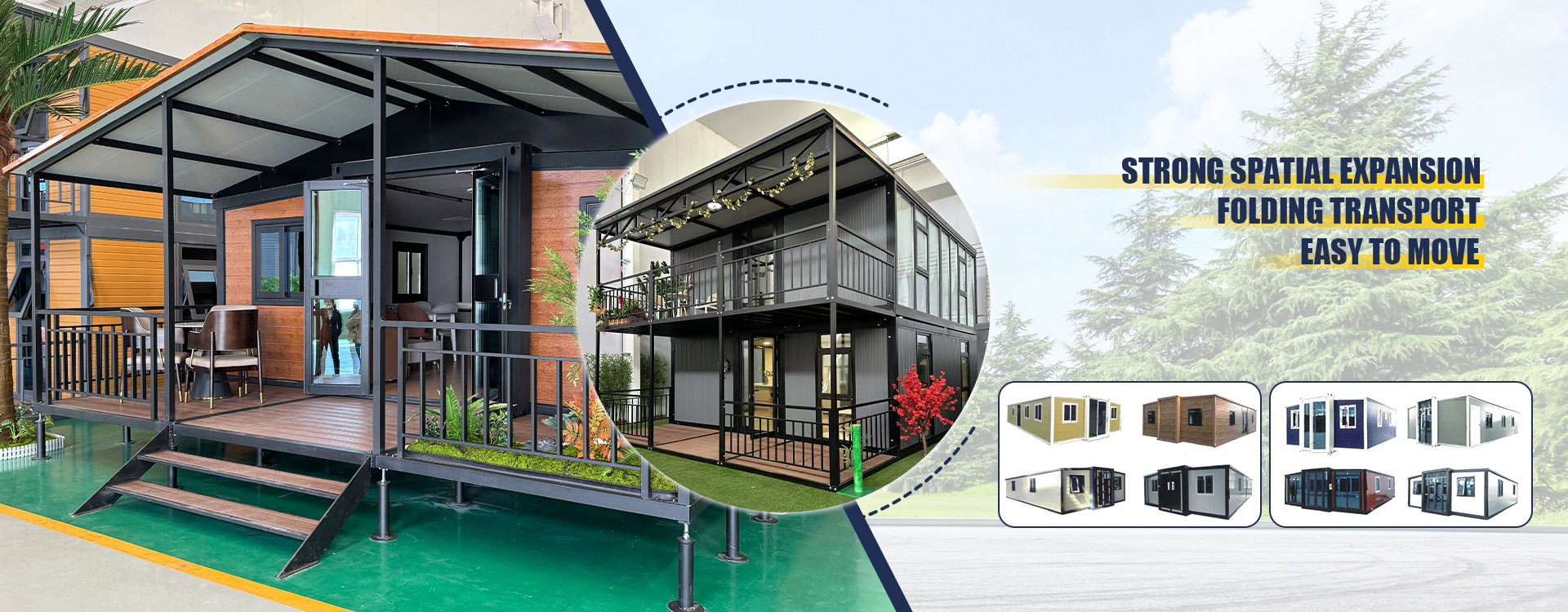
Best selling products
Best selling products-
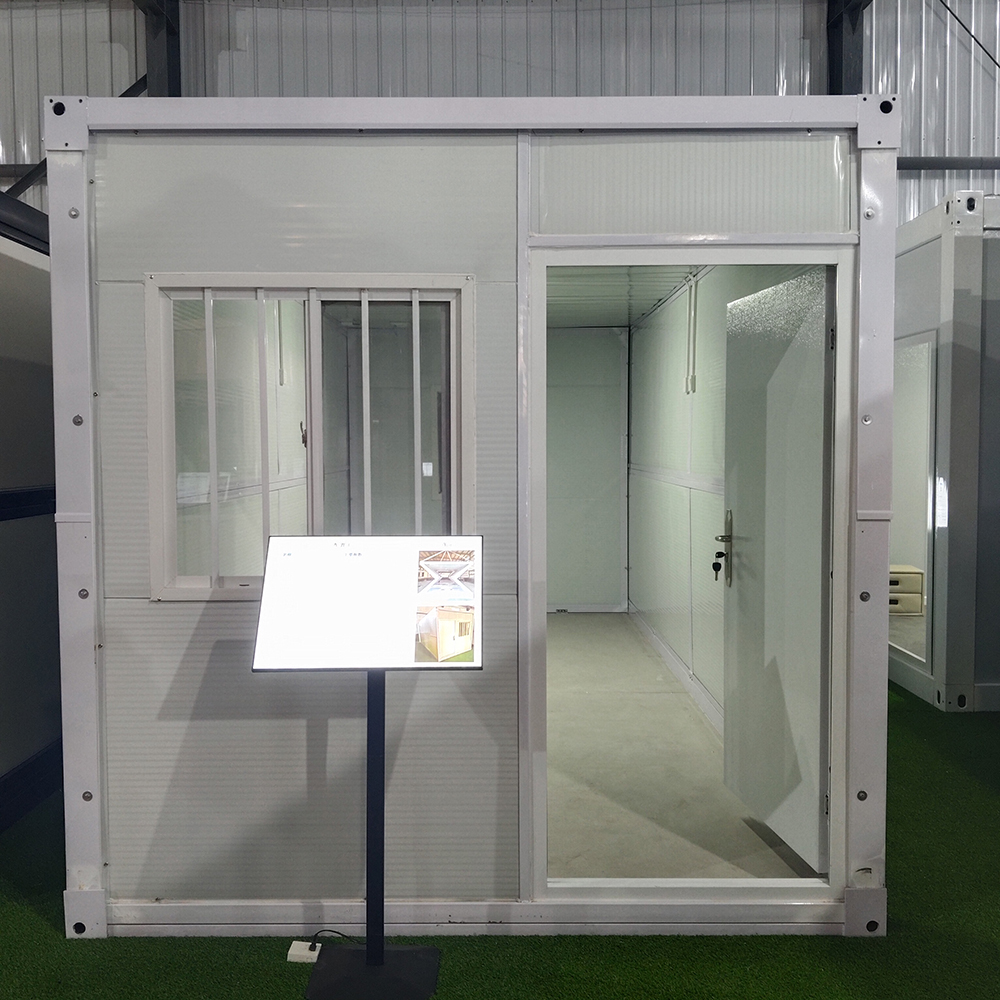 Reasonable Price 1 Bedroom Modular Container House Folding Container Home for Villa or Apartment Use
 -
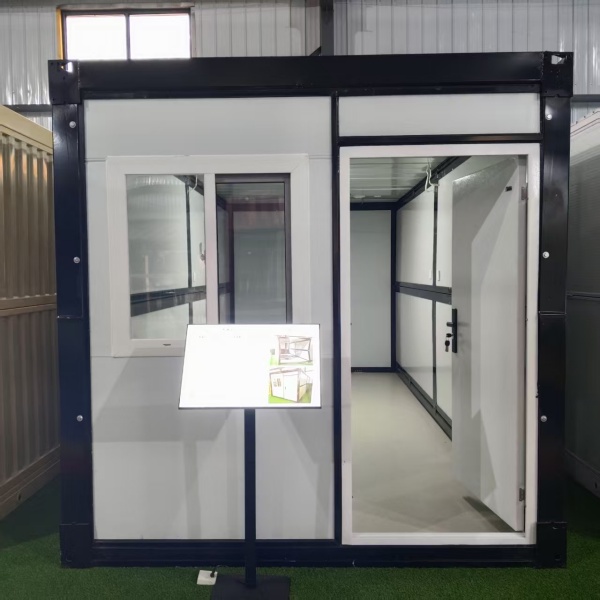 Factory Direct Sales Office Folding Container Luxury House Living Container House
 -
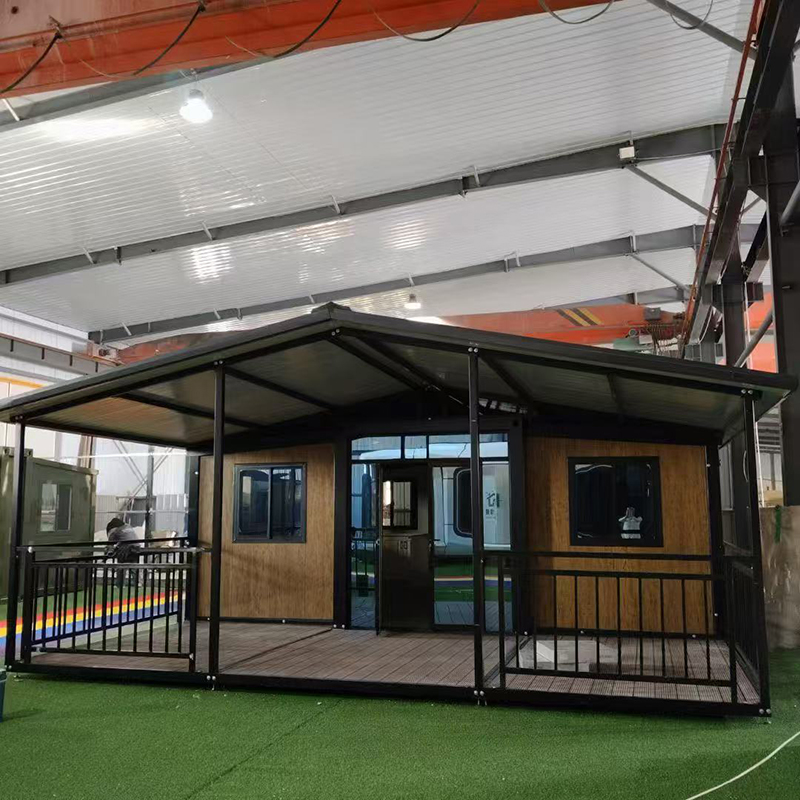
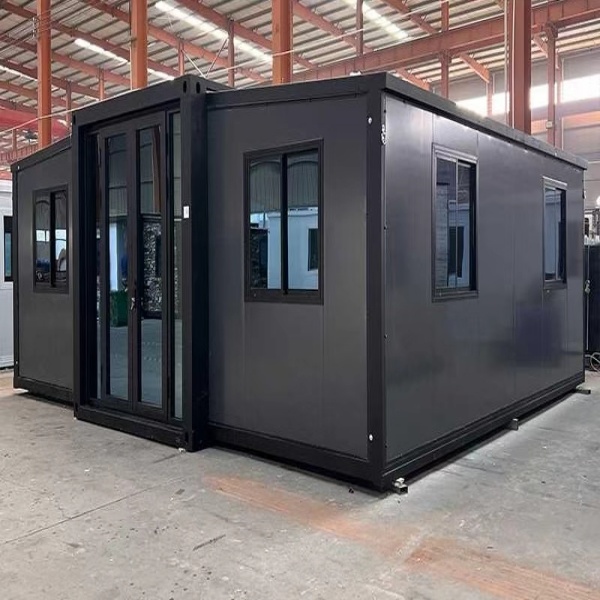 Dual-Wing Folding Container House: Fast Assembly, Space-Saving & Multi-Scene Adaptable
 -
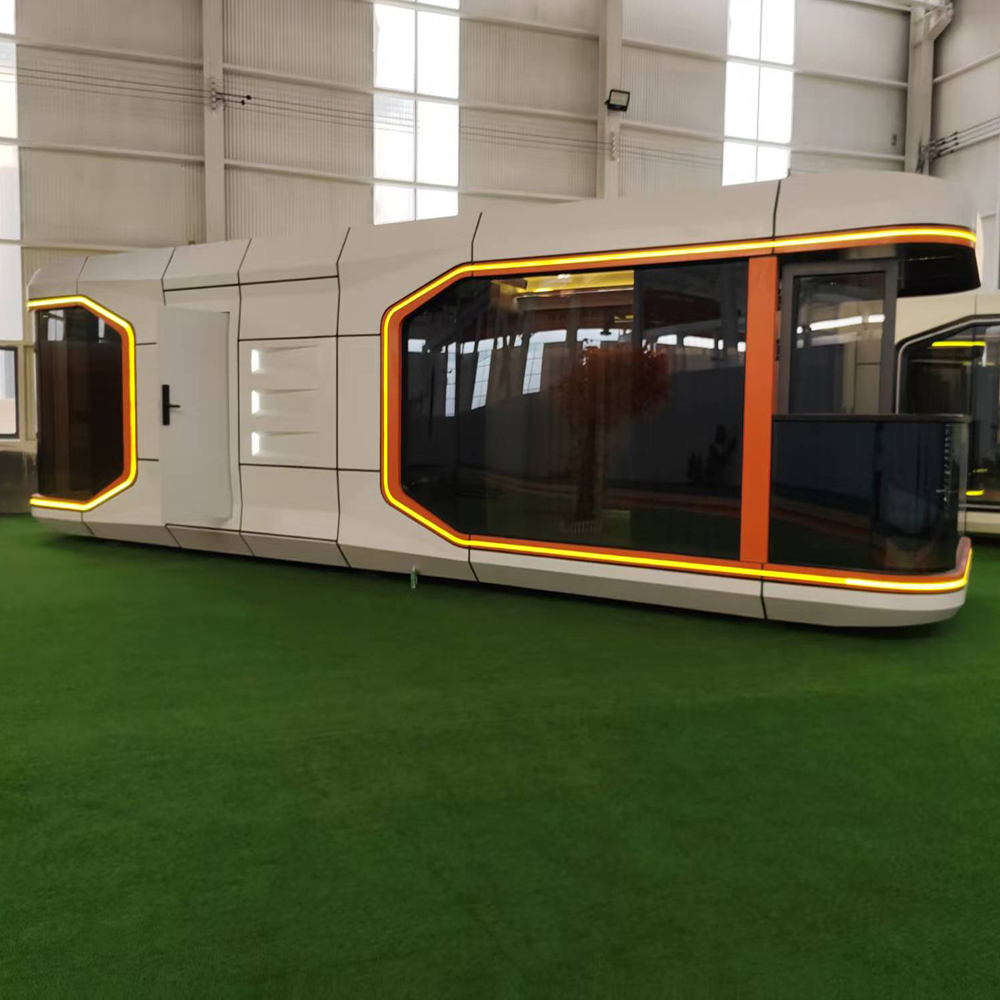
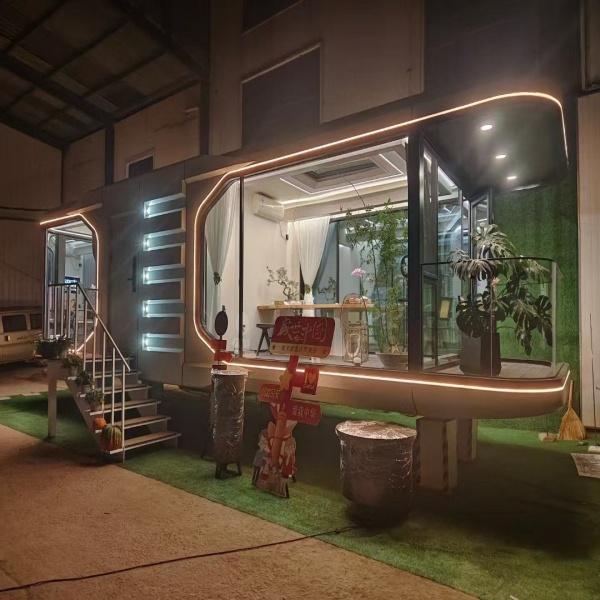 Outdoor ecological capsule rooms, luxury pods, space capsule hotel rooms, prefabricated space capsules, container houses
 -
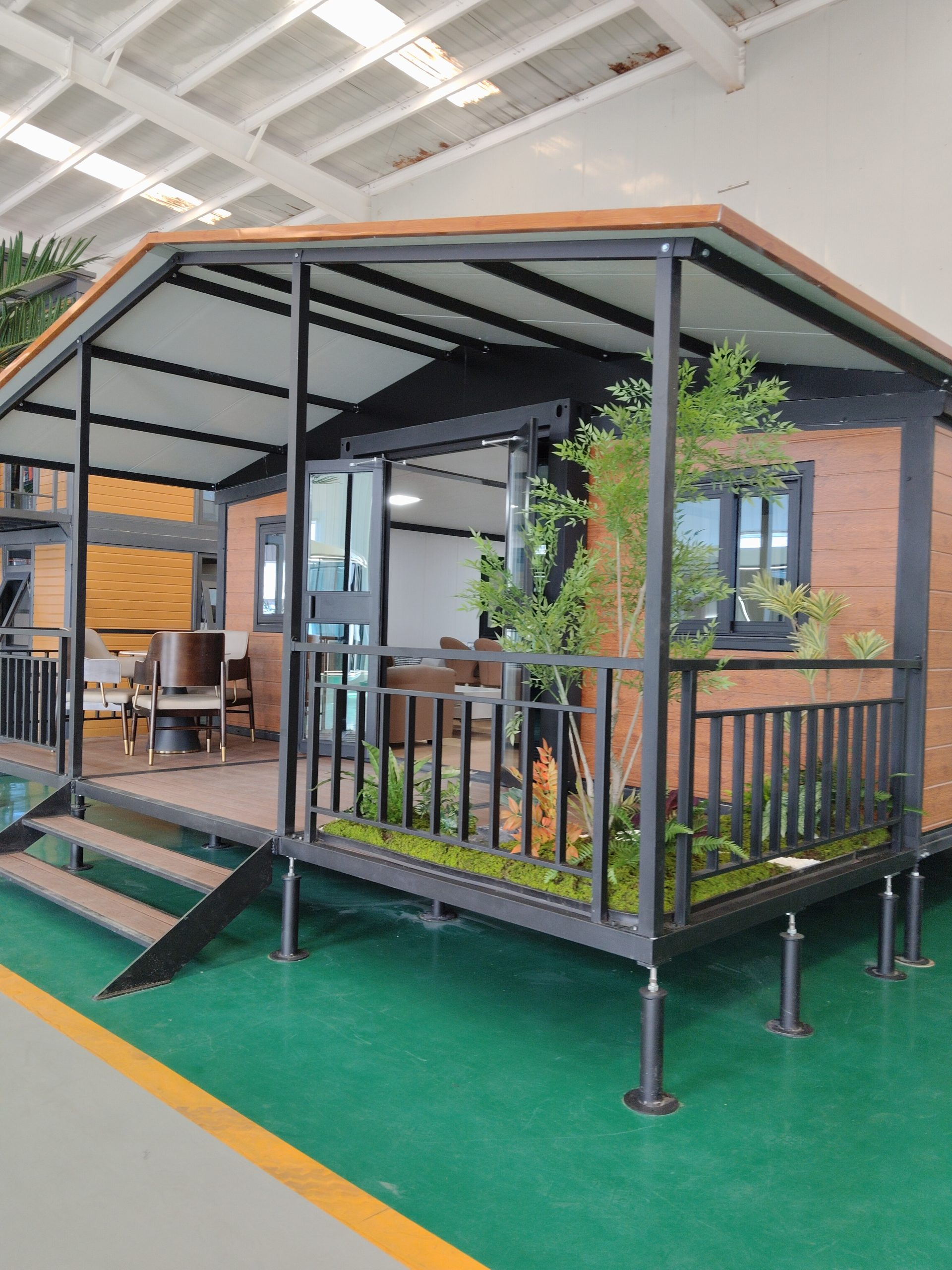 A container house with a terrace and double-wing folding design, suitable for various purposes such as offices, meeting rooms, living rooms, etc.
 -
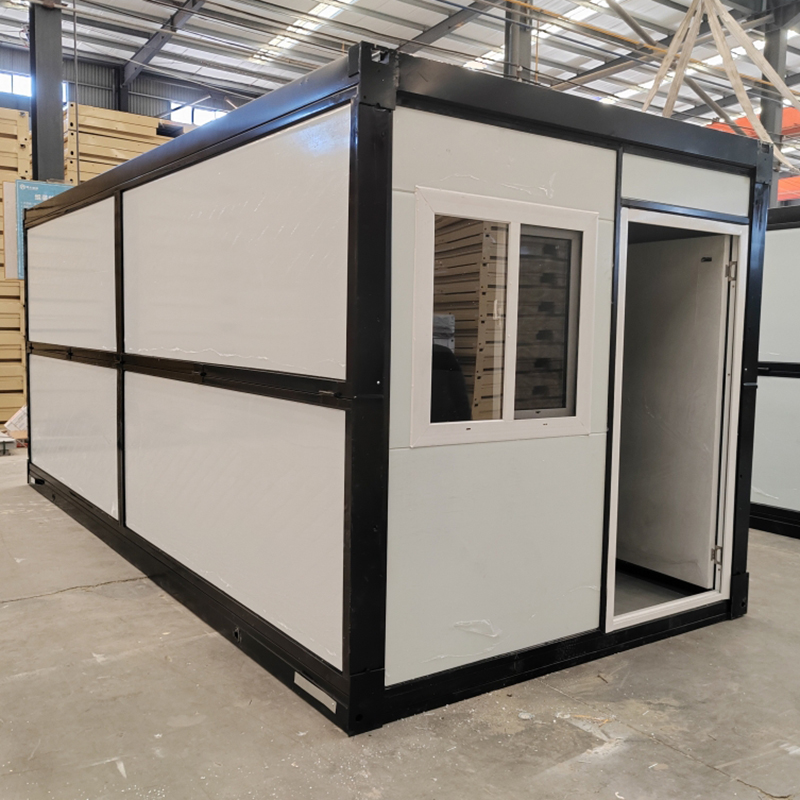
Hot-selling foldable container houses, expandable prefabricated houses, suitable for office or living use, with fast delivery.
-
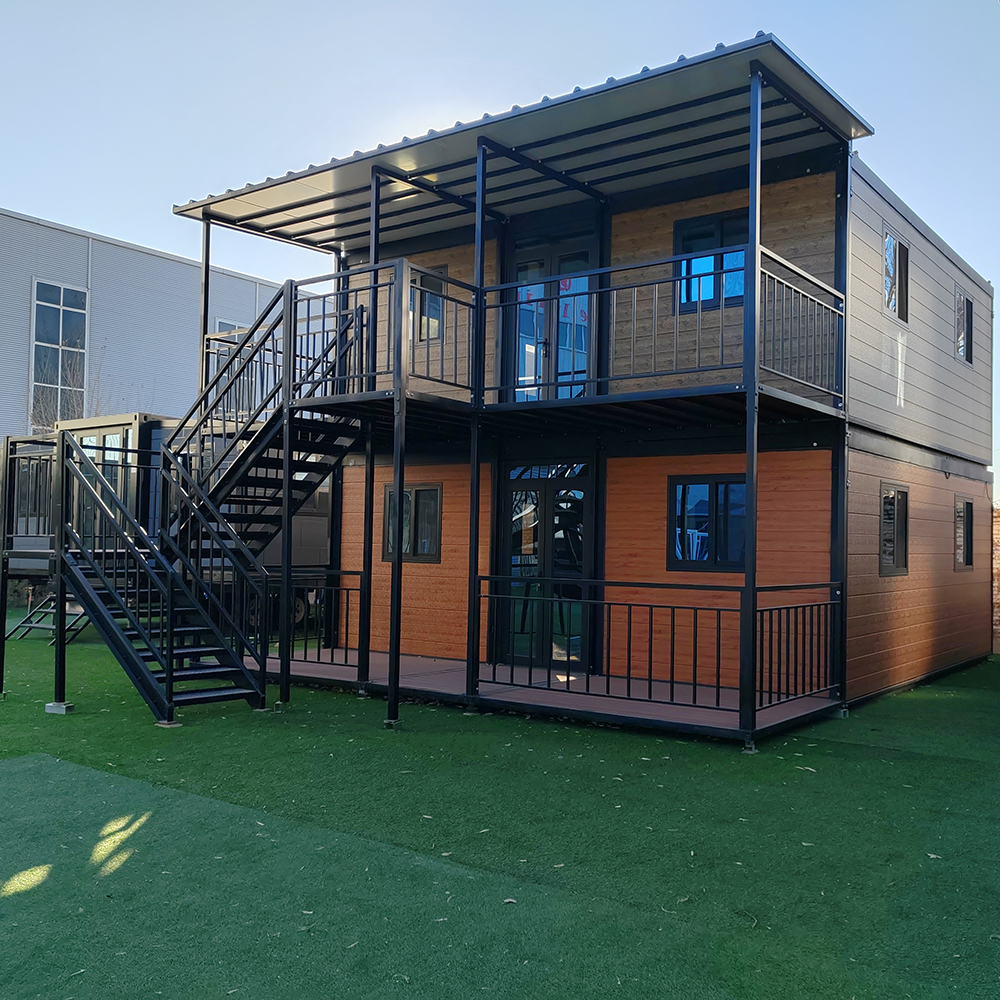
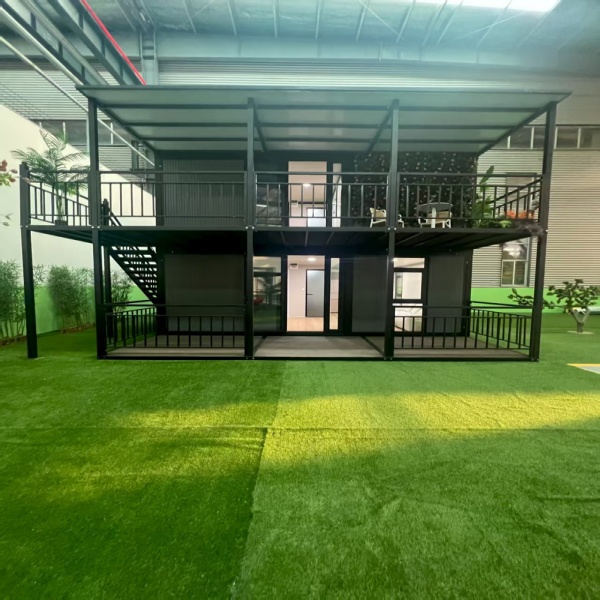 Luxury foldable two-story container houses in luxury resort hotels and villa hotels
 -
Two Wing Folding Expandable Container House
-
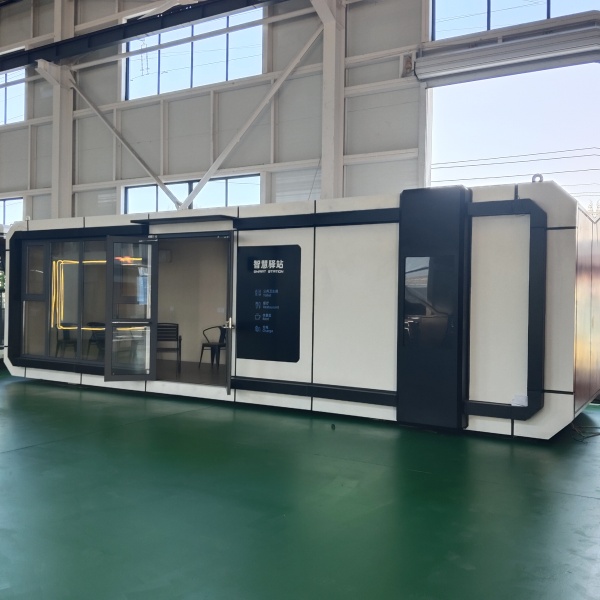 Modular modern movable apple cabins, customized high-end folk houses and portable bedrooms, delivered as a whole
 -
A container house with a terrace and double-wing folding design, suitable for various purposes such as offices, meeting rooms, living rooms, etc.
-
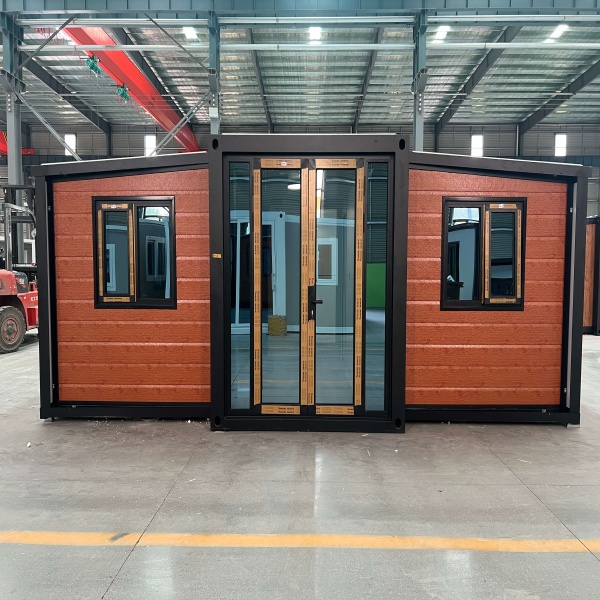 High-quality Double-wing Folding Container House with Doors and Windows, Insulated Walls, Suitable for Various Scenarios.
 -
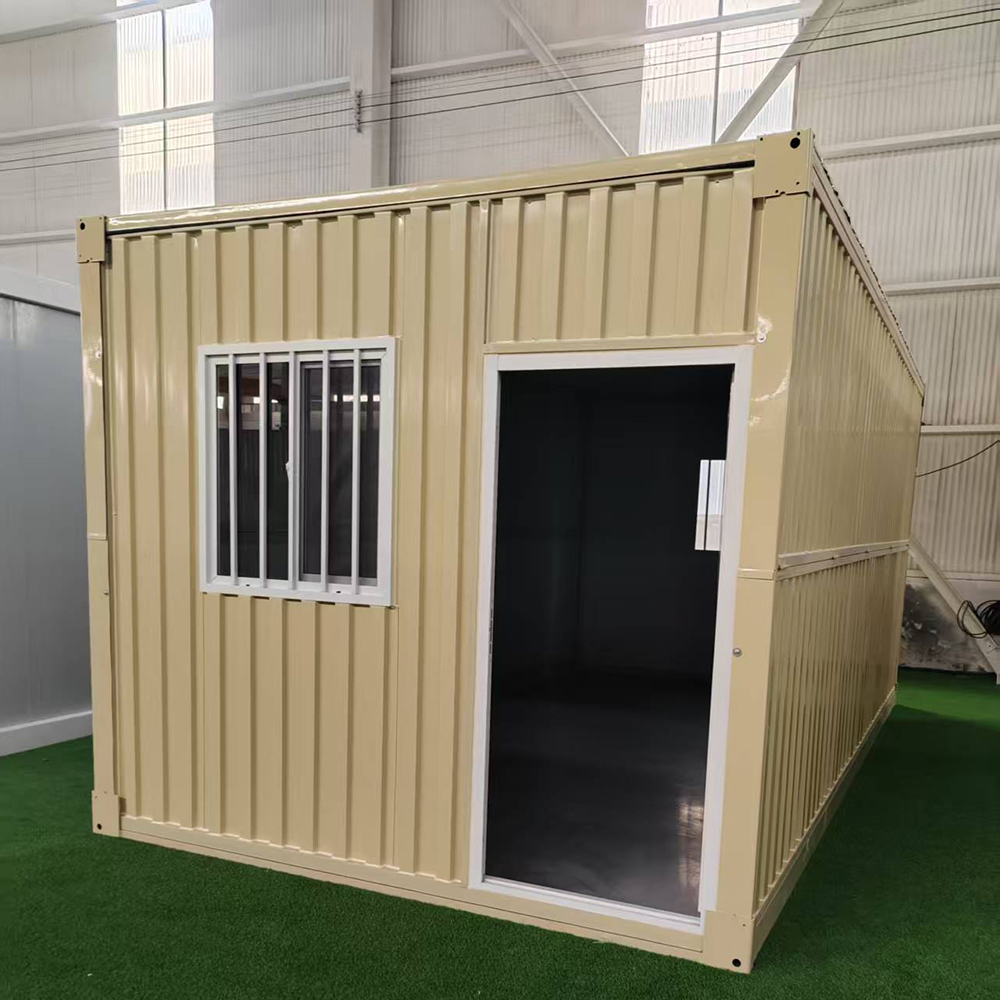 Competitive Price Portable Container House Foldable Container Mobile Living Modular Homes
Related search
Related search- China container house foldable
- expandable container house with solar energy
- apple creek cabins
- China modern durable quality expandable container house
- apple mountain cabins
- Apple Cabin
- Buy bastone mobile expandable prefab house 19ft x 20ft
- houses container house prefabricated cabin
- China expandable container house luxury
- price homes extended expandable container house