
-
E-mail
Austin120521@outlook.com -
E-mail
sales@jujiuhouse.com -
Telephone
+86-17864099991 -
Telephone
+86-17854044442
- Chinese
- French
- German
- Portuguese
- Spanish
- Russian
- Japanese
- Korean
- Arabic
- Irish
- Greek
- Turkish
- Italian
- Danish
- Romanian
- Indonesian
- Czech
- Afrikaans
- Swedish
- Polish
- Basque
- Catalan
- Esperanto
- Hindi
- Lao
- Albanian
- Amharic
- Armenian
- Azerbaijani
- Belarusian
- Bengali
- Bosnian
- Bulgarian
- Cebuano
- Chichewa
- Corsican
- Croatian
- Dutch
- Estonian
- Filipino
- Finnish
- Frisian
- Galician
- Georgian
- Gujarati
- Haitian
- Hausa
- Hawaiian
- Hebrew
- Hmong
- Hungarian
- Icelandic
- Igbo
- Javanese
- Kannada
- Kazakh
- Khmer
- Kurdish
- Kyrgyz
- Latin
- Latvian
- Lithuanian
- Luxembou..
- Macedonian
- Malagasy
- Malay
- Malayalam
- Maltese
- Maori
- Marathi
- Mongolian
- Burmese
- Nepali
- Norwegian
- Pashto
- Persian
- Punjabi
- Serbian
- Sesotho
- Sinhala
- Slovak
- Slovenian
- Somali
- Samoan
- Scots Gaelic
- Shona
- Sindhi
- Sundanese
- Swahili
- Tajik
- Tamil
- Telugu
- Thai
- Ukrainian
- Urdu
- Uzbek
- Vietnamese
- Welsh
- Xhosa
- Yiddish
- Yoruba
- Zulu
- Kinyarwanda
- Tatar
- Oriya
- Turkmen
- Uyghur




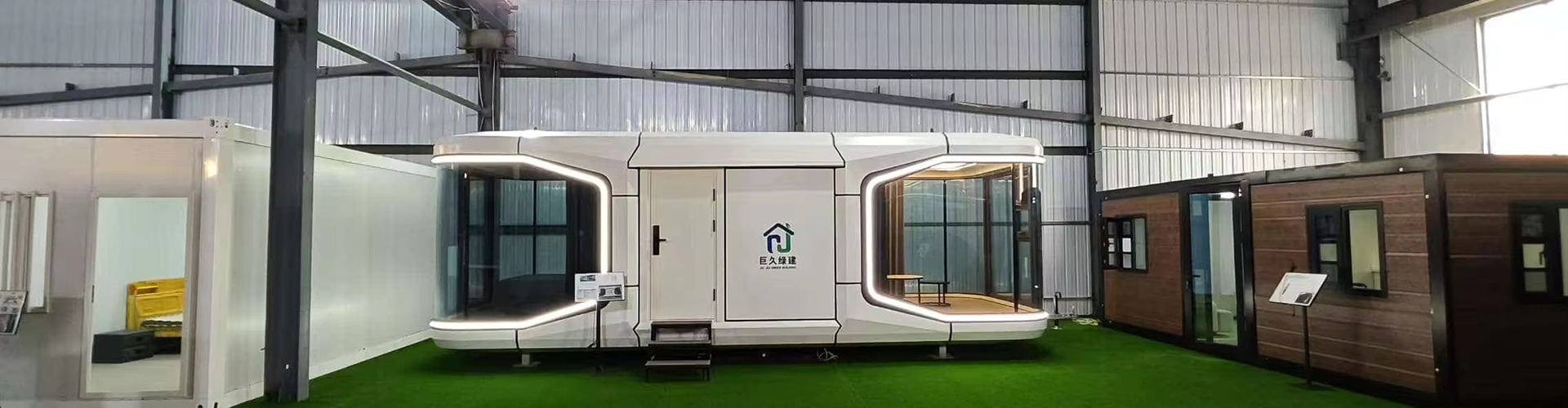
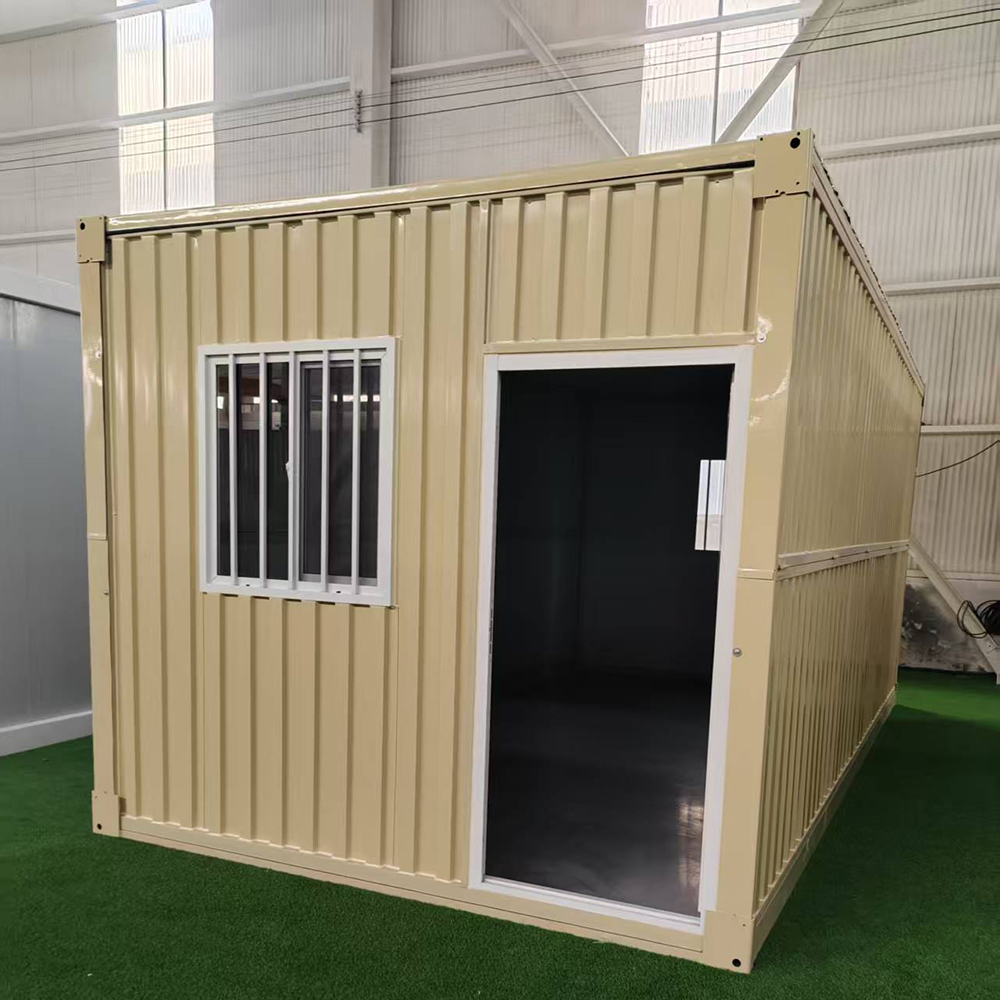
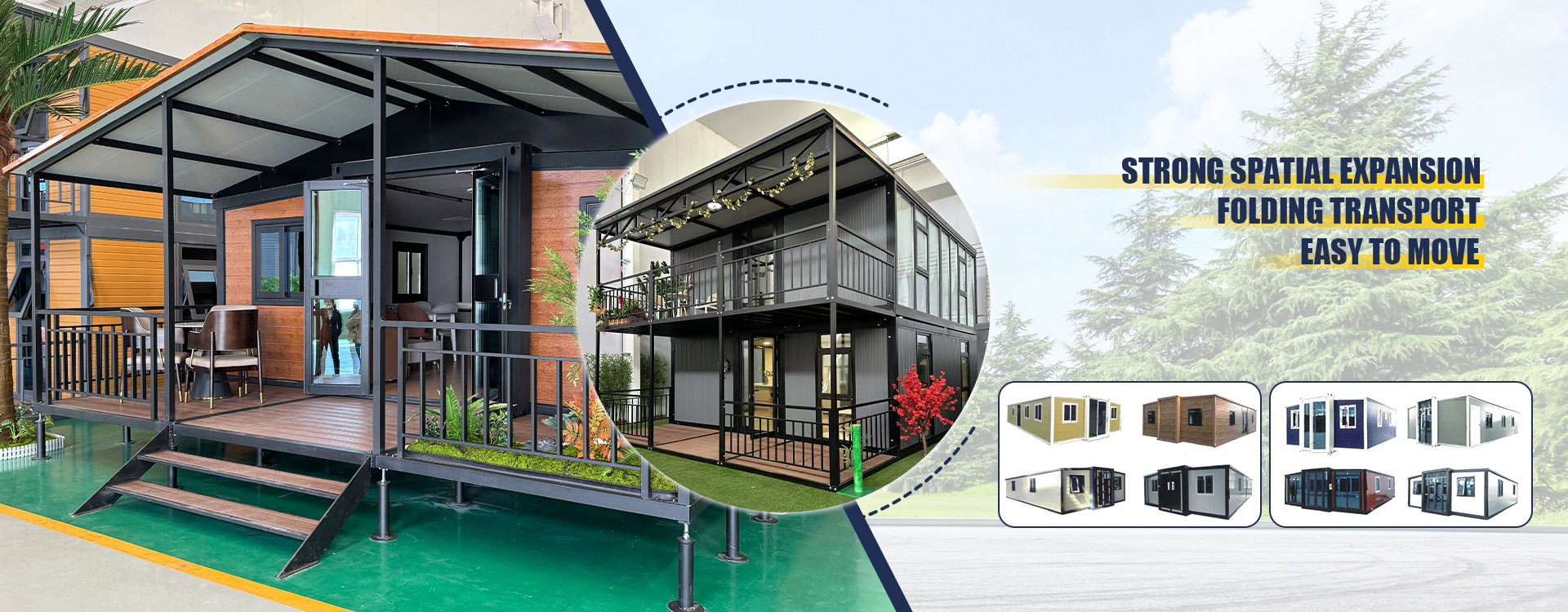
fold out tiny house
Exploring the World of Fold Out Tiny Houses
The concept of a fold out tiny house might sound straightforward—just unfold and you're home! But there's a lot more beneath the surface, both in terms of engineering and lifestyle adjustments, which often catches newcomers off guard. Let's dive into the nuances of these remarkable dwellings and straighten out a few common misconceptions.
Understanding the Engineering Behind It
When I first encountered fold out tiny houses, I was struck by the intricacy involved. At a glance, it's a simple transformation from a compact box to a fully functional living space. But, every step in this unfolding process is a testament to precision engineering. The balance of weight, materials, and deploying mechanisms must align perfectly to create something both livable and sturdy.
Take the work of Shandong Jujiu Integrated Housing Co., Ltd., for example. This company specializes in a variety of housing solutions, with a strong focus on innovation. Their products often encapsulate cutting-edge techniques in deployment, seamlessly merging convenience with structural integrity.
When we’re talking about these houses, one must appreciate the design thinking involved. It's not just about efficiency in space but also about creating a dwelling that provides comfort and ease of use without compromising on stability or aesthetics.
Common Pitfalls and Solutions
Initial enthusiasm can lead to overlooking some practical issues. For instance, insulation and weatherproofing are common concerns. Fold out structures can be vulnerable to the elements if not properly treated. Here’s where material choice becomes a game changer—using advanced composites or treated timber can significantly improve performance.
There's also the matter of setup time. While the idea is to make unfolding as quick as possible, variations in land surface and conditions may pose challenges. In my experiences, having a well-prepared site is half the job done. It often pays off to spend time leveling the ground and ensuring proper drainage before unfolding your tiny home.
An example comes to mind—a project I worked on where the terrain was rocky. We quickly realized that without a solid foundation, issues would only multiply over time. It's these on-ground realities that shape the potential success of a fold out tiny house.
Customization and User Experience
The appeal of fold out homes often lies in their adaptability. Owners love the idea of customizing their space down to the finest detail. Here’s where companies like Shandong Jujiu Integrated Housing Co., Ltd. break the mold by offering a range of customization options which truly enhance the customer experience.
From built-in storage solutions to tailored interior finishes, the ability to personalize one's space can transform a standard fold out home into a unique sanctuary. Yet, it's not just about aesthetics—practical additions like solar panels or rainwater collection systems can significantly enhance off-grid living capabilities.
Remember, however, every customization must be scrutinized for its impact on weight and balance. The goal is to maintain the harmony between portability and comfort—a challenge that's exciting yet demanding.
Case Studies and Real-World Applications
Looking at real-world applications, one memorable project involved deploying these homes in disaster relief scenarios. Their portability and rapid setup were invaluable, providing immediate shelter with a semblance of comfort and normality.
In another instance, a remote research team found the flexibility of fold out homes ideal for establishing temporary bases in inaccessible locations. The ability to transport these units via helicopter or even off-road vehicles showcased their remarkable versatility.
These case studies highlight an important dimension—fold out tiny houses are not just about minimalist living; they're about delivering solutions where and when they're needed.
Future Considerations
Looking toward the future, the evolution of fold out homes will likely focus on sustainability and smart technology integration. Innovations in energy-efficient materials or IoT-enabled fixtures could further revolutionize this niche segment, offering even smarter living experiences.
There’s also a growing community around these homes, hinting at a cultural shift toward minimalism and ecological awareness. How this influences future designs will be a fascinating process to observe and, hopefully, contribute to.
In conclusion, fold out tiny houses embody both a challenge and an opportunity. For individuals and families alike, they offer a path to a unique lifestyle, marked by adaptability and simplicity. It's a journey not without its hurdles, but the rewards can be truly transformative.
Related products
Related products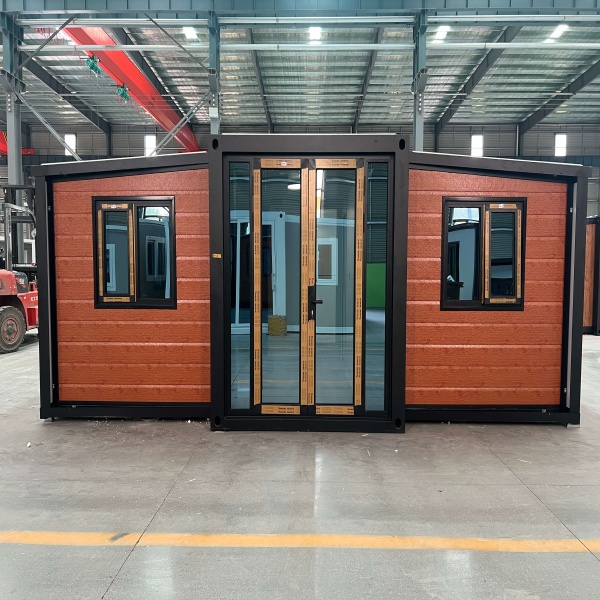
Best selling products
Best selling products-
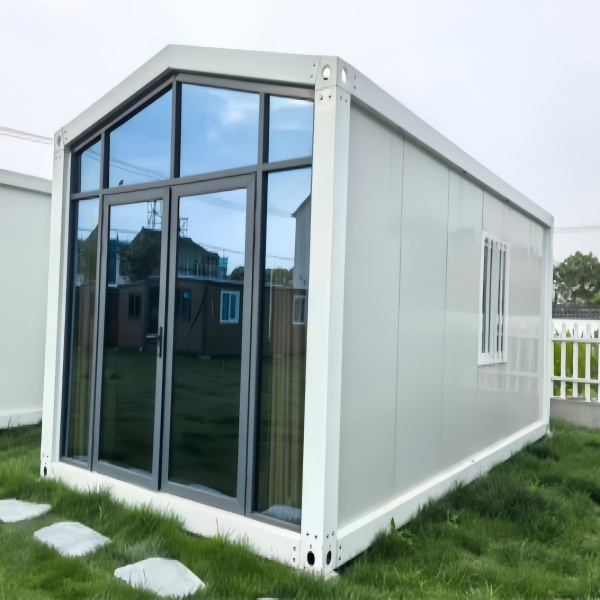
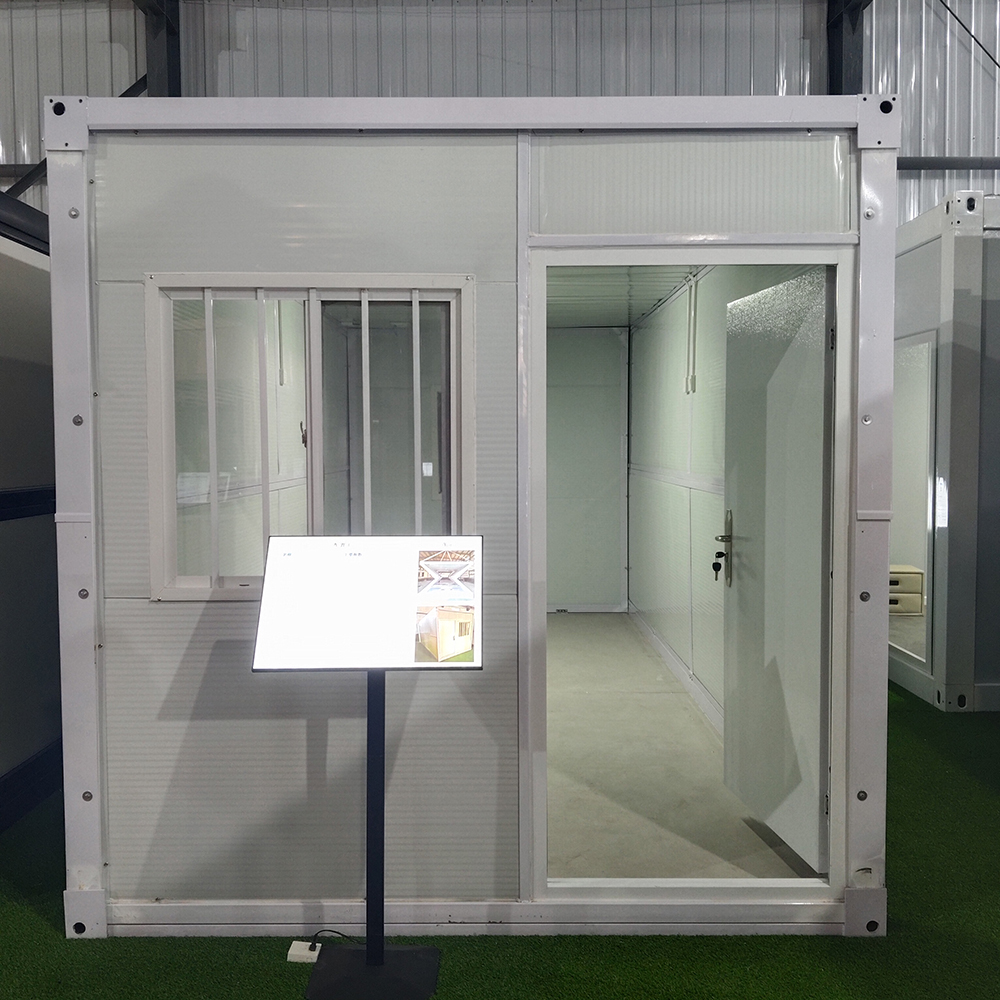 Reasonable Price 1 Bedroom Modular Container House Folding Container Home for Villa or Apartment Use
 -
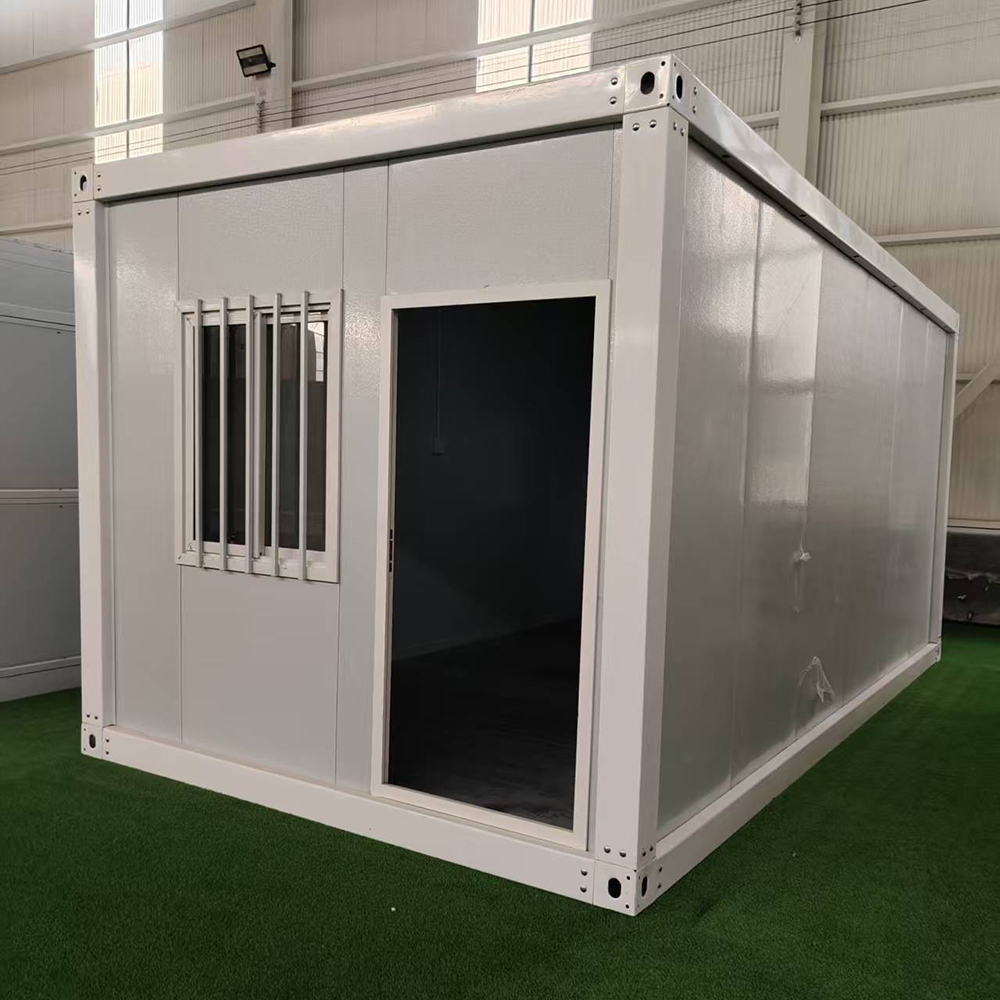 Folding Container Moving House Modular Office Container House Prefab Container for Outdoor Use
 -
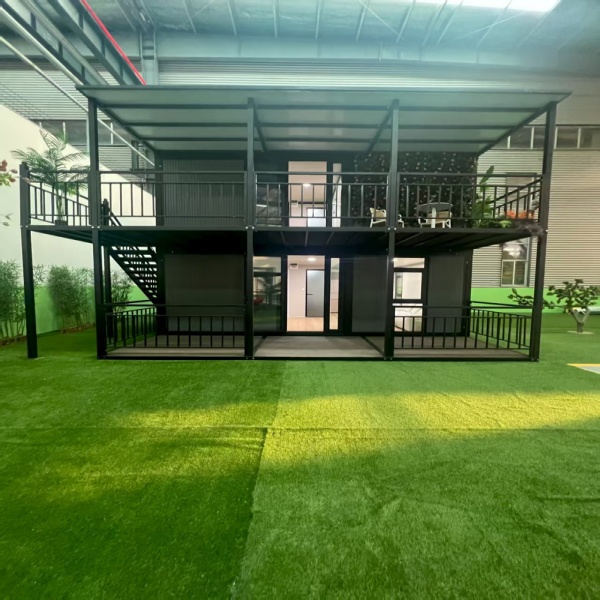
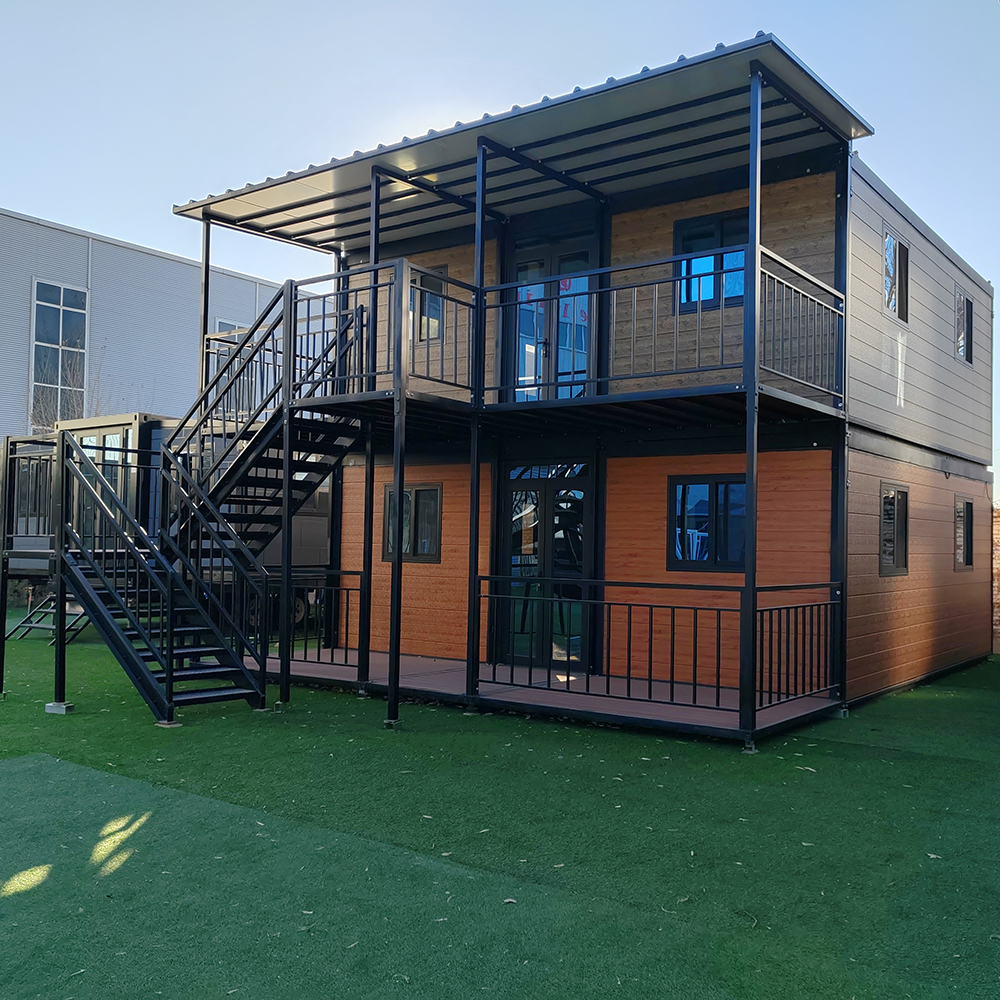 Easy Install Customized Detachable Container Homes Extendable House Prefab 2 Floors Expandable Container House
 -
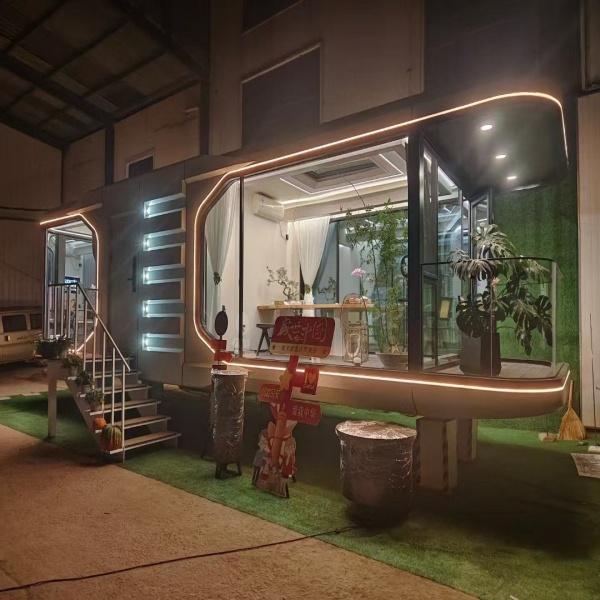 Outdoor ecological capsule rooms, luxury pods, space capsule hotel rooms, prefabricated space capsules, container houses
 -
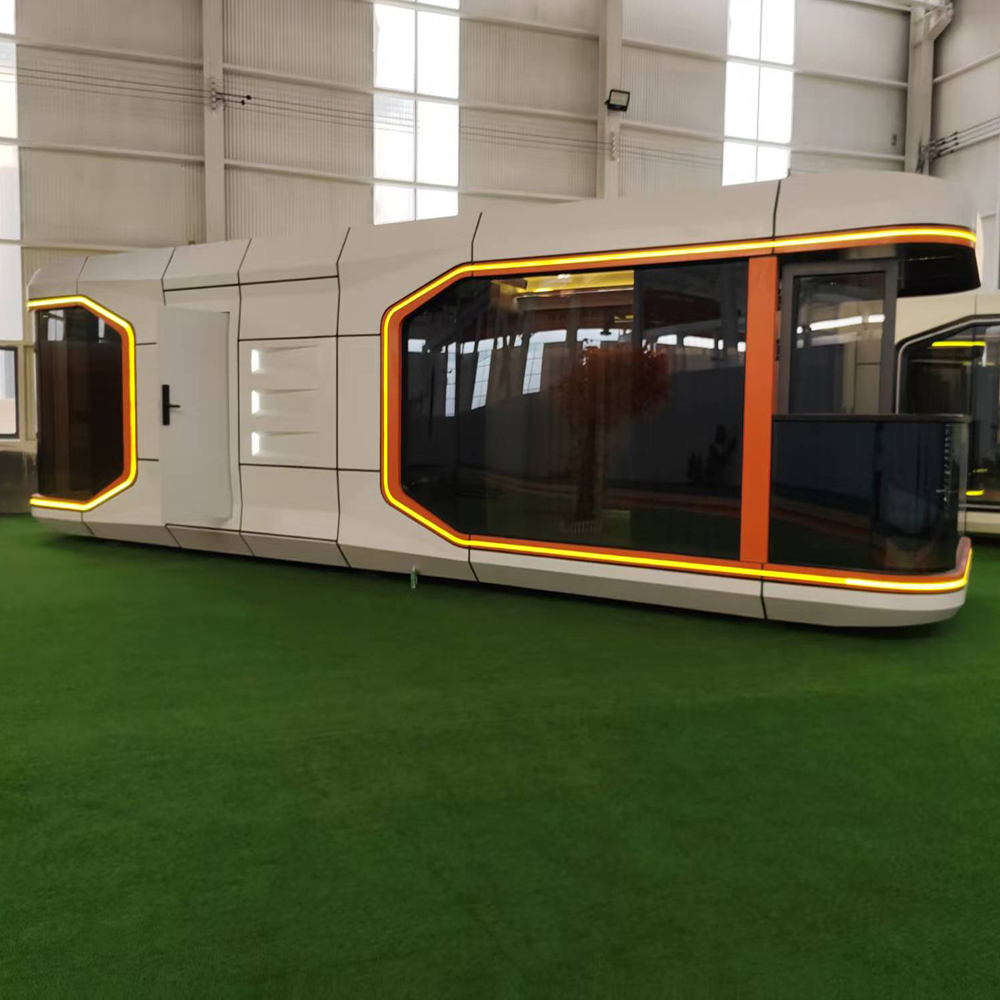 Standard Modern Camping Pod Space Prefabricated Portable Mobile Capsule Room Hotel Bathroom Prefabricated Spaceship House
 -
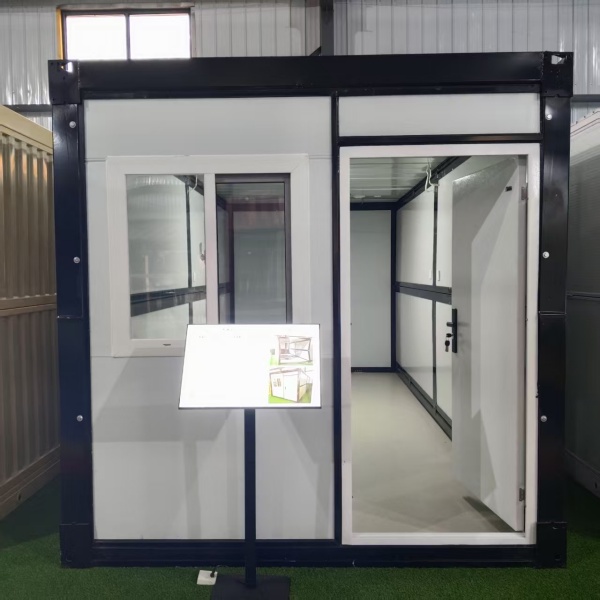 Factory Direct Sales Office Folding Container Luxury House Living Container House
 -
 Luxury Foldable Two Story Container House for Glamping Resort and Villa Hotel
 -
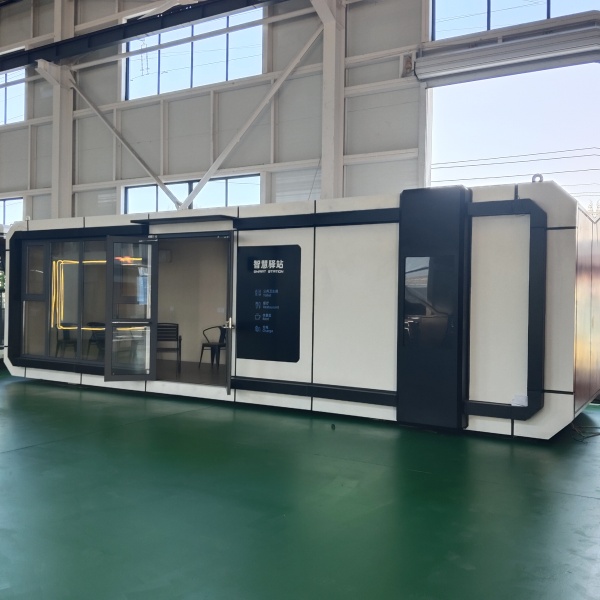 Modular modern movable apple cabins, customized high-end folk houses and portable bedrooms, delivered as a whole
 -
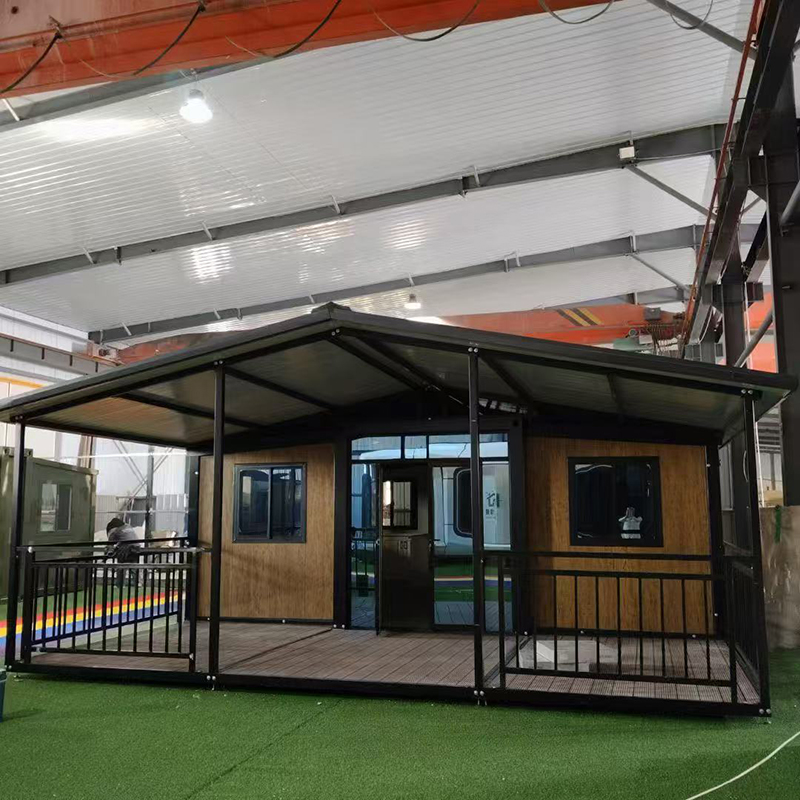 Customized Expandable Container House Holiday Home Folding Prefab Container House with Bathroom and Kitchen
 -
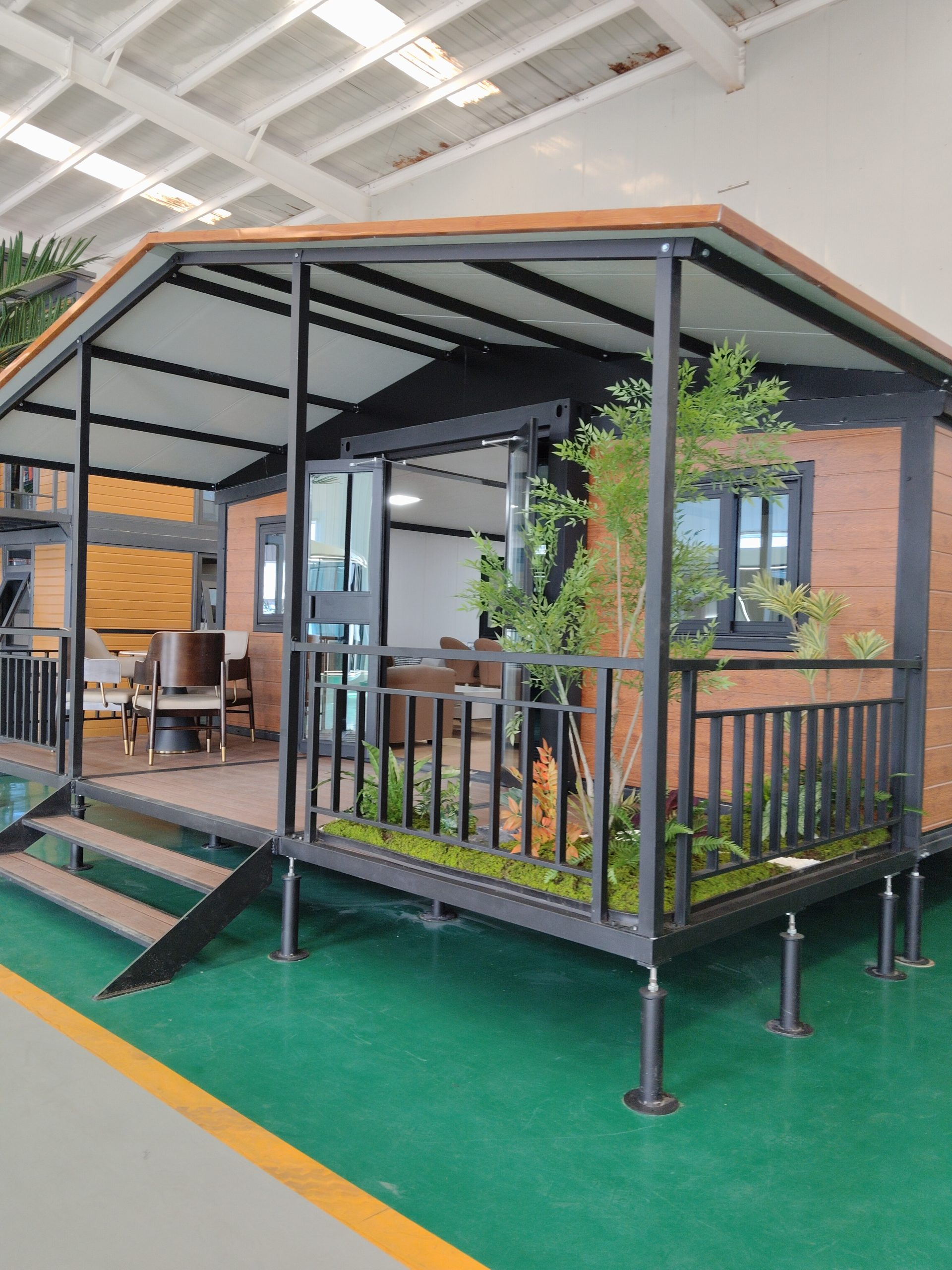 A container house with a terrace and double-wing folding design, suitable for various purposes such as offices, meeting rooms, living rooms, etc.
 -
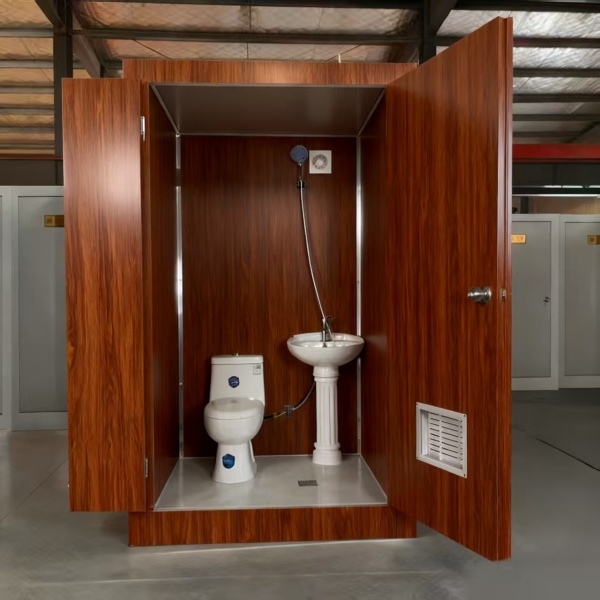 Portable outdoor camping bathroom, mobile toilet, prefabricated modular villa & rental of outdoor and indoor showers
 -
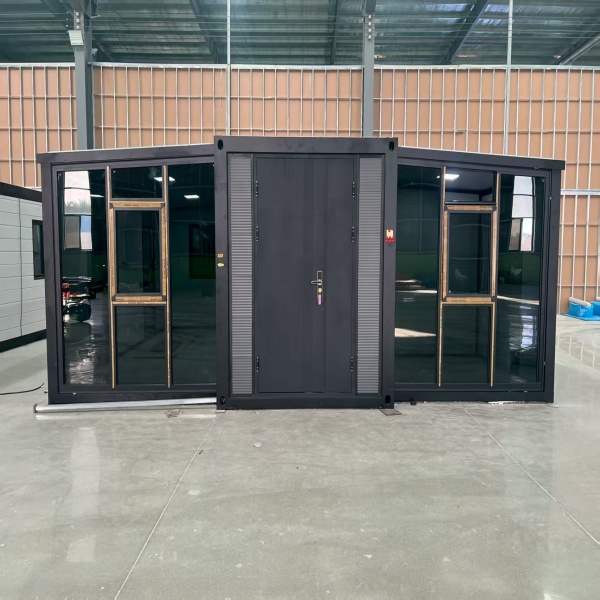 Customizable Office Mobile Home with Flat Roof and Double Wing Expansion Box, Convenient Container
Related search
Related search- fold out container
- Buy 40 ft expandable container house
- folding caravan container house
- Buy foldable prefabricated folding container house
- 20ft expandable container house
- space capsule villas
- 40 ft expandable container house
- Buy apple creek cabins
- China apple valley lake cabins
- expandable prefab mobile house prefab home 19x20ft mobile home