
-
E-mail
Austin120521@outlook.com -
E-mail
sales@jujiuhouse.com -
Telephone
+86-17864099991 -
Telephone
+86-17854044442
- Chinese
- French
- German
- Portuguese
- Spanish
- Russian
- Japanese
- Korean
- Arabic
- Irish
- Greek
- Turkish
- Italian
- Danish
- Romanian
- Indonesian
- Czech
- Afrikaans
- Swedish
- Polish
- Basque
- Catalan
- Esperanto
- Hindi
- Lao
- Albanian
- Amharic
- Armenian
- Azerbaijani
- Belarusian
- Bengali
- Bosnian
- Bulgarian
- Cebuano
- Chichewa
- Corsican
- Croatian
- Dutch
- Estonian
- Filipino
- Finnish
- Frisian
- Galician
- Georgian
- Gujarati
- Haitian
- Hausa
- Hawaiian
- Hebrew
- Hmong
- Hungarian
- Icelandic
- Igbo
- Javanese
- Kannada
- Kazakh
- Khmer
- Kurdish
- Kyrgyz
- Latin
- Latvian
- Lithuanian
- Luxembou..
- Macedonian
- Malagasy
- Malay
- Malayalam
- Maltese
- Maori
- Marathi
- Mongolian
- Burmese
- Nepali
- Norwegian
- Pashto
- Persian
- Punjabi
- Serbian
- Sesotho
- Sinhala
- Slovak
- Slovenian
- Somali
- Samoan
- Scots Gaelic
- Shona
- Sindhi
- Sundanese
- Swahili
- Tajik
- Tamil
- Telugu
- Thai
- Ukrainian
- Urdu
- Uzbek
- Vietnamese
- Welsh
- Xhosa
- Yiddish
- Yoruba
- Zulu
- Kinyarwanda
- Tatar
- Oriya
- Turkmen
- Uyghur




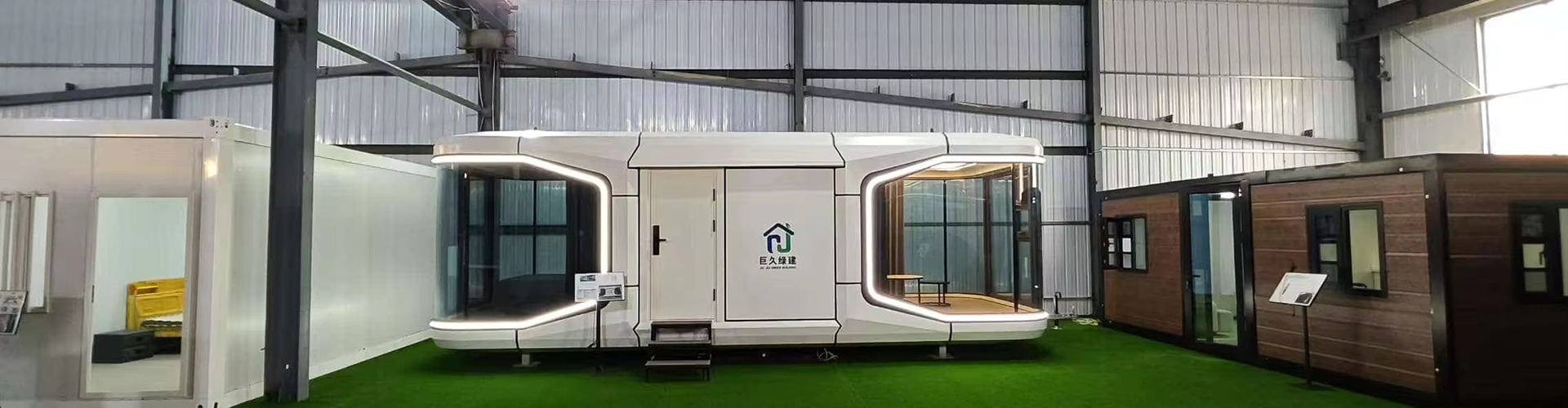
folding houses
Exploring the World of Folding Houses
The concept of folding houses promises innovative solutions to modern housing challenges, blending convenience with design. However, misconceptions like instant setup and zero maintenance often mislead potential adopters. Let's delve into the real workings of this transforming industry.
Understanding Folding House Basics
At first glance, folding houses seem like a magic trick—a full-sized structure materializing in minutes. The reality, informed by practical experience, is a tad more nuanced. These structures are designed primarily for temporary settings, offering flexibility, and can serve diverse purposes ranging from emergency shelters to pop-up events.
One prominent player in this field is the SHANDONG JUJIU INTEGRATED HOUSING CO, LTD. Their website, jujiuhouse.com, presents a variety of options, showcasing their involvement in not just folding houses, but a suite of modular solutions. Their approach emphasizes functionality, vital for any reputable provider in this segment.
The build quality is crucial; materials need to withstand repeated assembly and dismantling without wear. Companies like Jujiu are investing heavily in durable components, with an eye on both longevity and ease of use. Simple assembly doesn’t equate to simplicity in engineering.
Challenges in Folding House Design
Designing a folding house isn’t purely an architectural task—it's an intersection of logistics, materials science, and user-centric design. The weight and volume must be manageable, which often limits the materials used. Striking a balance here is a sophisticated dance of compromises.
For instance, structures produced by Shandong Jujiu often integrate light steel frames. This choice reduces the weight without compromising the strength. During one site visit, I noted the efficiencies achieved by interlocking panels, cutting down setup times significantly.
However, nothing is perfect. Weather resistance is a constant hurdle, particularly in extreme climates. Proper planning can mitigate these issues but only to an extent. Custom solutions might involve retrofitting additional layers or coatings, adding to the cost.
Innovative Applications and Benefits
Beyond just temporary accommodations, folding houses have found roles in numerous applications. Real estate developers are exploring them for remote site offices, where permanence isn't feasible. Events and exhibitions similarly benefit from the rapid setup and dismantle capabilities.
Shandong Jujiu has ventured into integrating these structures within urban settings. One project juxtaposed these modern units with traditional architecture, highlighting the design's adaptability and aesthetic flexibility. The community's reaction was overwhelmingly positive, appreciating both the novel utility and the sleek modernity.
Cost savings also play a significant role. Quick deployment means less downtime in project rollouts, a factor developers often underestimate. When installations become this seamless, teams can pivot faster, enhancing operational efficiency.
Practical Considerations for Buyers
Potential buyers should adopt a checklist mindset. Evaluate durability first, as materials vary significantly in the market. Delve into the supplier's history; established companies like Jujiu with a diversified portfolio are generally more reliable.
Long-term maintenance is another aspect often overlooked. While initial setup is straightforward, upkeep, especially around moving parts and joints, requires routine checks. Users must be prepared for minor fixes — lubrication, alignment corrections, and the like.
Lastly, consider the contextual aesthetics. Jujiu’s options provide diverse facades, allowing owners to blend or contrast their folding house with the surroundings as desired. Remember, even functional structures contribute to the environment’s visual narrative.
The Future of Folding Houses
The future outlook for folding houses is bright yet challenging. Market demands are pushing for smarter designs with integrated technologies, perhaps solar-ready units or advanced insulation systems. Companies like Jujiu, with their established R&D department, are well-positioned to lead these innovations.
Legislation also plays a role in what these homes can and cannot do. Regulations are evolving, sometimes lagging behind technological advancements. A proactive approach, involving both client and supplier dialogue, can navigate these murky waters effectively.
Ultimately, whether as temporary shelters during crises or flexible, chic urban solutions, folding houses are here to stay. Their adaptability could redefine our approach to space and necessity in contemporary living.
Related products
Related products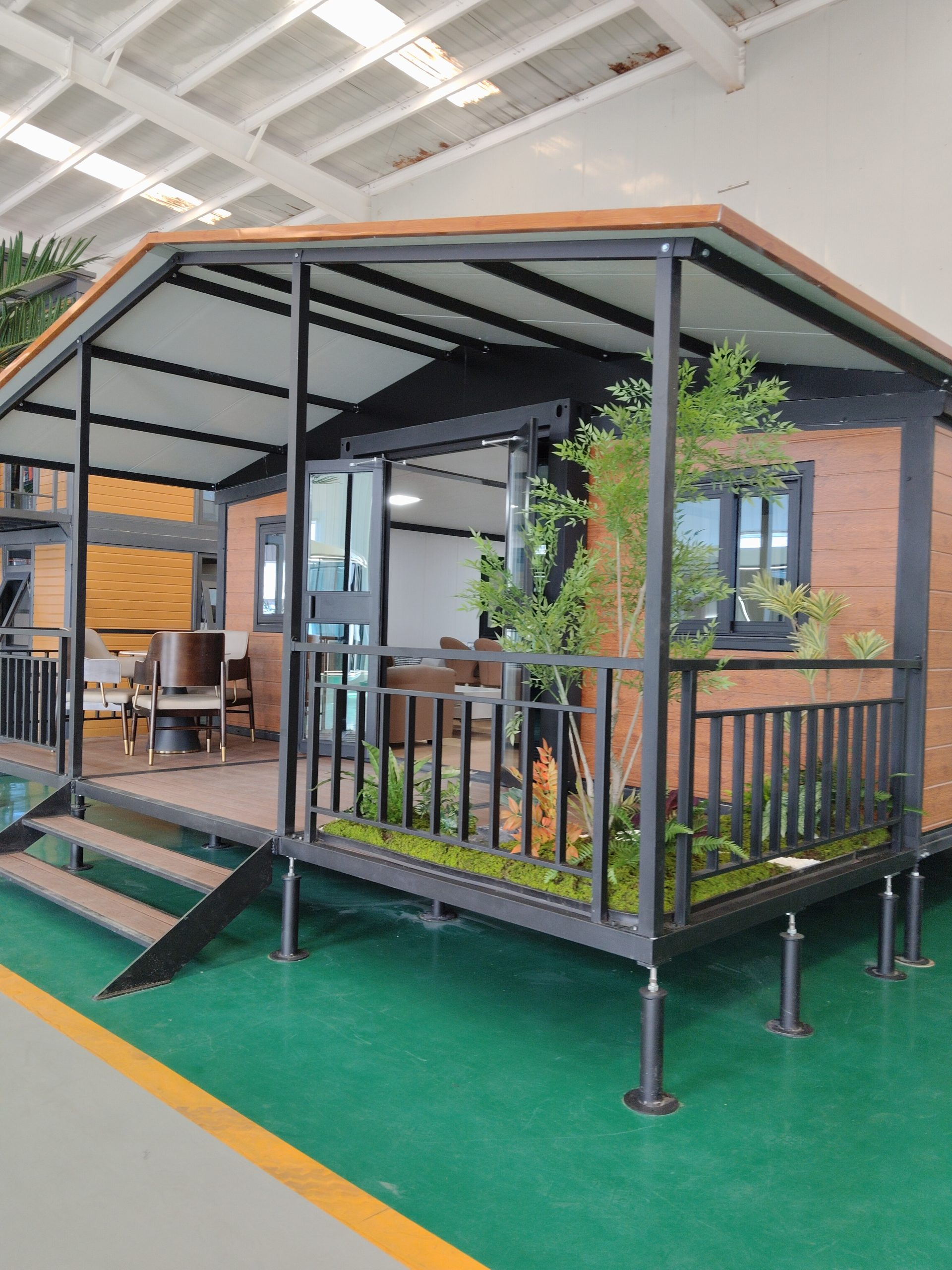
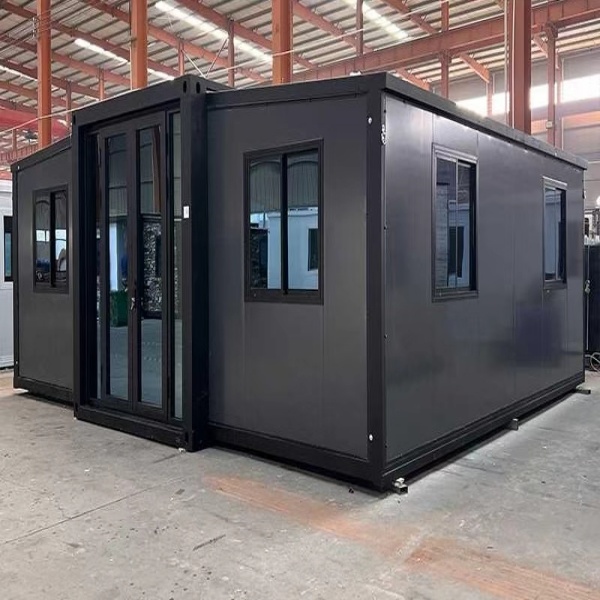
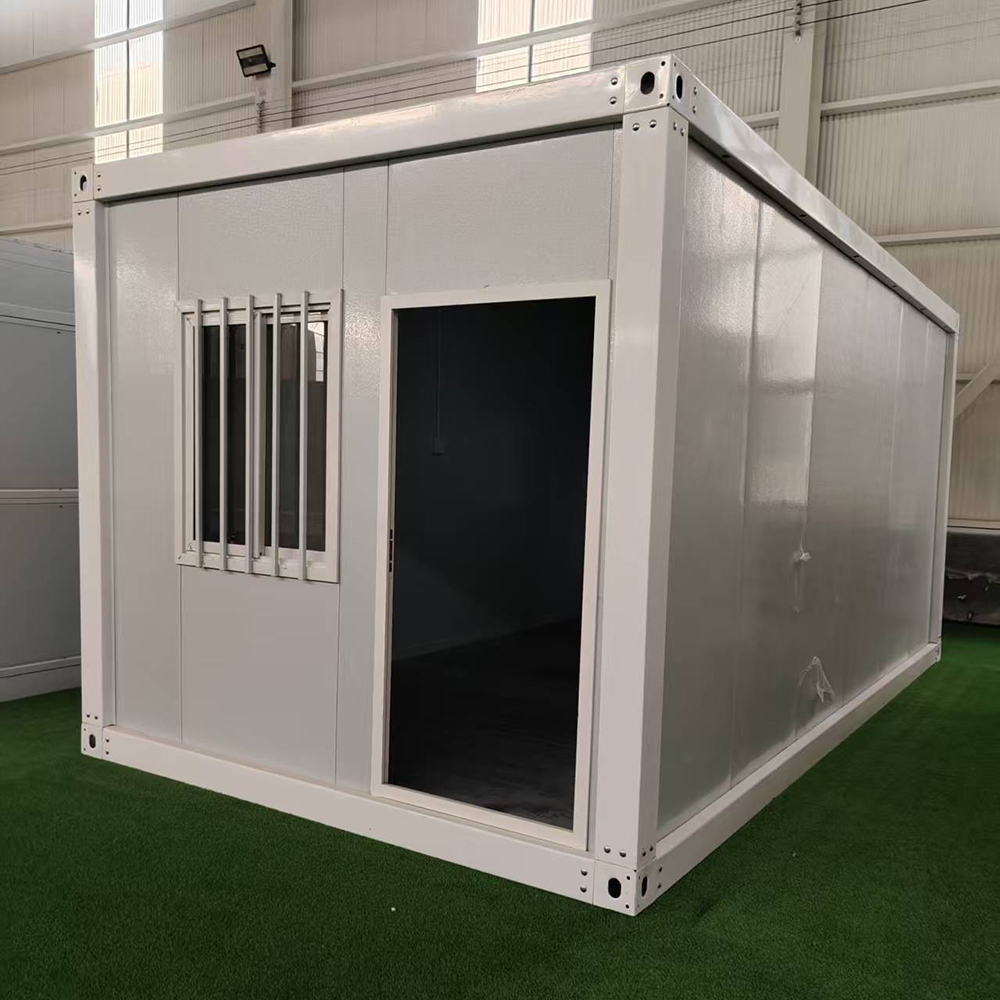

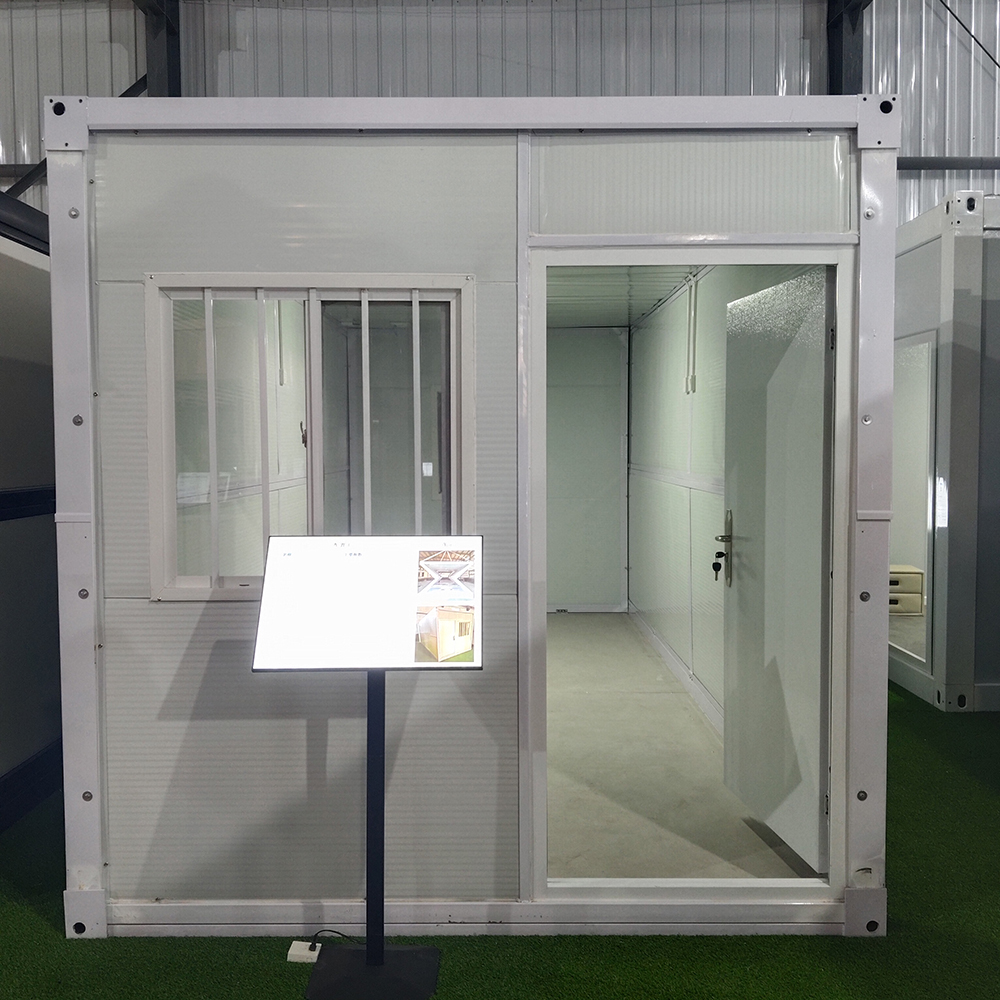
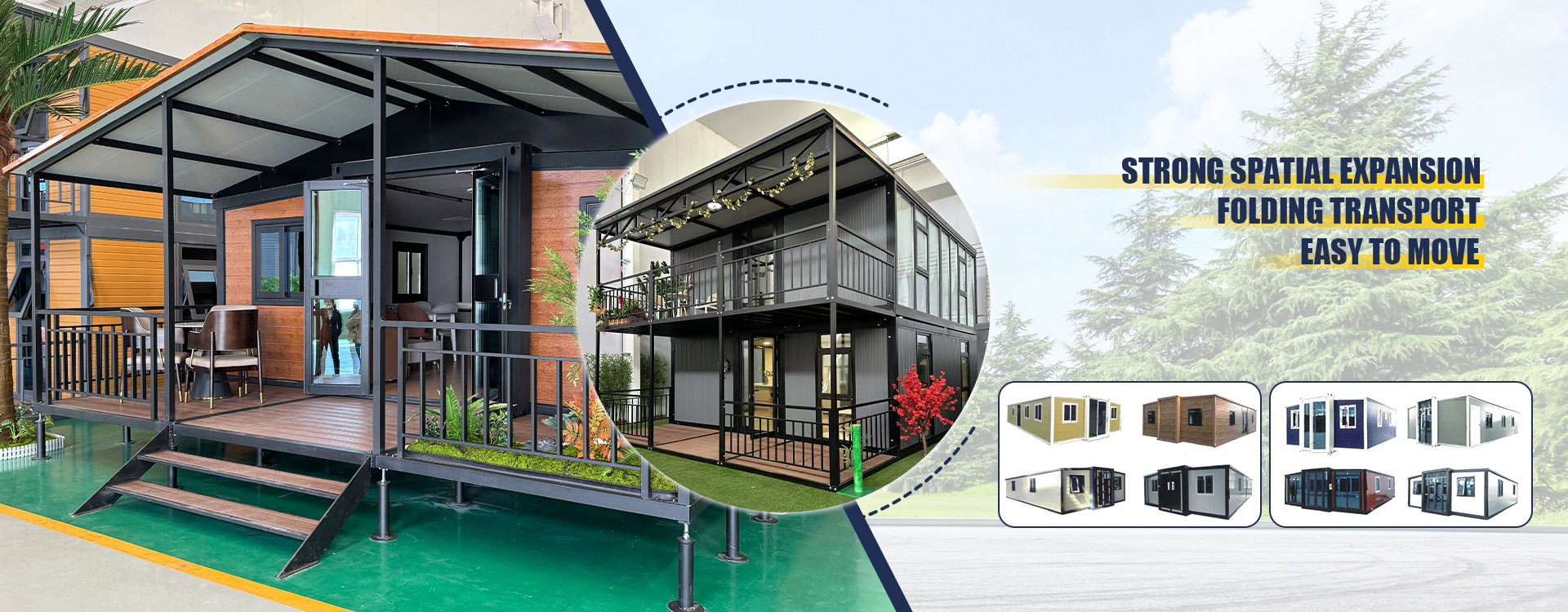
Best selling products
Best selling products-
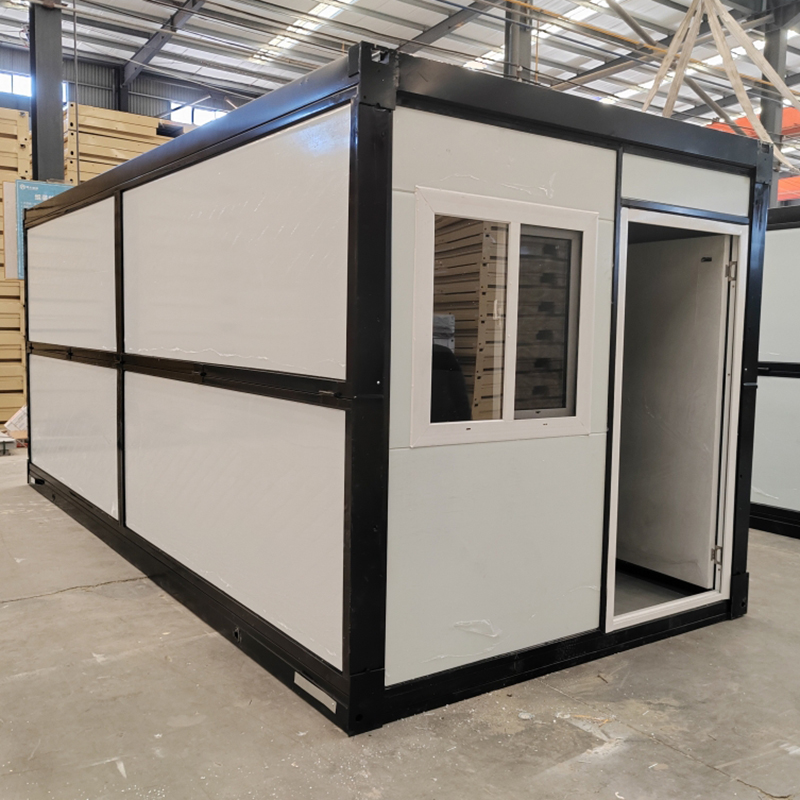 Detachable Design Prefabricated Container House Portable Modular Office Building Folding Container House
 -
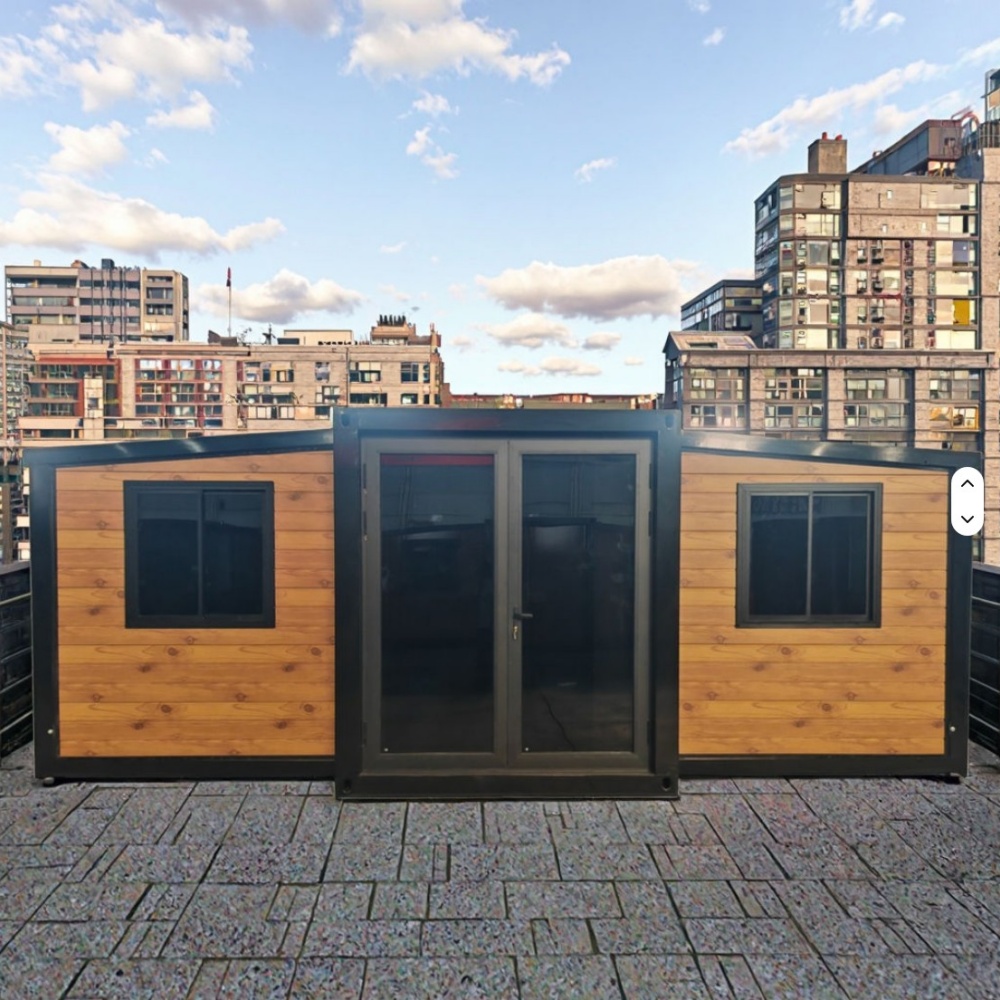 Customized Two Wing Folding Expandable Container House
 -
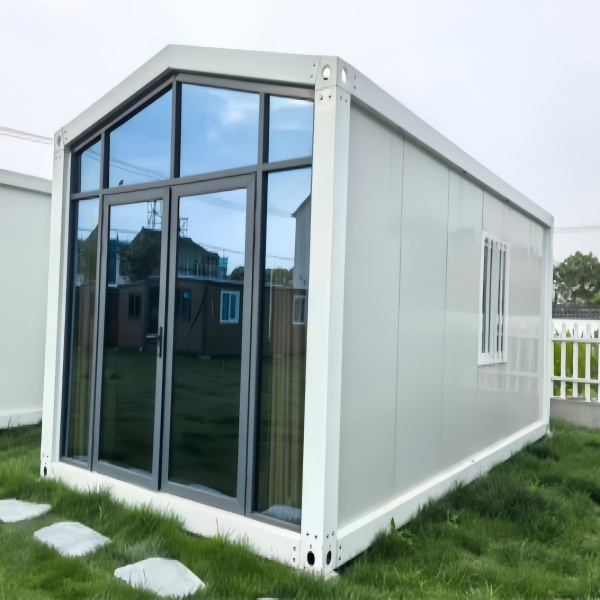 Waterproof folding container house – mobile accommodation for campsites/scenic spots
 -
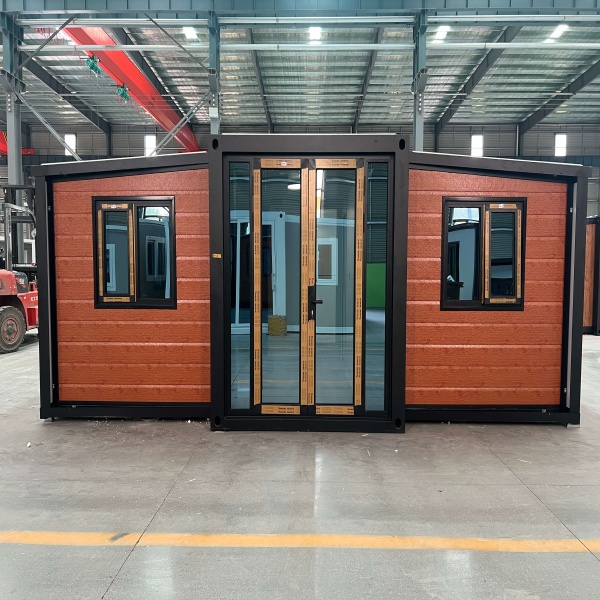 High-quality Double-wing Folding Container House with Doors and Windows, Insulated Walls, Suitable for Various Scenarios.
 -
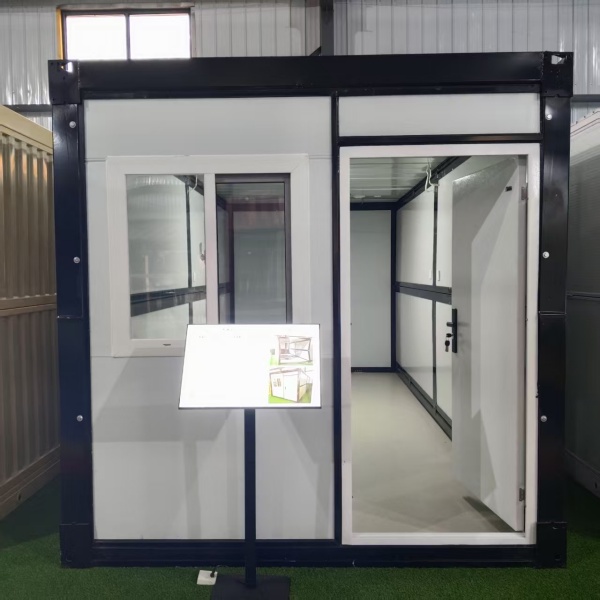 Factory Direct Sales Office Folding Container Luxury House Living Container House
 -
Two Wing Folding Expandable Container House
-
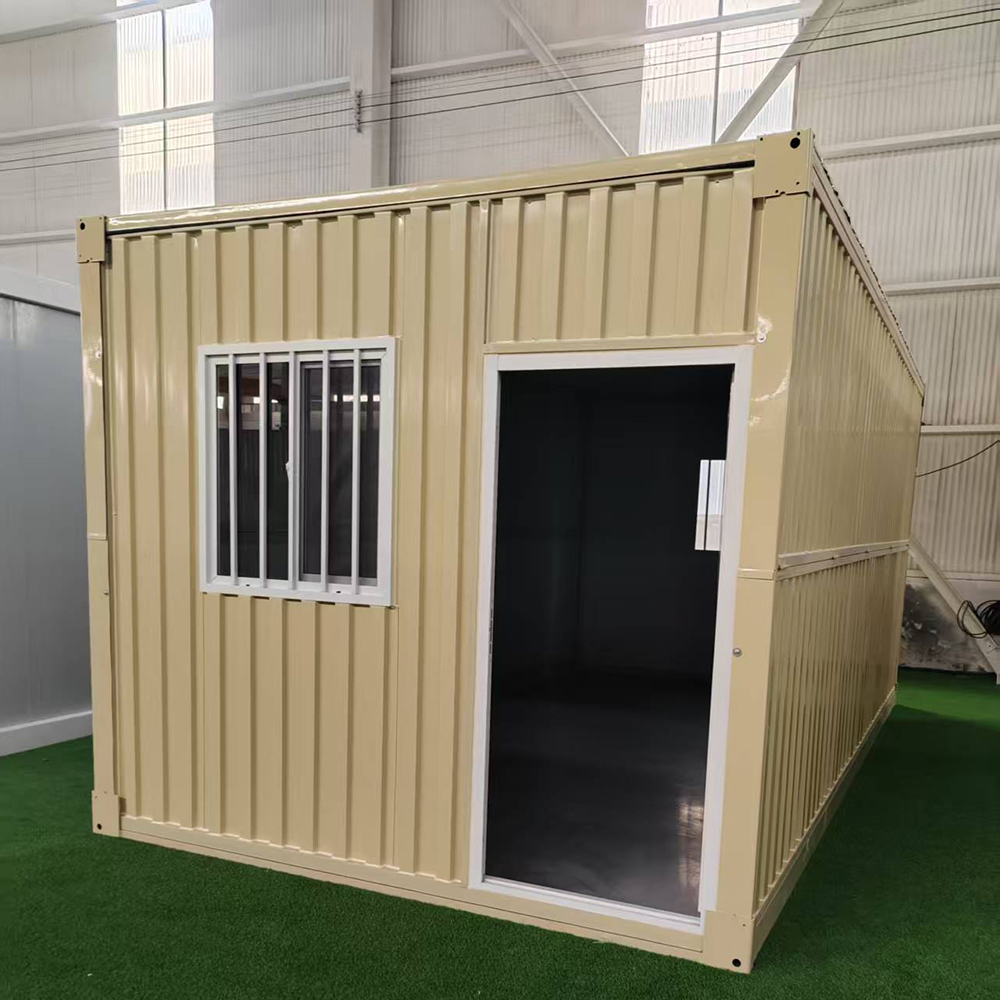 Competitive Price Portable Container House Foldable Container Mobile Living Modular Homes
 -
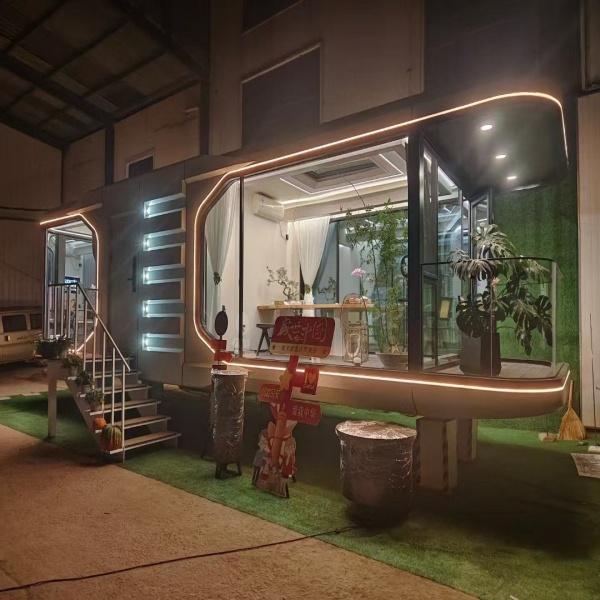 Outdoor ecological capsule rooms, luxury pods, space capsule hotel rooms, prefabricated space capsules, container houses
 -
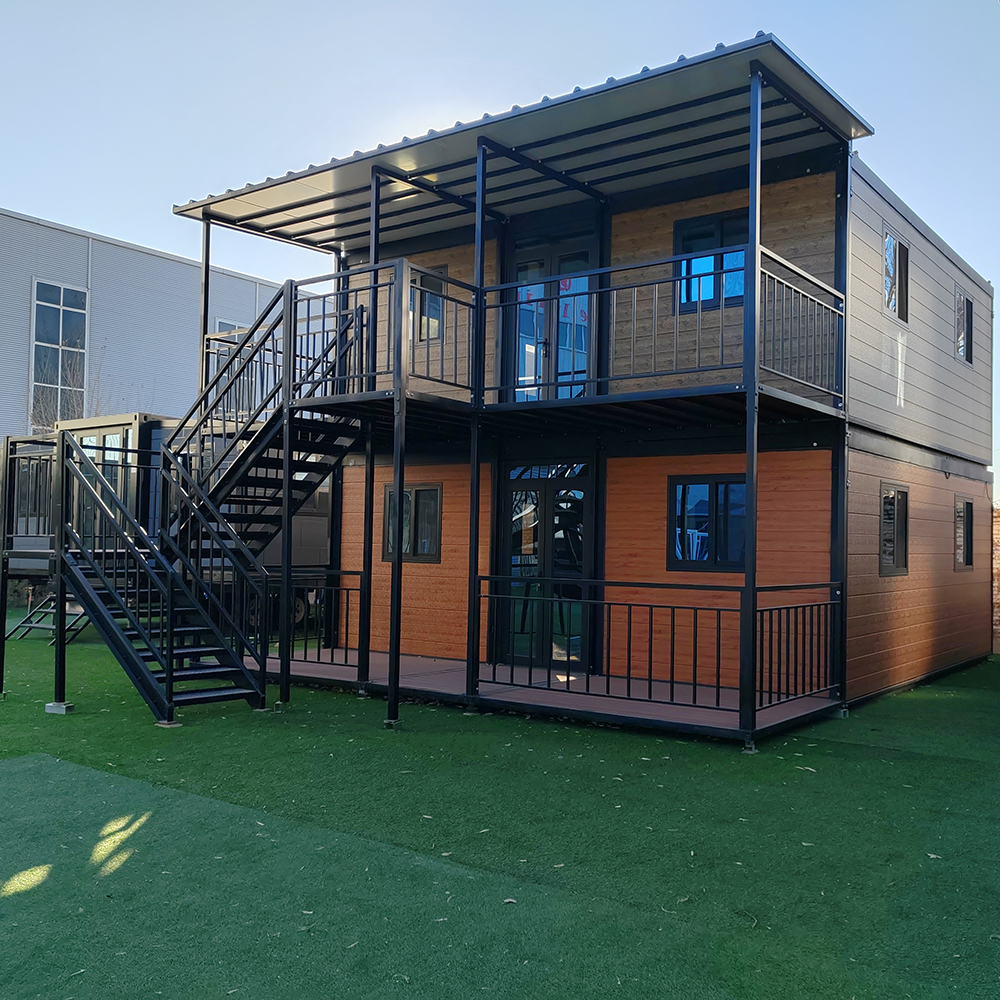 Easy Install Customized Detachable Container Homes Extendable House Prefab 2 Floors Expandable Container House
 -
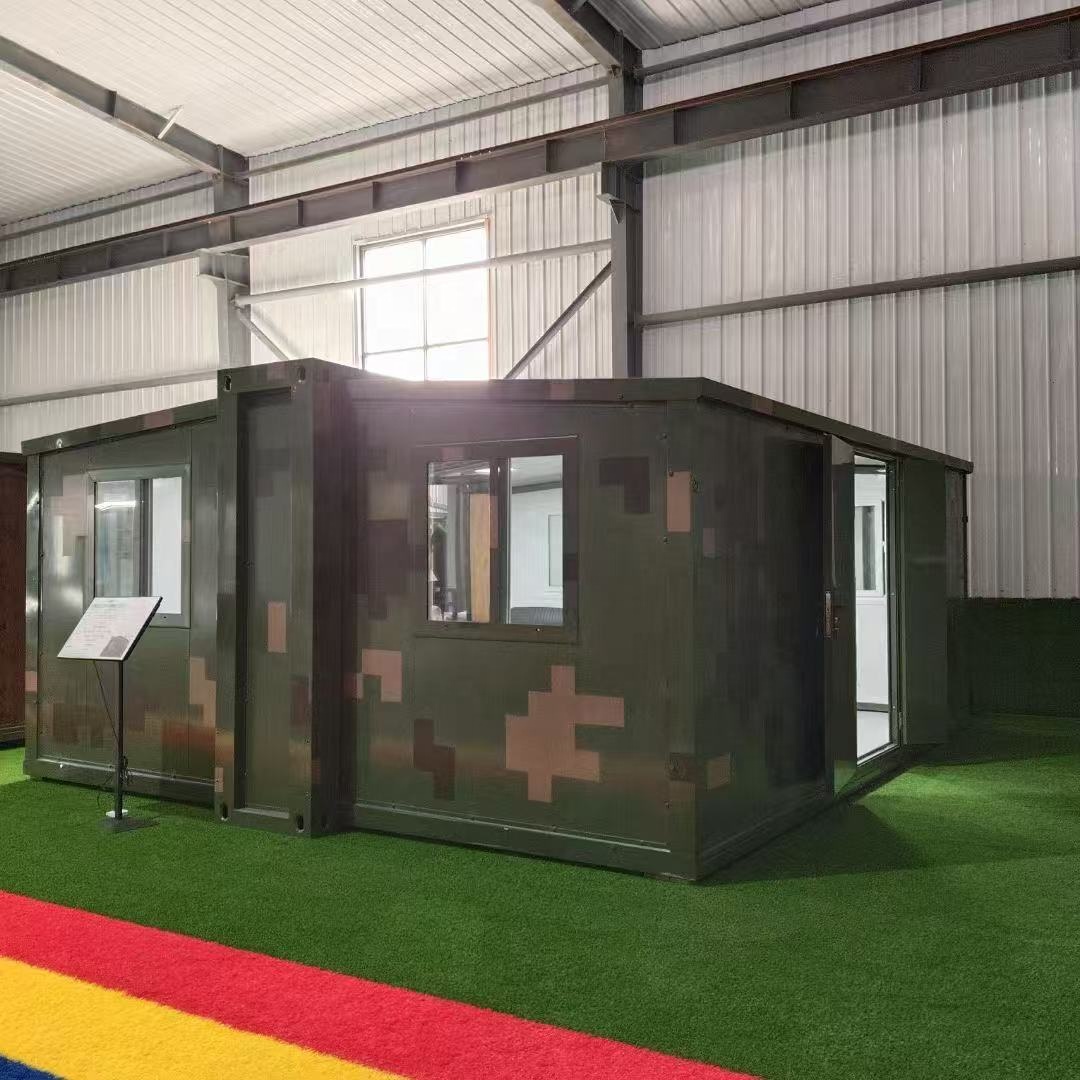 Movable Prefabricated Container House Villas Modular Portable Homes 1 Bedroom Container House Offices Apartments
 -
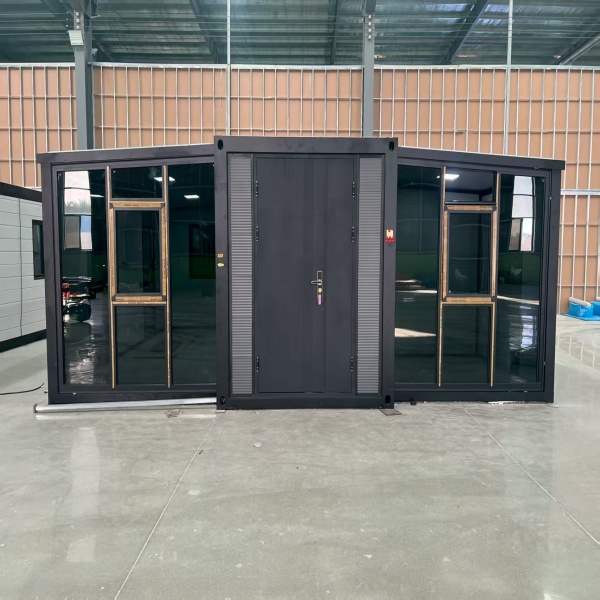 Customizable Office Mobile Home with Flat Roof and Double Wing Expansion Box, Convenient Container
 -
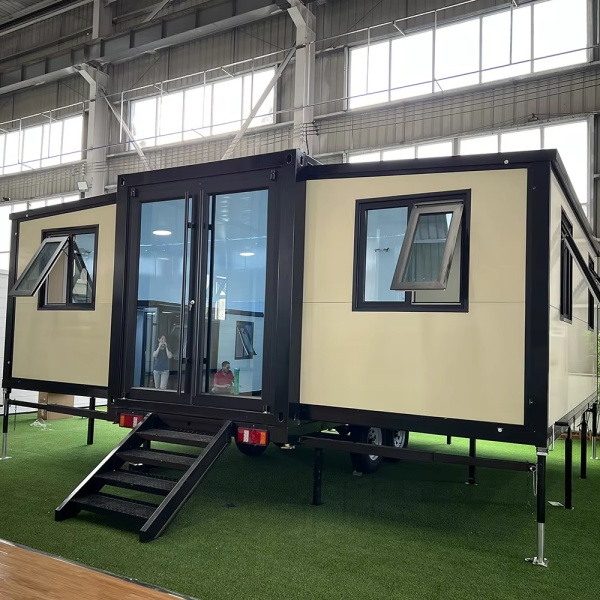 Stair Access Double Wing Expandable Container House | Easy Installation Mobile Office
Related search
Related search- modular container expandable prefabricated house
- prefabricated modular container house
- Buy supplier foldable house container expandable
- homes that fold out
- expandable container house luxury
- China expandable modular house
- Buy expandable container house price
- Buy prefabricated expandable container house
- China prefabricated house folding container
- Buy mobile expandable prefab house prefab home 19ft x 20ft