
-
E-mail
Austin120521@outlook.com -
E-mail
sales@jujiuhouse.com -
Telephone
+86-17864099991 -
Telephone
+86-17854044442
- Chinese
- French
- German
- Portuguese
- Spanish
- Russian
- Japanese
- Korean
- Arabic
- Irish
- Greek
- Turkish
- Italian
- Danish
- Romanian
- Indonesian
- Czech
- Afrikaans
- Swedish
- Polish
- Basque
- Catalan
- Esperanto
- Hindi
- Lao
- Albanian
- Amharic
- Armenian
- Azerbaijani
- Belarusian
- Bengali
- Bosnian
- Bulgarian
- Cebuano
- Chichewa
- Corsican
- Croatian
- Dutch
- Estonian
- Filipino
- Finnish
- Frisian
- Galician
- Georgian
- Gujarati
- Haitian
- Hausa
- Hawaiian
- Hebrew
- Hmong
- Hungarian
- Icelandic
- Igbo
- Javanese
- Kannada
- Kazakh
- Khmer
- Kurdish
- Kyrgyz
- Latin
- Latvian
- Lithuanian
- Luxembou..
- Macedonian
- Malagasy
- Malay
- Malayalam
- Maltese
- Maori
- Marathi
- Mongolian
- Burmese
- Nepali
- Norwegian
- Pashto
- Persian
- Punjabi
- Serbian
- Sesotho
- Sinhala
- Slovak
- Slovenian
- Somali
- Samoan
- Scots Gaelic
- Shona
- Sindhi
- Sundanese
- Swahili
- Tajik
- Tamil
- Telugu
- Thai
- Ukrainian
- Urdu
- Uzbek
- Vietnamese
- Welsh
- Xhosa
- Yiddish
- Yoruba
- Zulu
- Kinyarwanda
- Tatar
- Oriya
- Turkmen
- Uyghur




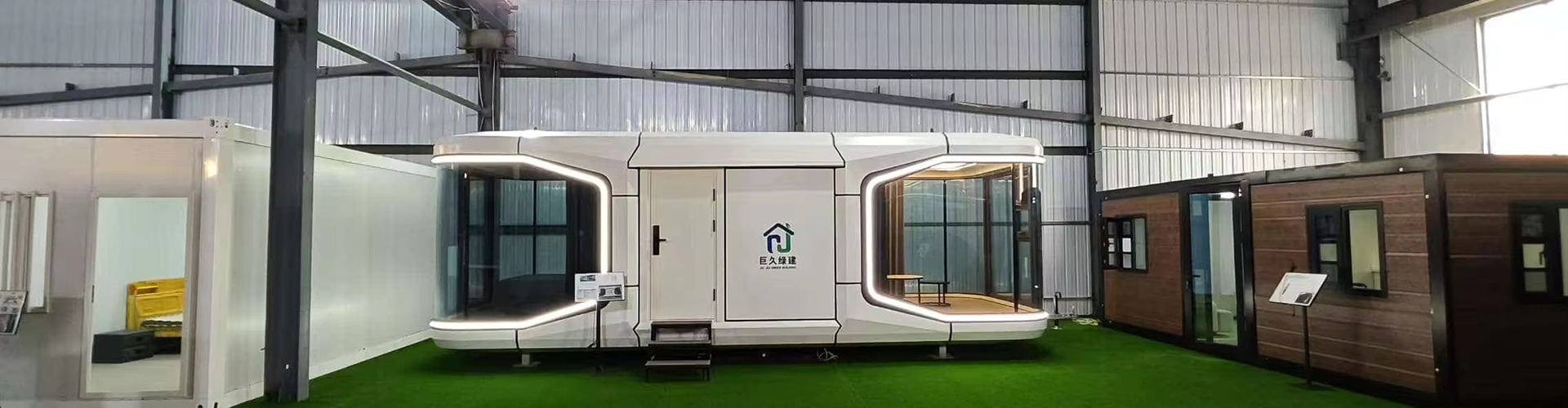
folding houses usa
The Future of Folding Houses in the USA
The concept of folding houses in the USA isn't exactly new, but it’s certainly gaining significant traction in recent years. It's a bit of a puzzle why it took so long. These structures promise flexibility, efficiency, and sustainability—all the buzzwords that modern consumers seem to desire. Yet, in practice, implementing folding houses involves a few wrinkles not evident at first glance.
Understanding Folding Houses
In essence, folding houses are prefabricated structures designed to expand and collapse as needed. They offer mobility and convenience that's hard to beat. Imagine driving up to a scenic spot and popping up your house. That's the dream, right? But here's where many get it wrong: they often think it’s merely about convenience. They forget about the engineering marvels behind such designs.
Companies like Shandong Jujiu Integrated Housing Co., Ltd. are pioneering in this space. Located in China, they expertly blend design and functionality. Even so, applying their expertise to the USA market isn’t without challenges. For instance, differing regulatory landscapes add a layer of complexity to these structures' implementation.
The production side isn't as simple as snapping together a few panels. There's a sophistication to these designs that requires careful planning and execution. Shandong Jujiu’s work in integrated housing exemplifies how precision and planning can meet consumer demands.
Practical Challenges and Solutions
So, what makes folding houses tricky to pull off in the US? It’s not just about building a sound structure; it's also about adhering to local codes and regulations. Zoning laws, especially, can be a major hurdle. Stakeholders need to engage local governance to ensure compliance.
Another aspect often overlooked is the climate adaptability of these homes. The US presents a range of climates, each with its own demand for insulation and materials. Luckily, firms like Shandong Jujiu are experienced in customizing their designs to meet these diverse requirements. Their work spans not just aesthetics but engineering innovations that cater to specific climate demands.
One success story involves a project where a folding house was adapted to meet hurricane standards in Florida. By incorporating reinforced materials and smart anchoring systems, these homes showed resilience well beyond expectations. Examples like these illustrate how the gap between concept and execution can be bridged with expertise and innovation.
The Market Pulse
Looking at consumer trends, there's clear interest in sustainable and mobile housing. The millennial and Gen Z demographics desire flexibility and minimalism. Folding houses align perfectly with these values. Yet, many potential buyers remain hesitant due to perceived maintenance issues or durability concerns.
A hands-on approach to demystifying these aspects is essential. Companies need to not only sell a product but also educate their customers on usage and maintenance. Resources from Shandong Jujiu could serve as a model, emphasizing the practical aspects of living in such homes. This step is crucial in building trust and driving adoption.
Innovation isn’t just about technology; it’s also about understanding the customer psyche. Providing reassurance and backing up claims with real-world evidence can significantly enhance market acceptance.
Future Prospects
The horizon looks promising for folding houses in the US. Companies are increasingly willing to invest in R&D to fine-tune strategies that meet consumer expectations. The focus is shifting from niche market spaces to more mainstream avenues.
Collaborative ventures could pave the way for novel solutions. Imagine partnerships where firms like Shandong Jujiu work with US-based tech startups. This could foster innovation and create a win-win scenario. Such alliances might finally propel folding houses into widespread acceptance.
While the journey isn't without its hurdles, the promise is palpable. Residents across the US are looking for alternatives to traditional housing, and folding houses offer just that. With strategic adaptations and consumer education, this could well be the housing trend of the future.
Key Takeaways
To sum it up, the allure of folding houses in the USA lies in their potential to revolutionize the housing landscape. But getting there is more about meticulous planning and less about pre-packaged solutions. Companies need to tailor their products, engage with local regulations, and mainline consumer education into their business model.
A broad perspective helps—to see these homes not merely as products but as solutions to evolving housing needs. It’s a fascinating time to be in the housing industry, and folding houses are definitely an exciting piece of this puzzle. For more insights and successful case studies, a visit to sites like Shandong Jujiu’s website could offer valuable guidance.
Embrace the complexity, adapt to the environment, and soon folding houses might just fold into the everyday American life more seamlessly than we anticipate.
Related products
Related products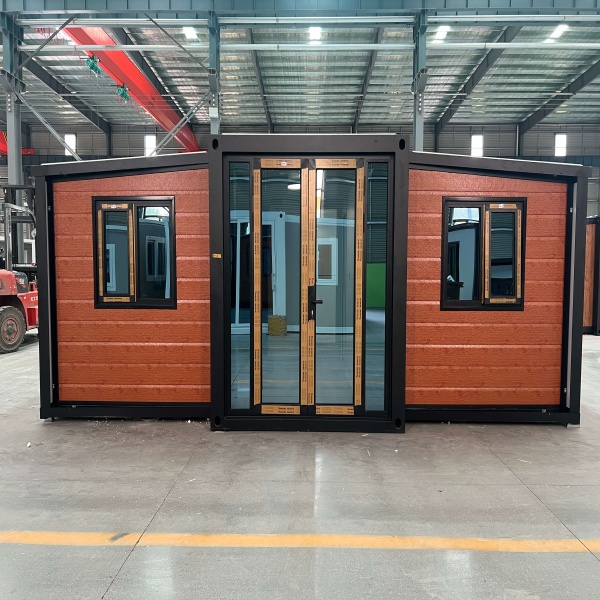
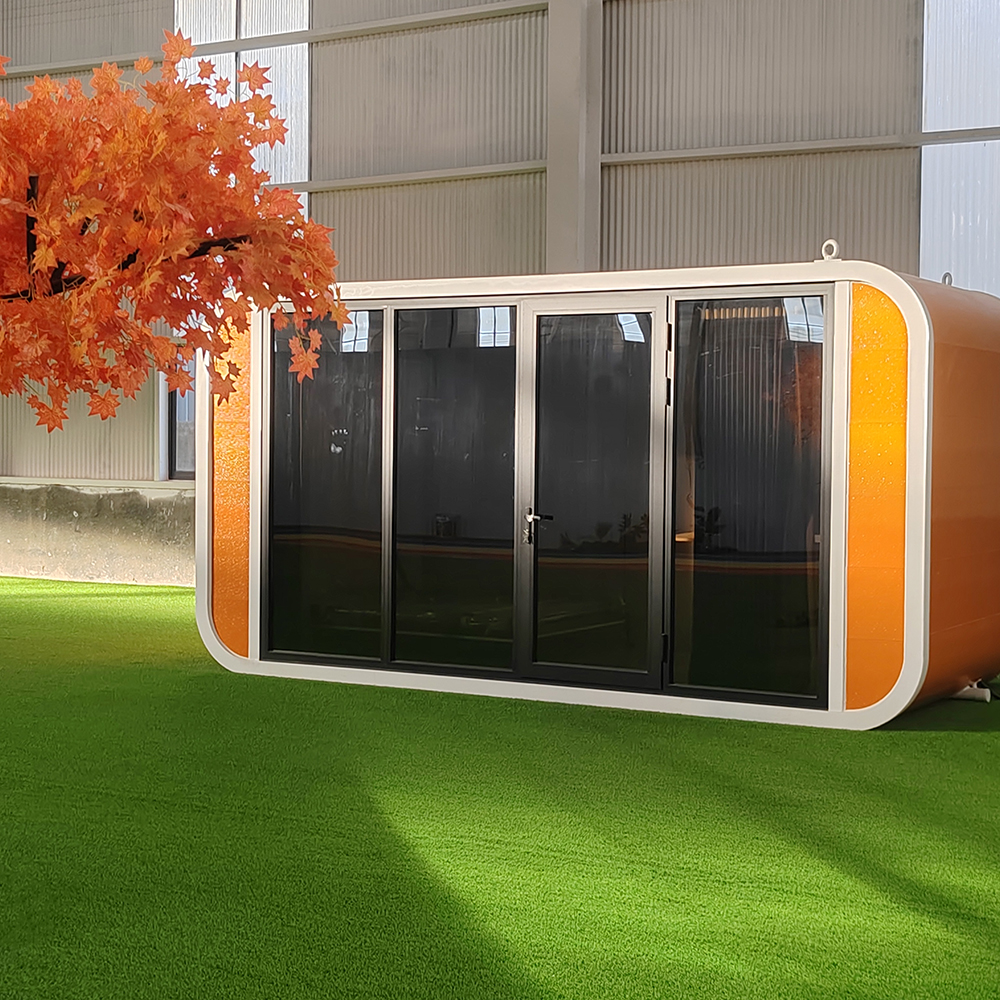
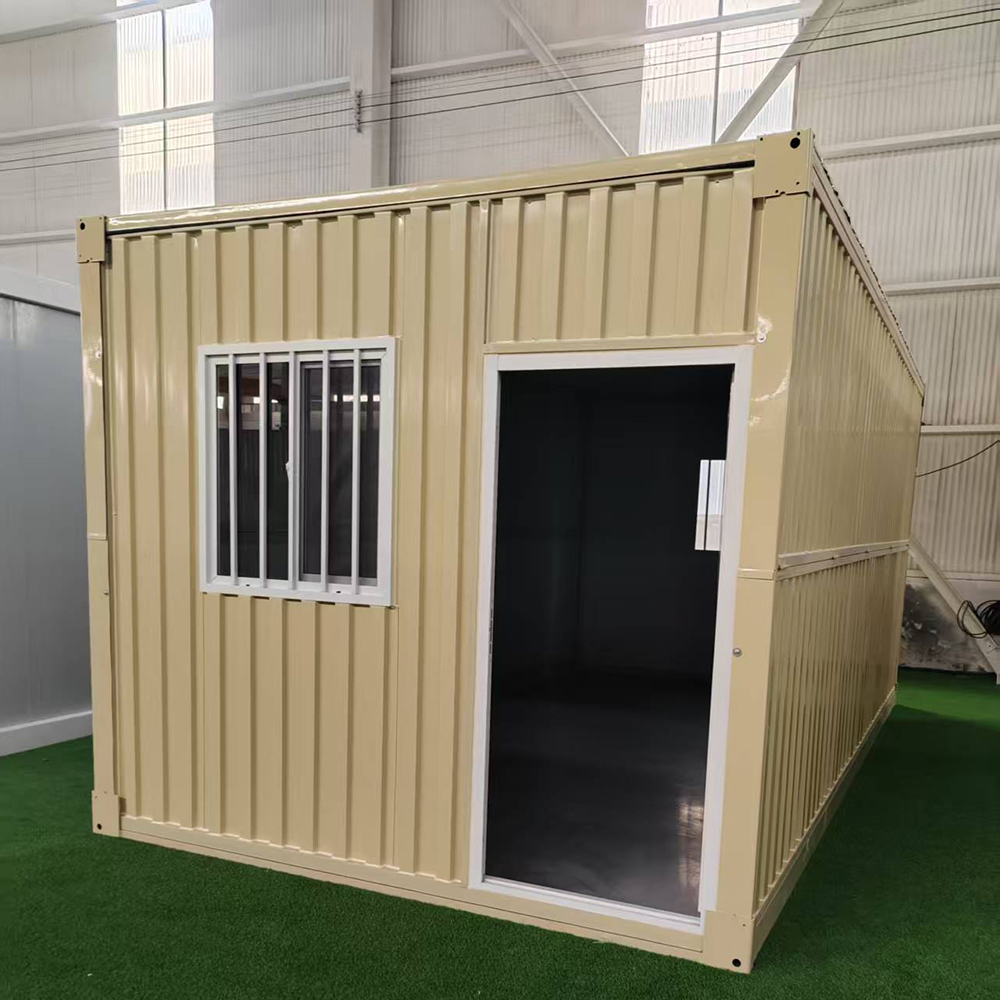
Best selling products
Best selling products-
 Customized Expandable Container House Holiday Home Folding Prefab Container House with Bathroom and Kitchen
 -
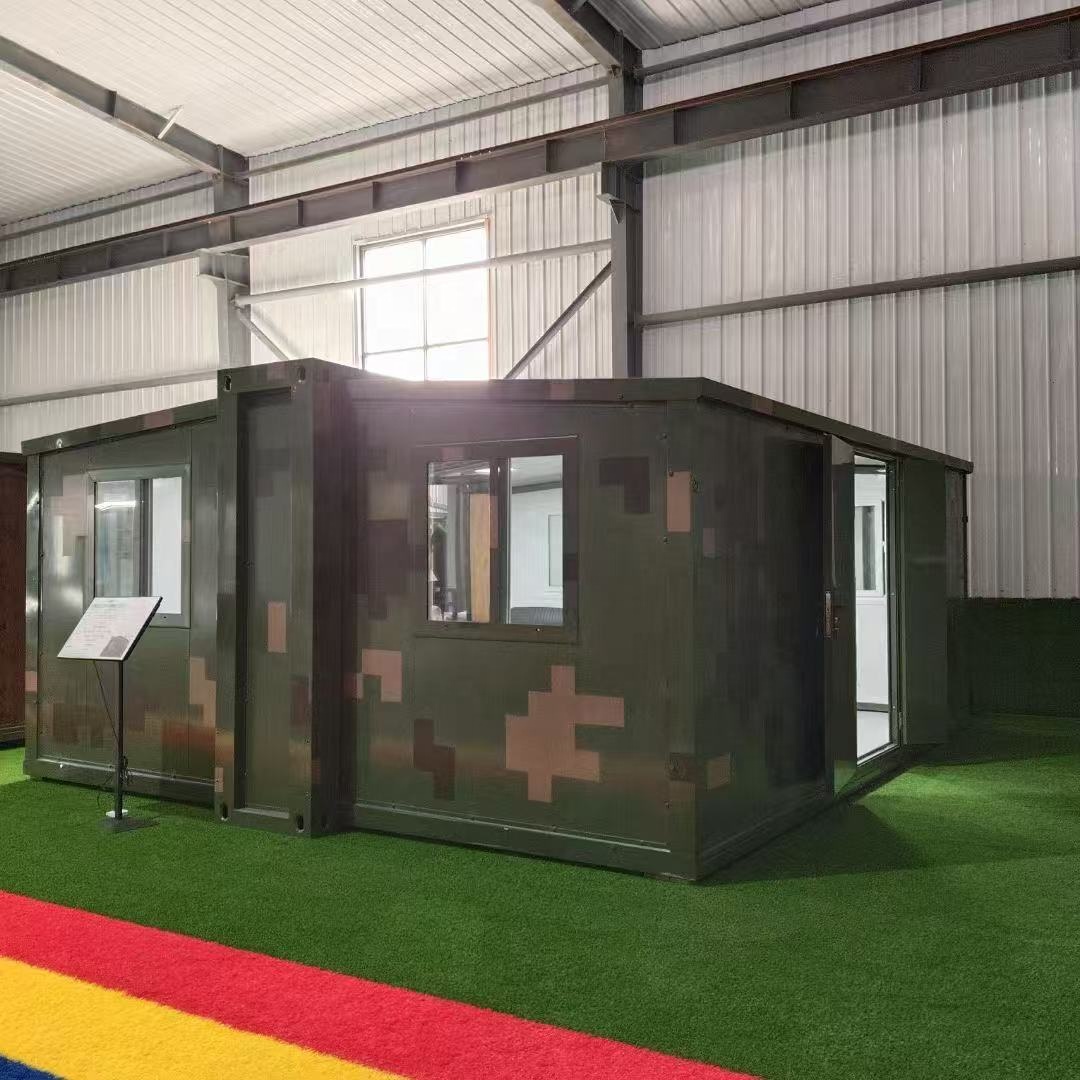 Movable Prefabricated Container House Villas Modular Portable Homes 1 Bedroom Container House Offices Apartments
 -
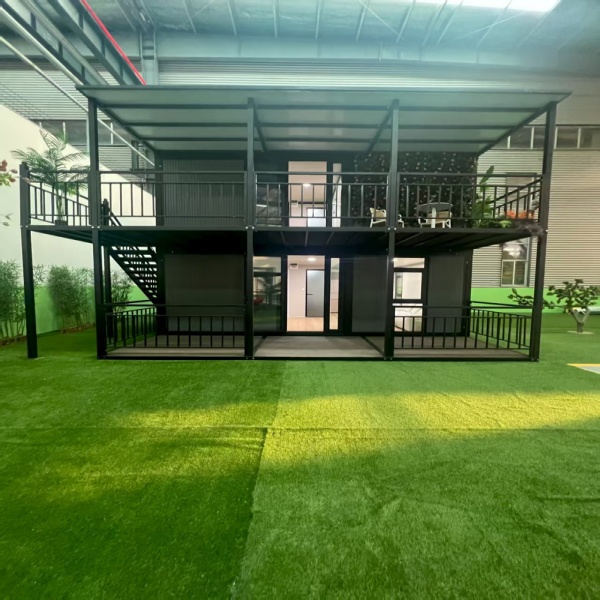 Luxury foldable two-story container houses in luxury resort hotels and villa hotels
 -
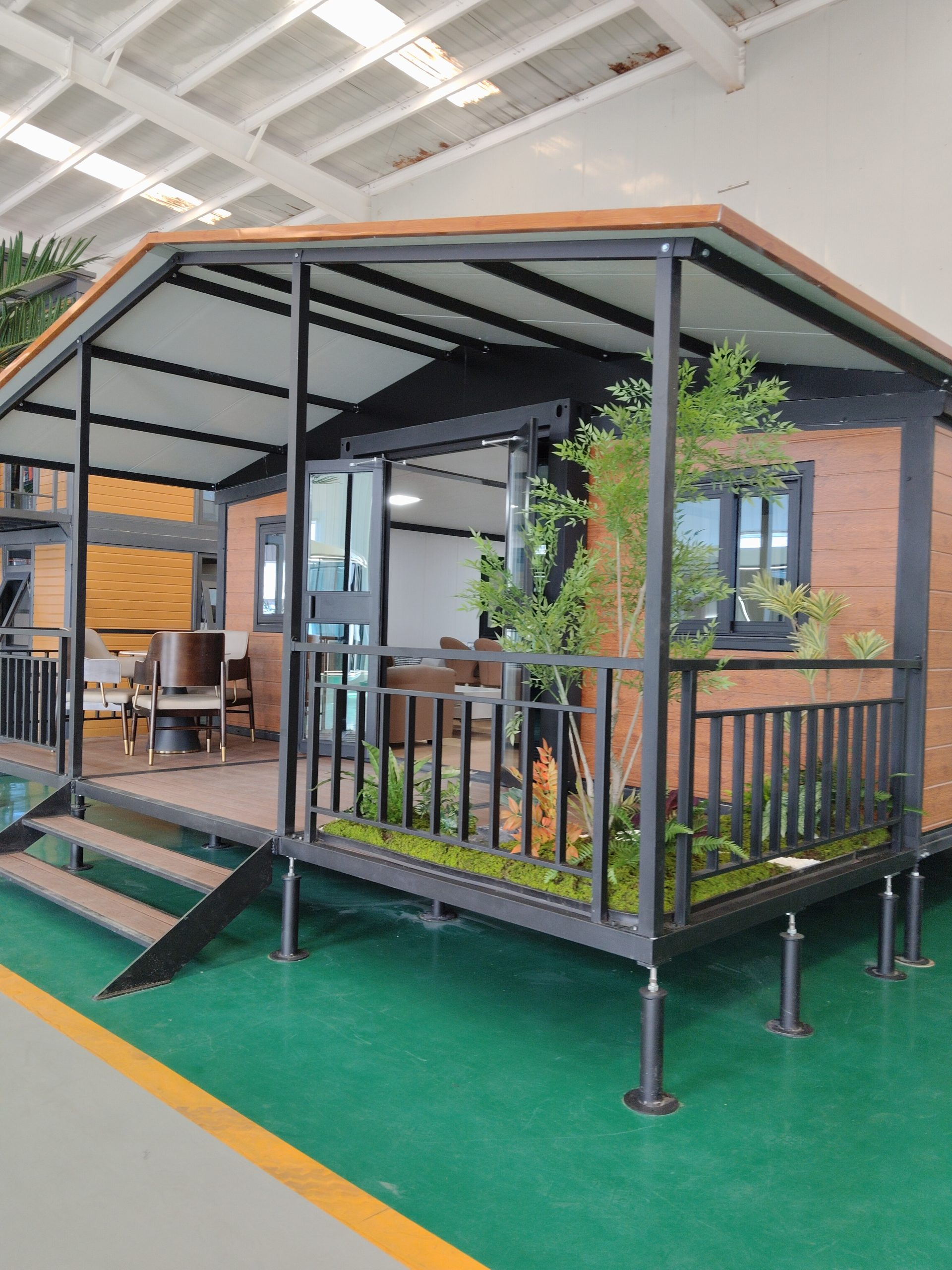 A container house with a terrace and double-wing folding design, suitable for various purposes such as offices, meeting rooms, living rooms, etc.
 -
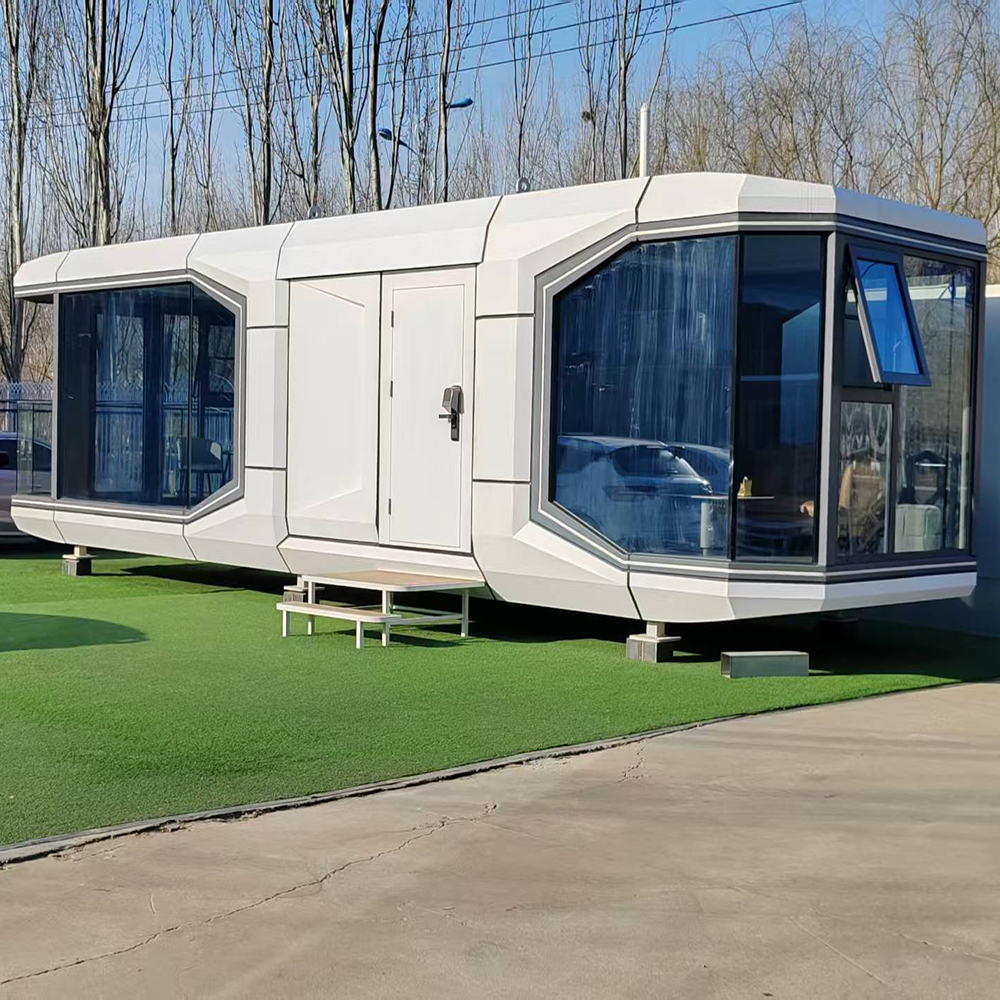 Luxury High Quality 2 Bedroom Container Home Prefabricated Steel Space Capsule for Office Shop Hotel or Outdoor House
 -
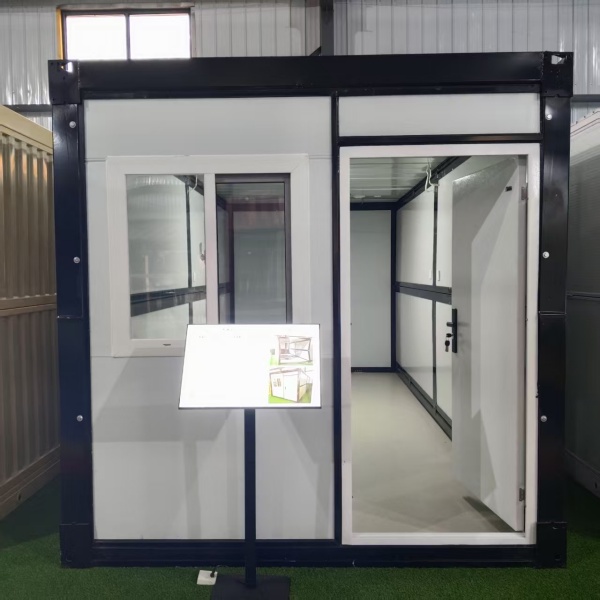 Factory Direct Sales Office Folding Container Luxury House Living Container House
 -
Hot-selling foldable container houses, expandable prefabricated houses, suitable for office or living use, with fast delivery.
-
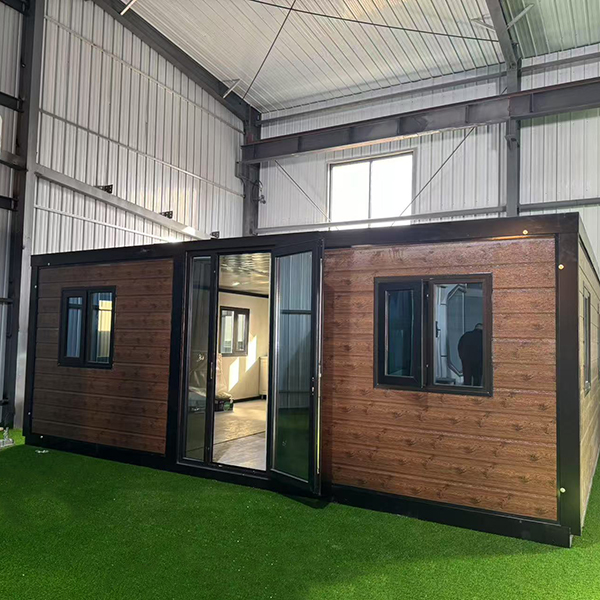 Good Quality Modular Homes Prefabricated House Expandable Container House 20FT Mobile Flat Roof House
 -
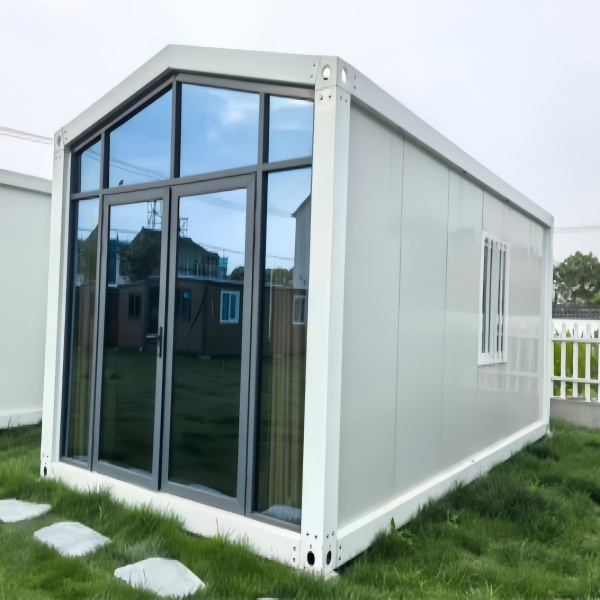 Waterproof folding container house – mobile accommodation for campsites/scenic spots
 -
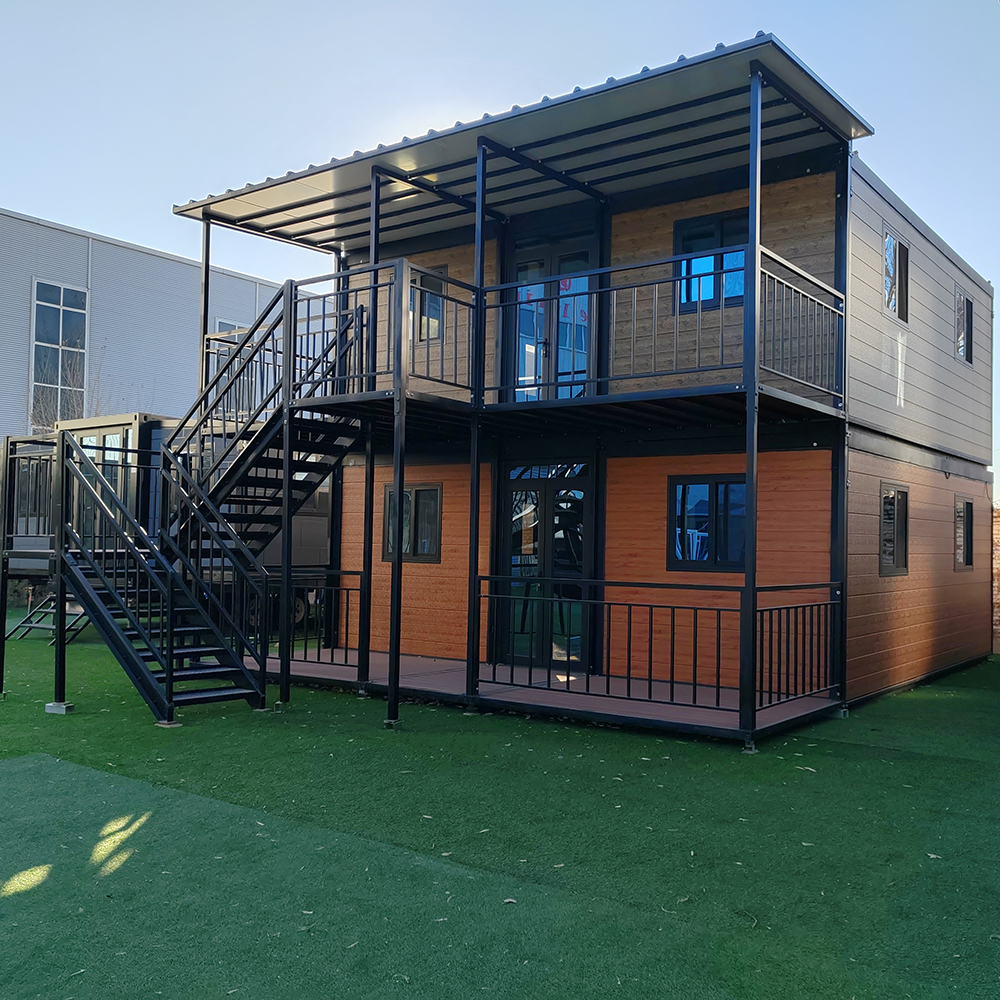 Easy Install Customized Detachable Container Homes Extendable House Prefab 2 Floors Expandable Container House
 -
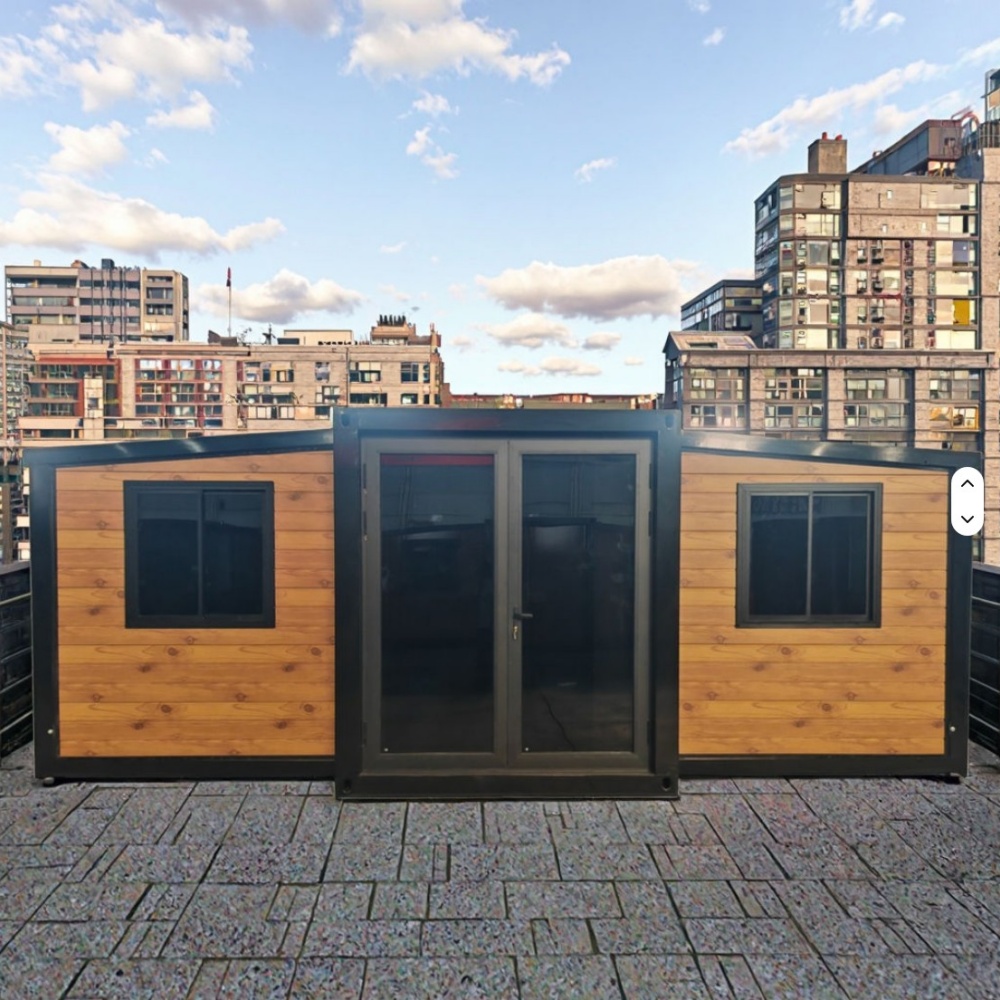 Customized Two Wing Folding Expandable Container House
 -
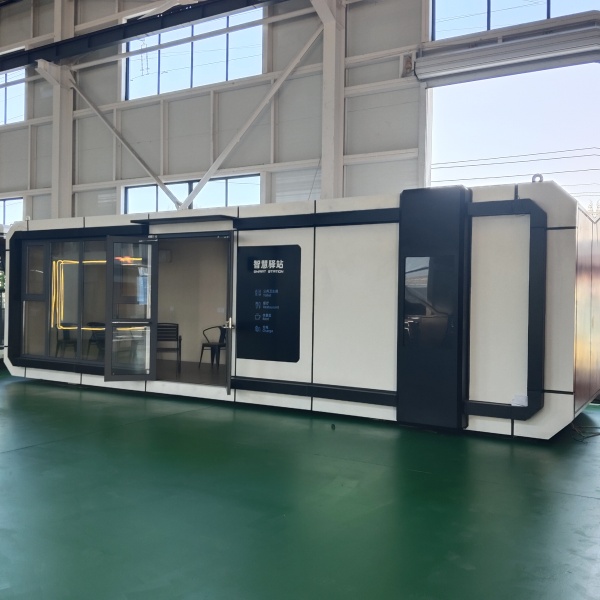 Modular modern movable apple cabins, customized high-end folk houses and portable bedrooms, delivered as a whole
Related search
Related search- fold out house boxabl
- Buy fold out container homes for sale
- China apple valley road cabins
- relocatable shipping container home expandable granny flat portable tiny house
- China foldable container house price
- Buy folding shipping container house
- madi folding house
- container home fold out
- fold out prefab house
- container expandable house