
-
E-mail
Austin120521@outlook.com -
E-mail
sales@jujiuhouse.com -
Telephone
+86-17864099991 -
Telephone
+86-17854044442
- Chinese
- French
- German
- Portuguese
- Spanish
- Russian
- Japanese
- Korean
- Arabic
- Irish
- Greek
- Turkish
- Italian
- Danish
- Romanian
- Indonesian
- Czech
- Afrikaans
- Swedish
- Polish
- Basque
- Catalan
- Esperanto
- Hindi
- Lao
- Albanian
- Amharic
- Armenian
- Azerbaijani
- Belarusian
- Bengali
- Bosnian
- Bulgarian
- Cebuano
- Chichewa
- Corsican
- Croatian
- Dutch
- Estonian
- Filipino
- Finnish
- Frisian
- Galician
- Georgian
- Gujarati
- Haitian
- Hausa
- Hawaiian
- Hebrew
- Hmong
- Hungarian
- Icelandic
- Igbo
- Javanese
- Kannada
- Kazakh
- Khmer
- Kurdish
- Kyrgyz
- Latin
- Latvian
- Lithuanian
- Luxembou..
- Macedonian
- Malagasy
- Malay
- Malayalam
- Maltese
- Maori
- Marathi
- Mongolian
- Burmese
- Nepali
- Norwegian
- Pashto
- Persian
- Punjabi
- Serbian
- Sesotho
- Sinhala
- Slovak
- Slovenian
- Somali
- Samoan
- Scots Gaelic
- Shona
- Sindhi
- Sundanese
- Swahili
- Tajik
- Tamil
- Telugu
- Thai
- Ukrainian
- Urdu
- Uzbek
- Vietnamese
- Welsh
- Xhosa
- Yiddish
- Yoruba
- Zulu
- Kinyarwanda
- Tatar
- Oriya
- Turkmen
- Uyghur




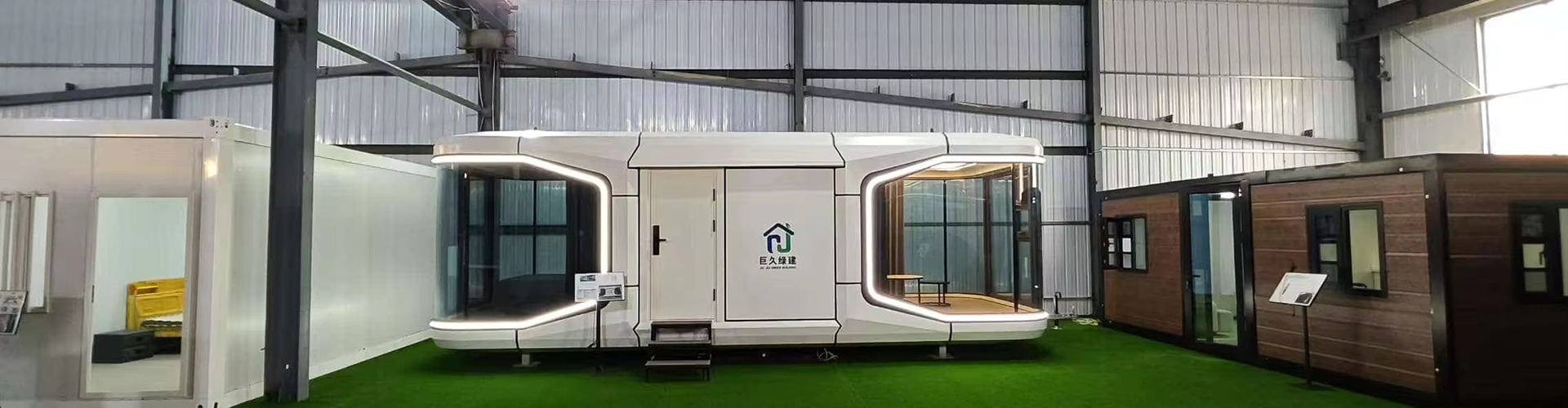
mobile expandable prefab house prefab home 19ft x 20ft
Exploring the Versatility of Mobile Expandable Prefab Homes
When thinking about a mobile expandable prefab house, most imagine a simple, temporary structure. But these homes, like the 19ft x 20ft models, offer more than meets the eye. There's an intriguing depth to how these structures are conceived and brought to life, turning limitations into strengths.
Understanding the Basics
With prefab homes, particularly those crafted by innovative companies like Shandong Jujiu Integrated Housing Co., Ltd., you’re dealing with a different breed of building. These aren’t just static dwellings; they’re dynamic. The company prides itself on a comprehensive approach, from design to installation, which means every detail matters.
The 19ft x 20ft prefab might seem compact, but it’s designed to maximize usability. The collapsible nature doesn’t just serve portability; it also allows for creative space management. A big part of this design ethos is flexibility, catering to a spectrum of needs and locations.
In practice, the transition between planning and execution isn’t always seamless. Often, unexpected challenges in transport and installation provoke innovative solutions. It’s the nimbleness in these responses that highlight the industry’s growth potential.
The Practical Benefits
One cornerstone benefit of these mobile homes is cost efficiency. With companies like Jujiu, quality doesn’t break the bank. Their integrated production approach lowers costs while maintaining standards—something that attracts budget-conscious clients.
Environmental impact is another concern. These homes reflect a move towards sustainability without sacrificing comfort or style. Lightweight steel structures and efficient design mean less waste, appealing to the eco-conscious consumer.
Practical utility in varied settings—from remote locations to urban densification projects—is a hallmark. For example, deploying a unit to a mountainous area highlights its resilience and adaptability, features often underestimated at first glance.
Challenges on the Ground
No venture is without its hurdles. Installation can sometimes pose issues due to terrain or accessibility. That’s where the knowledge of experienced installer teams proves invaluable, allowing quick adaptation to on-site challenges.
Weather can also play spoilsport. A sudden storm or unexpected freeze can delay delivery or assembly, necessitating contingency plans. These experiences sharpen not just logistical acumen but also creative problem-solving skills.
Once, during a winter install, unexpected snowfall tested our resolve. It required innovation not just in tools but process, adapting schedules and workflows to the environmental whims of the site.
Customization: More Than Aesthetic
Customization offers pathways to personal expression in prefab construction. It’s not just about choosing colors or finishes; it’s about optimizing space to truly fit lifestyle needs.
Interior layouts can be adjusted to support multifunctionality, a crucial aspect of modern living. For modular units like the 19ft x 20ft, design iterations might see open-plan areas that double as living and workspaces, balancing form and function effectively.
There are surprising levels of bespoke options available, which can transform a simple shell into a personalized retreat or a functional workspace, depending entirely on the client's vision and needs.
The Future of Prefab
Change is constant, and the prefab industry is no exception. Rapid advancements in technology and materials are setting new benchmarks. The industry players aiming to stay ahead need not only to keep up with these changes but anticipate them.
Shandong Jujiu’s role in this landscape exemplifies the potential of integrated housing solutions—producing innovative structures that remain responsive to evolving demands. Their forward-thinking approach in integrating modern materials and sustainable practices sets them apart.
Ultimately, the prefab journey is one of growth and learning. With each project, there’s a new lesson wrapped in steel and design, contributing to a broader narrative about our changing understanding of home and space.
Related products
Related products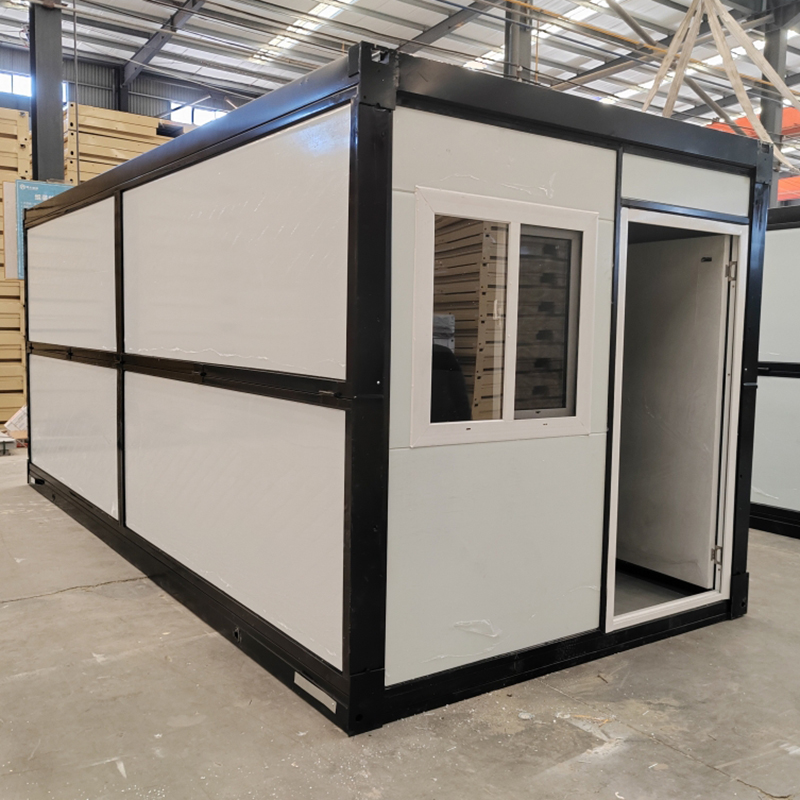
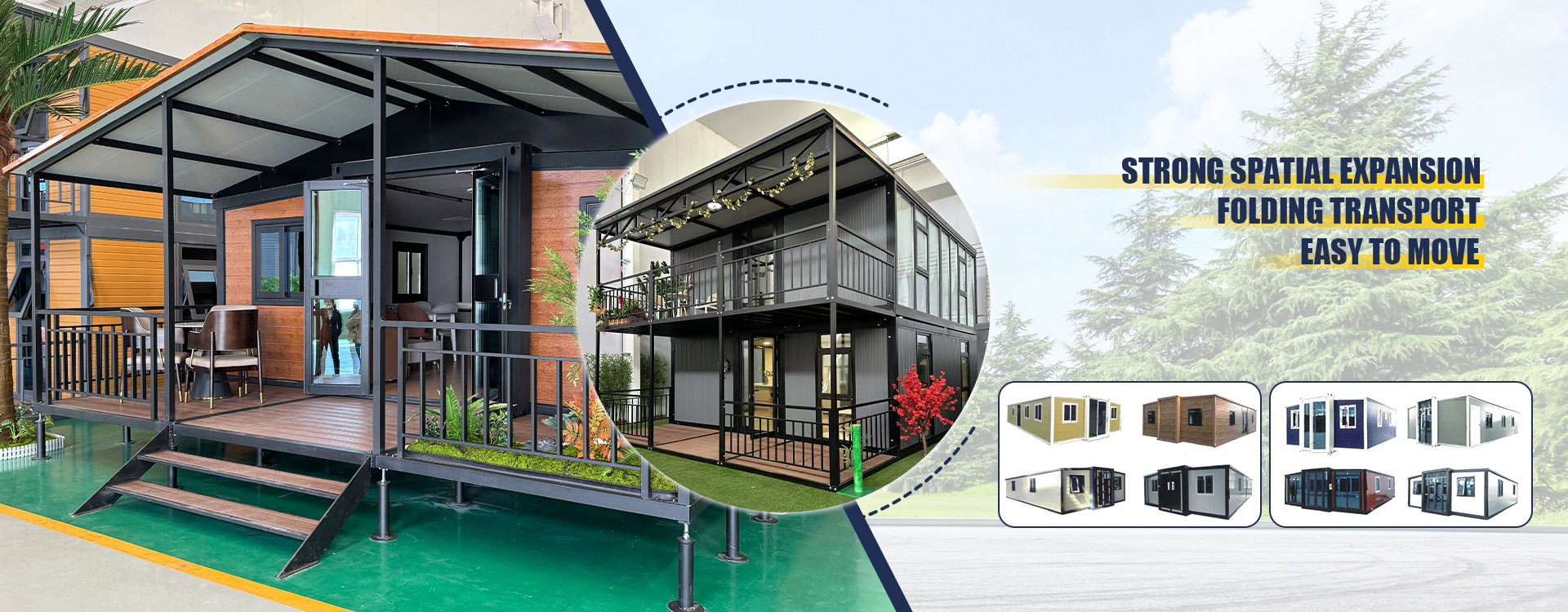
Best selling products
Best selling products-
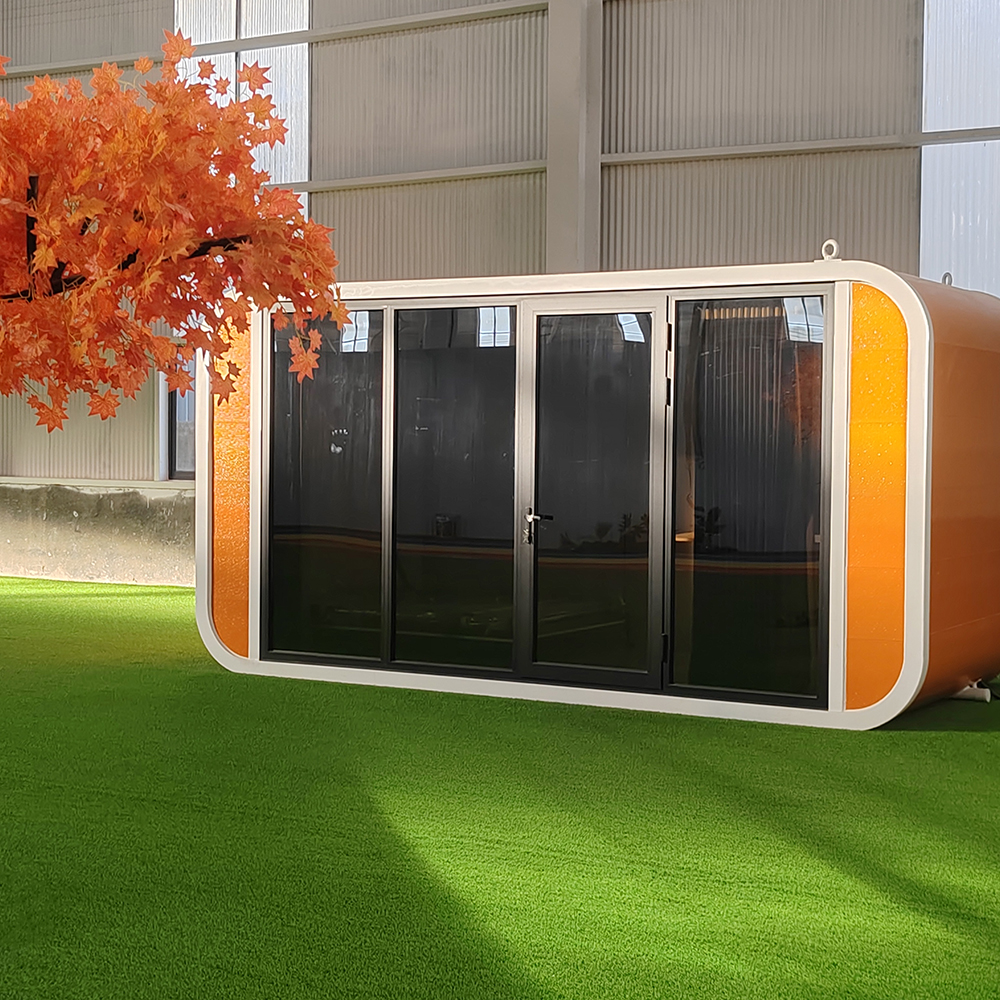
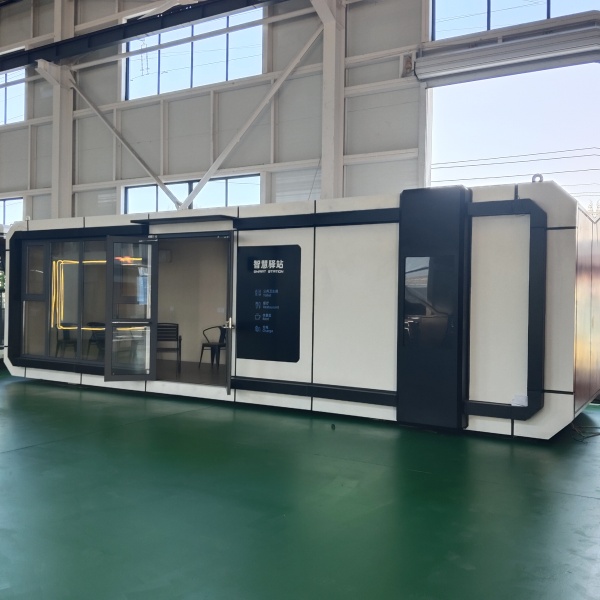 Modular modern movable apple cabins, customized high-end folk houses and portable bedrooms, delivered as a whole
 -
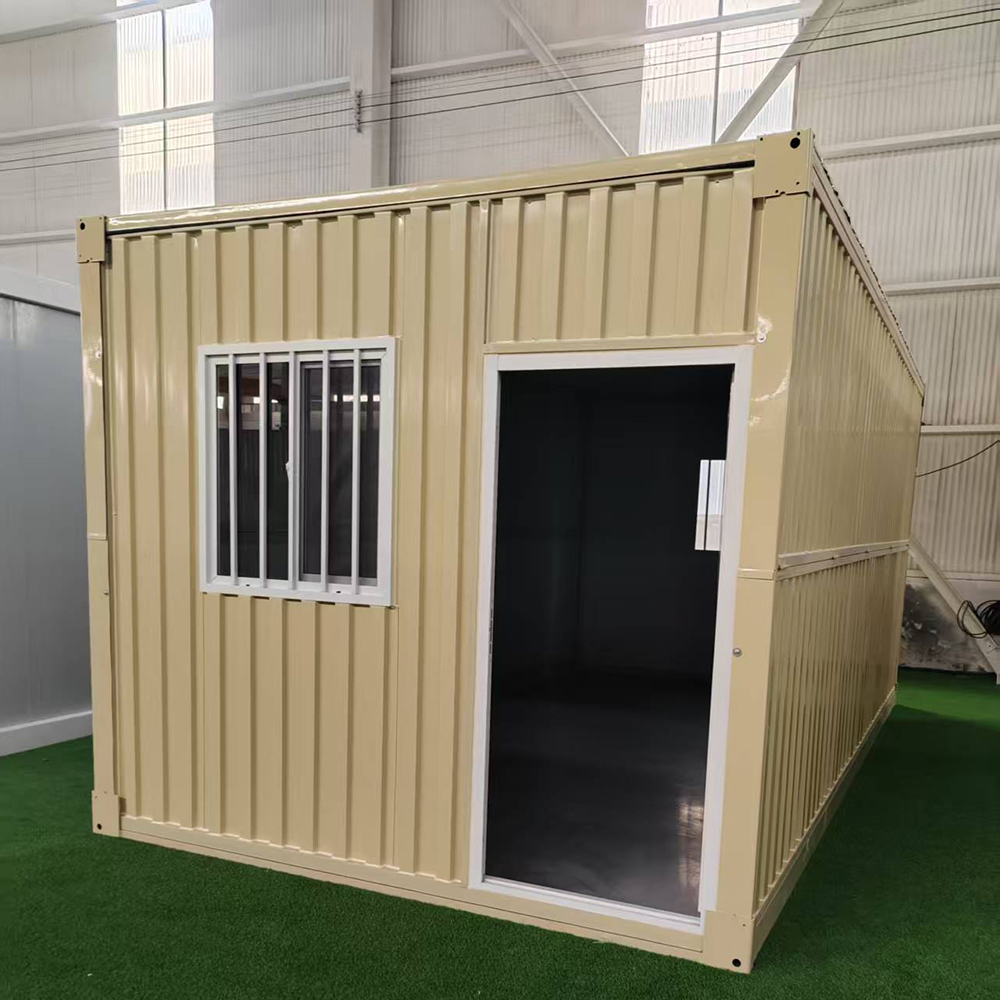 Competitive Price Portable Container House Foldable Container Mobile Living Modular Homes
 -
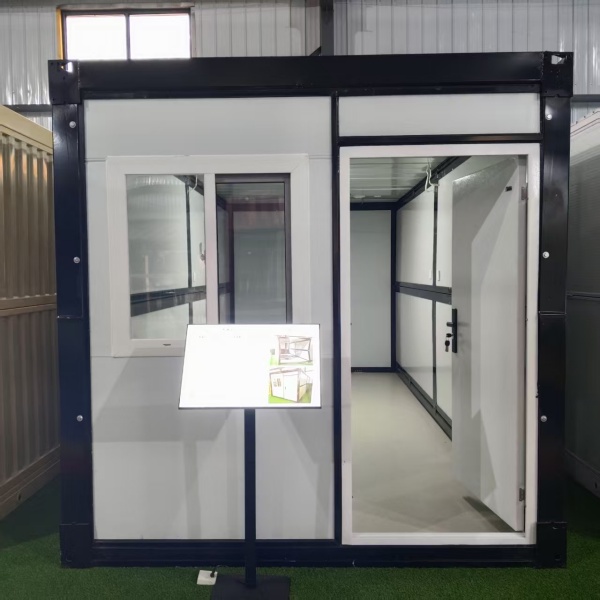 Factory Direct Sales Office Folding Container Luxury House Living Container House
 -
Hot-selling foldable container houses, expandable prefabricated houses, suitable for office or living use, with fast delivery.
-
 Luxury Foldable Two Story Container House for Glamping Resort and Villa Hotel
 -
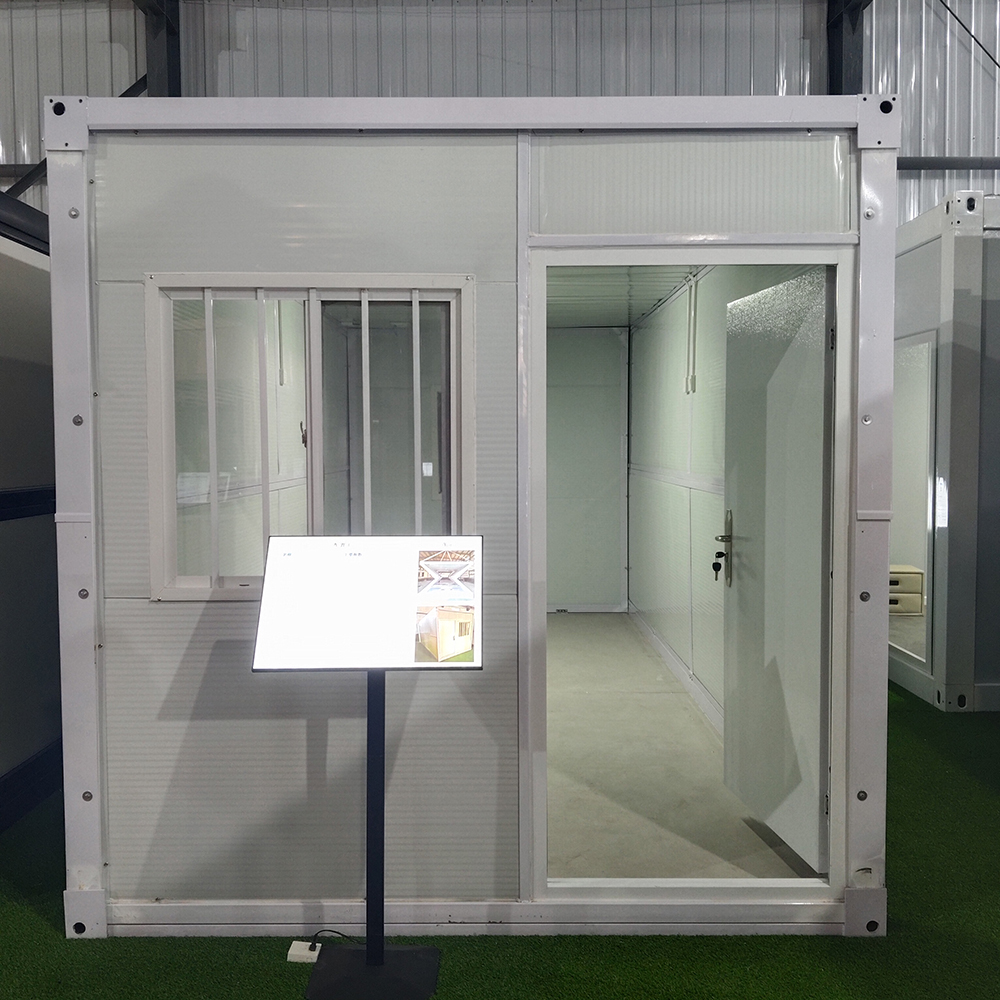 Reasonable Price 1 Bedroom Modular Container House Folding Container Home for Villa or Apartment Use
 -
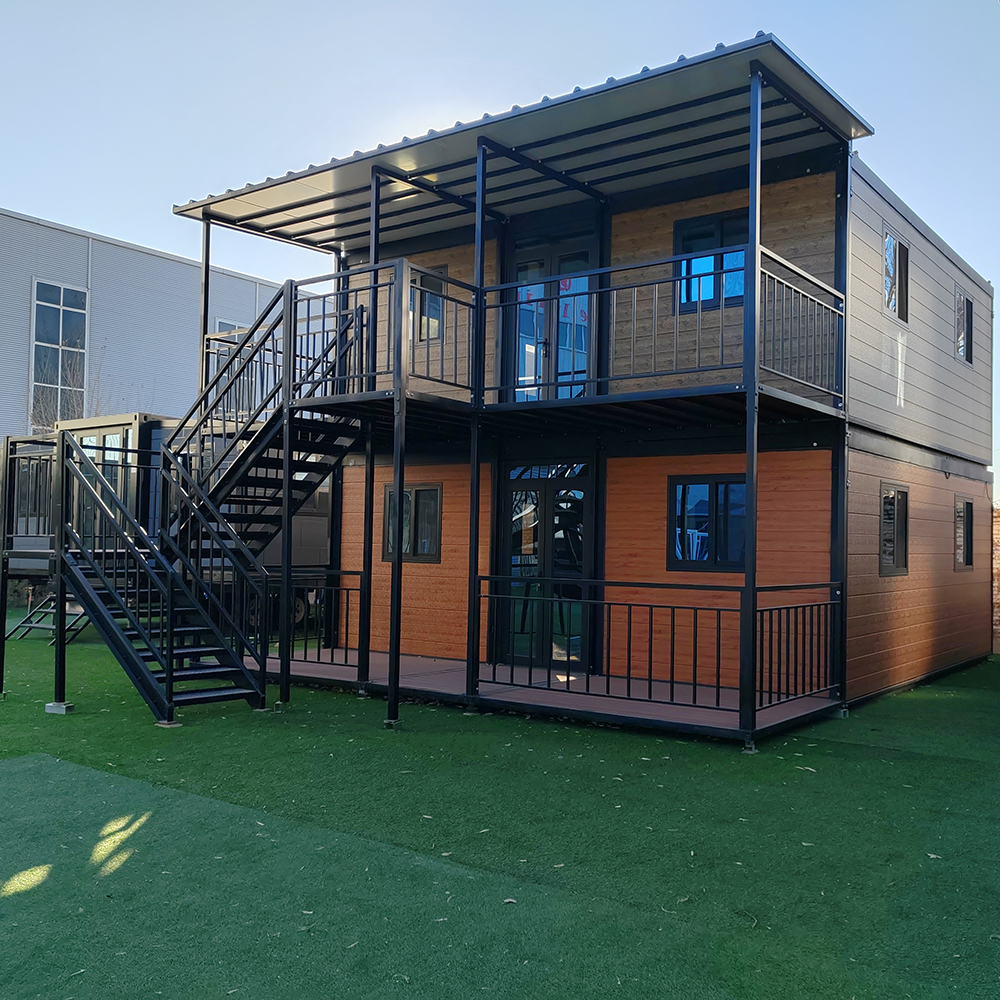 Easy Install Customized Detachable Container Homes Extendable House Prefab 2 Floors Expandable Container House
 -
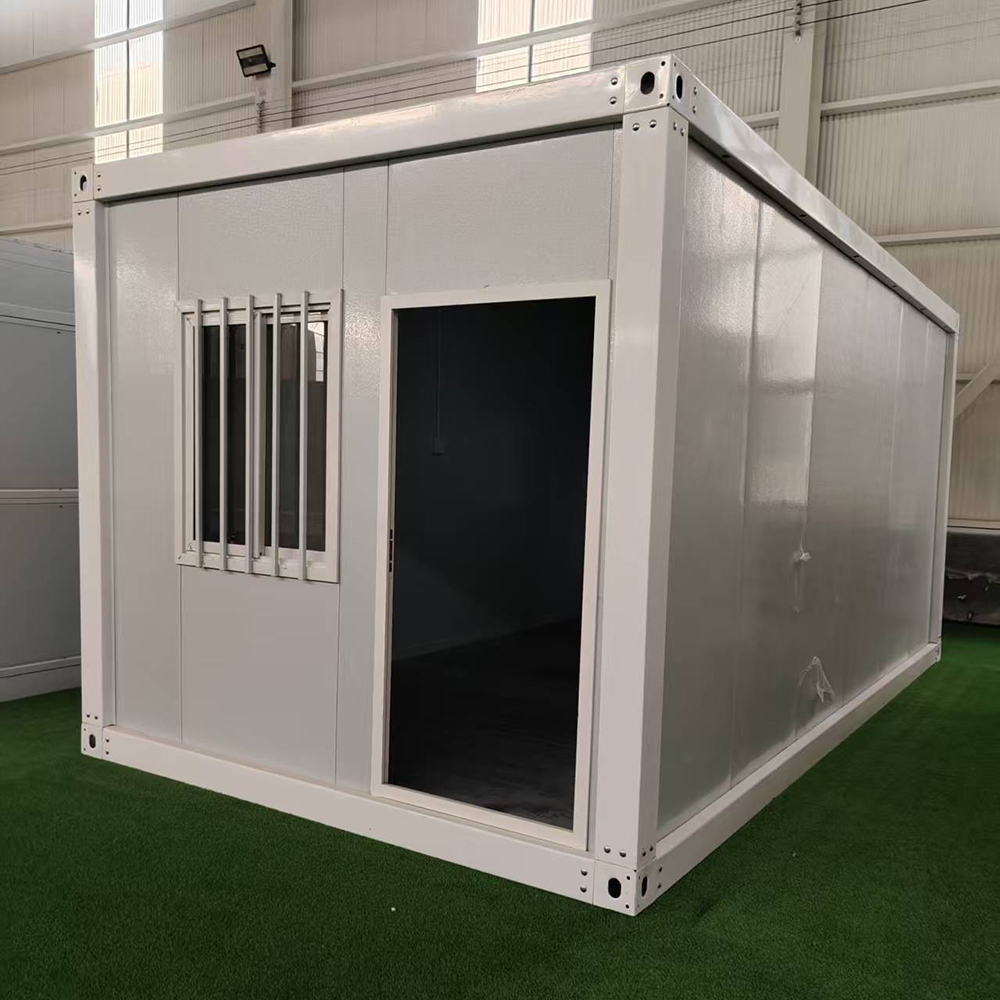 Folding Container Moving House Modular Office Container House Prefab Container for Outdoor Use
 -
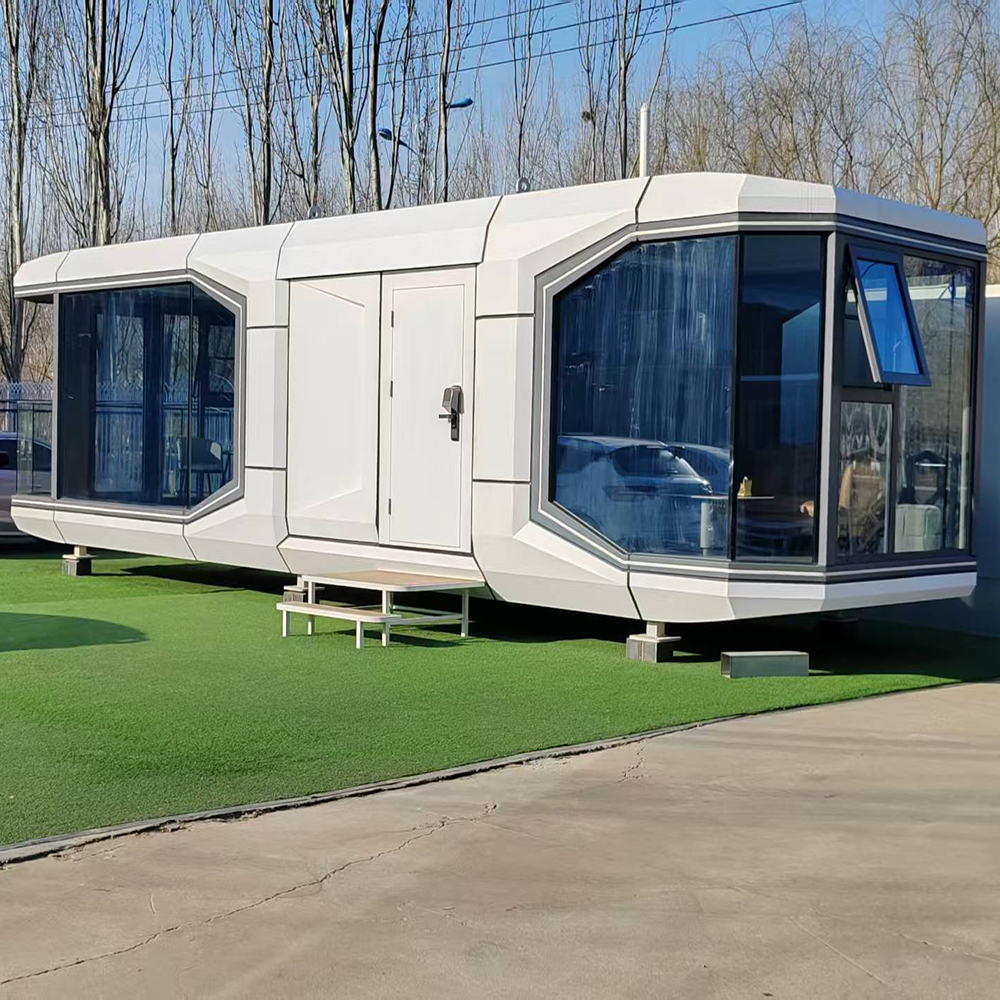 Luxury High Quality 2 Bedroom Container Home Prefabricated Steel Space Capsule for Office Shop Hotel or Outdoor House
 -
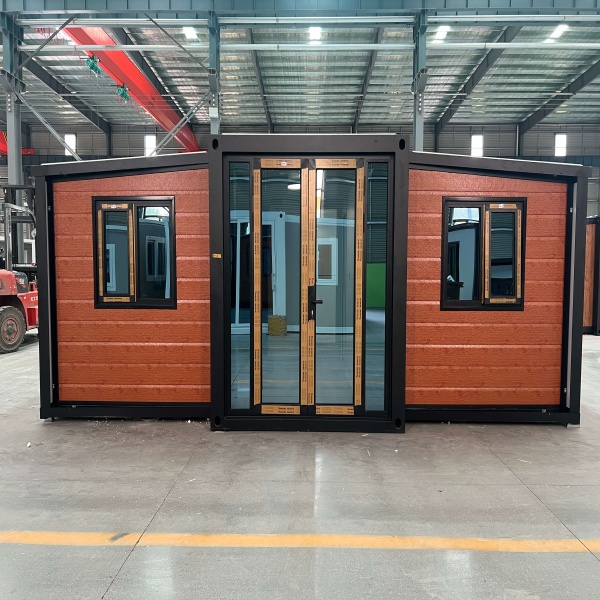
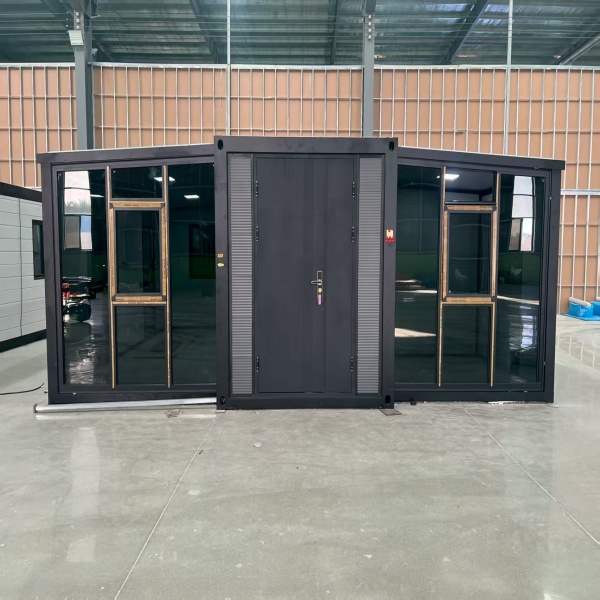 Customizable Office Mobile Home with Flat Roof and Double Wing Expansion Box, Convenient Container
 -
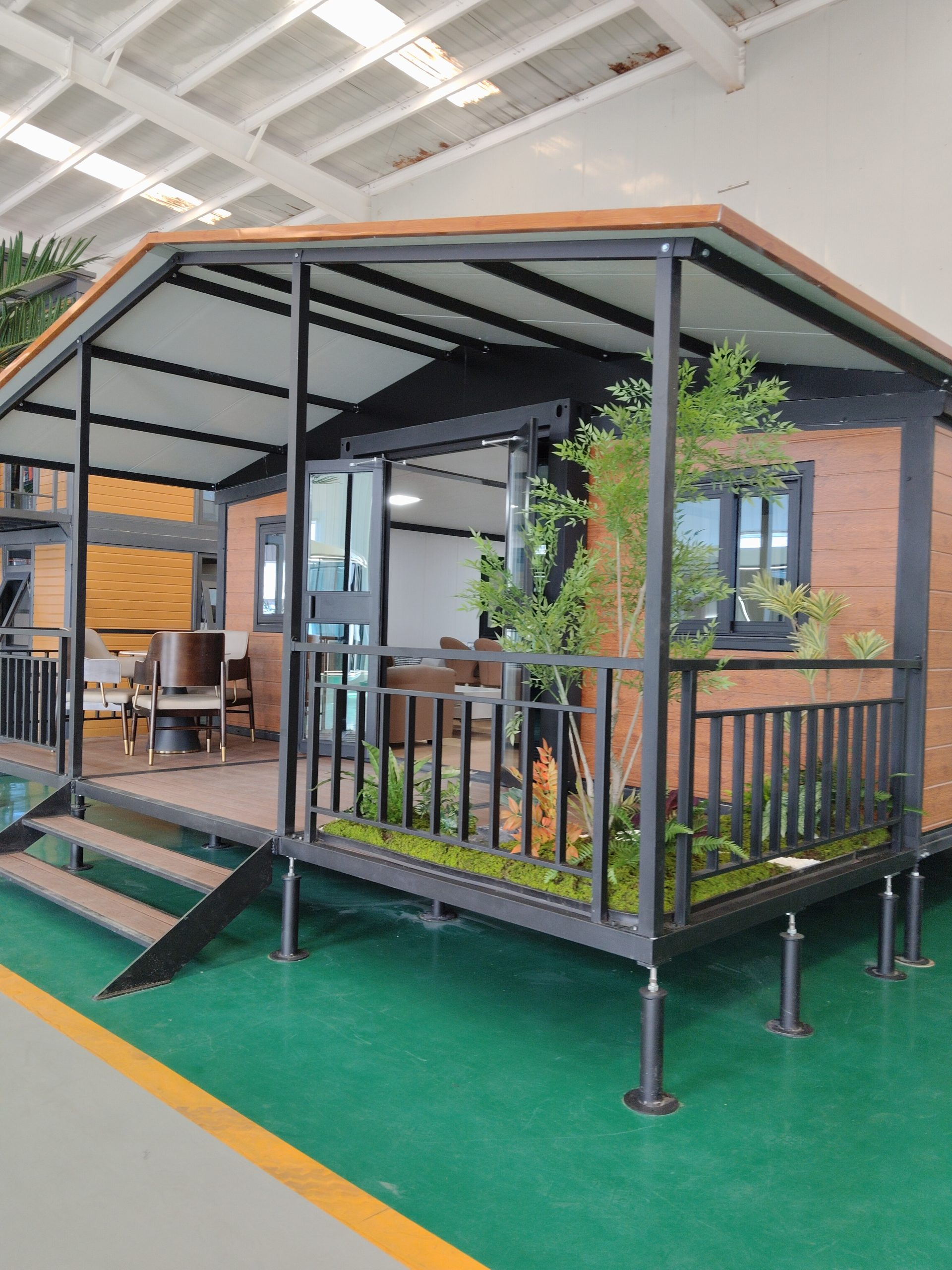 A container house with a terrace and double-wing folding design, suitable for various purposes such as offices, meeting rooms, living rooms, etc.
 -
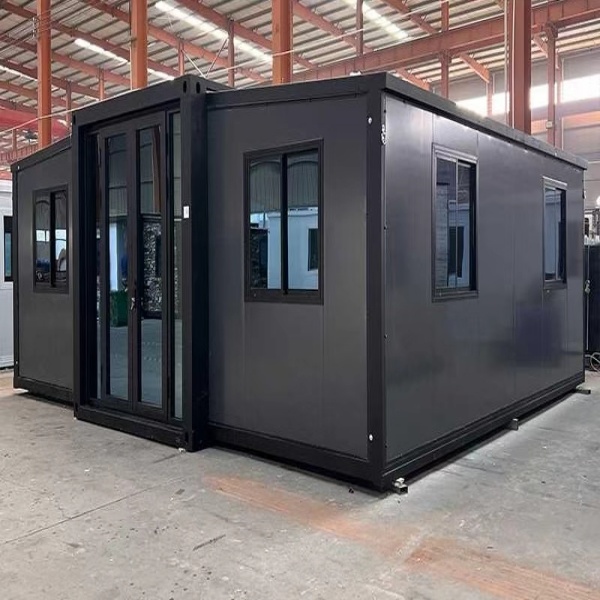 Dual-Wing Folding Container House: Fast Assembly, Space-Saving & Multi-Scene Adaptable
Related search
Related search- portable homes that fold out
- China prefabricated folding container house
- container expandable house
- Buy fold out modular homes
- foldable prefabricated home
- Buy prefabricated home folding container house
- space capsule cabin
- Buy container house prefabricated
- Buy wholesale expandable container house 40ft luxury
- China capsule house commercial space