-
E-mail
Austin120521@outlook.com -
E-mail
sales@jujiuhouse.com -
Telephone
+86-17864099991 -
Telephone
+86-17854044442
- Chinese
- French
- German
- Portuguese
- Spanish
- Russian
- Japanese
- Korean
- Arabic
- Irish
- Greek
- Turkish
- Italian
- Danish
- Romanian
- Indonesian
- Czech
- Afrikaans
- Swedish
- Polish
- Basque
- Catalan
- Esperanto
- Hindi
- Lao
- Albanian
- Amharic
- Armenian
- Azerbaijani
- Belarusian
- Bengali
- Bosnian
- Bulgarian
- Cebuano
- Chichewa
- Corsican
- Croatian
- Dutch
- Estonian
- Filipino
- Finnish
- Frisian
- Galician
- Georgian
- Gujarati
- Haitian
- Hausa
- Hawaiian
- Hebrew
- Hmong
- Hungarian
- Icelandic
- Igbo
- Javanese
- Kannada
- Kazakh
- Khmer
- Kurdish
- Kyrgyz
- Latin
- Latvian
- Lithuanian
- Luxembou..
- Macedonian
- Malagasy
- Malay
- Malayalam
- Maltese
- Maori
- Marathi
- Mongolian
- Burmese
- Nepali
- Norwegian
- Pashto
- Persian
- Punjabi
- Serbian
- Sesotho
- Sinhala
- Slovak
- Slovenian
- Somali
- Samoan
- Scots Gaelic
- Shona
- Sindhi
- Sundanese
- Swahili
- Tajik
- Tamil
- Telugu
- Thai
- Ukrainian
- Urdu
- Uzbek
- Vietnamese
- Welsh
- Xhosa
- Yiddish
- Yoruba
- Zulu
- Kinyarwanda
- Tatar
- Oriya
- Turkmen
- Uyghur




Expandable Container House with Solar: 2026 Complete Guide
2026-06-04
- What Is an Expandable Container House with Solar Energy?
- Key Features of 20ft and 40ft Expandable Models
- Solar Energy Integration: Systems and Capabilities
- Installation Guide: Step-by-Step Deployment
- Comparative Analysis: 20ft vs. 40ft Expandable Homes
- Real-World Applications and Scenarios
- Advantages and Limitations
- Frequently Asked Questions (FAQ)
- Conclusion and Next Steps
Looking for a 20ft 40ft expandable container house with solar energy? This complete 2026 guide covers everything you need to know about these innovative, off-grid living solutions. From technical specifications and installation steps to cost analysis and real-world applications, discover how modern expandable homes combined with photovoltaic systems are redefining sustainable housing. Whether for emergency relief, remote work sites, or eco-friendly residential projects, this technology offers rapid deployment and energy independence.
What Is an Expandable Container House with Solar Energy?
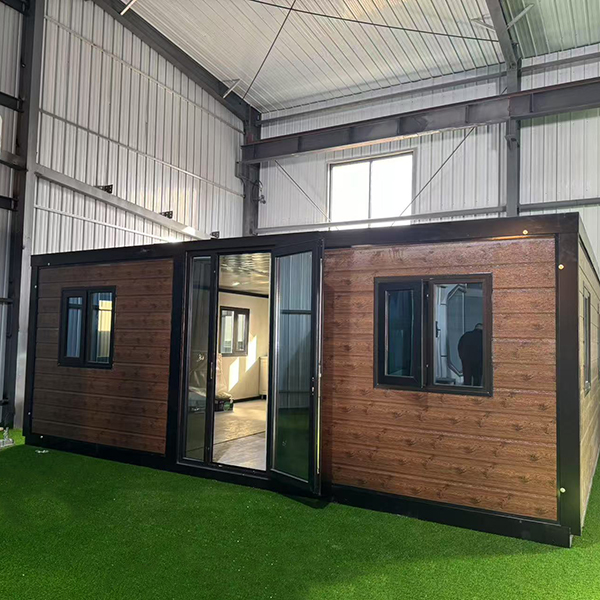
An expandable container house with solar energy is a prefabricated dwelling unit built within a standard shipping container frame that mechanically extends to increase living space upon arrival at the site. Unlike traditional static containers, these units utilize hydraulic or manual folding mechanisms to double or triple their floor area instantly. When integrated with solar energy systems, they become self-sufficient power hubs capable of operating independently from the main electrical grid.
The core concept merges two distinct technologies: modular architecture and renewable energy generation. The structural integrity relies on high-grade steel frames, typically galvanized to resist corrosion, while the expansion mechanism allows for transportation efficiency. Once deployed, the added square footage accommodates bedrooms, living areas, or offices. The solar component usually consists of monocrystalline panels mounted on the roof, connected to lithium battery banks and inverters to store and convert energy for daily use.
In 2026, this hybrid solution represents the pinnacle of mobile living. It addresses the global demand for rapid housing without compromising environmental standards. Industry experts recognize this configuration as a mainstream choice for sectors requiring immediate occupancy and low operational costs. The synergy between the expandable design and solar capability ensures that users gain maximum space utility while minimizing their carbon footprint and electricity bills.
The Evolution of Modular Living in 2026
The trajectory of modular construction has shifted dramatically over recent years. Early versions of container homes were often criticized for poor insulation and limited space. However, current models have overcome these hurdles through advanced engineering. The integration of expandable walls solves the spatial constraint issue inherent in standard 20-foot or 40-foot boxes. Simultaneously, advancements in solar panel efficiency and battery storage density have made off-grid living more reliable than ever before.
Modern manufacturing processes now allow for factory-installed solar arrays that are aerodynamically optimized for transport. This means the panels are flush-mounted or securely folded during transit, preventing damage. Upon expansion, the roof structure locks into place, creating a stable platform for energy generation. This evolution reflects a broader industry trend towards “plug-and-play” sustainability, where homes arrive ready to generate their own power immediately after setup.
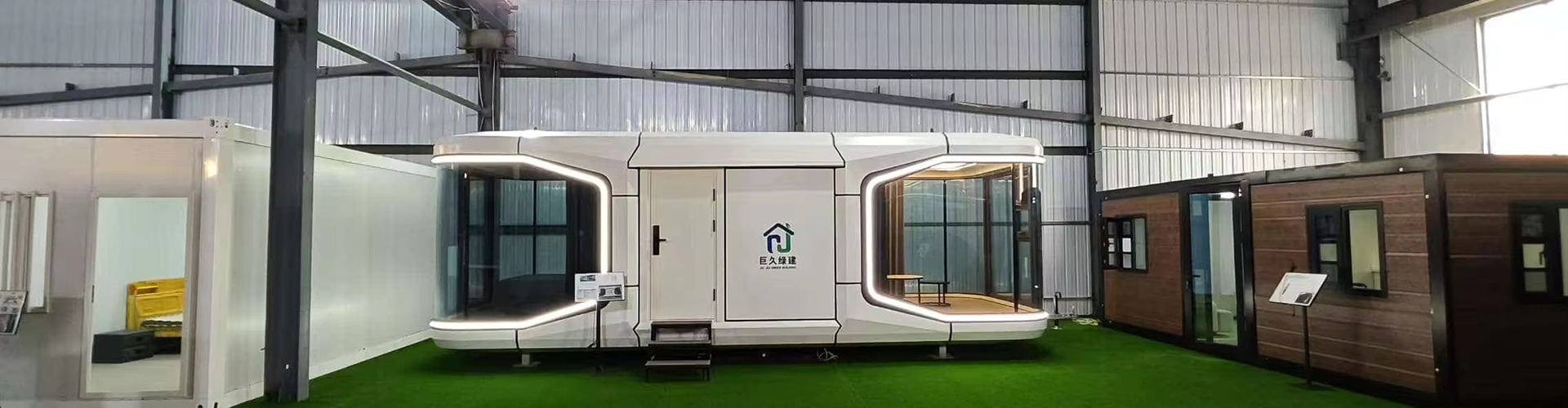
Leading this charge in innovation is Shandong Jujiu Integrated Housing Co., Ltd., a rising star in the integrated housing sector. As an industrial enterprise that seamlessly integrates R&D, design, production, and installation, Jujiu has rapidly industrialized its production system over the last four years. With a facility spanning over 200 acres and a workforce exceeding 100 professionals, the company boasts an annual production capacity of 20,000 packaging box rooms. Their expertise extends beyond standard units to specialized products like double wing extension rooms, folding push-pull apple cabins, and light steel villas. By maintaining superior factory control standards and a complete supply chain, Jujiu ensures that every unit meets rigorous international quality expectations, providing customers with full-range solutions from conceptualization to final installation.
Key Features of 20ft and 40ft Expandable Models
Understanding the specific differences between 20ft and 40ft expandable container houses is crucial for selecting the right unit for your project. While both share the same fundamental operating principles, their capacity, expansion ratios, and ideal use cases vary significantly. The choice often depends on the number of occupants, the intended duration of stay, and the available transport logistics.
The 20ft model is generally designed for compact efficiency. In its folded state, it occupies a standard parking space, making it easy to tow with a medium-duty truck. When expanded, it typically offers a living area comparable to a small studio apartment. This size is highly popular for single-person offices, couple’s retreats, or temporary medical stations. Its smaller footprint also reduces the foundation requirements, allowing placement on uneven terrain with minimal site preparation.
Conversely, the 40ft expandable container house provides substantial family-sized accommodation. These units often feature multiple expansion sides, creating a spacious layout that can include separate bedrooms, a full kitchen, and a large living room. The larger surface area of the 40ft roof also permits the installation of a more extensive solar array, generating higher wattage to support energy-intensive appliances like air conditioners or electric heaters. This makes the 40ft version ideal for permanent residences or large workforce camps.
- Structural Durability: Both sizes utilize Corten steel or equivalent anti-corrosive materials, ensuring longevity in harsh climates ranging from coastal salt air to desert heat.
- Insulation Standards: Modern units come with sandwich panels featuring rock wool or polyurethane foam cores, providing superior thermal resistance compared to traditional metal sheds.
- Expansion Mechanism: Hydraulic systems offer one-button deployment, while manual crank systems provide a cost-effective alternative that requires no external power source to set up.
- Solar Integration: Roof designs are pre-engineered to bear the weight of solar panels and withstand wind loads, with pre-wired conduits running internally to the distribution box.
Technical Specifications Breakdown
When evaluating these units, buyers should look beyond simple dimensions. The technical specs define the livability and energy autonomy of the home. High-quality manufacturers in 2026 adhere to strict international standards for electrical safety and structural load-bearing. The solar system is not an afterthought but an integral part of the design, with cable management hidden within the wall cavities to maintain a clean aesthetic.
The inverter systems used in these homes are typically pure sine wave models, ensuring that sensitive electronics operate smoothly. Battery banks are increasingly shifting towards LiFePO4 (Lithium Iron Phosphate) chemistry due to their longer cycle life and enhanced safety profile compared to older lead-acid technologies. This shift ensures that the solar energy captured during the day is efficiently stored for night-time use, maintaining comfort around the clock.
Solar Energy Integration: Systems and Capabilities
The inclusion of solar energy transforms an expandable container from a mere shelter into a fully functional, off-grid habitat. The effectiveness of this integration depends on the sizing of the photovoltaic (PV) system relative to the home’s energy consumption. A well-designed system balances generation, storage, and usage to prevent blackouts and maximize efficiency.
Most standard configurations for a 20ft expandable container house include a 3kW to 5kW solar system. This capacity is sufficient to power LED lighting, refrigeration, small cooking appliances, and charging ports for devices. For the larger 40ft expandable container house, systems often range from 6kW to 10kW or more. This increased capacity supports heavy loads such as split-system air conditioners, electric water heaters, and washing machines, which are essential for long-term habitation.
The orientation of the container plays a vital role in energy harvesting. While the expandable mechanism dictates the final shape, the roof remains the primary real estate for solar panels. Advanced mounting brackets allow for slight angle adjustments to optimize sun exposure based on the geographical latitude of the installation site. Some premium models even feature tracking capabilities or fold-out side panels that deploy additional solar surfaces, though fixed roof mounts remain the industry standard for durability and low maintenance.
Battery Storage and Power Management
Energy generation is only half the equation; storage is the key to reliability. Modern expandable homes utilize sophisticated Battery Management Systems (BMS) to monitor cell health, temperature, and charge levels. This technology prevents overcharging and deep discharging, extending the lifespan of the battery bank. In 2026, it is common to see modular battery racks that allow users to add more capacity as their energy needs grow.
Smart inverters now come with Wi-Fi or Bluetooth connectivity, enabling users to monitor their energy production and consumption via smartphone apps. This transparency helps occupants adjust their habits to align with peak solar generation times, further enhancing efficiency. For instance, running high-energy appliances during midday when the sun is strongest reduces reliance on stored battery power, preserving reserves for the evening.
Installation Guide: Step-by-Step Deployment
One of the primary advantages of an expandable container house with solar energy is the speed of installation. Unlike conventional construction, which can take months, these units can be operational within hours. However, proper site preparation and adherence to safety protocols are essential to ensure stability and optimal performance.
The process begins long before the truck arrives. Site selection must consider ground stability, drainage, and solar access. Obstructions like tall trees or nearby buildings can cast shadows on the solar panels, significantly reducing output. Once the site is cleared and leveled, the physical deployment can commence. Most manufacturers, including professional teams like those at Shandong Jujiu, provide detailed manuals and often offer remote video support or on-site professional installation services to guide the local team through the unfolding process.
- Step 1: Site Preparation: Level the ground using gravel or concrete pads. Ensure the foundation points align with the container’s corner castings to distribute weight evenly.
- Step 2: Positioning: Use a crane or heavy-duty tilt-bed truck to place the folded container onto the foundation. Verify the orientation faces the optimal direction for solar exposure (usually south in the Northern Hemisphere).
- Step 3: Expansion: Engage the hydraulic pump or manual cranks to extend the side walls. Listen for the locking mechanisms clicking into place, indicating the structure is secure.
- Step 4: Utility Connection: Connect the pre-installed solar cables to the inverter and battery bank. If connecting to a backup generator or grid tie-in, perform this step now following local electrical codes.
- Step 5: Interior Finishing: Unfold any internal partitions, set up furniture (if not pre-installed), and connect water supply lines if the unit includes plumbing.
- Step 6: System Testing: Power on the main breaker and test all circuits, lights, and appliances. Check the solar monitoring app to confirm panels are generating electricity.
Safety Considerations During Setup
Safety is paramount during the expansion phase. The moving parts of the hydraulic system exert significant force, so personnel should stand clear of the swing radius. It is mandatory to wear personal protective equipment (PPE), including hard hats and steel-toed boots. Additionally, electrical connections involving solar arrays involve high DC voltage; only qualified electricians should handle the wiring between panels, batteries, and inverters to avoid shock hazards.
Wind loading is another critical factor. While the expanded structure is robust, it presents a large surface area to the wind. Anchoring the container to the foundation using twist locks or ground screws is non-negotiable in windy regions. Proper anchoring not only secures the building but also ensures the solar panels remain stable, preventing micro-fractures in the cells caused by vibration.
Comparative Analysis: 20ft vs. 40ft Expandable Homes
Choosing between a 20ft and a 40ft expandable container house often comes down to specific project requirements. To assist in decision-making, the following table outlines the key differences in terms of space, energy potential, logistics, and cost implications. This comparison highlights how each size serves different market segments effectively.
| Feature | 20ft Expandable Container House | 40ft Expandable Container House |
|---|---|---|
| Folded Dimensions | Compact; fits standard trailer | Longer; requires specialized transport |
| Expanded Living Area | Approx. 30-40 sq. meters | Approx. 70-90 sq. meters |
| Typical Solar Capacity | 3kW – 5kW | 6kW – 10kW+ |
| Occupancy | 1-2 People (Studio/Office) | 3-5 People (Family Home) |
| Transport Cost | Lower; easier to maneuver | Higher; may require permits |
| Foundation Needs | Minimal; adaptable to rough terrain | More extensive leveling required |
| Ideal Application | Remote offices, glamping, clinics | Permanent housing, worker camps |
The data suggests that while the 20ft unit offers superior mobility and lower entry costs, the 40ft unit provides better value per square meter for those needing ample space. The solar capacity difference is also notable; the larger roof on the 40ft model allows for a more robust energy ecosystem, making it more suitable for fully off-grid lifestyles where high energy consumption is expected.
Cost Efficiency and Return on Investment
From a financial perspective, both options offer compelling ROI compared to traditional brick-and-mortar construction. The reduced labor costs, faster deployment time, and elimination of long-term utility bills contribute to significant savings. The solar energy component acts as a hedge against rising electricity prices, locking in near-zero energy costs for the lifespan of the system. When factoring in the durability of the steel structure, these homes often pay for themselves within a few years of operation, especially in commercial rental scenarios.
Real-World Applications and Scenarios
The versatility of the expandable container house with solar energy has led to its adoption across diverse industries. Its ability to be transported remotely and function autonomously makes it a go-to solution for challenges where traditional infrastructure is absent or impractical.
Disaster Relief and Emergency Housing: In the aftermath of natural disasters, speed is critical. These units can be airlifted or trucked into affected zones and expanded within hours to provide safe, weatherproof shelter. The integrated solar system ensures that victims have access to light, communication charging, and refrigeration for medicines, even when the local grid is down.
Mining and Construction Camps: Remote extraction sites often house hundreds of workers in temporary accommodations. Using 40ft expandable units reduces the logistical burden of transporting multiple smaller structures. The solar integration lowers the dependency on diesel generators, reducing fuel transport costs and noise pollution, thereby improving the working environment.
Eco-Tourism and Glamping: The hospitality sector is increasingly embracing sustainable lodging. An expandable container home blends minimal environmental impact with modern comfort. Resorts can place these units in sensitive natural areas without extensive groundwork. The “off-grid” appeal is a strong marketing point for travelers seeking an authentic nature experience without sacrificing amenities.
Residential and Backyard Offices
For homeowners, the 20ft expandable container house has emerged as a popular solution for accessory dwelling units (ADUs). Whether used as a guest house, a home office, or a rental property, it adds value to the estate without the hassle of a major construction project. The solar feature appeals to environmentally conscious owners looking to reduce their household’s overall energy load. In suburban settings, these units can be installed in days, providing immediate extra space.
Advantages and Limitations
Like any technology, expandable solar container homes come with a set of strengths and considerations. Understanding these factors helps potential buyers set realistic expectations and plan accordingly.
Advantages:
- Rapid Deployment: From delivery to occupancy in less than a day.
- Energy Independence: Solar integration reduces or eliminates utility bills.
- Mobility: Can be relocated easily if needs change or leases expire.
- Durability: Steel construction resists pests, fire, and extreme weather.
- Scalability: Multiple units can be joined together to create larger complexes.
Limitations:
- Initial Cost: The upfront investment including solar batteries can be higher than basic sheds.
- Transport Regulations: Moving wide loads (expanded or even folded 40ft units) may require special permits depending on local laws.
- Weather Dependency: Solar efficiency drops during prolonged cloudy periods, necessitating adequate battery sizing or a backup generator.
- Zoning Laws: Some municipalities have strict codes regarding temporary structures and off-grid systems.
Frequently Asked Questions (FAQ)
How long does the solar battery last in an expandable container house?
Modern lithium battery systems used in these homes typically last between 10 to 15 years, depending on usage cycles and maintenance. LiFePO4 batteries, which are becoming the industry standard, can endure thousands of charge-discharge cycles while retaining over 80% of their original capacity. Proper thermal management and avoiding deep discharges can further extend their lifespan.
Can I add more solar panels later if my energy needs increase?
Yes, most expandable container houses are designed with scalability in mind. The inverters often have spare input capacity, and the roof structure can usually accommodate additional panels. However, it is advisable to consult with the manufacturer before adding components to ensure compatibility with the existing wiring and battery management system.
Is insulation effective in extreme cold or hot climates?
Absolutely. Current models utilize high-density sandwich panels with excellent R-values. Combined with double-glazed windows and sealed doors, these units maintain comfortable interior temperatures even in extreme conditions. The solar system also powers efficient HVAC units, such as mini-split heat pumps, which are specifically designed to operate in a wide range of temperatures.
What maintenance is required for the expansion mechanism?
The mechanical parts require minimal maintenance. Regular lubrication of hinges and tracks, along with periodic inspection of hydraulic seals (if applicable), is generally sufficient. It is recommended to perform a full check-up annually to ensure that locking pins engage correctly and that no debris obstructs the movement path. Keeping the mechanism clean prevents wear and tear over time.
Are these homes compliant with international building codes?
Reputable manufacturers design their 20ft and 40ft expandable container houses to meet major international standards, including ISO and various regional building codes. However, compliance can vary by locality. Buyers should always verify specific zoning regulations and permit requirements in their target installation area before purchasing. Many suppliers, such as Shandong Jujiu, provide certification documents to assist with the approval process.
Conclusion and Next Steps
The 20ft 40ft expandable container house with solar energy represents a transformative shift in how we approach housing and workspace solutions in 2026. By combining the logistical efficiency of shipping containers with the freedom of renewable energy, these structures offer a pragmatic answer to the growing demands for sustainable, mobile, and rapid-deployment living spaces. Whether for humanitarian aid, industrial accommodation, or private residential use, the benefits of speed, durability, and energy autonomy are undeniable.
This technology is ideally suited for individuals and organizations seeking to minimize their environmental footprint while maximizing operational flexibility. If your project requires quick setup, off-grid capability, and a robust structure, an expandable solar container home is a strategic investment. Partnering with experienced providers like Shandong Jujiu Integrated Housing Co., Ltd. ensures access to a complete supply chain, professional logistics, and a perfect after-sales service system dedicated to protecting customer interests.
Ready to explore the possibilities? Evaluate your space requirements and energy consumption goals to determine whether a 20ft or 40ft model fits your vision. Consult with certified providers to discuss customization options and site-specific solar configurations. Taking the next step towards an expandable, solar-powered future could be the most impactful decision for your upcoming project.