
-
E-mail
Austin120521@outlook.com -
E-mail
sales@jujiuhouse.com -
Telephone
+86-17864099991 -
Telephone
+86-17854044442
- Chinese
- French
- German
- Portuguese
- Spanish
- Russian
- Japanese
- Korean
- Arabic
- Irish
- Greek
- Turkish
- Italian
- Danish
- Romanian
- Indonesian
- Czech
- Afrikaans
- Swedish
- Polish
- Basque
- Catalan
- Esperanto
- Hindi
- Lao
- Albanian
- Amharic
- Armenian
- Azerbaijani
- Belarusian
- Bengali
- Bosnian
- Bulgarian
- Cebuano
- Chichewa
- Corsican
- Croatian
- Dutch
- Estonian
- Filipino
- Finnish
- Frisian
- Galician
- Georgian
- Gujarati
- Haitian
- Hausa
- Hawaiian
- Hebrew
- Hmong
- Hungarian
- Icelandic
- Igbo
- Javanese
- Kannada
- Kazakh
- Khmer
- Kurdish
- Kyrgyz
- Latin
- Latvian
- Lithuanian
- Luxembou..
- Macedonian
- Malagasy
- Malay
- Malayalam
- Maltese
- Maori
- Marathi
- Mongolian
- Burmese
- Nepali
- Norwegian
- Pashto
- Persian
- Punjabi
- Serbian
- Sesotho
- Sinhala
- Slovak
- Slovenian
- Somali
- Samoan
- Scots Gaelic
- Shona
- Sindhi
- Sundanese
- Swahili
- Tajik
- Tamil
- Telugu
- Thai
- Ukrainian
- Urdu
- Uzbek
- Vietnamese
- Welsh
- Xhosa
- Yiddish
- Yoruba
- Zulu
- Kinyarwanda
- Tatar
- Oriya
- Turkmen
- Uyghur




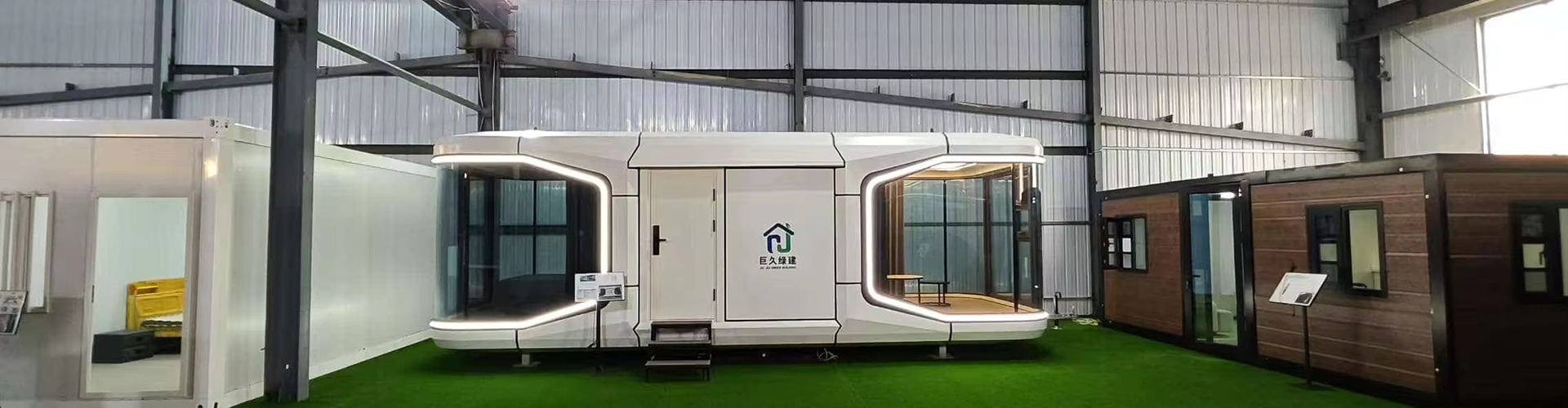
portable folding house
Exploring the World of Portable Folding Houses
The concept of a portable folding house might sound like a futuristic fantasy, but it’s very much a reality today. People often misunderstand them as flimsy or temporary, but the industry has evolved significantly. These structures are not only practical but also offer a surprising amount of comfort and customization.
Understanding Portable Folding Houses
At its core, a portable folding house is about flexibility. The design allows a dwelling to be transformed and transported with ease, making them ideal for a range of uses—from temporary housing to modern living spaces. The technology behind these homes focuses on durability and efficiency, integrating advanced materials that are both lightweight and robust.
Take Shandong Jujiu Integrated Housing Co., Ltd., for instance. Their approach exemplifies the blend of innovation and practicality. By incorporating research and development with production, they’ve perfected a design that withstands the elements while remaining transportable. More details can be found on their website, jujiuhouse.com.
In practice, these houses are often utilized in areas that demand rapid deployment of living spaces, such as disaster relief zones or construction sites where temporary yet sturdy accommodations are necessary.
Applications and Advantages
One of the main advantages is mobility. These structures can be relocated without the substantial cost and effort associated with traditional homes. For businesses and individuals who require transient setups, this is invaluable.
Furthermore, the efficiency of assembly is notable. Sites often come pre-equipped with the necessary components, and a small team can erect a portable folding house in just a couple of days. This efficiency doesn’t compromise safety or durability, leveraging materials that meet high structural standards.
A notable project was the rapid deployment near coastal areas, where the foldable design proved resistant to strong winds and moisture. This showcases their potential in challenging environments.
Challenges in the Field
However, it’s not without challenges. Transport logistics can sometimes be a hurdle, especially in areas with limited infrastructure. Additionally, while the initial setup is quick, ensuring utilities and connectivity can extend the timeline depending on location specifics.
Another concern is perception. Many still view these homes as inferior to traditional structures. Yet, with the likes of Shandong Jujiu Integrated Housing Co., Ltd. pioneering advancements, this perception is gradually changing.
Despite these hurdles, the push for sustainability and efficient living spaces continues to drive innovation in this sector. Companies are increasingly optimizing designs to offer more eco-friendly options.
Real-Life Case Studies
One striking example involves a project in rural areas, where portable folding houses provided necessary housing for healthcare workers. These structures enable the staff to be housed close to where they are needed most, reducing commute times and enhancing their ability to serve communities efficiently.
Moreover, after a natural disaster, these houses have been pivotal in providing immediate shelter to those affected, illustrating their value beyond conventional use cases.
The feedback from users in such scenarios reflects positively on their practicality and comfort, which are often underestimated until experienced firsthand.
The Future of Portable Folding Houses
Looking ahead, the integration of smart home technology into these designs presents exciting opportunities. Imagine a portable folding house that autonomously adjusts to environmental changes—an aspect companies like Shandong Jujiu Integrated Housing Co., Ltd. are exploring.
The path forward involves more sustainable materials and methods, a trend that aligns with broader environmental goals. With growing urban populations, these structures could also play a role in alleviating housing shortages.
Ultimately, the innovation in folding house design seems poised to redefine our understanding of flexible, efficient living space. As the industry matures, reluctance will likely give way to recognition of their unique benefits and potential.
Related products
Related products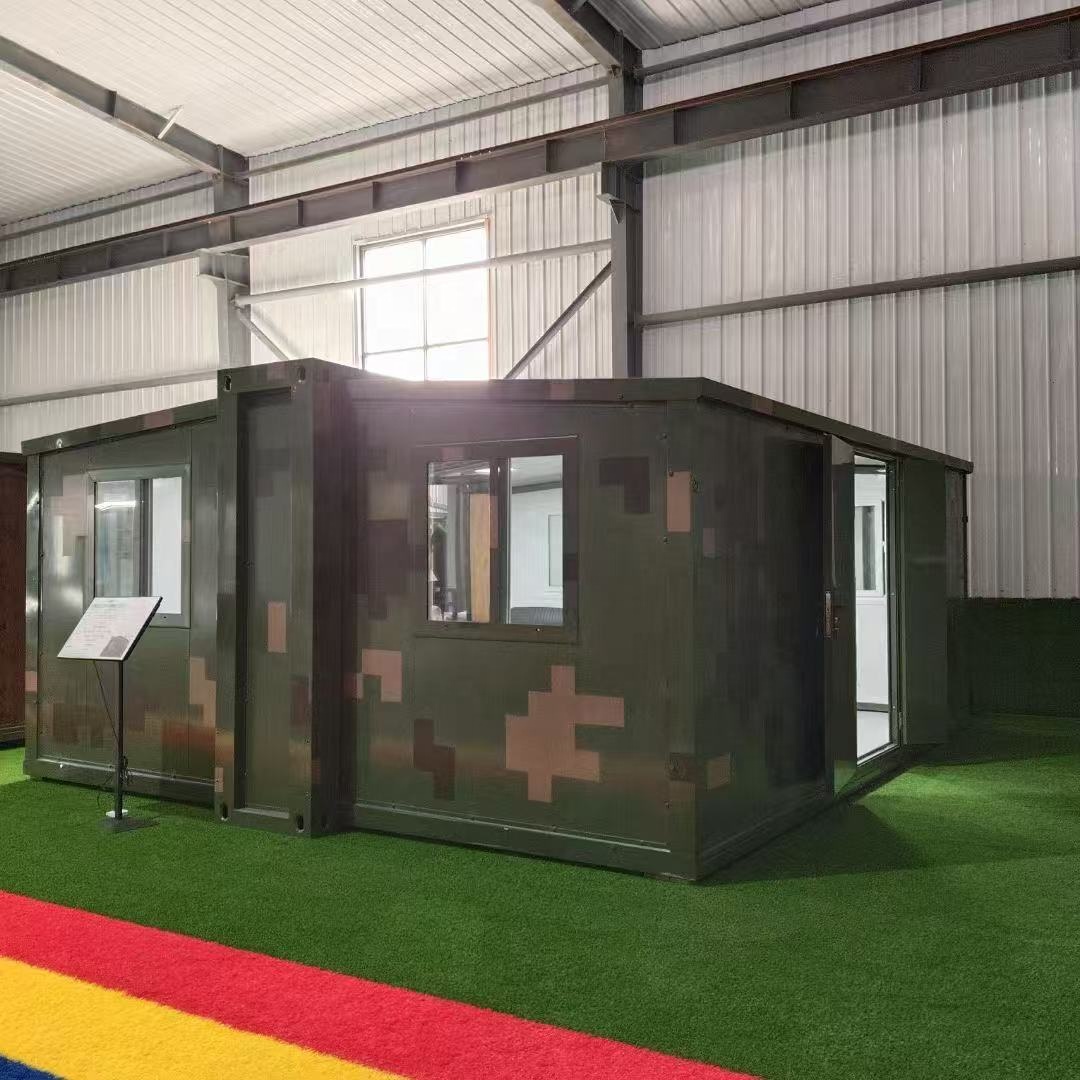
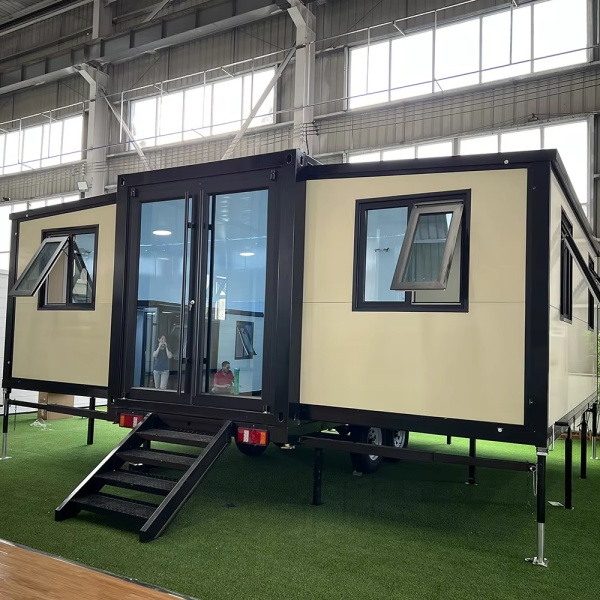
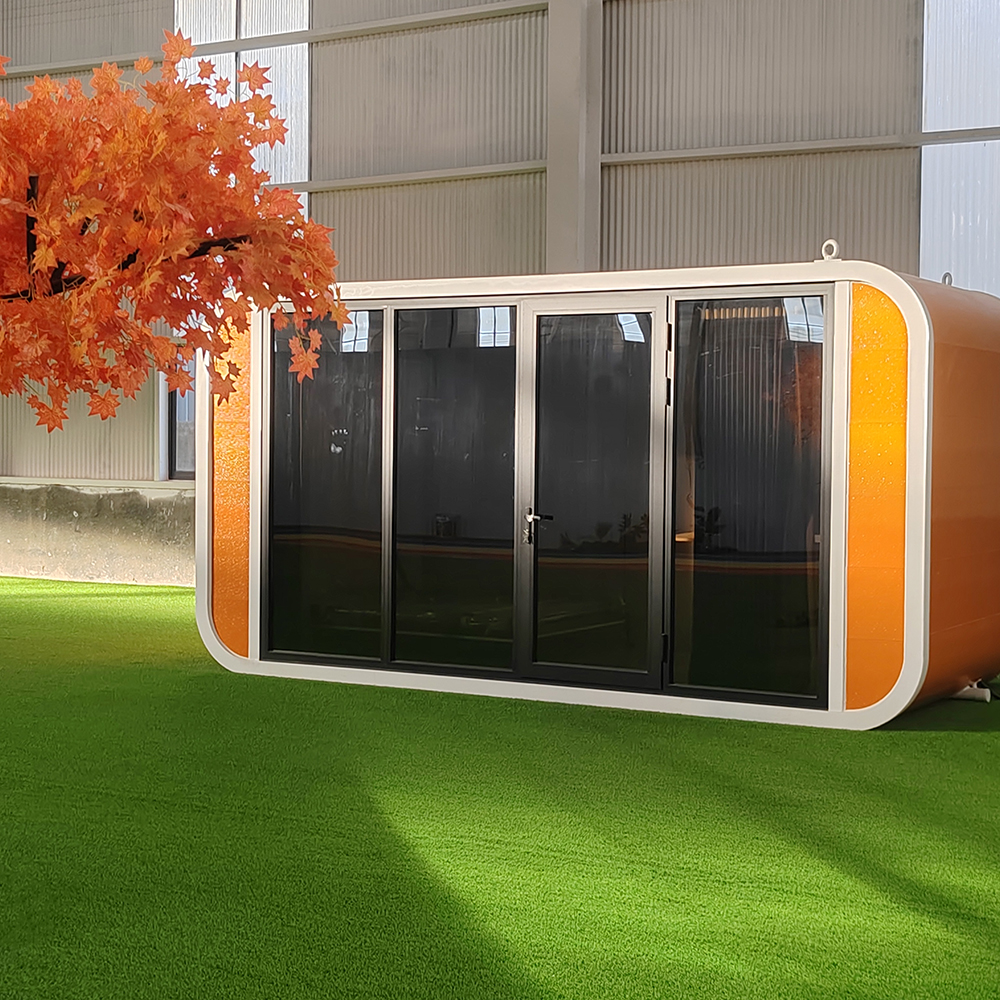
Best selling products
Best selling products-
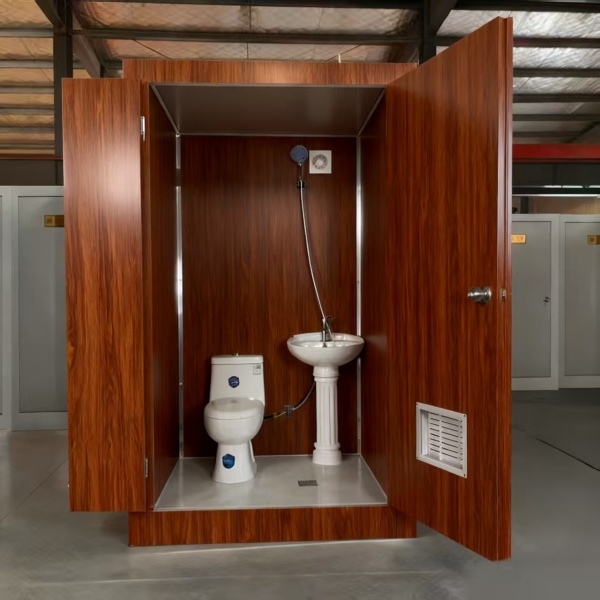 Portable outdoor camping bathroom, mobile toilet, prefabricated modular villa & rental of outdoor and indoor showers
 -
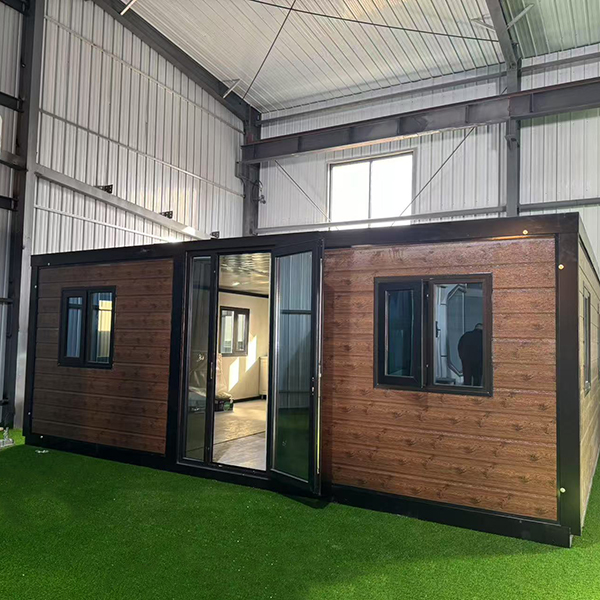
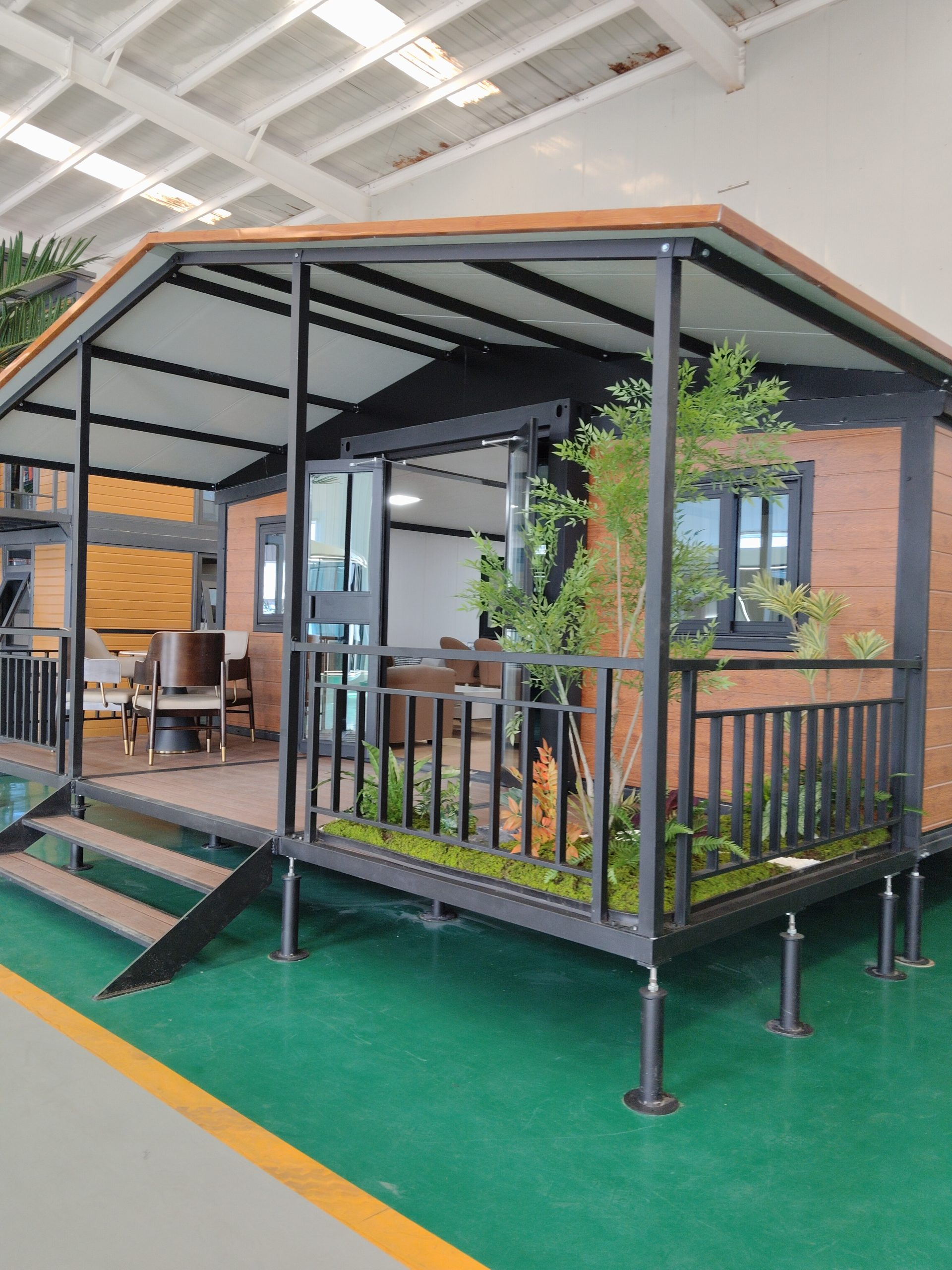 A container house with a terrace and double-wing folding design, suitable for various purposes such as offices, meeting rooms, living rooms, etc.
 -
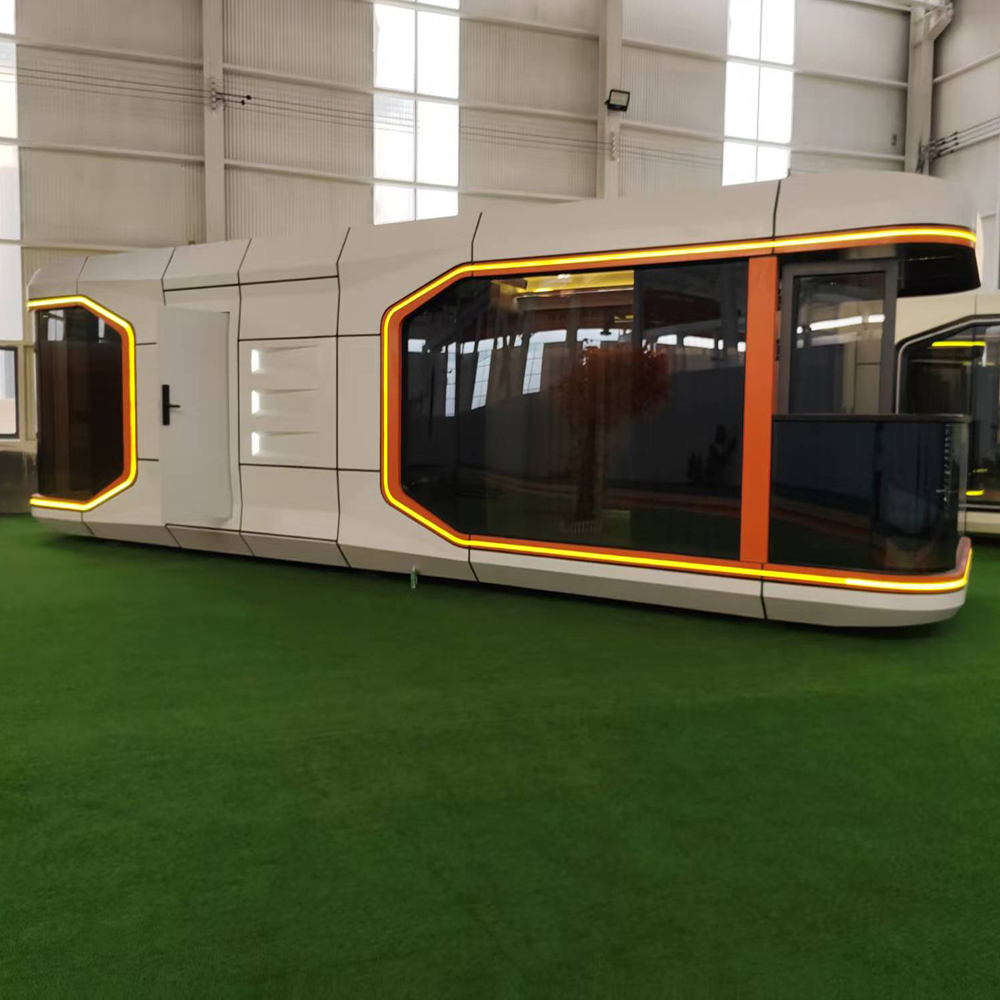 Standard Modern Camping Pod Space Prefabricated Portable Mobile Capsule Room Hotel Bathroom Prefabricated Spaceship House
 -
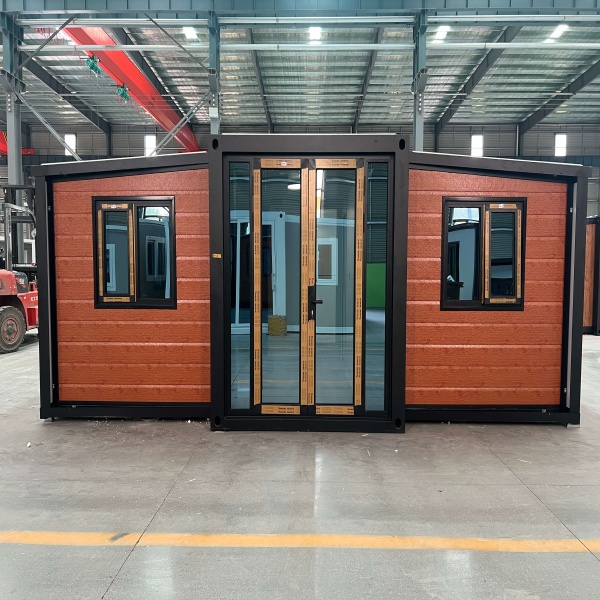 High-quality Double-wing Folding Container House with Doors and Windows, Insulated Walls, Suitable for Various Scenarios.
 -
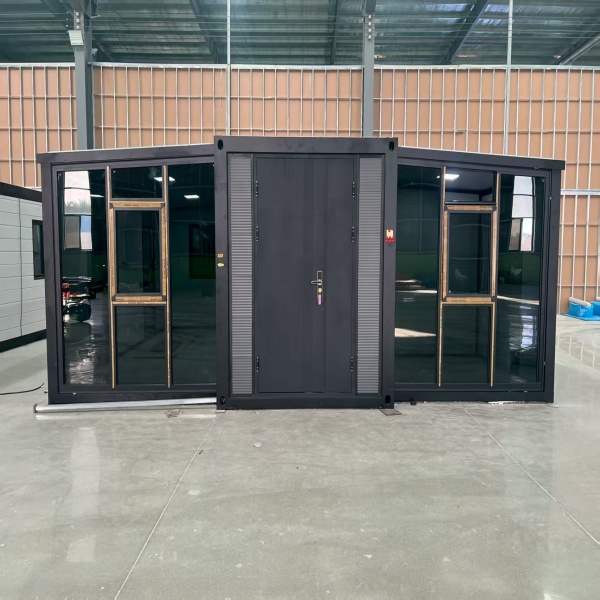 Customizable Office Mobile Home with Flat Roof and Double Wing Expansion Box, Convenient Container
 -
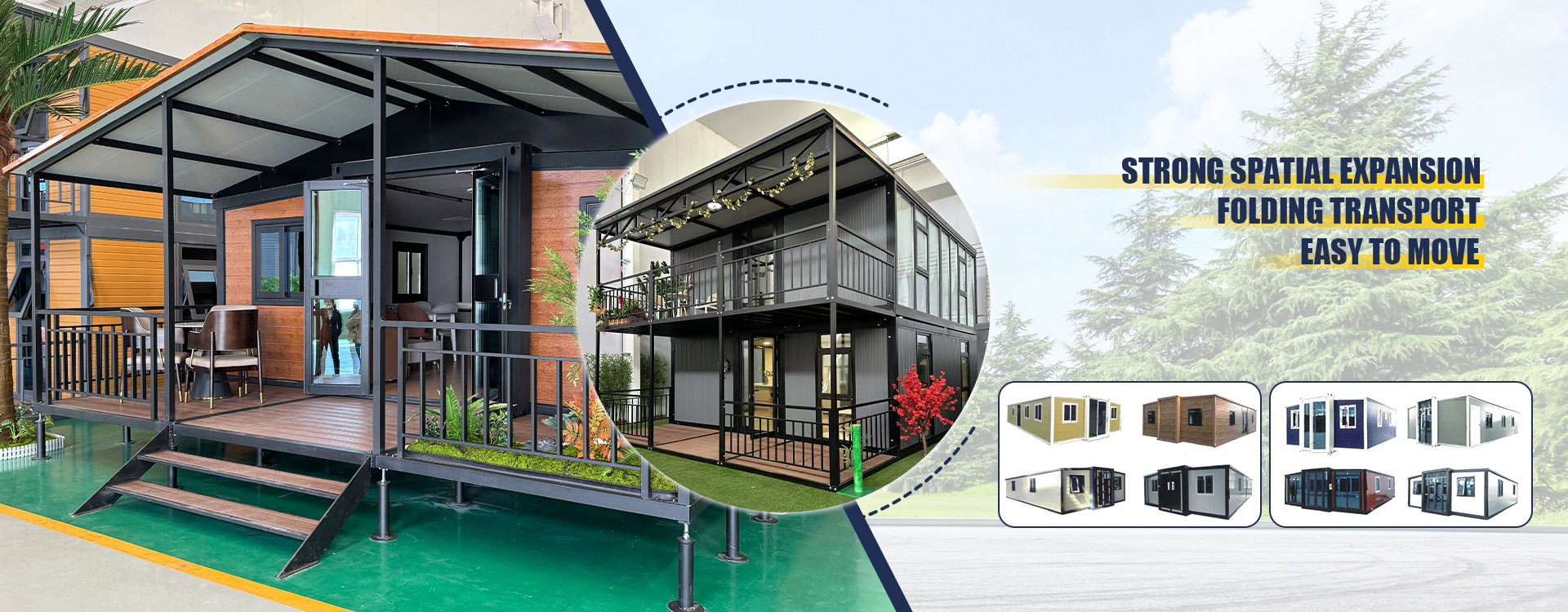
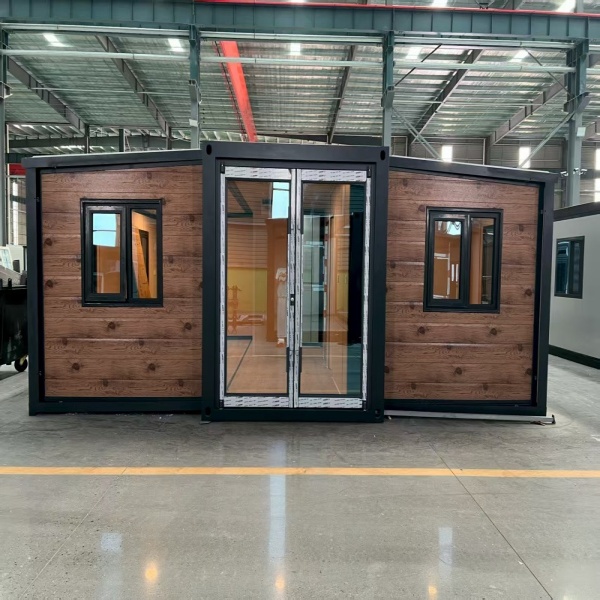 The foldable container house with side wing design can be quickly set up and is suitable for various environments.
 -
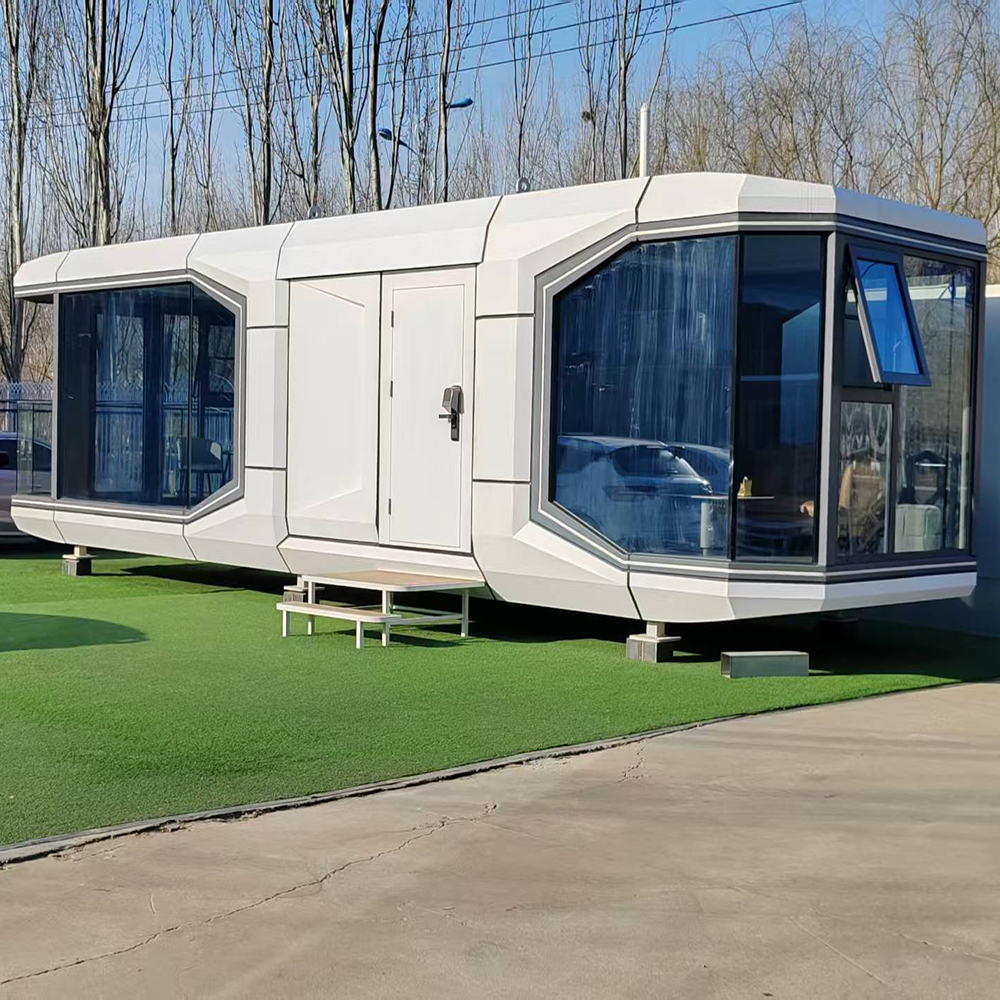 Luxury High Quality 2 Bedroom Container Home Prefabricated Steel Space Capsule for Office Shop Hotel or Outdoor House
 -
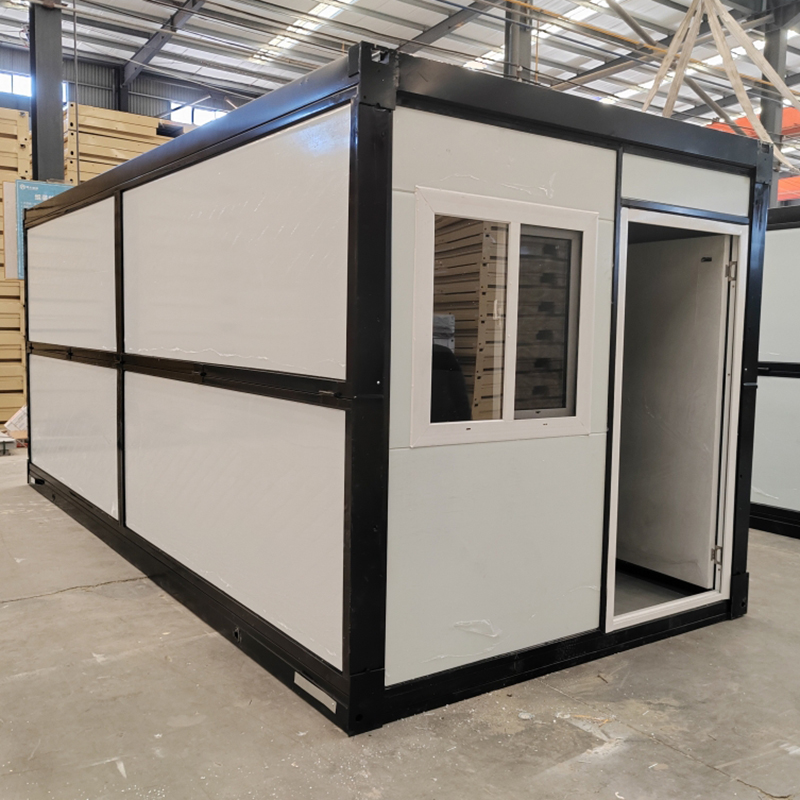 Detachable Design Prefabricated Container House Portable Modular Office Building Folding Container House
 -
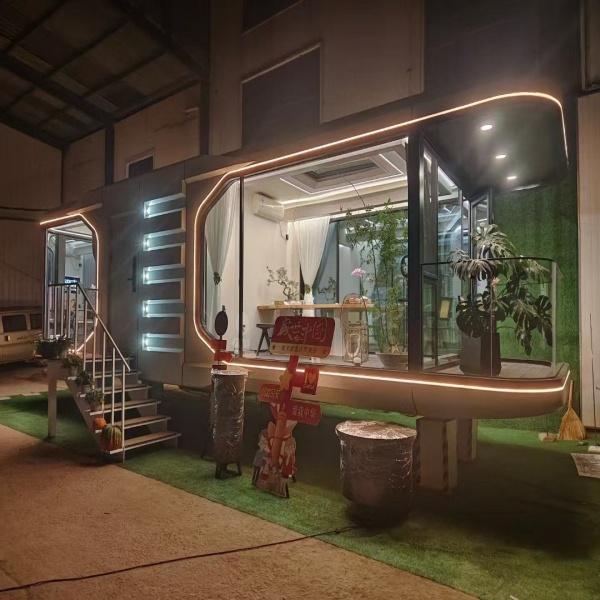 Outdoor ecological capsule rooms, luxury pods, space capsule hotel rooms, prefabricated space capsules, container houses
 -
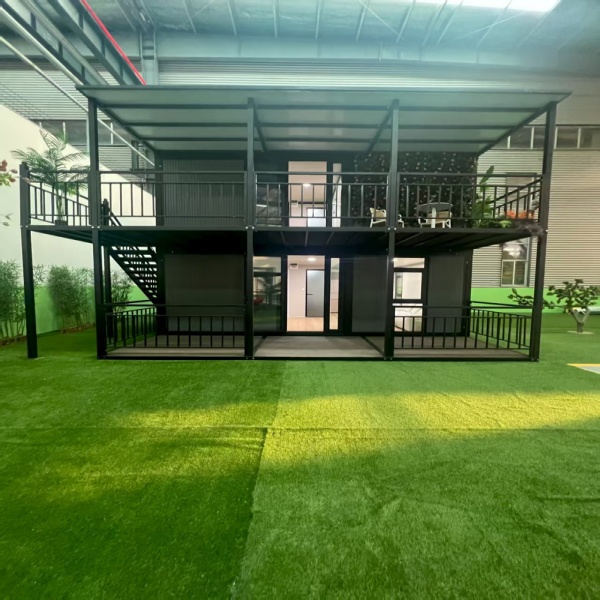
 Luxury Foldable Two Story Container House for Glamping Resort and Villa Hotel
 -
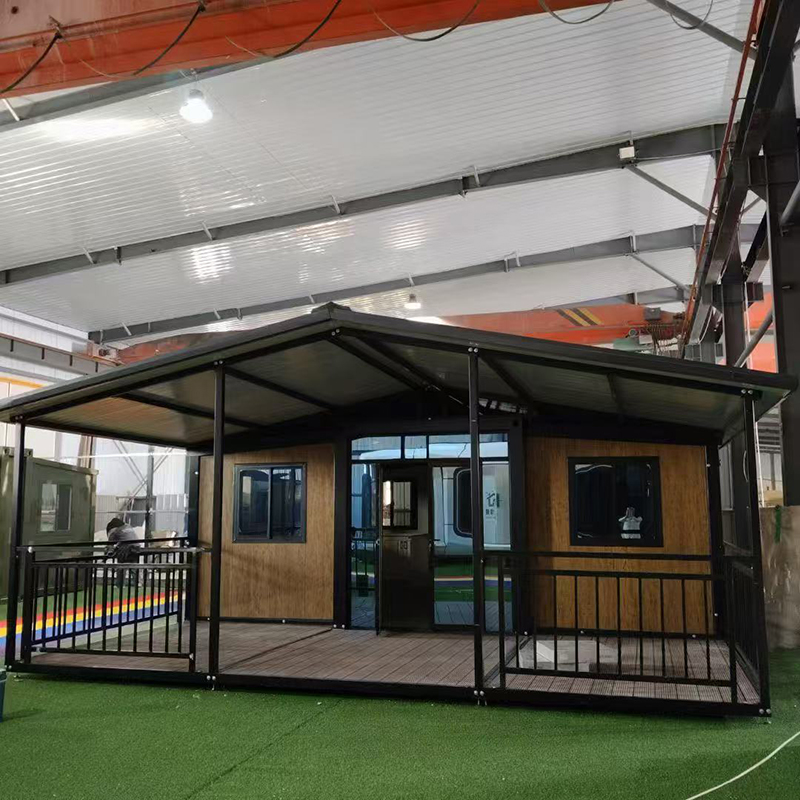 Customized Expandable Container House Holiday Home Folding Prefab Container House with Bathroom and Kitchen
 -
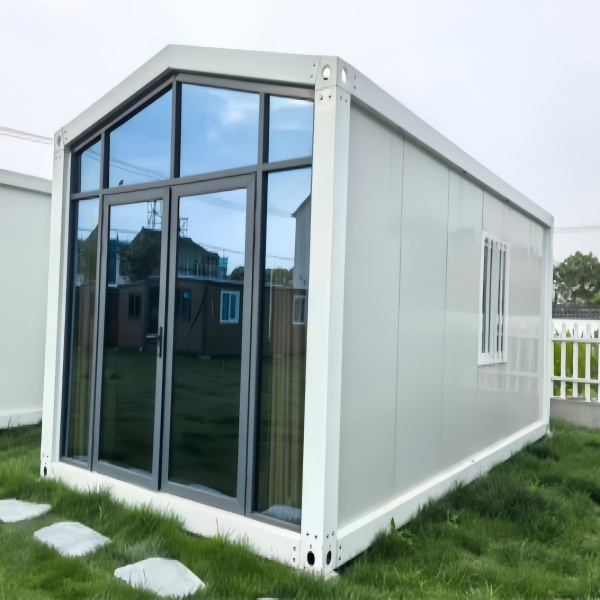 Waterproof folding container house – mobile accommodation for campsites/scenic spots
Related search
Related search- China modular modern container house tiny home prefabricated
- China mobile expandable prefab house prefab home 19ft x 20ft
- houses container house prefabricated cabin
- expandable container house with solar energy
- good price folding shipping container house
- China cheap wholesale price expandable house container
- tiny folding house
- collapsible container house
- China apple hollow cabins
- trailer that folds out into a house