
-
E-mail
Austin120521@outlook.com -
E-mail
sales@jujiuhouse.com -
Telephone
+86-17864099991 -
Telephone
+86-17854044442
- Chinese
- French
- German
- Portuguese
- Spanish
- Russian
- Japanese
- Korean
- Arabic
- Irish
- Greek
- Turkish
- Italian
- Danish
- Romanian
- Indonesian
- Czech
- Afrikaans
- Swedish
- Polish
- Basque
- Catalan
- Esperanto
- Hindi
- Lao
- Albanian
- Amharic
- Armenian
- Azerbaijani
- Belarusian
- Bengali
- Bosnian
- Bulgarian
- Cebuano
- Chichewa
- Corsican
- Croatian
- Dutch
- Estonian
- Filipino
- Finnish
- Frisian
- Galician
- Georgian
- Gujarati
- Haitian
- Hausa
- Hawaiian
- Hebrew
- Hmong
- Hungarian
- Icelandic
- Igbo
- Javanese
- Kannada
- Kazakh
- Khmer
- Kurdish
- Kyrgyz
- Latin
- Latvian
- Lithuanian
- Luxembou..
- Macedonian
- Malagasy
- Malay
- Malayalam
- Maltese
- Maori
- Marathi
- Mongolian
- Burmese
- Nepali
- Norwegian
- Pashto
- Persian
- Punjabi
- Serbian
- Sesotho
- Sinhala
- Slovak
- Slovenian
- Somali
- Samoan
- Scots Gaelic
- Shona
- Sindhi
- Sundanese
- Swahili
- Tajik
- Tamil
- Telugu
- Thai
- Ukrainian
- Urdu
- Uzbek
- Vietnamese
- Welsh
- Xhosa
- Yiddish
- Yoruba
- Zulu
- Kinyarwanda
- Tatar
- Oriya
- Turkmen
- Uyghur




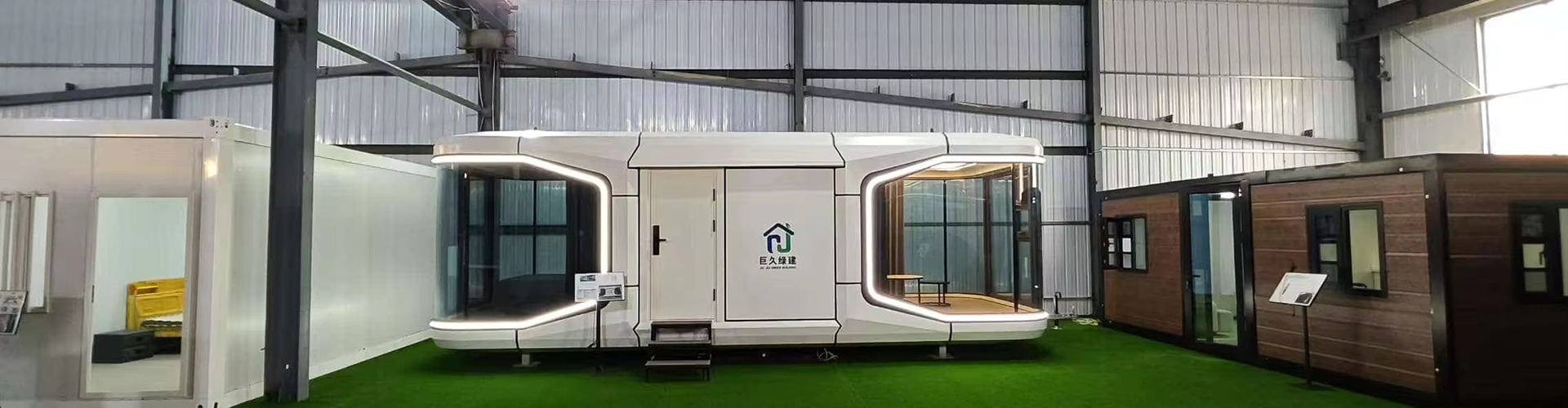
portable folding houses
Understanding Portable Folding Houses: A Practical Perspective
The concept of portable folding houses is fascinating, often touted as a modern solution for temporary housing needs or even economic permanent living arrangements. It sounds simple enough: a house that can be transported and folded up, ready to deploy wherever it's needed. But, having been involved in this industry with SHANDONG JUJIU INTEGRATED HOUSING CO, LTD, I've seen firsthand how the journey from concept to execution can be fraught with unexpected challenges and learning curves.
The Initial Appeal and Reality Check
At first glance, the idea of a portable folding house is incredibly appealing. You think about remote workspaces, emergency shelters, and affordable housing solutions. But here's the kicker: turning a great idea into something that truly works involves a deep dive into materials, logistics, and design efficiency. Our team at Jujiu has spent countless hours testing different models to handle various climates and terrains. What works in a mild, dry environment doesn't necessarily hold up under the pressures of heavy rain or snow.
There's a misconception that these houses can just pop up anywhere with equal success. It's not quite that simple. You have to consider the infrastructure: access to electricity, water supply, proper sewage systems. These are things that can easily slip through the cracks in early planning stages, but they can make or break a project once you're on the ground.
Moreover, adapting to local regulations and building codes can be a real headache. It’s one of those aspects people often overlook when daydreaming about a perfectly mobile home. We’ve tackled these issues by customizing our design workflow to fit each project's specific context, a task that demands both creativity and precision.
Building and Material Considerations
The brilliance of a folding house often lies in its simplicity, but achieving that simplicity is enormously complex. We've had extensive trials with various building materials. For instance, lightweight steel offers strength without much heft, while sustainable woods provide a more traditional aesthetic without sacrificing durability. Jujiu’s approach has been to combine these materials innovatively, striking a balance between cost-effectiveness and longevity.
There’s also the aspect of transport. A truly portable home needs to be tough enough to endure not just the elements but the journey itself. We engineered our models to fold into compact forms, minimizing damage during transport. What seemed a straightforward task proved intricate, influencing design in ways we hadn’t initially expected.
This is where our R&D, as emphasized at Jujiu, plays a pivotal role. Rigorous testing and experimenting have been integral, allowing us to optimize each design iteration for both urban and rural settings.
Facing Practical Challenges on the Ground
In practice, on-site deployment is a test of both planning and adaptability. Installations that seem straightforward in theory can unravel with unexpected ground conditions. Soil saturation can be a critical issue; we've had instances where foundations needed reworking because of unforeseen subsurface water tables.
Each project pushes us to adapt, often resulting in iterative learning that translates into future efficiency. Having the technical team onsite helps; they offer not just installation prowess but newfound insights for subsequent designs. Our team has learned to factor in a higher degree of customization, accommodating local environmental challenges with bespoke solutions.
Weather unpredictability further complicates schedules, testing the limits of the presumed portability and speed of deployment. Building a resilient, foldable structure that withstands various weather conditions is no small feat. We've often had to redesign certain elements, trading off speed for durability.
Adoption and Public Perception
Convincing stakeholders of the value in portable folding houses can also present a tough hurdle. There’s a lot of educational work to do, helping people see beyond the initial “novelty” factor. Educating our clients about the immense benefits—cost savings, reduced environmental impact, rapid deployment—has, at times, been as crucial as the construction itself.
Shandong Jujiu Integrated Housing Co., Ltd has taken steps such as demonstrations, virtual tours, and even hands-on workshops. Everything we design carries a narrative, from sourcing materials ethically to demonstrating functionality in extreme climates.
Ultimately, perception can shift. Early adopters help by showcasing their experiences, and soon, tangible, reliable results speak louder than any marketing brochure could. It’s been incredibly rewarding to see small communities embrace these structures, transforming spaces into vibrant, functional areas.
Future Horizons
The future for portable folding houses is bright—filled with potential to revolutionize how we think about space and mobility. But it won't be without its hurdles. At Jujiu, we're focusing on smart technology integration, enhancing efficiency and user interaction. Houses that are not just movable and resilient but smart expand the horizon further.
Collaboration is key. We work closely with local governments and international bodies, staying updated on construction trends and regulatory changes. Our website, jujiuhouse.com, serves as a portal for ongoing projects and innovations in this dynamic field.
As we innovate, each success reinforces the value of persistence and creativity. We’re learning that flexibility, both in design and mindset, is perhaps the greatest advantage one can bring to this fascinating, rapidly evolving arena.
Related products
Related products
Best selling products
Best selling products-
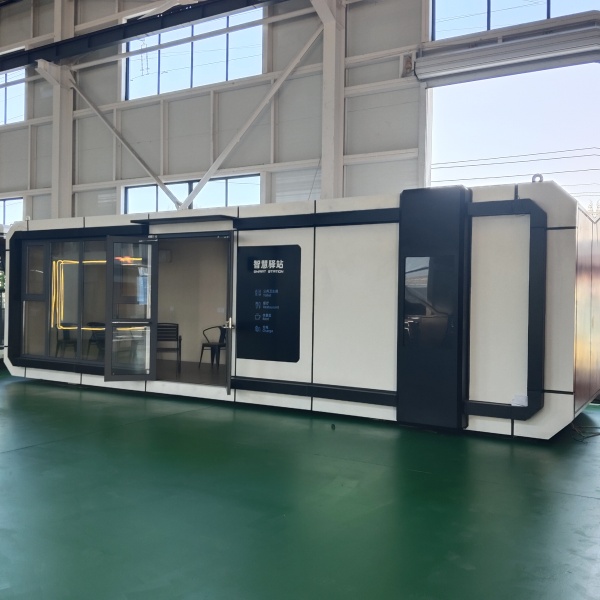 Modular modern movable apple cabins, customized high-end folk houses and portable bedrooms, delivered as a whole
 -
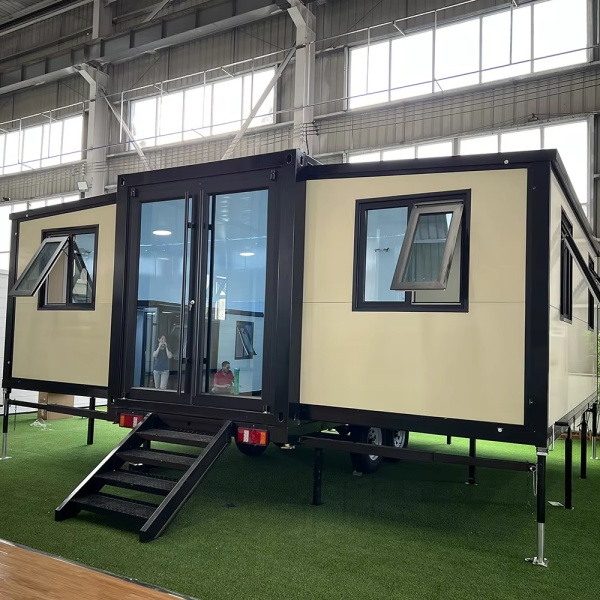
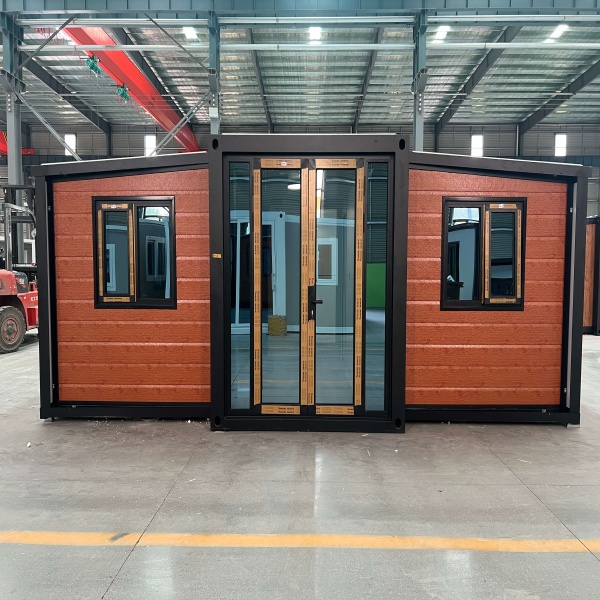 High-quality Double-wing Folding Container House with Doors and Windows, Insulated Walls, Suitable for Various Scenarios.
 -
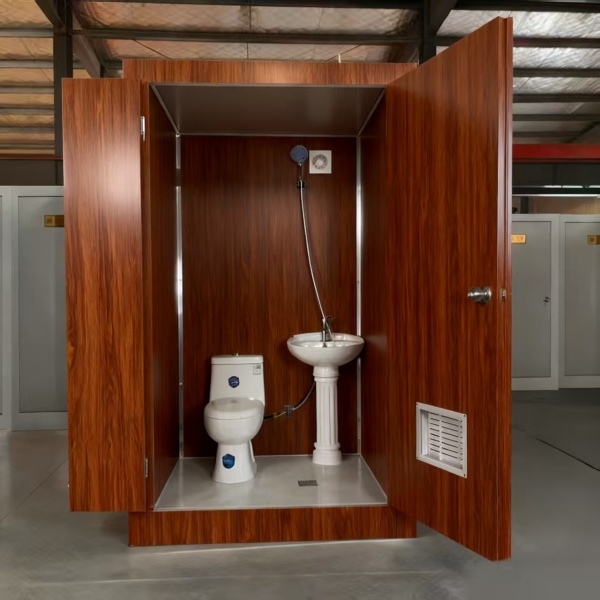 Portable outdoor camping bathroom, mobile toilet, prefabricated modular villa & rental of outdoor and indoor showers
 -
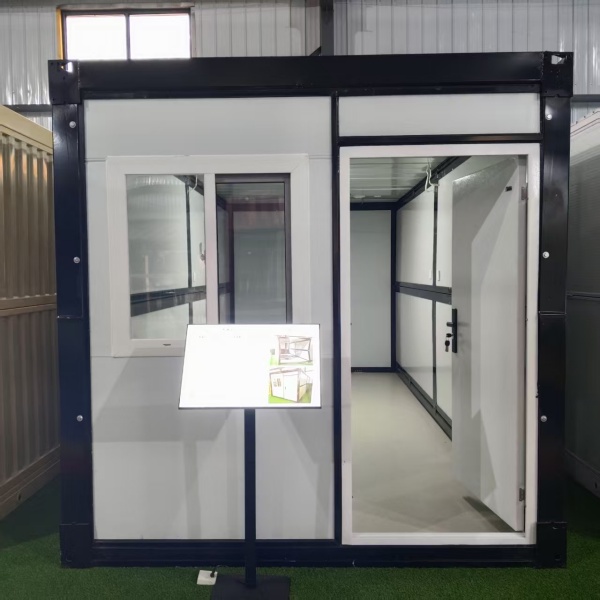 Factory Direct Sales Office Folding Container Luxury House Living Container House
 -
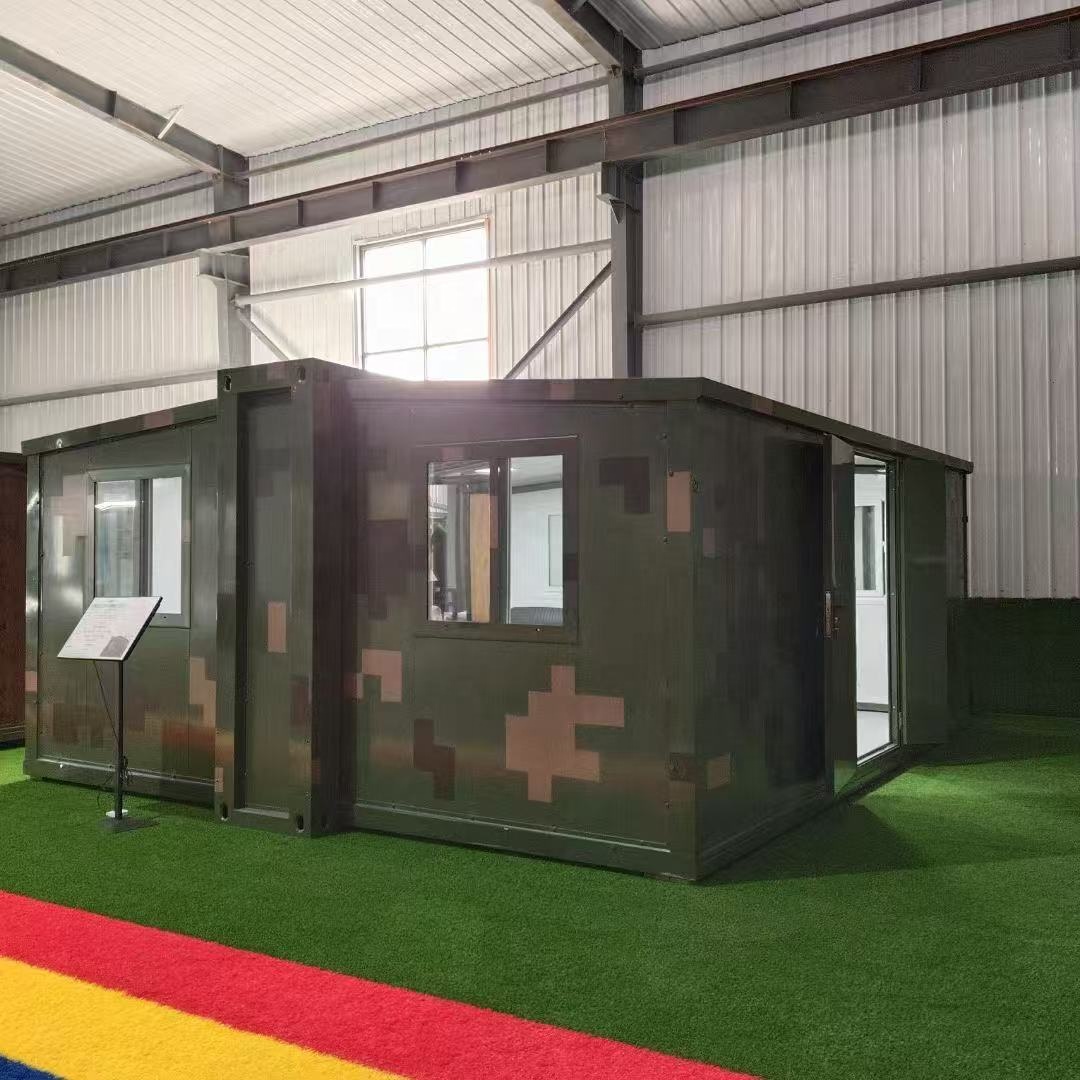 Movable Prefabricated Container House Villas Modular Portable Homes 1 Bedroom Container House Offices Apartments
 -
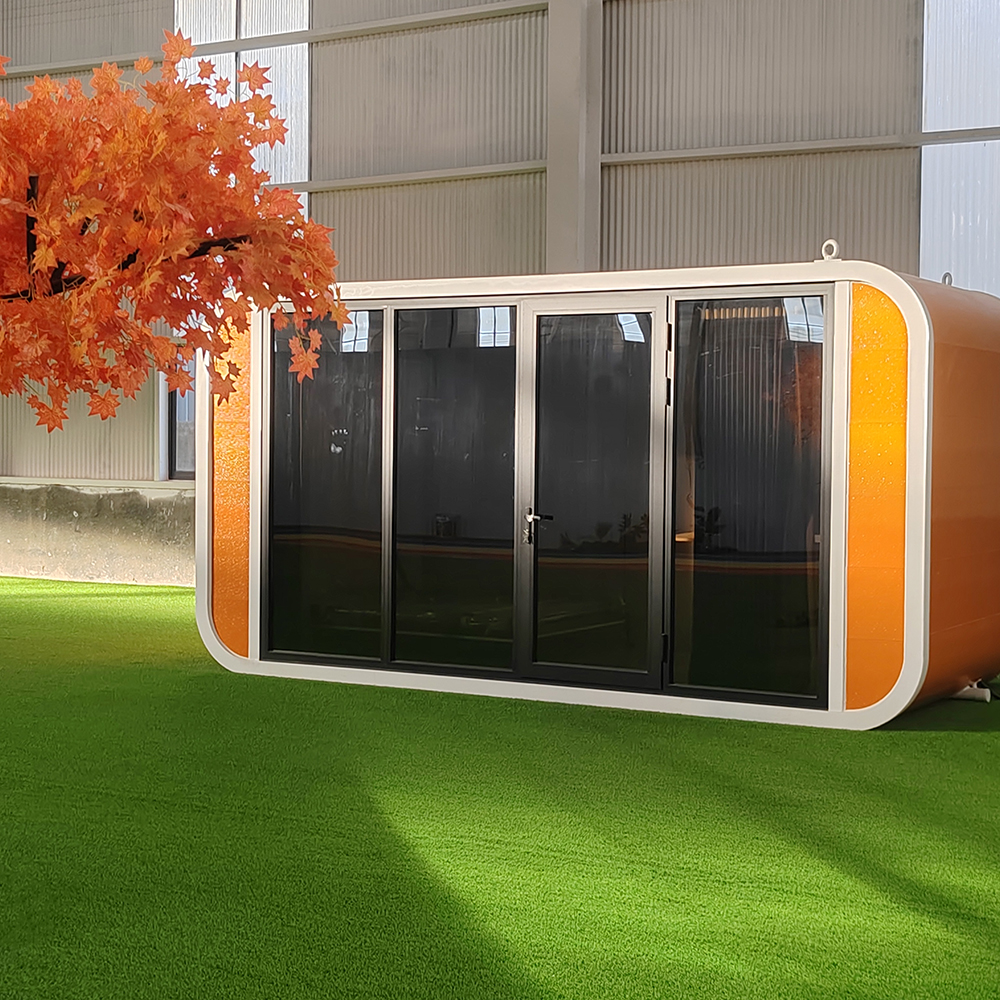 Luxury Prefabricated Living Container House Modular Glass Tiny House Prefab Container Home Apple Cabin
 -
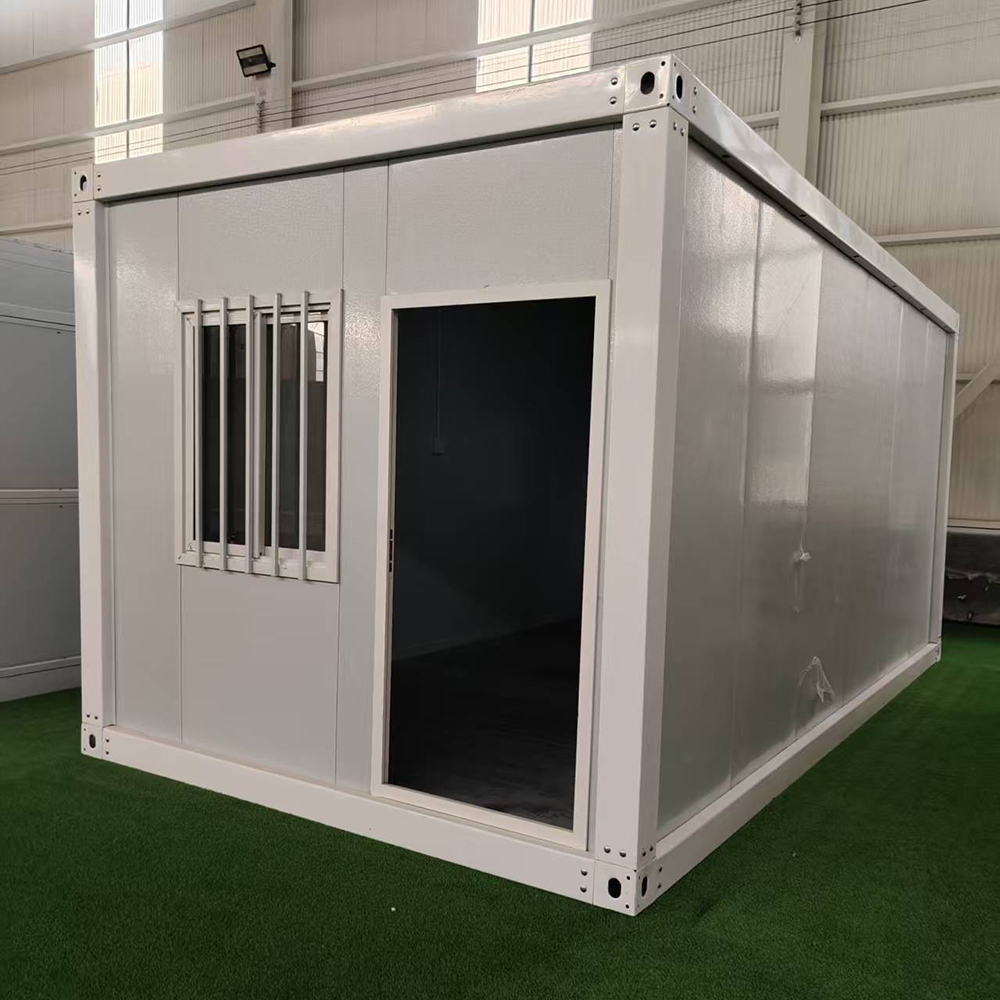
Hot-selling foldable container houses, expandable prefabricated houses, suitable for office or living use, with fast delivery.
-
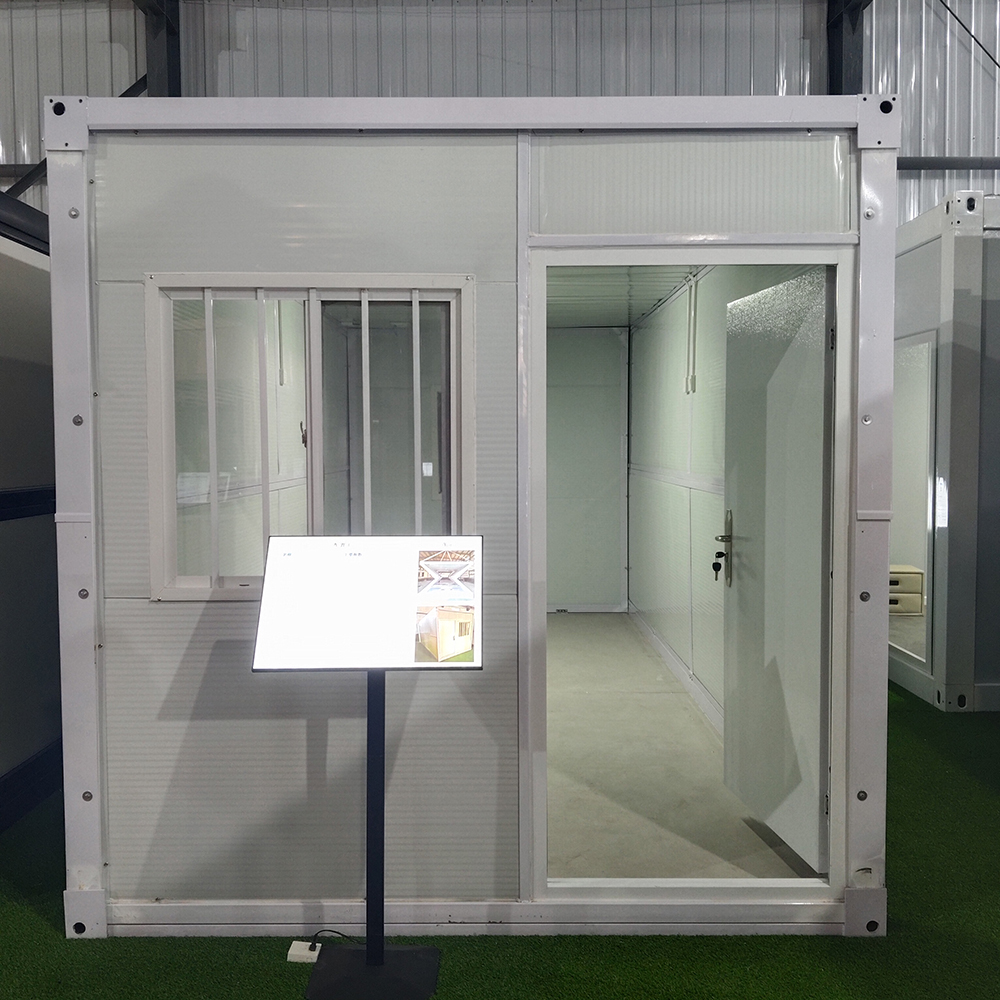 Reasonable Price 1 Bedroom Modular Container House Folding Container Home for Villa or Apartment Use
 -
Two Wing Folding Expandable Container House
-
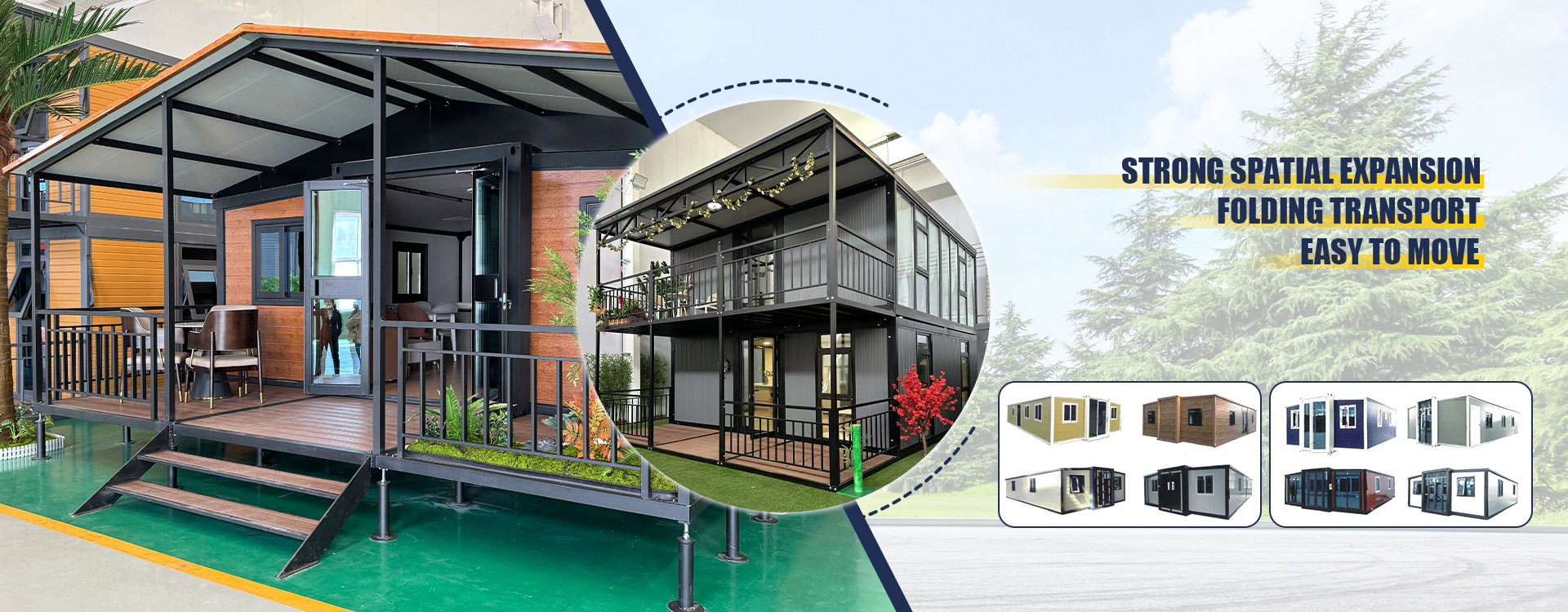
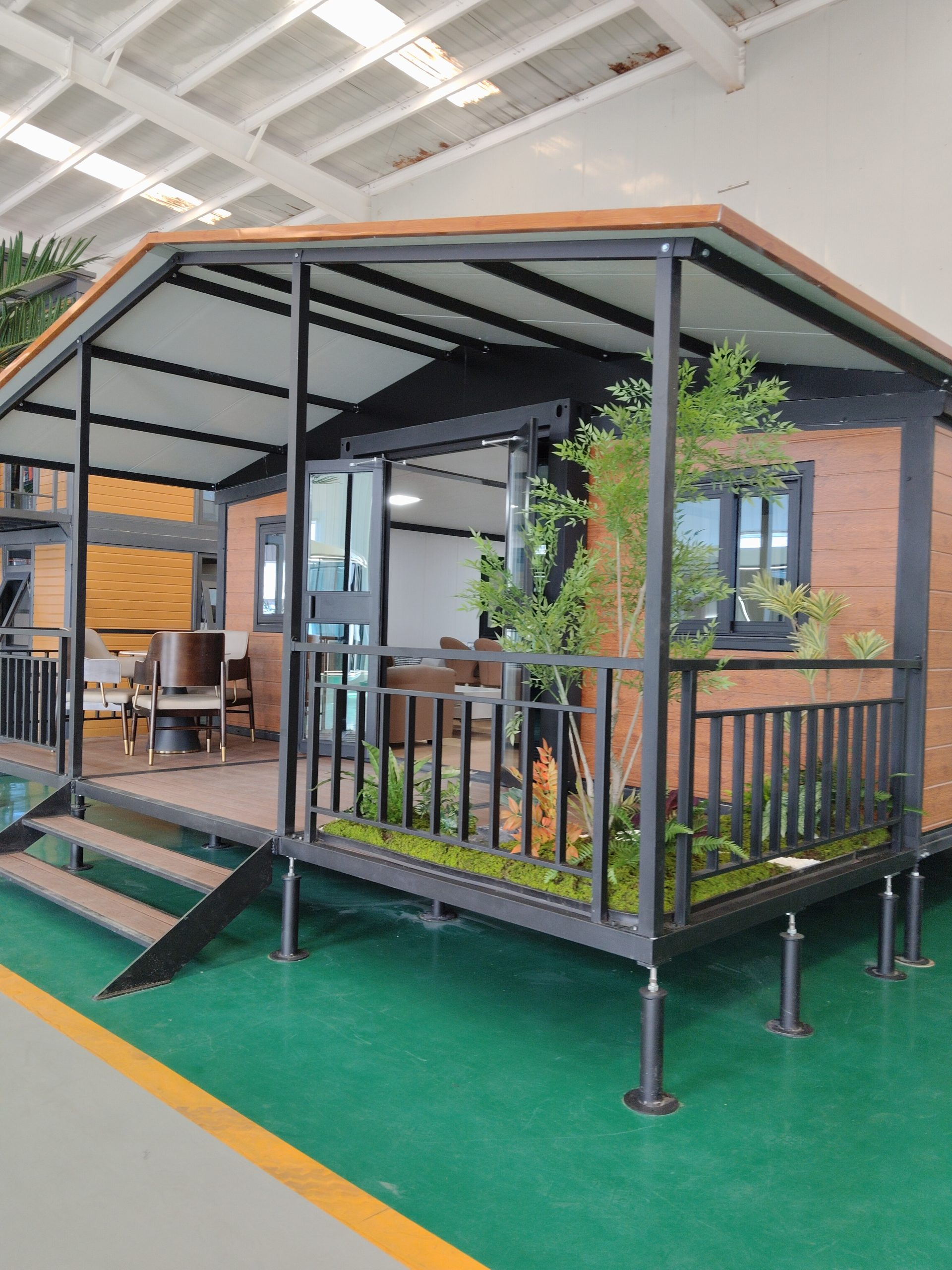 A container house with a terrace and double-wing folding design, suitable for various purposes such as offices, meeting rooms, living rooms, etc.
 -
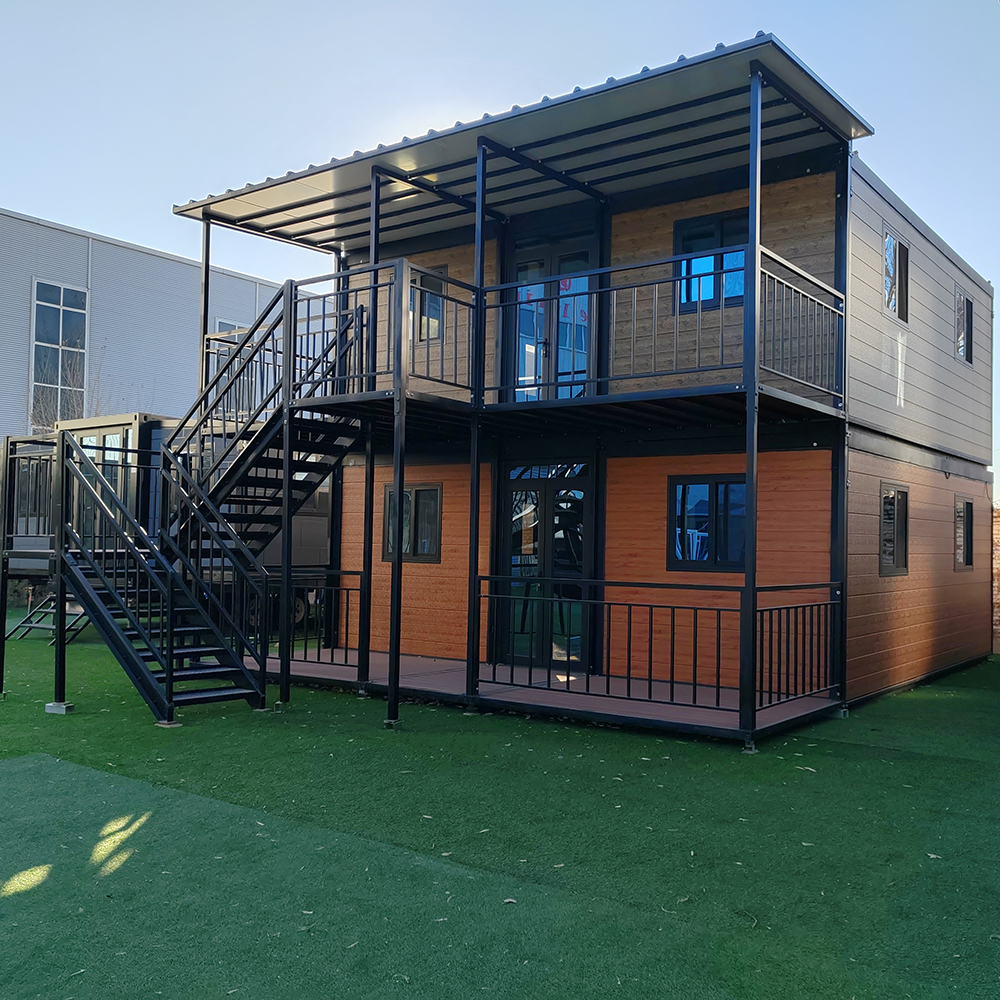 Easy Install Customized Detachable Container Homes Extendable House Prefab 2 Floors Expandable Container House
 -
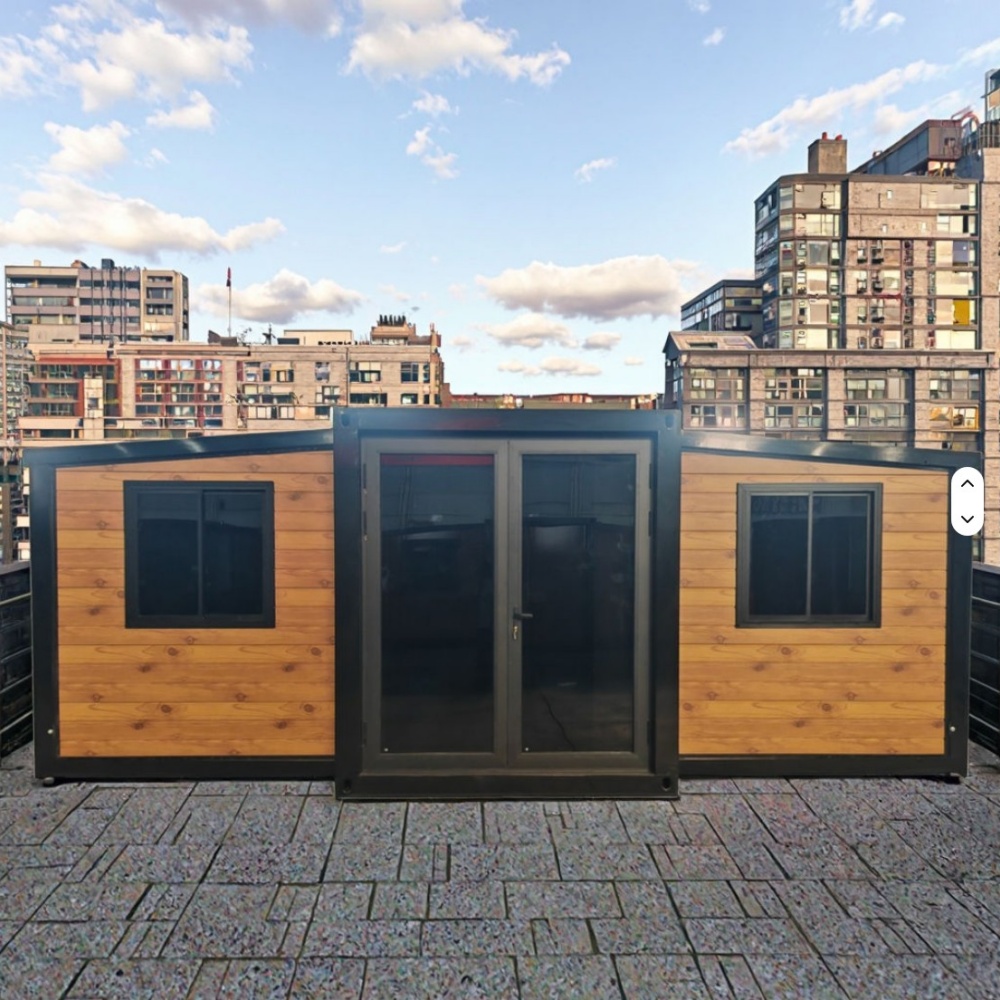 Customized Two Wing Folding Expandable Container House
Related search
Related search- apple modular cabin
- prefab container house price
- Buy fold out container
- China expandable container house luxury
- space house capsule
- folding container house
- China modular modern container house tiny home prefabricated
- China mobile homes modern 2 bedroom portable prefab container expandable house
- folding container house usa
- prefabricated house folding container