
-
E-mail
Austin120521@outlook.com -
E-mail
sales@jujiuhouse.com -
Telephone
+86-17864099991 -
Telephone
+86-17854044442
- Chinese
- French
- German
- Portuguese
- Spanish
- Russian
- Japanese
- Korean
- Arabic
- Irish
- Greek
- Turkish
- Italian
- Danish
- Romanian
- Indonesian
- Czech
- Afrikaans
- Swedish
- Polish
- Basque
- Catalan
- Esperanto
- Hindi
- Lao
- Albanian
- Amharic
- Armenian
- Azerbaijani
- Belarusian
- Bengali
- Bosnian
- Bulgarian
- Cebuano
- Chichewa
- Corsican
- Croatian
- Dutch
- Estonian
- Filipino
- Finnish
- Frisian
- Galician
- Georgian
- Gujarati
- Haitian
- Hausa
- Hawaiian
- Hebrew
- Hmong
- Hungarian
- Icelandic
- Igbo
- Javanese
- Kannada
- Kazakh
- Khmer
- Kurdish
- Kyrgyz
- Latin
- Latvian
- Lithuanian
- Luxembou..
- Macedonian
- Malagasy
- Malay
- Malayalam
- Maltese
- Maori
- Marathi
- Mongolian
- Burmese
- Nepali
- Norwegian
- Pashto
- Persian
- Punjabi
- Serbian
- Sesotho
- Sinhala
- Slovak
- Slovenian
- Somali
- Samoan
- Scots Gaelic
- Shona
- Sindhi
- Sundanese
- Swahili
- Tajik
- Tamil
- Telugu
- Thai
- Ukrainian
- Urdu
- Uzbek
- Vietnamese
- Welsh
- Xhosa
- Yiddish
- Yoruba
- Zulu
- Kinyarwanda
- Tatar
- Oriya
- Turkmen
- Uyghur




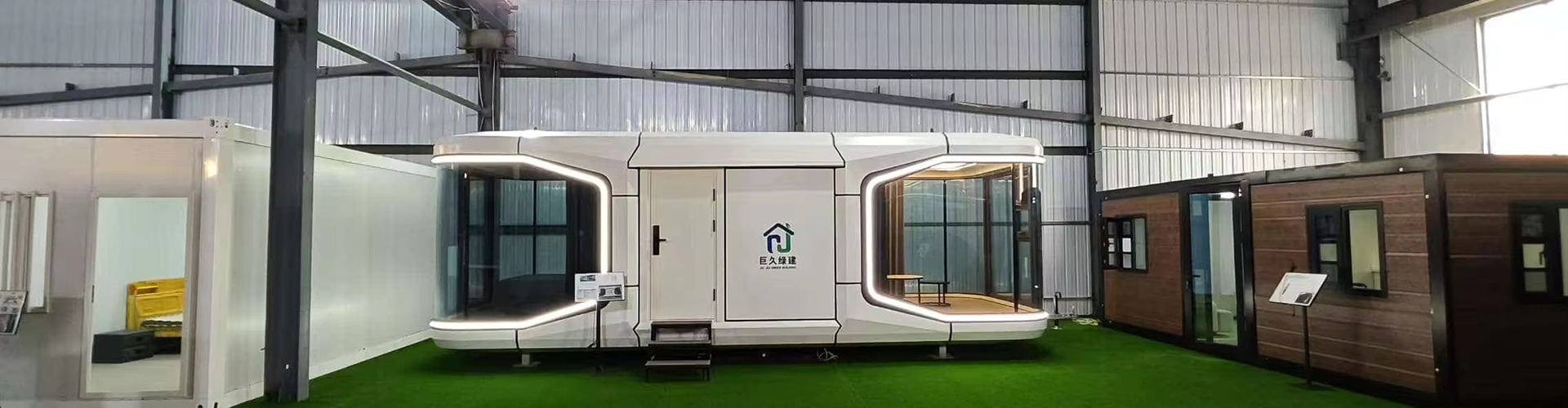
prefab foldable homes
Exploring the Potential of Prefab Foldable Homes
In recent years, the buzz around prefab foldable homes has grown louder, capturing the imagination of both the housing industry and potential homeowners. The allure lies in their promise of flexibility and speed, yet there are nuances often overlooked. Let's dive into the realities of this innovative housing solution and explore what makes it tick.
The Rise of Foldable Homes
Prefab foldable homes are often lauded for their portability and ease of assembly, making them particularly attractive for those seeking quick and versatile housing options. Having worked alongside key industry players, I've seen firsthand how these homes can transform spaces in a matter of hours. This efficiency is driven by advances in design and material, allowing for a durable yet lightweight structure.
However, industry newcomers sometimes face misconceptions. A frequent assumption is that all foldable homes are plug-and-play, but in reality, the setup can demand a keen understanding of the specific systems in play. Those truly effective in this field emphasize the importance of skilled installation teams, as mishandling can lead to structural integrity issues.
One memorable project involved Shandong Jujiu Integrated Housing Co., Ltd., a company recognized for revolutionizing integrated housing solutions. With their expertise in the design and installation of these homes, they exemplify the kind of knowledge base essential for successful deployment. More about their innovative approach can be found on their website: https://www.jujiuhouse.com.
Adaptation to Various Environments
In practice, the adaptability of prefab foldable homes makes them suitable for diverse environments. I've seen projects situated in remote landscapes where traditional construction would be both costly and logistically complex. In these cases, the ability to transport and set up homes with minimal infrastructure has been a game changer.
Yet, there are challenges. Weather conditions pose significant considerations; materials must withstand varied climates, from humid regions to arid deserts. This is where robust R&D, like that at Shandong Jujiu Integrated Housing Co., Ltd., becomes invaluable. They're continually refining materials to ensure resilience and longevity under diverse environmental pressures.
Moreover, site preparation is another critical factor. Despite the homes' portable nature, a stable foundation remains essential. Overlooking this can lead to problems later down the line, affecting both stability and safety.
Cost and Efficiency
Cost-effectiveness is often cited as a primary benefit of prefab foldable homes. Indeed, reducing labor hours on-site translates to significant savings. Yet, a deeper look reveals that initial outlays for quality units can be substantial, particularly for fully sustainable models equipped with solar panels and insulation.
However, these upfront costs are offset by long-term savings in utility bills and maintenance. The integration of technologically advanced features, which companies like Shandong Jujiu Integrated Housing Co., Ltd. are pioneering, enhances energy efficiency and sustainability, making it an appealing option for environmentally conscious buyers.
It's worth noting that industry progress is a double-edged sword. As the technology becomes more sophisticated, the demand for highly skilled labor to manage these setups also increases, adding an interesting layer to the overall cost analysis.
Innovations and Limitations
The sector isn't without its innovations, though. The integration of smart technology is redefining what's possible within limited spaces. Innovations in IoT-enabled devices and energy management systems have broadened the horizon, turning compact spaces into fully functional homes.
Yet, it's crucial to acknowledge limitations. Although foldable homes offer temporary housing solutions for various applications—from disaster relief to eco-tourism—they aren't a panacea for all housing needs. Issues like zoning laws and building codes present tangible hurdles that need careful navigation.
Continued advancement in the industry is largely dependent on collaborations between companies, governments, and research institutions. Organizations similar to Shandong Jujiu Integrated Housing Co., Ltd. play a pivotal role in steering these developments forward, balancing ambition with pragmatism.
The Future of Foldable Housing
Looking ahead, the future of prefab foldable homes lies in embracing both technological and environmental sustainability breakthroughs. The challenge will be to balance innovation with accessibility, ensuring that foldable homes are not only advanced but also widely attainable.
Companies like Shandong Jujiu Integrated Housing Co., Ltd. are at the forefront, pushing the envelope with cutting-edge designs that cater to modern needs. As demand continues to evolve, their comprehensive approach—integrating design, production, and installation—will likely serve as a model for the industry.
In summary, while prefab foldable homes present exciting opportunities, they require a grounded understanding of both possibilities and limitations. Their success hinges on informed execution and a willingness to adapt to the ever-changing landscape of housing needs.
Related products
Related products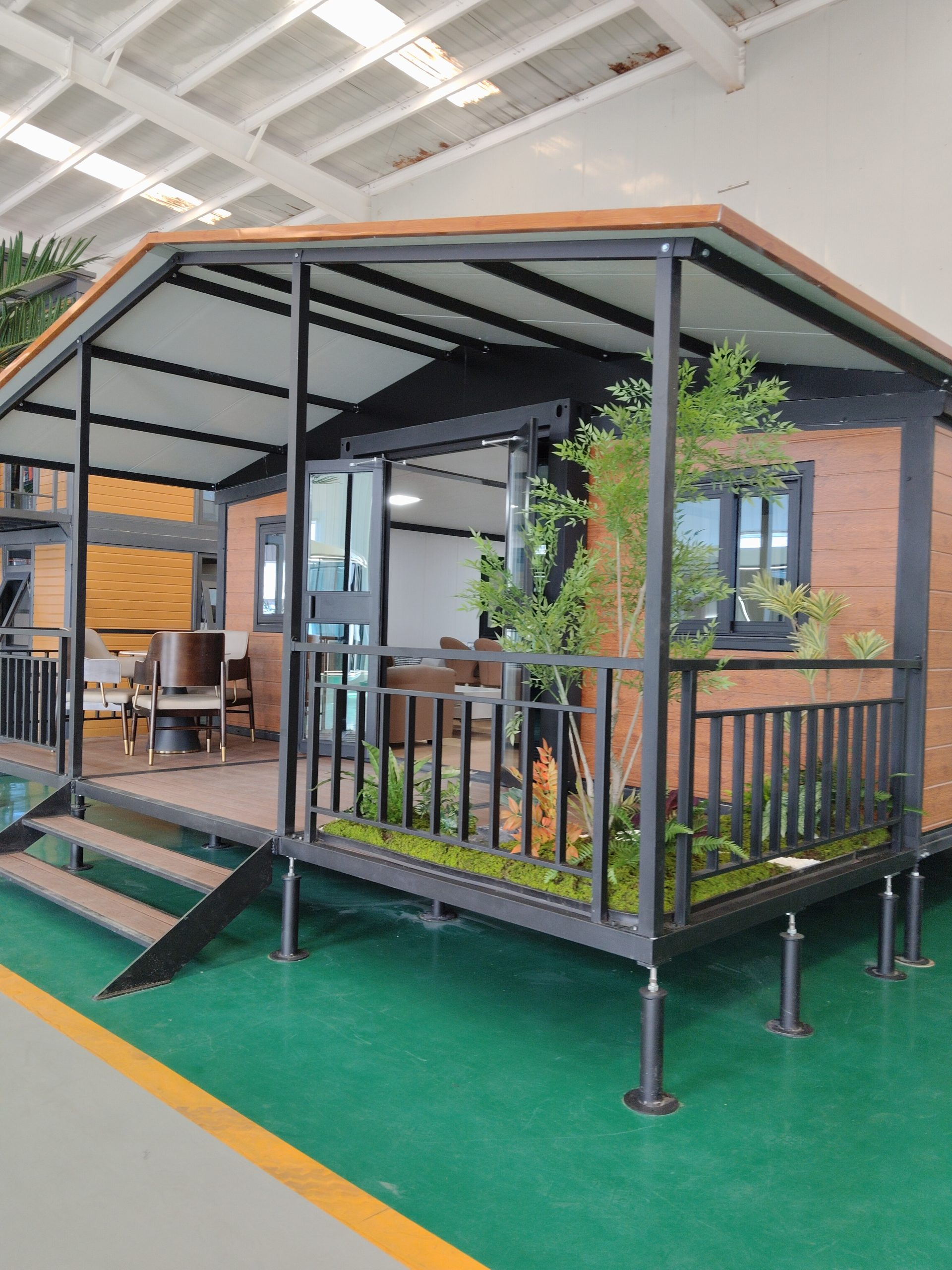
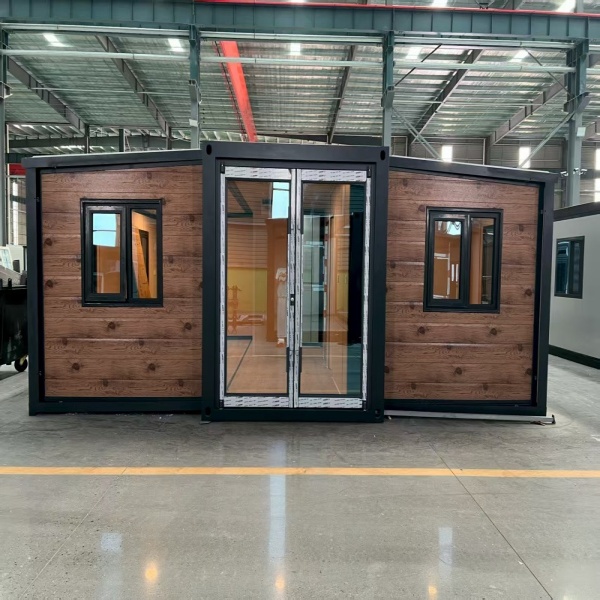
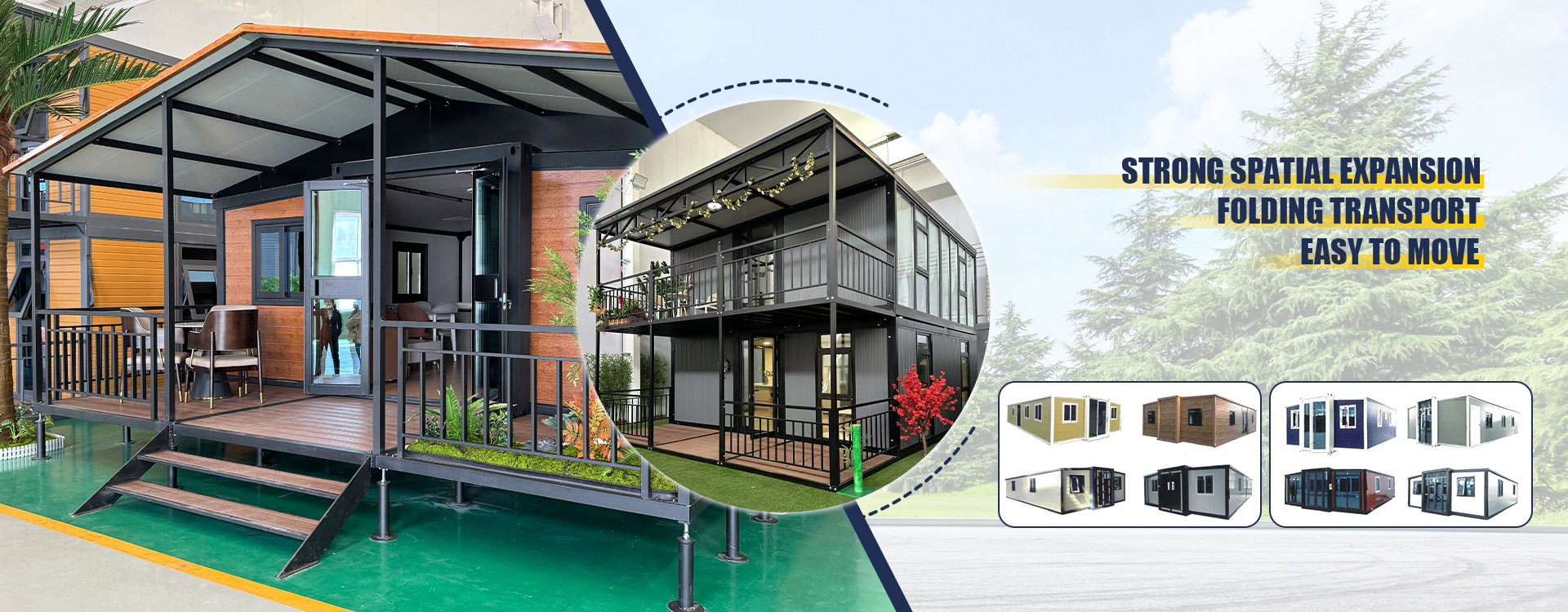
Best selling products
Best selling products-
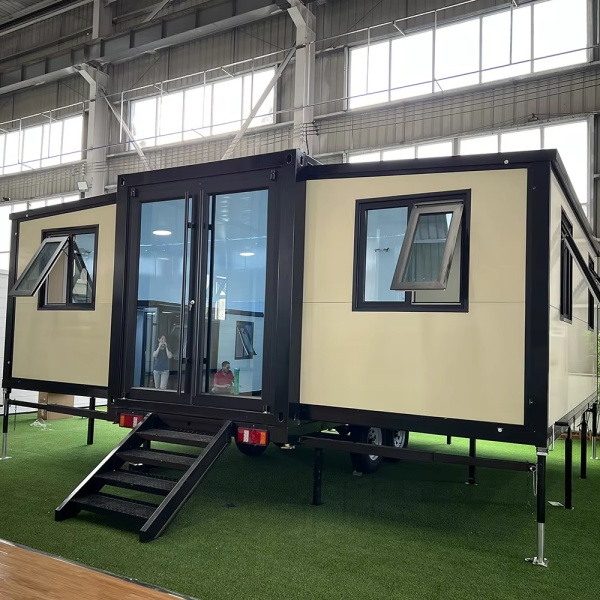 Stair Access Double Wing Expandable Container House | Easy Installation Mobile Office
 -
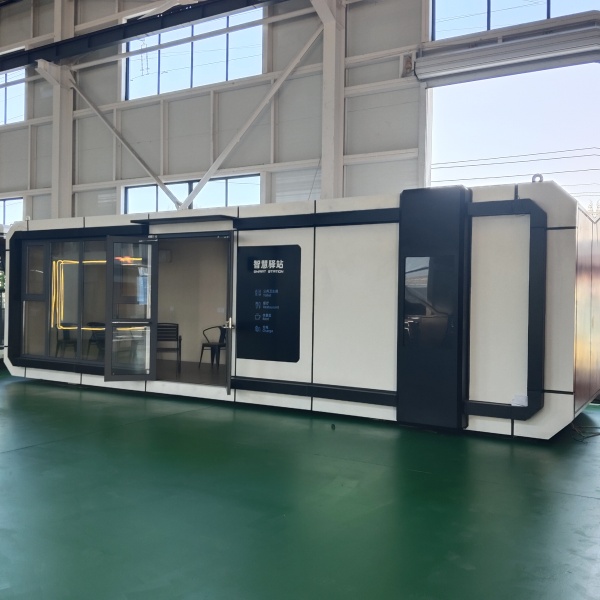 Modular modern movable apple cabins, customized high-end folk houses and portable bedrooms, delivered as a whole
 -
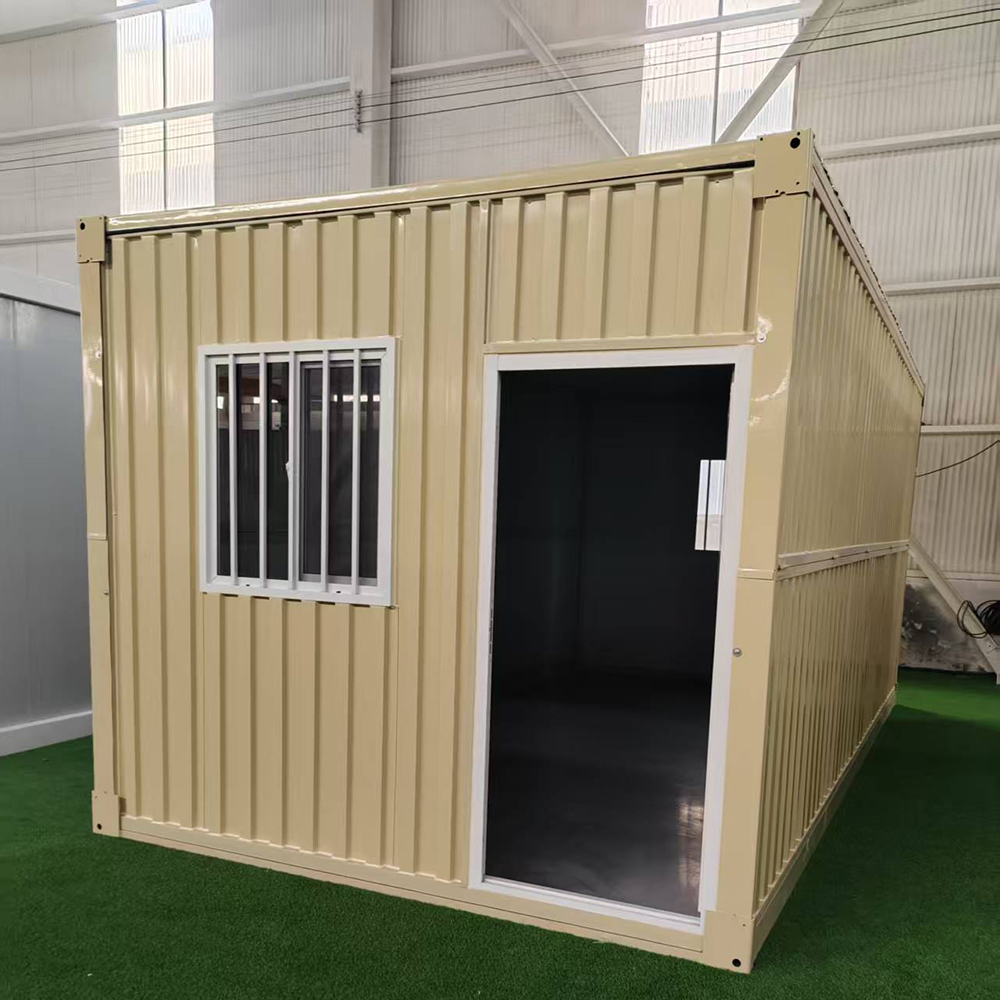 Competitive Price Portable Container House Foldable Container Mobile Living Modular Homes
 -
 Luxury Foldable Two Story Container House for Glamping Resort and Villa Hotel
 -
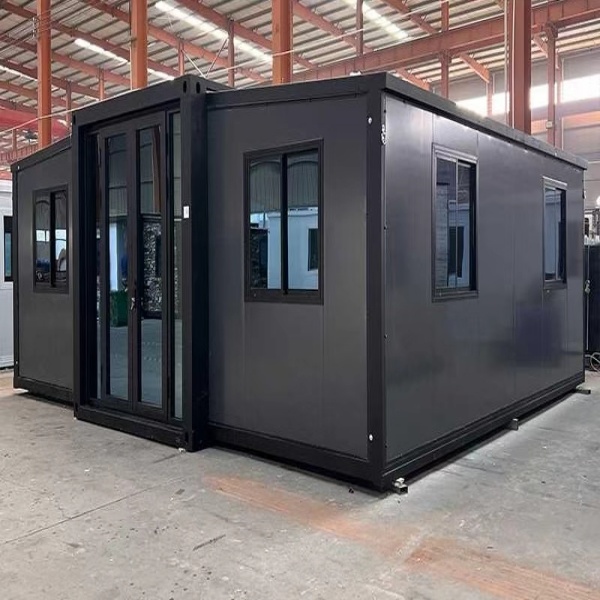 Dual-Wing Folding Container House: Fast Assembly, Space-Saving & Multi-Scene Adaptable
 -
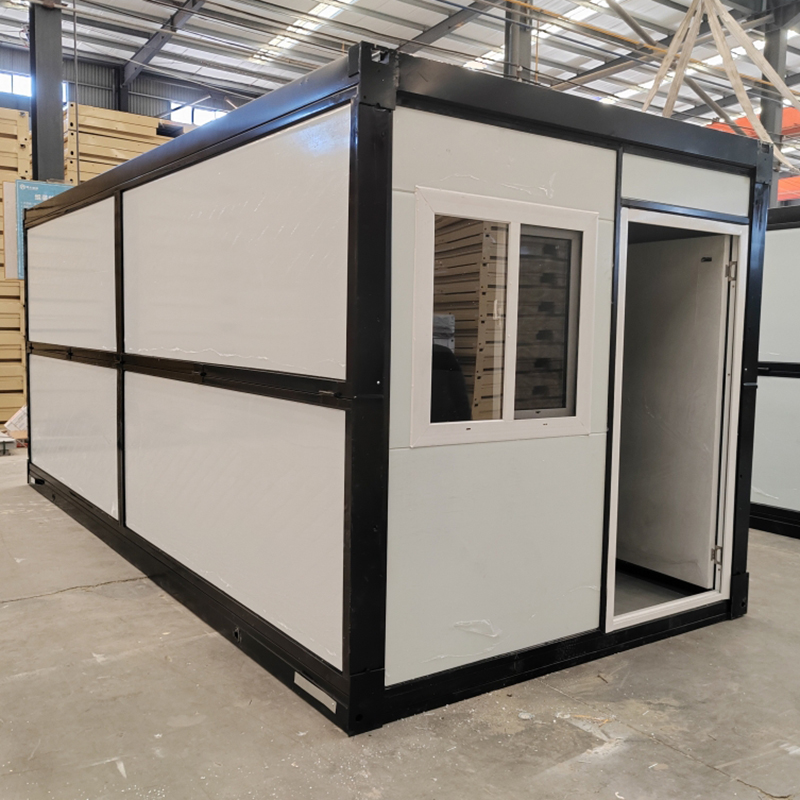 Detachable Design Prefabricated Container House Portable Modular Office Building Folding Container House
 -
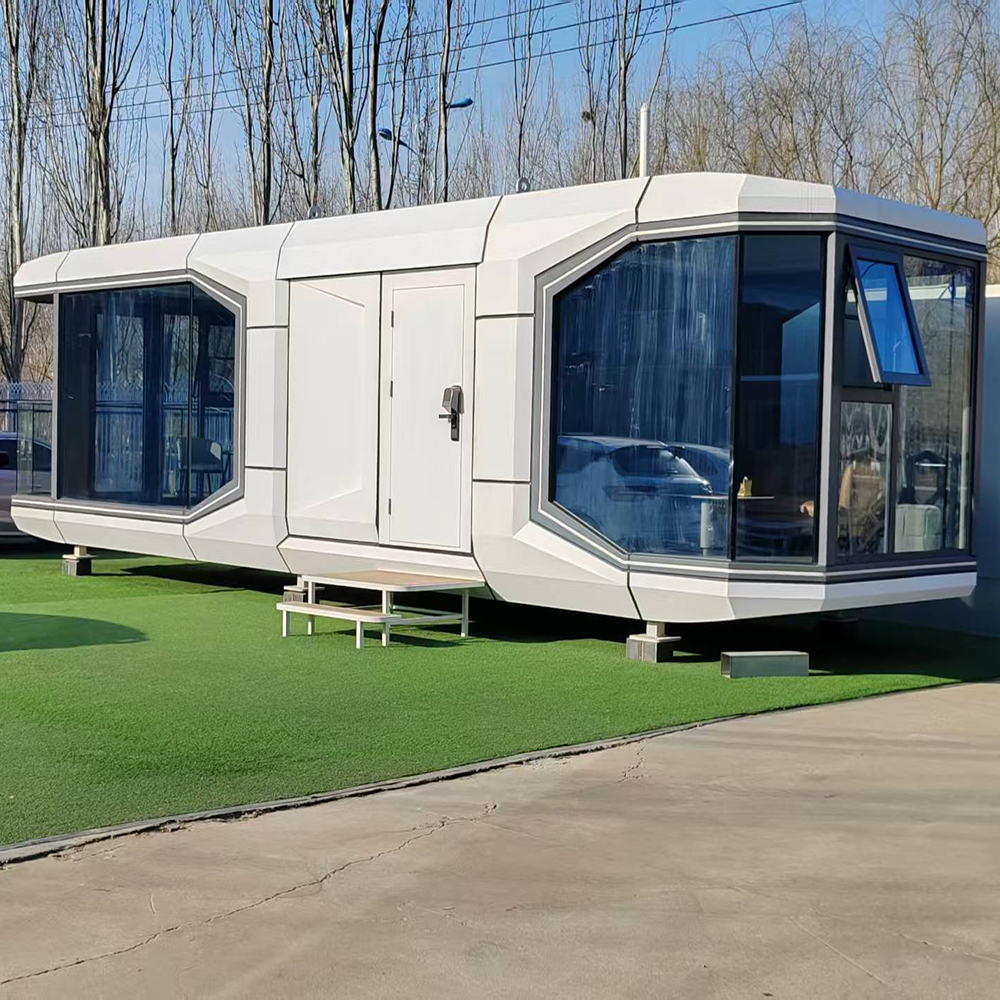 Luxury High Quality 2 Bedroom Container Home Prefabricated Steel Space Capsule for Office Shop Hotel or Outdoor House
 -
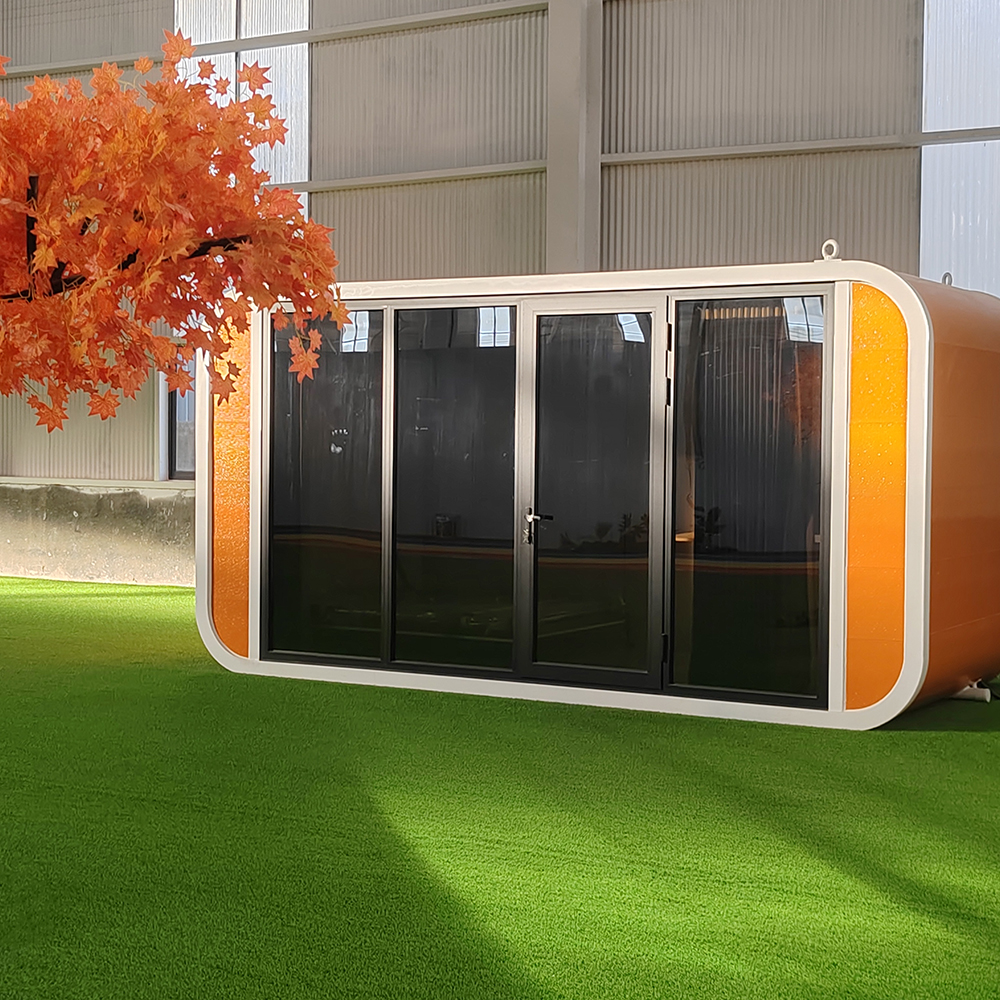 Luxury Prefabricated Living Container House Modular Glass Tiny House Prefab Container Home Apple Cabin
 -
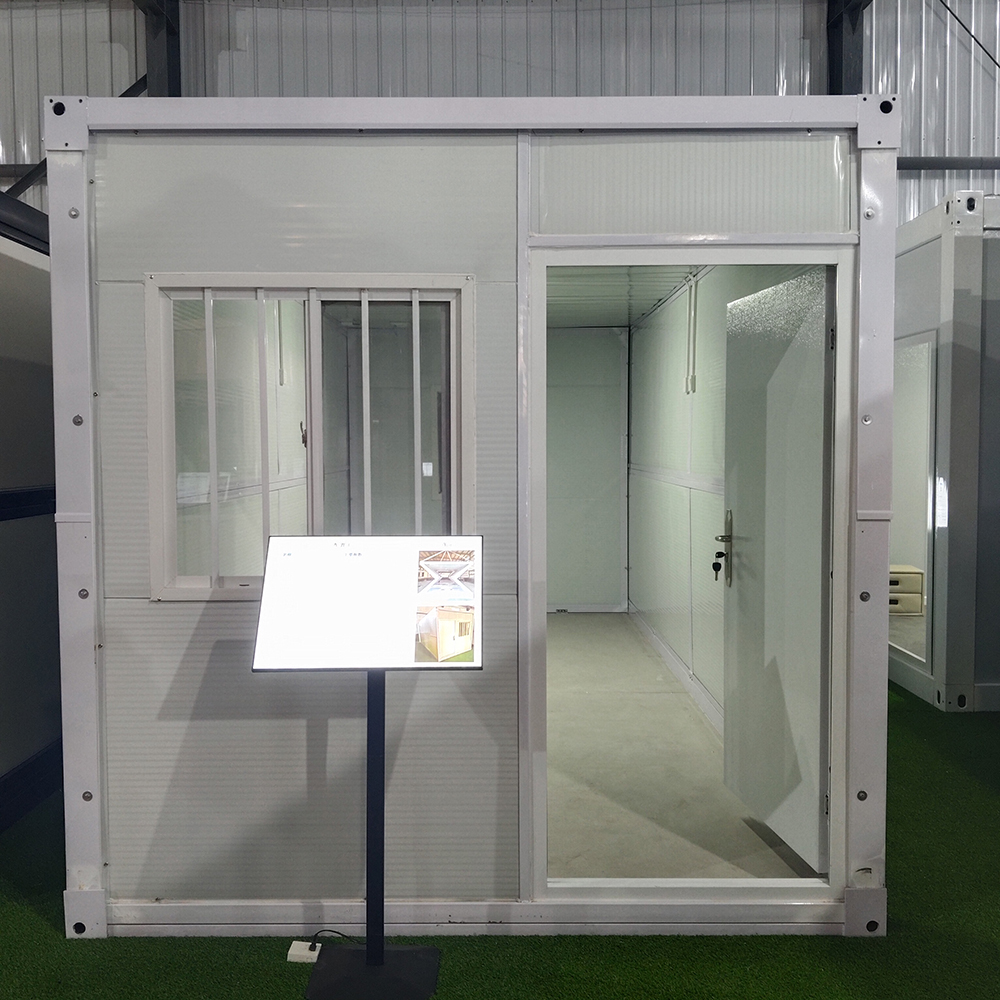 Reasonable Price 1 Bedroom Modular Container House Folding Container Home for Villa or Apartment Use
 -
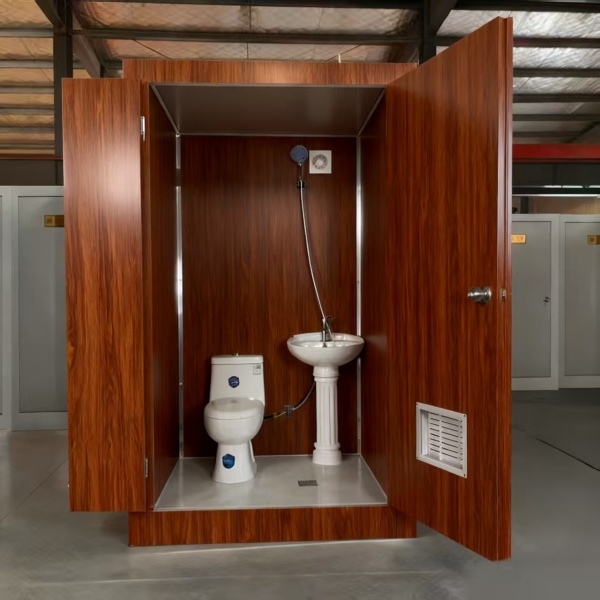 Portable outdoor camping bathroom, mobile toilet, prefabricated modular villa & rental of outdoor and indoor showers
 -
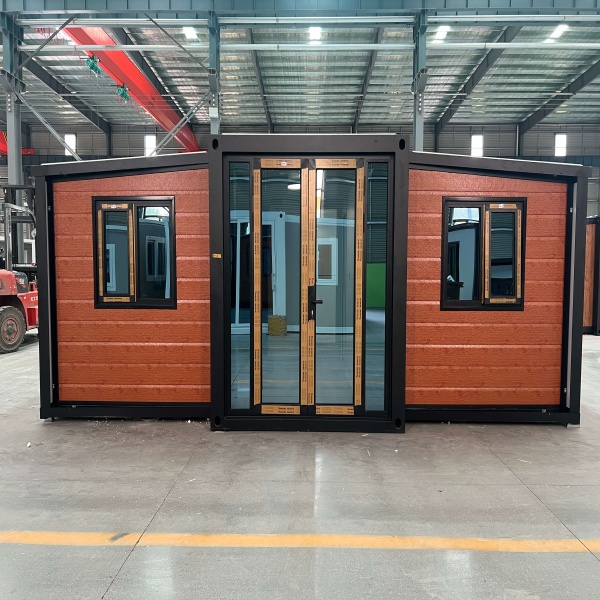 High-quality Double-wing Folding Container House with Doors and Windows, Insulated Walls, Suitable for Various Scenarios.
 -
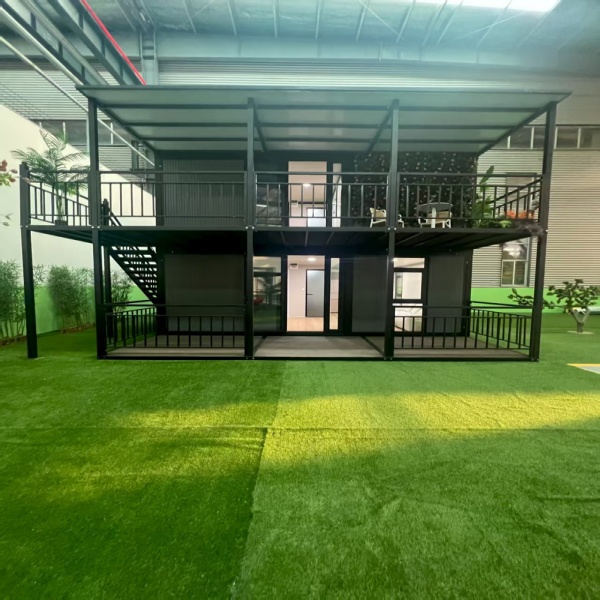 Luxury foldable two-story container houses in luxury resort hotels and villa hotels
Related search
Related search- Buy portable unfolding house
- Buy premade shipping container house
- Buy shipping container fold out homes
- China new spire prefabricated house container house
- foldable container house price
- fold out tiny house
- Buy folding caravan container house
- China small folding house
- a frame folding house
- space capsule house