
-
E-mail
Austin120521@outlook.com -
E-mail
sales@jujiuhouse.com -
Telephone
+86-17864099991 -
Telephone
+86-17854044442
- Chinese
- French
- German
- Portuguese
- Spanish
- Russian
- Japanese
- Korean
- Arabic
- Irish
- Greek
- Turkish
- Italian
- Danish
- Romanian
- Indonesian
- Czech
- Afrikaans
- Swedish
- Polish
- Basque
- Catalan
- Esperanto
- Hindi
- Lao
- Albanian
- Amharic
- Armenian
- Azerbaijani
- Belarusian
- Bengali
- Bosnian
- Bulgarian
- Cebuano
- Chichewa
- Corsican
- Croatian
- Dutch
- Estonian
- Filipino
- Finnish
- Frisian
- Galician
- Georgian
- Gujarati
- Haitian
- Hausa
- Hawaiian
- Hebrew
- Hmong
- Hungarian
- Icelandic
- Igbo
- Javanese
- Kannada
- Kazakh
- Khmer
- Kurdish
- Kyrgyz
- Latin
- Latvian
- Lithuanian
- Luxembou..
- Macedonian
- Malagasy
- Malay
- Malayalam
- Maltese
- Maori
- Marathi
- Mongolian
- Burmese
- Nepali
- Norwegian
- Pashto
- Persian
- Punjabi
- Serbian
- Sesotho
- Sinhala
- Slovak
- Slovenian
- Somali
- Samoan
- Scots Gaelic
- Shona
- Sindhi
- Sundanese
- Swahili
- Tajik
- Tamil
- Telugu
- Thai
- Ukrainian
- Urdu
- Uzbek
- Vietnamese
- Welsh
- Xhosa
- Yiddish
- Yoruba
- Zulu
- Kinyarwanda
- Tatar
- Oriya
- Turkmen
- Uyghur




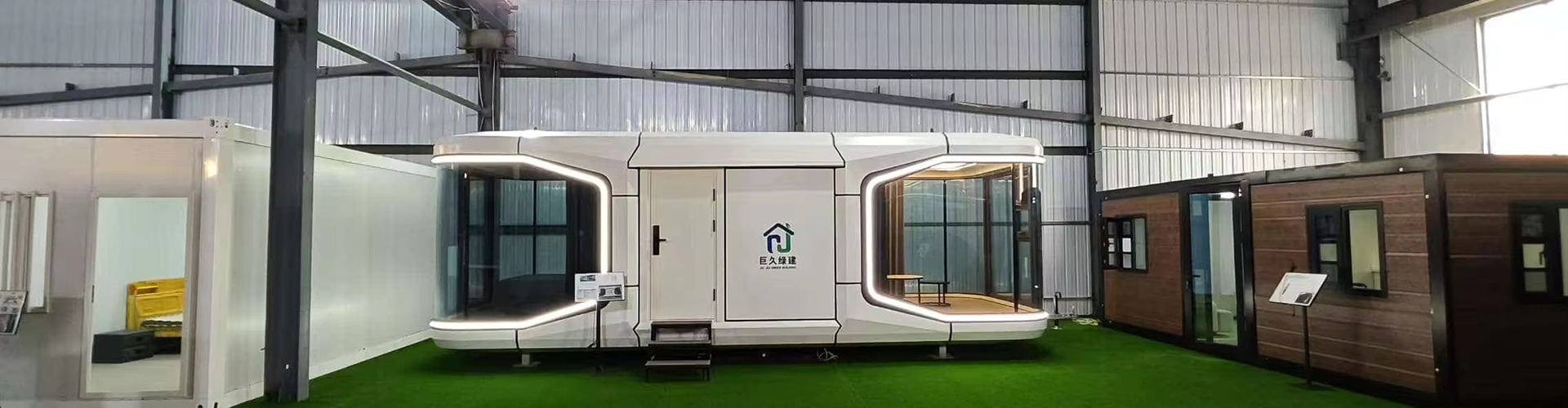
prefabricated home folding container house
The Rise of Prefabricated Folding Container Houses
Amid the growing demand for sustainable housing solutions, the concept of prefabricated homes, particularly the folding container house, has emerged as a fascinating alternative. While many see it as a quick fix or even a fad, experienced builders regard it as an evolving art form. This emerging trend has piqued my interest, especially considering the nuances involved in design, assembly, and application.
The Appeal and Misunderstanding of Prefabricated Homes
People often mistakenly assume that prefabricated homes compromise on quality or aesthetics. In reality, these homes are capable of offering impressive durability and design flexibility. At the heart of this innovation is the folding mechanism, which simplifies transportation and installation, reducing the carbon footprint significantly. Companies like SHANDONG JUJIU INTEGRATED HOUSING CO, LTD are leading the charge in this domain, leveraging advanced materials and designs to optimize these structures.
One common pitfall is the oversimplification of the construction process. It's not just about ordering a kit and unfolding it on site. Experienced builders will tell you that site preparation, local regulations, and climate considerations are vital components. Missing these can lead to complications, negating the cost and time benefits.
Interestingly, the market for prefabricated homes is not just limited to remote areas or temporary accommodations. Urban environments are finding utility in these structures for auxiliary dwelling units and pop-up shops. They fit into tight spaces beautifully, and customization options are almost endless.
Case Studies and Real-World Applications
Take for example a project we did in a suburban area. The client needed a secondary home office space within their property. A folding container house was the perfect solution. Once the groundwork was laid, the entire assembly took less than a week—a feat unimaginable with traditional construction methods.
Yet, there were challenges. The tight logistics required careful planning. The modular nature of our solution meant adjusting the layout slightly to accommodate existing landscaping, which introduced some unforeseen modifications. But that's part of the job—balancing expectations with reality.
In another instance, during a venture to create a mobile café, flexibility was key. With the seasonal nature of the business, the folding mechanism allowed the café to move between locations with minimal hassle. Cost-effectiveness increased exponentially with this model.
Efficiency and Environmental Considerations
The eco-friendly aspects often come up in discussions. Folding container houses inherently produce less waste during both construction and dismantling. Companies like SHANDONG JUJIU INTEGRATED HOUSING CO, LTD, prioritize using recyclable materials, contributing significantly to sustainability goals.
This advantage also translates into lower operational costs. A well-insulated container house can drastically cut down on energy usage. During a winter installation, we noted an almost 30% reduction in heating expenses compared to a comparable wooden structure.
However, not all sites are ideal. In areas with extreme weather, additional insulation or reinforcement might be necessary. It's crucial to evaluate local environmental factors thoroughly before opting for such a solution.
The Economic Perspective
Financially, prefabricated homes offer compelling advantages. From cost savings on materials to reduced labor requisites, the financial benefits are clear. The shorter construction time also means that projects can start generating returns sooner.
Furthermore, as a long-term investment, these homes maintain their value well. A well-designed folding container house remains versatile through trends and market fluctuations, appealing to both residential and commercial interests.
Companies like SHANDONG JUJIU go beyond just selling a product—they provide a full-spectrum service from design to installation. This integrated approach ensures a seamless experience, which is critical for those entering the prefabricated housing market for the first time.
Lessons Learned and Future Directions
As we look to the future, the foldable nature of container houses presents intriguing possibilities. Imagine communities designed to be reconfigurable, or emergency response shelters that can be deployed within days.
The technology and materials continue to evolve, offering even more efficient solutions. Yet, the human element remains. Skilled professionals are crucial at every step, from design to execution. Without them, the potential of these innovative homes remains untapped.
In conclusion, embracing this technology is not without its hurdles. Each project provides lessons in adaptability and foresight, driving home the importance of choosing experienced partners. Companies like SHANDONG JUJIU INTEGRATED HOUSING CO, LTD are showing what's possible when innovation meets practical application. Their work paints a promising picture of what prefabricated homes, especially folding container houses, can achieve.
Related products
Related products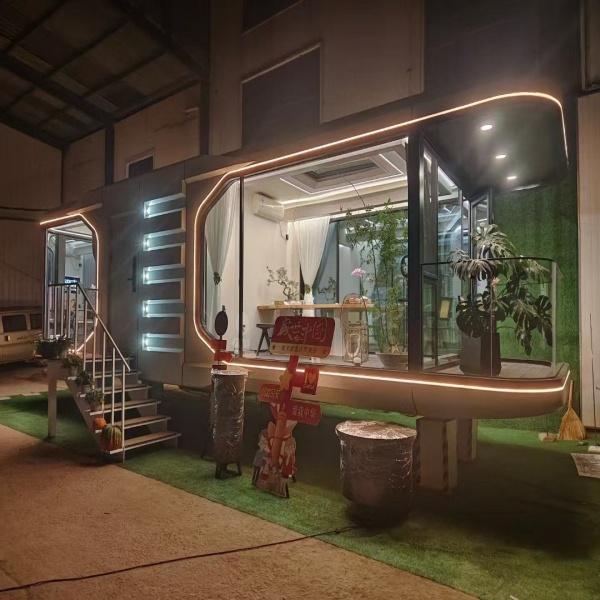
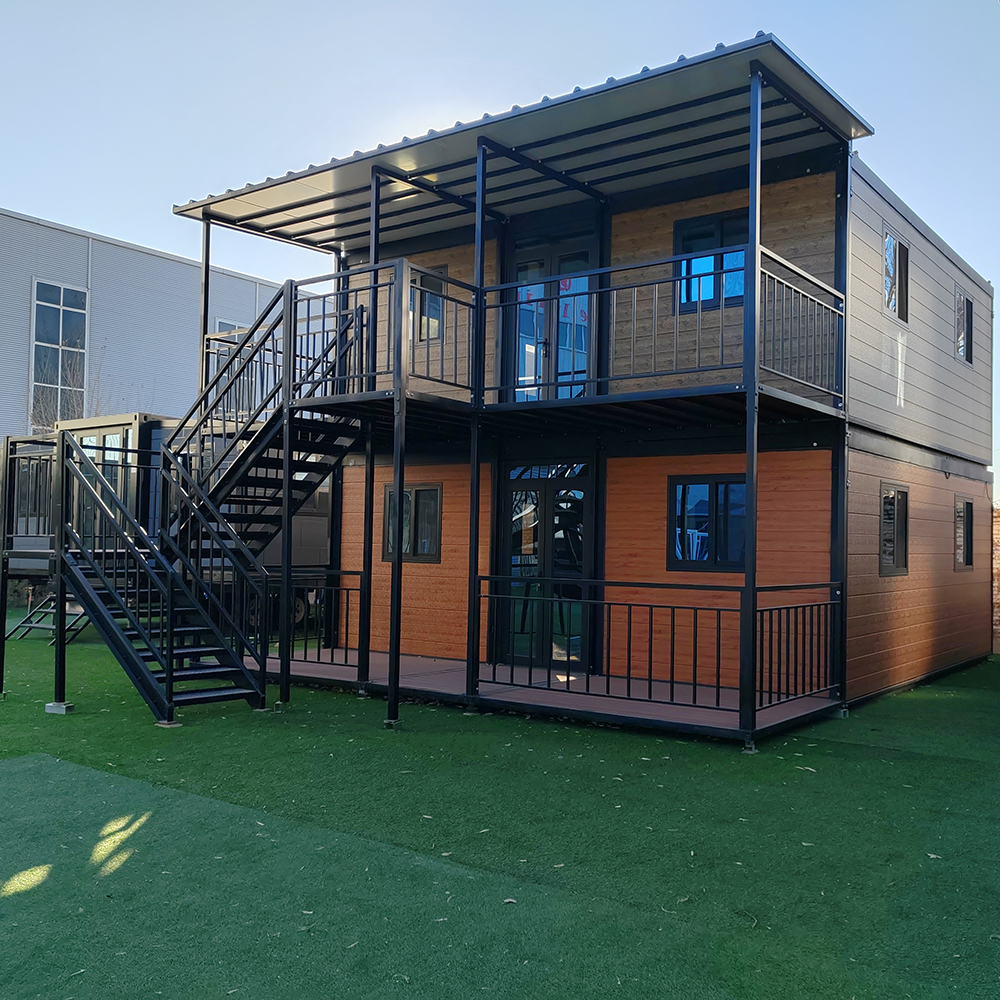
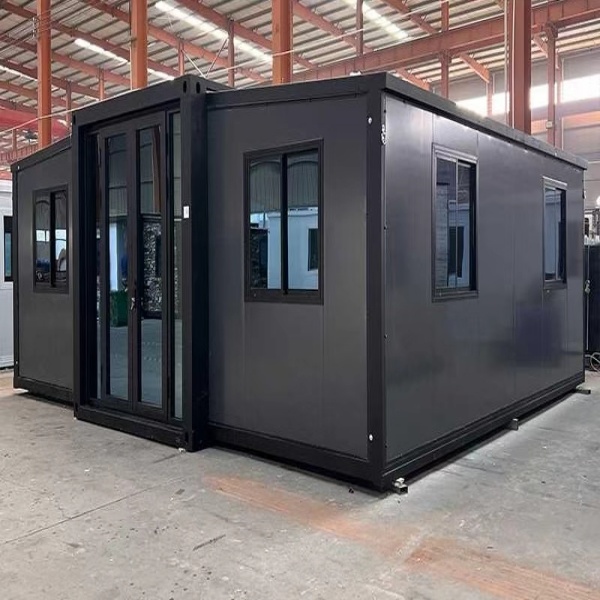
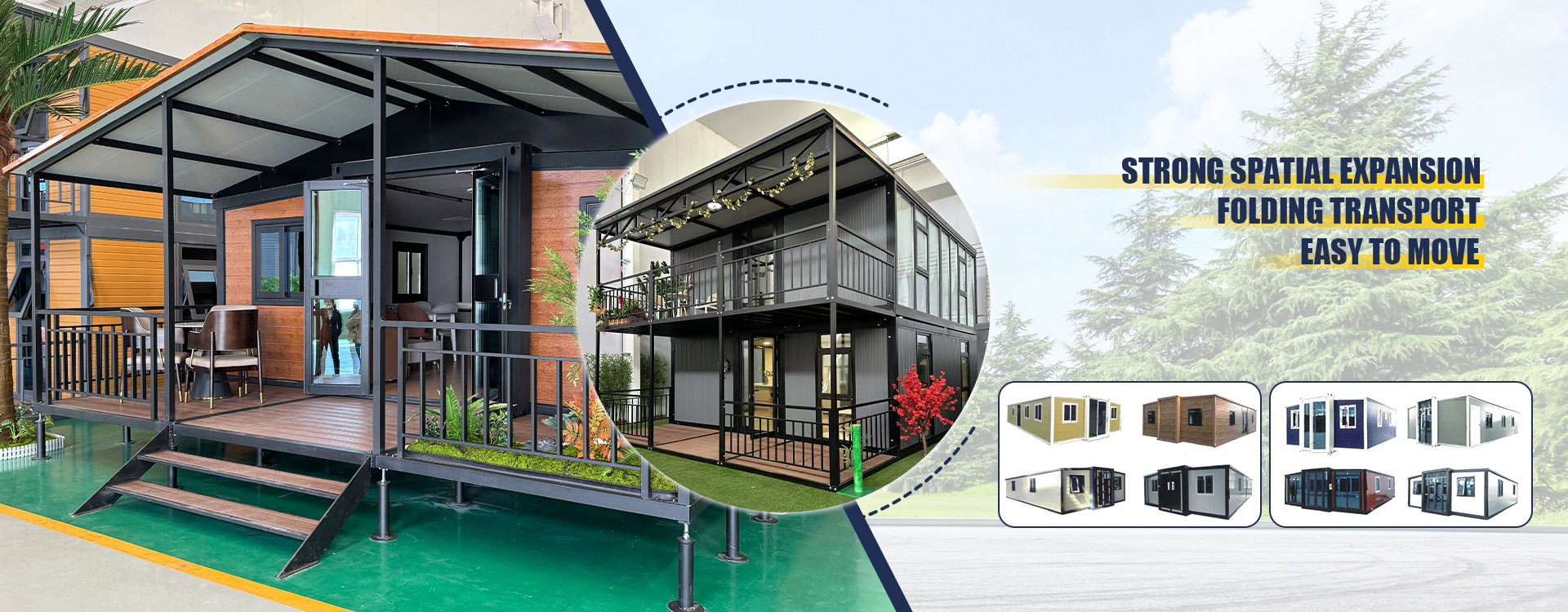
Best selling products
Best selling products-
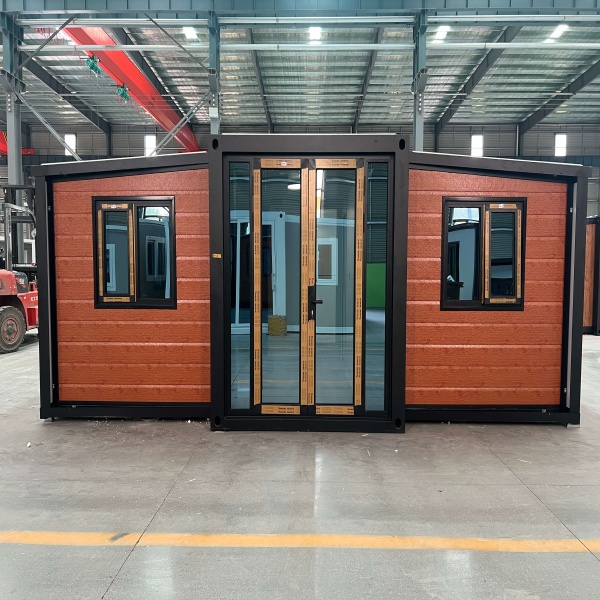 High-quality Double-wing Folding Container House with Doors and Windows, Insulated Walls, Suitable for Various Scenarios.
 -
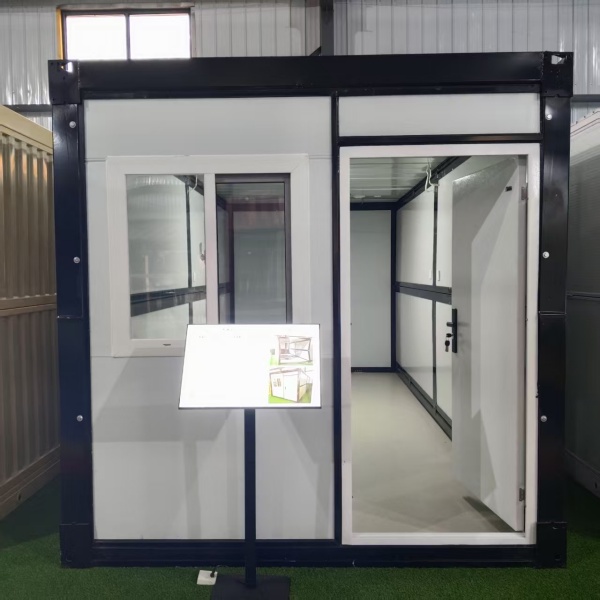 Factory Direct Sales Office Folding Container Luxury House Living Container House
 -
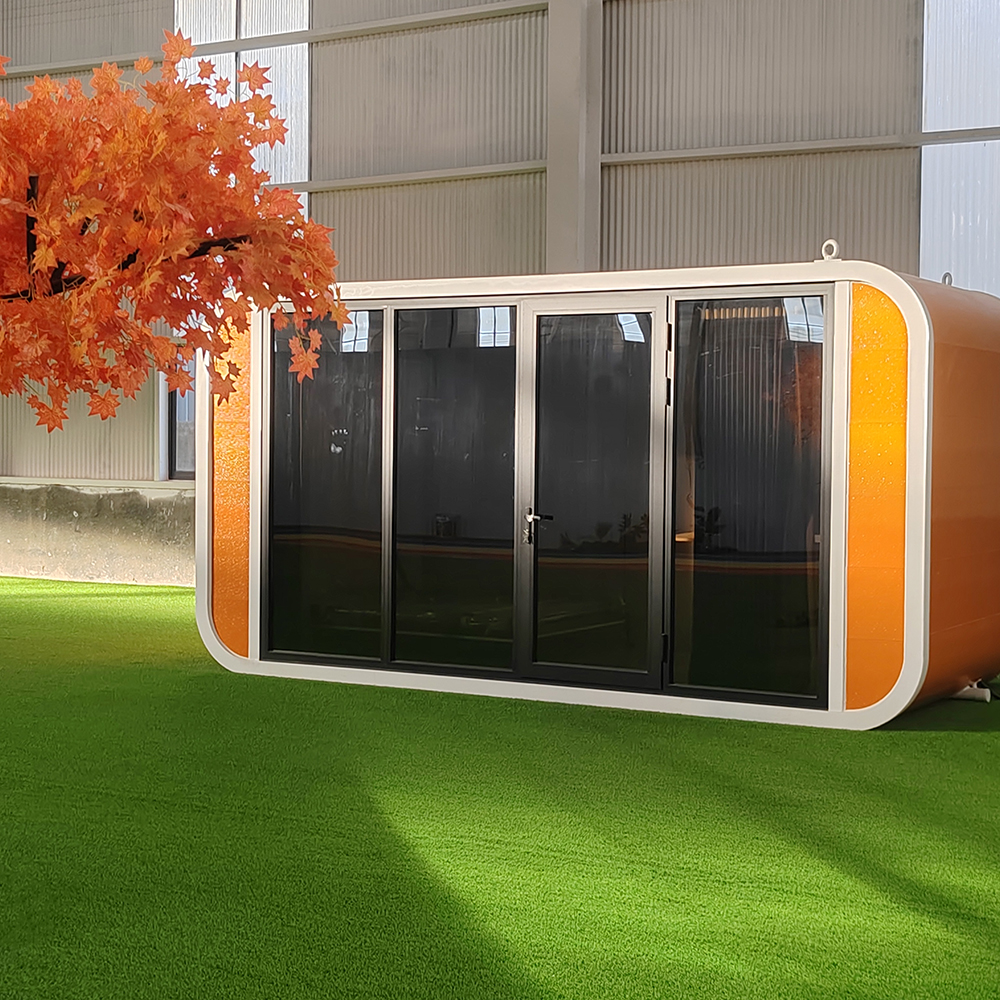 Luxury Prefabricated Living Container House Modular Glass Tiny House Prefab Container Home Apple Cabin
 -
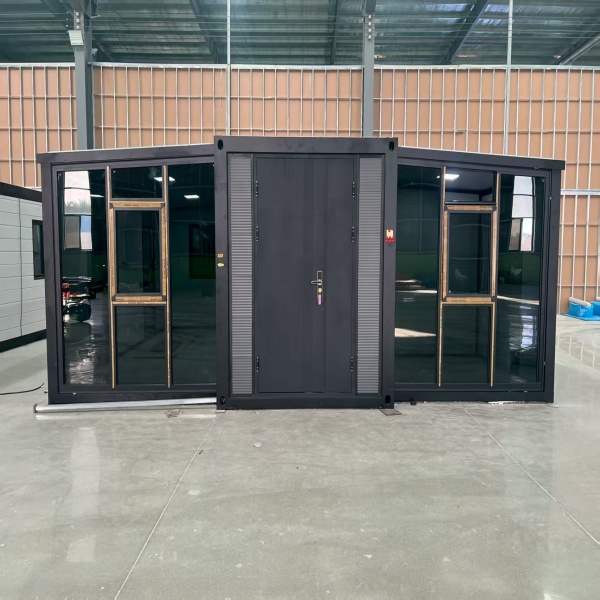 Customizable Office Mobile Home with Flat Roof and Double Wing Expansion Box, Convenient Container
 -
Hot-selling foldable container houses, expandable prefabricated houses, suitable for office or living use, with fast delivery.
-
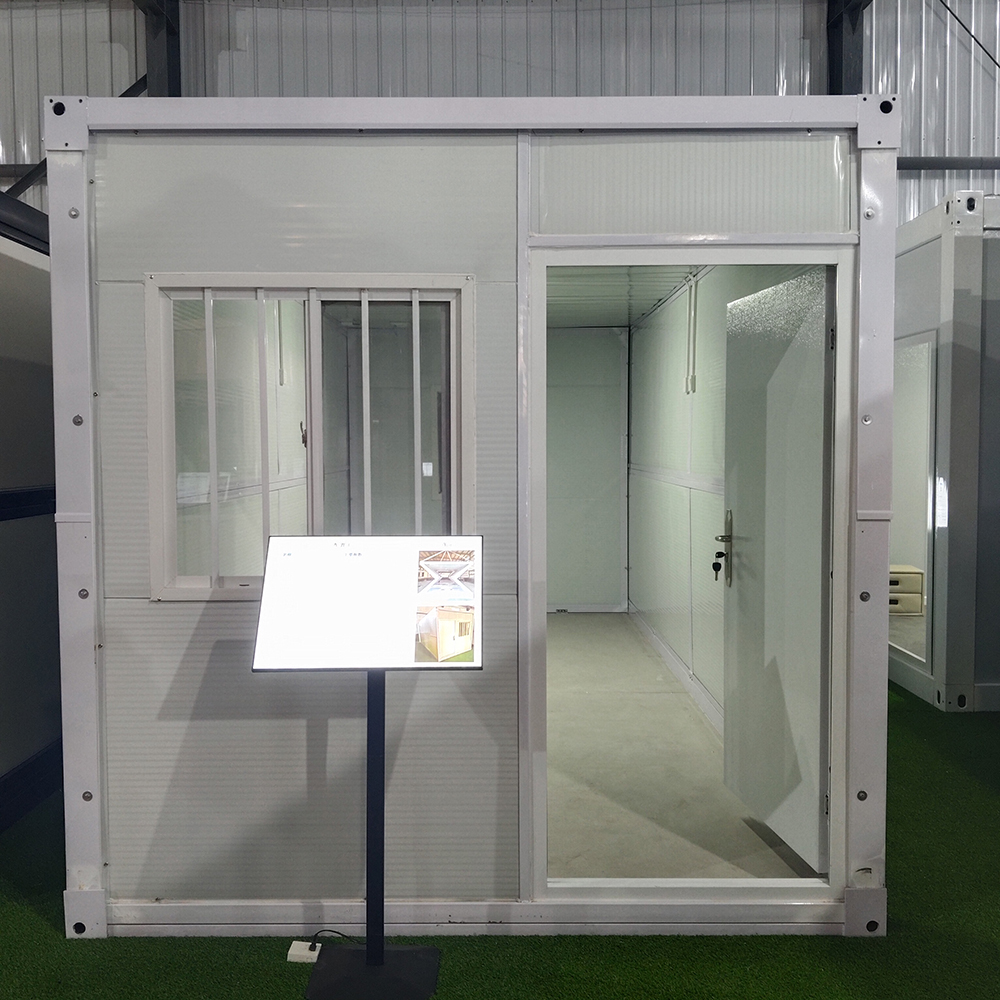 Reasonable Price 1 Bedroom Modular Container House Folding Container Home for Villa or Apartment Use
 -
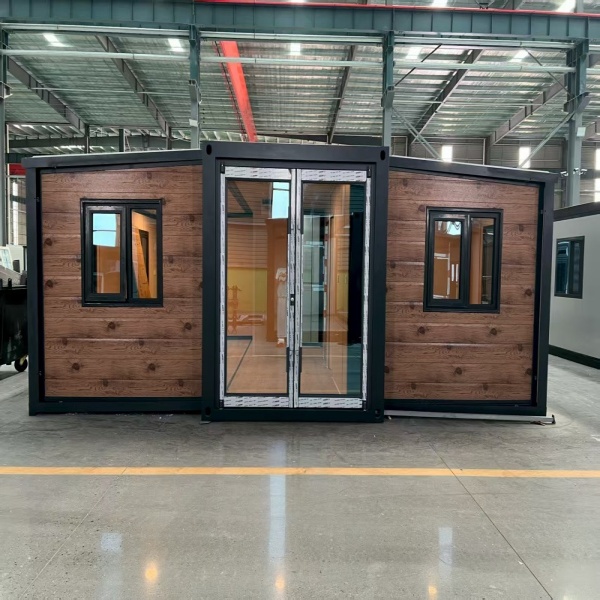 The foldable container house with side wing design can be quickly set up and is suitable for various environments.
 -
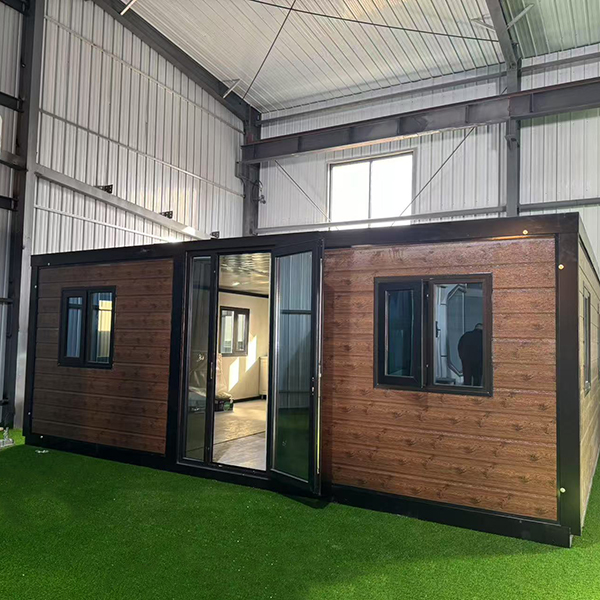 Good Quality Modular Homes Prefabricated House Expandable Container House 20FT Mobile Flat Roof House
 -
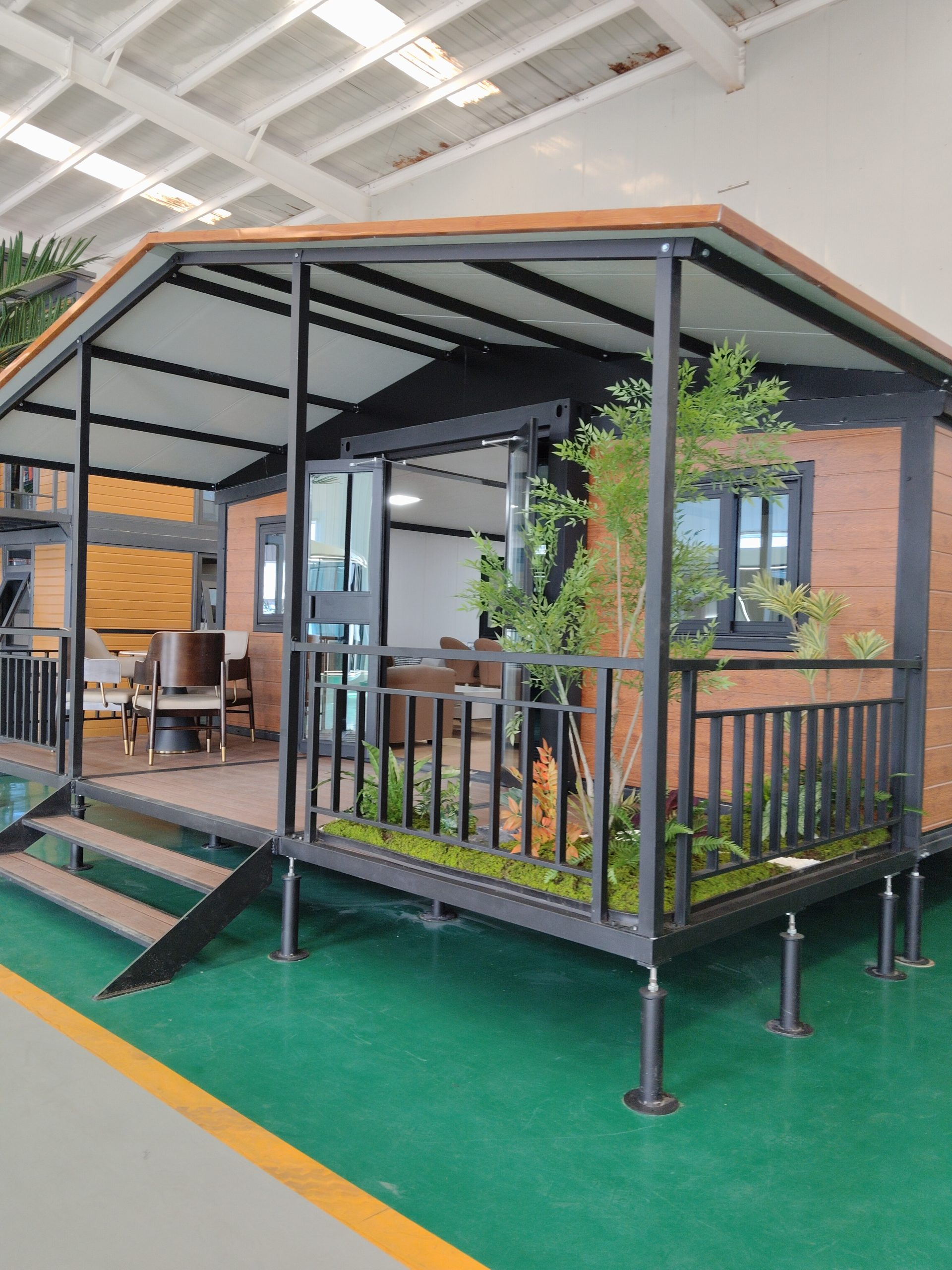 A container house with a terrace and double-wing folding design, suitable for various purposes such as offices, meeting rooms, living rooms, etc.
 -
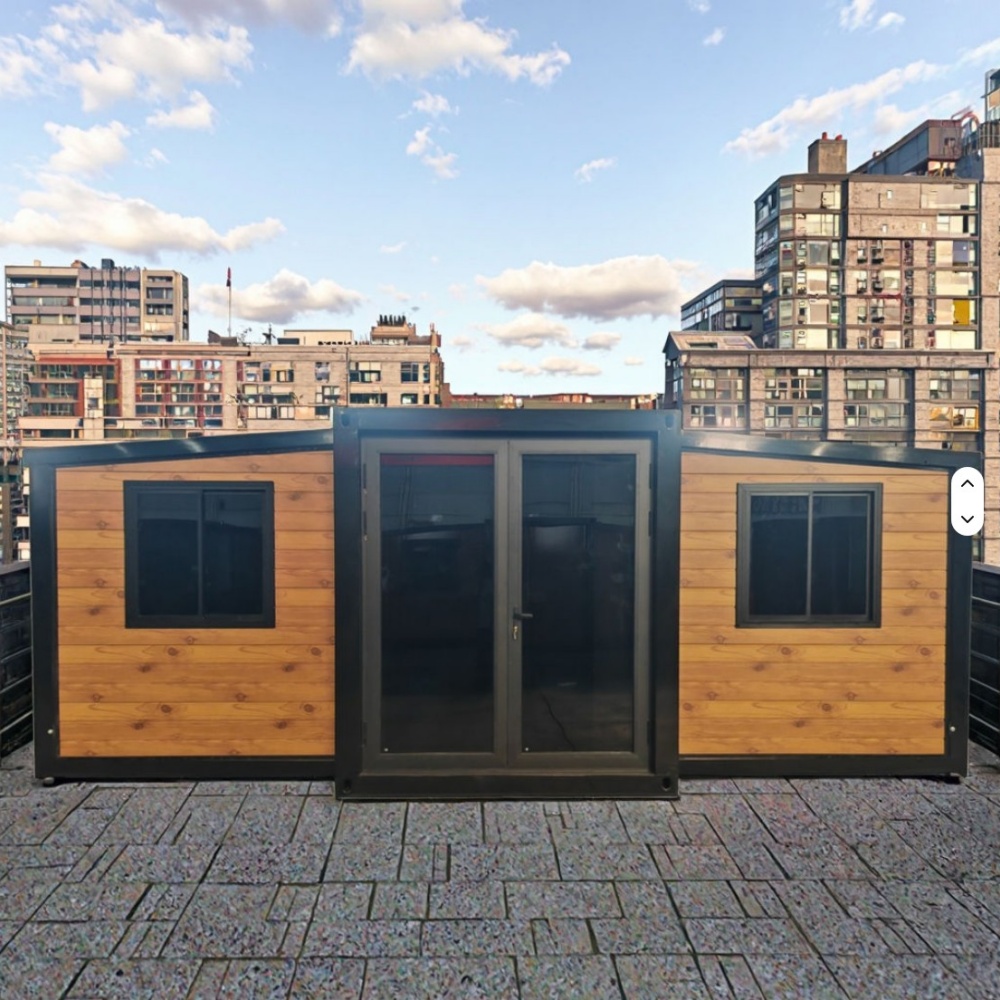 Customized Two Wing Folding Expandable Container House
 -
Two Wing Folding Expandable Container House
-
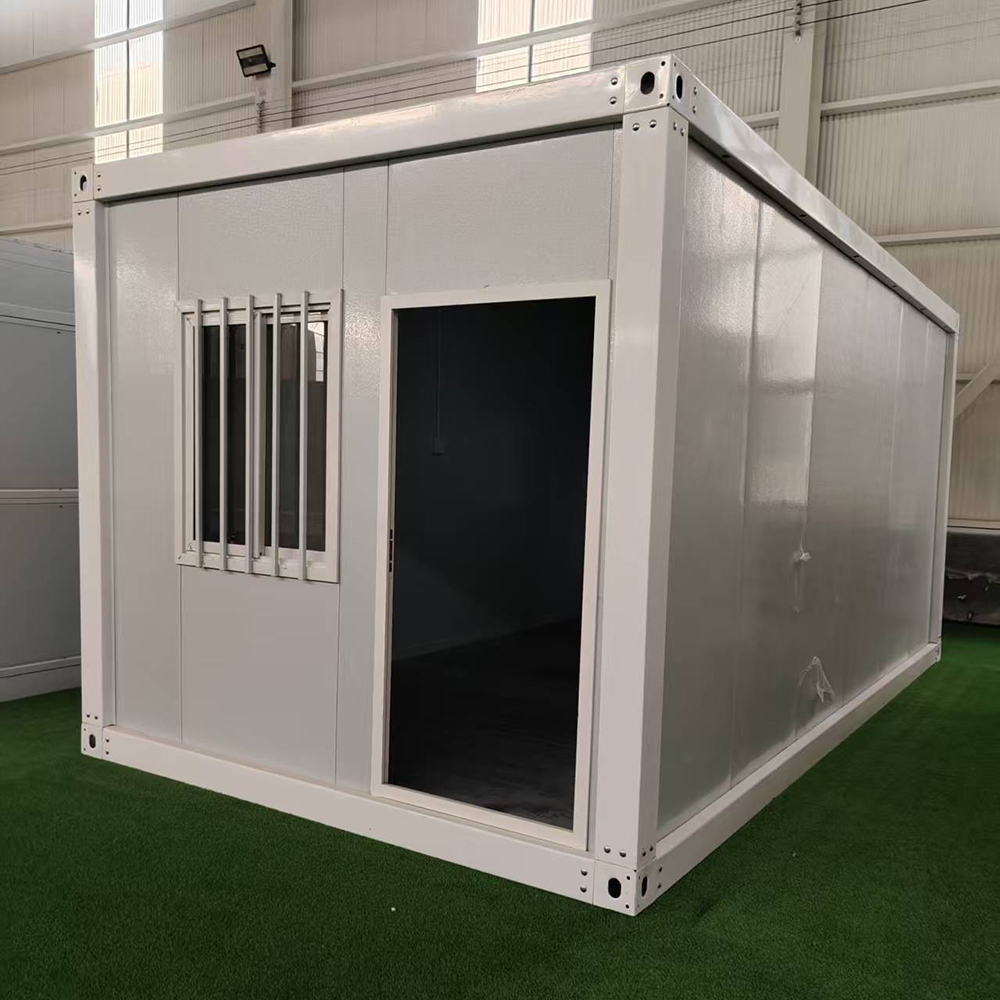 Folding Container Moving House Modular Office Container House Prefab Container for Outdoor Use
Related search
Related search- houses container house prefabricated cabin
- Buy container prefabricated house
- Buy foldable tiny home house expandable container casa
- China prefabricated house container
- prefab expandable house
- expandable container house with solar energy
- 40 ft expandable container house
- Apple Cabin
- China expandable house container
- fold out tiny home