
-
E-mail
Austin120521@outlook.com -
E-mail
sales@jujiuhouse.com -
Telephone
+86-17864099991 -
Telephone
+86-17854044442
- Chinese
- French
- German
- Portuguese
- Spanish
- Russian
- Japanese
- Korean
- Arabic
- Irish
- Greek
- Turkish
- Italian
- Danish
- Romanian
- Indonesian
- Czech
- Afrikaans
- Swedish
- Polish
- Basque
- Catalan
- Esperanto
- Hindi
- Lao
- Albanian
- Amharic
- Armenian
- Azerbaijani
- Belarusian
- Bengali
- Bosnian
- Bulgarian
- Cebuano
- Chichewa
- Corsican
- Croatian
- Dutch
- Estonian
- Filipino
- Finnish
- Frisian
- Galician
- Georgian
- Gujarati
- Haitian
- Hausa
- Hawaiian
- Hebrew
- Hmong
- Hungarian
- Icelandic
- Igbo
- Javanese
- Kannada
- Kazakh
- Khmer
- Kurdish
- Kyrgyz
- Latin
- Latvian
- Lithuanian
- Luxembou..
- Macedonian
- Malagasy
- Malay
- Malayalam
- Maltese
- Maori
- Marathi
- Mongolian
- Burmese
- Nepali
- Norwegian
- Pashto
- Persian
- Punjabi
- Serbian
- Sesotho
- Sinhala
- Slovak
- Slovenian
- Somali
- Samoan
- Scots Gaelic
- Shona
- Sindhi
- Sundanese
- Swahili
- Tajik
- Tamil
- Telugu
- Thai
- Ukrainian
- Urdu
- Uzbek
- Vietnamese
- Welsh
- Xhosa
- Yiddish
- Yoruba
- Zulu
- Kinyarwanda
- Tatar
- Oriya
- Turkmen
- Uyghur




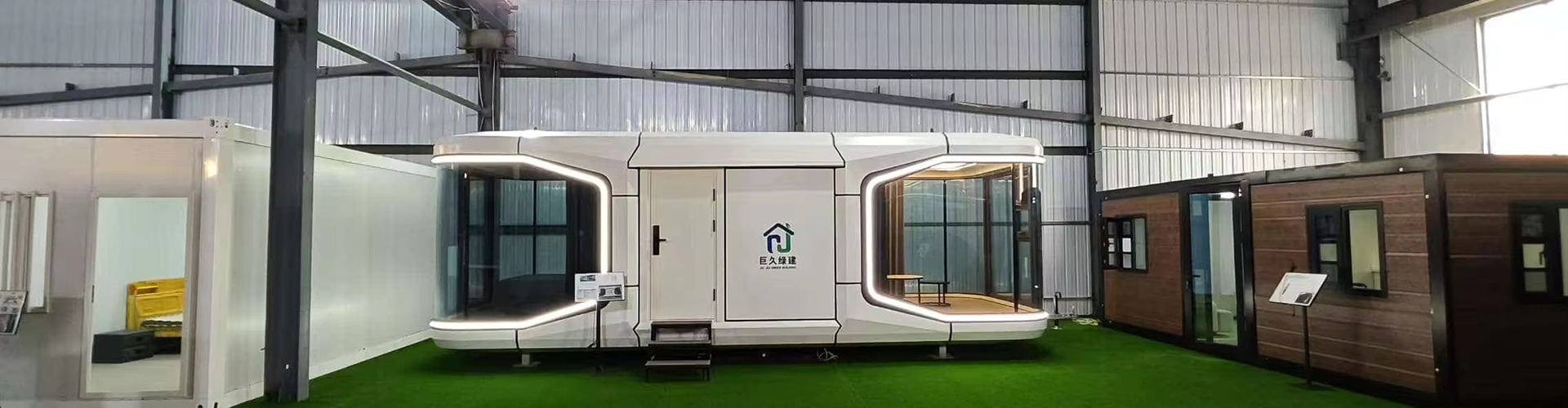
semi trailer fold out houses
The Rise of Semi Trailer Fold Out Houses: A New Era of Mobile Living
Semi trailer fold out houses are reshaping the concept of mobile living, offering flexibility and innovation that meet modern-day needs. This emerging trend is driven by the need for more adaptable housing solutions, particularly for those valuing mobility without sacrificing comfort.
The Allure of Fold Out Houses
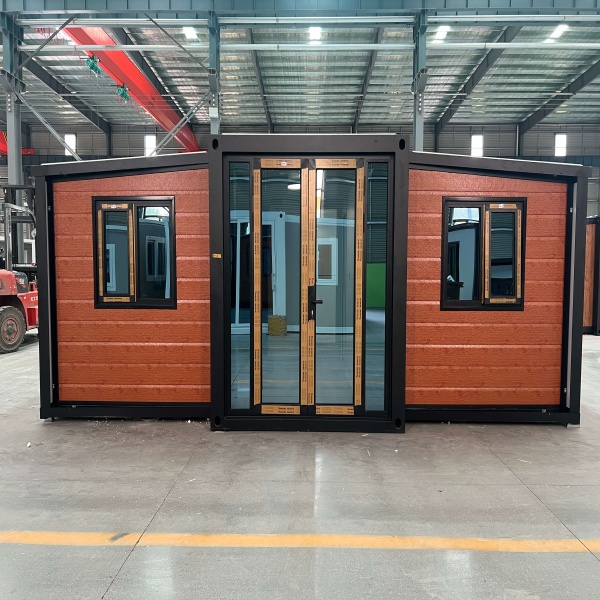
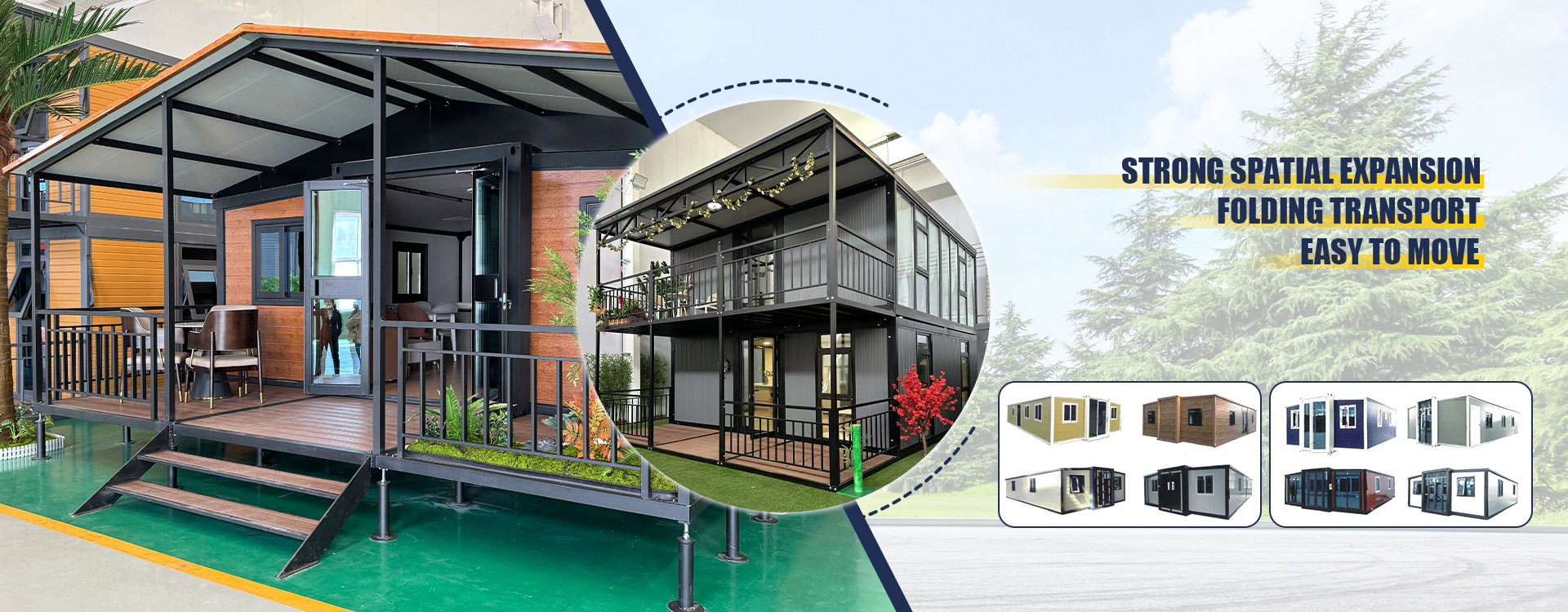
In the growing landscape of mobile housing, semi trailer fold out houses have gained considerable attention. They strike the right balance between portability and livability, expanding out into full-sized homes when stationary yet compact enough to travel long distances with ease.
One of their main draws is the simplicity in setup. Unlike traditional mobile homes, these houses unfold from a semi trailer, leveraging space-saving designs to transform quickly and effortlessly. This ability to expand and contract is especially appealing to those who need temporary installations, like construction site managers or event organizers.
However, there’s a learning curve. Setting up isn’t always plug and play. I recall a project where high winds posed issues during the expansion phase, something rarely mentioned but crucial to understand when planning locations. A firm grasp of local weather patterns can preemptively address these challenges.
Design and Innovation
Companies like Shandong Jujiu Integrated Housing Co., Ltd., accessible at their website, are pioneering in this field. Their approach integrates R&D, design, and production seamlessly, which significantly impacts the functionality and usability of fold out homes.
Their innovation often revolves around optimizing space without sacrificing structural integrity. Materials used in these setups are lightweight yet robust, crafted to withstand repeated folding and unfolding. The interior design focuses on modularity, ensuring that spaces are both multifunctional and comfortable.
A point worth noting is customization. Many firms allow clients to tweak designs according to personal needs — a response to the increasing demand for personalized housing solutions. While this sounds ideal, people sometimes underestimate the cost implications of such bespoke adjustments. Thoroughly exploring this aspect during the initial stages can save a lot of time and money.
Practical Applications and Real-World Examples
The portability of semi trailer fold out houses makes them viable for more than just personal dwellings. They're finding applications in disaster relief, where speed of deployment is critical. When the earthquakes hit certain regions, these structures provided immediate, reliable shelter.
In my direct experience, we facilitated some community projects where fold out houses served as pop-up clinics. Their ability to be quickly set up and configured to local needs — in this case, medical facilities — was invaluable. It's these kinds of adaptabilities that are compelling more sectors to consider them.
Additionally, they're being looked at for temporary offices and remote workspaces, particularly as the work-from-anywhere culture grows. Companies are recognizing that having movable, easily constructed spaces can bridge gaps during transitions or expansions.
Challenges and Considerations
Despite the advantages, there are challenges inherent to semi trailer fold out houses. Transportation logistics is one aspect not to be underestimated. Not every vehicle is equipped to tow these trailers, necessitating investments in appropriate transport solutions, often overlooked in initial budgeting.
Moreover, local regulations present another hurdle. Zoning laws vary greatly, and not all areas permit such temporary structures. Navigating these bureaucratic pathways requires some dexterity and, preferably, local insight.
Maintenance can also become a recurring topic of discussion. As durable as they are, these houses face wear and tear due to repeated moves. Ensuring a routine check-up — much like seasonal home maintenance — protects the longevity of your investment.
The Future of Semi Trailer Fold Out Houses
As the industry evolves, companies like Shandong Jujiu Integrated Housing Co., Ltd. are stepping up to enhance sustainability features within semi trailer fold out houses. Incorporating renewable energy sources, like solar panels, has become a popular trend that's contributing to greener practices.
There's a particular interest now in integrating smart home technology within these setups, offering features like remote climate control and security systems that enhance convenience without needing permanent installations.
Overall, semi trailer fold out houses represent a promising direction in housing — not without their complexities, but rich with potential for those willing to explore beyond conventional living. For anyone intrigued by this housing solution, diving in with both curiosity and caution can lead to rewarding outcomes.
Related products
Related products

Best selling products
Best selling products-
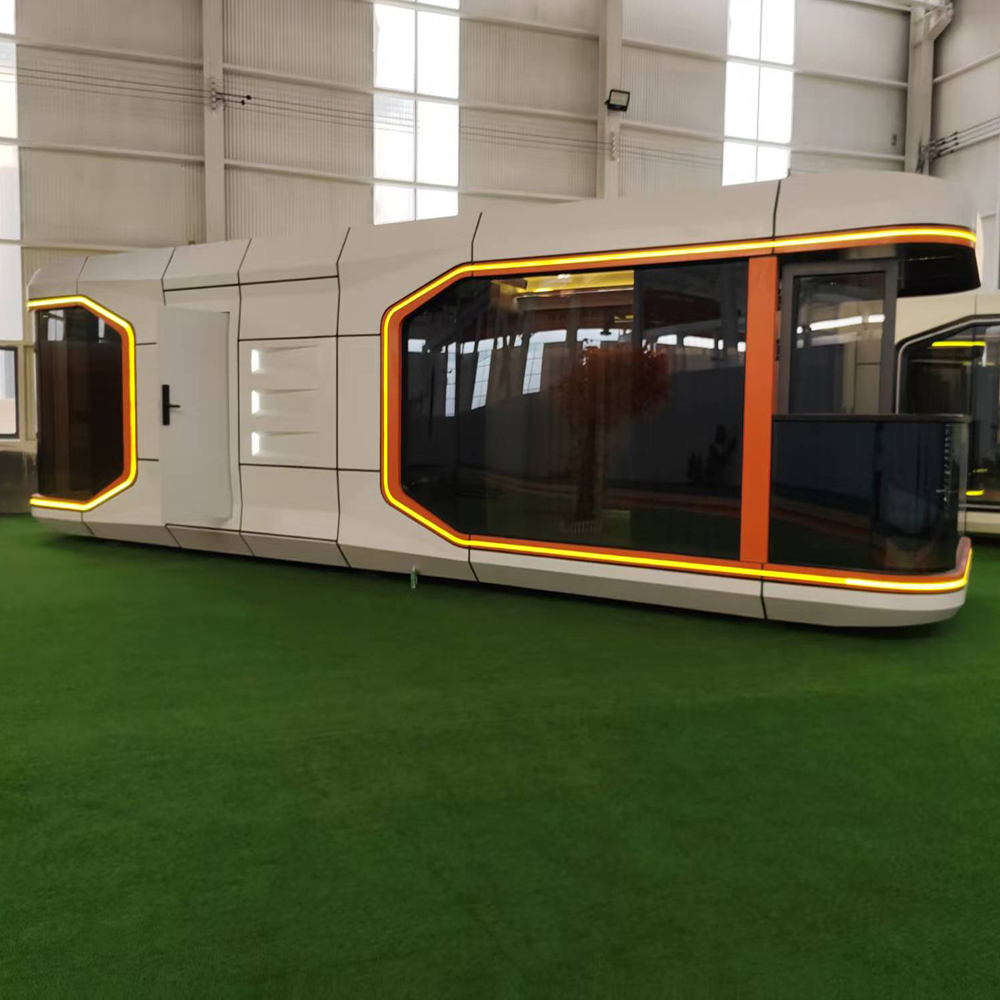 Standard Modern Camping Pod Space Prefabricated Portable Mobile Capsule Room Hotel Bathroom Prefabricated Spaceship House
 -
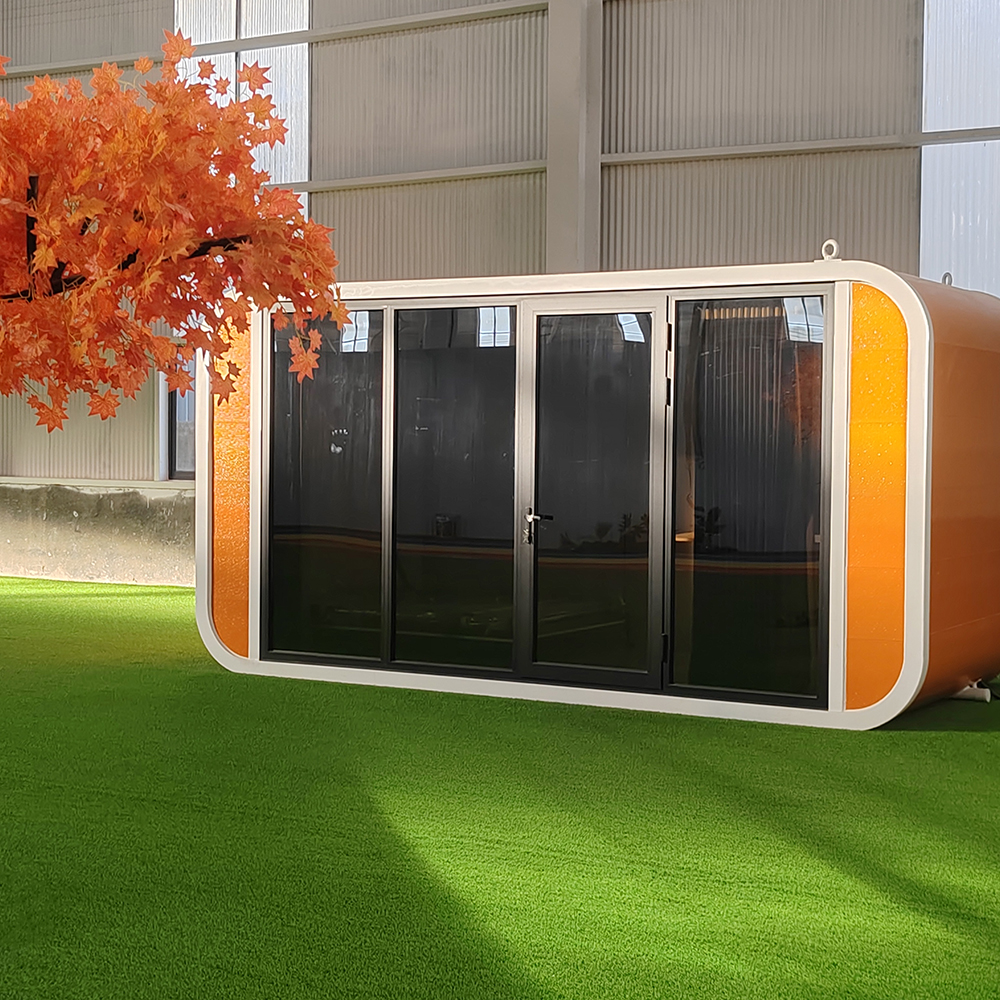 Luxury Prefabricated Living Container House Modular Glass Tiny House Prefab Container Home Apple Cabin
 -
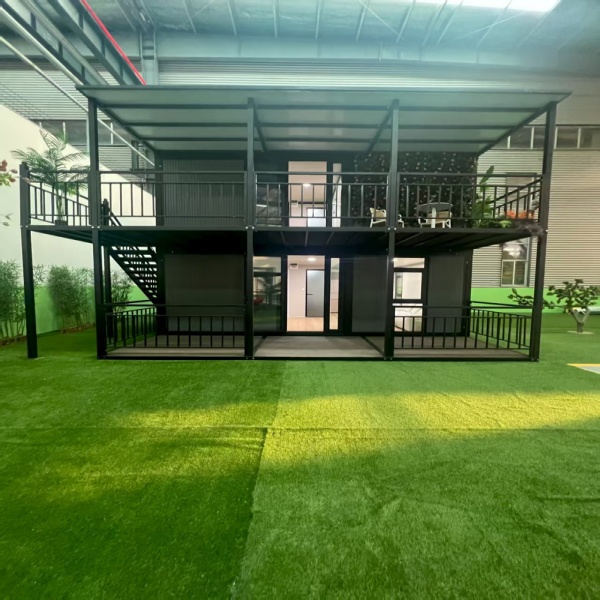 Luxury foldable two-story container houses in luxury resort hotels and villa hotels
 -
Two Wing Folding Expandable Container House
-
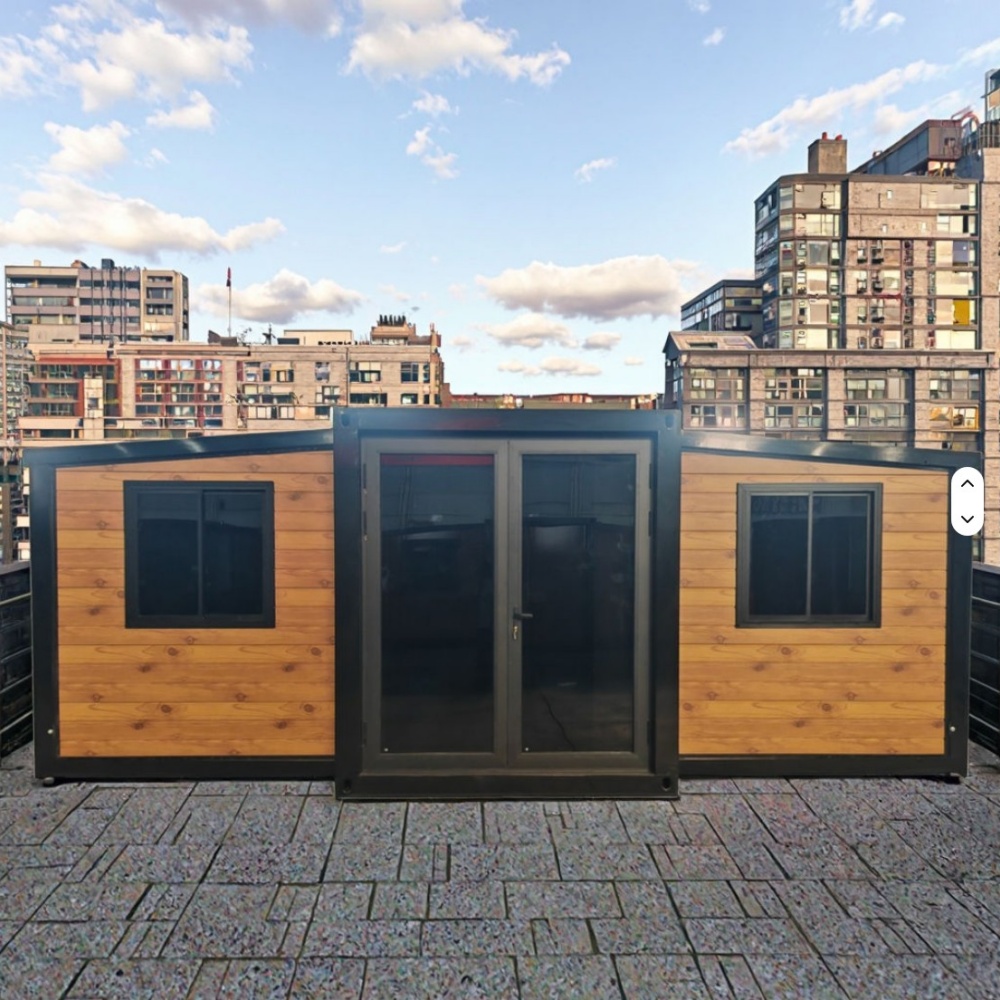 Customized Two Wing Folding Expandable Container House
 -
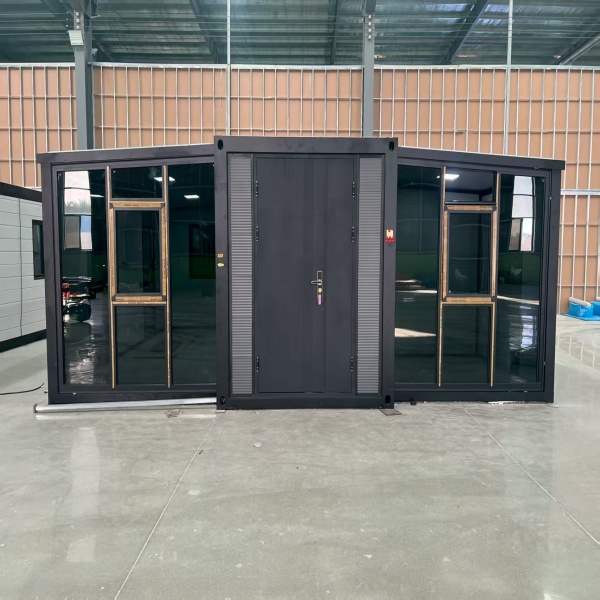 Customizable Office Mobile Home with Flat Roof and Double Wing Expansion Box, Convenient Container
 -
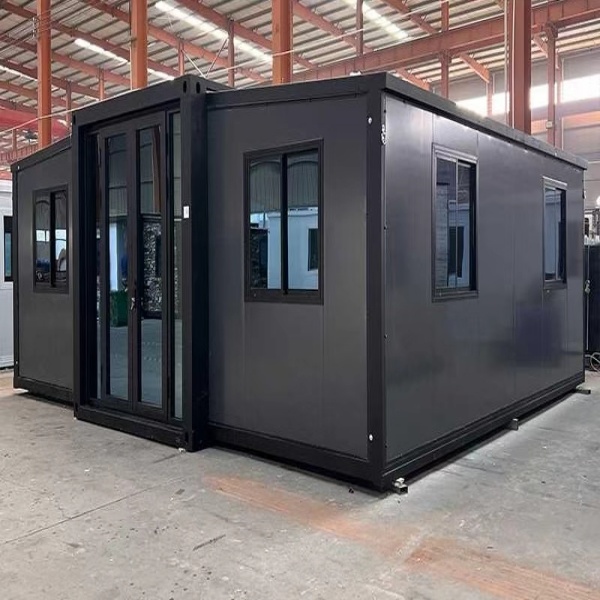 Dual-Wing Folding Container House: Fast Assembly, Space-Saving & Multi-Scene Adaptable
 -
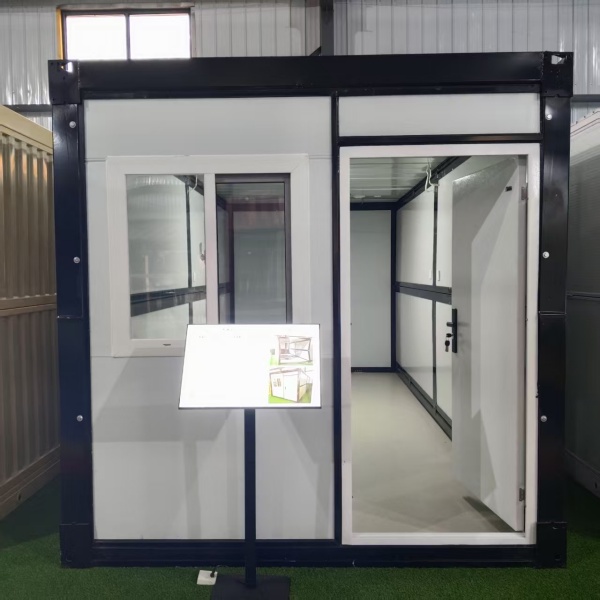 Hot-selling foldable container houses, expandable prefabricated houses, suitable for office or living use, with fast delivery.
 -
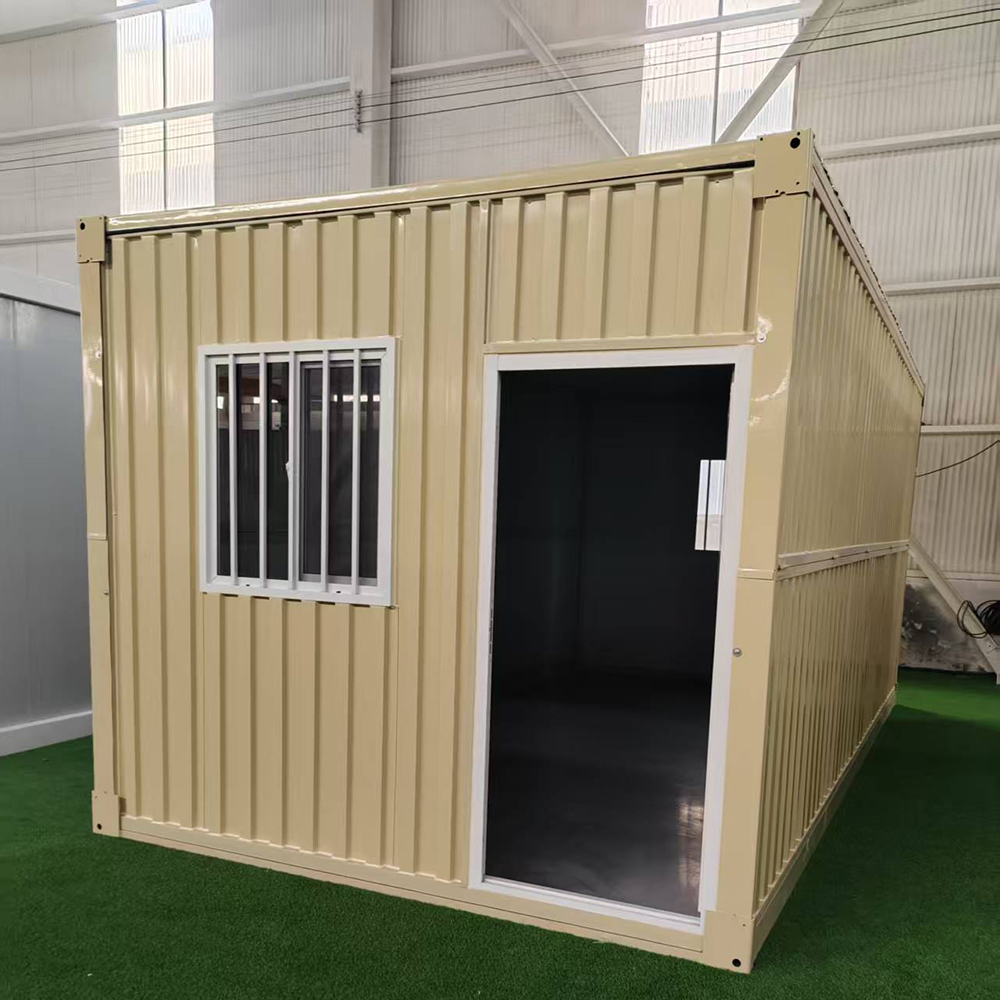 Competitive Price Portable Container House Foldable Container Mobile Living Modular Homes
 -
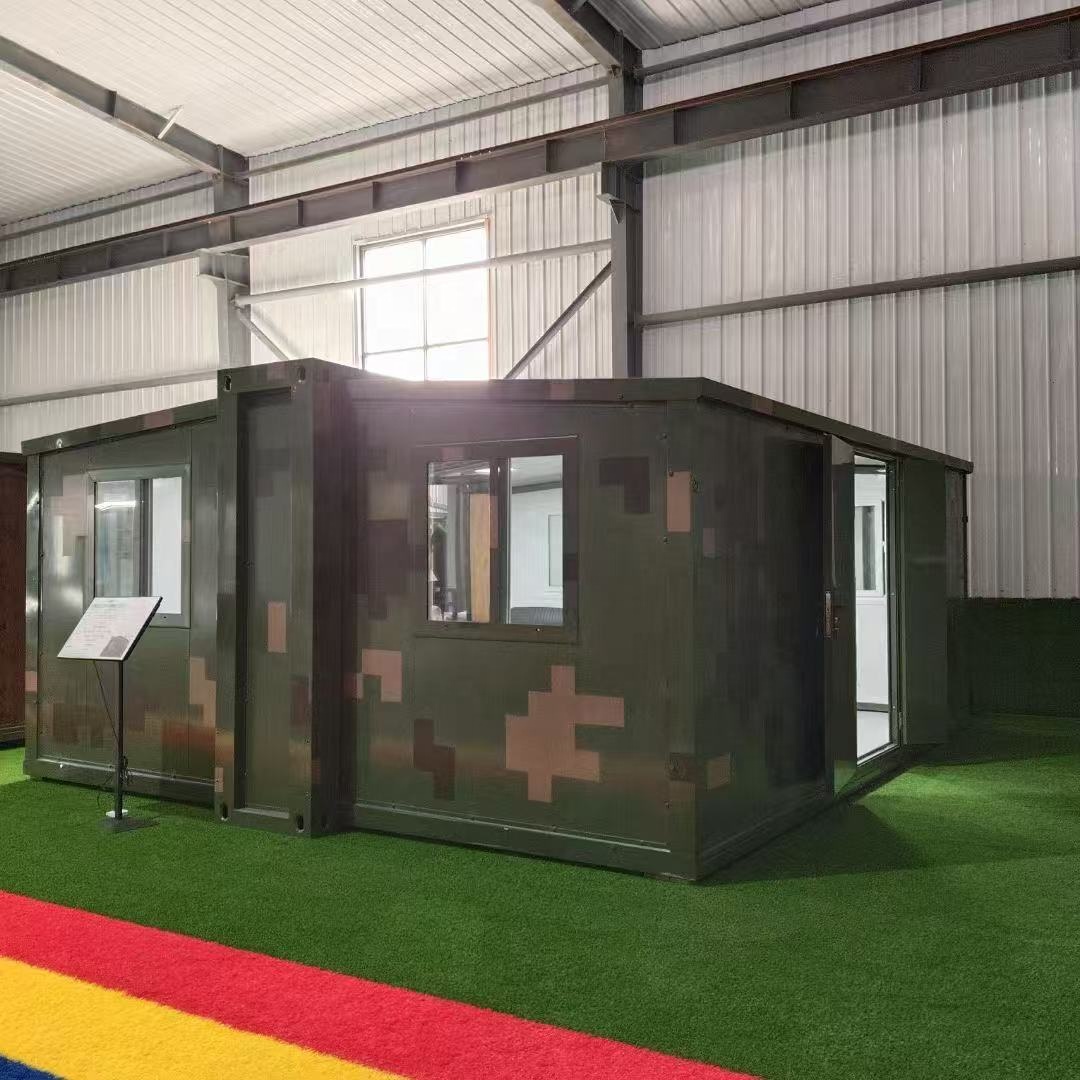 Movable Prefabricated Container House Villas Modular Portable Homes 1 Bedroom Container House Offices Apartments
 -
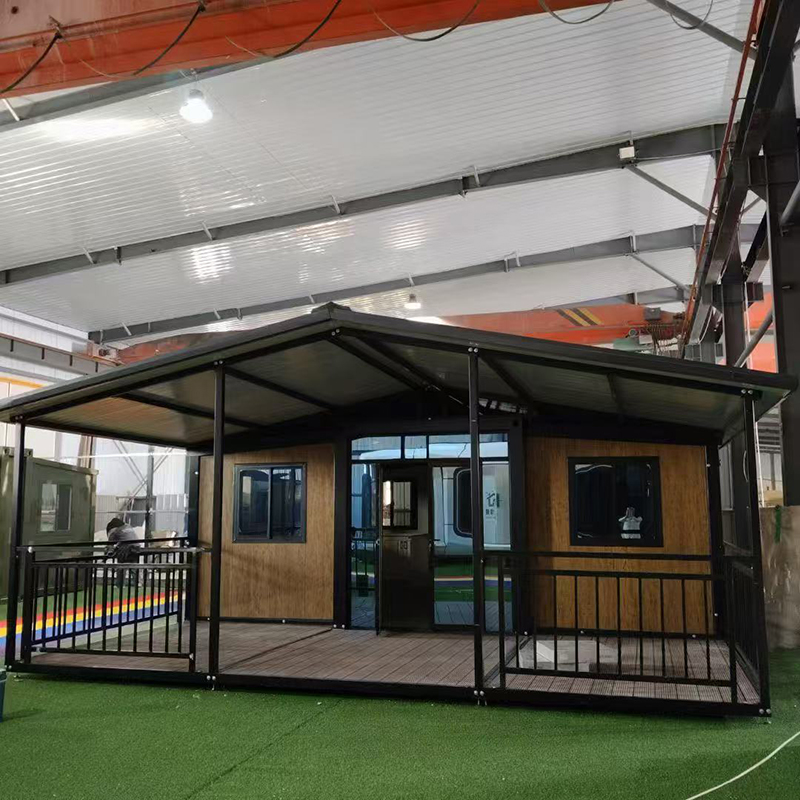 Customized Expandable Container House Holiday Home Folding Prefab Container House with Bathroom and Kitchen
 -
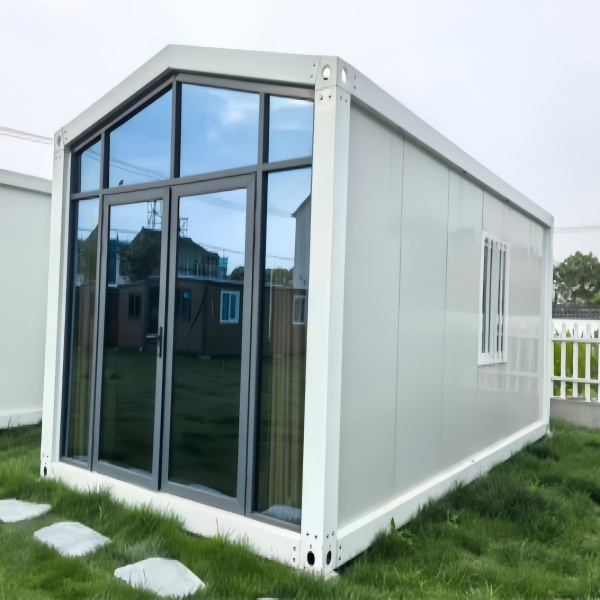 Waterproof folding container house – mobile accommodation for campsites/scenic spots
Related search
Related search- fold out house
- Buy prefabricated folding container house
- Buy foldable container house
- Buy fold out container
- folding house elon musk
- fold out modular homes
- price homes extended expandable container house
- Buy container house prefabricated villa
- Buy foldable container house price
- villa prefab modular apple cabin