-
Imeli
Austin120521@outlook.com -
Imeli
sales@jujiuhouse.com -
Telefoni
+86-17864099991 -
Telefoni
+86-17854044442
- English
- Chinese
- French
- German
- Portuguese
- Spanish
- Russian
- Japanese
- Korean
- Arabic
- Irish
- Greek
- Turkish
- Italian
- Danish
- Romanian
- Indonesian
- Czech
- Afrikaans
- Swedish
- Polish
- Basque
- Catalan
- Esperanto
- Hindi
- Lao
- Albanian
- Amharic
- Armenian
- Azerbaijani
- Belarusian
- Bengali
- Bosnian
- Bulgarian
- Cebuano
- Chichewa
- Corsican
- Croatian
- Dutch
- Estonian
- Filipino
- Finnish
- Frisian
- Galician
- Georgian
- Gujarati
- Haitian
- Hausa
- Hawaiian
- Hebrew
- Hmong
- Hungarian
- Icelandic
- Igbo
- Javanese
- Kannada
- Kazakh
- Khmer
- Kurdish
- Kyrgyz
- Latin
- Latvian
- Lithuanian
- Luxembou..
- Macedonian
- Malagasy
- Malay
- Malayalam
- Maltese
- Maori
- Marathi
- Mongolian
- Burmese
- Nepali
- Norwegian
- Pashto
- Persian
- Punjabi
- Serbian
- Sesotho
- Sinhala
- Slovak
- Slovenian
- Somali
- Scots Gaelic
- Shona
- Sindhi
- Sundanese
- Swahili
- Tajik
- Tamil
- Telugu
- Thai
- Ukrainian
- Urdu
- Uzbek
- Vietnamese
- Welsh
- Xhosa
- Yiddish
- Yoruba
- Zulu
- Kinyarwanda
- Tatar
- Oriya
- Turkmen
- Uyghur




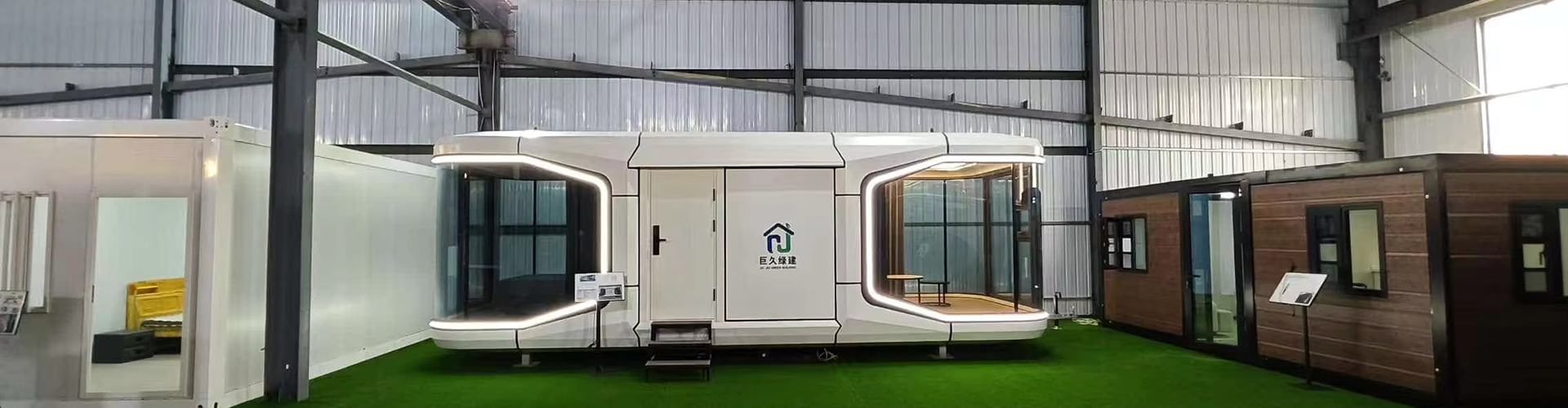
Portable Prefabricated Expandable Container House Factory
2026-10-27
- What Is a Portable Prefabricated Expandable Container House?
- Why Choose Expandable Containers Over Traditional Modules?
- Technical Specifications and Material Standards
- Applications of Expandable Container Houses
- Manufacturing Excellence: The Shandong Jujiu Advantage
- Installation Guide: Step-by-Step Process
- Common Challenges and Maintenance Tips
- Frequently Asked Questions (FAQ)
- Conclusion: Making the Right Choice for Your Project
A O mea na fuafuaina e sili ona lelei is a modular living or working unit designed for rapid deployment, featuring side walls that fold out to triple the internal floor area upon arrival. Unlike standard shipping containers, these structures offer immediate spaciousness while retaining the logistical advantages of compact transport. Ideal for emergency housing, remote construction sites, and temporary offices, they combine steel durability with insulated sandwich panel efficiency. As a specialized manufacturer, Shandong Jujiu Integrated Housing Co., Ltd. engineers these units to meet international standards, ensuring a balance between portability, structural integrity, and habitability.
What Is a Portable Prefabricated Expandable Container House?
The concept of the expandable container house addresses a critical limitation in traditional modular construction: the ratio of transport volume to usable space. A standard 20-foot shipping container offers approximately 160 square feet of space. In contrast, an expandable unit transports in a similar footprint but expands to nearly 480–640 square feet once deployed.
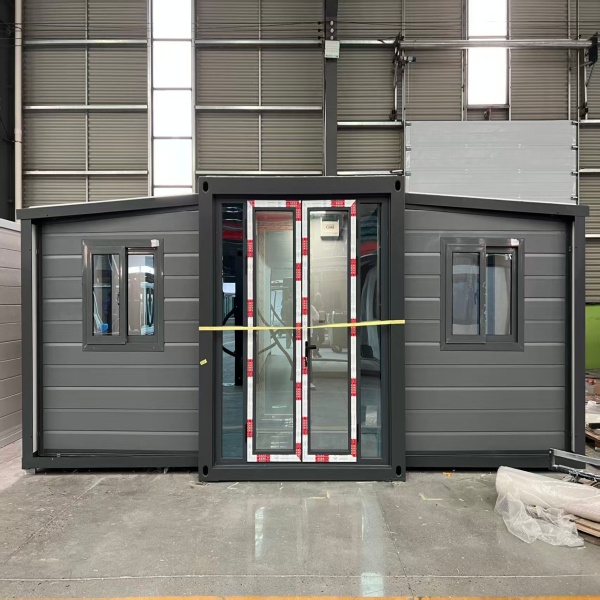
This innovation relies on a hinge-based mechanical system. The central core contains essential utilities and structural supports, while the left and right “wings” fold inward for transit. Upon reaching the site, hydraulic jacks or manual cranks extend these wings, locking them into place to form a rigid, weather-resistant enclosure. This design significantly reduces transportation costs, as one truck can carry what would otherwise require three separate standard containers.
Core Structural Components
Understanding the anatomy of these units is vital for buyers assessing quality and longevity. The structure is not merely a tent-like attachment but a fully engineered steel framework.
- Primary Frame: Constructed from high-grade galvanized steel or light steel keels, providing resistance against corrosion and structural deformation during transit.
- Expansion Mechanism: Heavy-duty hinges and locking bars ensure the expanded walls remain rigid and secure against wind loads.
- Wall Panels: Typically composed of Rockwool, EPS (Expanded Polystyrene), or PU (Polyurethane) sandwich panels. These provide thermal insulation, fire resistance, and soundproofing.
- Flooring System: Multi-layered flooring often includes a steel base, insulation layer, and a finished surface such as PVC, vinyl, or engineered wood.
- Roof Structure: Designed with integrated drainage channels to prevent water pooling, often featuring additional insulation to regulate internal temperatures.
Why Choose Expandable Containers Over Traditional Modules?
For project managers and procurement officers, the decision between expandable units, flat-pack containers, and standard shipping containers depends on logistics, budget, and timeline. The portable prefabricated expandable container house offers distinct advantages in specific scenarios.
Logistical Efficiency and Cost Reduction
Transportation constitutes a significant portion of the total cost in modular construction. Because expandable houses fold down to the size of a standard 20ft or 40ft container, they maximize load efficiency. A single heavy-haul truck can transport one expanded unit, whereas transporting equivalent square footage using non-expandable modules would require multiple trips. This efficiency directly lowers carbon footprints and freight expenses.
Rapid Deployment Timeline
Time is a critical resource in emergency relief and fast-track construction projects. Traditional building methods can take months. Even standard modular units may require crane assembly and extensive on-site joining. Expandable container houses are pre-wired and pre-plumbed within the factory. Once positioned on a level foundation, the expansion process takes hours, not days. Utility connections are centralized, simplifying the hook-up process for water, electricity, and sewage.
Enhanced Living Space and Comfort
Standard containers are narrow, often leading to a “corridor effect” that feels claustrophobic. Expandable units eliminate this by creating wide, open-plan interiors. This spatial advantage allows for proper room segmentation, including separate bedrooms, bathrooms, and living areas, making them suitable for long-term habitation rather than just temporary shelter.
| Foliga | Faʻamuta le Fale Faʻapitoa | Standard Shipping Container | Flat-Pack Modular Unit |
|---|---|---|---|
| Transport Footprint | Compact (20ft/40ft equivalent) | Bulky (Full size) | Very Compact (Stackable) |
| Usable Area | High (3x transport size) | Low (Fixed size) | High (Requires assembly) |
| On-Site Assembly Time | Fast (Hours) | Minimal (Placement only) | Slow (Days/Weeks) |
| Interior Width | Wide (Open plan) | Narrow (Corridor-like) | Customizable |
| Insulation Quality | High (Sandwich panels) | Low (Requires retrofitting) | High (Customizable) |
Technical Specifications and Material Standards
When sourcing from a manufacturer like Shandong Jujiu Integrated Housing Co., Ltd., understanding the technical parameters ensures the unit meets local building codes and environmental conditions. The company’s production system, covering over 200 acres with an annual capacity of 20,000 sets, adheres to strict industrialized standards.
Steel Framework and Durability
The skeleton of the house determines its lifespan. High-quality expandable houses use Q235 or Q345 steel, galvanized to prevent rust. The wall thickness typically ranges from 1.8mm to 3.0mm for the main columns. This robustness is essential for withstanding the dynamic forces experienced during road transport and the static loads of snow or wind once installed.
Insulation and Thermal Performance
The choice of core material in the sandwich panels dictates energy efficiency. For tropical climates, EPS panels offer cost-effective cooling retention. In colder regions or for fire-sensitive applications, Rockwool (mineral wool) is superior due to its non-combustible properties and higher R-value. PU (Polyurethane) panels provide the highest thermal efficiency per inch of thickness, ideal for extreme weather conditions.
Electrical and Plumbing Integration
A key feature of prefabricated expandable homes is the pre-installation of systems. Conduits for electrical wiring are embedded within the wall panels during manufacturing. Switches, outlets, and lighting fixtures are pre-mounted. Similarly, plumbing lines for sinks, showers, and toilets are integrated into the floor and wall structures. This “plug-and-play” approach minimizes on-site labor and reduces the risk of installation errors.
Applications of Expandable Container Houses
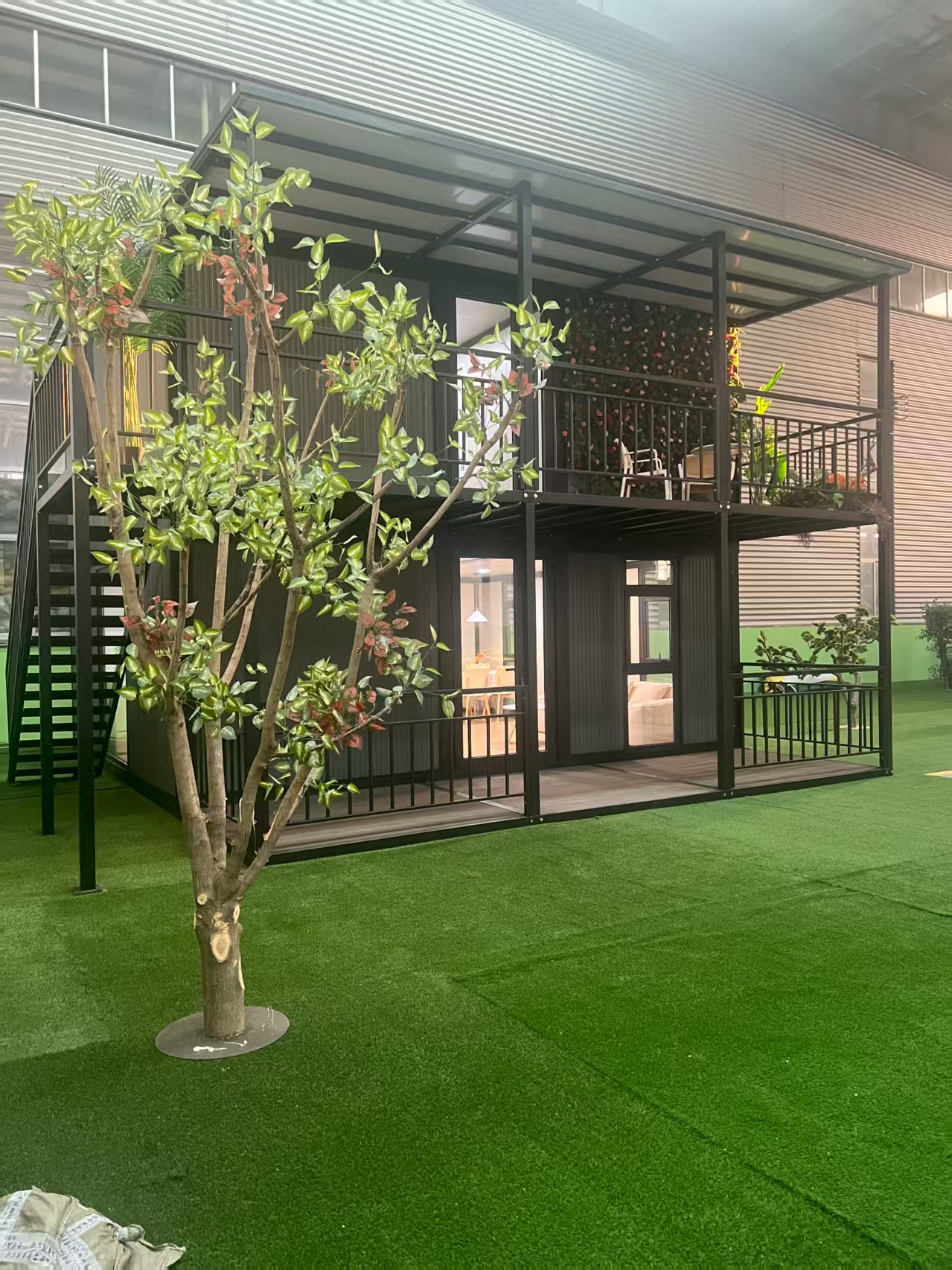
The versatility of the portable prefabricated expandable container house makes it suitable for diverse sectors. Shandong Jujiu Integrated Housing Co., Ltd. has developed various configurations, including double-wing extension rooms and folding push-pull cabins, to meet these varied needs.
Emergency Disaster Relief
In the aftermath of earthquakes, floods, or hurricanes, speed is paramount. Expandable containers can be air-freighted or trucked into affected areas and made habitable within 24 hours. They provide secure, lockable, and insulated shelter for displaced families, offering dignity and safety compared to tents.
Construction Site Accommodation
Remote infrastructure projects, such as mining operations, dam construction, or highway development, require housing for workers. Traditional camps take months to build. Expandable units can be deployed in phases as the workforce grows. Their durability ensures they withstand harsh industrial environments, while their insulation provides comfort in extreme temperatures.
Temporary Offices and Clinics
Businesses needing quick expansion or temporary presence can utilize these units as site offices, sales centers, or medical clinics. The professional finish of the interior, combined with large window options, creates a welcoming environment. Medical units can be equipped with sterile surfaces and specialized ventilation systems at the factory level.
Affordable Housing Solutions
With the global housing crisis, governments and NGOs are turning to modular solutions for low-cost housing. Expandable containers offer a permanent or semi-permanent solution that is faster and cheaper than conventional brick-and-mortar construction. They can be clustered to form communities with shared amenities.
Manufacturing Excellence: The Shandong Jujiu Advantage
Selecting the right manufacturer is as important as selecting the right product. Shandong Jujiu Integrated Housing Co., Ltd. has emerged as a rising star in the integrated housing industry by integrating research and development, design, optimization, production, and sales into a cohesive workflow.
Industrialized Production System
Unlike small workshops that rely on manual, inconsistent fabrication, Shandong Jujiu employs an industrialized production system. With a facility spanning more than 200 acres and a staff of over 100 professionals, the company ensures precision engineering. The annual production capacity of 20,000 sets demonstrates scalability, meaning they can handle large-volume orders without compromising lead times.
Quality Control and Supply Chain Management
The company’s commitment to quality is evident in its complete supply chain management system. From sourcing raw steel to producing the final sandwich panels, every step is monitored. The professional technical team ensures that products meet superior domestic and international factory control standards. This vertical integration allows for better cost control and consistent quality, meeting customer expectations for product durability.
Comprehensive Service and Logistics
Beyond manufacturing, Shandong Jujiu provides a full range of solutions. Their professional logistics team handles the complexities of exporting oversized or heavy cargo, ensuring safe delivery to global destinations. Furthermore, the established after-sales service system offers technical support for installation and maintenance, protecting the rights and interests of customers long after the sale is completed.
Installation Guide: Step-by-Step Process
While these units are designed for ease of use, proper installation is crucial for performance. The following steps outline the standard deployment process for a portable prefabricated expandable container house.
Step 1: Site Preparation and Foundation
The site must be level and stable. Acceptable foundations include concrete slabs, pier blocks, or compacted gravel beds. Ensure the ground can support the weight of the unit, which typically ranges from 2,500 to 4,000 kg depending on size and finishes. Verify that utility connection points (water, electric, sewage) are accessible near the designated placement area.
Step 2: Positioning and Unloading
Use a crane or forklift to unload the container from the transport truck. Place the unit precisely on the foundation markers. It is critical to position the unit correctly before expansion, as moving it afterward is difficult. Ensure the central core is perfectly level using shims if necessary.
Step 3: Expanding the Walls
Unlock the transport latches securing the side walls. Using the provided hydraulic jacks or manual crank systems, slowly extend the left and right wings. Monitor the movement to ensure no obstructions interfere with the hinges. Once fully extended, engage the locking mechanisms to secure the walls to the central frame. Tighten all bolts to the specified torque.
Step 4: Roof and Seal Inspection
Check the roof seals where the expanding sections meet the central core. Apply additional sealant if required by the manufacturer’s guidelines. Ensure that drainage channels are clear and free of debris. Verify that the roof structure is locked securely into its expanded position.
Step 5: Utility Connections
Connect the pre-installed electrical cables to the main power supply. Connect water inlet and sewage outlet pipes to the local infrastructure. Test all systems, including lights, outlets, faucets, and toilets, to ensure proper function. Inspect for any leaks in plumbing joints.
Common Challenges and Maintenance Tips
To maximize the lifespan of your expandable container house, proactive maintenance is essential. Understanding potential issues helps in preventing costly repairs.
Seal Integrity and Water Leakage
The most common issue in expandable structures is water infiltration at the expansion joints. Over time, rubber gaskets and sealants may degrade due to UV exposure and temperature fluctuations. Maintenance Tip: Inspect seals annually. Clean them with mild soap and water, and reapply high-quality silicone sealant if cracks or gaps appear.
Corrosion Prevention
While galvanized steel resists rust, coastal or industrial environments can accelerate corrosion. Maintenance Tip: Wash the exterior regularly to remove salt spray or chemical deposits. Touch up any scratches in the paintwork immediately with anti-rust primer and matching paint.
Hinge and Mechanical Care
The expansion mechanism involves moving parts that bear significant load. Maintenance Tip: Lubricate hinges, locks, and jack screws every six months with a suitable industrial lubricant. Check for any signs of wear or deformation in the locking bars.
Frequently Asked Questions (FAQ)
How long does it take to install an expandable container house?
Once the unit is positioned on the foundation, the expansion process typically takes 2–4 hours for a trained team. Connecting utilities may take an additional day, depending on site readiness. Overall, the unit can be habitable within 24–48 hours of arrival.
Can expandable container houses withstand extreme weather?
Yes, when properly anchored. High-quality units are designed to withstand wind speeds of up to 100–120 km/h and seismic activity up to magnitude 8. The steel frame provides structural integrity, while insulated panels offer thermal protection. However, specific ratings depend on the manufacturer’s design and materials used.
Are these houses suitable for permanent residence?
They can be used for permanent residence, subject to local zoning laws and building codes. Many users employ them as long-term homes, especially in areas where traditional construction is expensive or impractical. Proper insulation and foundation work are key to ensuring long-term comfort and durability.
What is the lifespan of a portable prefabricated expandable container house?
With regular maintenance, the structural lifespan can exceed 20–30 years. The steel frame is highly durable, while interior finishes and seals may require periodic replacement or refurbishment. The modularity allows for easy repair or replacement of individual components.
Do I need a special permit to install an expandable container house?
Permit requirements vary by location. In many jurisdictions, these units are classified as temporary structures or modular homes, requiring specific permits. It is essential to consult with local authorities regarding zoning, building codes, and utility connections before purchase.
Conclusion: Making the Right Choice for Your Project
The portable prefabricated expandable container house represents a significant advancement in modular construction. By combining the logistical efficiency of shipping containers with the spaciousness of traditional buildings, it offers a versatile solution for housing, office, and emergency needs. Its rapid deployment, cost-effectiveness, and adaptability make it an attractive option for businesses and individuals alike.
Shandong Jujiu Integrated Housing Co., Ltd. stands out as a reliable partner in this sector. With its industrialized production capabilities, rigorous quality control, and comprehensive service system, the company ensures that each unit meets high standards of performance and durability. Whether you are managing a large-scale construction project, responding to a humanitarian crisis, or seeking affordable housing solutions, their expertise and product range provide the reliability you need.
When considering your next modular building project, prioritize manufacturers who offer transparency, technical support, and proven production capacity. Evaluate your specific needs regarding insulation, size, and layout, and choose a supplier who can customize solutions to match those requirements.
For detailed specifications, custom design options, and pricing information, explore our comprehensive product catalog. Our team is ready to assist you in selecting the ideal configuration for your application.