
-
E-mail
Austin120521@outlook.com -
E-mail
sales@jujiuhouse.com -
Telephone
+86-17864099991 -
Telephone
+86-17854044442
- Chinese
- French
- German
- Portuguese
- Spanish
- Russian
- Japanese
- Korean
- Arabic
- Irish
- Greek
- Turkish
- Italian
- Danish
- Romanian
- Indonesian
- Czech
- Afrikaans
- Swedish
- Polish
- Basque
- Catalan
- Esperanto
- Hindi
- Lao
- Albanian
- Amharic
- Armenian
- Azerbaijani
- Belarusian
- Bengali
- Bosnian
- Bulgarian
- Cebuano
- Chichewa
- Corsican
- Croatian
- Dutch
- Estonian
- Filipino
- Finnish
- Frisian
- Galician
- Georgian
- Gujarati
- Haitian
- Hausa
- Hawaiian
- Hebrew
- Hmong
- Hungarian
- Icelandic
- Igbo
- Javanese
- Kannada
- Kazakh
- Khmer
- Kurdish
- Kyrgyz
- Latin
- Latvian
- Lithuanian
- Luxembou..
- Macedonian
- Malagasy
- Malay
- Malayalam
- Maltese
- Maori
- Marathi
- Mongolian
- Burmese
- Nepali
- Norwegian
- Pashto
- Persian
- Punjabi
- Serbian
- Sesotho
- Sinhala
- Slovak
- Slovenian
- Somali
- Samoan
- Scots Gaelic
- Shona
- Sindhi
- Sundanese
- Swahili
- Tajik
- Tamil
- Telugu
- Thai
- Ukrainian
- Urdu
- Uzbek
- Vietnamese
- Welsh
- Xhosa
- Yiddish
- Yoruba
- Zulu
- Kinyarwanda
- Tatar
- Oriya
- Turkmen
- Uyghur




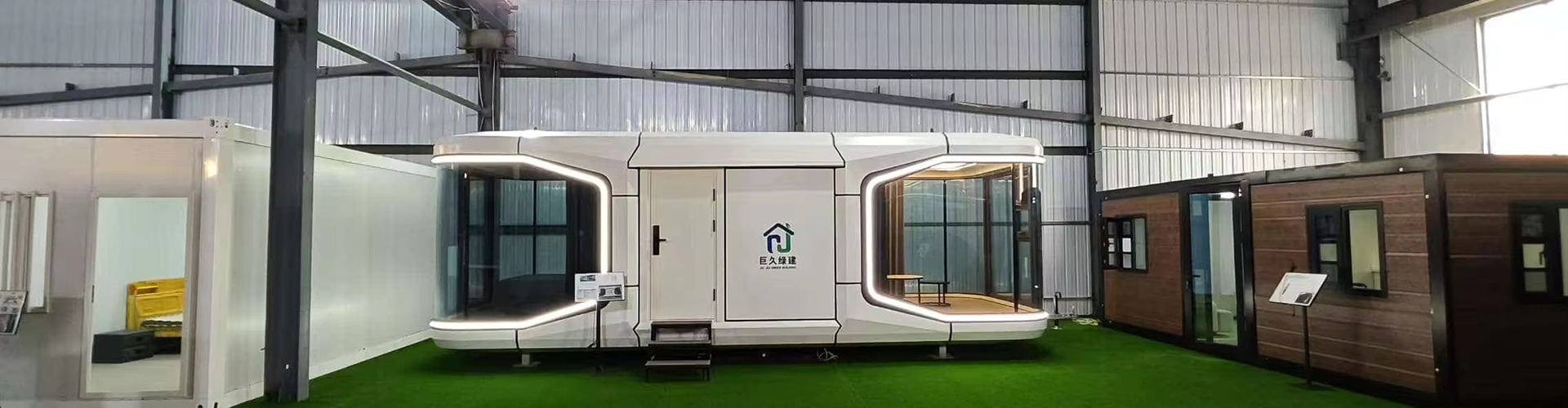
space capsule homes
Space Capsule Homes: A New Frontier in Living
Space capsule homes are more than just a technological fascination; they represent a new possibility for sustainable and efficient living. While many dismiss them as mere futuristic fantasies, real examples and industry practice show otherwise.
The Concept and Its Misunderstandings
Often, when people hear about space capsule homes, their minds drift to science fiction movies or conceptual art pieces that seem too good to be true. The truth is, these homes have started gaining traction for their compact, efficient design meant to optimize small living spaces. This isn't just about aesthetics. It's about function over form.
Drawing from Shandong Jujiu Integrated Housing Co., Ltd., which has been pioneering in integrating housing solutions (see more on their website), it's vital to understand that the initial concept stems from the need for modular and flexible dwellings. These structures, designed with the future in mind, are becoming more tangible for urban living and disaster relief.
Real-world challenges, however, remain a barrier. Questions linger about their longevity and adaptability to extreme climates. These are valid concerns and ones that engineers and designers, like those at SHANDONG JUJIU, are actively addressing through innovative materials and assembly techniques.
R&D in the Field
The leap from idea to implementation involves rigorous research and development. At companies like SHANDONG JUJIU, integration of light steel villas and steel structure engineering into space capsule homes is ongoing. The manufacturing process aims to reduce waste while enhancing structural integrity, a crucial balance that the industry strives to maintain.
Failures in this phase are not uncommon. In fact, those involved in the design process, including myself, have seen prototypes fail under stress tests. It's through these trials that more robust solutions emerge. There's a constant iteration process—an evolving cycle where each failure leads to improvement.
What stands out is the continuous push to optimize space without sacrificing comfort. These homes must not only be eco-friendly but also livable, a dual demand that poses a unique set of challenges.
Practical Applications
The real beauty of space capsule homes lies in their versatility. They're being deployed in disaster-stricken areas as quick shelter solutions. Their modular nature allows for rapid deployment, something we've seen implemented with success in regions prone to natural disasters.
In urban areas, they're making a splash as temporary living solutions, especially in densely populated cities where land is scarce. Companies like SHANDONG JUJIU are also exploring their potential as pop-up commercial spaces, demonstrating their flexible design capacity and utility.
But it's not just the application where these structures shine. The process of assembly itself, often requiring minimal on-site construction, stands as a testament to its efficiency. This potentially lowers labor costs and speeds up project timelines.
Challenges and Considerations
No innovation is without hurdles. One of the critical barriers lies in perception. There's skepticism about living in a small, unconventional space. Overcoming this requires shifting societal norms about housing and lifestyle, a task easier said than done.
Another factor is regulatory. Many regions have outdated building codes that don't easily accommodate non-traditional structures. Advocating for change here requires data—hard evidence of safety and efficacy. Again, this brings us back to the importance of thorough testing and advocacy.
Lastly, while optimizing costs is an industry goal, the upfront investment for creating these tailored homes can be substantial. It’s a delicate balance between scalability and affordability that companies like SHANDONG JUJIU are navigating.
The Future of Living
The evolution of housing is inevitable. Space capsule homes, with their sustainable ethos and efficiency, are poised to be part of future living solutions. This isn't speculative; it's a natural progression for an increasingly crowded and resource-conscious world.
Innovators and companies like SHANDONG JUJIU are leading the charge, crafting homes that don't just meet needs but anticipate them. The team is constantly researching to align projects with real-world demands, blending creativity with practicality.
In conclusion, while challenges persist, the journey of integrating space capsule homes into mainstream living is one that's both exciting and essential. With ongoing research, development, and market adaptation, the possibilities continue to expand, turning space capsule homes from a niche choice into a viable new standard in housing.
Related products
Related products
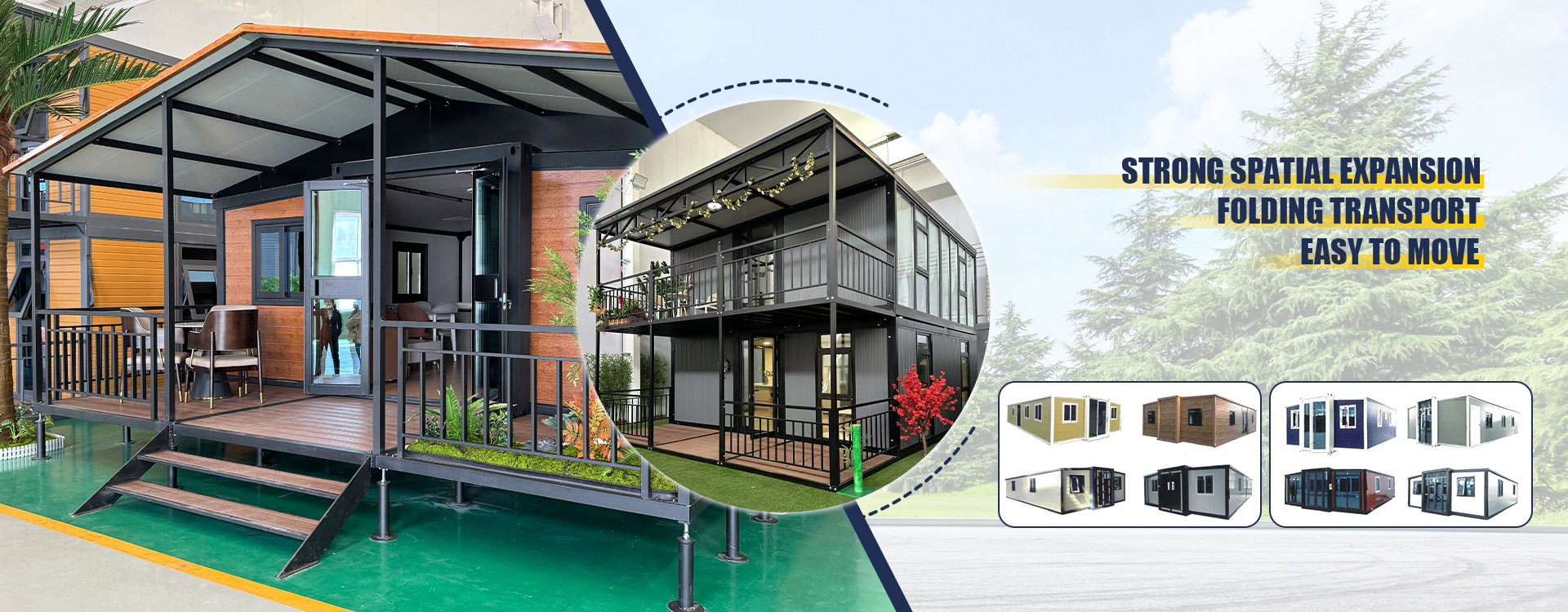
Best selling products
Best selling products-
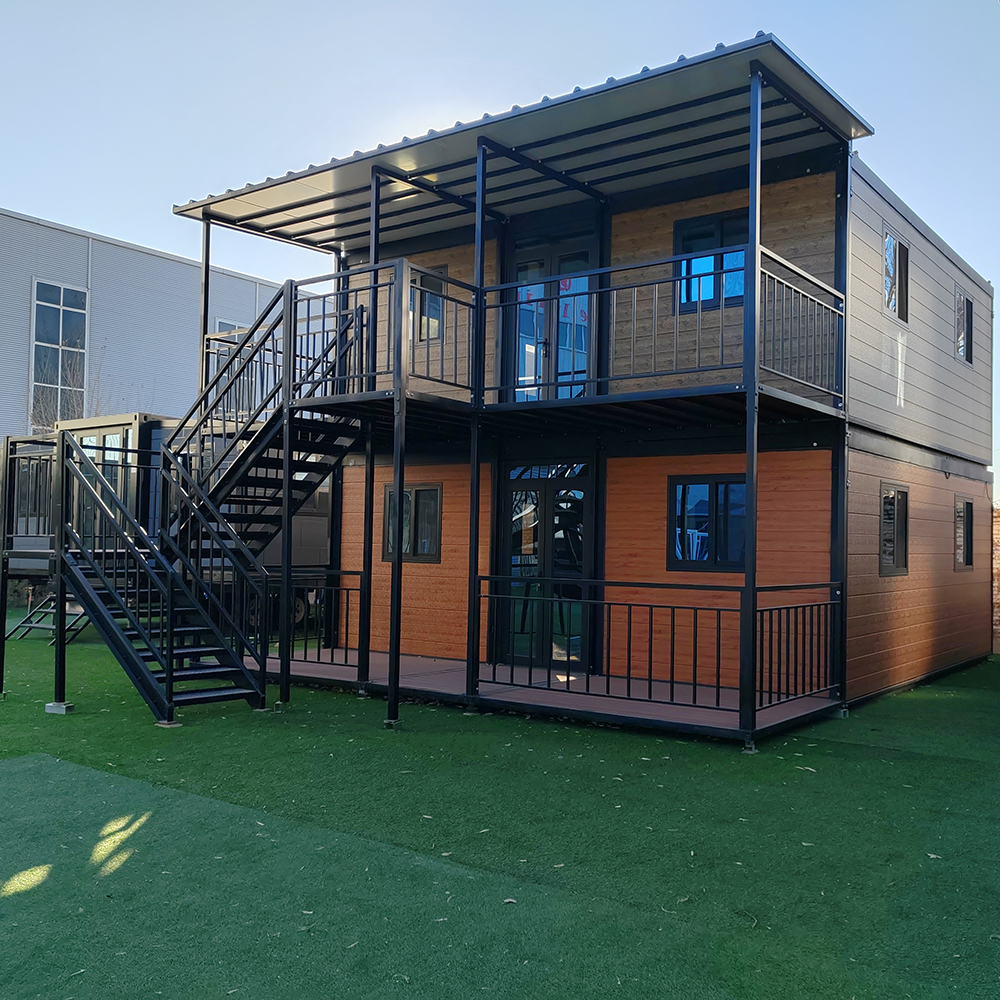 Easy Install Customized Detachable Container Homes Extendable House Prefab 2 Floors Expandable Container House
 -
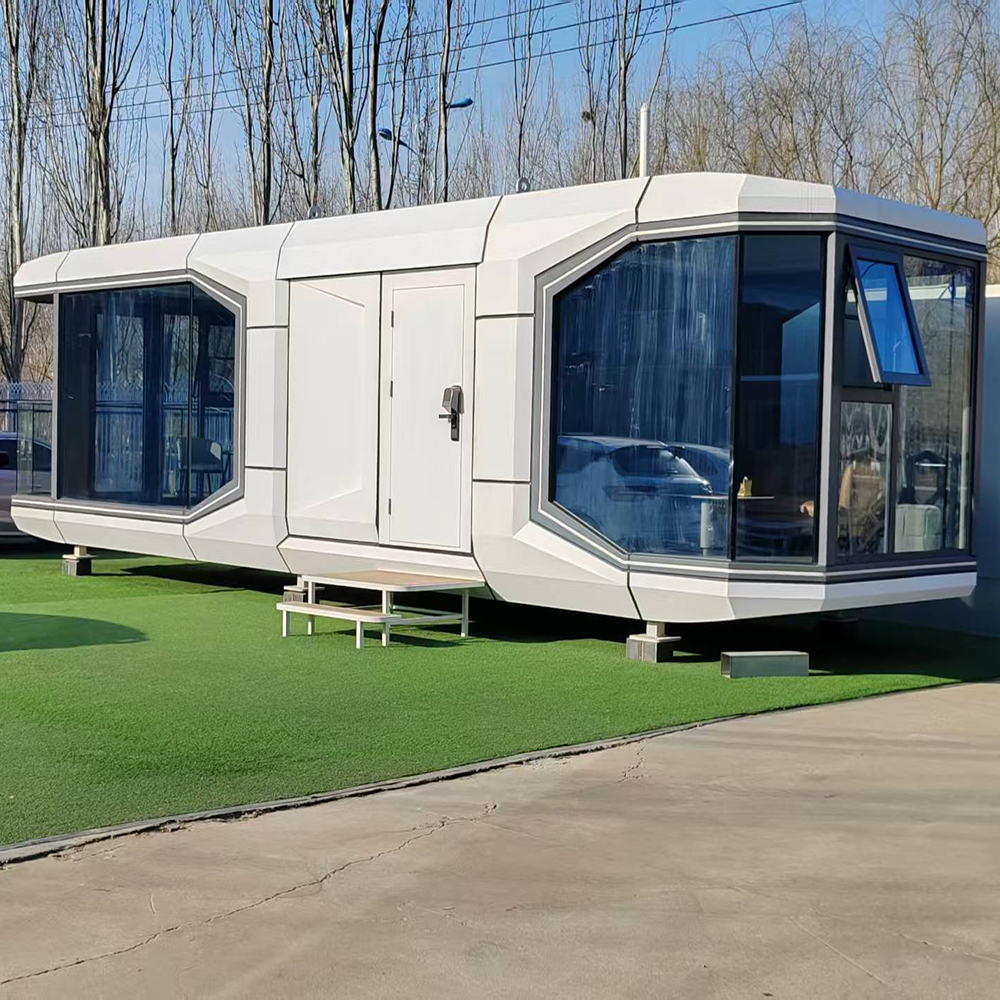 Luxury High Quality 2 Bedroom Container Home Prefabricated Steel Space Capsule for Office Shop Hotel or Outdoor House
 -
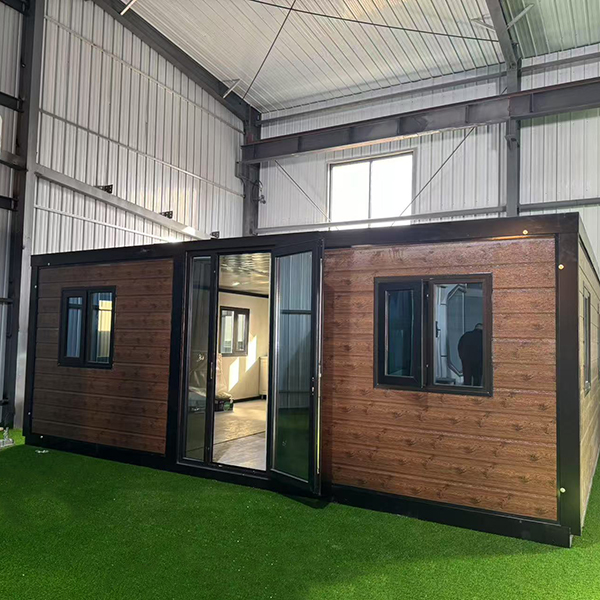 Good Quality Modular Homes Prefabricated House Expandable Container House 20FT Mobile Flat Roof House
 -
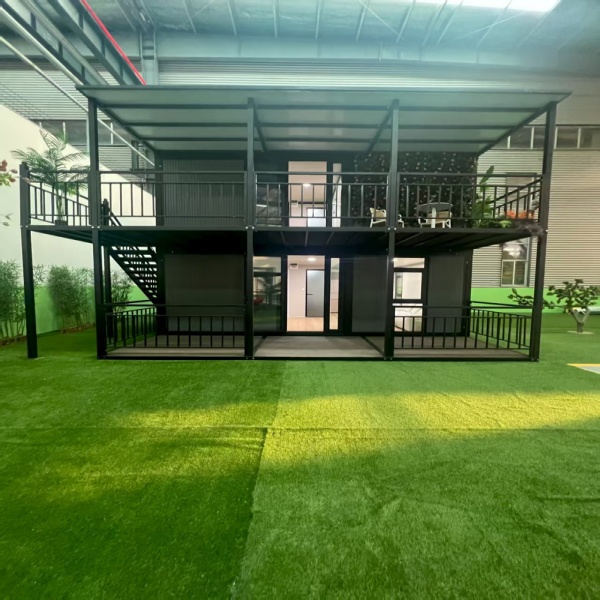 Luxury foldable two-story container houses in luxury resort hotels and villa hotels
 -
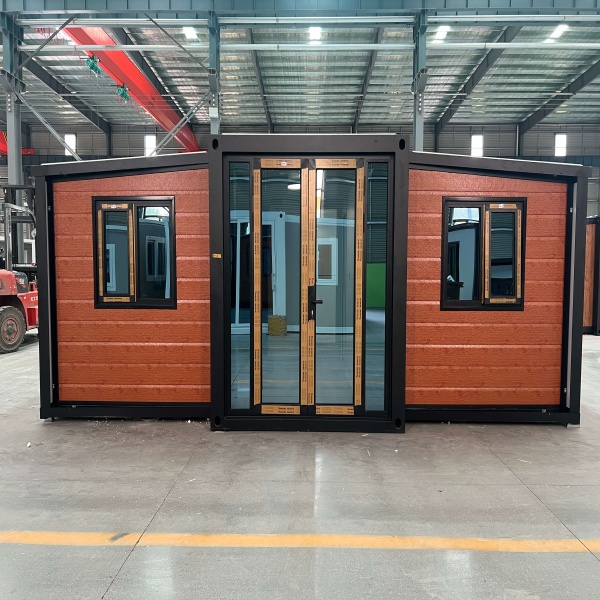 High-quality Double-wing Folding Container House with Doors and Windows, Insulated Walls, Suitable for Various Scenarios.
 -
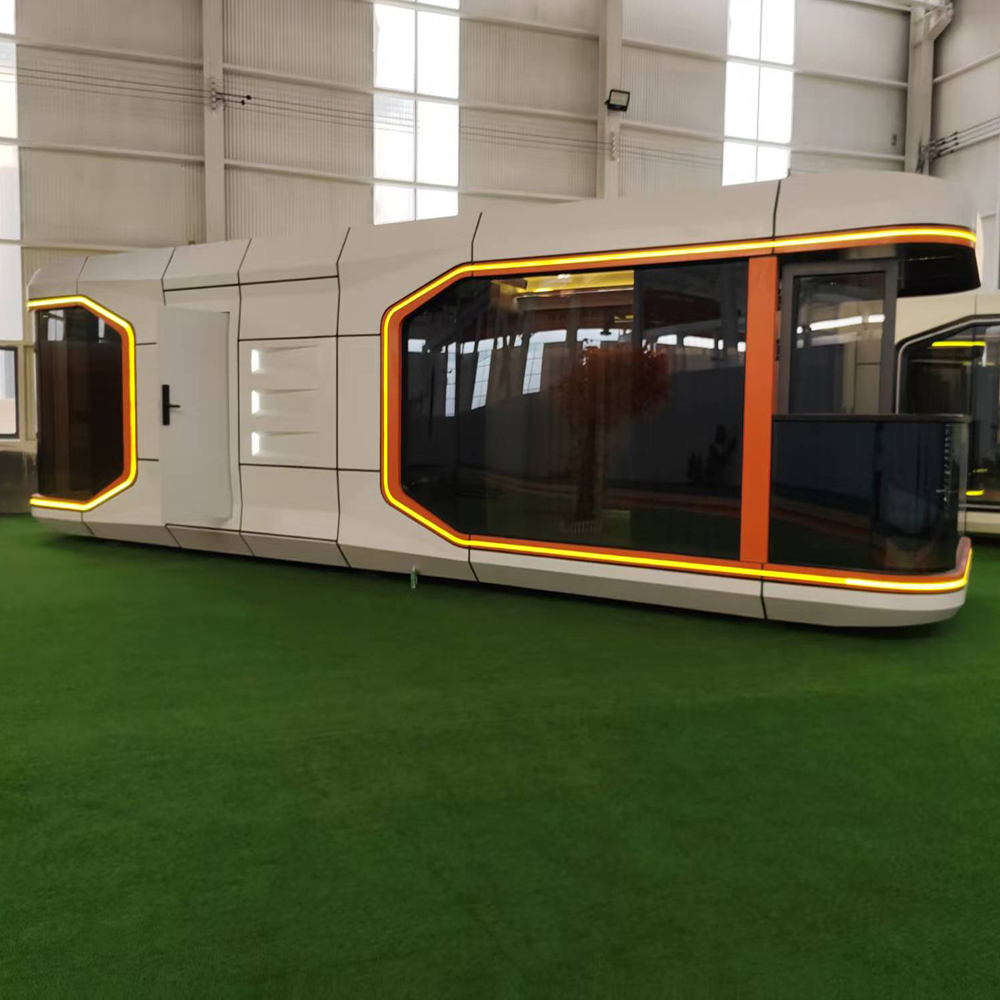 Standard Modern Camping Pod Space Prefabricated Portable Mobile Capsule Room Hotel Bathroom Prefabricated Spaceship House
 -
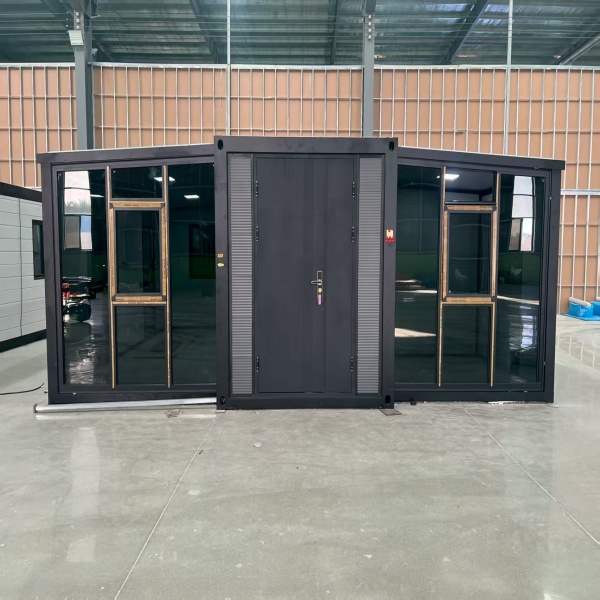 Customizable Office Mobile Home with Flat Roof and Double Wing Expansion Box, Convenient Container
 -
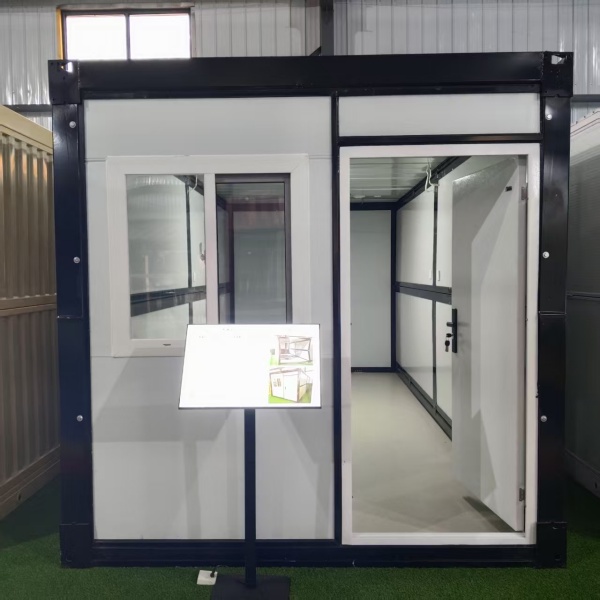 Factory Direct Sales Office Folding Container Luxury House Living Container House
 -
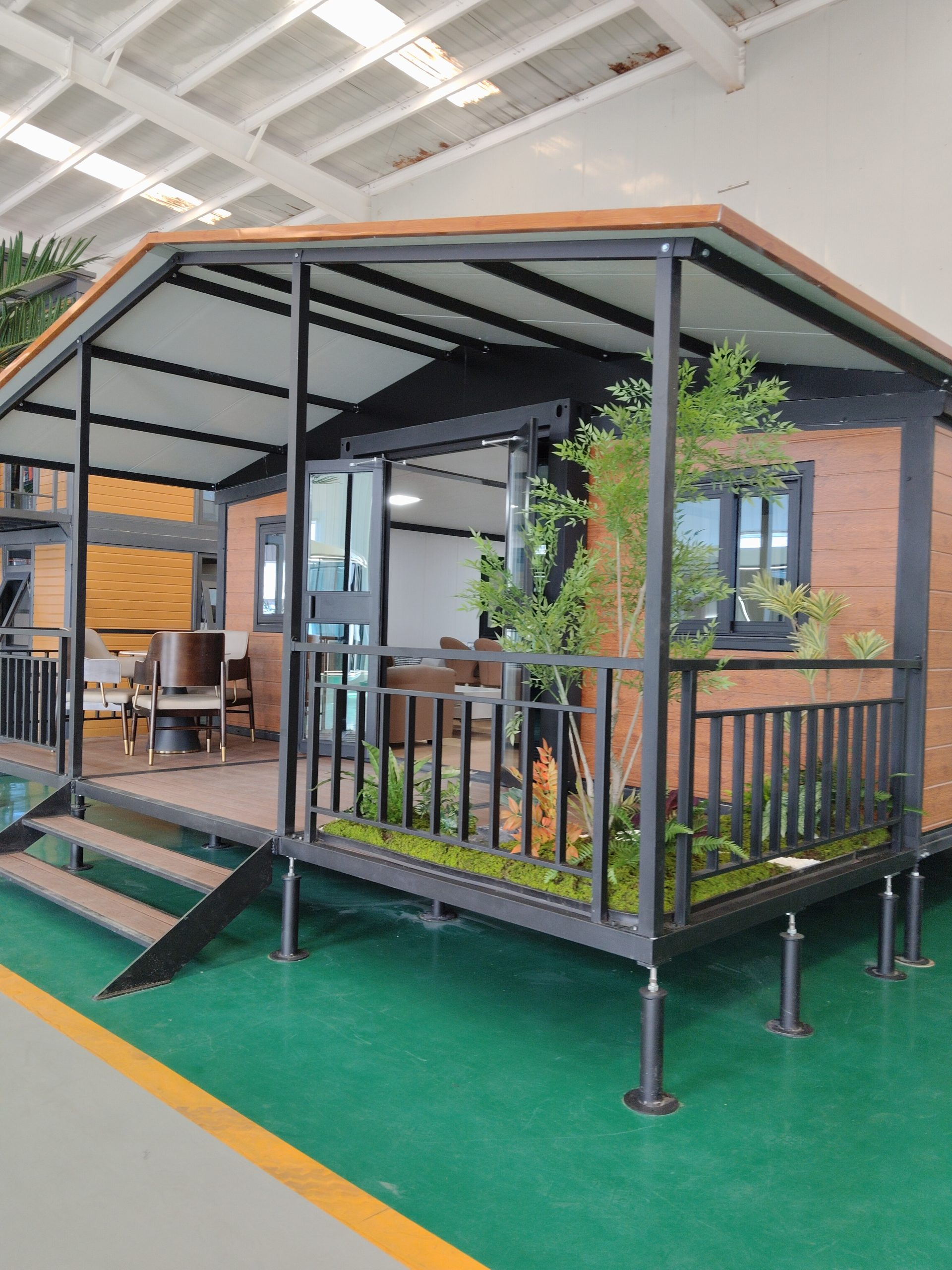 A container house with a terrace and double-wing folding design, suitable for various purposes such as offices, meeting rooms, living rooms, etc.
 -
A container house with a terrace and double-wing folding design, suitable for various purposes such as offices, meeting rooms, living rooms, etc.
-
 Luxury Foldable Two Story Container House for Glamping Resort and Villa Hotel
 -
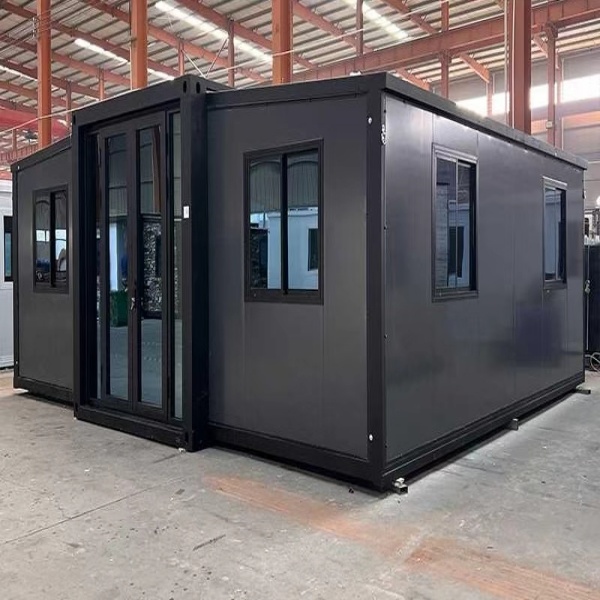 Dual-Wing Folding Container House: Fast Assembly, Space-Saving & Multi-Scene Adaptable
Related search
Related search- China apple valley road cabins
- Buy space capsule villas
- Buy 40ft expandable container house usa
- China pre built shipping container house
- China modular container house prefab tiny home house
- folding house trailer
- Buy fold out mobile homes
- Buy expandable container house with solar energy
- a frame folding house
- China space capsule mobile home