
-
E-mail
Austin120521@outlook.com -
E-mail
sales@jujiuhouse.com -
Telephone
+86-17864099991 -
Telephone
+86-17854044442
- Chinese
- French
- German
- Portuguese
- Spanish
- Russian
- Japanese
- Korean
- Arabic
- Irish
- Greek
- Turkish
- Italian
- Danish
- Romanian
- Indonesian
- Czech
- Afrikaans
- Swedish
- Polish
- Basque
- Catalan
- Esperanto
- Hindi
- Lao
- Albanian
- Amharic
- Armenian
- Azerbaijani
- Belarusian
- Bengali
- Bosnian
- Bulgarian
- Cebuano
- Chichewa
- Corsican
- Croatian
- Dutch
- Estonian
- Filipino
- Finnish
- Frisian
- Galician
- Georgian
- Gujarati
- Haitian
- Hausa
- Hawaiian
- Hebrew
- Hmong
- Hungarian
- Icelandic
- Igbo
- Javanese
- Kannada
- Kazakh
- Khmer
- Kurdish
- Kyrgyz
- Latin
- Latvian
- Lithuanian
- Luxembou..
- Macedonian
- Malagasy
- Malay
- Malayalam
- Maltese
- Maori
- Marathi
- Mongolian
- Burmese
- Nepali
- Norwegian
- Pashto
- Persian
- Punjabi
- Serbian
- Sesotho
- Sinhala
- Slovak
- Slovenian
- Somali
- Samoan
- Scots Gaelic
- Shona
- Sindhi
- Sundanese
- Swahili
- Tajik
- Tamil
- Telugu
- Thai
- Ukrainian
- Urdu
- Uzbek
- Vietnamese
- Welsh
- Xhosa
- Yiddish
- Yoruba
- Zulu
- Kinyarwanda
- Tatar
- Oriya
- Turkmen
- Uyghur




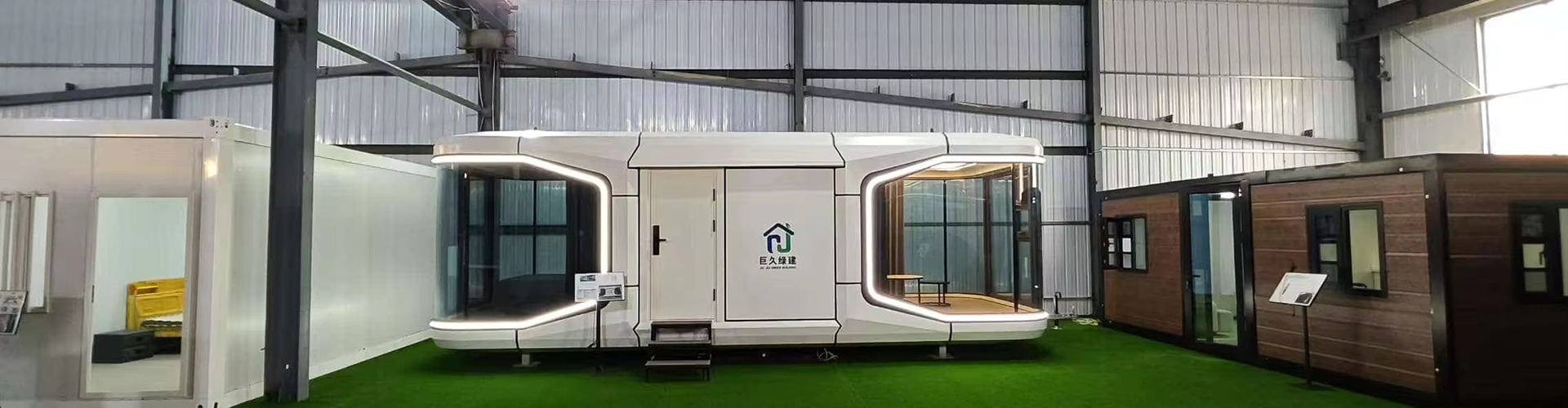
50000 folding house
The Versatile World of the 50000 Folding House
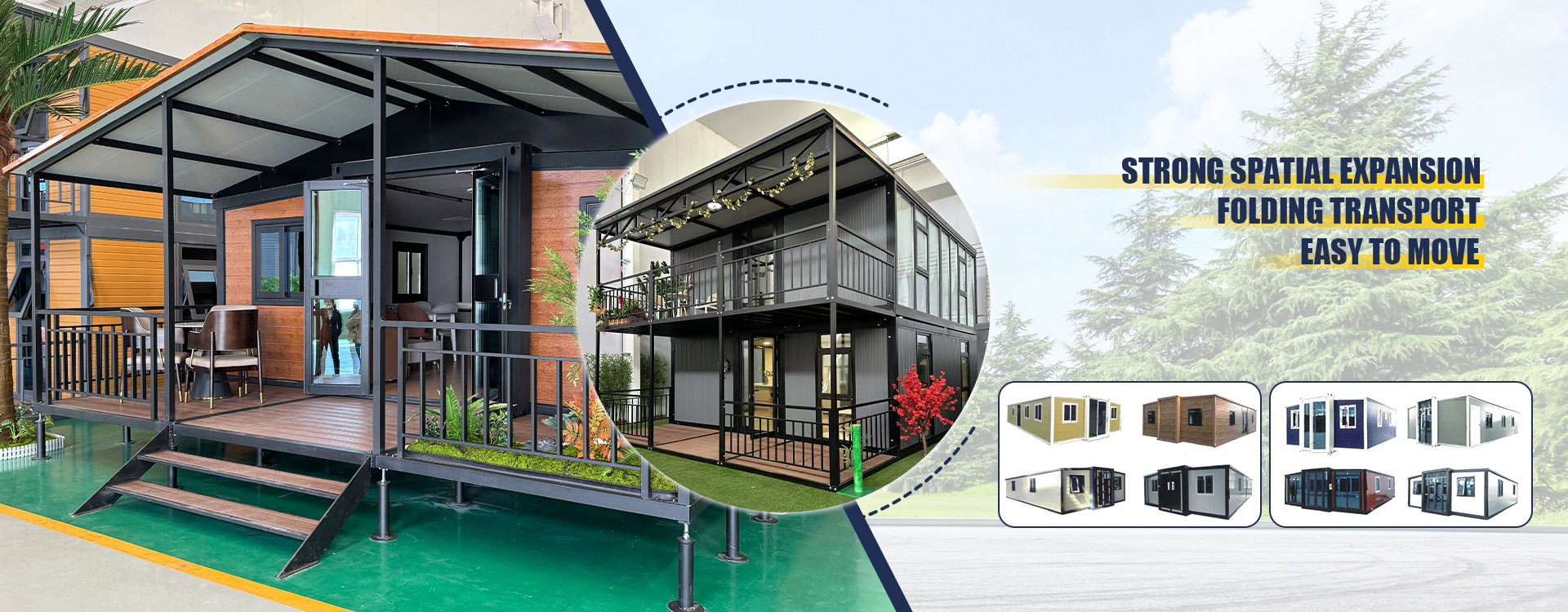
The concept of a 50000 folding house might seem like a novelty to some, but for industry players like Shandong Jujiu Integrated Housing Co., Ltd., it’s a groundbreaking move in modern living solutions. These houses promise flexibility and ease of installation, but are they the future of housing, or just a temporary fad?
Understanding the Folding House
When we talk about a folding house, we're essentially discussing a structure that can be transported easily due to its ability to collapse into a compact form. Now, think of these as not merely mobile homes, but as viable options for permanent residency. Companies like Shandong Jujiu (visit us at our website) are pioneering in integrating aesthetics with functionality.
The potential here is enormous—imagine speeding up construction times while cutting down on labor costs. A well-designed folding house can meet these needs and more. Yet, there’s a bit of skepticism in terms of durability and long-term viability. I've seen projects where the promise of rapid deployment faced hurdles due to unforeseen regulation issues.
But, let’s not forget the unexpected success stories. A colleague of mine worked on a project by Jujiu with folding homes used as remote healthcare units, and they were set up in half the time expected, proving the efficiency of design and material use.
From Design to Implementation
The design aspect is crucial. Shandong Jujiu focuses a great deal on the R&D phase, ensuring that each folding house meets stringent standards. It’s not merely about folding mechanisms—think about insulation, acoustics, and weather resilience. At first glance, these might seem like traditional concerns, but they carry even more weight in flexible housing solutions.
For instance, a project I consulted required thorough testing under various climate conditions, revealing fascinating insights into material performance. Folding houses must adapt quickly, retaining their integrity across multiple openings and closings.
Even an optimized design can falter if implementation isn’t handled correctly. Delivery logistics, site preparation, and assembly are non-trivial challenges that shouldn't be underestimated. Jujiu’s comprehensive approach, which includes installation, underscores the importance of holistic service offerings in this niche.
The Economic Edge
Cost efficiency is a huge selling point. The allure of a 50000 folding house isn’t just its innovative design but also its competitive pricing. Traditional building methods can be time-consuming and expensive, and not everyone has the luxury to wait or overspend.
I've seen firsthand how these houses can drastically cut setup costs. A client project, utilizing Jujiu’s housing for temporary worker accommodations, saved about 30% compared to standard construction. Such savings are hard to ignore, particularly in budget-conscious sectors.
However, hidden costs can emerge if one is not cautious. Maintenance, repair of folding mechanisms over time, and ensuring proper warranty coverage are aspects that need clear communication between provider and consumer. Transparency here is key to avoiding future disputes.
Sustainability Factors
In the age of environmental consciousness, sustainability is more than a checkbox—it's paramount. Folding houses inherently promise lower footprints due to reduced material use and quicker setup times, yet actual impact depends on the specifics.
Shandong Jujiu emphasizes eco-friendly designs, integrating solar panels and rainwater collection systems into their setups. These additions enhance the green appeal but require upfront planning with clients. Thus, I always advise stakeholders to integrate these features early in the design phase.
On a recent project visit, I witnessed how one community significantly cut energy costs by implementing Jujiu’s preconfigured solar arrays. It’s proof that when done right, folding houses can not only blend in but positively impact their surroundings.
Challenges and Future Prospects
No discussion on folding houses is complete without acknowledging the obstacles. Market acceptance, especially in regions accustomed to traditional housing, is one hurdle. People distrust what they perceive as temporary or less sturdy.
But change is coming. Standards are evolving, and with companies like Jujiu at the forefront, there's hope for broader acceptance. The future isn’t just about initial curiosity; it’s about meeting true housing needs efficiently and sustainably. Companies are tailoring solutions to specific needs, which is crucial for broader adoption.
So, while skepticism remains, the chance for folding houses to become viable long-term housing solutions grows daily. As an industry practitioner, my advice is clear: stay informed, select solid partners like Jujiu, and be prepared to adapt as the technology and its applications evolve.
Related products
Related products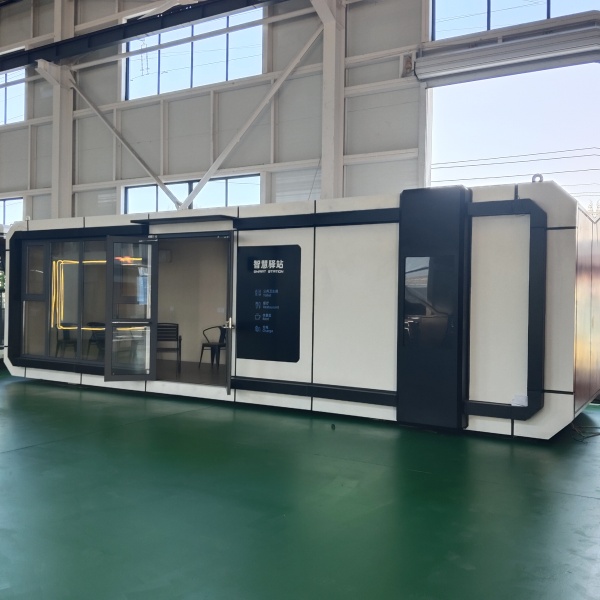
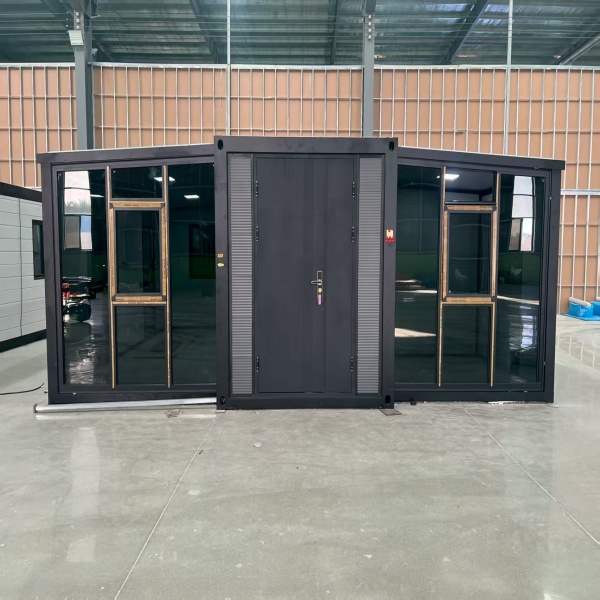
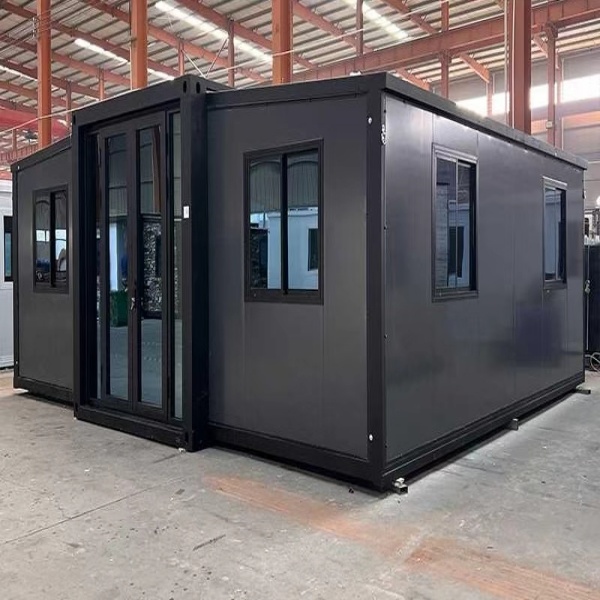
Best selling products
Best selling products-
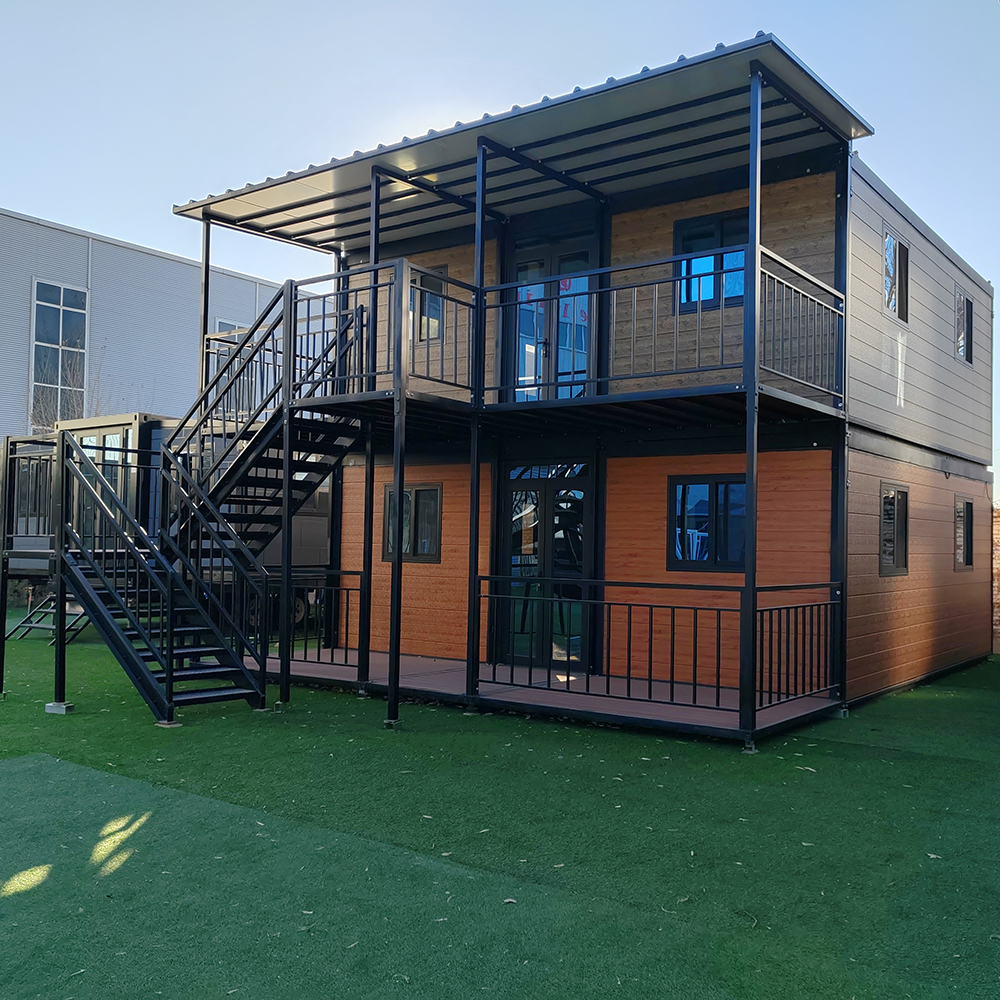
 Luxury Foldable Two Story Container House for Glamping Resort and Villa Hotel
 -
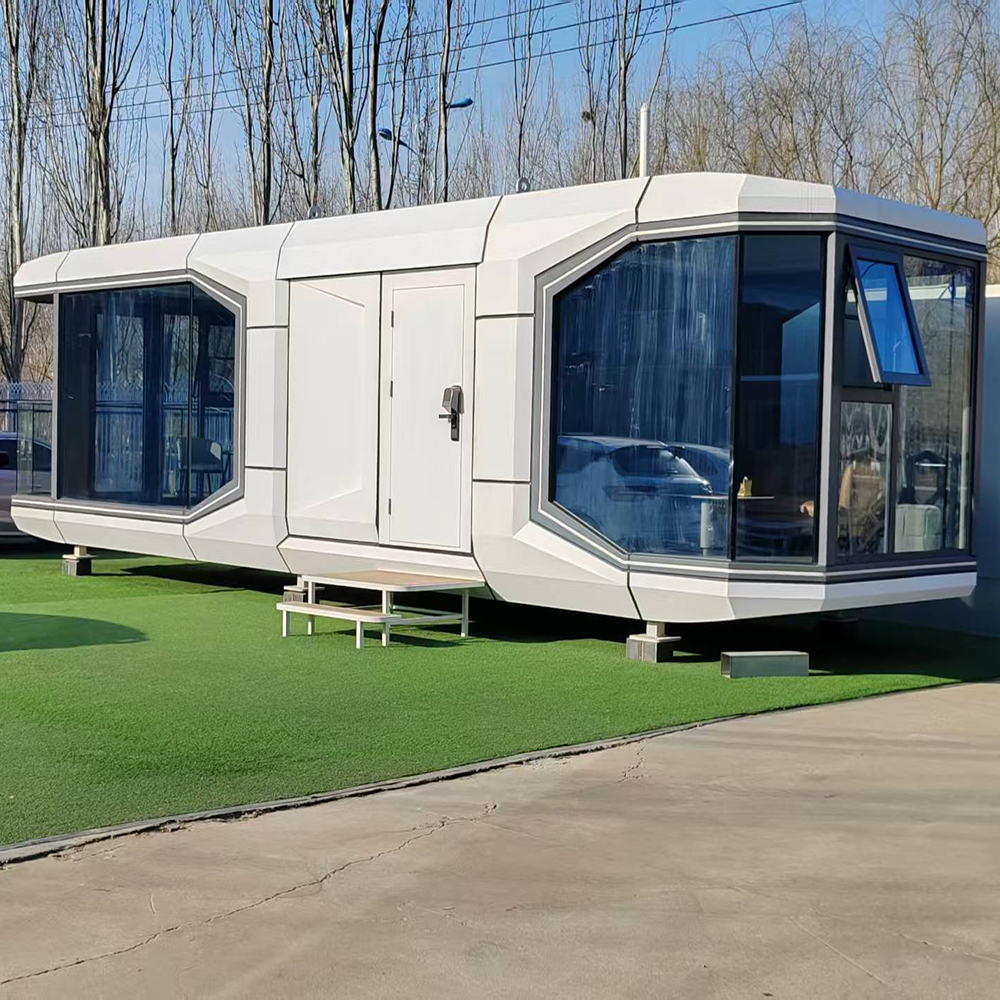 Luxury High Quality 2 Bedroom Container Home Prefabricated Steel Space Capsule for Office Shop Hotel or Outdoor House
 -
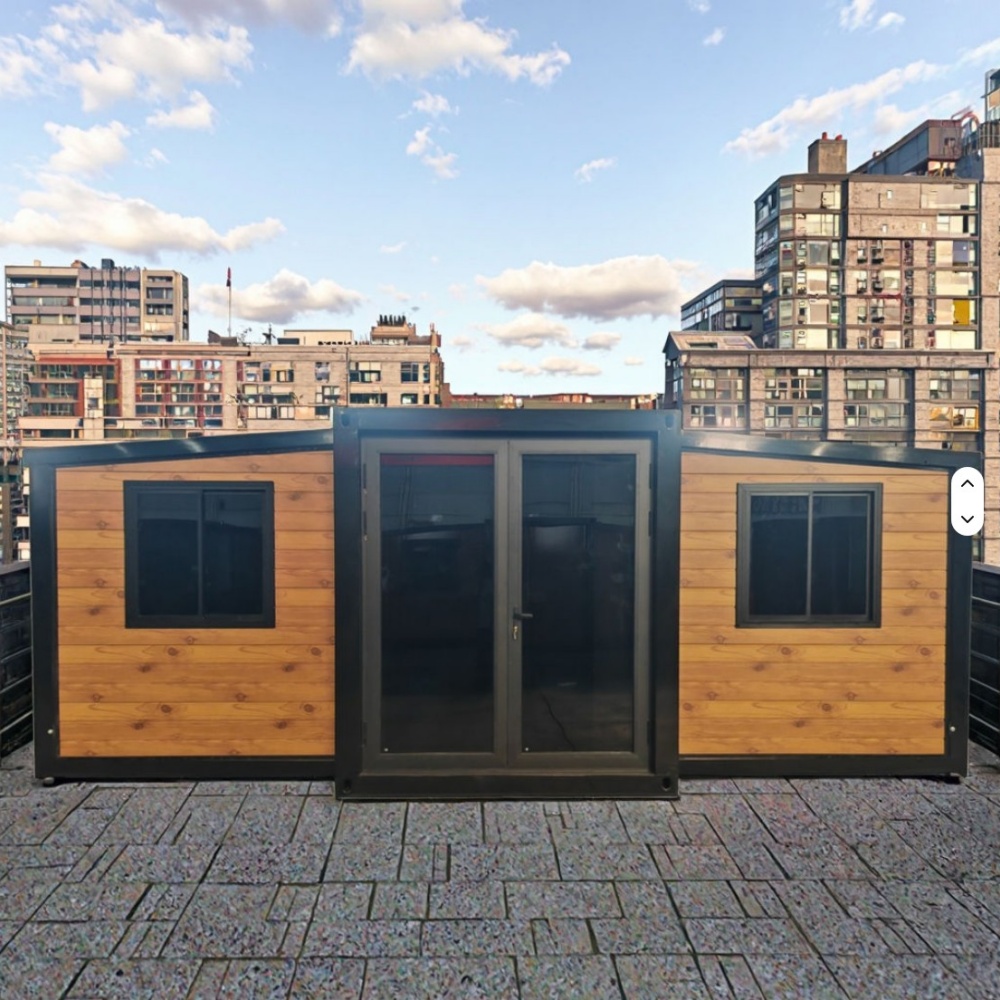 Customized Two Wing Folding Expandable Container House
 -
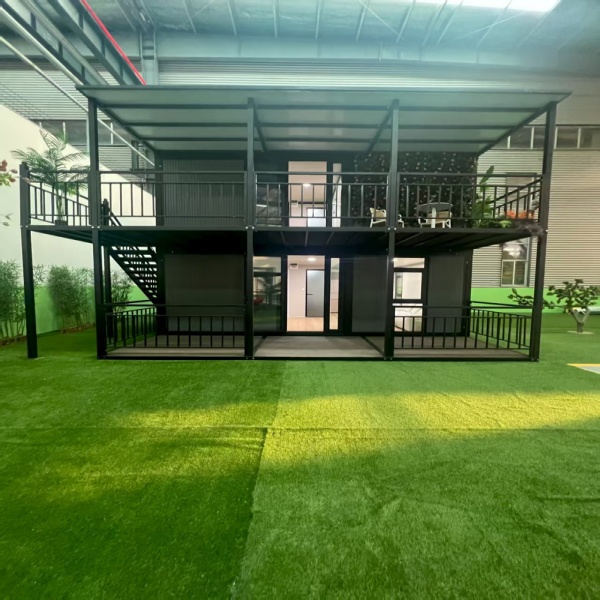 Luxury foldable two-story container houses in luxury resort hotels and villa hotels
 -
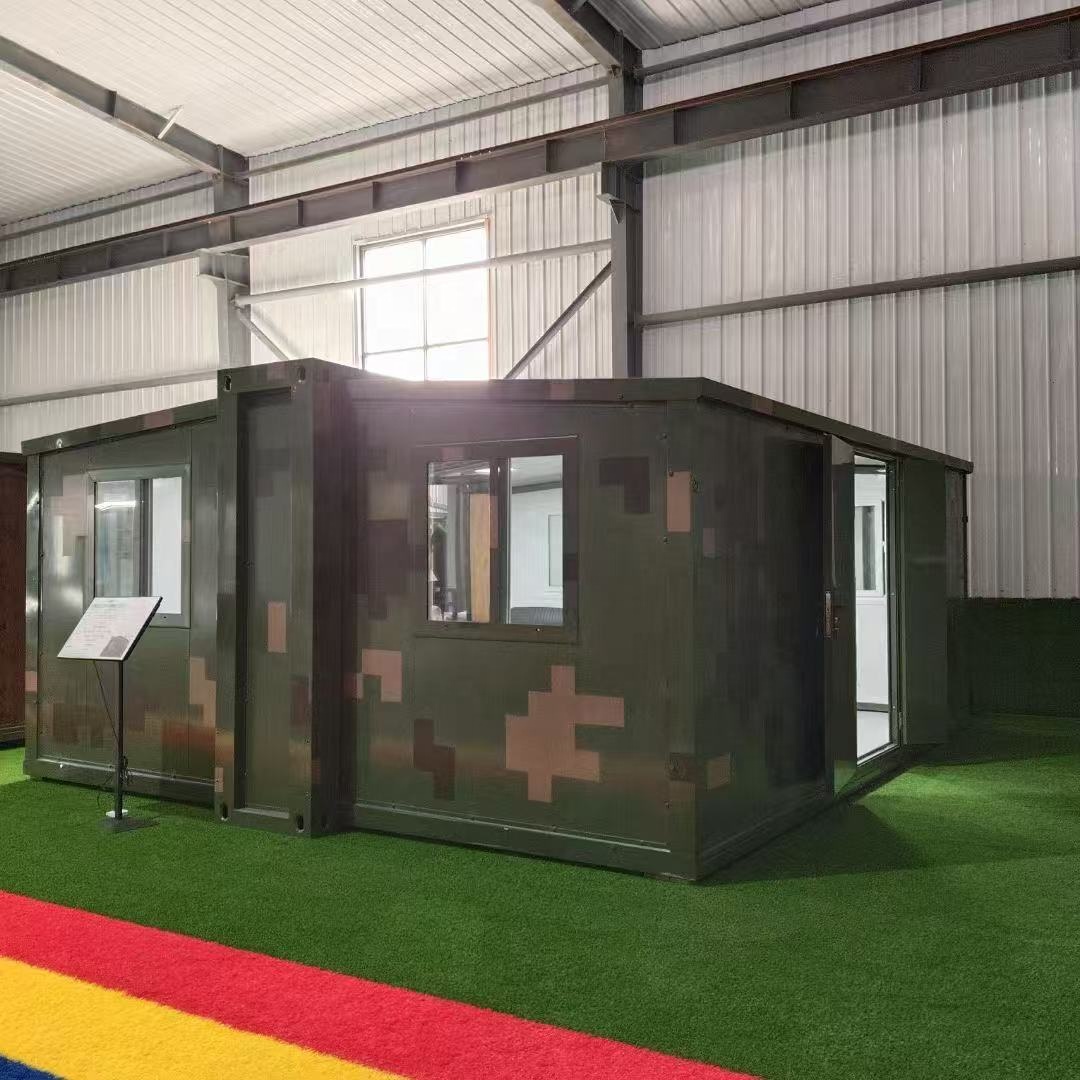 Movable Prefabricated Container House Villas Modular Portable Homes 1 Bedroom Container House Offices Apartments
 -
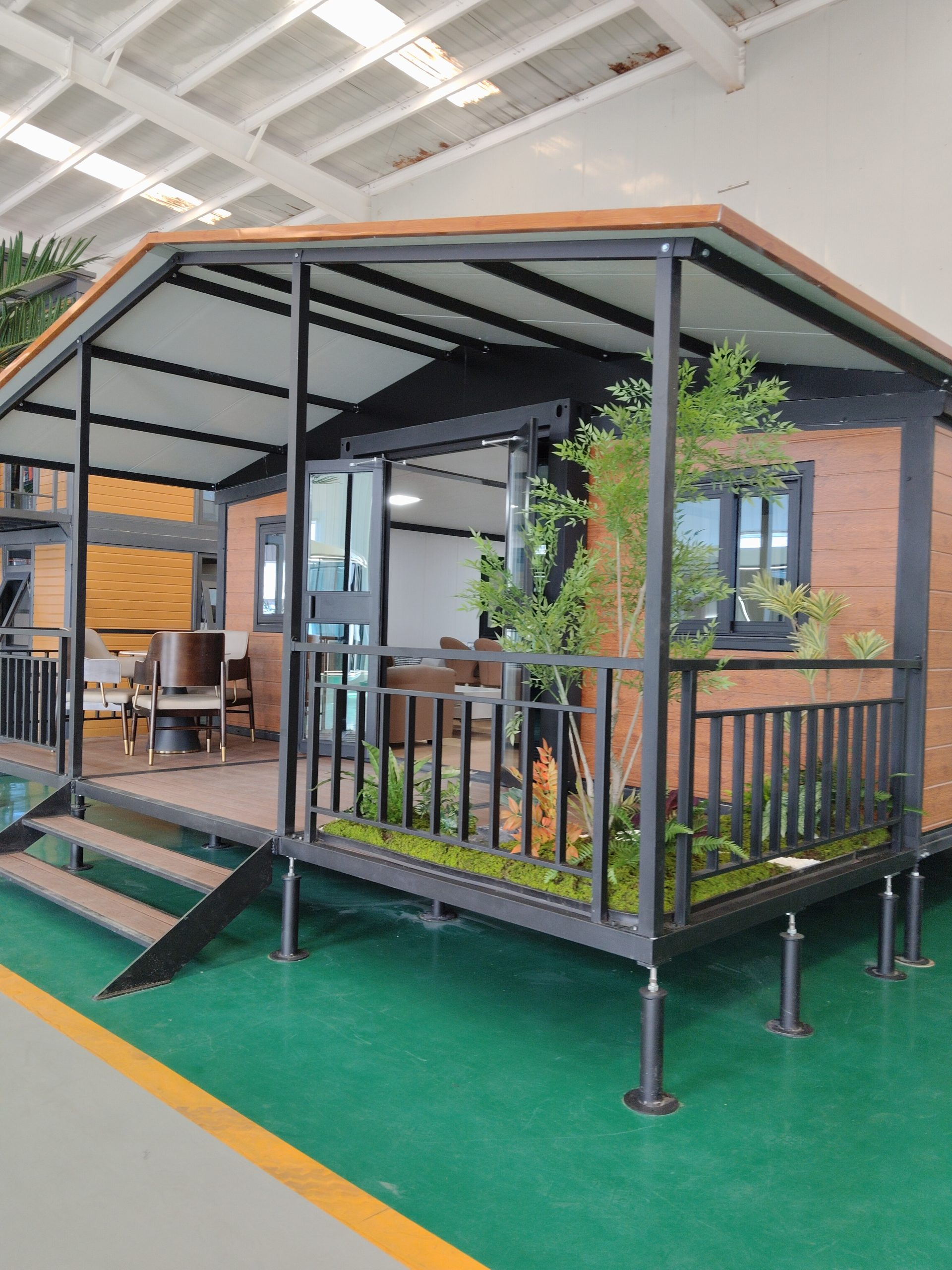 A container house with a terrace and double-wing folding design, suitable for various purposes such as offices, meeting rooms, living rooms, etc.
 -
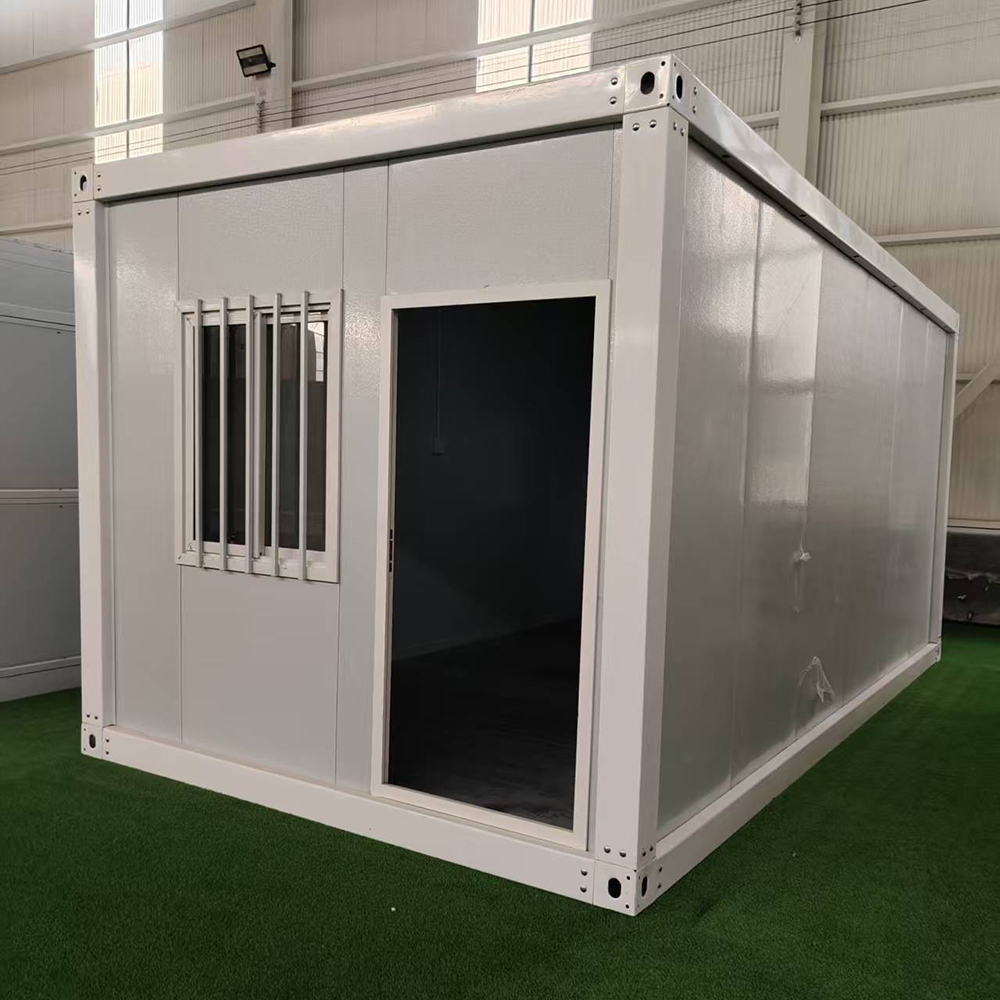 Folding Container Moving House Modular Office Container House Prefab Container for Outdoor Use
 -
Two Wing Folding Expandable Container House
-
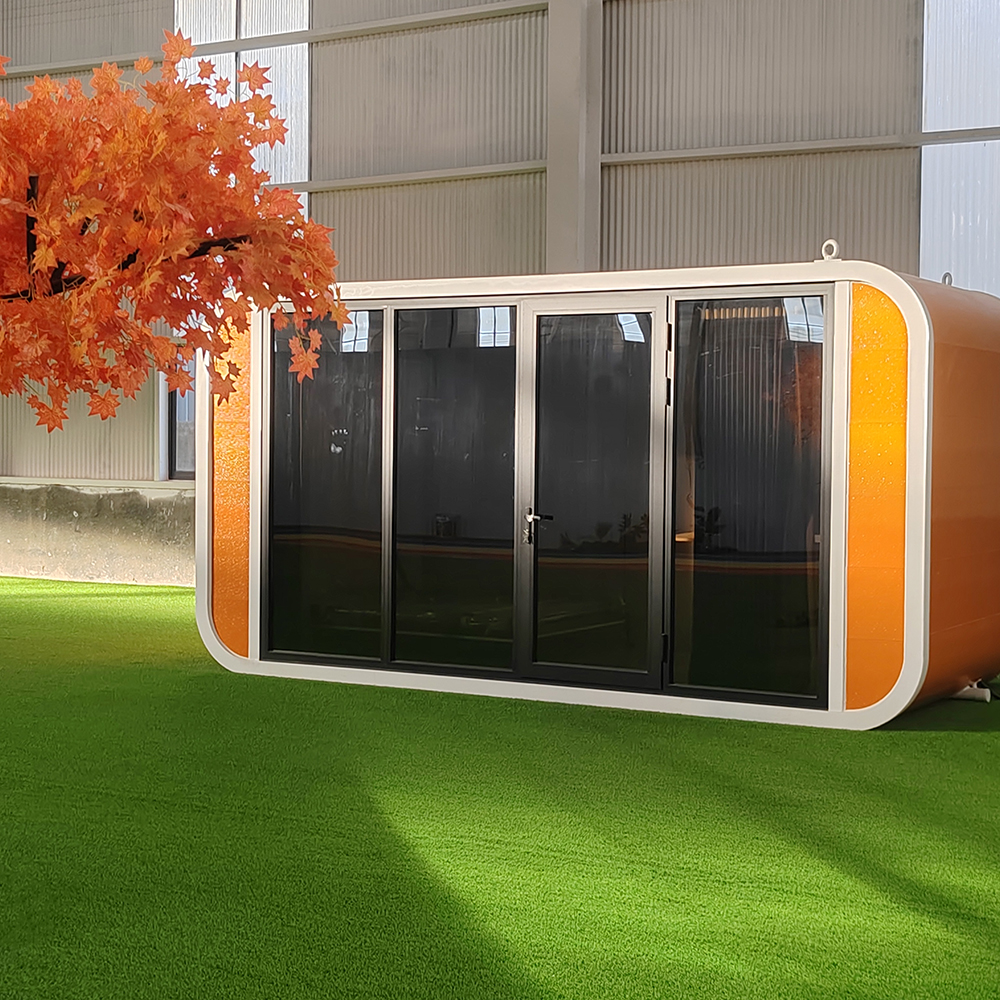 Luxury Prefabricated Living Container House Modular Glass Tiny House Prefab Container Home Apple Cabin
 -
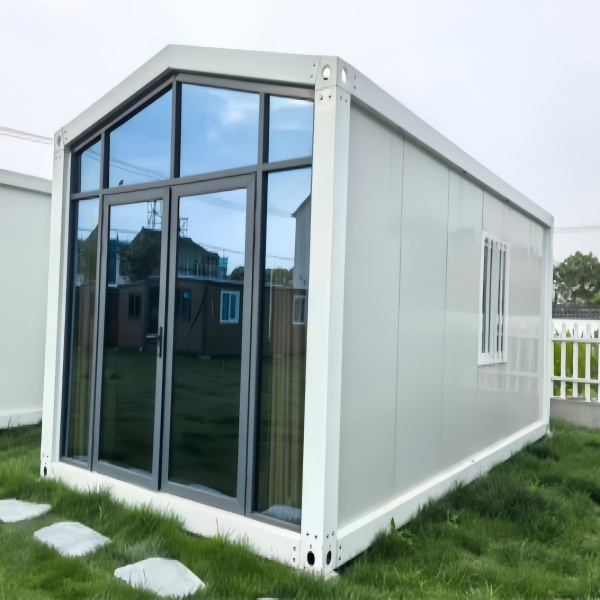 Waterproof folding container house – mobile accommodation for campsites/scenic spots
 -
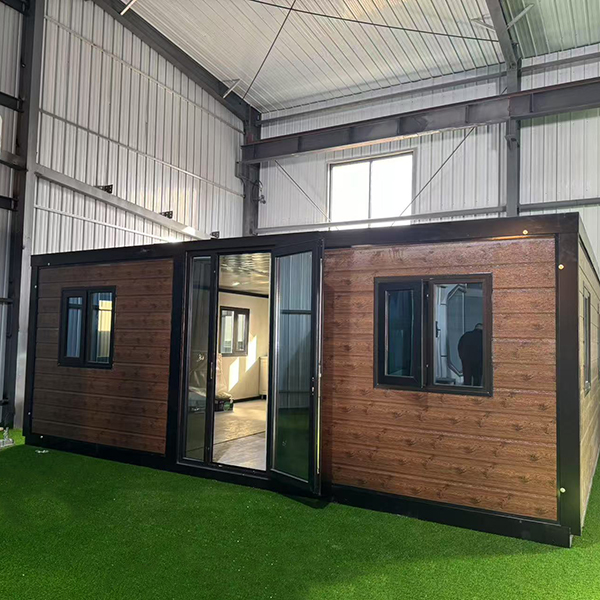 Good Quality Modular Homes Prefabricated House Expandable Container House 20FT Mobile Flat Roof House
 -
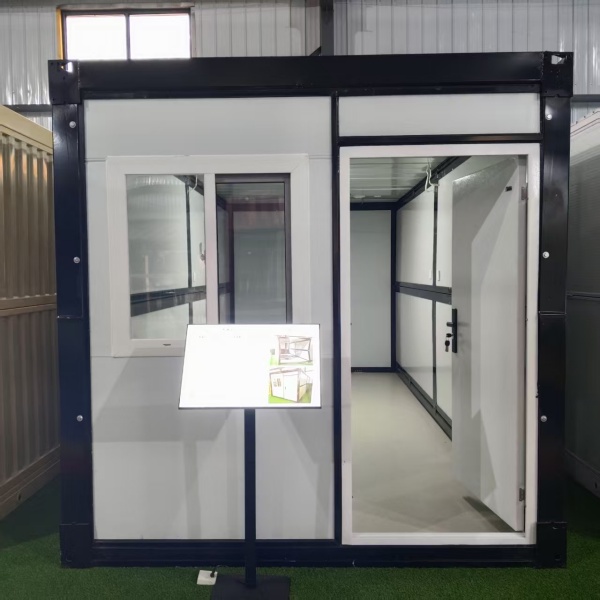 Hot-selling foldable container houses, expandable prefabricated houses, suitable for office or living use, with fast delivery.
Related search
Related search- Buy movable space capsule homes
- apple cabin modular house
- Buy foldable container house price
- portable fold out houses
- Buy 20ft expandable container house
- portable folding houses
- expandable prefab mobile house prefab home 19x20ft mobile home
- bastone mobile expandable prefab house 19ft x 20ft
- expandable prefab container house
- prefabricated containers house 20ft