
-
E-mail
Austin120521@outlook.com -
E-mail
sales@jujiuhouse.com -
Telephone
+86-17864099991 -
Telephone
+86-17854044442
- Chinese
- French
- German
- Portuguese
- Spanish
- Russian
- Japanese
- Korean
- Arabic
- Irish
- Greek
- Turkish
- Italian
- Danish
- Romanian
- Indonesian
- Czech
- Afrikaans
- Swedish
- Polish
- Basque
- Catalan
- Esperanto
- Hindi
- Lao
- Albanian
- Amharic
- Armenian
- Azerbaijani
- Belarusian
- Bengali
- Bosnian
- Bulgarian
- Cebuano
- Chichewa
- Corsican
- Croatian
- Dutch
- Estonian
- Filipino
- Finnish
- Frisian
- Galician
- Georgian
- Gujarati
- Haitian
- Hausa
- Hawaiian
- Hebrew
- Hmong
- Hungarian
- Icelandic
- Igbo
- Javanese
- Kannada
- Kazakh
- Khmer
- Kurdish
- Kyrgyz
- Latin
- Latvian
- Lithuanian
- Luxembou..
- Macedonian
- Malagasy
- Malay
- Malayalam
- Maltese
- Maori
- Marathi
- Mongolian
- Burmese
- Nepali
- Norwegian
- Pashto
- Persian
- Punjabi
- Serbian
- Sesotho
- Sinhala
- Slovak
- Slovenian
- Somali
- Samoan
- Scots Gaelic
- Shona
- Sindhi
- Sundanese
- Swahili
- Tajik
- Tamil
- Telugu
- Thai
- Ukrainian
- Urdu
- Uzbek
- Vietnamese
- Welsh
- Xhosa
- Yiddish
- Yoruba
- Zulu
- Kinyarwanda
- Tatar
- Oriya
- Turkmen
- Uyghur




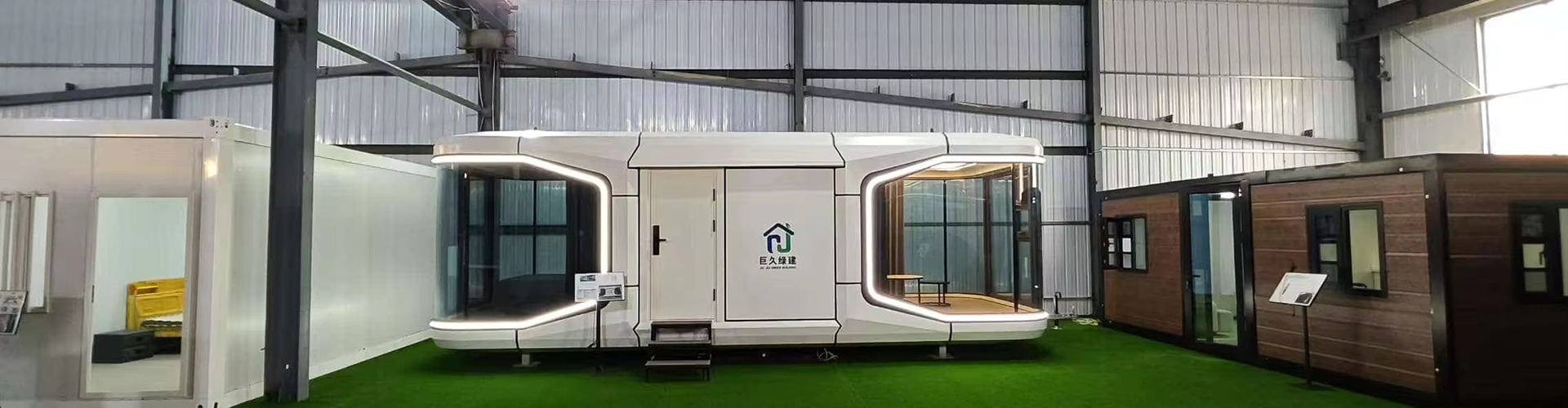
apple cabin prefabricated home
The Allure and Challenge of Apple Cabin Prefabricated Homes
Prefabricated homes like the apple cabin offer a blend of rustic charm and modern efficiency, but the journey from concept to reality isn't always straightforward. It's easy to get lost in the romantic notion of prefab cabins, only to find yourself tangled in practical complications.
Understanding the Appeal
There's something undeniably attractive about the idea of a prefabricated home nestled amidst nature, akin to an apple cabin. It promises simplicity, swift construction, and cost-effectiveness. But having overseen a few projects myself, I can tell you that the allure is often juxtaposed with unexpected hurdles, especially around design flexibility and local compliance issues.
Many who aspire to own a prefab cabin dream of a wooded retreat. This dream, while enchanting, can lead to oversight of vital factors such as land preparation and utilities. I once worked with a client who had to reconsider their entire infrastructure setup when the remote location of their dream site revealed itself as both a logistical and budgetary nightmare.
Shandong Jujiu Integrated Housing Co., Ltd. has made strides in this field with their versatile prefab solutions. They integrate design and production seamlessly; however, knowing what suits your landscape and needs is crucial. Visiting their site, jujiuhouse.com, can be a good start, but coupling that with on-site visits and expert consultation remains key.
Design Considerations
The design stage is where creativity meets reality, and often, compromises are inevitable. Prefabricated elements must align with your vision yet conform to manufacturing and site-specific constraints. I've seen projects where initial excitement over exquisite designs quickly dulled as the limitations of prefab customization became apparent.
Standardization is a double-edged sword. What makes prefab homes affordable can limit personalization. I recall a project with high customization needs—elements that looked simple on paper multiplied costs and extended timelines beyond initial estimates, bringing home the lesson that balance is essential.
Here’s a practical tip: prioritize what truly matters to your living experience. If you're working with a company like Shandong Jujiu, take advantage of their expertise in modular design to navigate these choices wisely.
The Installation Intricacies
Installation might seem like a mere formality following production, but its complexity should not be underestimated. Site accessibility, foundation preparation, and weather conditions all play critical roles. I was once caught in an unexpected storm that delayed foundation laying for weeks, teaching me to allow generous time buffers.
The beauty of prefab homes lies in their promise of swift setup. However, this efficiency can be marred by logistical mishaps. For instance, transport was a major headache on a project where narrow rural roads did not align with delivery expectations. Such challenges drive home the importance of thorough planning.
Using experienced companies like Shandong Jujiu, who are well-versed in managing these obstacles, can mitigate many risks. But, retaining an adaptable mindset and being ready for on-site adjustments remain invaluable practices.
Integrating Sustainable Solutions
With increasing emphasis on sustainability, prefab homes offer a unique opportunity to incorporate eco-friendly practices right from the design phase. Whether it’s solar panels or rainwater harvesting, planning these systems early can yield significant long-term benefits.
I remember working on an apple cabin concept where solar integration was a central feature. The pre-planned approach allowed seamless incorporation, drastically reducing energy costs post-installation. The lesson was clear: the earlier these elements are integrated into the design, the smoother the overall process.
Check companies like Shandong Jujiu for their commitment to incorporating sustainable practices within their prefab solutions. Leveraging their industrial expertise, especially in steel and light constructions, can play a vital role in achieving eco-friendly goals.
The Reality of Costs and Expectations
The perception that prefab automatically translates to cheaper isn’t always accurate. Cost overruns can arise from many unexpected sides—design complexities, land preparation, or even permits. Actual budgeting needs to accommodate these realities.
One project I led taught this lesson harshly. Initial estimates did not cover utility hookups and landscaping, resulting in out-of-pocket expenses that clients rarely anticipate. Transparency and detailed scrutiny of agreements with suppliers and constructors like Shandong Jujiu Reduced such burdens eventually.
Engaging with the right partners becomes crucial—not just for their capability in delivering a structure but for their advice in navigating financial landscapes efficiently. Understanding these dynamics ensures your prefab home dream doesn’t spiral into an unmanageable financial venture.
Related products
Related products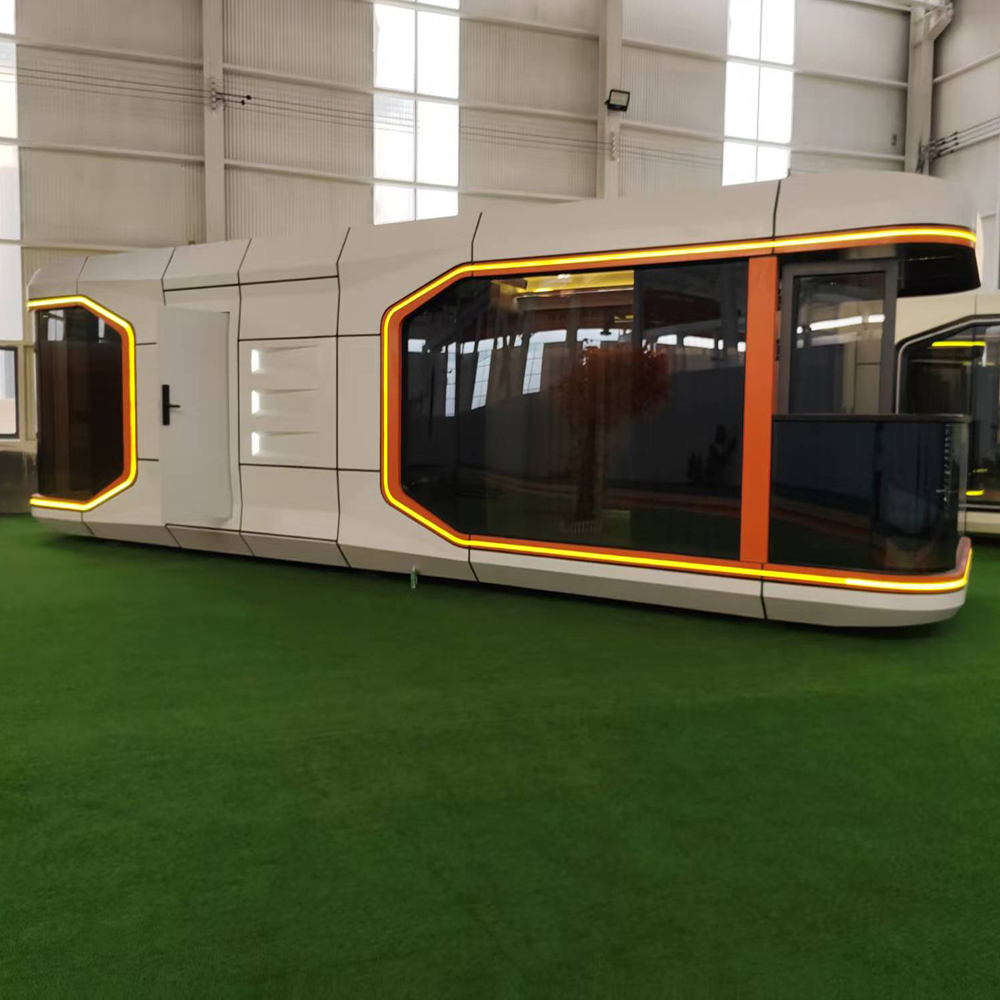
Best selling products
Best selling products-
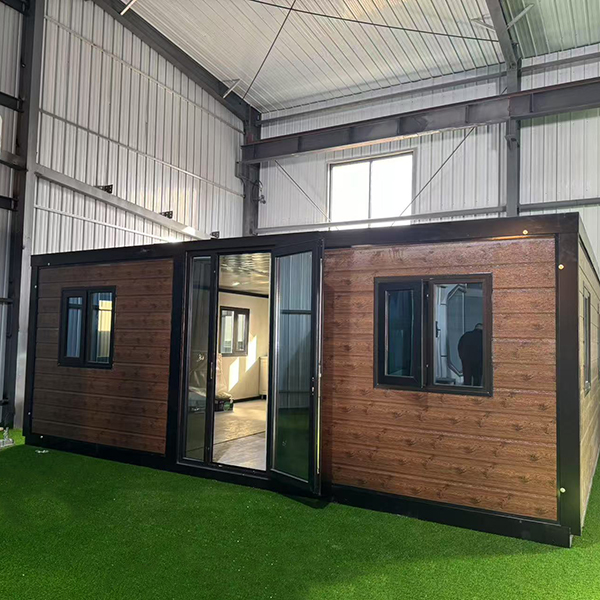 Good Quality Modular Homes Prefabricated House Expandable Container House 20FT Mobile Flat Roof House
 -
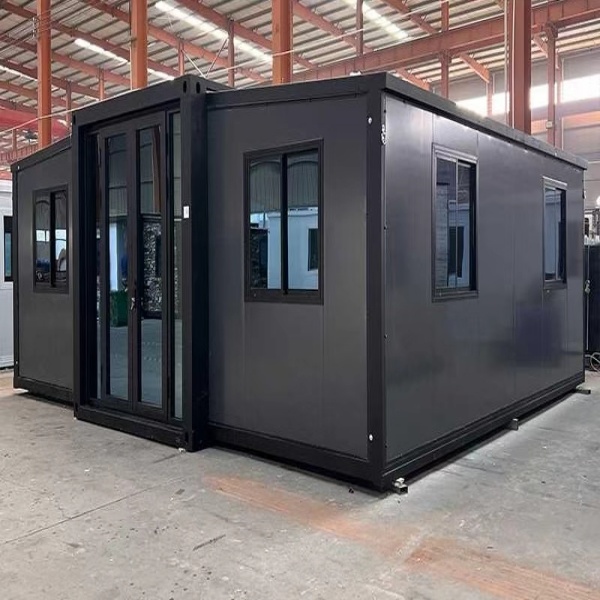 Dual-Wing Folding Container House: Fast Assembly, Space-Saving & Multi-Scene Adaptable
 -
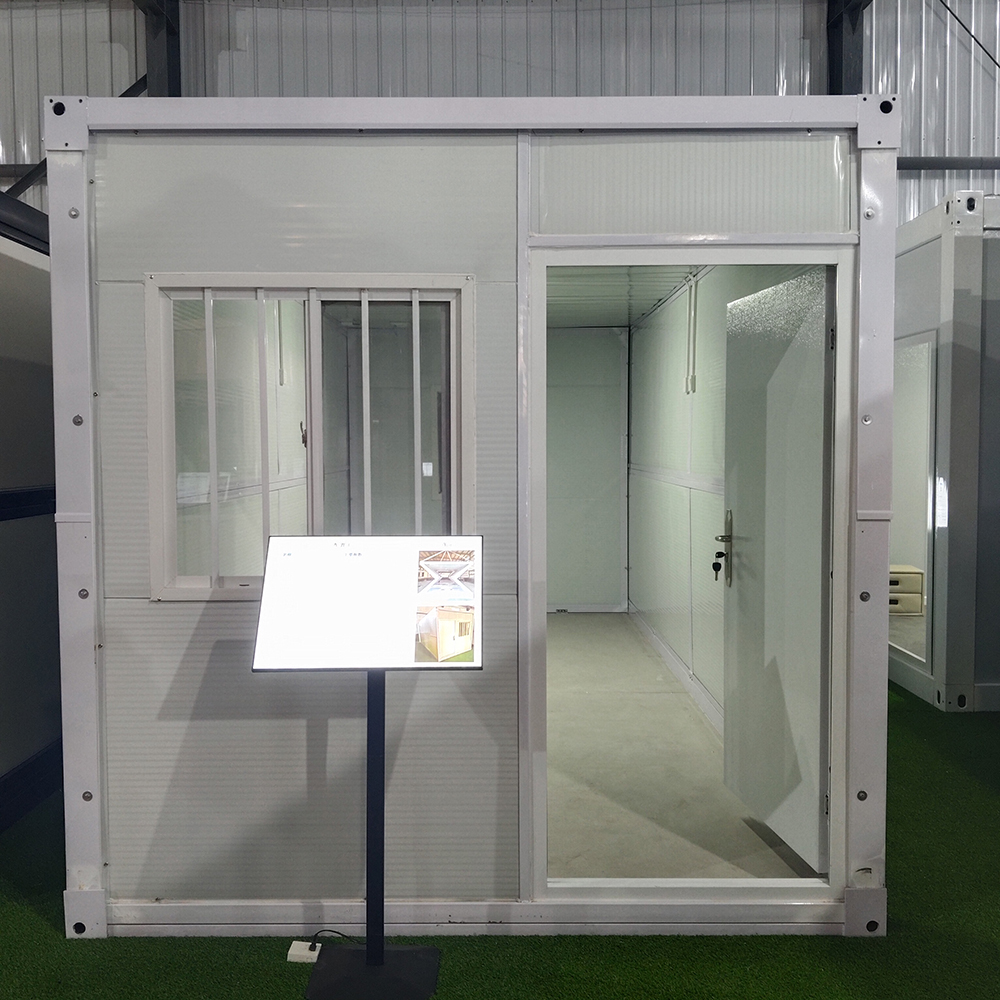 Reasonable Price 1 Bedroom Modular Container House Folding Container Home for Villa or Apartment Use
 -
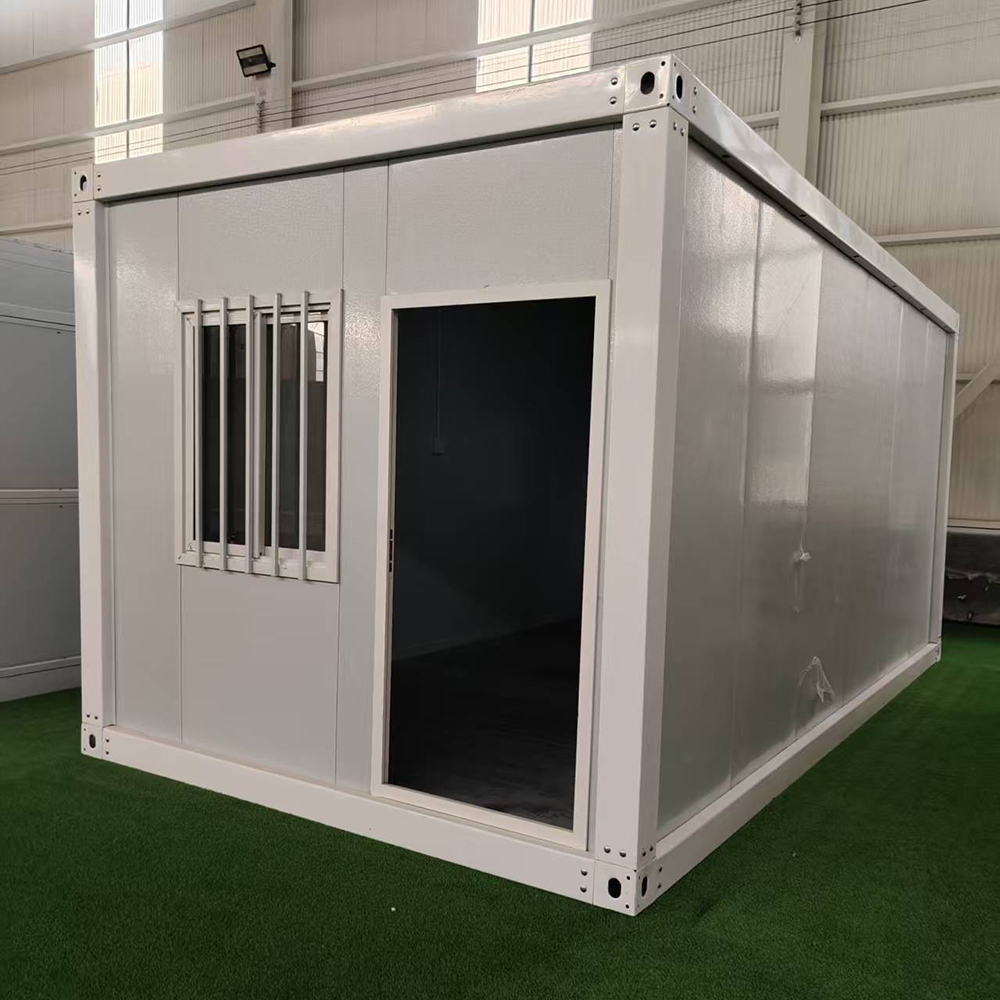 Folding Container Moving House Modular Office Container House Prefab Container for Outdoor Use
 -
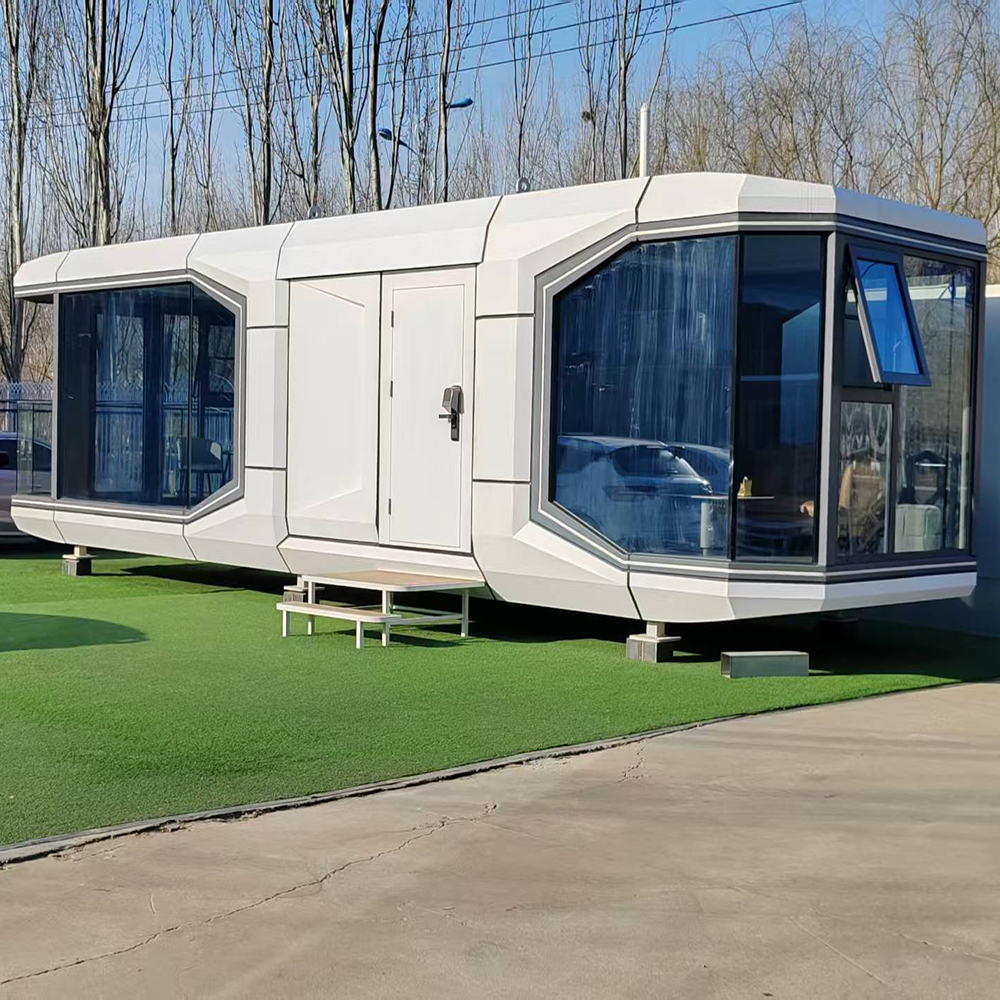 Luxury High Quality 2 Bedroom Container Home Prefabricated Steel Space Capsule for Office Shop Hotel or Outdoor House
 -
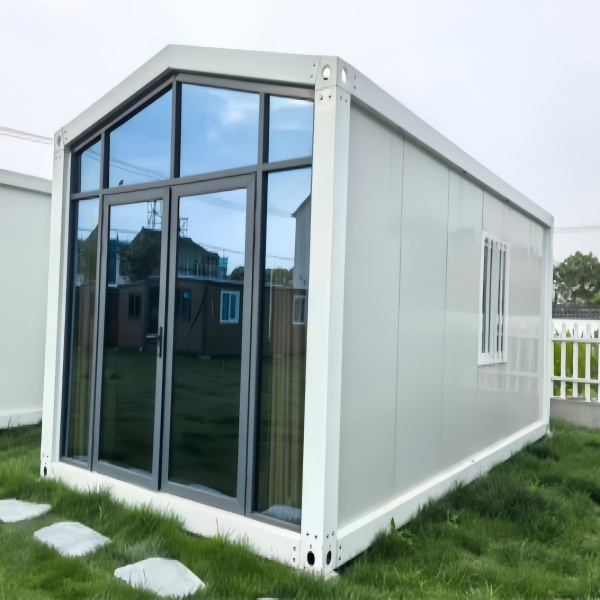 Waterproof folding container house – mobile accommodation for campsites/scenic spots
 -
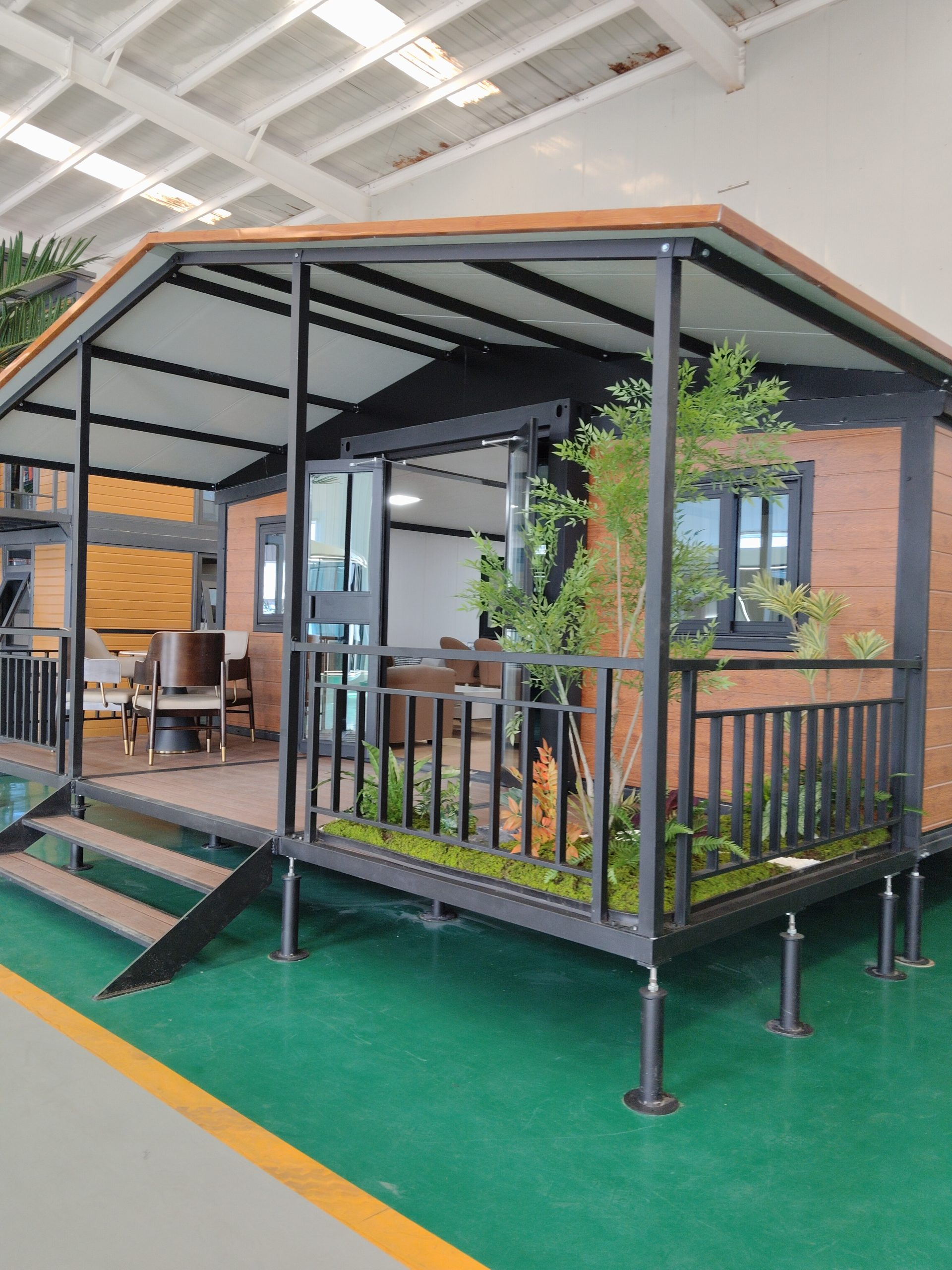 A container house with a terrace and double-wing folding design, suitable for various purposes such as offices, meeting rooms, living rooms, etc.
 -
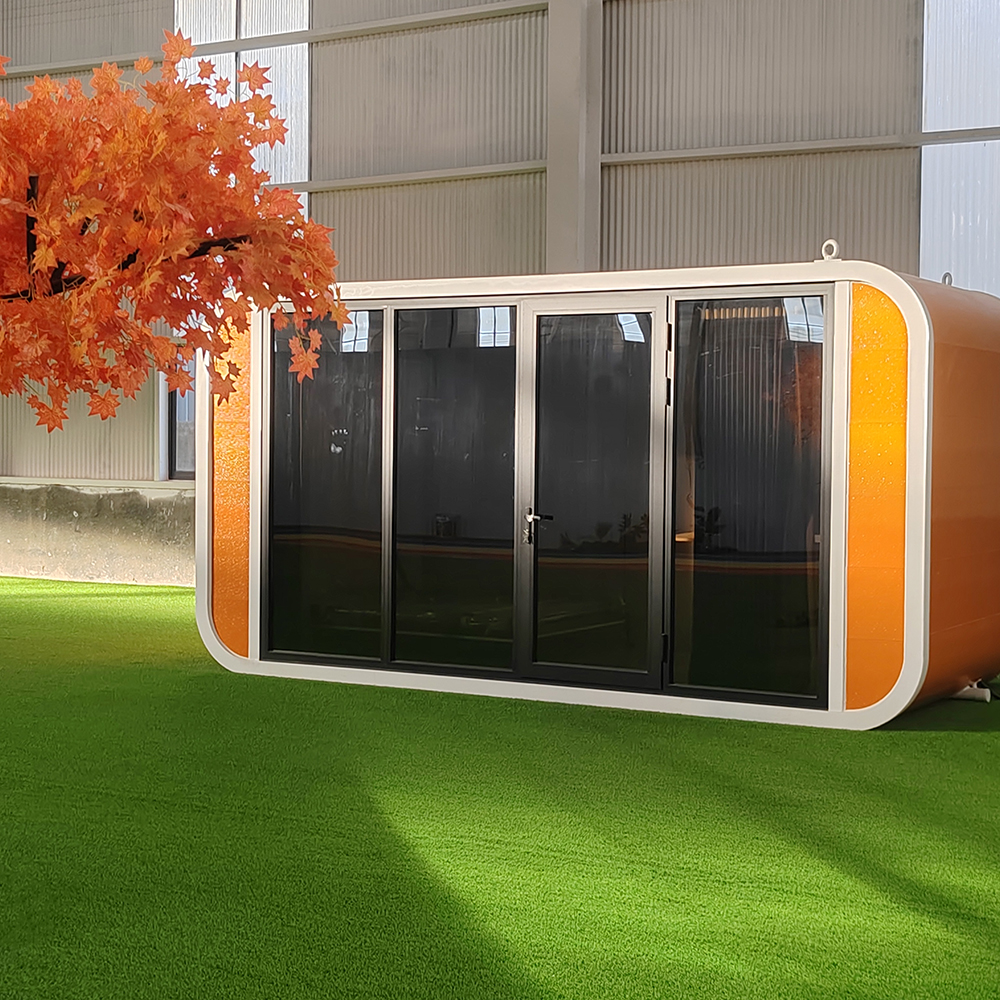 Luxury Prefabricated Living Container House Modular Glass Tiny House Prefab Container Home Apple Cabin
 -
Two Wing Folding Expandable Container House
-
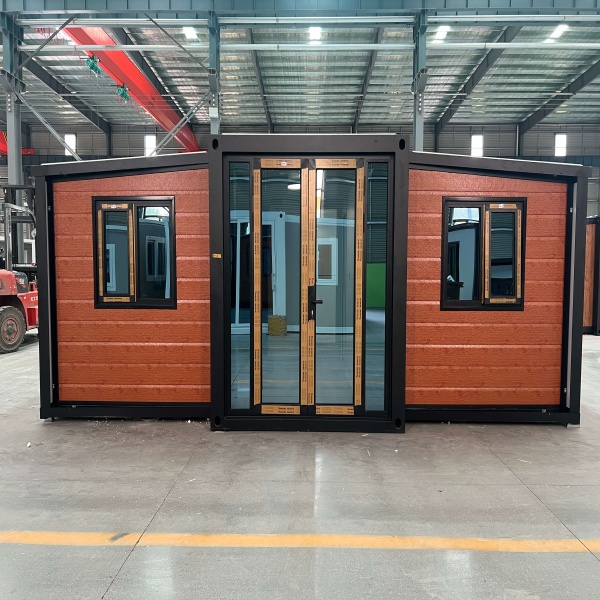 High-quality Double-wing Folding Container House with Doors and Windows, Insulated Walls, Suitable for Various Scenarios.
 -
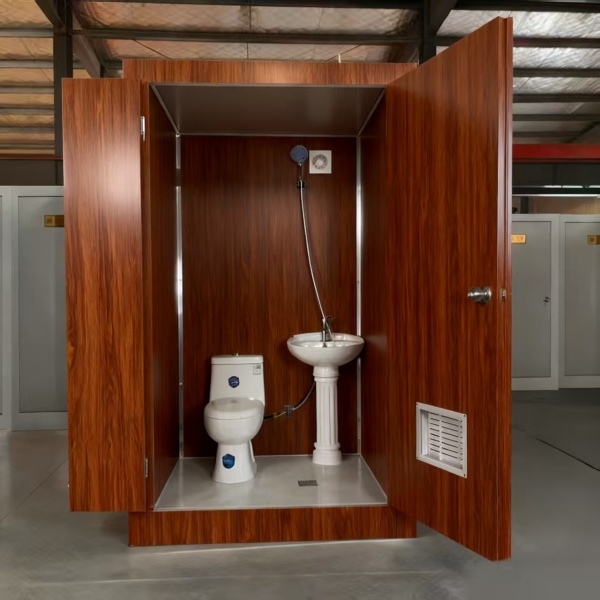 Portable outdoor camping bathroom, mobile toilet, prefabricated modular villa & rental of outdoor and indoor showers
 -
 Luxury Foldable Two Story Container House for Glamping Resort and Villa Hotel
Related search
Related search- expandable prefab mobile house prefab home 19x20ft mobile home
- Buy foldable container house
- container house
- portable fold out homes
- 40ft expandable container house
- expandable container house america prefab house
- China prefabricated folding container house
- prefab fold out container homes
- China space capsule
- Buy folding house elon musk