
-
E-mail
Austin120521@outlook.com -
E-mail
sales@jujiuhouse.com -
Telephone
+86-17864099991 -
Telephone
+86-17854044442
- Chinese
- French
- German
- Portuguese
- Spanish
- Russian
- Japanese
- Korean
- Arabic
- Irish
- Greek
- Turkish
- Italian
- Danish
- Romanian
- Indonesian
- Czech
- Afrikaans
- Swedish
- Polish
- Basque
- Catalan
- Esperanto
- Hindi
- Lao
- Albanian
- Amharic
- Armenian
- Azerbaijani
- Belarusian
- Bengali
- Bosnian
- Bulgarian
- Cebuano
- Chichewa
- Corsican
- Croatian
- Dutch
- Estonian
- Filipino
- Finnish
- Frisian
- Galician
- Georgian
- Gujarati
- Haitian
- Hausa
- Hawaiian
- Hebrew
- Hmong
- Hungarian
- Icelandic
- Igbo
- Javanese
- Kannada
- Kazakh
- Khmer
- Kurdish
- Kyrgyz
- Latin
- Latvian
- Lithuanian
- Luxembou..
- Macedonian
- Malagasy
- Malay
- Malayalam
- Maltese
- Maori
- Marathi
- Mongolian
- Burmese
- Nepali
- Norwegian
- Pashto
- Persian
- Punjabi
- Serbian
- Sesotho
- Sinhala
- Slovak
- Slovenian
- Somali
- Samoan
- Scots Gaelic
- Shona
- Sindhi
- Sundanese
- Swahili
- Tajik
- Tamil
- Telugu
- Thai
- Ukrainian
- Urdu
- Uzbek
- Vietnamese
- Welsh
- Xhosa
- Yiddish
- Yoruba
- Zulu
- Kinyarwanda
- Tatar
- Oriya
- Turkmen
- Uyghur




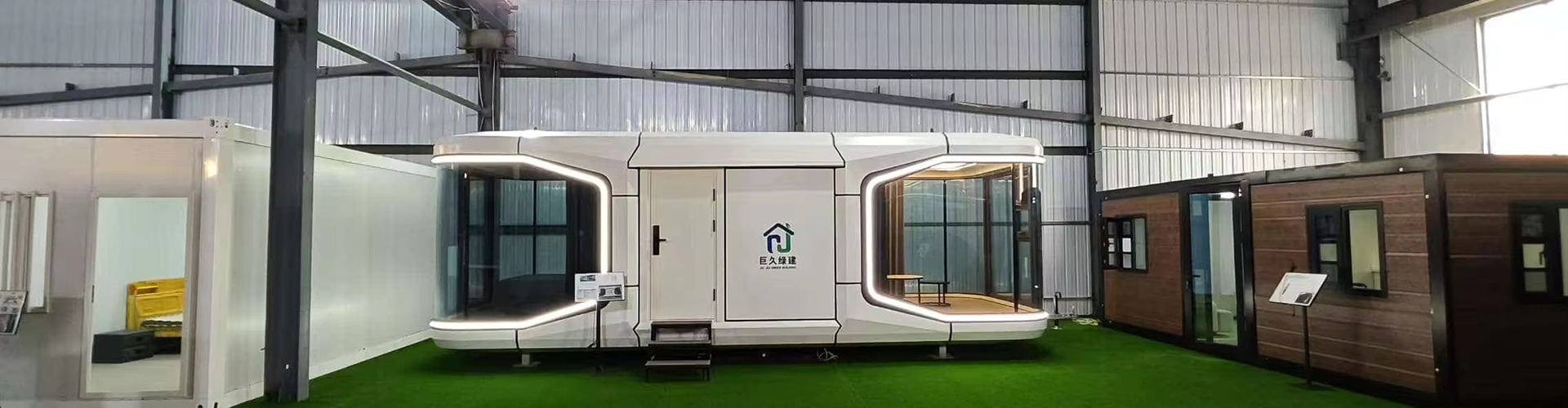
Buy expandable house container
The Rise of Expandable House Containers
In recent years, there’s been a noticeable trend towards using expandable house containers as an innovative solution for housing needs. While adaptable and cost-effective, many misconceptions swirl around their practicality and usage. Here’s a grounded look from someone who’s seen both successes and pitfalls in this industry.
Understanding Expandable House Containers
Initially, many perceive expandable house containers as merely a gimmick—something temporary or makeshift. However, these structures offer far more in terms of durability and customization. Unlike traditional construction, these containers can be tailored to specific needs, whether that’s a home office, a guest suite, or even a primary residence.
Take, for instance, Shandong Jujiu Integrated Housing Co., Ltd. They’ve capitalized on this niche by offering a range of designs suitable for varied climates and geographies. Their website, jujiuhouse.com, showcases different applications that push the boundaries of what these structures can achieve.
One of the key advantages is mobility. You’re not tied to a particular location. If circumstances change, the structure can be relocated—a comfort to those who value flexibility in housing.
Common Challenges in Implementation
Despite their perks, implementing these units is not without challenges. One frequent issue involves local zoning laws. Not every municipality welcomes alternative housing solutions, and restrictions can vary widely. This requires spending time on diligent research upfront—something many customers initially overlook.
Another concern revolves around insulation and energy efficiency. While the basic structure is sound, ensuring it retains heat or stays cool can be tricky without proper modifications. This is where companies like Shandong Jujiu shine, offering insulation packages and design optimizations that meet local needs.
Transport logistics may also present hurdles. While an expandable house container is mobile, getting it to a site can be complex, particularly in remote areas. Understanding these aspects beforehand can mitigate unexpected costs and frustrations.
Case Studies and Real-Life Applications
In practice, these containers have served various purposes. A client needed a quick solution for additional office space due to sudden company growth. Using containers, they had a fully operational office up and running in under a month, complete with electrical fittings and plumbing.
Another interesting case involved a family looking to downsize and reduce their carbon footprint. They leveraged expandable containers to construct an energy-efficient, modern abode, complete with solar panels and water recycling systems.
What’s fascinating is the widespread use of these structures not just for homes, but for disaster relief and temporary clinics. Their ability to be rapidly deployed in crises provides invaluable support in emergencies.
The Practicality of Modular Expansion
A significant advantage of these homes is their scalability. Starting with a basic structure, homeowners can later add modules as their needs grow. This flexibility ensures that the investment adapts over time, a stark contrast to the rigidity of traditional homes.
Moreover, this scalability does wonders for the wallet. You make a manageable initial investment and expand financially as needed, much like adding rooms over time but without the conventional hassles.
Of course, this requires precise planning and coordination, particularly if using multiple suppliers. Ensuring all components integrate seamlessly is crucial to avoid operational hiccups.
Final Thoughts on the Market Trend
As someone navigating this field for years, it's clear that expandable house containers are more than a fleeting trend. With companies like SHANDONG JUJIU INTEGRATED HOUSING CO, LTD leading innovations in this space, scalability and adaptability are becoming household concepts.
The budding interest hints at a larger shift toward eco-conscious, flexible housing solutions. Those willing to explore and understand this market can find both a satisfying experience and a reliable investment. Yet, it's essential to approach with eyes wide open, considering practical realities and planning accordingly.
To sum up, while not every journey in the expandable container world is smooth, it provides a unique prospect for those willing to push boundaries in the architectural space. As the market evolves, so do the opportunities for innovative living solutions.
Related products
Related products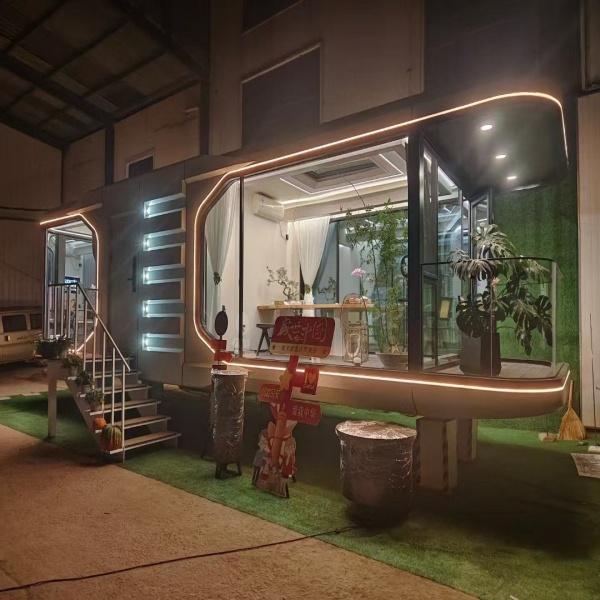
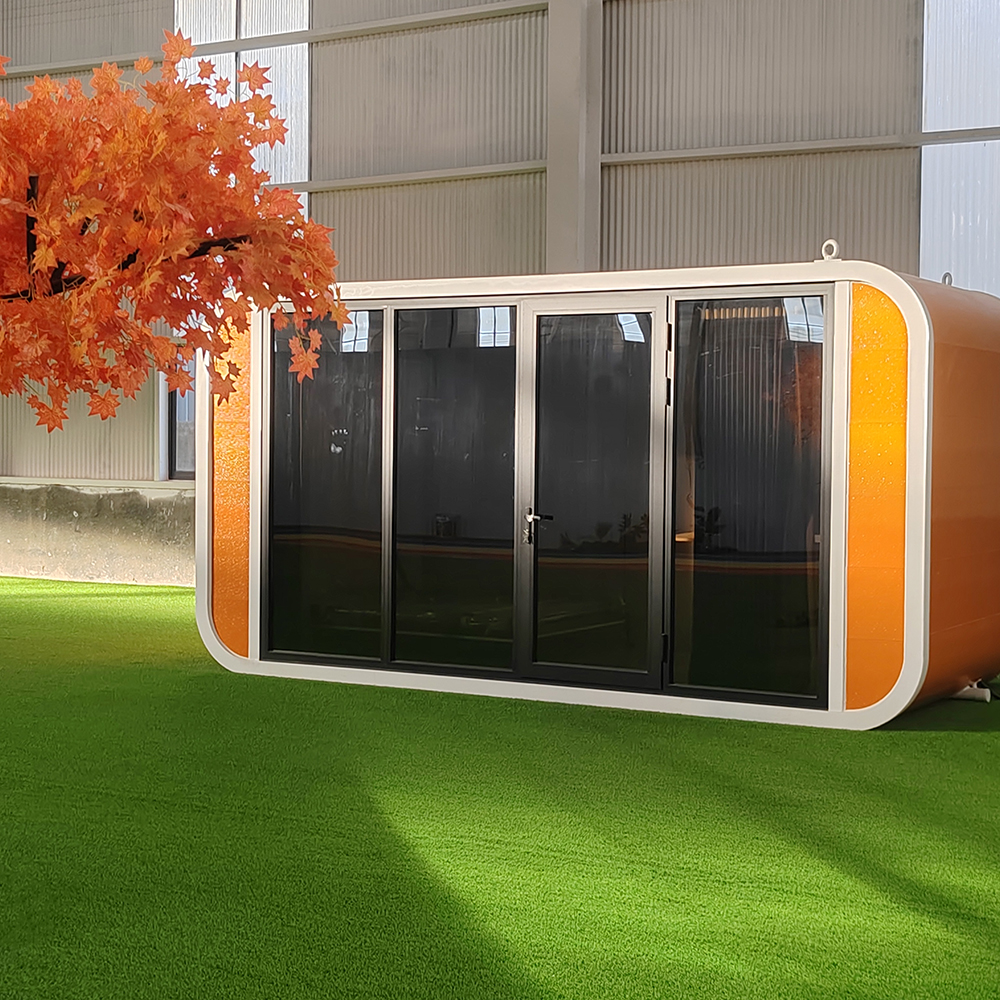
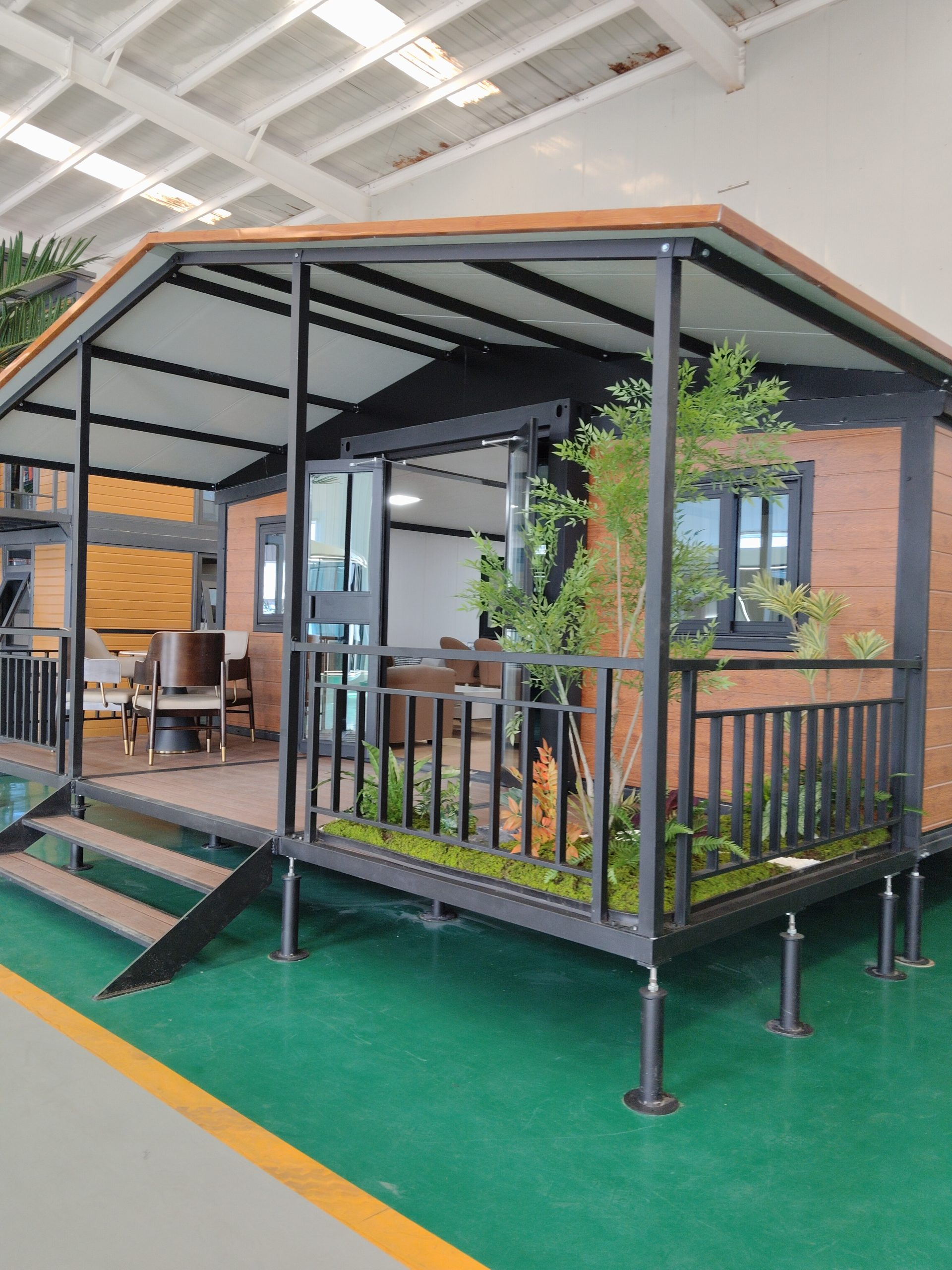
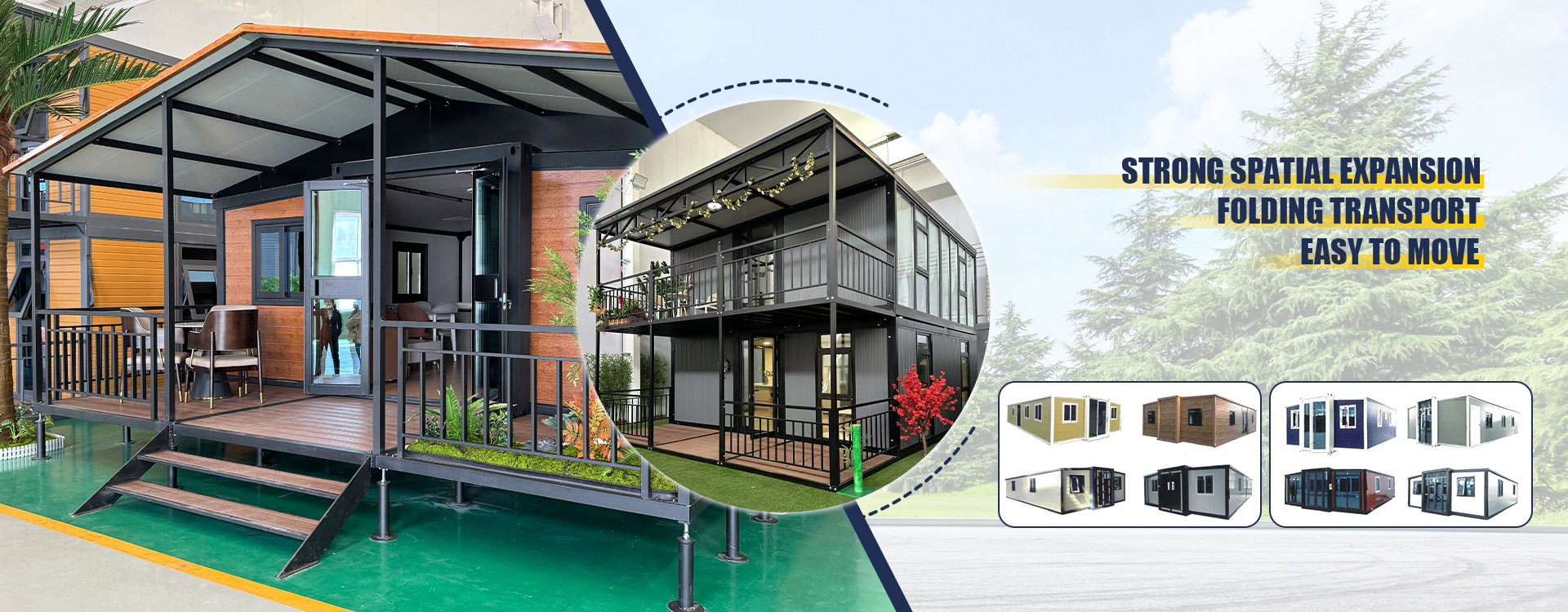
Best selling products
Best selling products-
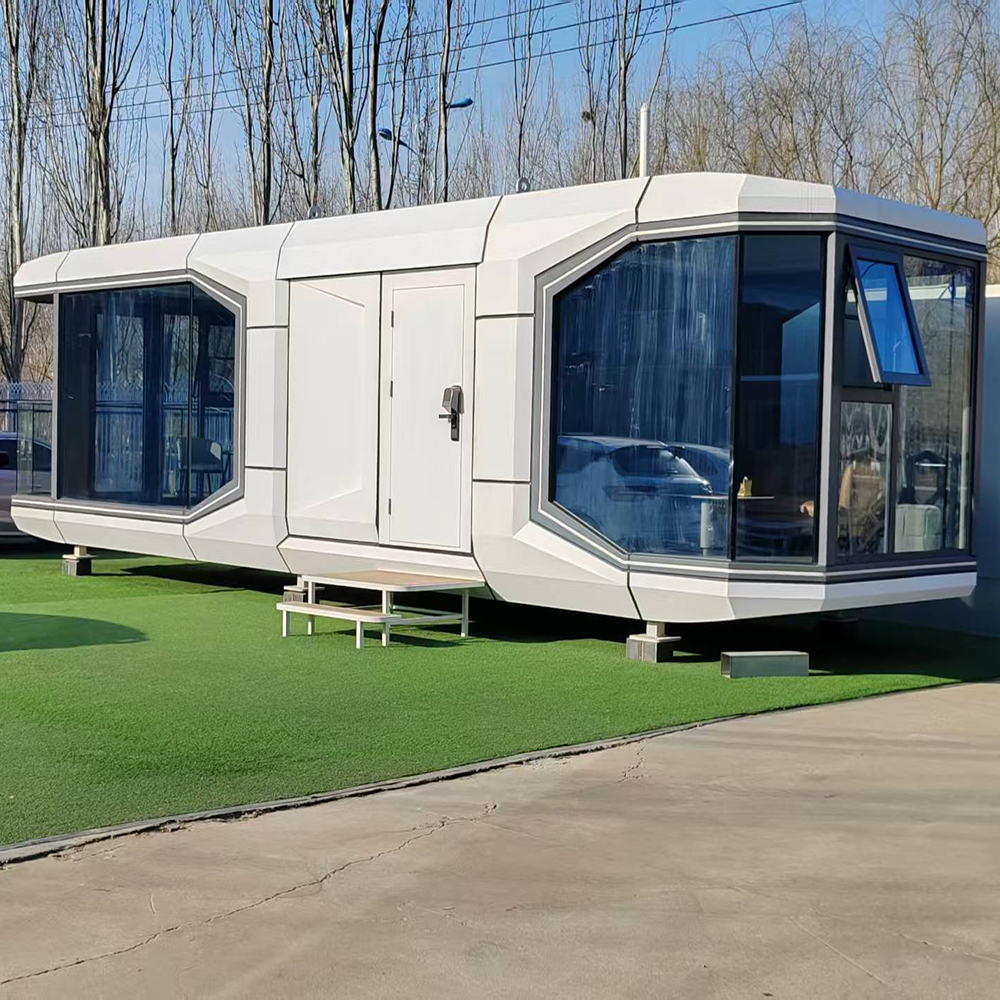 Luxury High Quality 2 Bedroom Container Home Prefabricated Steel Space Capsule for Office Shop Hotel or Outdoor House
 -
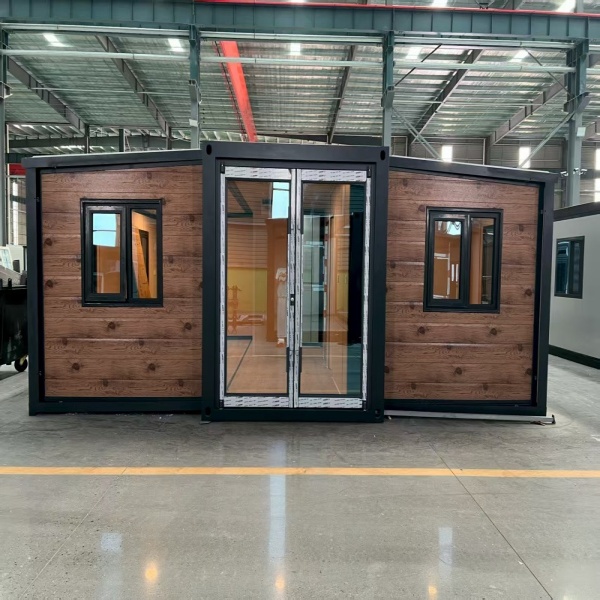 The foldable container house with side wing design can be quickly set up and is suitable for various environments.
 -
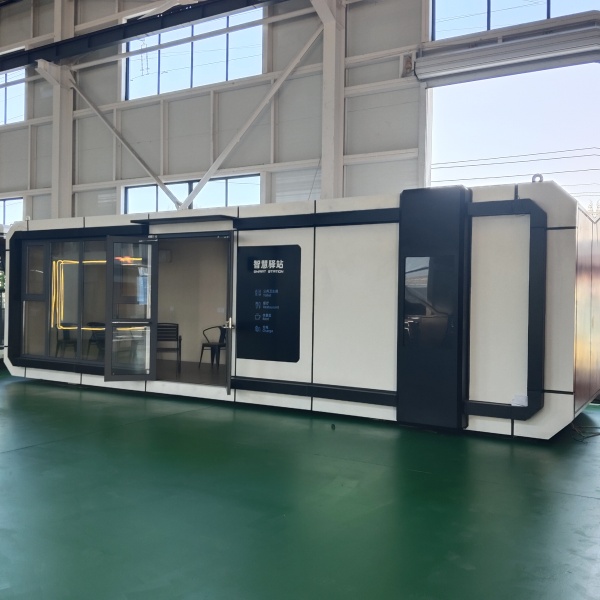 Modular modern movable apple cabins, customized high-end folk houses and portable bedrooms, delivered as a whole
 -
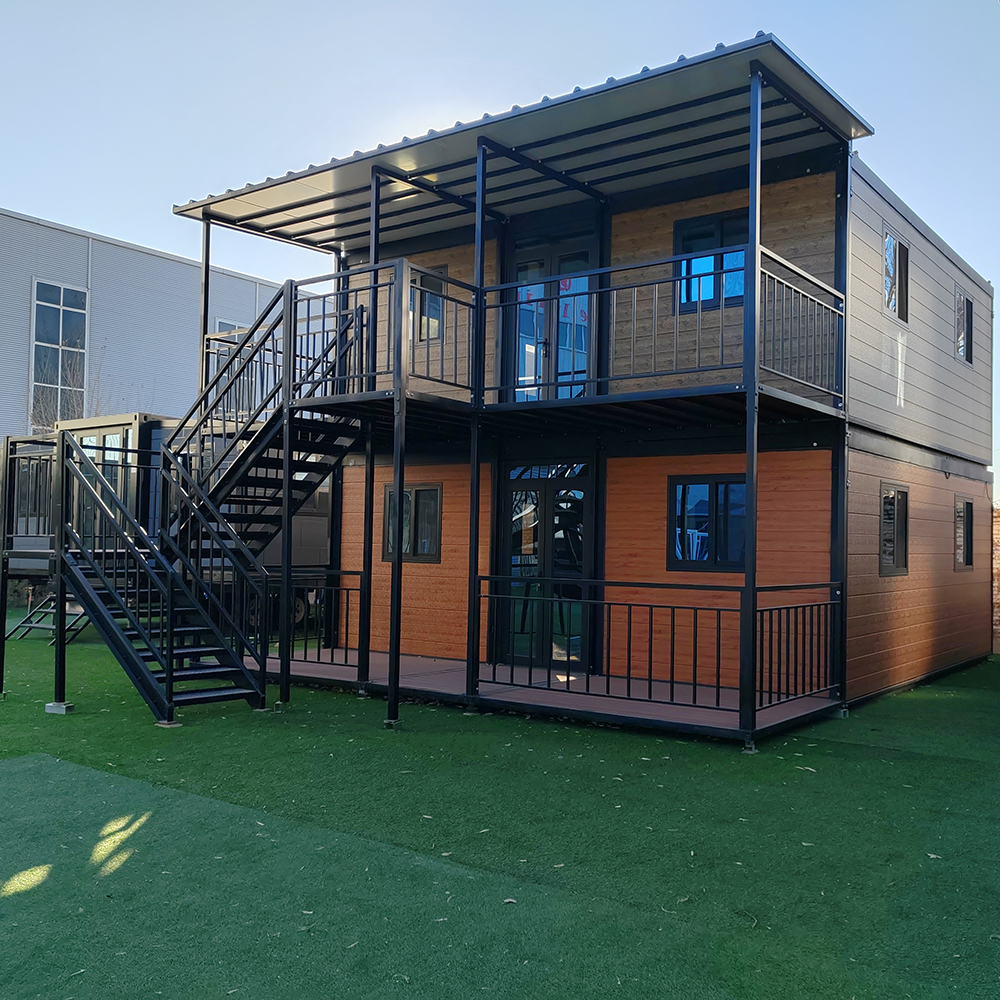 Easy Install Customized Detachable Container Homes Extendable House Prefab 2 Floors Expandable Container House
 -
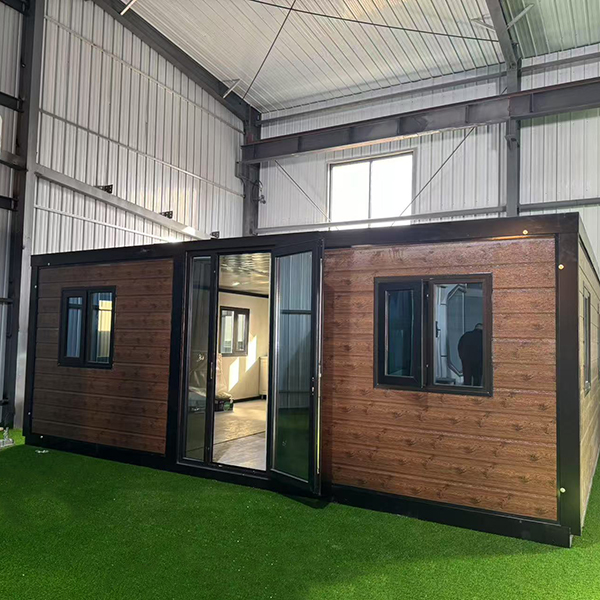 Good Quality Modular Homes Prefabricated House Expandable Container House 20FT Mobile Flat Roof House
 -
 Luxury Foldable Two Story Container House for Glamping Resort and Villa Hotel
 -
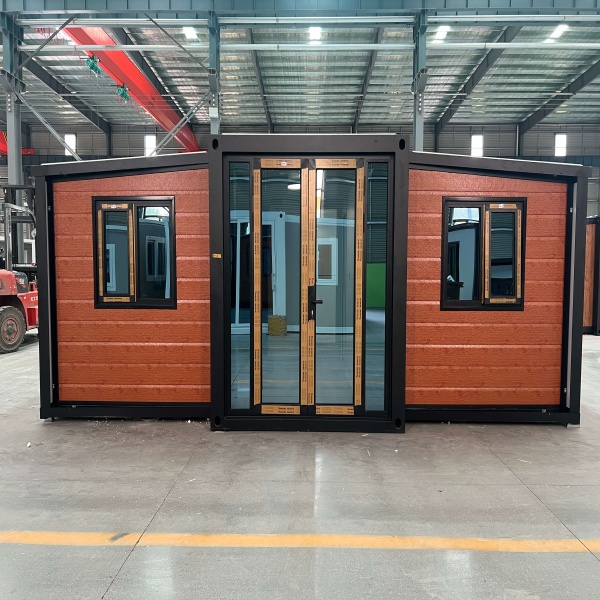 High-quality Double-wing Folding Container House with Doors and Windows, Insulated Walls, Suitable for Various Scenarios.
 -
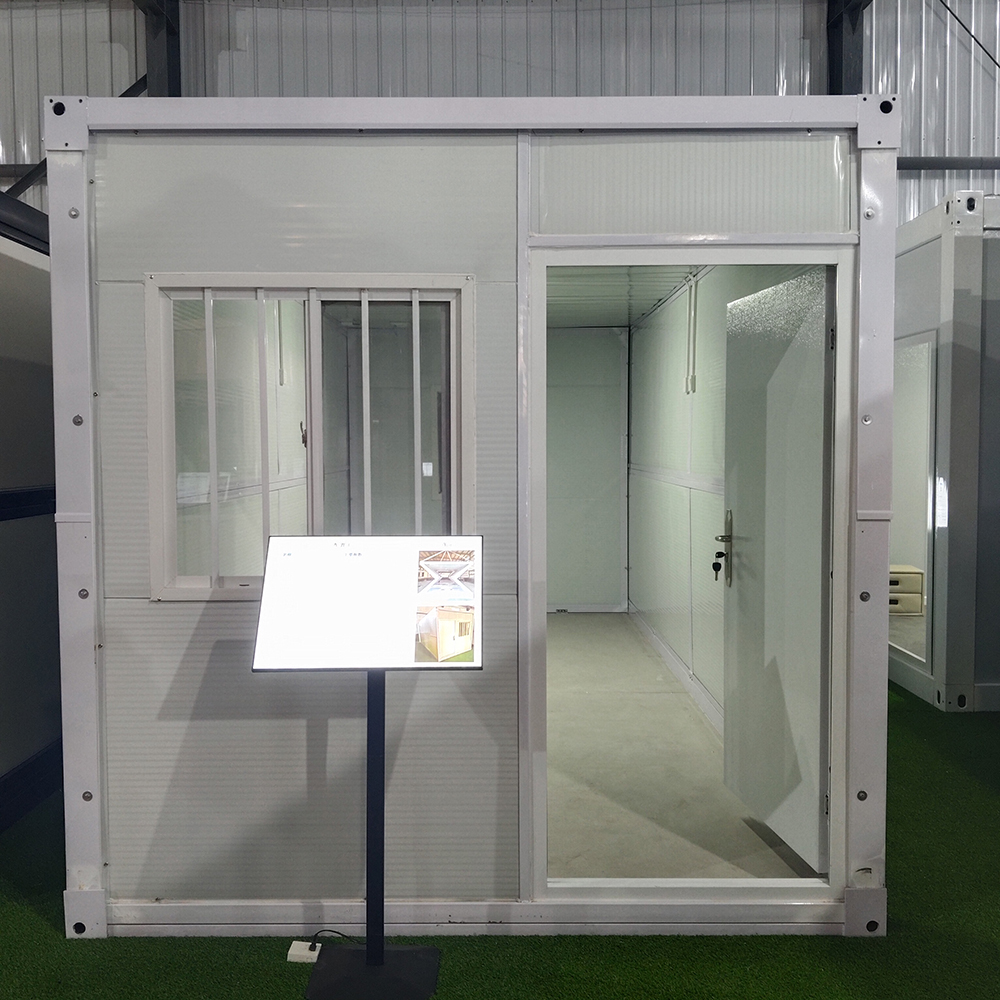 Reasonable Price 1 Bedroom Modular Container House Folding Container Home for Villa or Apartment Use
 -
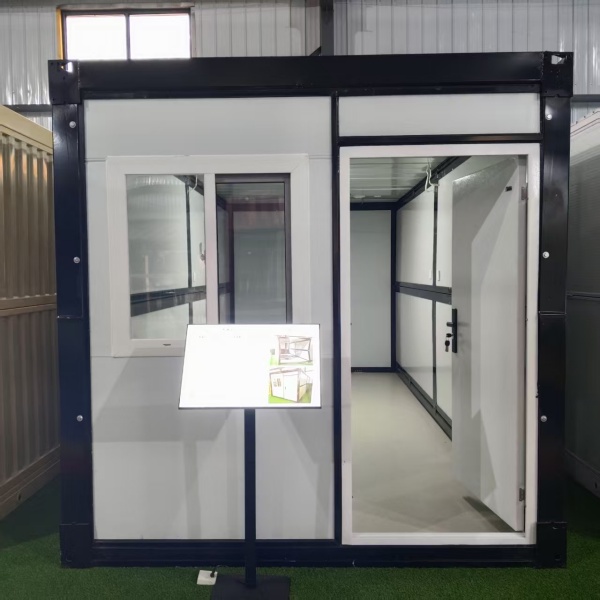 Hot-selling foldable container houses, expandable prefabricated houses, suitable for office or living use, with fast delivery.
 -
Two Wing Folding Expandable Container House
-
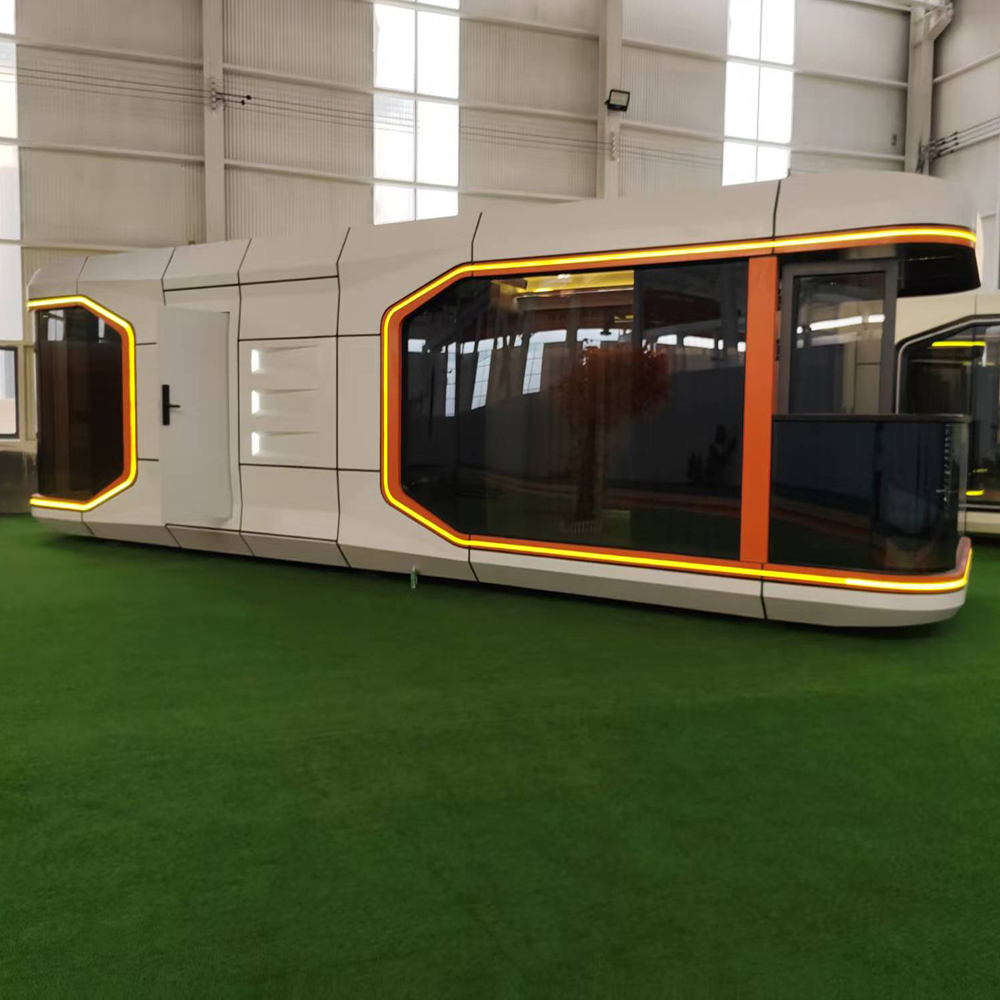 Standard Modern Camping Pod Space Prefabricated Portable Mobile Capsule Room Hotel Bathroom Prefabricated Spaceship House
 -
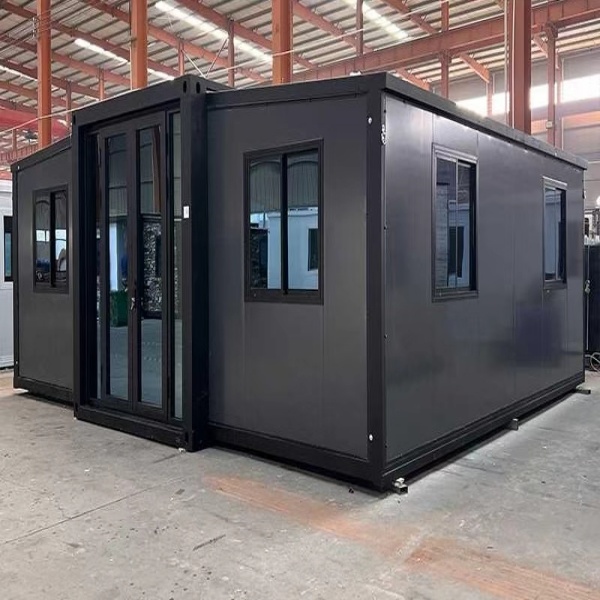 Dual-Wing Folding Container House: Fast Assembly, Space-Saving & Multi-Scene Adaptable