
-
E-mail
Austin120521@outlook.com -
E-mail
sales@jujiuhouse.com -
Telephone
+86-17864099991 -
Telephone
+86-17854044442
- Chinese
- French
- German
- Portuguese
- Spanish
- Russian
- Japanese
- Korean
- Arabic
- Irish
- Greek
- Turkish
- Italian
- Danish
- Romanian
- Indonesian
- Czech
- Afrikaans
- Swedish
- Polish
- Basque
- Catalan
- Esperanto
- Hindi
- Lao
- Albanian
- Amharic
- Armenian
- Azerbaijani
- Belarusian
- Bengali
- Bosnian
- Bulgarian
- Cebuano
- Chichewa
- Corsican
- Croatian
- Dutch
- Estonian
- Filipino
- Finnish
- Frisian
- Galician
- Georgian
- Gujarati
- Haitian
- Hausa
- Hawaiian
- Hebrew
- Hmong
- Hungarian
- Icelandic
- Igbo
- Javanese
- Kannada
- Kazakh
- Khmer
- Kurdish
- Kyrgyz
- Latin
- Latvian
- Lithuanian
- Luxembou..
- Macedonian
- Malagasy
- Malay
- Malayalam
- Maltese
- Maori
- Marathi
- Mongolian
- Burmese
- Nepali
- Norwegian
- Pashto
- Persian
- Punjabi
- Serbian
- Sesotho
- Sinhala
- Slovak
- Slovenian
- Somali
- Samoan
- Scots Gaelic
- Shona
- Sindhi
- Sundanese
- Swahili
- Tajik
- Tamil
- Telugu
- Thai
- Ukrainian
- Urdu
- Uzbek
- Vietnamese
- Welsh
- Xhosa
- Yiddish
- Yoruba
- Zulu
- Kinyarwanda
- Tatar
- Oriya
- Turkmen
- Uyghur




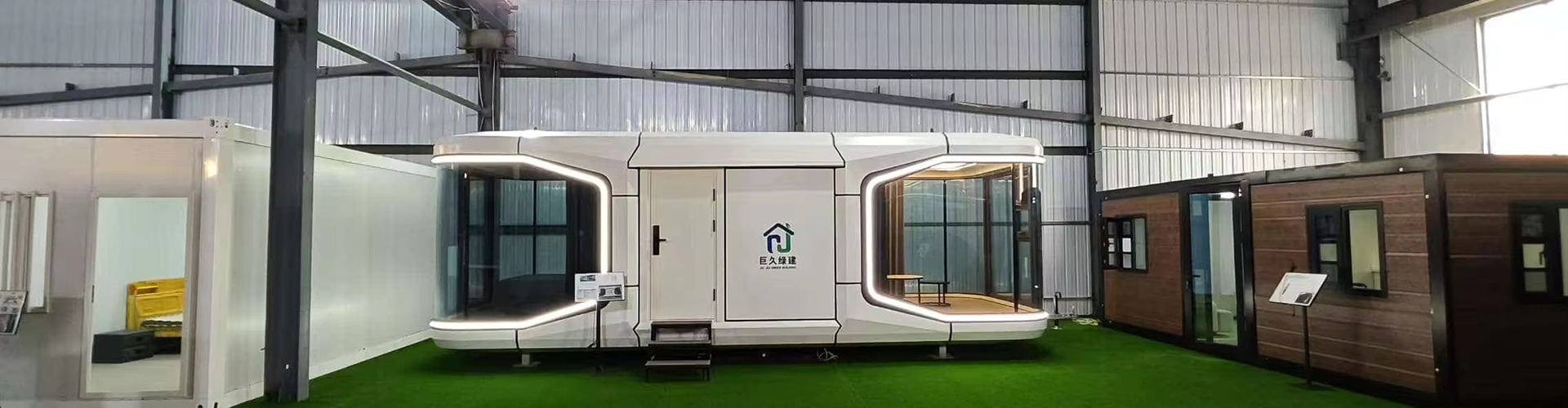
China 20ft expandable container house
Exploring the Versatility of China’s 20ft Expandable Container Houses
When you hear China 20ft expandable container house, it might conjure images of rudimentary structures thrown together with little thought. However, these innovative living spaces have come a long way. Their practicality, adaptability, and modern touch defy stereotypes, becoming an attractive choice for sustainable and efficient housing solutions.
The Practicality of Expandable Container Houses
The 20ft expandable container house, contrary to some misconceptions, offers more than just basic shelter. Its compact form belies its true potential. The size may seem limiting, but once expanded, it opens up to a surprisingly spacious interior. It's an exercise in efficient design, maximizing every bit of space.
Shandong Jujiu Integrated Housing Co., Ltd. harnesses this potential skillfully. As detailed on their website, the company’s approach integrates design with production, ensuring every container is tailored to specific needs. Their method allows for adaptability, whether you're seeking a temporary office, a cozy home, or even a versatile retail space.
From a professional perspective, installing these homes is relatively straightforward compared to traditional methods. The minimal foundation requirements and ease of transport make them a favorite in remote or challenging terrains where logistics can often undermine construction projects.
Addressing Common Concerns
One recurring concern is insulation. Skeptics doubt if a 20ft expandable container house can offer adequate protection against elements. To this, companies like Shandong Jujiu have crafted solutions that incorporate innovative insulating materials, enhancing both comfort and efficiency.
Furthermore, there's been a significant push towards using eco-friendly materials, reducing the overall carbon footprint. This is not just a selling point; it represents a genuine shift in addressing climate concerns within the construction industry.
The reusability of containers also plays a role in their appeal. Repurposing shipping containers, rather than letting them rust away, is an environmentally responsible practice that adds to their charm.
The Modern Touch in Design
Designing a container house involves more than just technical know-how; it's an art. With careful planning and consideration, these homes can be as aesthetically pleasing as they are functional. The industry has seen a surge in demand for modular designs that blend seamlessly with surroundings.
Architects and designers have taken to incorporating large windows, creating airy interiors filled with natural light. This not only makes the space feel larger but also cuts down on electricity during daytime hours.
Customization has become a key selling point. Clients are no longer resigned to cookie-cutter models; they can specify finishes, layouts, and features that reflect personal preferences and requirements.
Real-World Applications
An example of practical application lies in disaster relief. When rapid deployment and housing are critical, container houses present a swift solution. Their robustness ensures they withstand challenging environments, providing secure shelter quickly.
The edge that Shandong Jujiu brings to the table, as highlighted on their website, is in their tailored service which makes transitioning from idea to implementation as seamless as possible.
In urban settings, these containers make for effective pop-up shops or cafes. They can be situated temporarily or become part of more permanent infrastructure, offering business owners flexibility and a unique aesthetic.
Overcoming Challenges and Embracing Opportunities
Despite benefits, challenges remain—regulatory hurdles, for example. Zoning laws and building codes can be hurdles, as not all jurisdictions readily accommodate container homes. Yet, persistence in adaptation has seen some companies successfully navigate these waters.
Moreover, the perception battle continues. The industry strives to convince potential users that these are not second-rate homes but rather a smart choice that embodies modernity and practicality. Here, Shandong Jujiu's commitment to quality and innovation helps shift perspectives, demonstrating what's possible with integrated housing solutions.
Overall, the 20ft expandable container house represents a nexus of opportunity. It bridges the gap between traditional construction methods and the future of living spaces—efficiency, adaptability, and sustainability. As companies like Shandong Jujiu continue to push the envelope, the potential of these remarkable structures will only expand further.
Related products
Related products
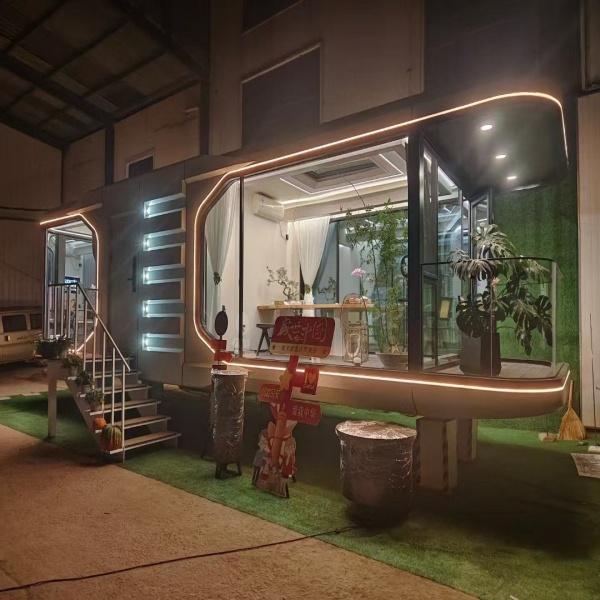
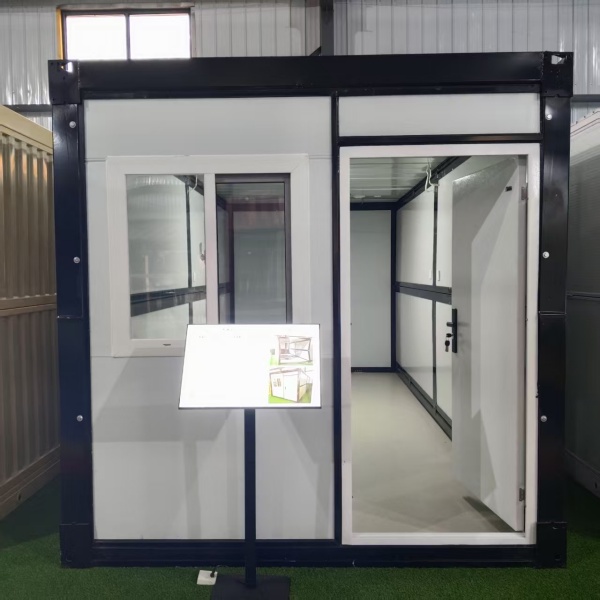
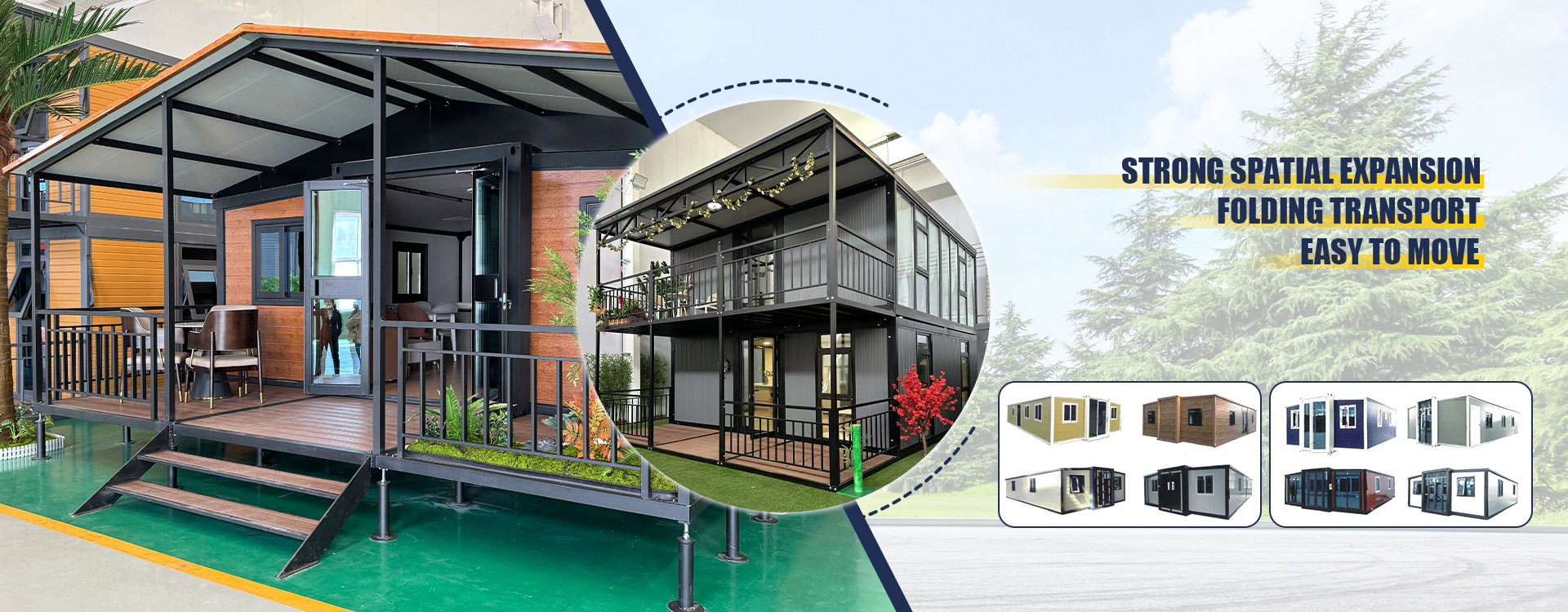
Best selling products
Best selling products-
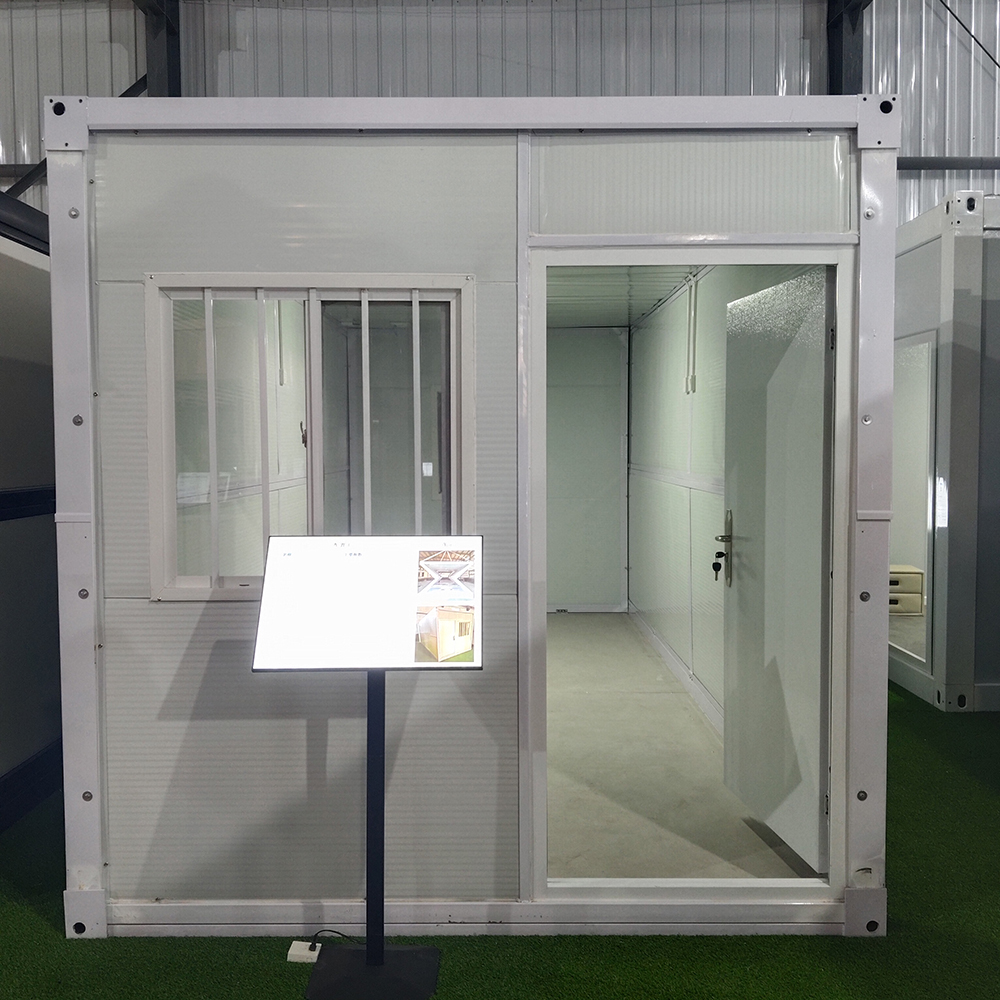 Reasonable Price 1 Bedroom Modular Container House Folding Container Home for Villa or Apartment Use
 -
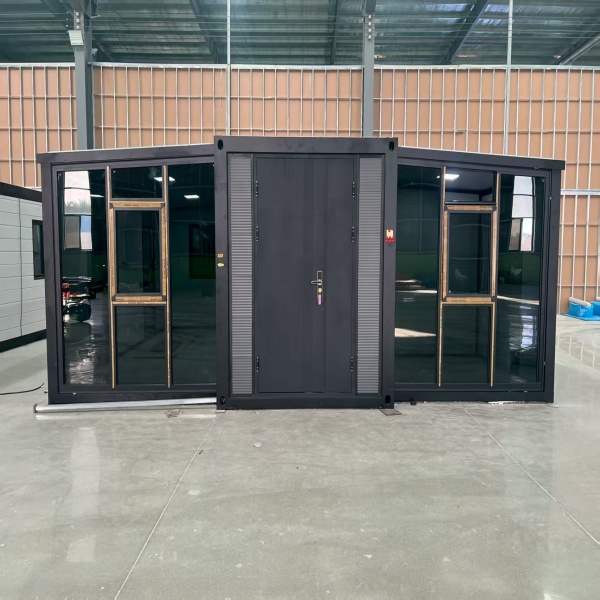 Customizable Office Mobile Home with Flat Roof and Double Wing Expansion Box, Convenient Container
 -
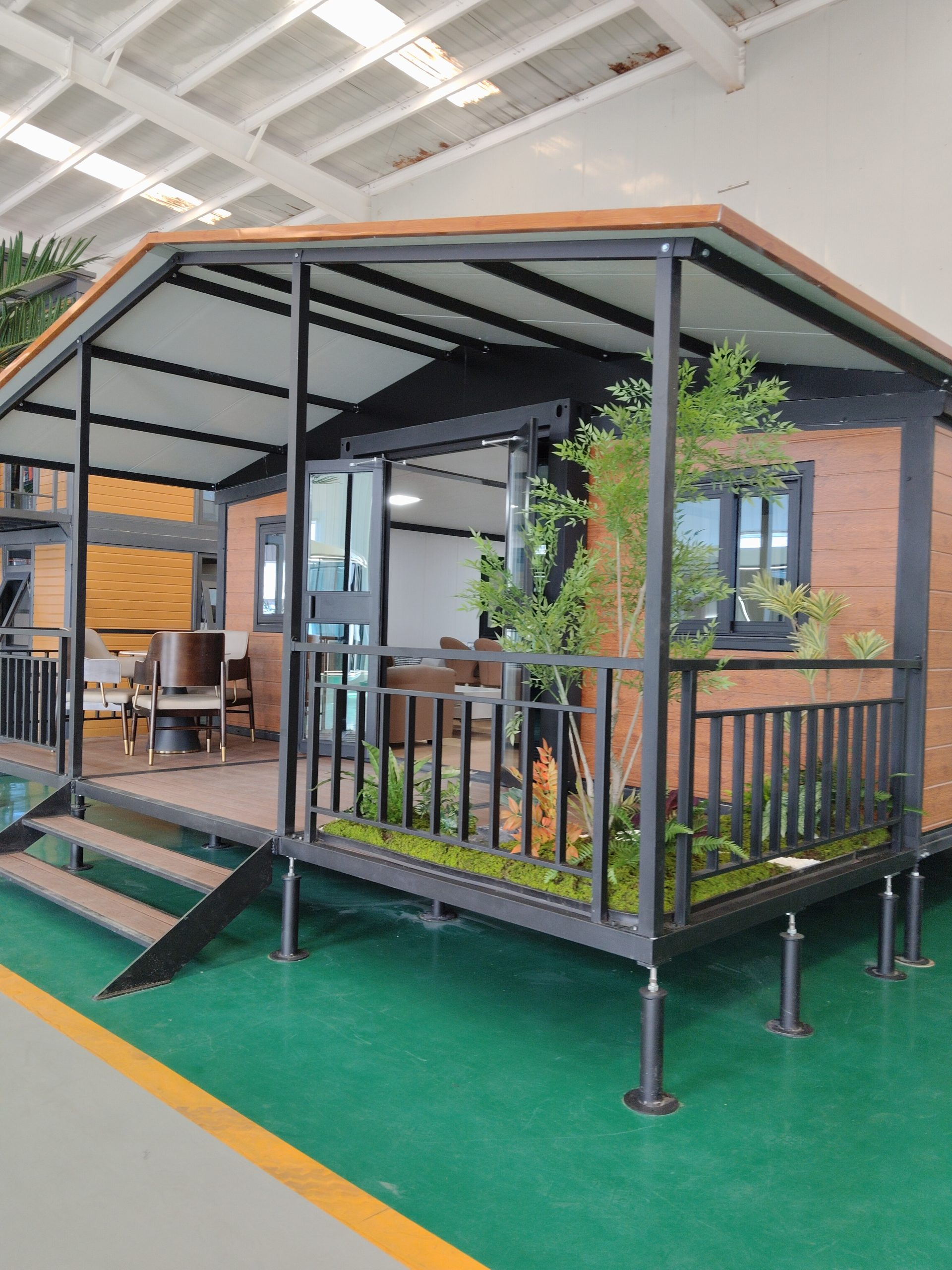 A container house with a terrace and double-wing folding design, suitable for various purposes such as offices, meeting rooms, living rooms, etc.
 -
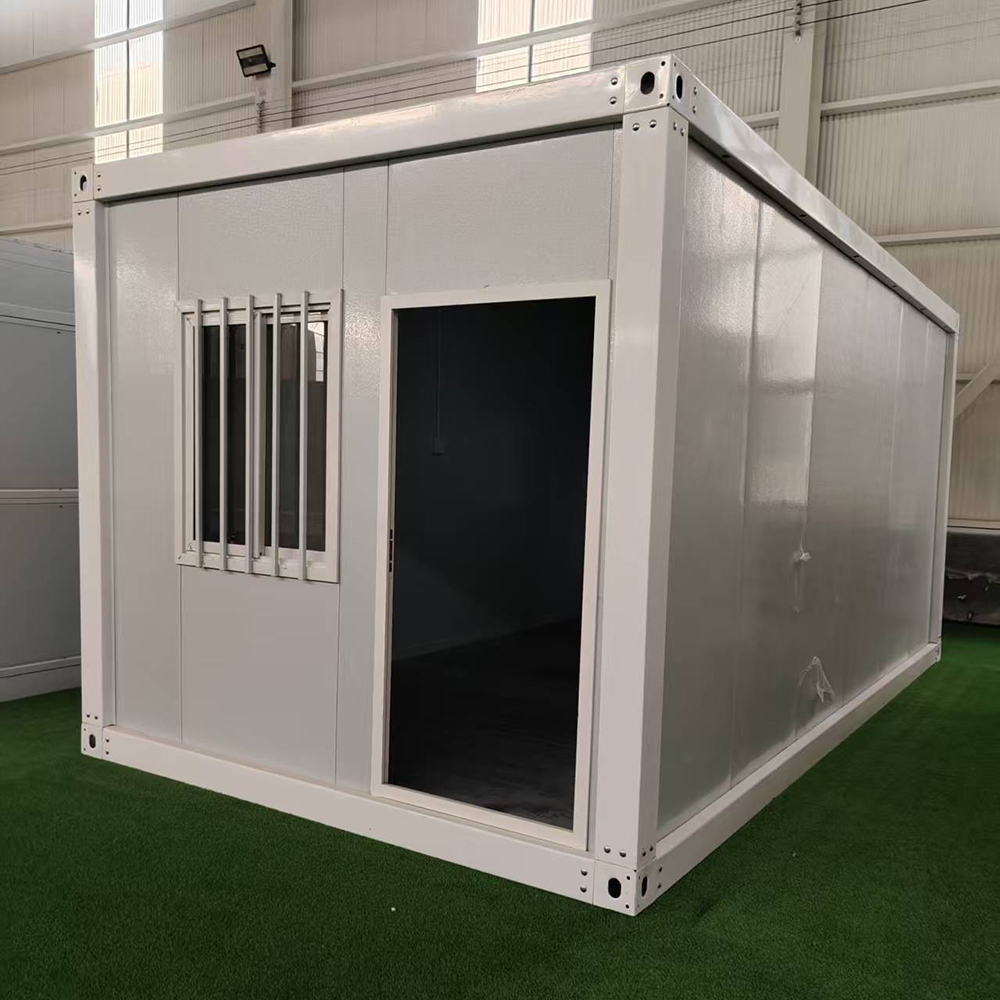 Folding Container Moving House Modular Office Container House Prefab Container for Outdoor Use
 -
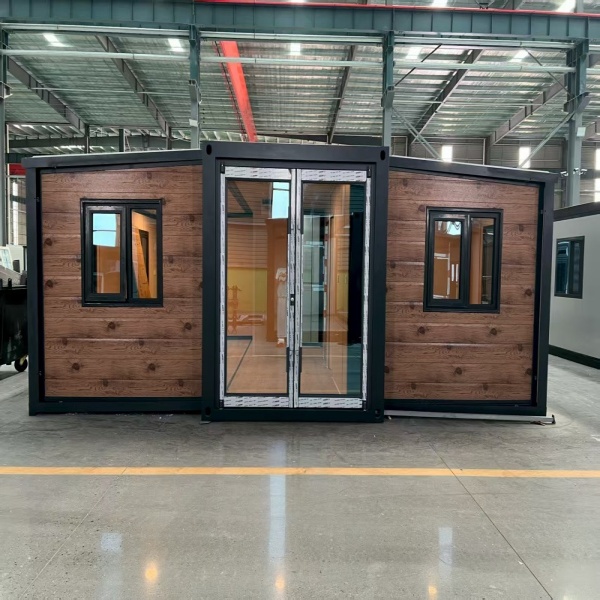 The foldable container house with side wing design can be quickly set up and is suitable for various environments.
 -
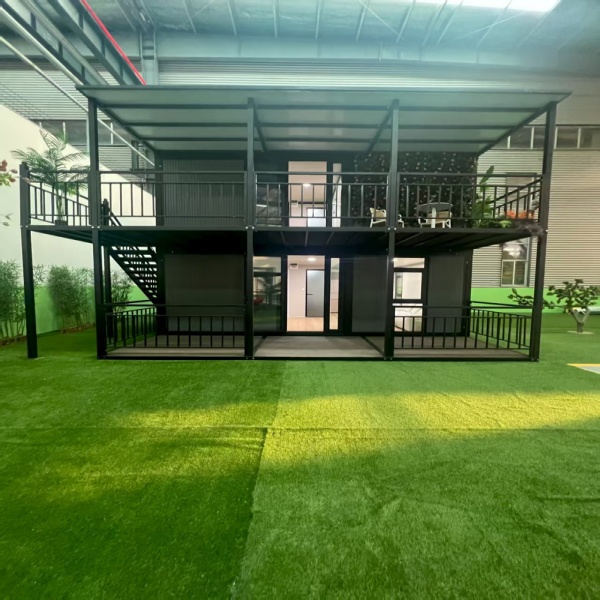 Luxury foldable two-story container houses in luxury resort hotels and villa hotels
 -
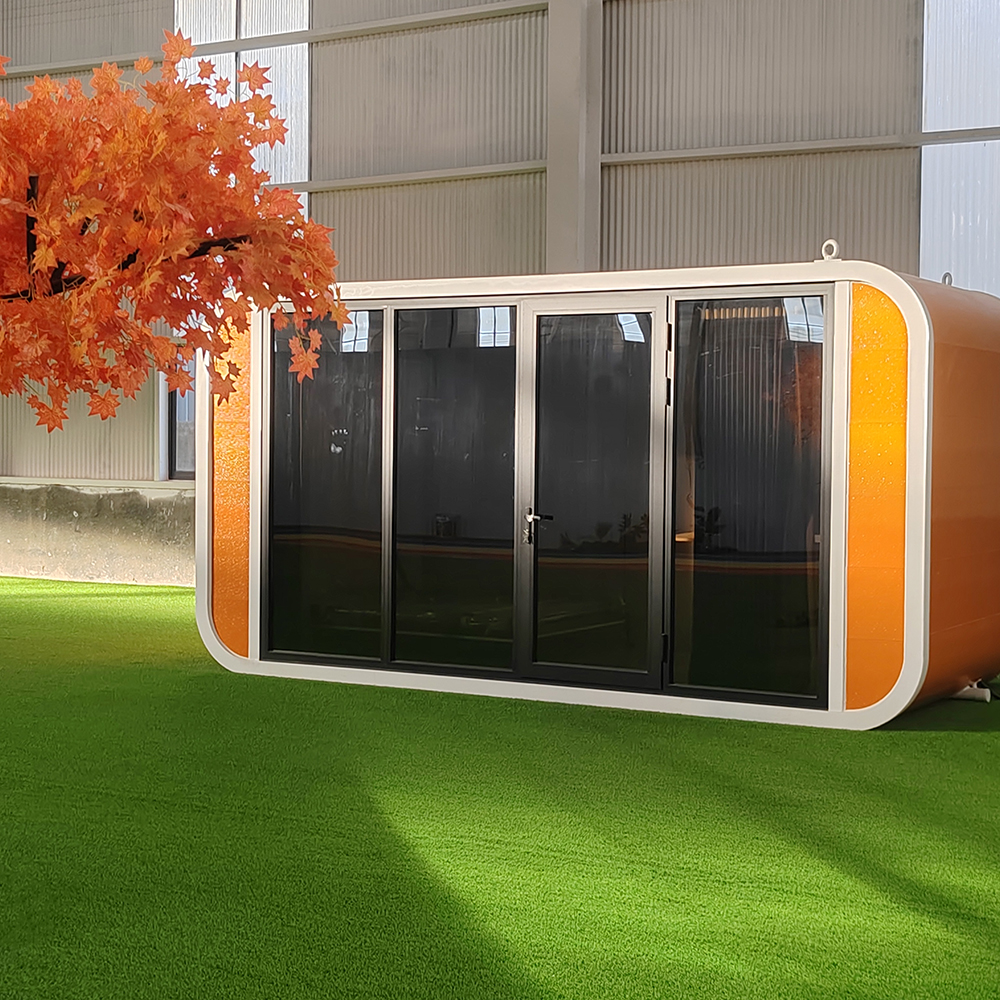 Luxury Prefabricated Living Container House Modular Glass Tiny House Prefab Container Home Apple Cabin
 -
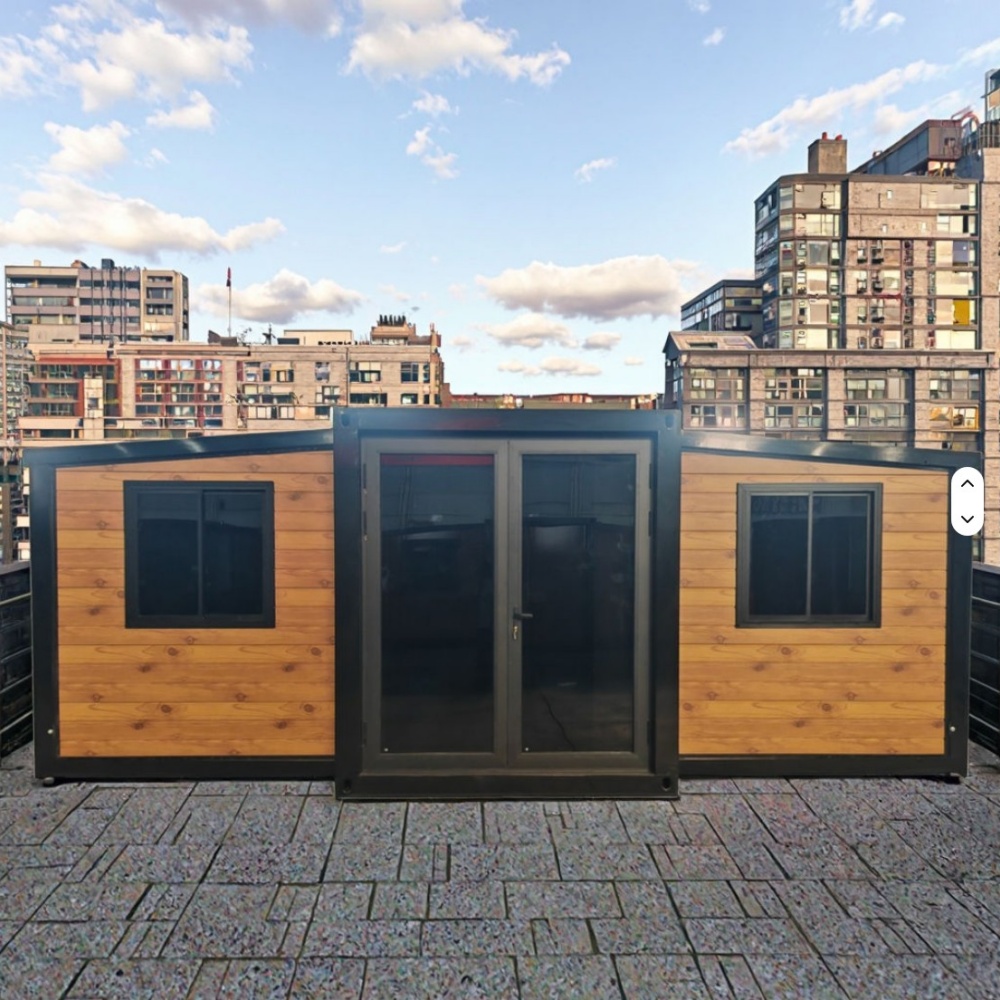 Customized Two Wing Folding Expandable Container House
 -
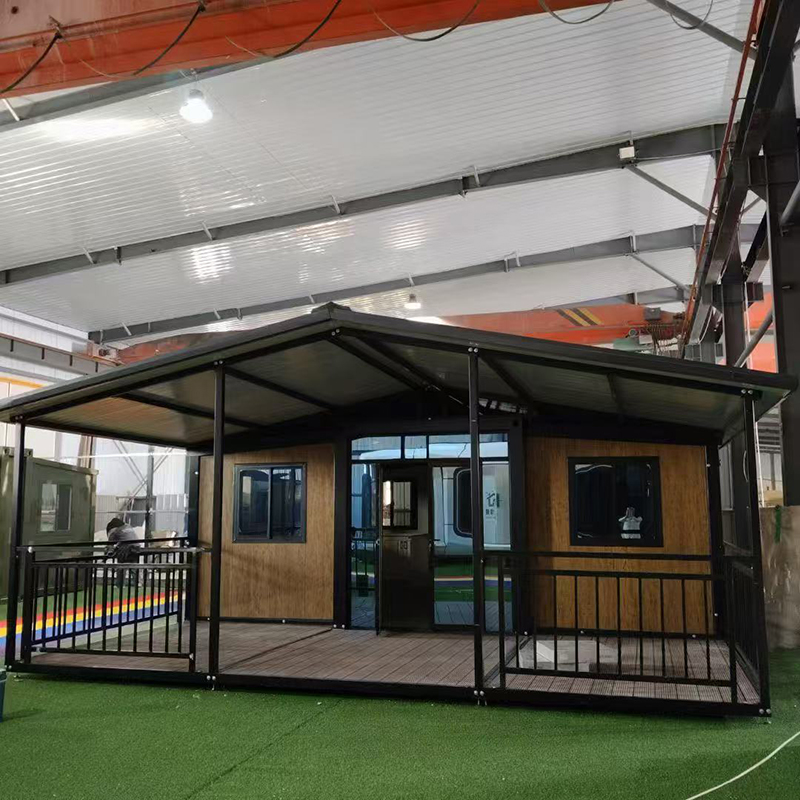 Customized Expandable Container House Holiday Home Folding Prefab Container House with Bathroom and Kitchen
 -
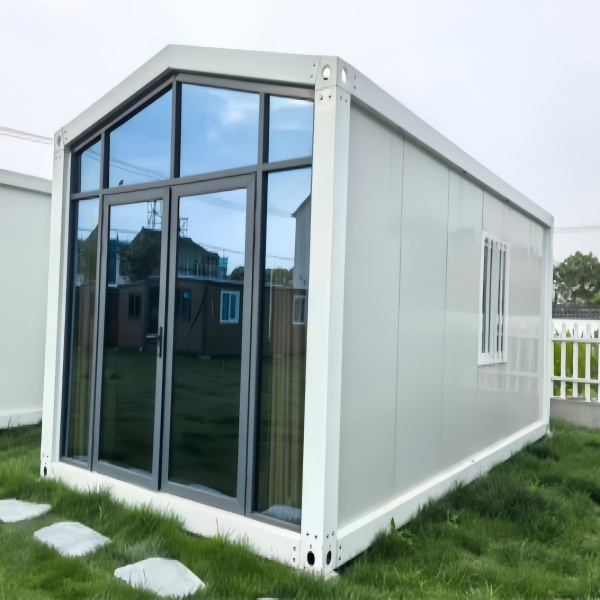 Waterproof folding container house – mobile accommodation for campsites/scenic spots
 -
 Luxury Foldable Two Story Container House for Glamping Resort and Villa Hotel
 -
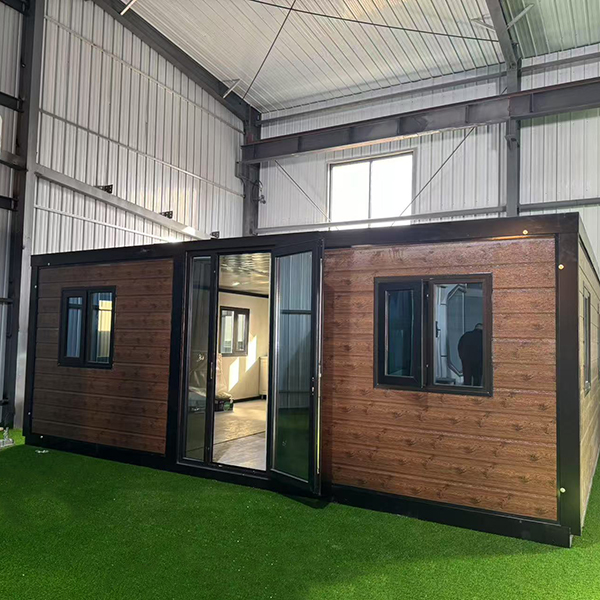 Good Quality Modular Homes Prefabricated House Expandable Container House 20FT Mobile Flat Roof House
Related search
Related search- flat pack expandable modular container house
- Buy china wholesale container prefabricate house
- apple valley road cabins
- Buy modular container expandable prefabricated house
- Buy prefab folding house
- mobile expandable prefab house
- space cabin capsule
- folding house trailer
- Buy folding house on wheels
- new spire prefabricated container house