
-
E-mail
Austin120521@outlook.com -
E-mail
sales@jujiuhouse.com -
Telephone
+86-17864099991 -
Telephone
+86-17854044442
- Chinese
- French
- German
- Portuguese
- Spanish
- Russian
- Japanese
- Korean
- Arabic
- Irish
- Greek
- Turkish
- Italian
- Danish
- Romanian
- Indonesian
- Czech
- Afrikaans
- Swedish
- Polish
- Basque
- Catalan
- Esperanto
- Hindi
- Lao
- Albanian
- Amharic
- Armenian
- Azerbaijani
- Belarusian
- Bengali
- Bosnian
- Bulgarian
- Cebuano
- Chichewa
- Corsican
- Croatian
- Dutch
- Estonian
- Filipino
- Finnish
- Frisian
- Galician
- Georgian
- Gujarati
- Haitian
- Hausa
- Hawaiian
- Hebrew
- Hmong
- Hungarian
- Icelandic
- Igbo
- Javanese
- Kannada
- Kazakh
- Khmer
- Kurdish
- Kyrgyz
- Latin
- Latvian
- Lithuanian
- Luxembou..
- Macedonian
- Malagasy
- Malay
- Malayalam
- Maltese
- Maori
- Marathi
- Mongolian
- Burmese
- Nepali
- Norwegian
- Pashto
- Persian
- Punjabi
- Serbian
- Sesotho
- Sinhala
- Slovak
- Slovenian
- Somali
- Samoan
- Scots Gaelic
- Shona
- Sindhi
- Sundanese
- Swahili
- Tajik
- Tamil
- Telugu
- Thai
- Ukrainian
- Urdu
- Uzbek
- Vietnamese
- Welsh
- Xhosa
- Yiddish
- Yoruba
- Zulu
- Kinyarwanda
- Tatar
- Oriya
- Turkmen
- Uyghur




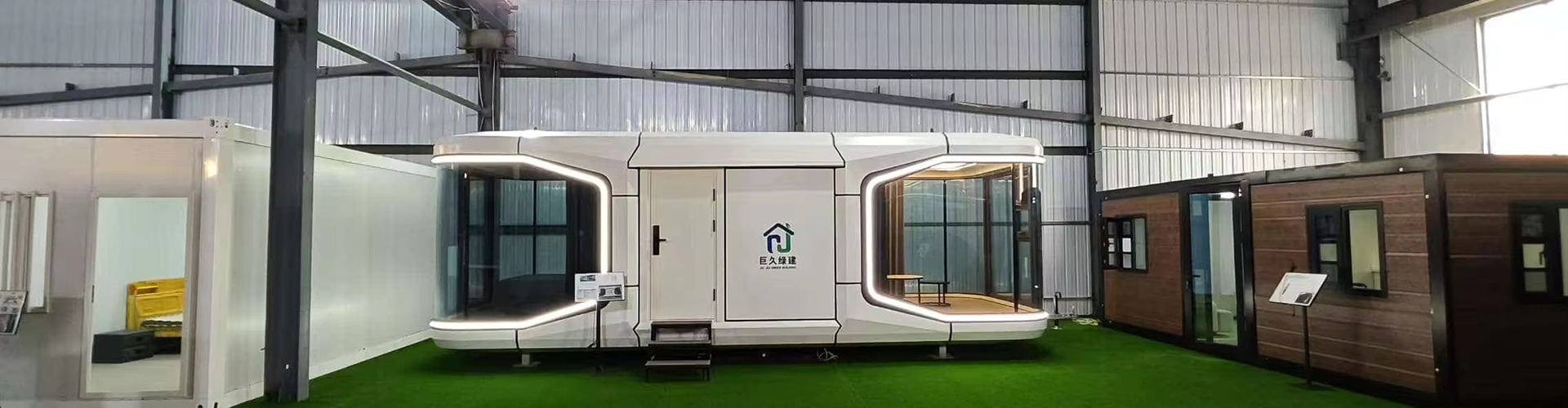
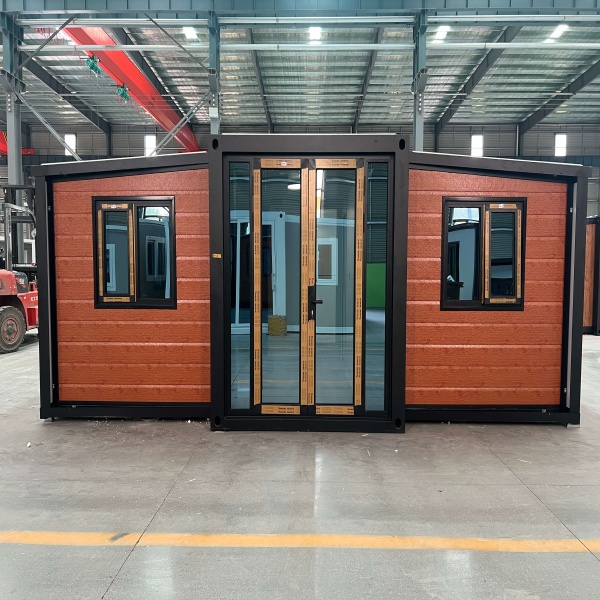
China apple cabin prefab homes
The Practical Realities of Prefab Homes in China
Interested in China apple cabin prefab homes? Understanding the intricacies behind prefab housing, especially in China, isn’t just about grasping the concept — it requires diving deep into the practicalities that industry insiders navigate daily.
The Allure of Prefab: More Than Just a Trend
Let’s start by addressing a common misconception: prefab homes are often mistaken for low-quality, transient options. This couldn’t be further from the truth, especially when we look at the offerings from companies like Shandong Jujiu Integrated Housing Co., Ltd., which has been redefining expectations. Their approach, found at jujiuhouse.com, focuses on integrating cutting-edge design with durable materials.
From my experience, the demand for prefab homes stems not only from cost-effectiveness but also from their versatility. Clients appreciate the blend of modern aesthetics and functionality. In regions facing housing shortages, prefab solutions have proven pivotal, meeting demands without the lengthy timelines traditional construction imposes.
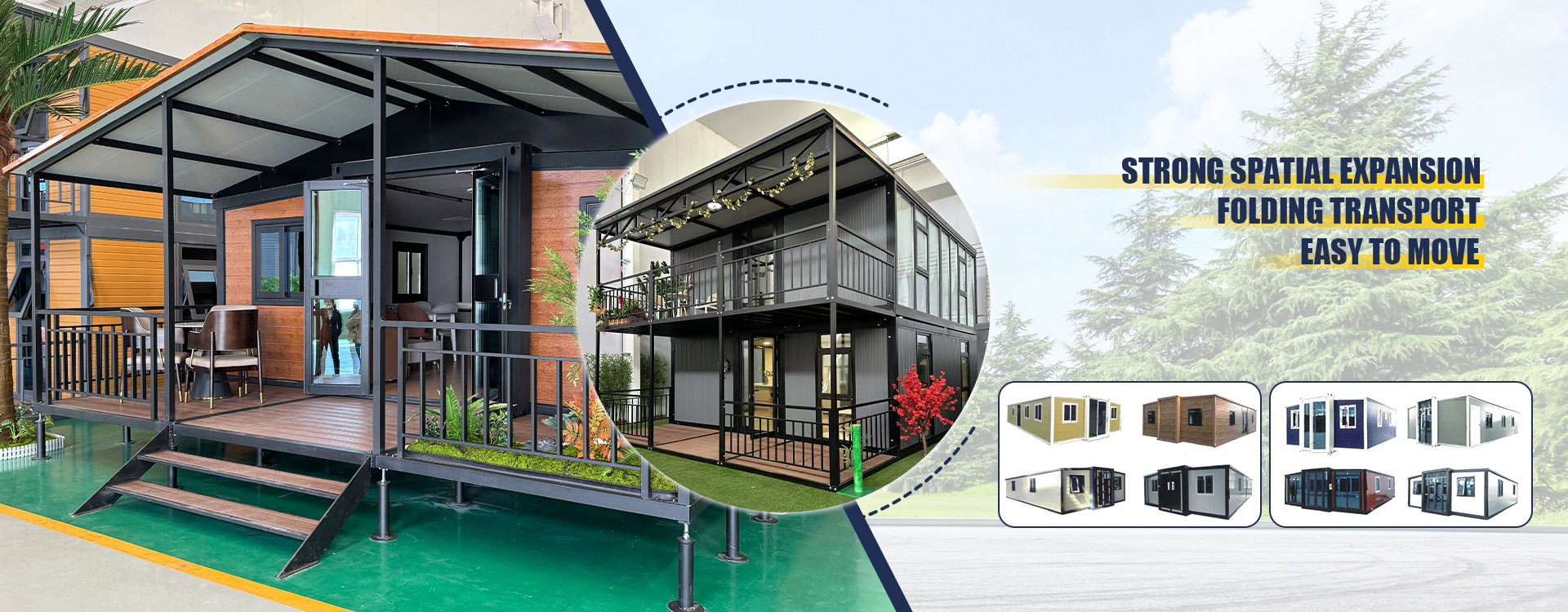
Companies like Jujiu are adept at tailoring these homes to various climates and terrains, which is crucial when adapting a standard design to China's diverse environments. Their products range from movable cabins to light steel villas, making them a versatile choice for different needs.
Challenges in the Prefab Industry
What’s often downplayed are the challenges. One of the primary hurdles is the public's lingering skepticism. Despite improvements, many people still associate prefab homes with temporary housing. In this respect, education plays a massive role. We need to bridge the knowledge gap — showing advancements in materials, sustainability, and design.
Another issue is navigating local regulations. Prefab homes fall into a gray area where traditional building codes don't always apply cleanly. Each project's approval might require a tailored approach, especially if it involves novel materials or assembly methods. This requires close collaboration between companies like Jujiu and local authorities.
Logistics also present a unique puzzle. Transporting large prefabricated sections demands precision in planning and execution, with potential hiccups affecting timelines and costs. It's something we've encountered often, where real-time problem-solving becomes key.
Innovations Paving the Way
The prefab sector isn’t static; innovation is constant. Jujiu, for instance, is focused on integrating smart technologies to enhance energy efficiency and sustainability, crucial given environmental pressures. Buildings are now being designed with integrated solar panels and climate control systems, steering them towards self-sufficiency.
The use of 3D modeling has transformed the design phase, allowing for virtual walkthroughs and revisions before a single steel beam is cut. This precision reduces waste and improves customer satisfaction since expectations are clear from the outset.
Then there’s the push towards modularization, which isn’t just about snapping together pre-made sections. It’s about creating a seamless experience where each unit complements the other, allowing for future expansions or modifications with minimal disruption.
Real-World Impact: Case Studies
Consider a project we managed in a suburban area where space optimization was critical. The client, wary of budget overruns, selected a prefab option from Jujiu tailored to their specifications. Beyond cost savings, the project highlighted prefab’s flexibility — the client could personalize each aspect, from interior layouts to exterior finishes.
A notable application has been in disaster-stricken areas. Prefab homes provide rapid, reliable housing solutions. In one such case, our team facilitated the delivery and setup of emergency shelters in record time, demonstrating the practical value of such technologies beyond conventional scenarios.
These real-world applications underscore the transformative potential of China apple cabin prefab homes within diverse contexts, reshaping perceptions one success story at a time.
The Path Forward
Looking ahead, the path for prefab homes in China is promising but requires continued innovation and education. Shandong Jujiu Integrated Housing Co., Ltd., with its comprehensive approach from design to installation, is positioned to lead this transformation.
As we see it, the future hinges on sustainability, customization, and the ability to swiftly adapt to regulatory landscapes. It’s about making amazing architectural designs accessible to the broader public without skimping on quality or comfort.
The goal is clear: to change the narrative around prefab, demonstrating their innate value and versatility. It’s a journey we undertake with the likes of Jujiu, striving towards a future where prefab homes are the norm rather than the exception.
Related products
Related products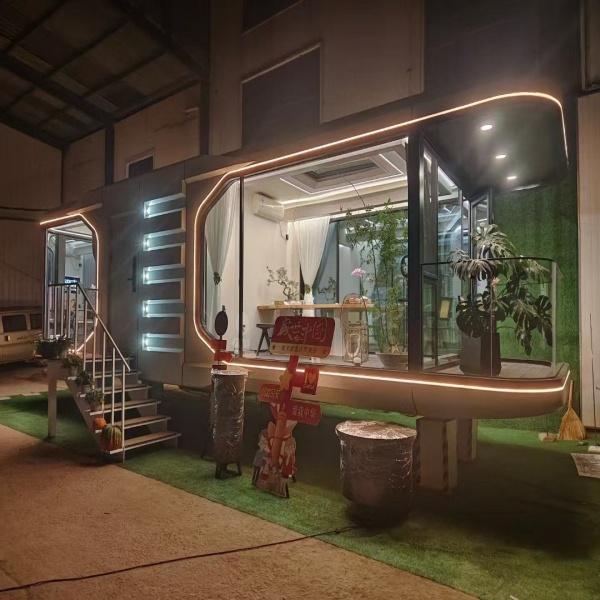
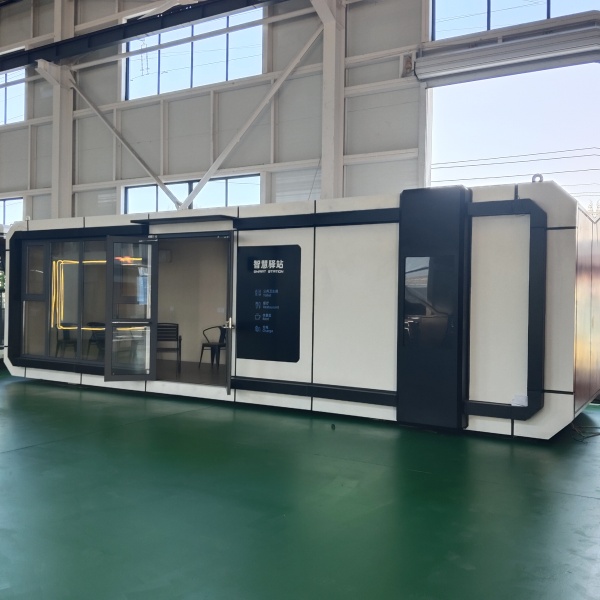
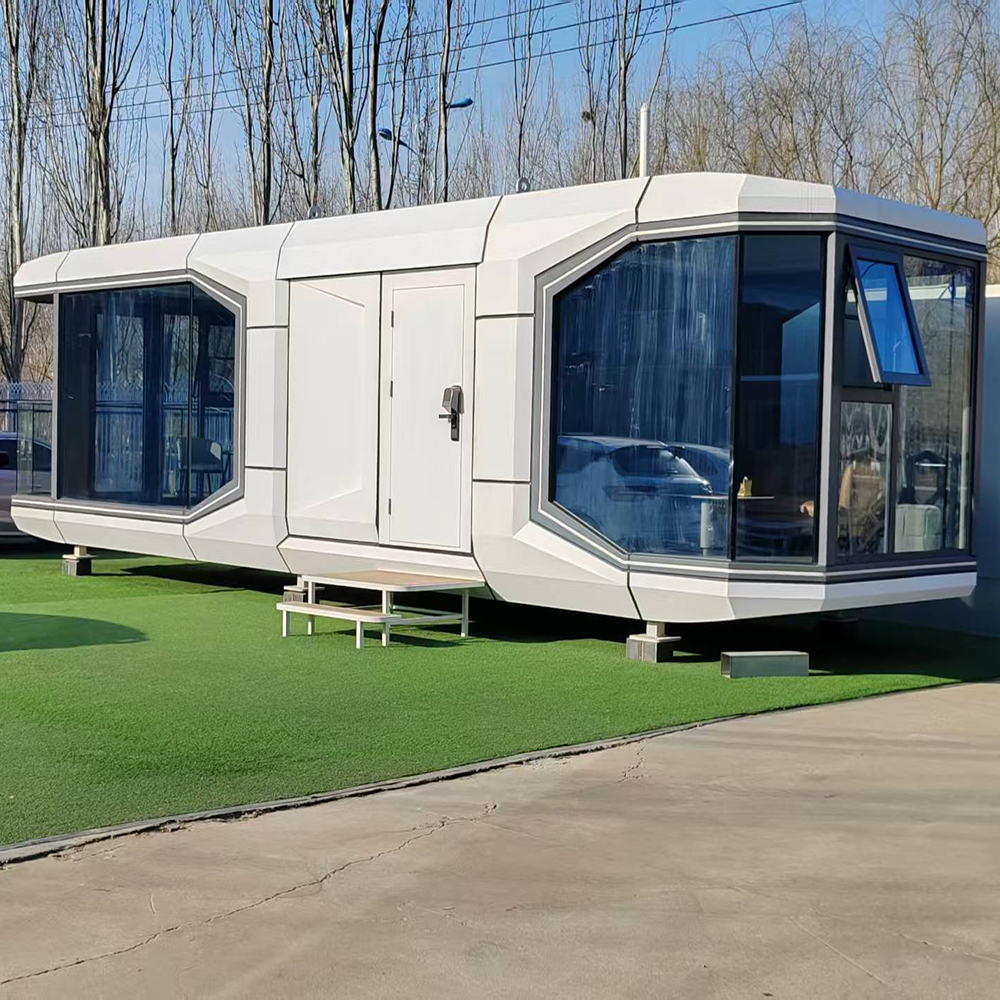

Best selling products
Best selling products-
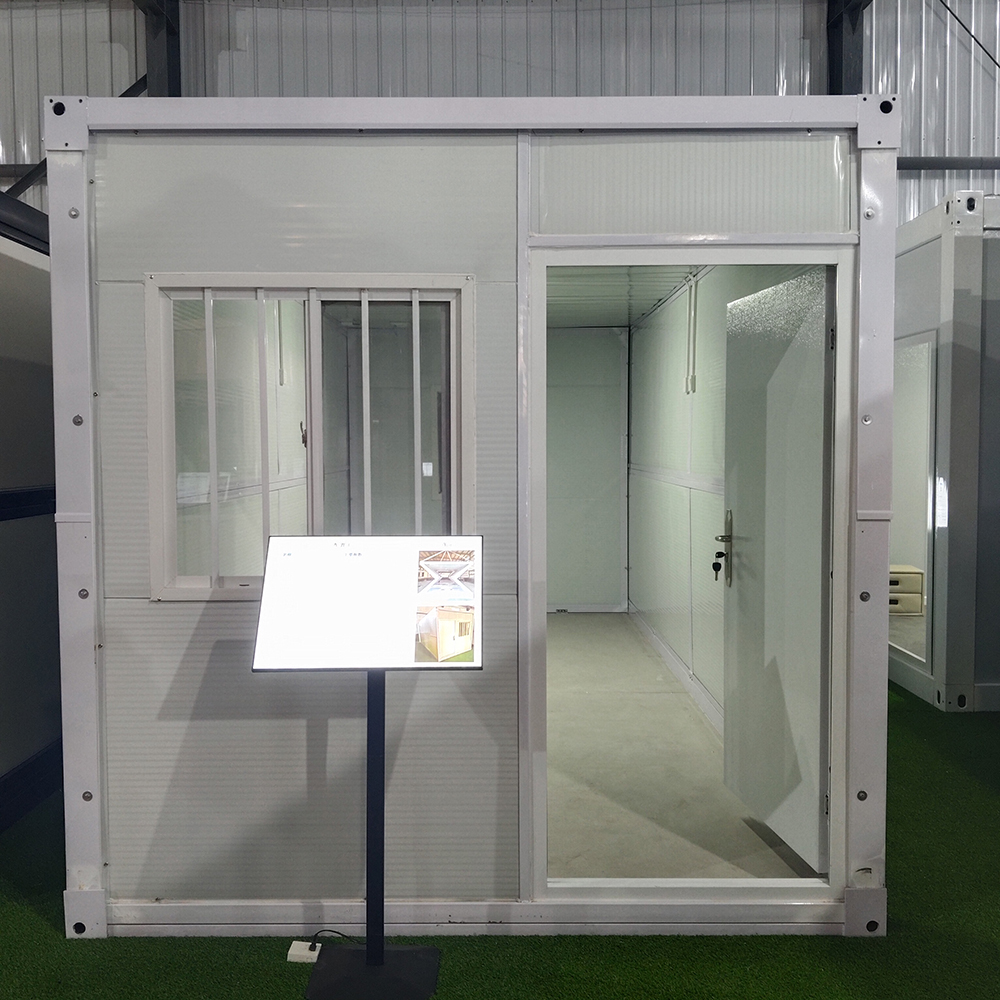 Reasonable Price 1 Bedroom Modular Container House Folding Container Home for Villa or Apartment Use
 -
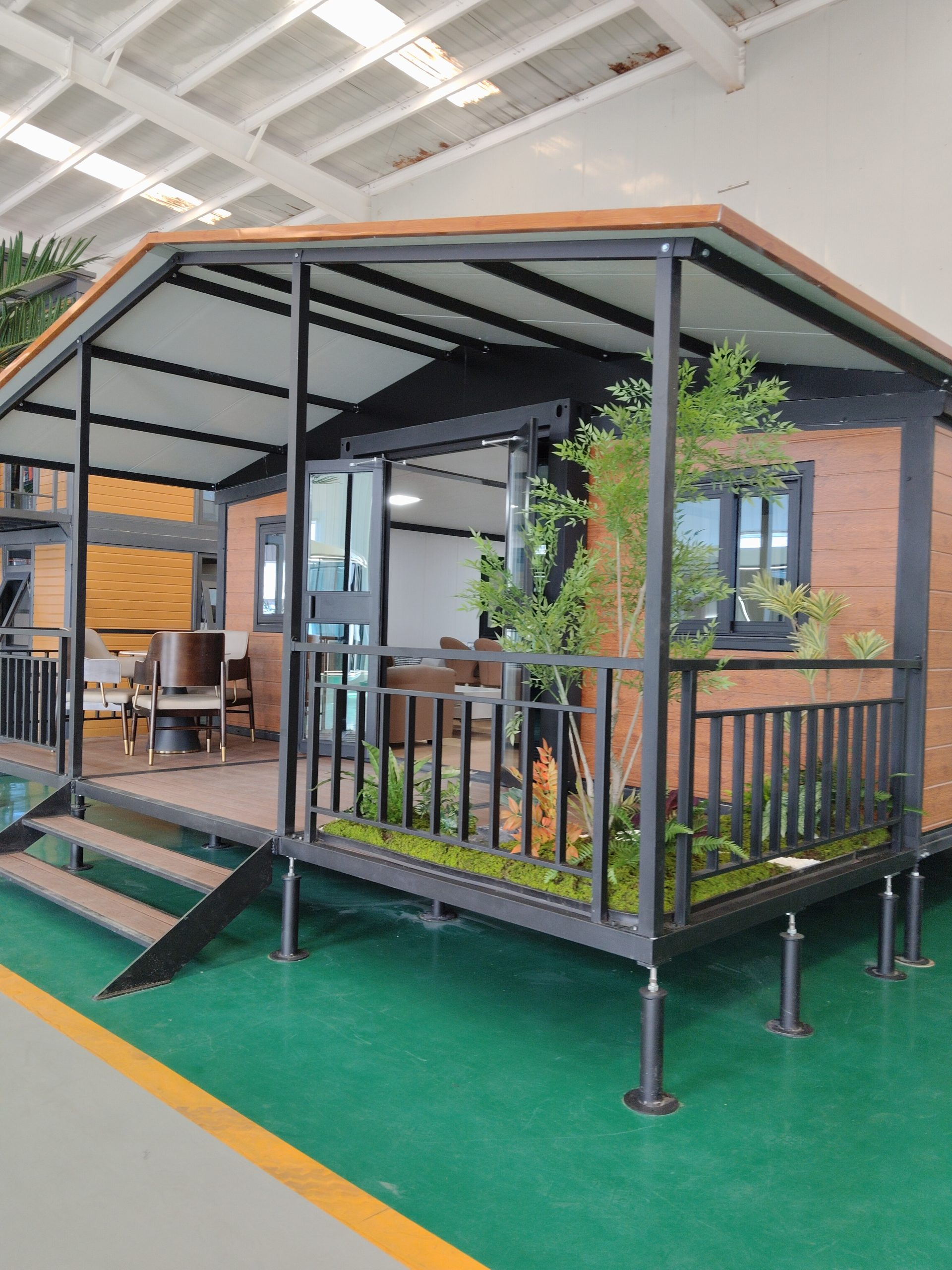 A container house with a terrace and double-wing folding design, suitable for various purposes such as offices, meeting rooms, living rooms, etc.
 -
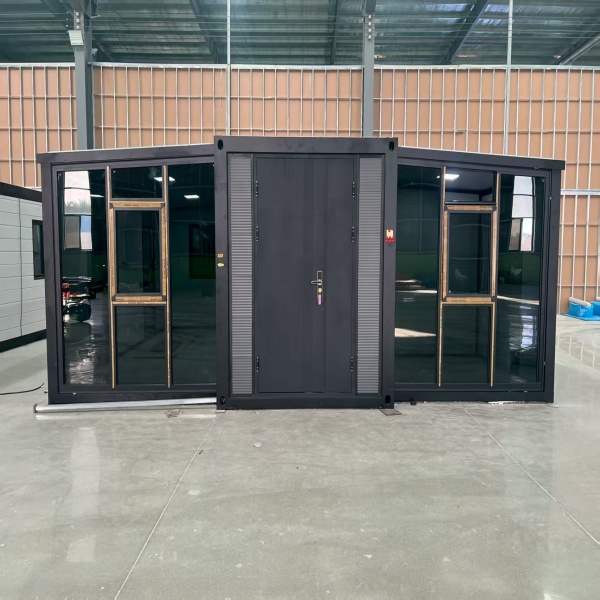 Customizable Office Mobile Home with Flat Roof and Double Wing Expansion Box, Convenient Container
 -
Two Wing Folding Expandable Container House
-
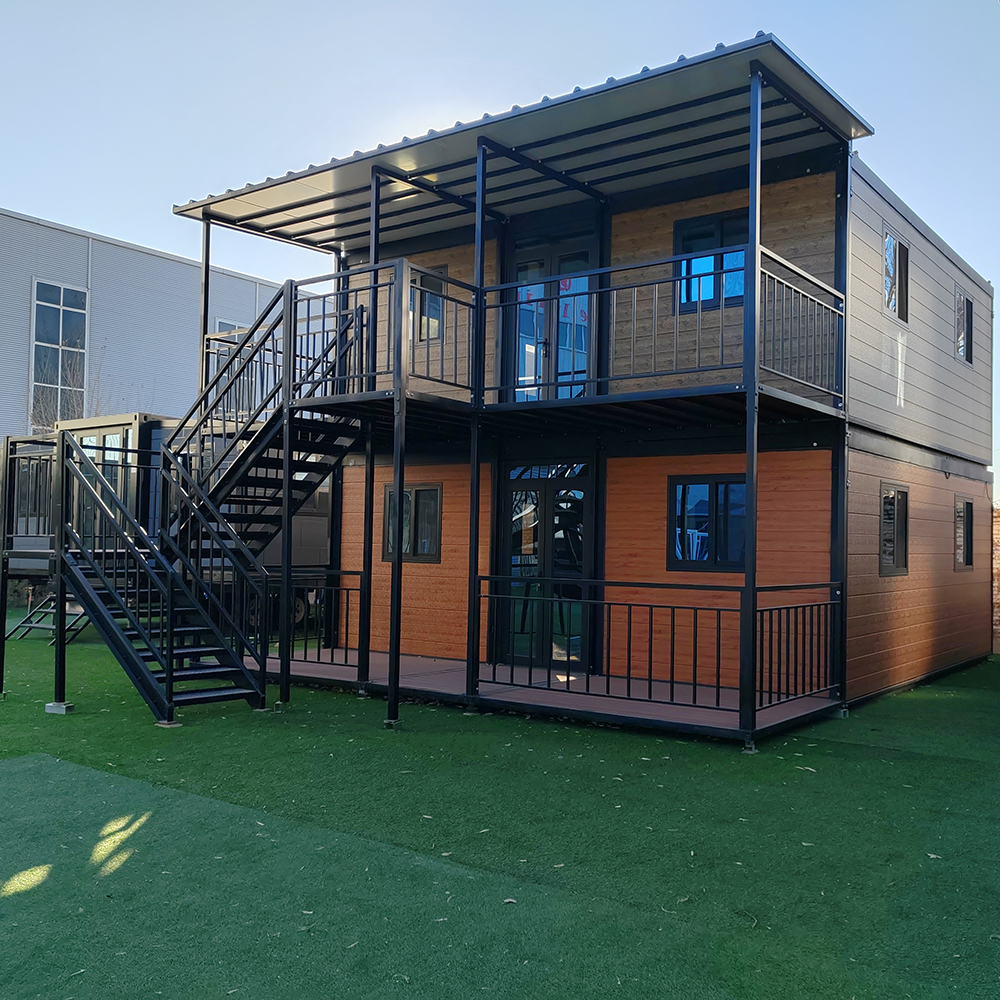 Easy Install Customized Detachable Container Homes Extendable House Prefab 2 Floors Expandable Container House
 -
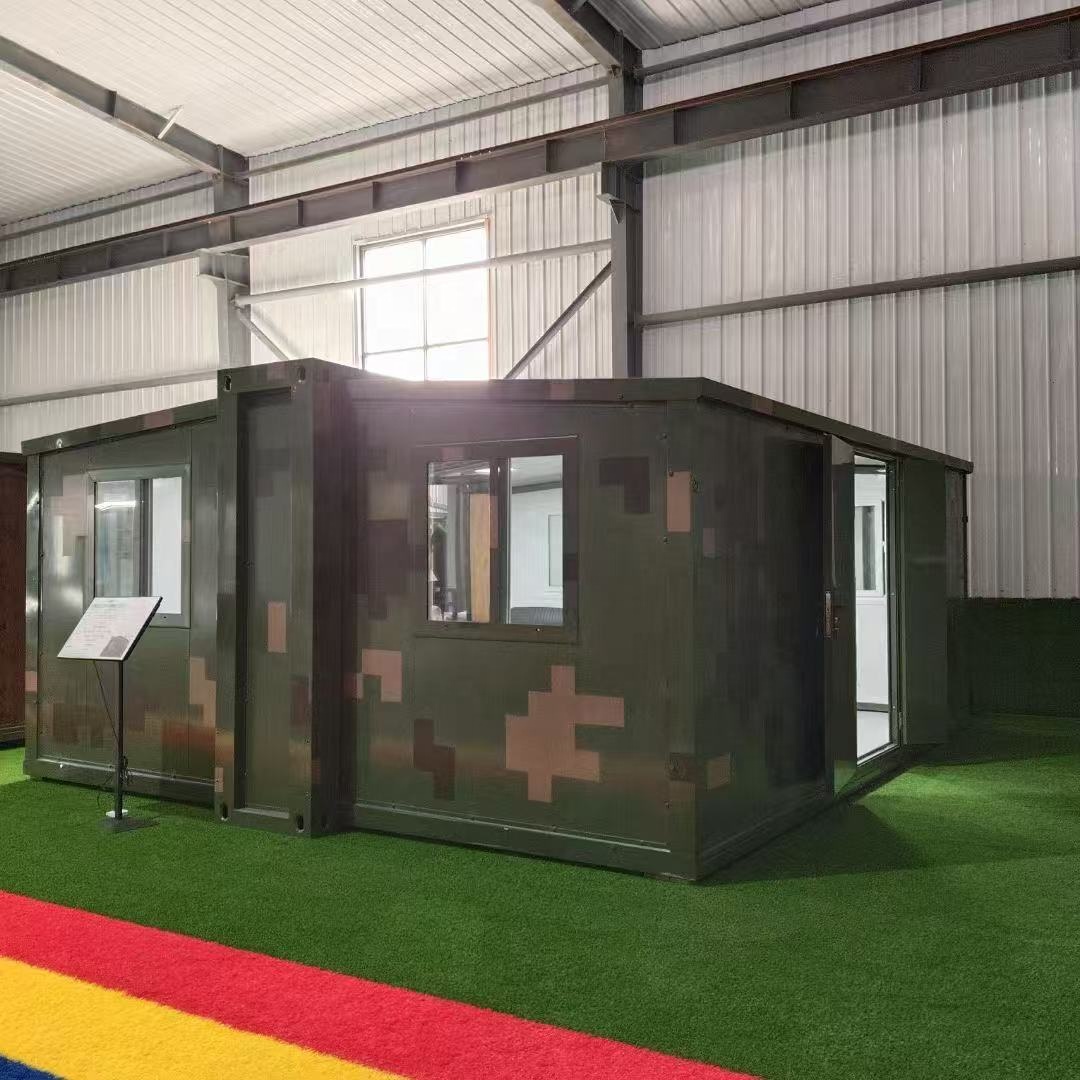 Movable Prefabricated Container House Villas Modular Portable Homes 1 Bedroom Container House Offices Apartments
 -
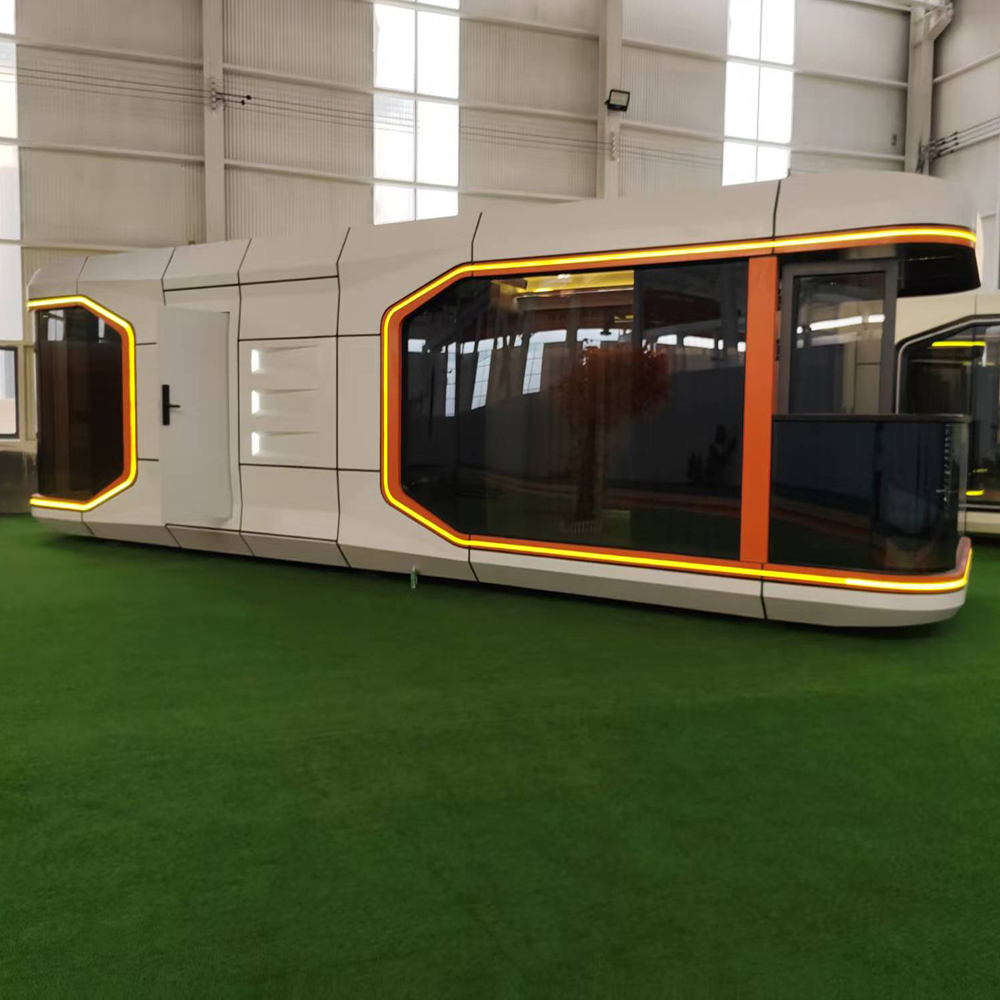 Standard Modern Camping Pod Space Prefabricated Portable Mobile Capsule Room Hotel Bathroom Prefabricated Spaceship House
 -
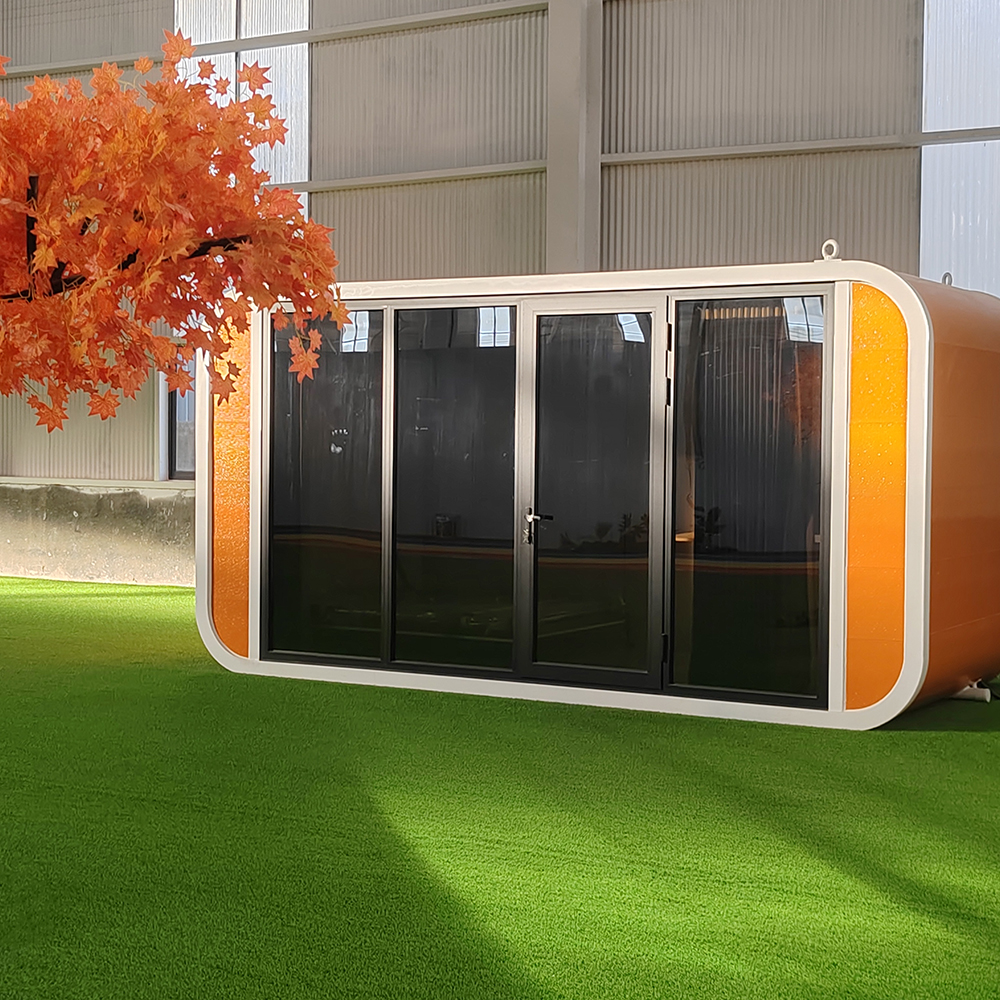 Luxury Prefabricated Living Container House Modular Glass Tiny House Prefab Container Home Apple Cabin
 -
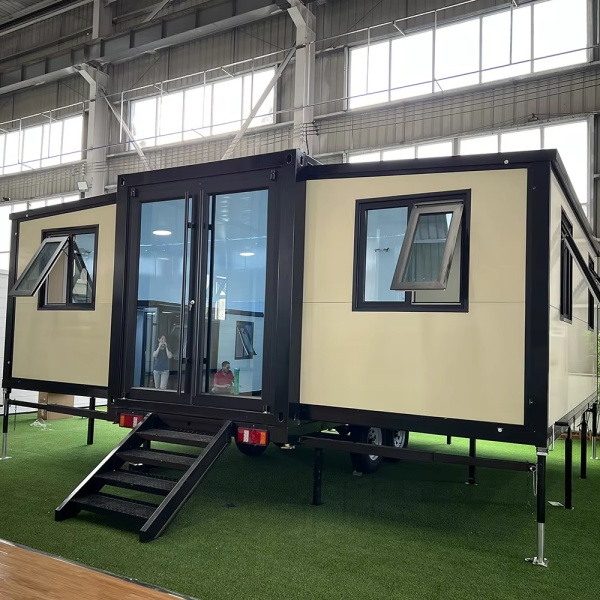 Stair Access Double Wing Expandable Container House | Easy Installation Mobile Office
 -
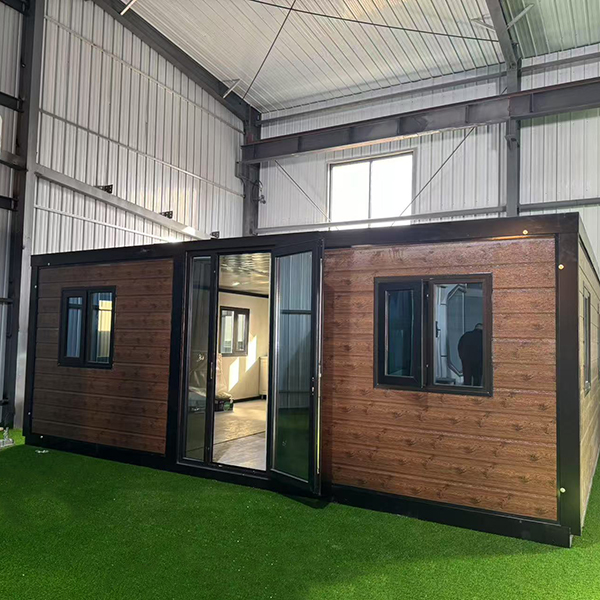 Good Quality Modular Homes Prefabricated House Expandable Container House 20FT Mobile Flat Roof House
 -
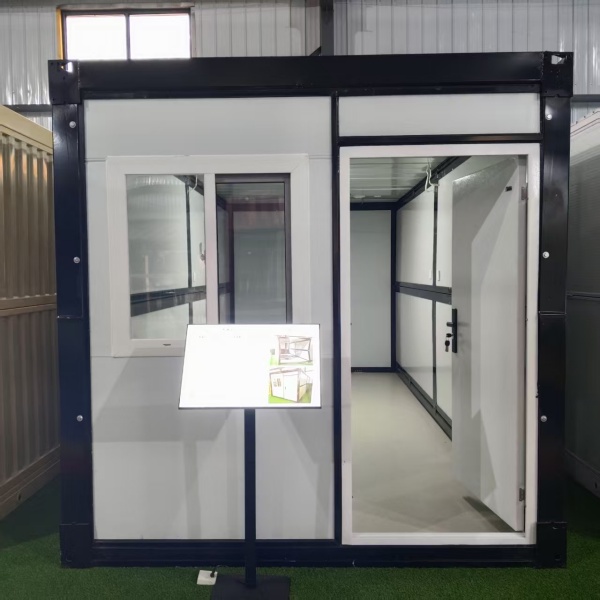 Hot-selling foldable container houses, expandable prefabricated houses, suitable for office or living use, with fast delivery.
 -
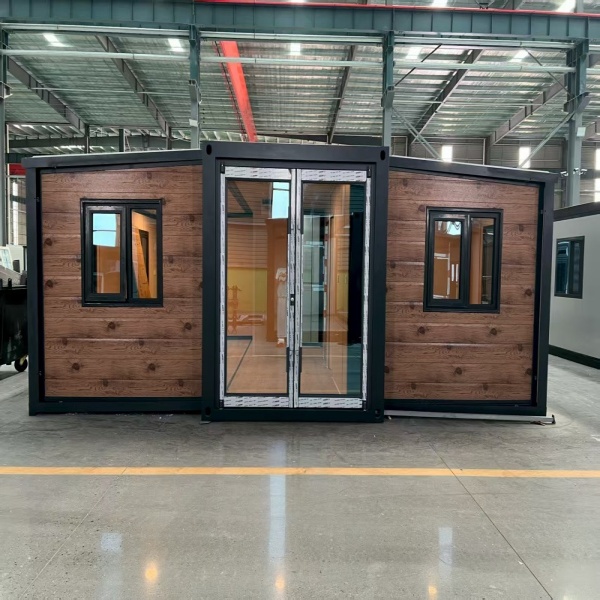 The foldable container house with side wing design can be quickly set up and is suitable for various environments.
Related search
Related search- China space capsule homes
- fold out container homes
- prefabricated containers house 20ft
- Buy wholesale 40 foot container house prefabricated
- apple cabin modular house
- modular prefab prefabricated shipping container house home
- China prefabricated house container
- new spire prefabricated container house
- Buy fold out house on trailer
- container house prefabricated villa