
-
E-mail
Austin120521@outlook.com -
E-mail
sales@jujiuhouse.com -
Telephone
+86-17864099991 -
Telephone
+86-17854044442
- Chinese
- French
- German
- Portuguese
- Spanish
- Russian
- Japanese
- Korean
- Arabic
- Irish
- Greek
- Turkish
- Italian
- Danish
- Romanian
- Indonesian
- Czech
- Afrikaans
- Swedish
- Polish
- Basque
- Catalan
- Esperanto
- Hindi
- Lao
- Albanian
- Amharic
- Armenian
- Azerbaijani
- Belarusian
- Bengali
- Bosnian
- Bulgarian
- Cebuano
- Chichewa
- Corsican
- Croatian
- Dutch
- Estonian
- Filipino
- Finnish
- Frisian
- Galician
- Georgian
- Gujarati
- Haitian
- Hausa
- Hawaiian
- Hebrew
- Hmong
- Hungarian
- Icelandic
- Igbo
- Javanese
- Kannada
- Kazakh
- Khmer
- Kurdish
- Kyrgyz
- Latin
- Latvian
- Lithuanian
- Luxembou..
- Macedonian
- Malagasy
- Malay
- Malayalam
- Maltese
- Maori
- Marathi
- Mongolian
- Burmese
- Nepali
- Norwegian
- Pashto
- Persian
- Punjabi
- Serbian
- Sesotho
- Sinhala
- Slovak
- Slovenian
- Somali
- Samoan
- Scots Gaelic
- Shona
- Sindhi
- Sundanese
- Swahili
- Tajik
- Tamil
- Telugu
- Thai
- Ukrainian
- Urdu
- Uzbek
- Vietnamese
- Welsh
- Xhosa
- Yiddish
- Yoruba
- Zulu
- Kinyarwanda
- Tatar
- Oriya
- Turkmen
- Uyghur




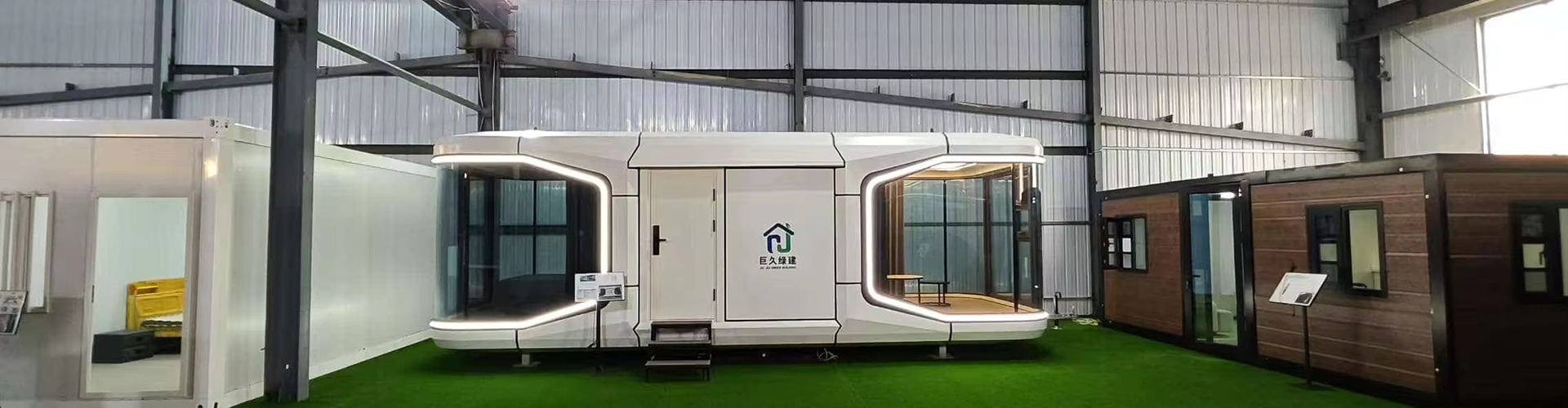
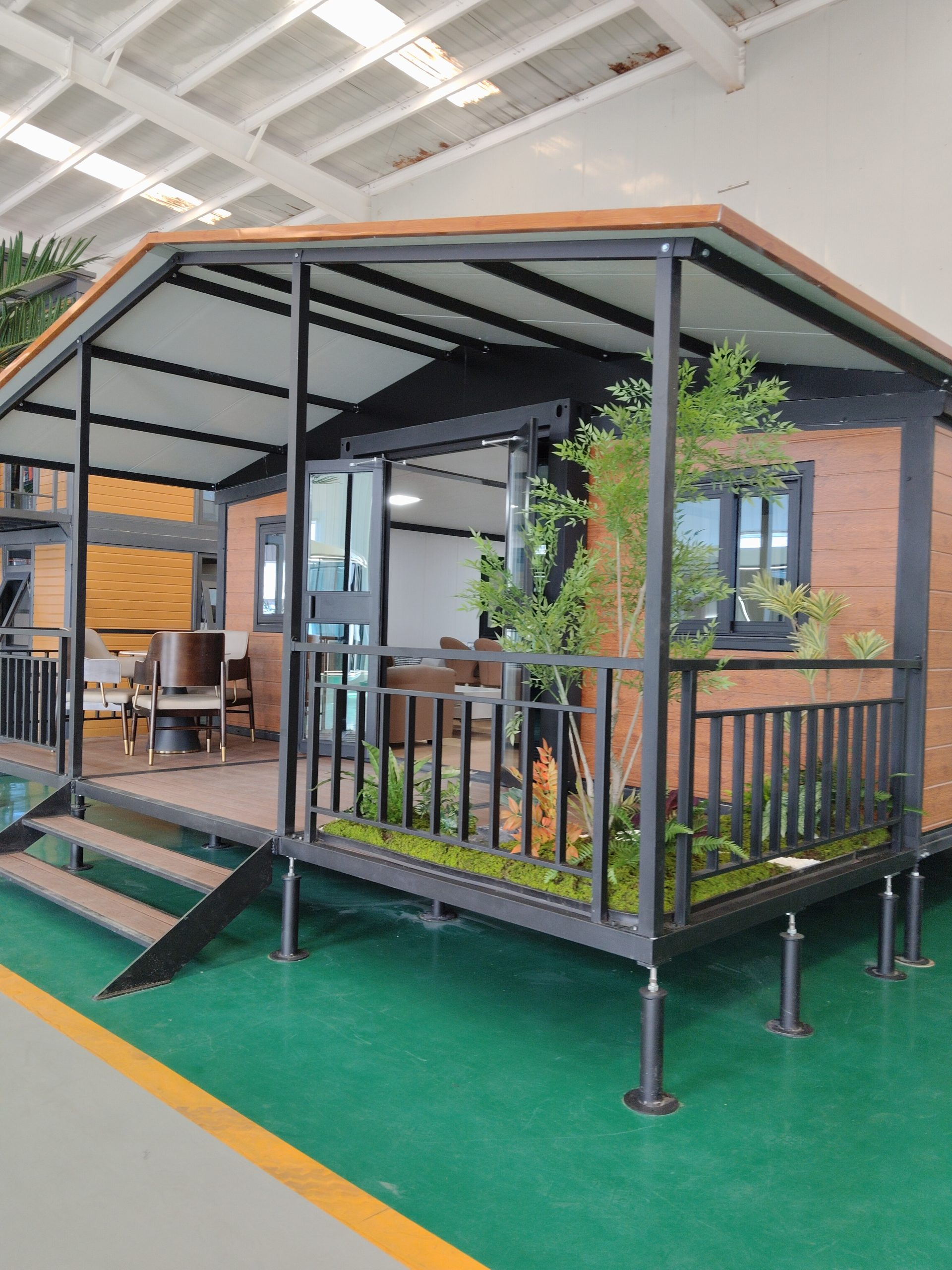
China expandable container house america prefab house
The Impact of Expandable Container Houses in the American Prefab Market
The concept of expandable container houses from places like China has been gaining traction in the American prefab housing market. Yet, there seems to be a lot of misconceptions about their practicality. Are they really cost-effective? Can they match the local aesthetics? These are some of the questions often raised by professionals in the industry.
Rethinking Prefab Housing
When people hear prefab house, they might imagine dull, boxy structures that offer little variety. However, the reality is evolving, especially with companies like SHANDONG JUJIU INTEGRATED HOUSING CO,LTD, making considerable strides in design and functionality. They’re not just about stacking steel containers anymore.
The technology has improved to such an extent that these homes are now relatively easy to customize without compromising structural integrity. From light steel villas to intricate curtain wall projects, the possibilities seem endless. But what’s really driving this shift are the benefits: speed of assembly and reduced construction costs.
Of course, there are challenges. Prefab homes must comply with local building regulations, which can differ from state to state in America. This sometimes leads to complications in the approval process—a common stumbling block for market expansion.
Adaptability in Design
One of the strengths of expandable container homes is their adaptability. Companies can tweak designs to match various environments, which is crucial for meeting diverse consumer demands across different regions in the USA. This flexibility also allows for enhanced personal expression, catering to those who want a personalized feel despite opting for prefab options.
Incorporating eco-friendly materials and energy-efficient technologies is another trend we are observing. American consumers are more environmentally conscious than ever, and introducing sustainable options could significantly boost market acceptance.
However, tailoring these designs to fit American tastes without losing the core benefits requires both creativity and experience. Firms like Shandong Jujiu are continually working on balancing these elements, pushing the boundaries while remaining practical.
Practical Challenges
A crucial aspect of success in the American prefab market is logistical efficiency. Shipping large containers across the globe poses its own set of problems. Delays in transit or increased shipping costs can erode the savings that prefab construction offers.
Moreover, once on site, the installation process itself needs to be streamlined. Training American construction crews to understand and execute these unique assembly methods can be daunting. It’s not just about putting the pieces together but doing so with precision and speed.
Even small missteps in assembly can lead to long-term issues, negating the initial benefits. Thus, companies must invest in comprehensive training programs and meticulous planning to ensure smooth operations.
Case Studies and Experiences
In my experience, working with prefab structures in America reveals a dichotomy between expectation and execution. One particular project involved a community housing development aiming for affordability. We used container homes from Shandong Jujiu for their cost-effectiveness and speed.
Everything seemed perfect on paper. The design was contemporary and met local codes, but unforeseen local opposition arose. Residents were hesitant, worrying about the ‘temporary’ look and durability. However, once we demonstrated the robustness and the actual design, most concerns eased.
These experiences underscore the importance of not just meeting building codes, but also engaging with local communities. Getting stakeholder buy-in is as crucial as getting the logistics right.
The Future of Prefab in the USA
Looking forward, the potential for Chinese expandable container houses to capture a significant share of the American market is promising. But it requires more than just solid products. It’s about building trust and showing adaptability to American living standards.
As American cities become increasingly space-conscious, the value proposition of prefabs looks even more attractive. Shandong Jujiu and similar companies are at the forefront of tapping into this evolving market trend, adapting their offerings to fit an American context perfectly.
Ultimately, though it might take time and effort, the integration of these housing solutions can redefine modern living spaces in America. With continued innovation and adaptation, the prefab market, particularly those involving expandable container houses, is poised for growth.
Related products
Related products
Best selling products
Best selling products-
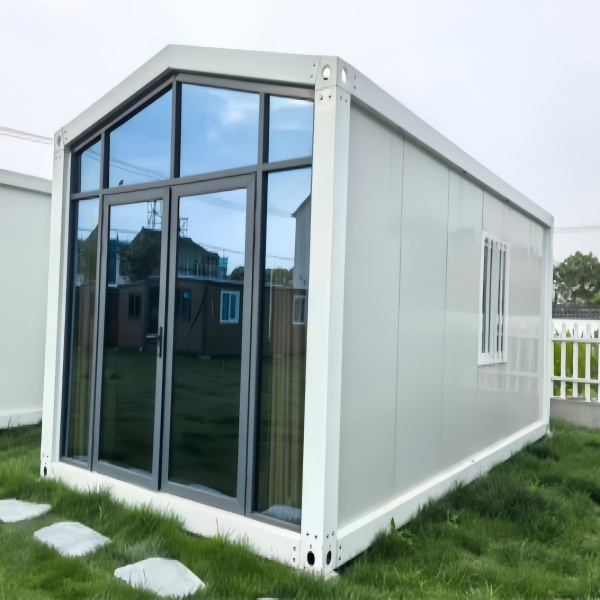 Waterproof folding container house – mobile accommodation for campsites/scenic spots
 -
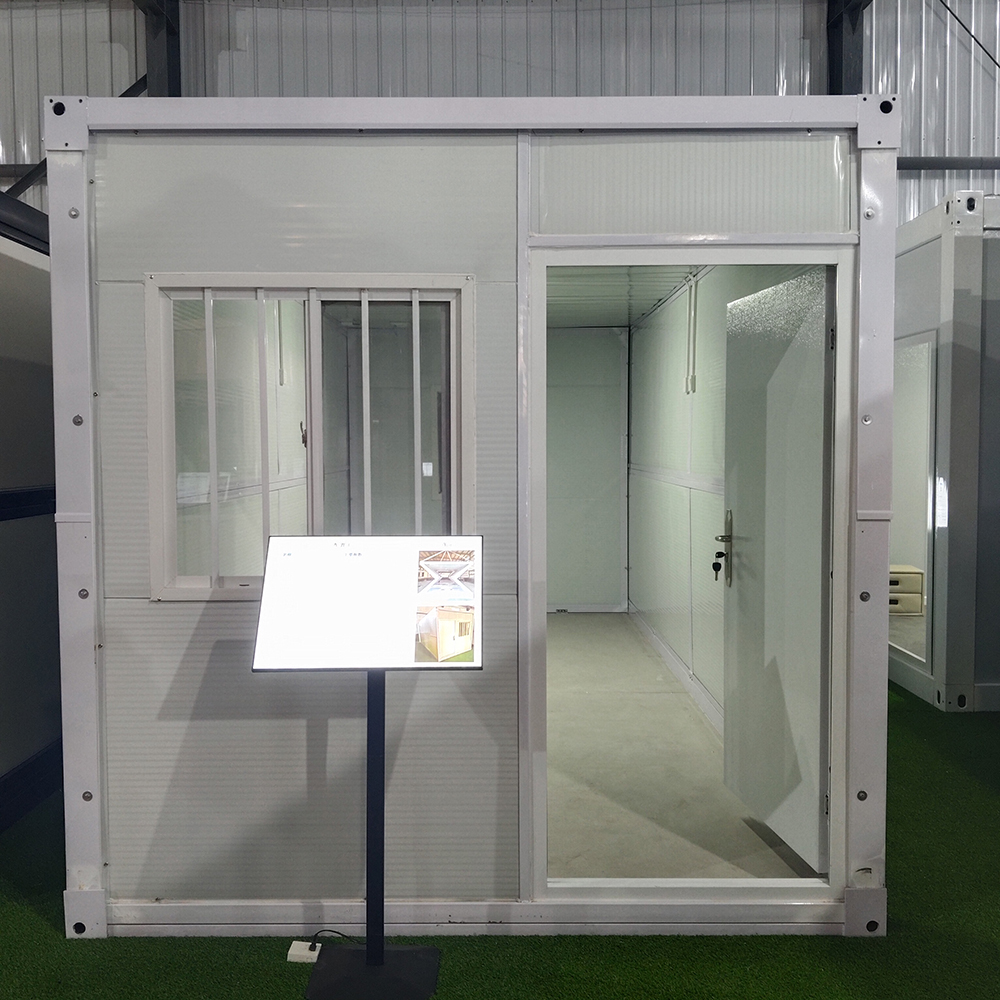 Reasonable Price 1 Bedroom Modular Container House Folding Container Home for Villa or Apartment Use
 -
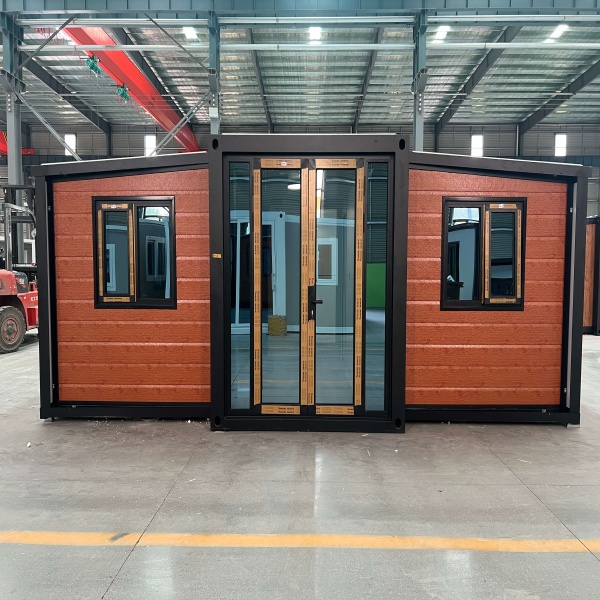 High-quality Double-wing Folding Container House with Doors and Windows, Insulated Walls, Suitable for Various Scenarios.
 -
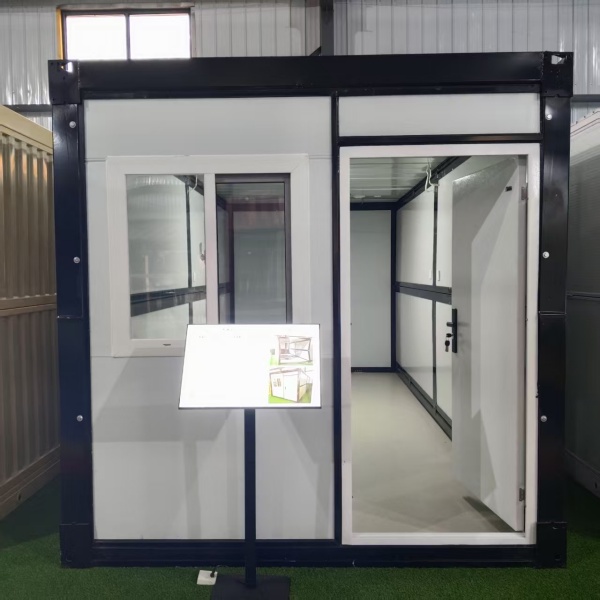 Hot-selling foldable container houses, expandable prefabricated houses, suitable for office or living use, with fast delivery.
 -
Two Wing Folding Expandable Container House
-
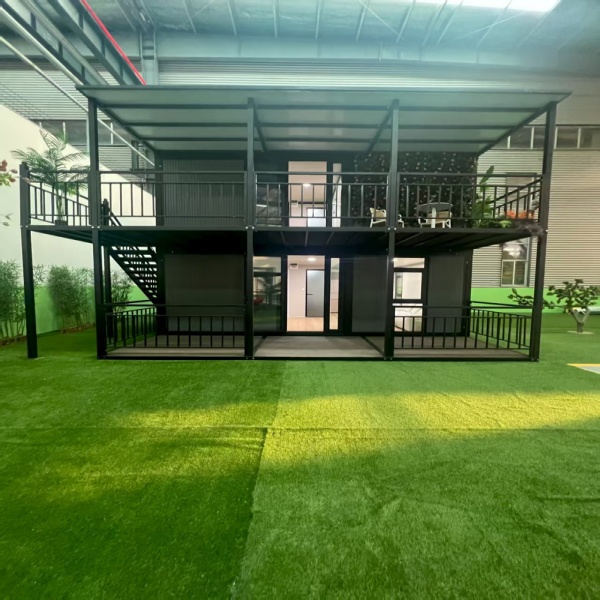 Luxury foldable two-story container houses in luxury resort hotels and villa hotels
 -
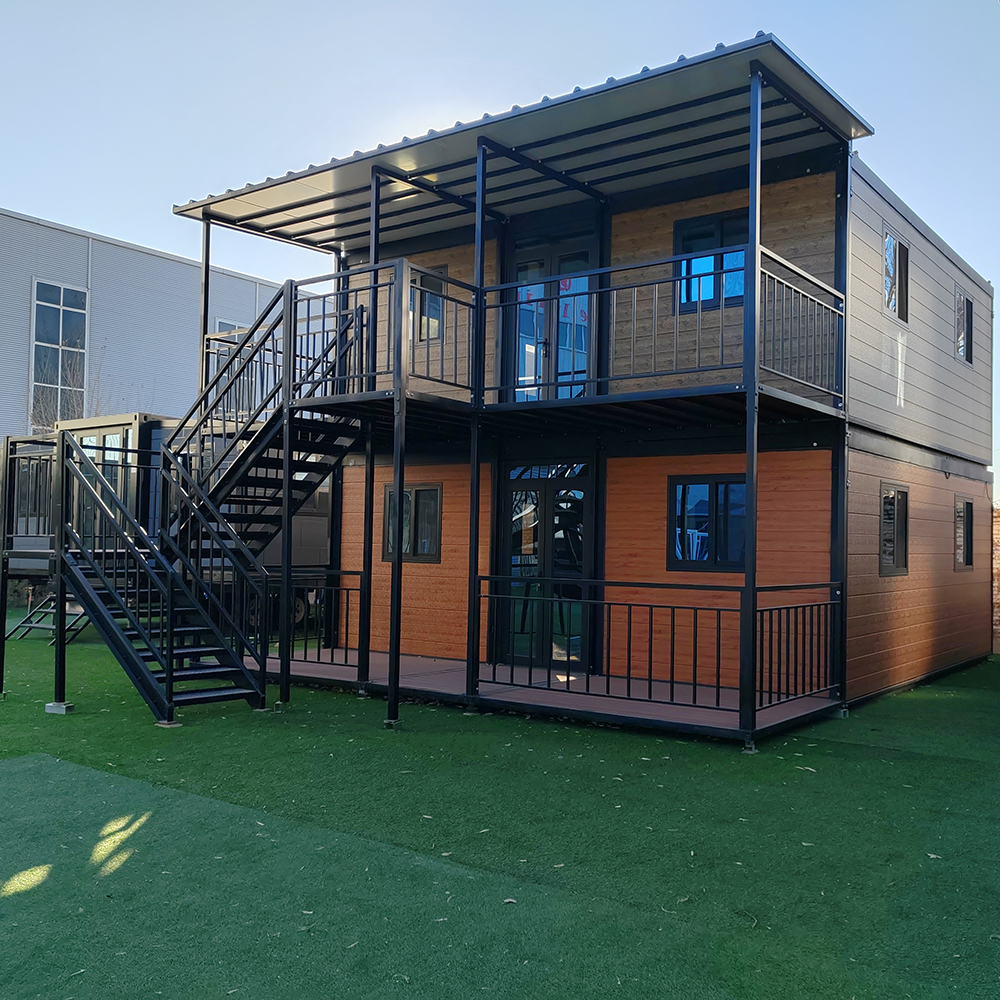 Easy Install Customized Detachable Container Homes Extendable House Prefab 2 Floors Expandable Container House
 -
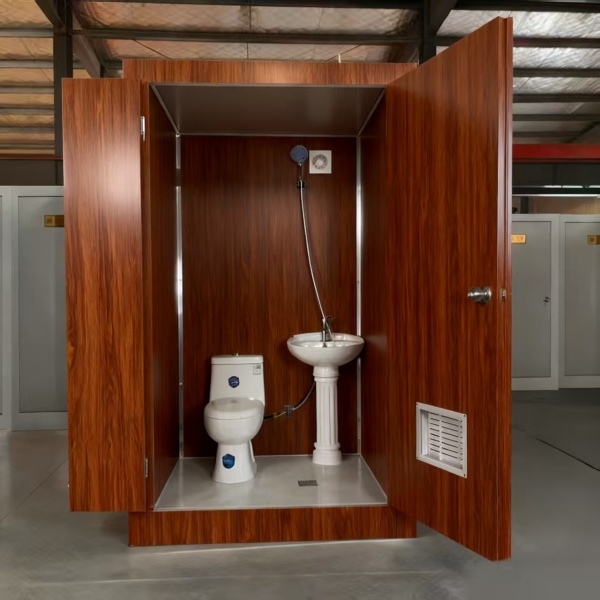 Portable outdoor camping bathroom, mobile toilet, prefabricated modular villa & rental of outdoor and indoor showers
 -
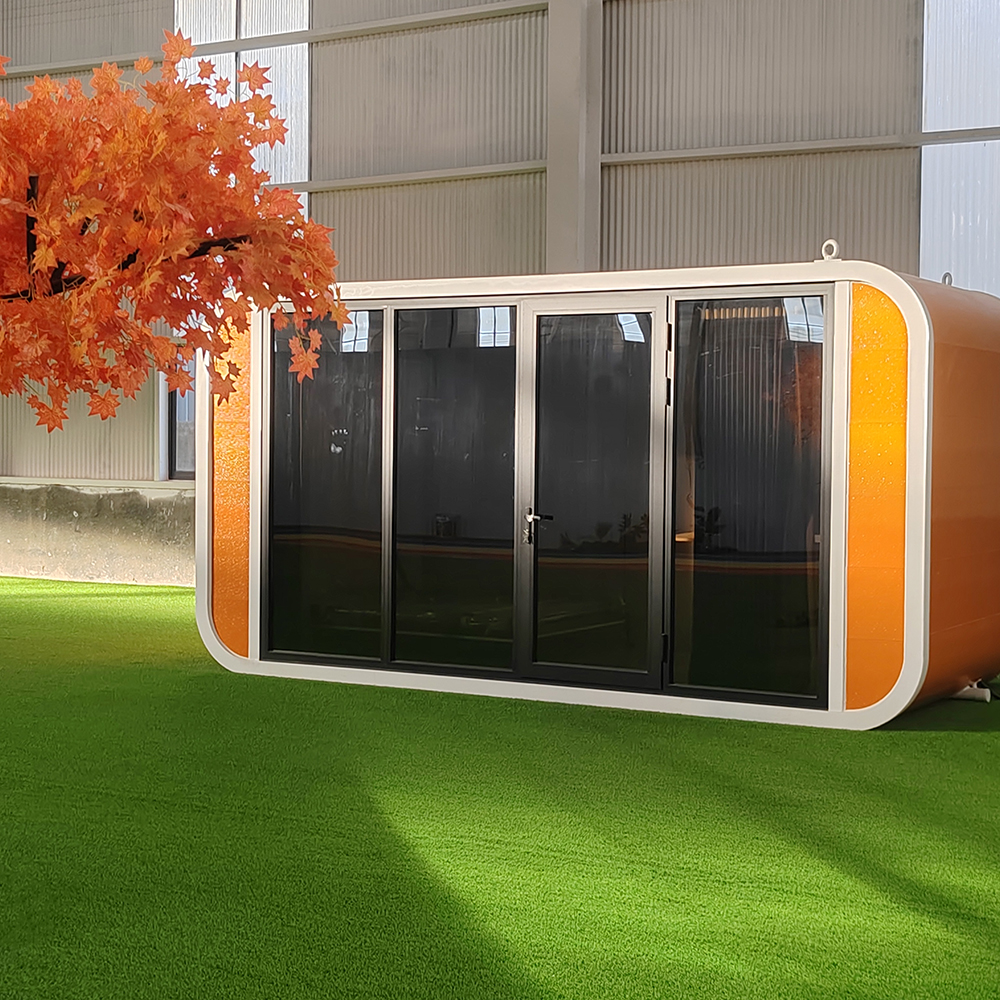 Luxury Prefabricated Living Container House Modular Glass Tiny House Prefab Container Home Apple Cabin
 -
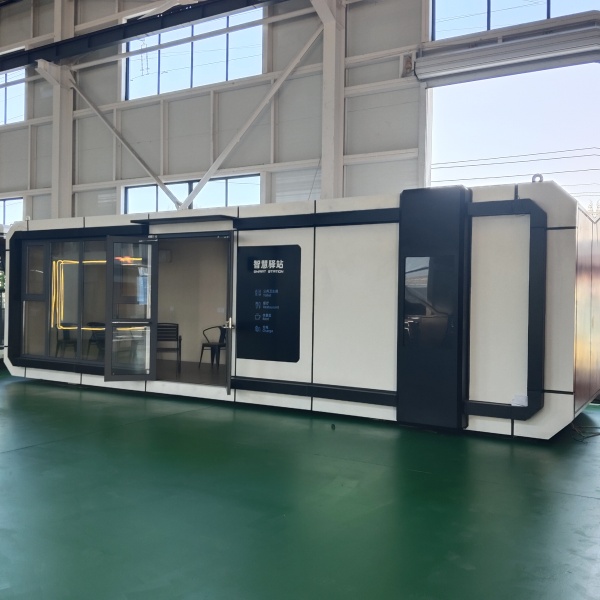 Modular modern movable apple cabins, customized high-end folk houses and portable bedrooms, delivered as a whole
 -
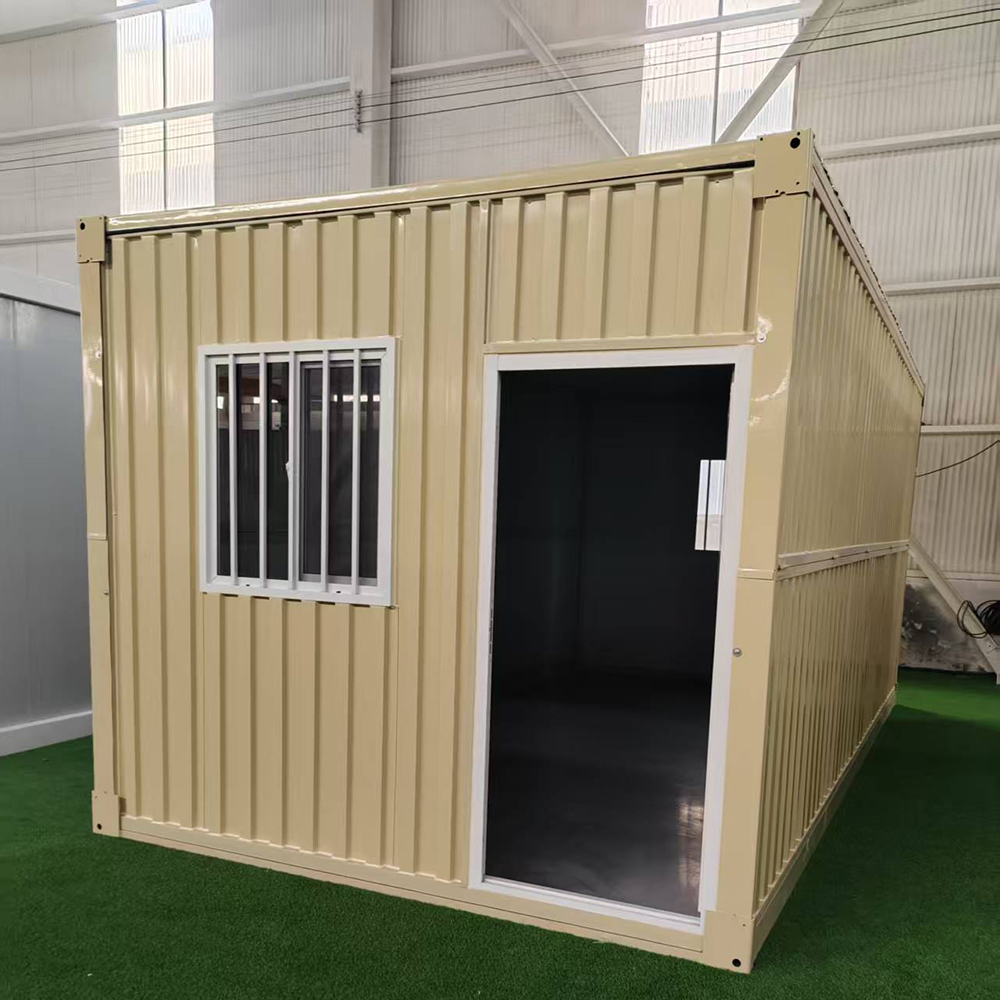 Competitive Price Portable Container House Foldable Container Mobile Living Modular Homes
 -
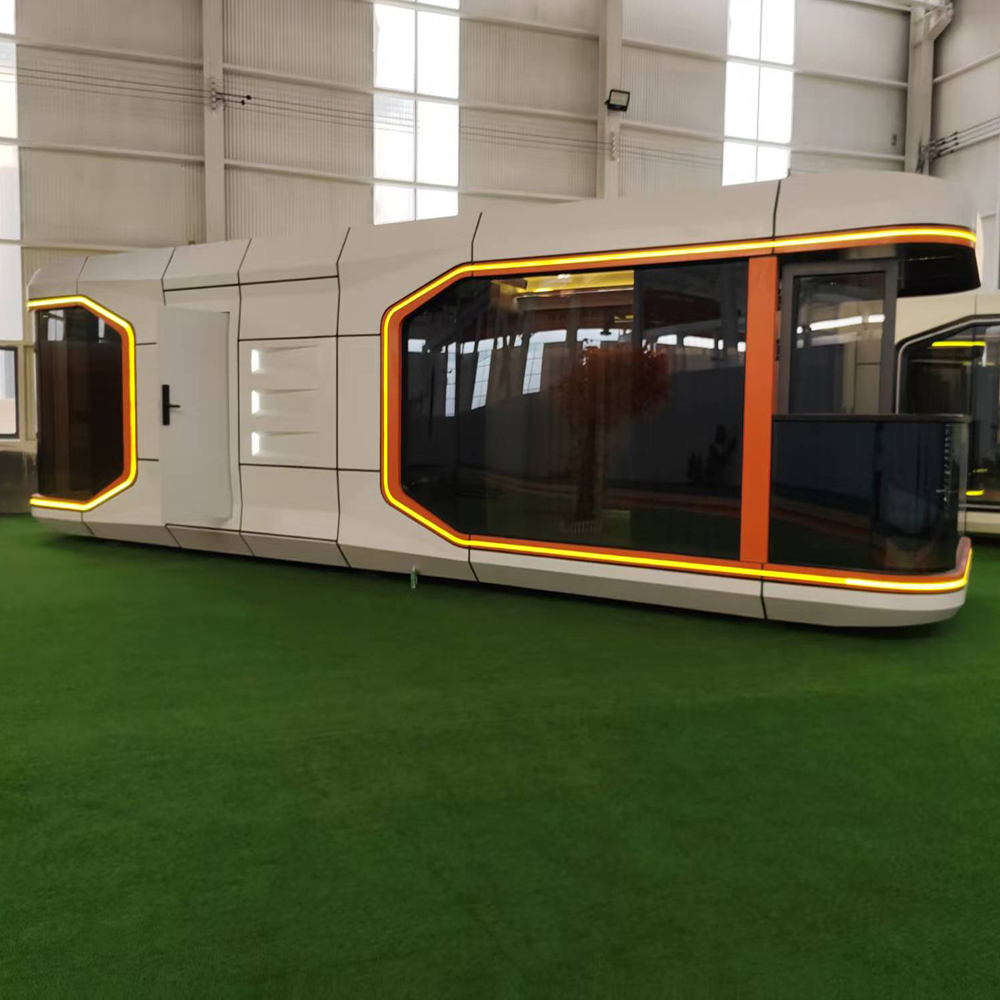 Standard Modern Camping Pod Space Prefabricated Portable Mobile Capsule Room Hotel Bathroom Prefabricated Spaceship House