
-
E-mail
Austin120521@outlook.com -
E-mail
sales@jujiuhouse.com -
Telephone
+86-17864099991 -
Telephone
+86-17854044442
- Chinese
- French
- German
- Portuguese
- Spanish
- Russian
- Japanese
- Korean
- Arabic
- Irish
- Greek
- Turkish
- Italian
- Danish
- Romanian
- Indonesian
- Czech
- Afrikaans
- Swedish
- Polish
- Basque
- Catalan
- Esperanto
- Hindi
- Lao
- Albanian
- Amharic
- Armenian
- Azerbaijani
- Belarusian
- Bengali
- Bosnian
- Bulgarian
- Cebuano
- Chichewa
- Corsican
- Croatian
- Dutch
- Estonian
- Filipino
- Finnish
- Frisian
- Galician
- Georgian
- Gujarati
- Haitian
- Hausa
- Hawaiian
- Hebrew
- Hmong
- Hungarian
- Icelandic
- Igbo
- Javanese
- Kannada
- Kazakh
- Khmer
- Kurdish
- Kyrgyz
- Latin
- Latvian
- Lithuanian
- Luxembou..
- Macedonian
- Malagasy
- Malay
- Malayalam
- Maltese
- Maori
- Marathi
- Mongolian
- Burmese
- Nepali
- Norwegian
- Pashto
- Persian
- Punjabi
- Serbian
- Sesotho
- Sinhala
- Slovak
- Slovenian
- Somali
- Samoan
- Scots Gaelic
- Shona
- Sindhi
- Sundanese
- Swahili
- Tajik
- Tamil
- Telugu
- Thai
- Ukrainian
- Urdu
- Uzbek
- Vietnamese
- Welsh
- Xhosa
- Yiddish
- Yoruba
- Zulu
- Kinyarwanda
- Tatar
- Oriya
- Turkmen
- Uyghur




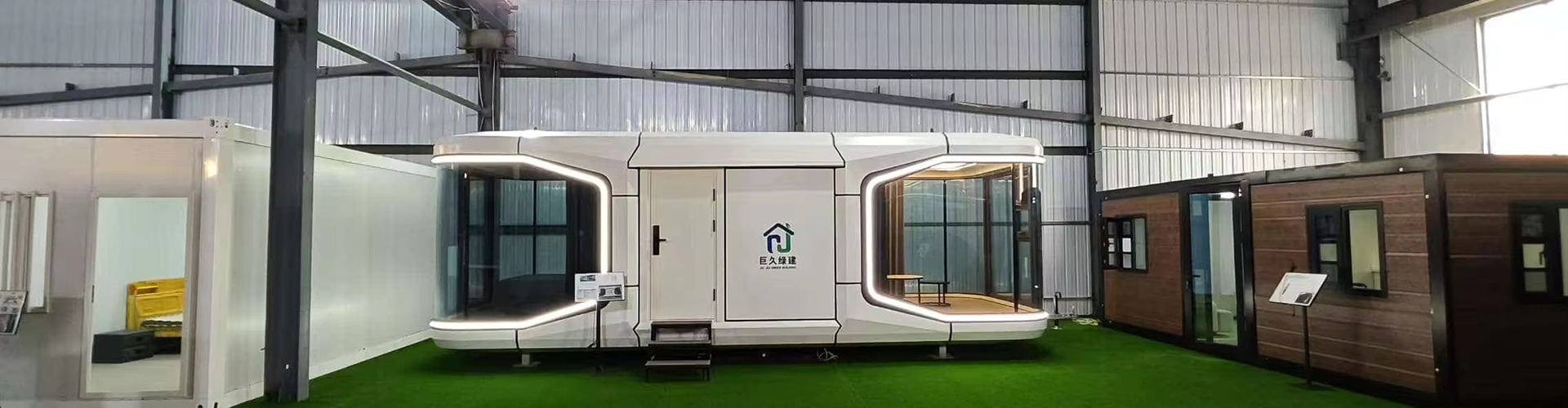
China expandable modular house
Understanding the Rise of China's Expandable Modular Houses
The notion of expandable modular houses in China has been transforming the landscape of the construction industry. While some may dismiss these as mere temporary structures, the truth is far more complex and worth exploring. For those of us who operate within this field, it becomes clear that these houses represent a fusion of innovation, practicality, and sustainable living solutions.
Origins and Misunderstandings
For many, the concept of modular housing immediately brings to mind images of utilitarian, box-like structures. However, what's often overlooked is the ingenuity behind these designs. When expandable modular houses started gaining traction in China, I noticed a common assumption: they’re low-quality and purely functional. My experience, however, suggests something quite different. These houses are engineered to provide both efficiency and a surprising level of comfort. It's not about sacrificing quality for convenience; it's about harmonizing both.
These houses often employ cutting-edge materials that ensure durability and aesthetic appeal. It's not just about stacking blocks; it's about creating spaces that people genuinely want to inhabit. Companies like Shandong Jujiu Integrated Housing Co., Ltd. have pushed the boundaries in this arena, developing products that defy the stereotypes often associated with modular construction.
Shandong Jujiu Integrated Housing Co., Ltd., which you can explore at Jujiu House, exemplifies this transformation through its integration of R&D, design, and installation. This holistic approach helps in crafting products tailored specifically for modern needs.
The Technology Behind Modular Expansion
Understanding the technology used in expandable modular houses is crucial. The key lies in the precise engineering and prefabrication techniques that allow for these structures to be both portable and robust. I remember visiting a site where modules were being constructed and was struck by the efficiency of the assembly line. It's a meticulous process, reminiscent of automotive production, but tailored for housing.
These units are built with versatility in mind. The modular components are designed to be easily transported and assembled, minimizing construction waste and the typical delays associated with traditional building methods. This approach not only speeds up the process but also aligns with sustainability goals, reducing the carbon footprint associated with construction.
Moreover, the materials chosen by Shandong Jujiu, such as light steel and insulated panels, enhance the longevity and energy efficiency of these homes. It’s a balancing act of engineering prowess and architectural aesthetics.
Case Studies and Real-World Impact
To truly appreciate the impact of expandable modular houses, we must look at real-world applications. In urban areas, where space is a premium, these modules offer a practical solution. I’ve seen entire communities pop up in weeks, providing much-needed housing solutions for expanding urban populations. It’s almost like watching a small city grow overnight.
One notable project I observed was the rapid deployment of modular units after a natural disaster. The speed at which these homes were erected was astounding. They provided immediate relief and highlighted their potential as emergency housing solutions. Such instances are testaments to their adaptability and effectiveness in crisis situations.
This adaptability extends beyond emergencies. Shandong Jujiu's projects in sectors like education and healthcare underline the versatility of modular housing—be it classrooms or clinics, modular solutions provide timely expansions without the hassle of traditional construction.
Design Challenges and Innovations
While the advantages are clear, the design of expandable modular houses presents unique challenges. One major hurdle is customization. The balance between standardized production and the need for personalized spaces is delicate. The best modular designs, in my experience, are those that allow for easy customization without deviating from the standardized manufacturing process.
In a conversation with industry peers, the topic of modular design innovation surfaced. Most agreed that seamless modular integration into varied environments was crucial. Shandong Jujiu tackles this by offering customizable options that cater to specific client needs, whether it’s a unique facade or interior layout.
The ability to innovate within the constraints of modular construction is where companies like Jujiu lead the charge. As demand for these homes grows, so does the need for innovation in design that doesn’t compromise on functionality or visual appeal.
Future Prospects and Considerations
Looking ahead, it seems clear that expandable modular houses are here to stay, with their influence only set to increase. The shift toward greener building practices will likely see modular houses becoming a principal component of sustainable development strategies. In crafting policies for eco-friendly urban planning, modular housing should indeed be a focal point.
I’ve witnessed firsthand the progress in energy-efficient building techniques, and it's evident that the modular home sector is increasingly aligned with these principles. By utilizing recyclable materials and innovative designs, companies are reducing waste and enhancing resource efficiency, setting the stage for a more sustainable future.
Ultimately, the journey of modular housing in China reflects broader global trends towards efficiency and sustainability. Companies like Shandong Jujiu are not just participants but pioneers in this evolving narrative, contributing to what could be a fundamental shift in how we conceive of and create living spaces.
Related products
Related products

Best selling products
Best selling products-
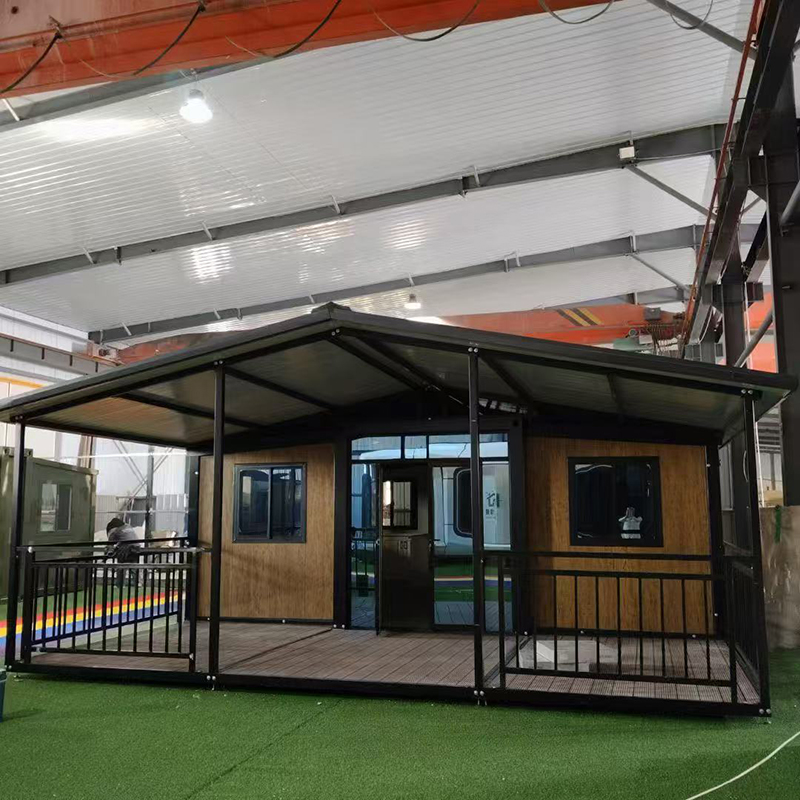
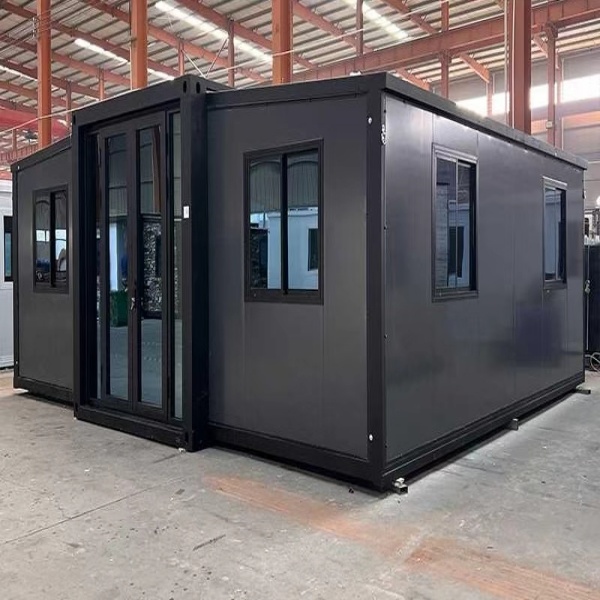 Dual-Wing Folding Container House: Fast Assembly, Space-Saving & Multi-Scene Adaptable
 -
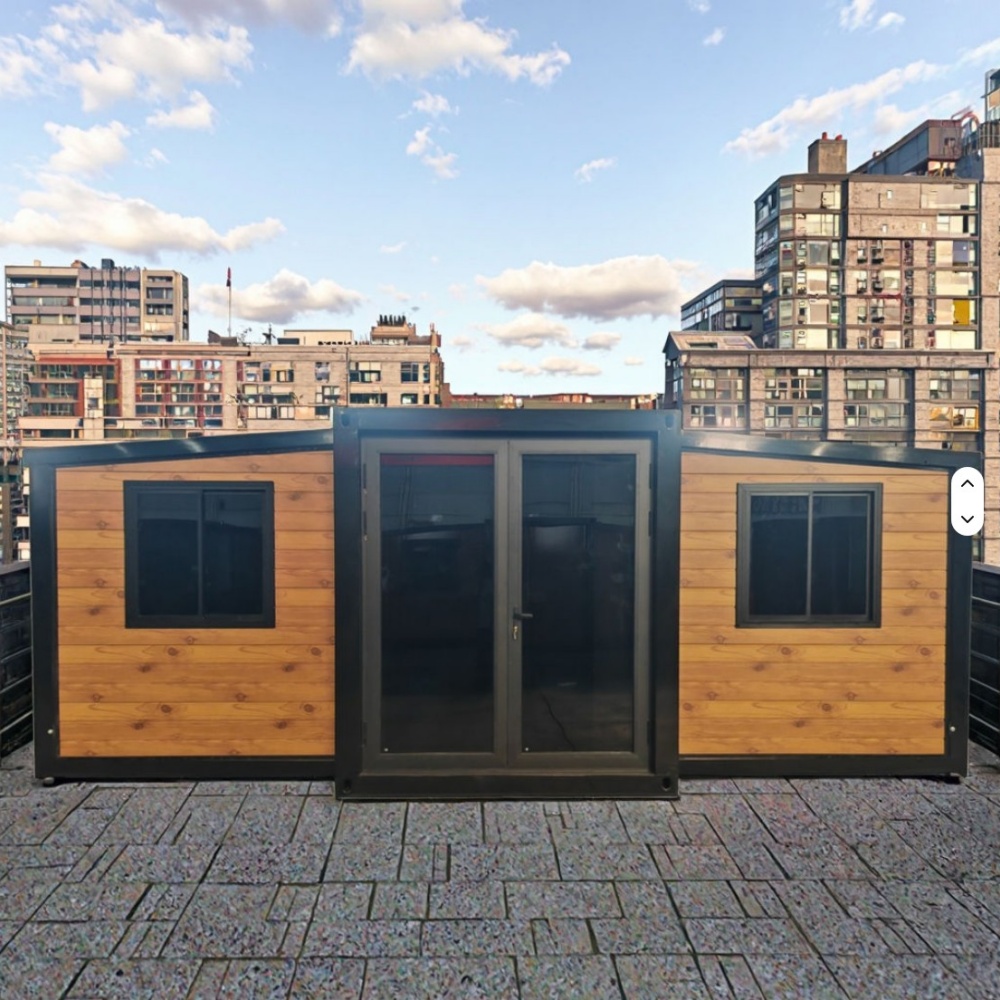 Customized Two Wing Folding Expandable Container House
 -
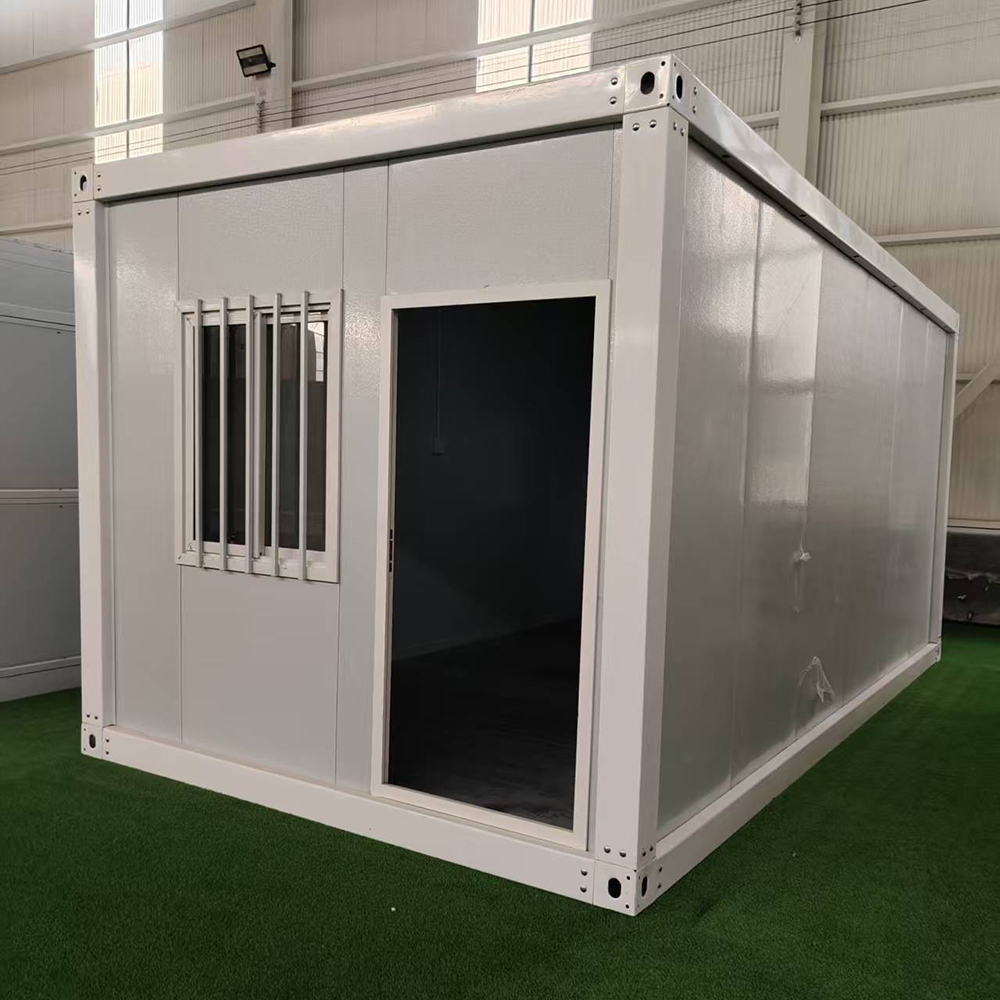 Folding Container Moving House Modular Office Container House Prefab Container for Outdoor Use
 -
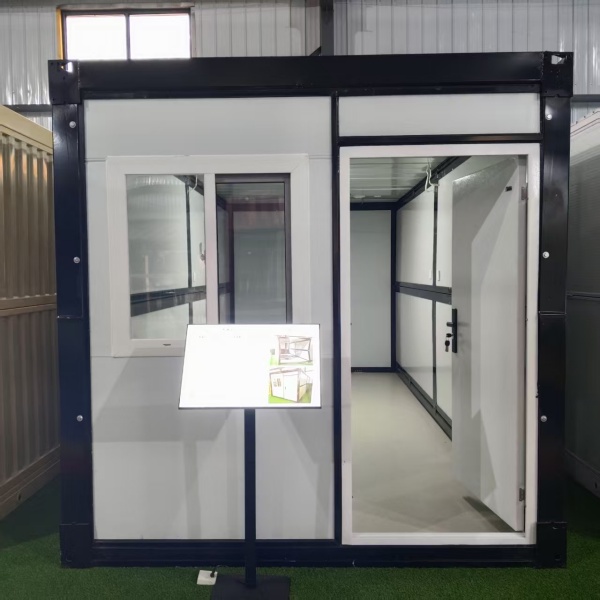 Factory Direct Sales Office Folding Container Luxury House Living Container House
 -
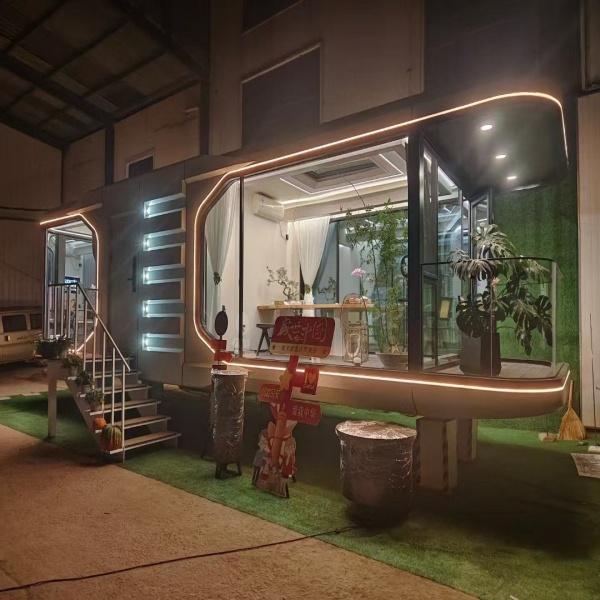
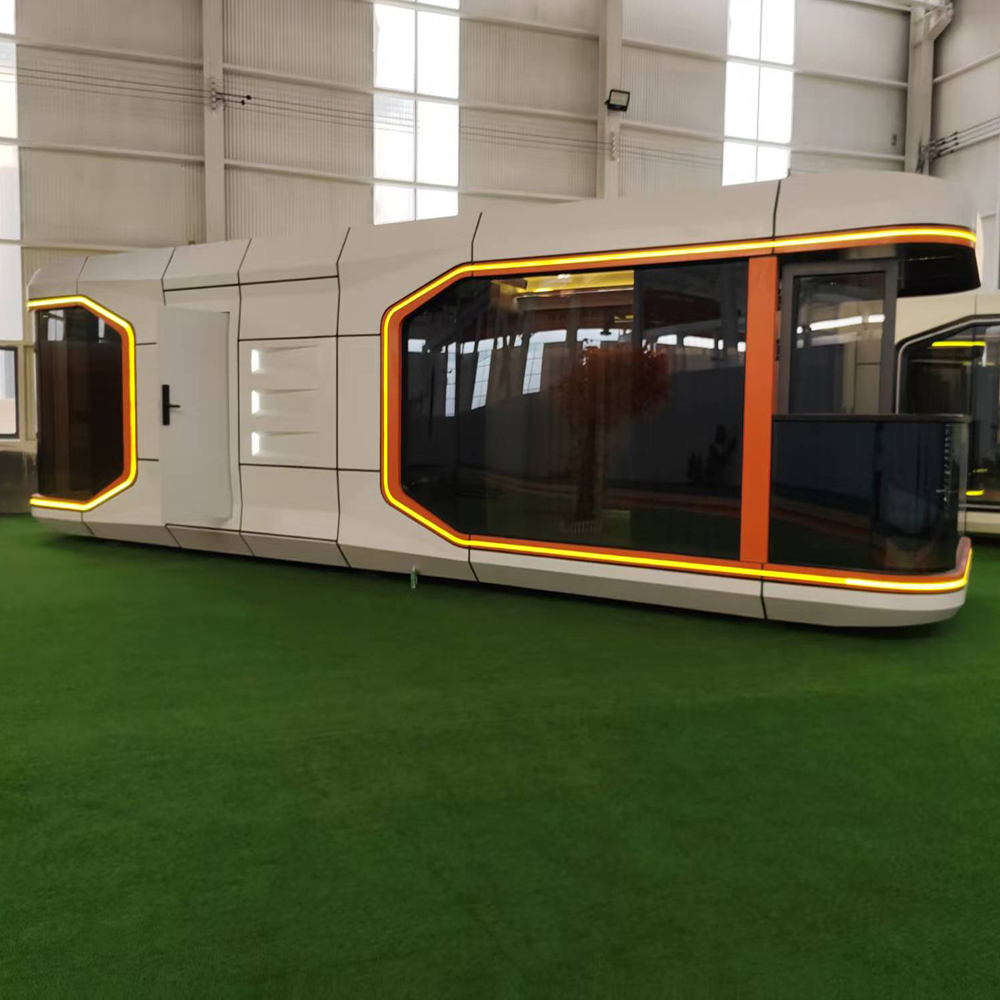 Standard Modern Camping Pod Space Prefabricated Portable Mobile Capsule Room Hotel Bathroom Prefabricated Spaceship House
 -
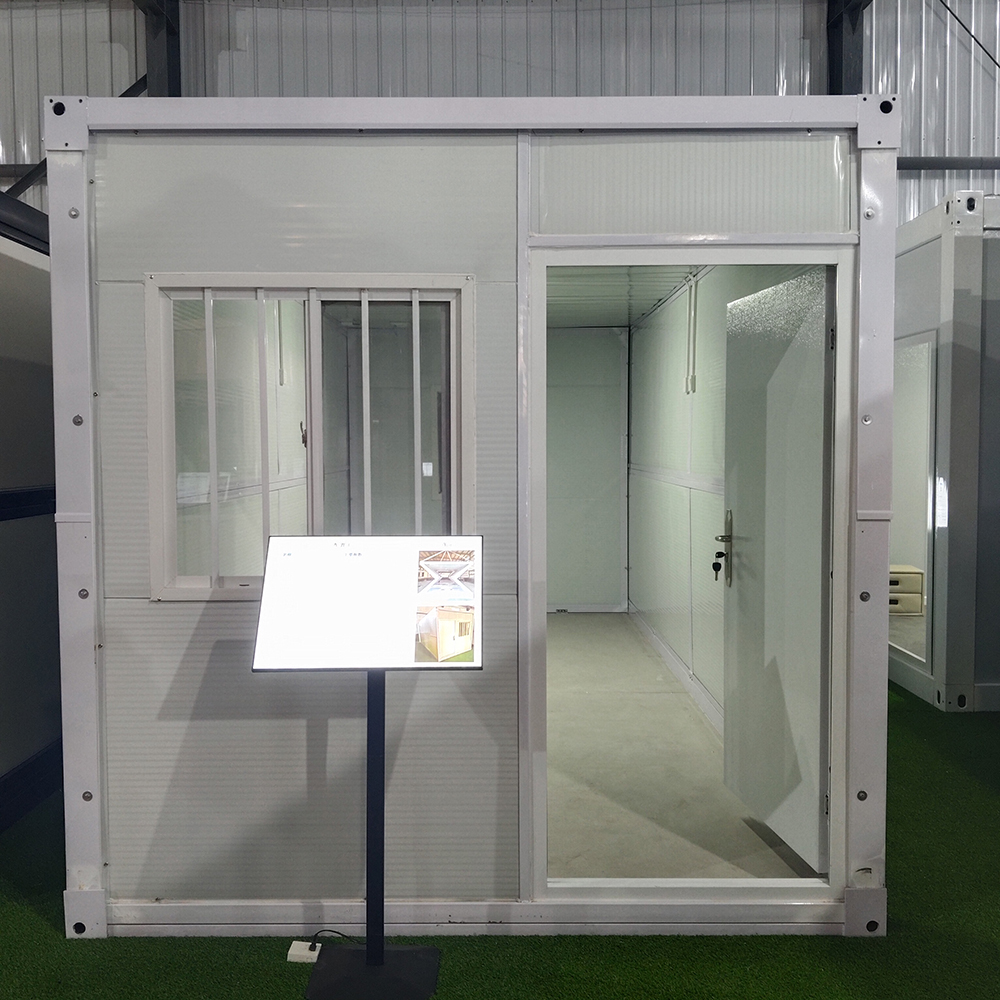 Reasonable Price 1 Bedroom Modular Container House Folding Container Home for Villa or Apartment Use
 -
 Modular modern movable apple cabins, customized high-end folk houses and portable bedrooms, delivered as a whole
 -
 Waterproof folding container house – mobile accommodation for campsites/scenic spots
 -
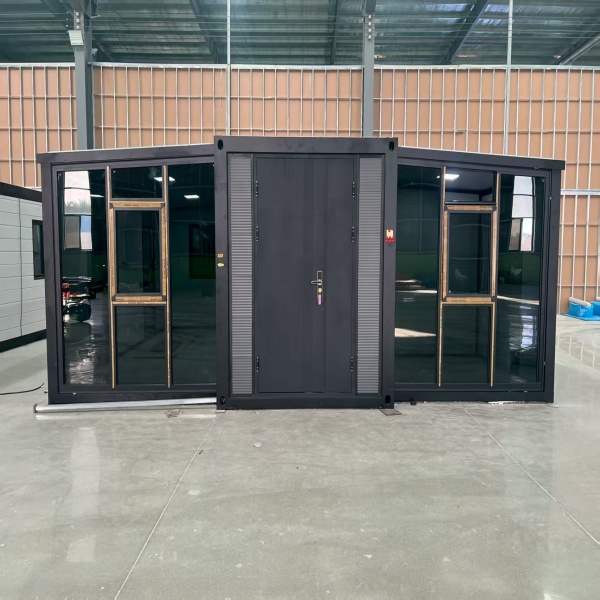 Customizable Office Mobile Home with Flat Roof and Double Wing Expansion Box, Convenient Container
 -
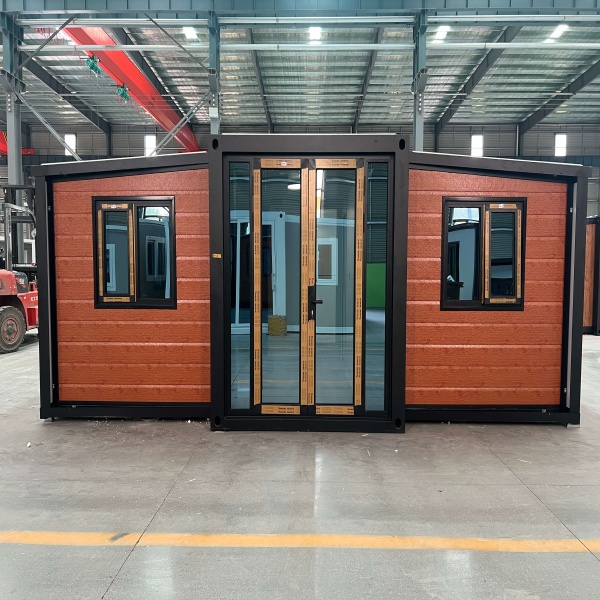 High-quality Double-wing Folding Container House with Doors and Windows, Insulated Walls, Suitable for Various Scenarios.
 -
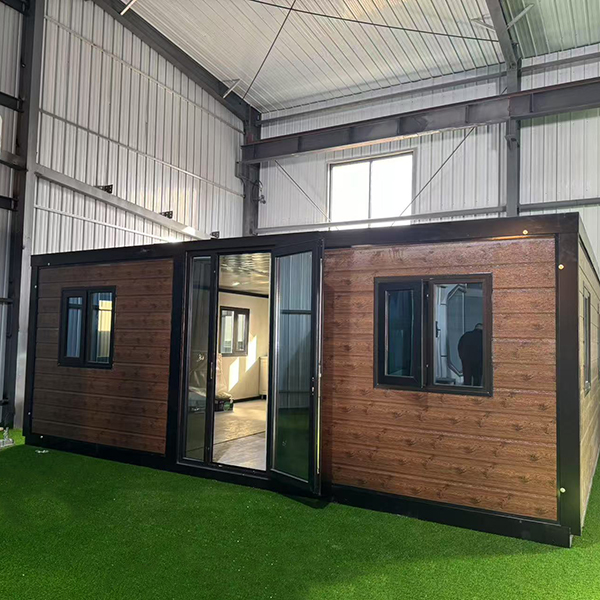 Good Quality Modular Homes Prefabricated House Expandable Container House 20FT Mobile Flat Roof House
 -
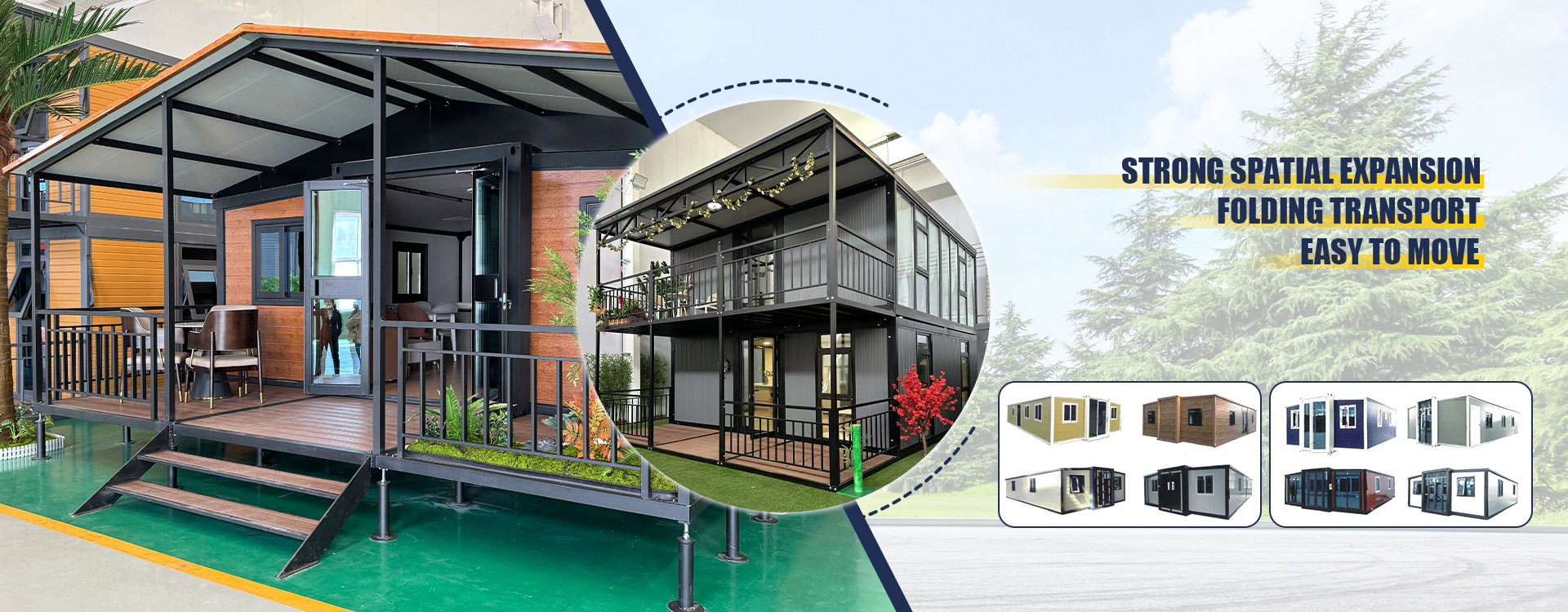
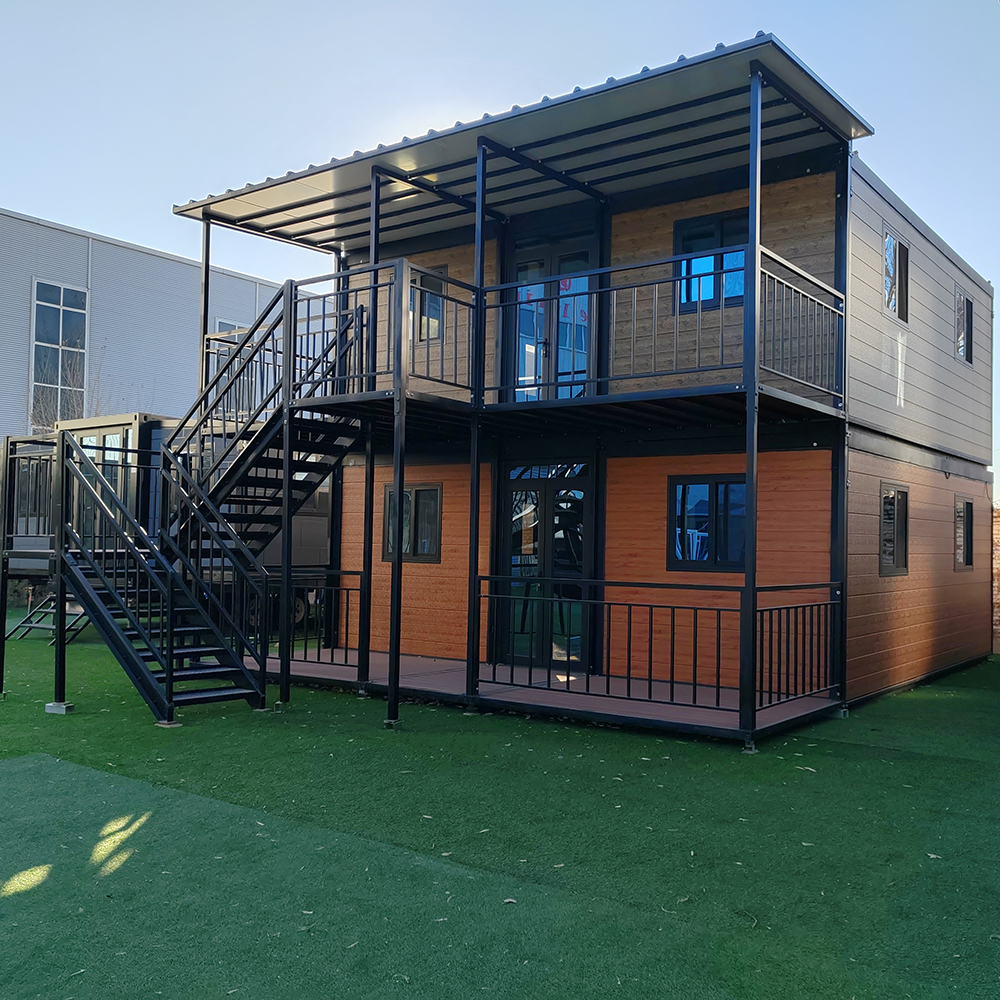 Easy Install Customized Detachable Container Homes Extendable House Prefab 2 Floors Expandable Container House
Related search
Related search- economical prefabricated modular mobile portable container house
- China mobile expandable prefab house 15ft x 20ft
- Buy prefabricated modular container house
- foldable container house
- Buy apple valley road cabins
- Buy fold out shipping container homes
- China portable fold out homes
- China apple hollow cabins
- China mobile expandable prefab house prefab home 19ft x 20ft
- musk folding house