
-
E-mail
Austin120521@outlook.com -
E-mail
sales@jujiuhouse.com -
Telephone
+86-17864099991 -
Telephone
+86-17854044442
- Chinese
- French
- German
- Portuguese
- Spanish
- Russian
- Japanese
- Korean
- Arabic
- Irish
- Greek
- Turkish
- Italian
- Danish
- Romanian
- Indonesian
- Czech
- Afrikaans
- Swedish
- Polish
- Basque
- Catalan
- Esperanto
- Hindi
- Lao
- Albanian
- Amharic
- Armenian
- Azerbaijani
- Belarusian
- Bengali
- Bosnian
- Bulgarian
- Cebuano
- Chichewa
- Corsican
- Croatian
- Dutch
- Estonian
- Filipino
- Finnish
- Frisian
- Galician
- Georgian
- Gujarati
- Haitian
- Hausa
- Hawaiian
- Hebrew
- Hmong
- Hungarian
- Icelandic
- Igbo
- Javanese
- Kannada
- Kazakh
- Khmer
- Kurdish
- Kyrgyz
- Latin
- Latvian
- Lithuanian
- Luxembou..
- Macedonian
- Malagasy
- Malay
- Malayalam
- Maltese
- Maori
- Marathi
- Mongolian
- Burmese
- Nepali
- Norwegian
- Pashto
- Persian
- Punjabi
- Serbian
- Sesotho
- Sinhala
- Slovak
- Slovenian
- Somali
- Samoan
- Scots Gaelic
- Shona
- Sindhi
- Sundanese
- Swahili
- Tajik
- Tamil
- Telugu
- Thai
- Ukrainian
- Urdu
- Uzbek
- Vietnamese
- Welsh
- Xhosa
- Yiddish
- Yoruba
- Zulu
- Kinyarwanda
- Tatar
- Oriya
- Turkmen
- Uyghur




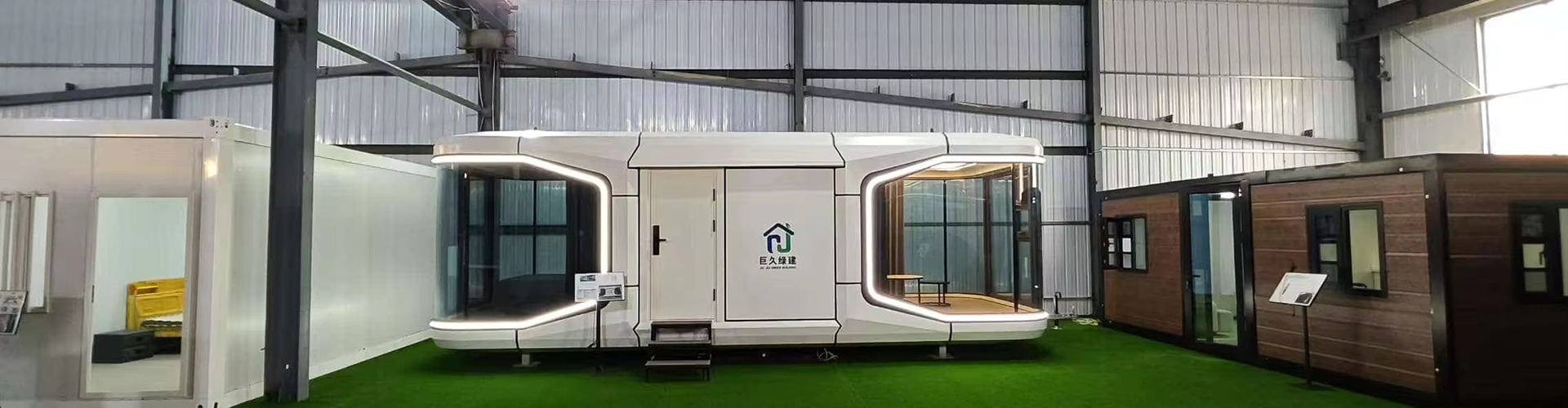
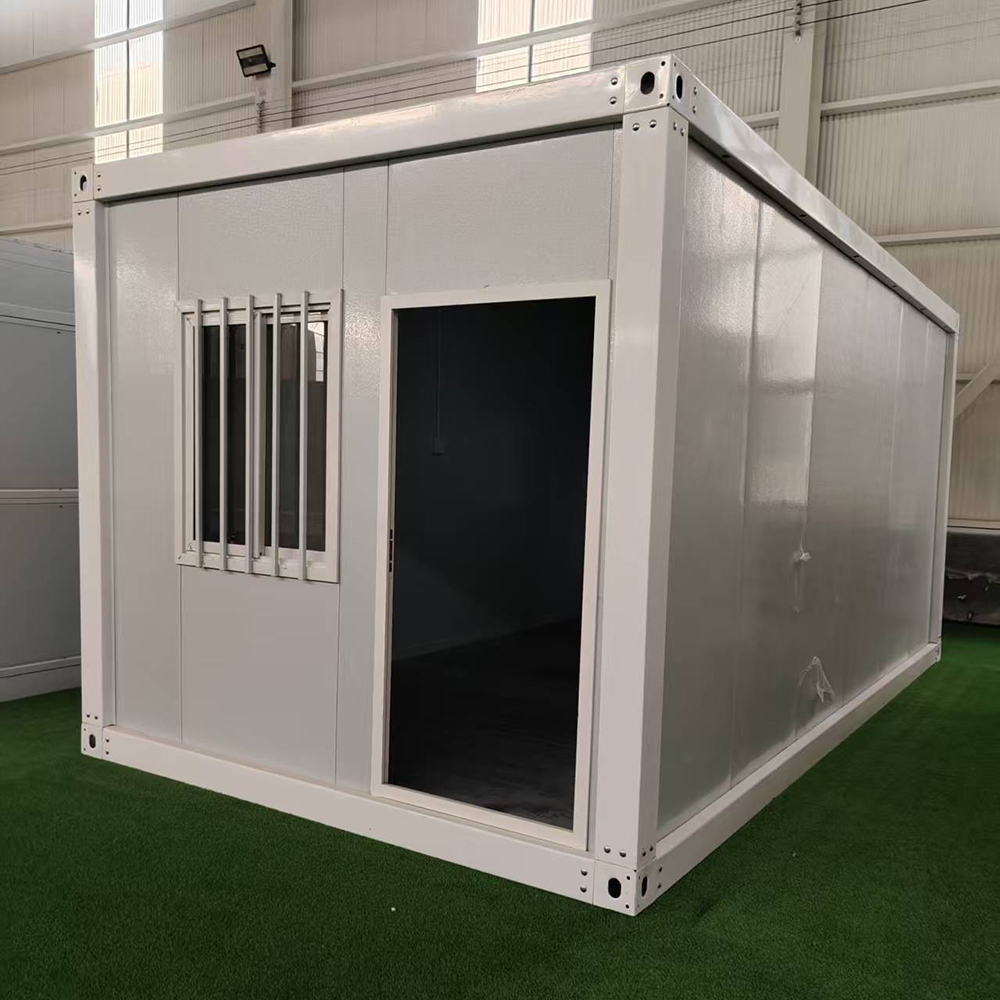
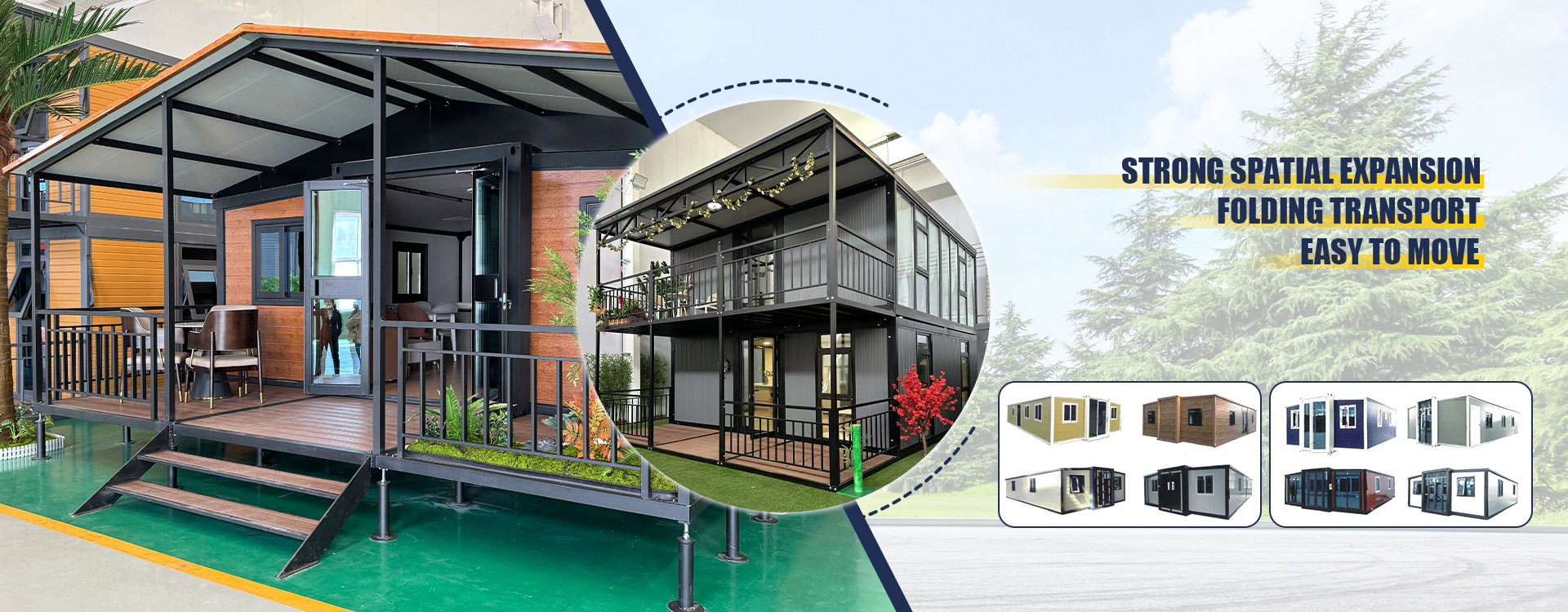
China foldable container house price
Understanding the Dynamics of China’s Foldable Container House Market
The intrigue around China foldable container house price lies in its broad appeal and complex variables. As more companies jump into the fray, cost structures evolve, driven by innovation and market demand. Here's what you might not know about this burgeoning sector, including insights from industry insiders.
The Lure of Foldable Container Houses
One might wonder why foldable container houses from China have captured global interest. The primary allure is cost-effectiveness. Companies like SHANDONG JUJIU INTEGRATED HOUSING CO, LTD are at the forefront, leveraging economies of scale. But it's not always straightforward; prices can fluctuate based on various factors, from raw material costs to shipping logistics.
It's interesting to note how these homes cater to diverse needs. Whether it's a quick solution for burgeoning urban spaces or a response to disaster-stricken areas, their modular design offers multi-faceted utility. Hence, the pricing isn't just about production costs but the added value in terms of speed and flexibility.
Yet, here’s a caveat. While basic models are accessible, additions like thermal insulation or solar panels can significantly bump up the price. It’s crucial to weigh the costs with the benefits according to specific project needs.
Factors Shaping the Price Landscape
Diving deeper, one must consider the role of technological advancements. As companies like SHANDONG JUJIU invest in R&D, new materials and methods frequently emerge. It’s much like chasing a moving target; as some materials get cheaper, others may rise in price.
Shipping and installation also play a significant role in final costs. These homes may be foldable, but ensuring their secure assembly on-site requires skilled labor, which adds to overall expenses. Geographic location often dictates these costs, adding another layer to the pricing puzzle.
Regulatory factors cannot be ignored either. Depending on where these structures are intended to be deployed, compliance with local building codes can affect pricing. Companies need to navigate these waters carefully to ensure their products meet required standards.
Insights from Industry Leaders
From my interactions with insiders at SHANDONG JUJIU, it's clear that strategic alliances with logistic companies have become a game-changer. A well-negotiated shipping deal can reduce costs dramatically, highlighting the complexity and interconnectedness of the market.
Additionally, the customization trend is growing. Customers now seek tailor-made solutions, which means prices aren't just fixed rates but starting points for negotiation. The capability to adapt designs without substantial cost increases marks a competitive edge.
Some firms are even exploring leasing models, projecting this as a solution for temporary needs like festivals or temporary workforce accommodations. This innovation offers a different pricing model that could disrupt traditional ownership models.
Practical Considerations for Buyers
For prospective buyers, understanding what you're truly paying for is essential. A basic foldable house might seem inexpensive at first glance, but factor in the cost of land preparation and utility connections, and the picture changes.
It's also wise to consider long-term prospects. While initial investments might be higher for better-insulated units, savings in energy efficiency can offset these over time.
Moreover, working with companies like SHANDONG JUJIU, which offer extensive support from design to installation, can mitigate unforeseen costs. Their expertise can navigate potential pitfalls, ensuring a smoother process from concept to completion.
Conclusion: Navigating the Market Smartly
In sum, the China foldable container house price narrative is one of dynamic change and opportunity. With the right partner, understanding, and a clear eye on both short-term and long-term costs, these novel structures can represent both a smart investment and a versatile solution to modern housing challenges.
For more detailed insights, sourcing from reputable companies like SHANDONG JUJIU INTEGRATED HOUSING CO, LTD is invaluable. For more information on their offerings, visit their website at jujiuhouse.com.
Related products
Related products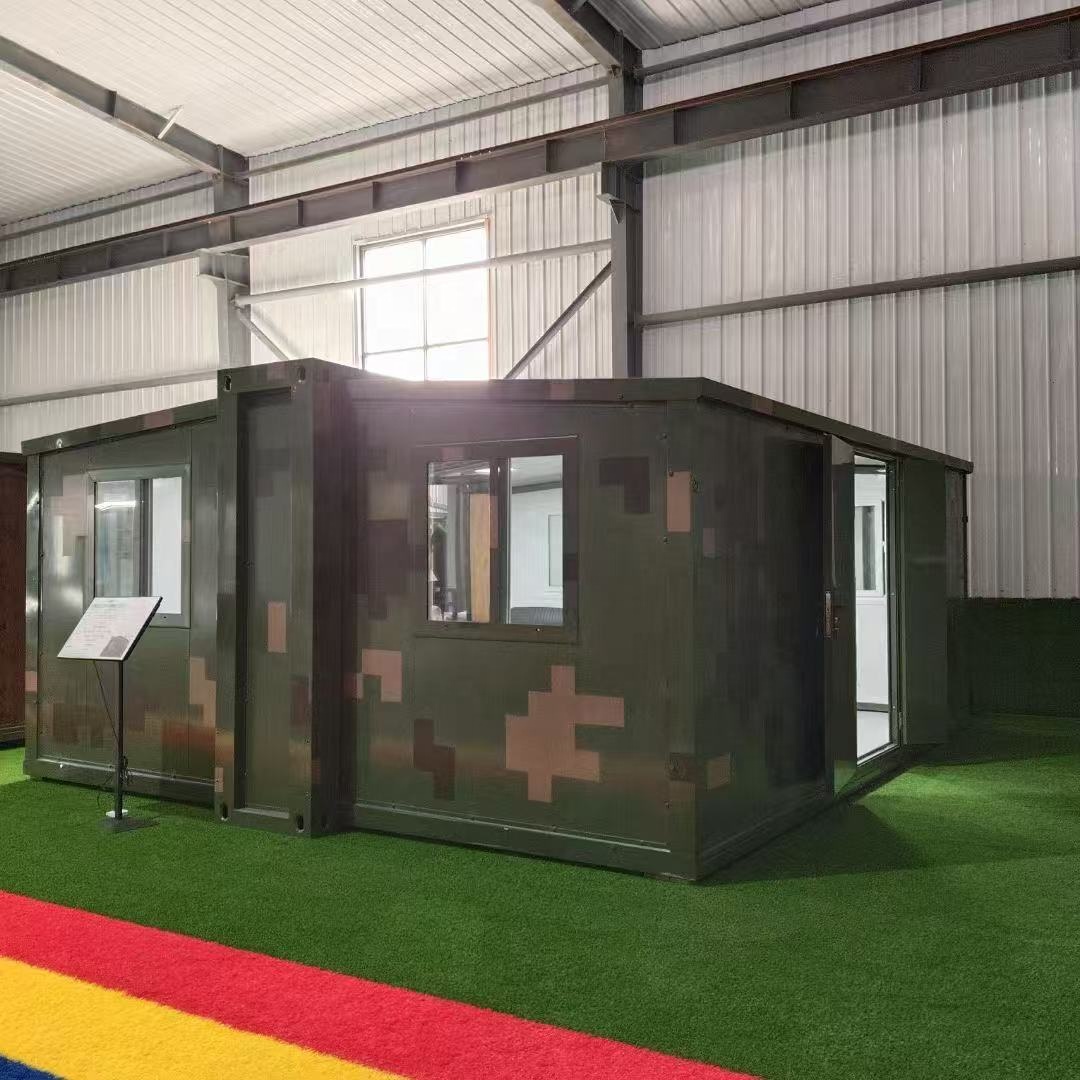
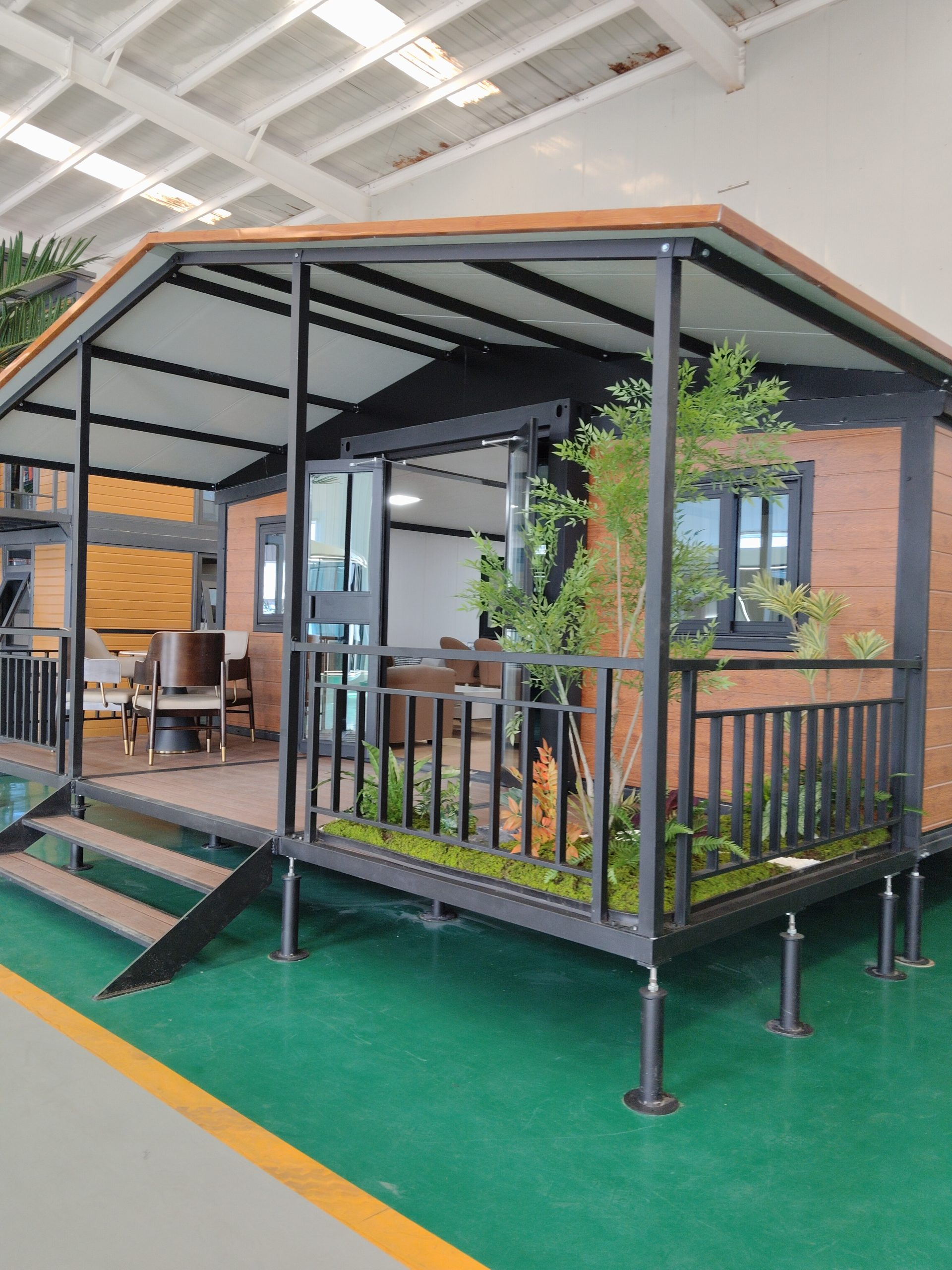
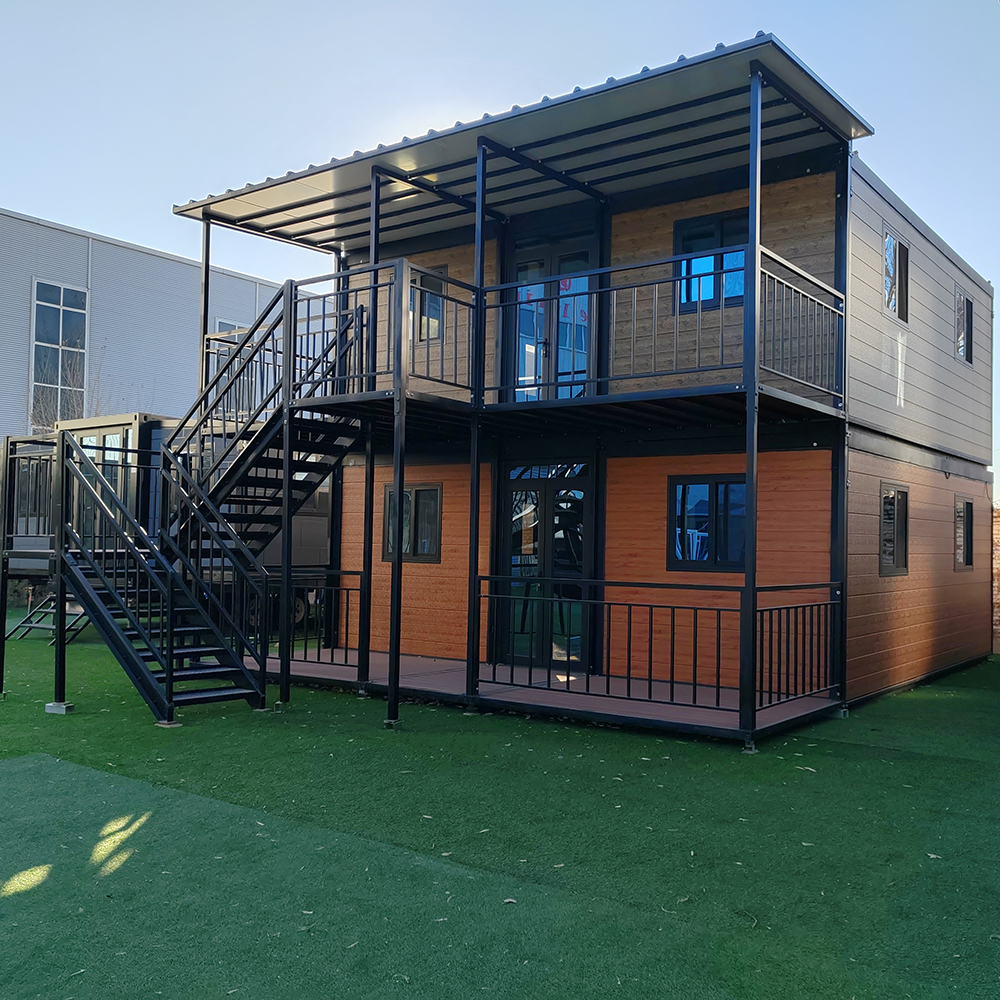
Best selling products
Best selling products-
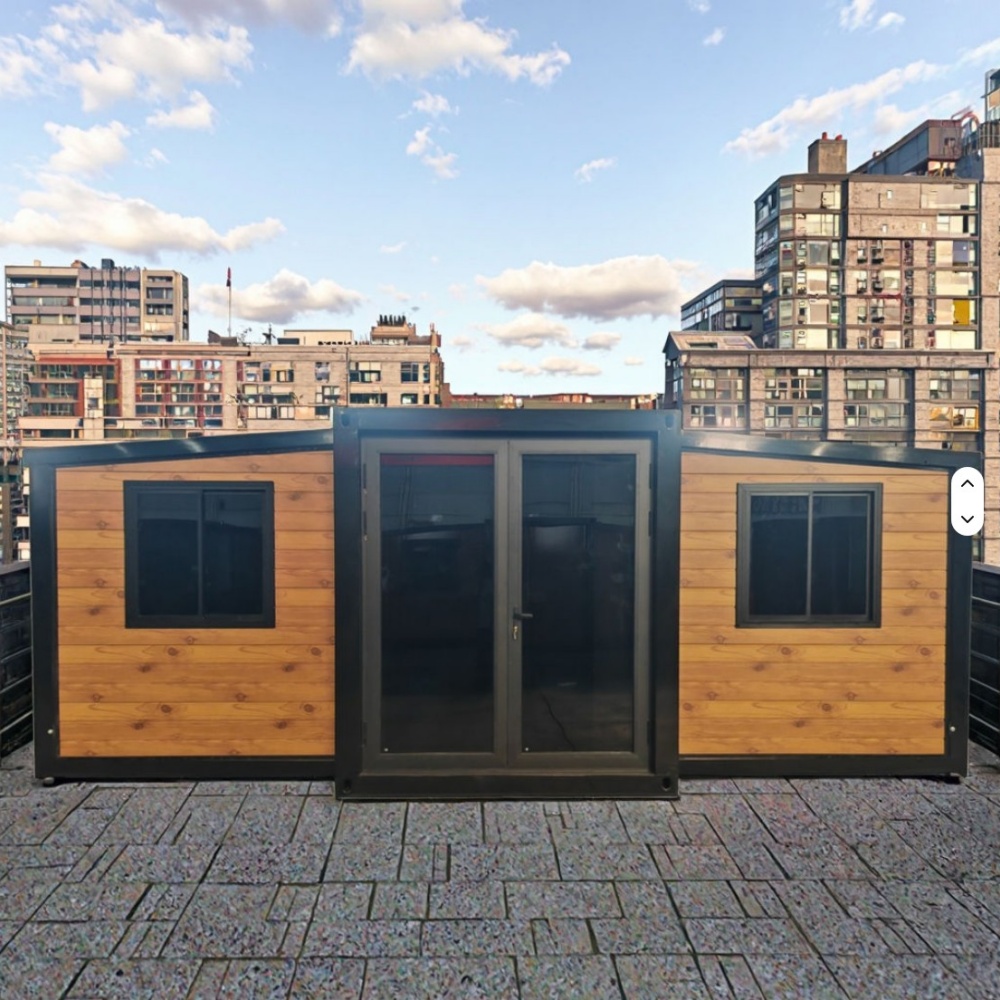 Customized Two Wing Folding Expandable Container House
 -
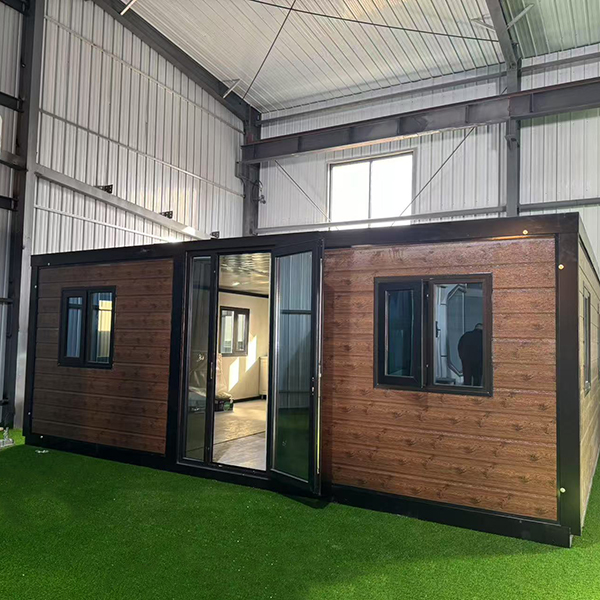 Good Quality Modular Homes Prefabricated House Expandable Container House 20FT Mobile Flat Roof House
 -
Two Wing Folding Expandable Container House
-
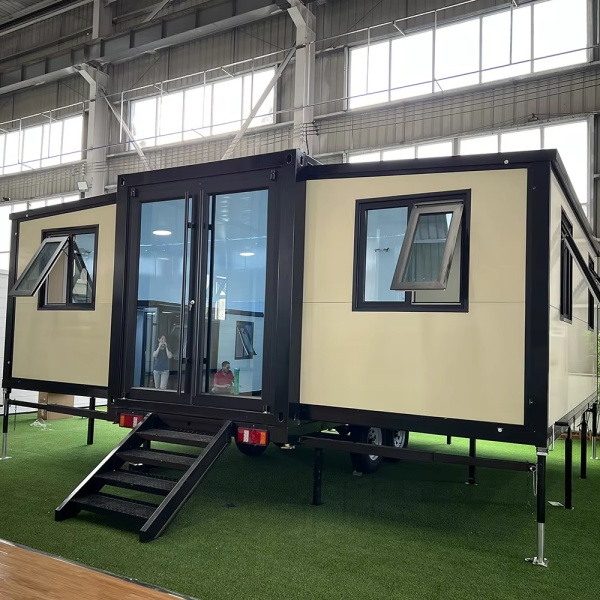 Stair Access Double Wing Expandable Container House | Easy Installation Mobile Office
 -
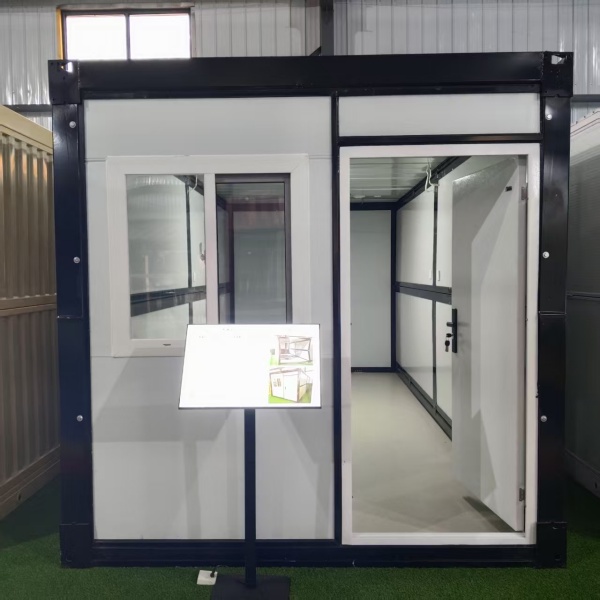 Hot-selling foldable container houses, expandable prefabricated houses, suitable for office or living use, with fast delivery.
 -
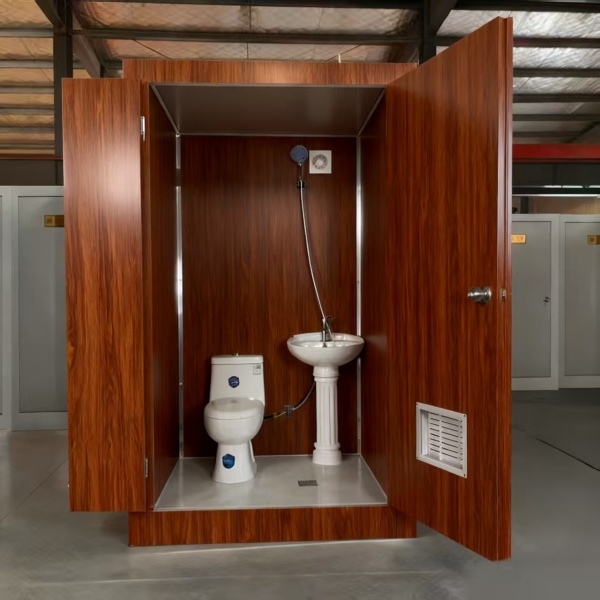 Portable outdoor camping bathroom, mobile toilet, prefabricated modular villa & rental of outdoor and indoor showers
 -
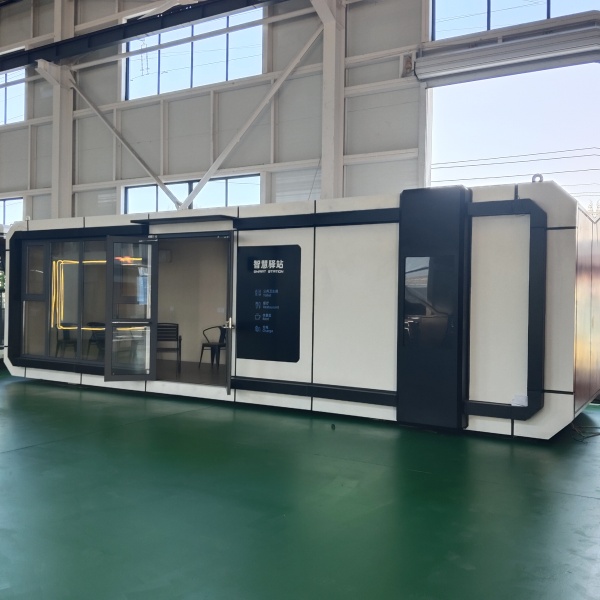 Modular modern movable apple cabins, customized high-end folk houses and portable bedrooms, delivered as a whole
 -
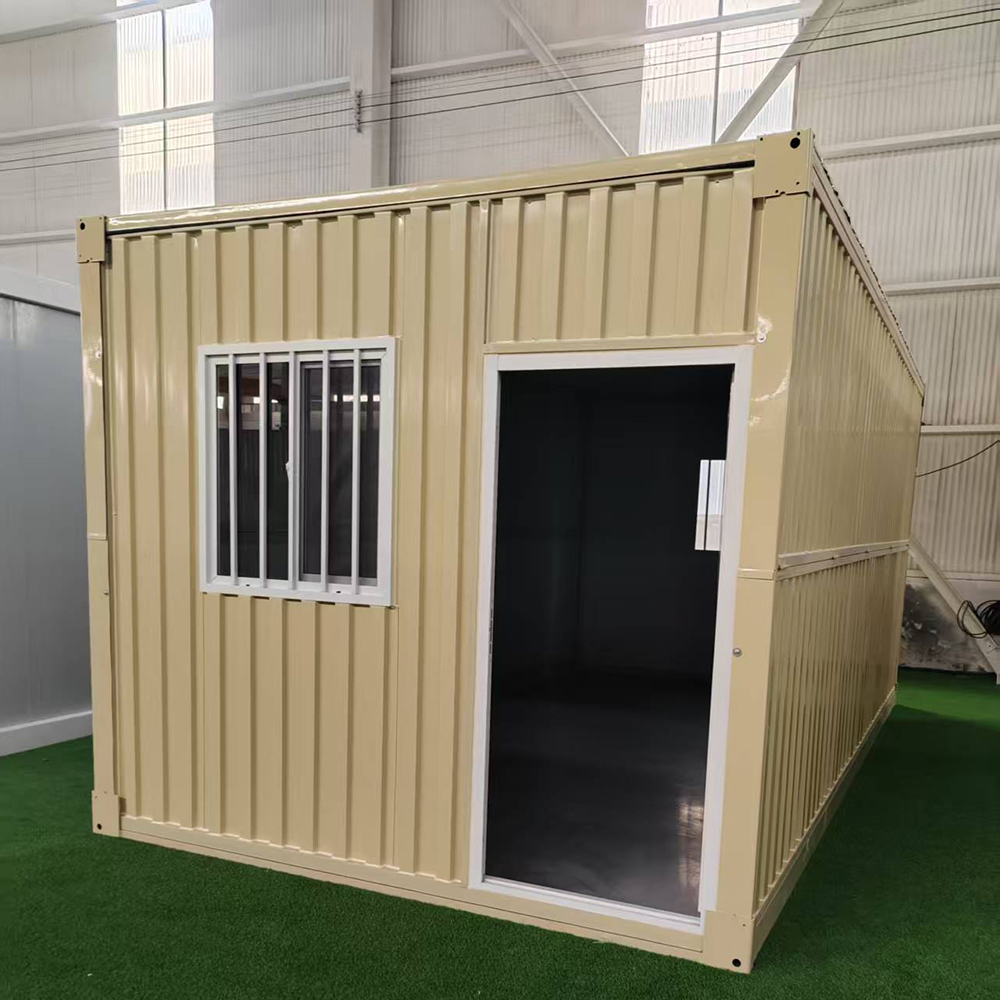 Competitive Price Portable Container House Foldable Container Mobile Living Modular Homes
 -
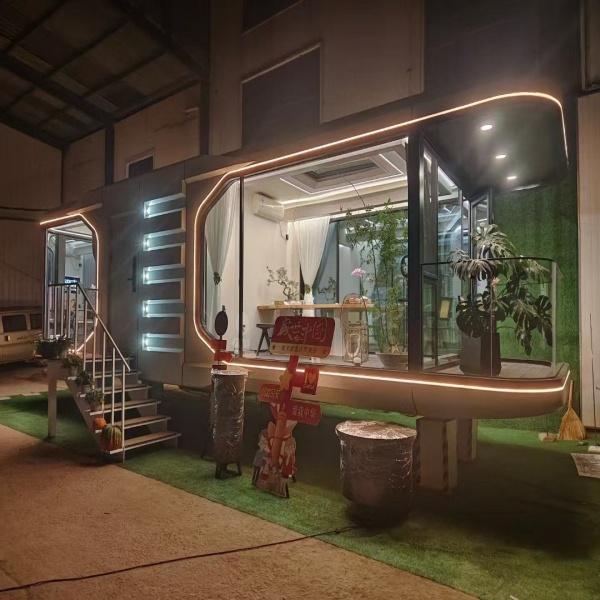 Outdoor ecological capsule rooms, luxury pods, space capsule hotel rooms, prefabricated space capsules, container houses
 -
Factory Direct Sales Office Folding Container Luxury House Living Container House
-
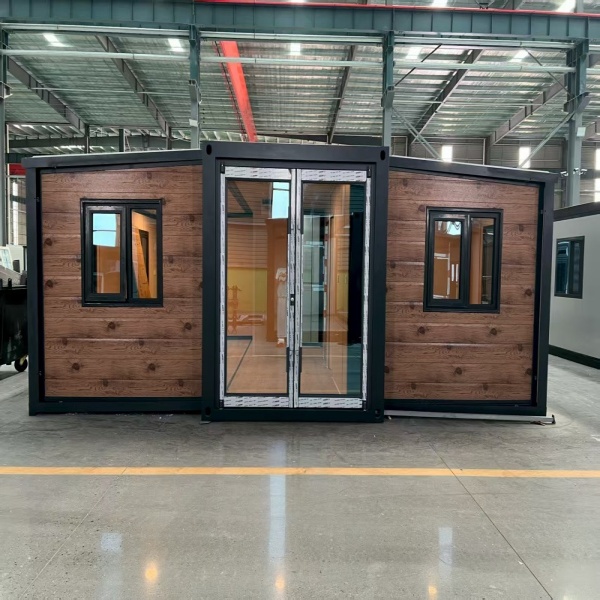 The foldable container house with side wing design can be quickly set up and is suitable for various environments.
 -
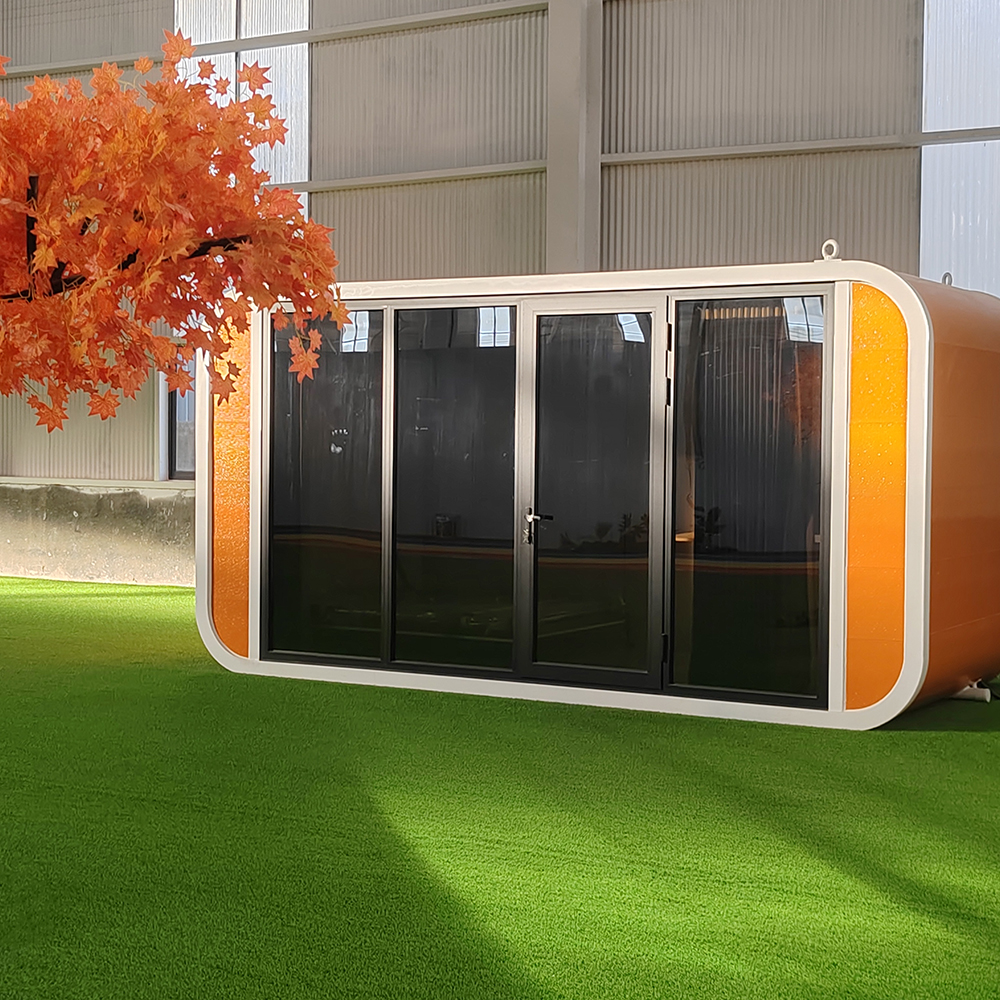 Luxury Prefabricated Living Container House Modular Glass Tiny House Prefab Container Home Apple Cabin
Related search
Related search- Buy small folding house
- space house capsule
- assembled two bedroom home prefab expandable container house
- Buy expandable modular house
- China foldable container house
- China prefabricated container house
- Buy folding house on wheels
- container house foldable
- Buy modular container expandable prefabricated house
- China expandable prefab house