
-
E-mail
Austin120521@outlook.com -
E-mail
sales@jujiuhouse.com -
Telephone
+86-17864099991 -
Telephone
+86-17854044442
- Chinese
- French
- German
- Portuguese
- Spanish
- Russian
- Japanese
- Korean
- Arabic
- Irish
- Greek
- Turkish
- Italian
- Danish
- Romanian
- Indonesian
- Czech
- Afrikaans
- Swedish
- Polish
- Basque
- Catalan
- Esperanto
- Hindi
- Lao
- Albanian
- Amharic
- Armenian
- Azerbaijani
- Belarusian
- Bengali
- Bosnian
- Bulgarian
- Cebuano
- Chichewa
- Corsican
- Croatian
- Dutch
- Estonian
- Filipino
- Finnish
- Frisian
- Galician
- Georgian
- Gujarati
- Haitian
- Hausa
- Hawaiian
- Hebrew
- Hmong
- Hungarian
- Icelandic
- Igbo
- Javanese
- Kannada
- Kazakh
- Khmer
- Kurdish
- Kyrgyz
- Latin
- Latvian
- Lithuanian
- Luxembou..
- Macedonian
- Malagasy
- Malay
- Malayalam
- Maltese
- Maori
- Marathi
- Mongolian
- Burmese
- Nepali
- Norwegian
- Pashto
- Persian
- Punjabi
- Serbian
- Sesotho
- Sinhala
- Slovak
- Slovenian
- Somali
- Samoan
- Scots Gaelic
- Shona
- Sindhi
- Sundanese
- Swahili
- Tajik
- Tamil
- Telugu
- Thai
- Ukrainian
- Urdu
- Uzbek
- Vietnamese
- Welsh
- Xhosa
- Yiddish
- Yoruba
- Zulu
- Kinyarwanda
- Tatar
- Oriya
- Turkmen
- Uyghur




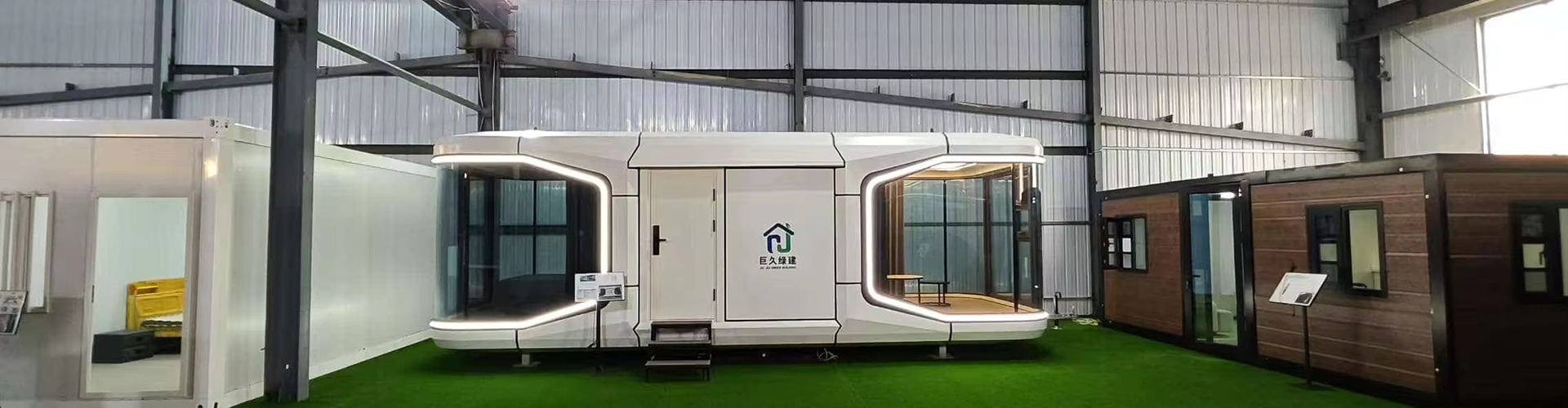
China homes that fold out
Innovations in China's Foldable Homes: A Professional Perspective
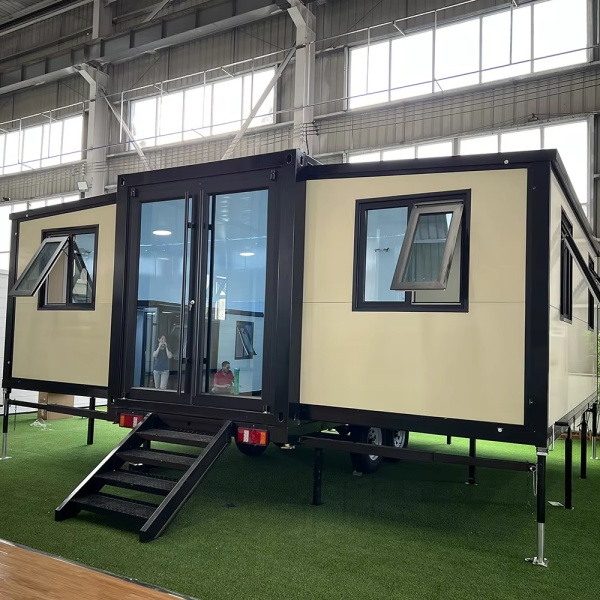
China's housing market has been buzzing with new innovations, and one term that often pops up is 'homes that fold out.' These structures blend practicality with modern engineering, but misconceptions abound regarding their true potential and function. What exactly are these foldable homes, and why are they garnering attention?
Understanding the Basics of Foldable Homes
At a glance, foldable homes can seem futuristic or even gimmicky. Built with flexibility in mind, they are designed to be both compact and incredibly efficient. However, it's crucial to differentiate between different types of foldable housing solutions. Some are simple, portable structures for temporary use, while others provide permanent, high-quality living spaces.
Shandong Jujiu Integrated Housing Co., Ltd., stands out in this landscape. Their expertise in this niche highlights the versatility of these structures. By integrating sophisticated design and engineering, companies like Jujiu are transforming what initially seemed like a temporary solution into a permanent housing option. Curious about their offerings? Check them out at Jujiu's website.
Yet, like any innovative venture, foldable homes come with their own set of challenges. Building codes, transportation logistics, and material durability remain focal points in ensuring these homes are both safe and viable long-term. Moreover, gaining public trust is crucial for widespread adoption.
Design Challenges and Considerations
One fascinating aspect of these homes is the engineering puzzle they present. Ensuring structural integrity while maintaining the ability to fold is no easy feat. When I first examined a prototype, what struck me was the clever use of space and materials.
Think about it – every fold and joint must withstand repeated use and adapt to various environments. How does one balance weight, cost, and functionality? Companies like Jujiu achieve this through meticulous material selection and cutting-edge design techniques.
However, real-world application can expose unforeseen issues. A folding mechanism that works flawlessly in a controlled setting might face hurdles in harsher climates. Testing under different conditions becomes crucial, often revealing a need for further refinement.
Successes in Urban and Rural Applications
In urban settings, these homes offer an intriguing solution to space constraints. Imagine a single unit serving as an additional bedroom or even a mobile office space. It's this adaptability that makes foldable homes an attractive alternative in densely populated areas.
Rural areas, on the other hand, benefit from the ease of transportation and setup. During a recent project, I observed a quick deployment of units as temporary shelters after a natural disaster. The speed and efficiency of setup were remarkable, significantly aiding in response efforts.
There's a genuine potential here to revolutionize how we think about emergency housing and compact living solutions. The implications for disaster-relief housing are profound, showing how adaptable these solutions can be when integrated into existing infrastructures.
Challenges and Learning Curves
Despite their promise, foldable homes are not devoid of flaws. Transporting these units can be tricky, often requiring specialized equipment and careful planning. Any misstep here can lead to delays and increased costs.
Additionally, there's the challenge of public perception. People often question stability and comfort, which means companies must invest significantly in consumer education. Shandong Jujiu tackles this by showcasing real-life applications and case studies, providing transparency and building confidence among potential users.
Each failure or setback offers a learning experience. Engineers and developers continuously refine these products, learning from each iteration what works and what doesn’t. It's a dynamic industry, constantly evolving with each technological advancement.
The Future of Foldable Homes in China
It's clear that China's foldable homes have great potential, not just domestically but globally. As companies like Shandong Jujiu lead the charge, the landscape will continue to transform, driven by real-world successes and constant innovation.
As with any emerging industry, continuous investment in research and development is vital. As technology advances, the possibilities for these structures will expand, leading to more sophisticated, durable, and customizable housing solutions.
Ultimately, the journey of foldable homes is one of constant adaptation and reinvention. As an industry insider, I see both the hurdles and the horizons, a balance between immediate challenges and long-term possibilities. So, whether you're a potential homeowner, an investor, or just an observer, it's worth keeping a close eye on these developments.
Related products
Related products
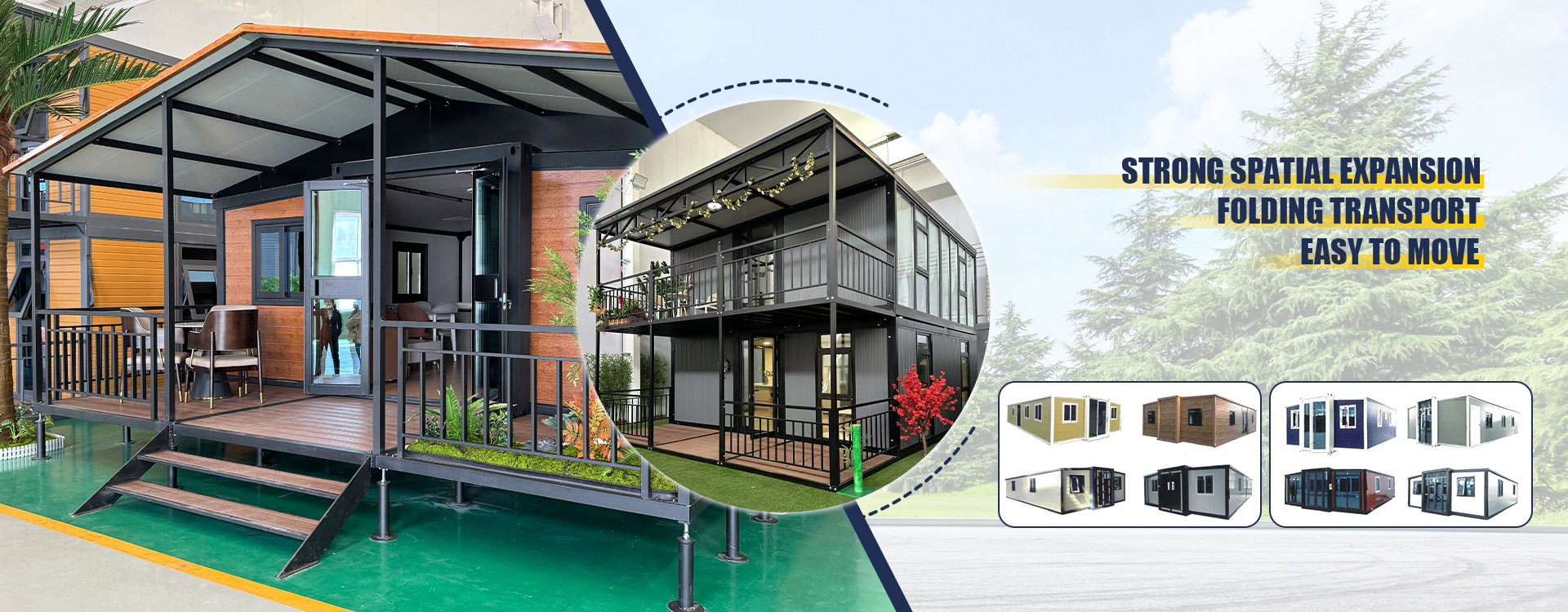
Best selling products
Best selling products-
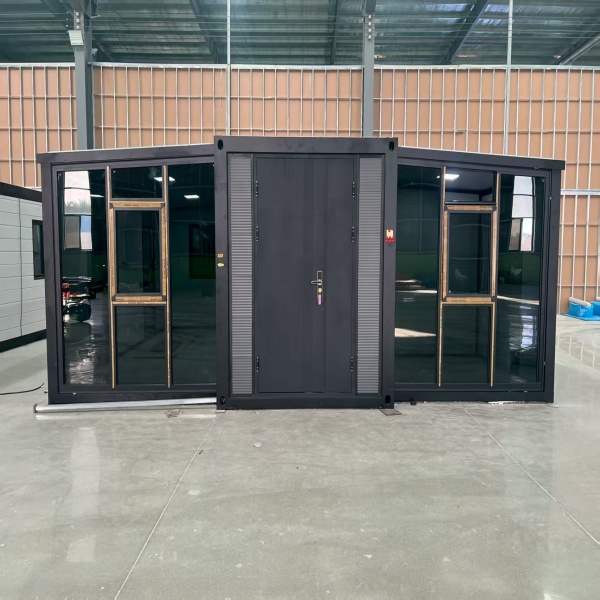 Customizable Office Mobile Home with Flat Roof and Double Wing Expansion Box, Convenient Container
 -
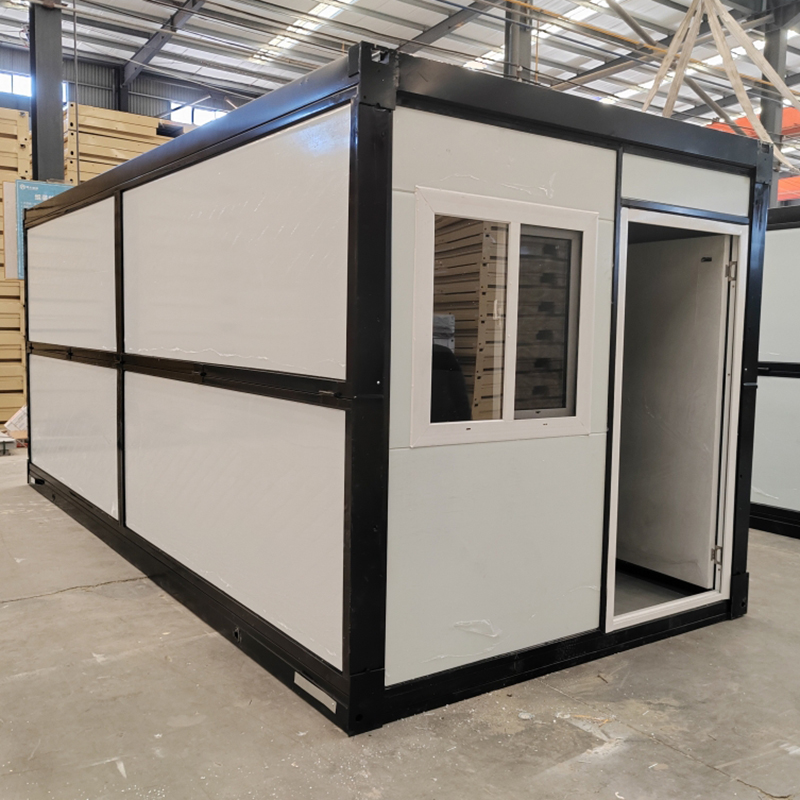 Detachable Design Prefabricated Container House Portable Modular Office Building Folding Container House
 -
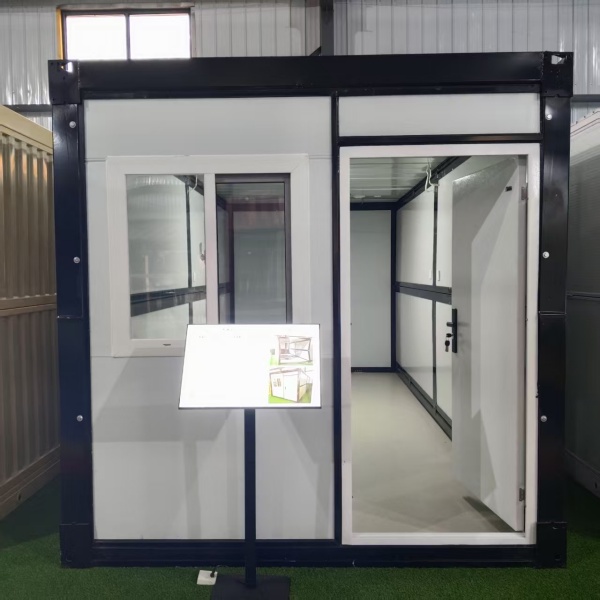 Factory Direct Sales Office Folding Container Luxury House Living Container House
 -
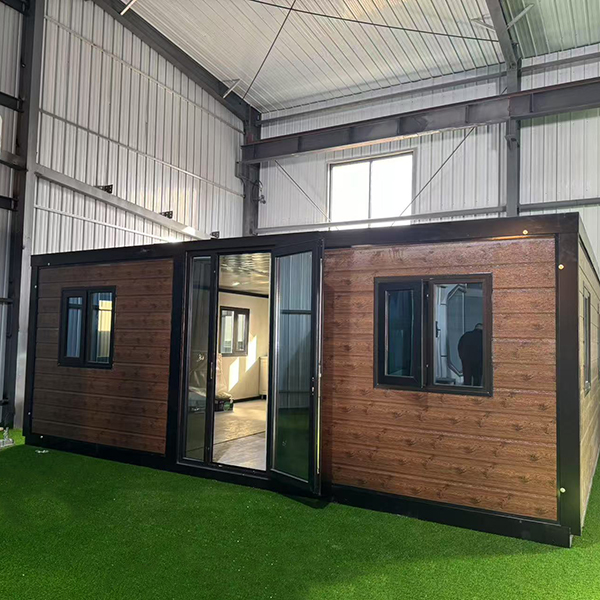 Good Quality Modular Homes Prefabricated House Expandable Container House 20FT Mobile Flat Roof House
 -
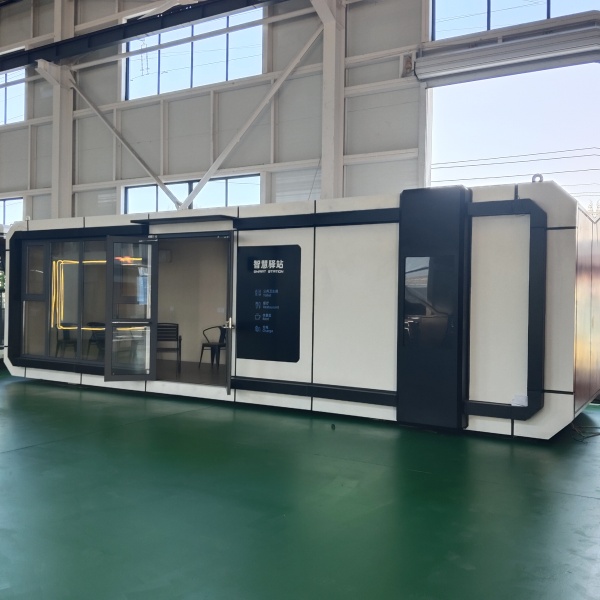 Modular modern movable apple cabins, customized high-end folk houses and portable bedrooms, delivered as a whole
 -
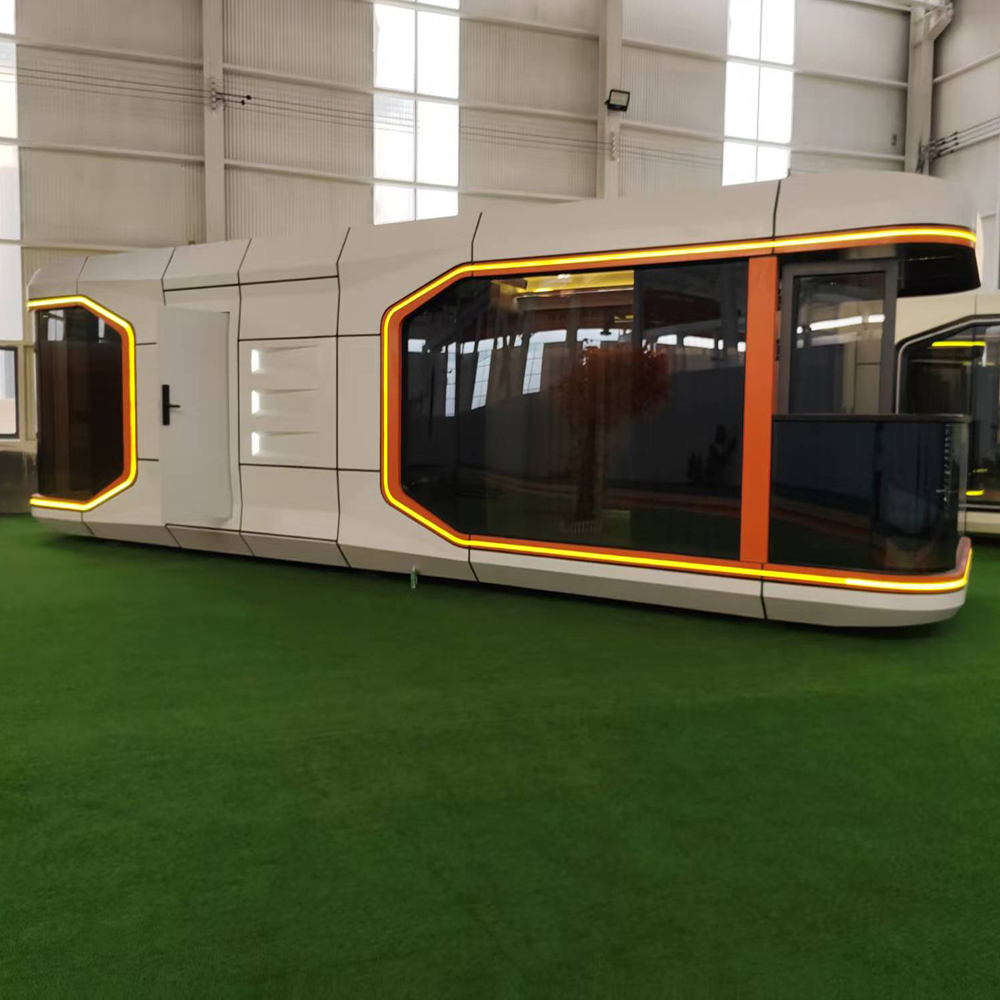 Standard Modern Camping Pod Space Prefabricated Portable Mobile Capsule Room Hotel Bathroom Prefabricated Spaceship House
 -
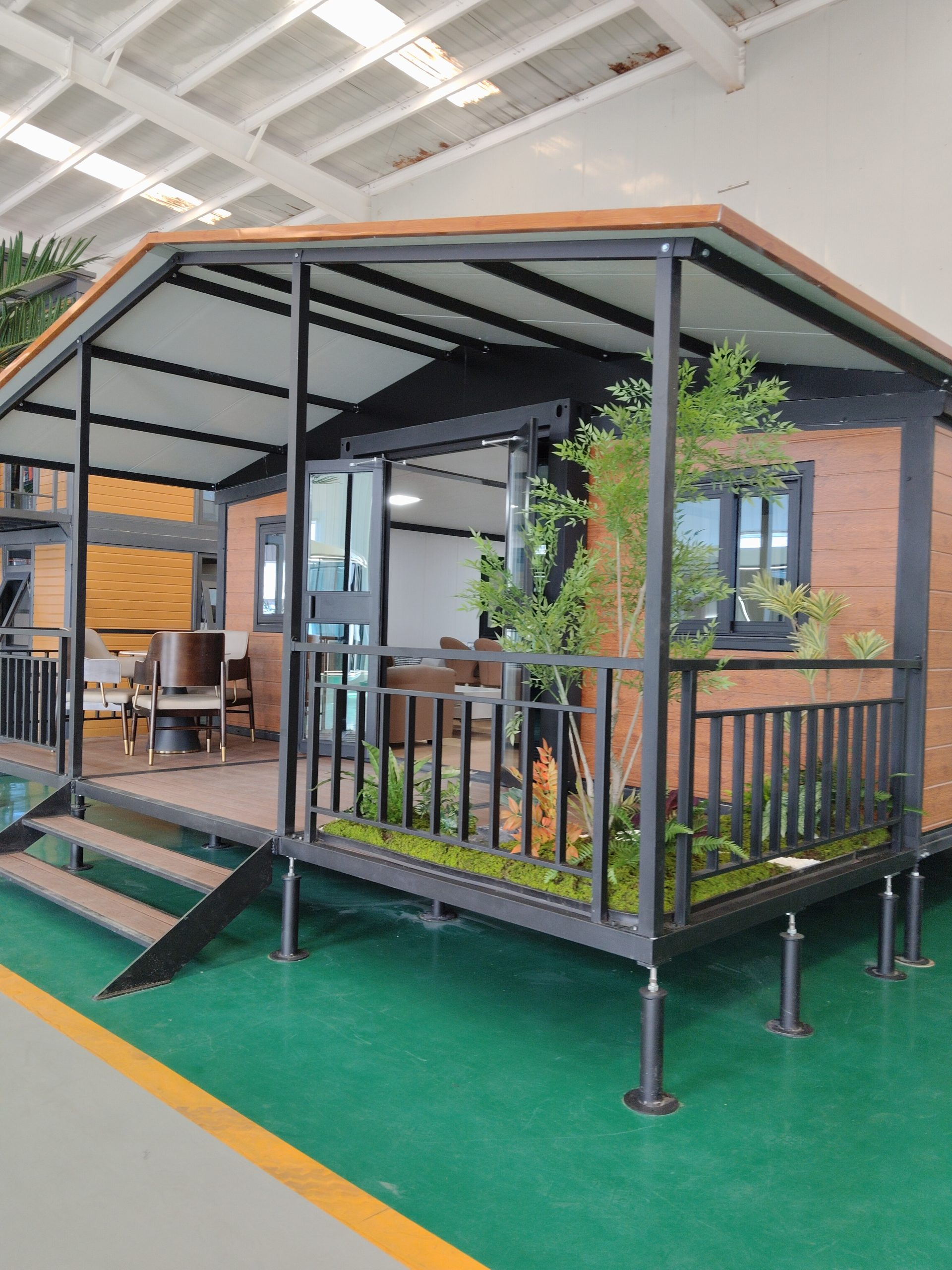 A container house with a terrace and double-wing folding design, suitable for various purposes such as offices, meeting rooms, living rooms, etc.
 -
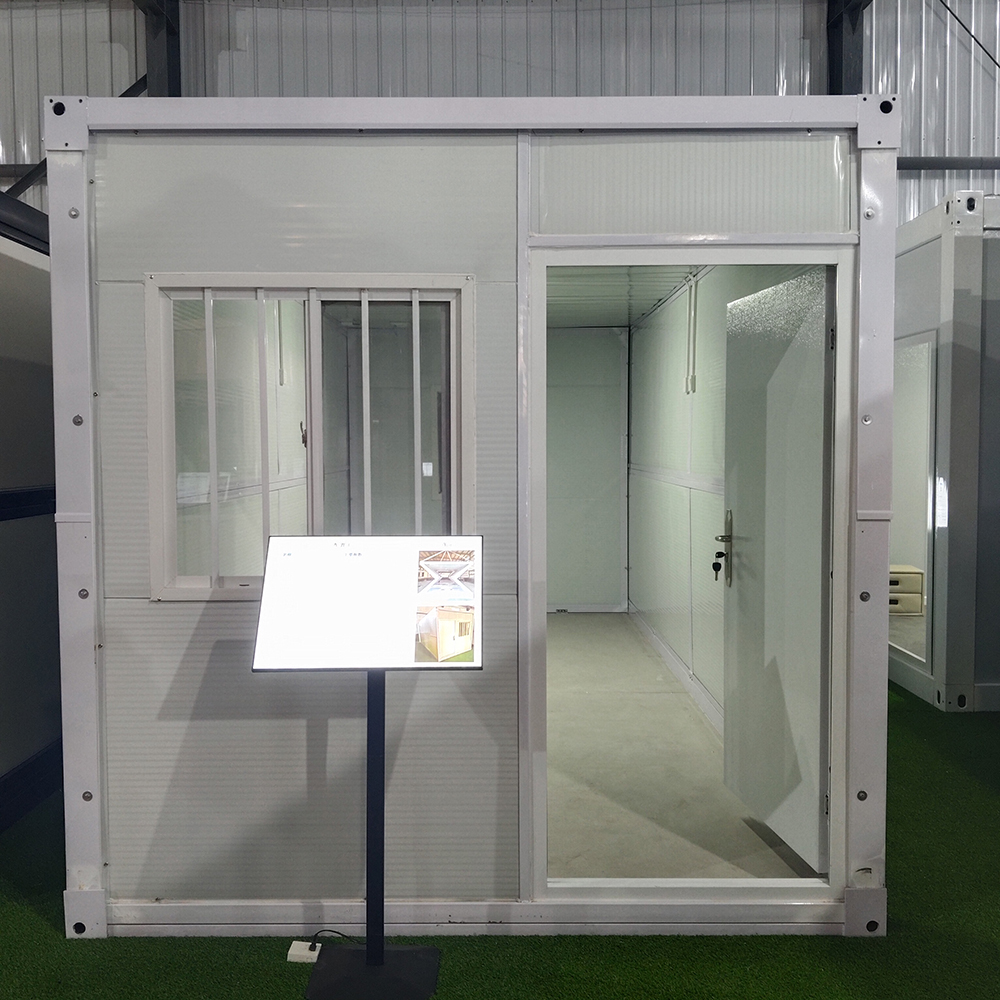 Reasonable Price 1 Bedroom Modular Container House Folding Container Home for Villa or Apartment Use
 -
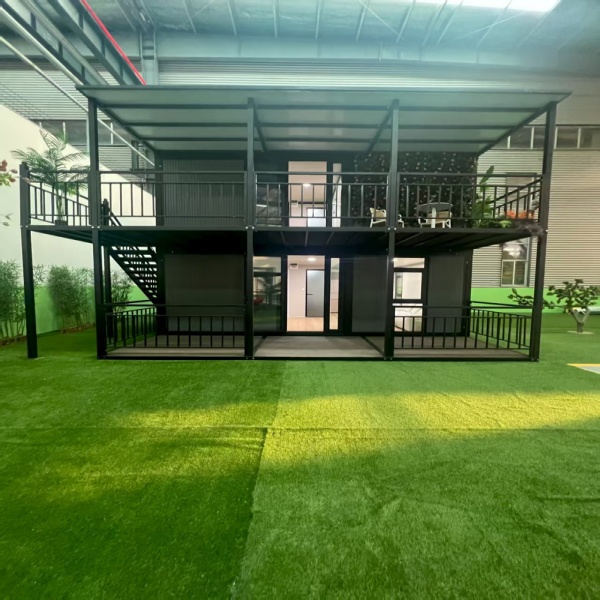 Luxury foldable two-story container houses in luxury resort hotels and villa hotels
 -
Two Wing Folding Expandable Container House
-
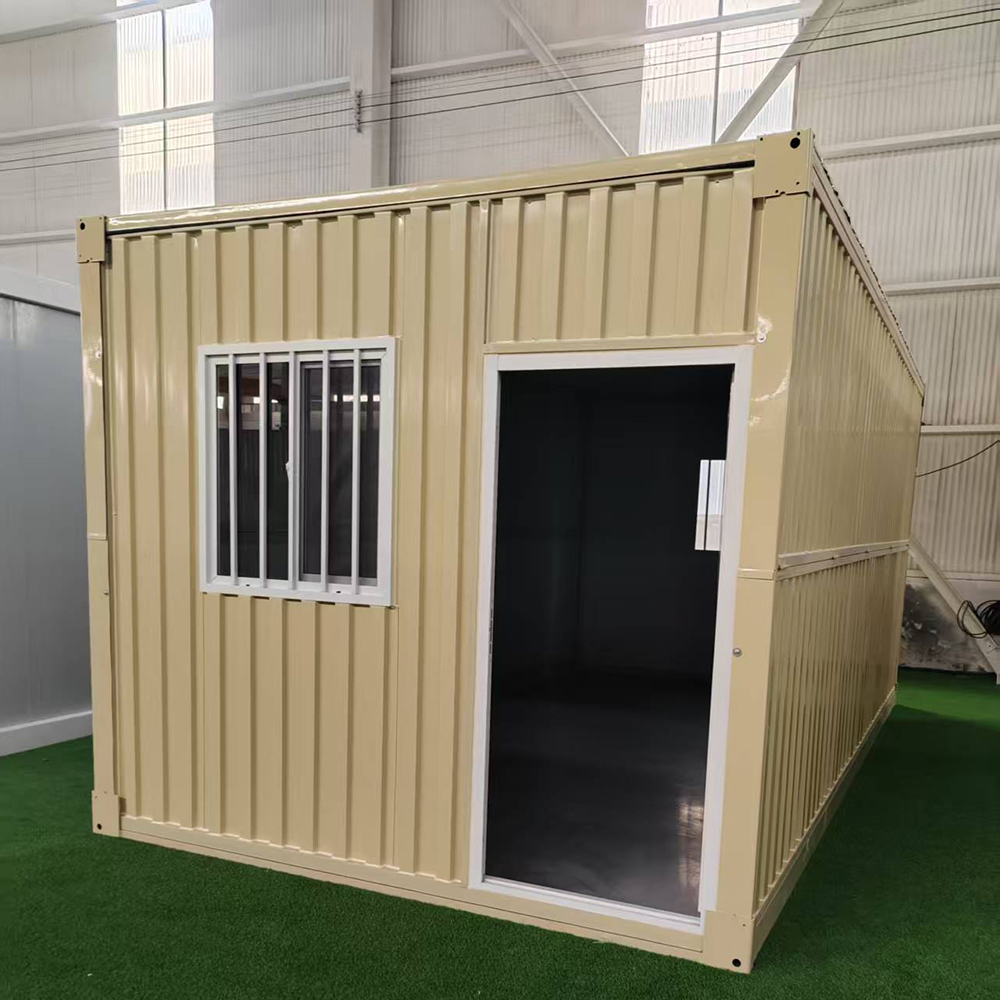 Competitive Price Portable Container House Foldable Container Mobile Living Modular Homes
 -
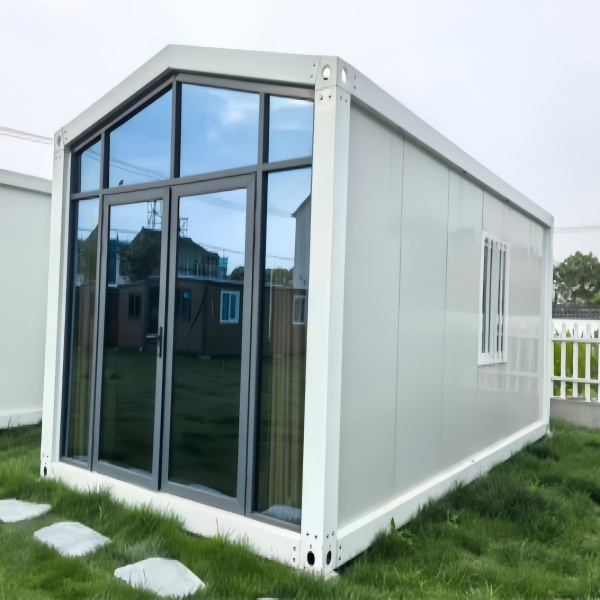 Waterproof folding container house – mobile accommodation for campsites/scenic spots
Related search
Related search- China mobile expandable prefab house
- container expandable house
- red apple cabin
- Buy house that folds out
- Buy flat pack expandable modular container house
- 15ftx 20ft mobile expandable prefab house mobile home prefab
- prefab shipping container house
- China foldable container house
- mobile expandable prefab house 15ft x 20ft
- fold out mobile homes