
-
E-mail
Austin120521@outlook.com -
E-mail
sales@jujiuhouse.com -
Telephone
+86-17864099991 -
Telephone
+86-17854044442
- Chinese
- French
- German
- Portuguese
- Spanish
- Russian
- Japanese
- Korean
- Arabic
- Irish
- Greek
- Turkish
- Italian
- Danish
- Romanian
- Indonesian
- Czech
- Afrikaans
- Swedish
- Polish
- Basque
- Catalan
- Esperanto
- Hindi
- Lao
- Albanian
- Amharic
- Armenian
- Azerbaijani
- Belarusian
- Bengali
- Bosnian
- Bulgarian
- Cebuano
- Chichewa
- Corsican
- Croatian
- Dutch
- Estonian
- Filipino
- Finnish
- Frisian
- Galician
- Georgian
- Gujarati
- Haitian
- Hausa
- Hawaiian
- Hebrew
- Hmong
- Hungarian
- Icelandic
- Igbo
- Javanese
- Kannada
- Kazakh
- Khmer
- Kurdish
- Kyrgyz
- Latin
- Latvian
- Lithuanian
- Luxembou..
- Macedonian
- Malagasy
- Malay
- Malayalam
- Maltese
- Maori
- Marathi
- Mongolian
- Burmese
- Nepali
- Norwegian
- Pashto
- Persian
- Punjabi
- Serbian
- Sesotho
- Sinhala
- Slovak
- Slovenian
- Somali
- Samoan
- Scots Gaelic
- Shona
- Sindhi
- Sundanese
- Swahili
- Tajik
- Tamil
- Telugu
- Thai
- Ukrainian
- Urdu
- Uzbek
- Vietnamese
- Welsh
- Xhosa
- Yiddish
- Yoruba
- Zulu
- Kinyarwanda
- Tatar
- Oriya
- Turkmen
- Uyghur




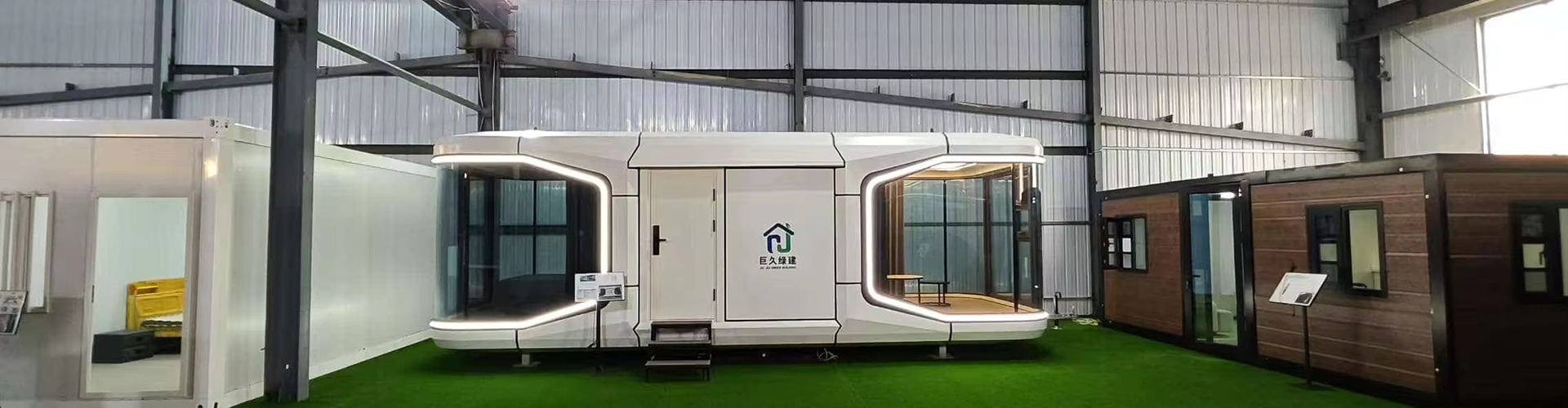
China prebuilt container house
html
Exploring the Dynamics of China's Prebuilt Container Houses
China's prebuilt container house industry is rapidly gaining traction, both locally and internationally. A curious blend of practicality, affordability, and innovation, these structures have stirred interest across various construction domains. However, there's often a gap between perception and reality. While some believe they're simply stackable boxes, the reality is far more intricate and multifaceted.
The Rise of Prebuilt Container Homes
Over the past decade, the global demand for sustainable and fast-build housing options has surged, with China firmly at the forefront. Companies like SHANDONG JUJIU INTEGRATED HOUSING CO,LTD exemplify this transformative shift in the housing market. They have turned the concept of a basic shipping container into a livable, stylish abode.
What sets these homes apart is their modular nature. They're not just about putting up four walls and a roof. The design and engineering process is meticulous, balancing structural integrity with aesthetic appeal. And while they might seem as simple as Lego blocks, the challenges of insulation, ventilation, and adaptability require deft handling.
A critical advantage of these homes is their adaptability. They can be configured as per user needs, making them perfect for both urban and rural settings. Whether for temporary site housing or luxury accommodations, the flexibility is unmatched. However, achieving this level of customization isn't without its hurdles.
Design and Engineering Nuances
The process of transforming a container into a home begins with design and engineering. Shandong Jujiu Integrated Housing Co. is heavily invested in research and development to innovate beyond traditional constraints. Each container has unique requirements, dictated by its eventual environment and use.
For instance, insulating a container to withstand extreme temperatures can be demanding. The choice of materials and appropriate technologies is crucial. Options like spray foam or rigid board insulation are common, but each comes with trade-offs in terms of cost and performance.
Another consideration is weight distribution and structural support. Companies often need to reinforce the steel frame to accommodate cut-outs for doors and windows, which involves precision and a thorough understanding of load-bearing physics.
R&D: Bridging the Gap Between Knowledge and Practice
Having a robust R&D department is a cornerstone for companies like SHANDONG JUJIU INTEGRATED HOUSING CO,LTD. They play a pivotal role in optimizing design and enhancing efficiencies in production processes. Their team delves into physics, material science, and architectural trends, contributing to industry-leading products.
Research isn't just about the immediate build. It involves forecasting future trends, predicting user needs, and preparing for technological advancements. Anticipating these changes allows for seamless integration of new solutions, keeping them ahead in the prebuilt housing market.
Moreover, continuous feedback loops with clients ensure that the final product is as close to the initial vision as possible. This iterative approach aids in honing designs that are both practical and aspirational.
Challenges and Real-World Applications
Despite the promising outlook, these homes aren’t without their challenges. Regulatory hurdles and zoning laws can complicate installations. Certain regions have specific codes that might restrict the use of container homes, requiring proactive engagement with local authorities.
In real-world applications, a notable project by Shandong Jujiu involved creating emergency shelters in disaster-hit areas. These were quick to deploy and provided much-needed relief, showcasing the practical benefits of container homes in crisis management.
The environmental footprint of container conversions is another hot topic. While recycling shipping containers is eco-friendly, the process of converting them can sometimes negate these benefits, especially if not done sustainably.
Future Prospects and Innovations
Looking ahead, the future for prebuilt container houses in China remains bright. As technology advances, so too will the capabilities of these structures. Innovations in smart home technology, sustainable materials, and energy-efficient solutions are likely to redefine the industry.
Companies like SHANDONG JUJIU INTEGRATED HOUSING CO,LTD are well-positioned to leverage these innovations, thanks to their comprehensive approach to both manufacturing and conceptual development. Their ambition is to not just meet current demands but to shape what comes next.
In conclusion, while the initial image of a prebuilt container house might evoke thoughts of simplicity, the journey from concept to completion is anything but. It requires a blend of innovation, dedication, and foresight—elements that will continue to evolve as the industry matures.
Related products
Related products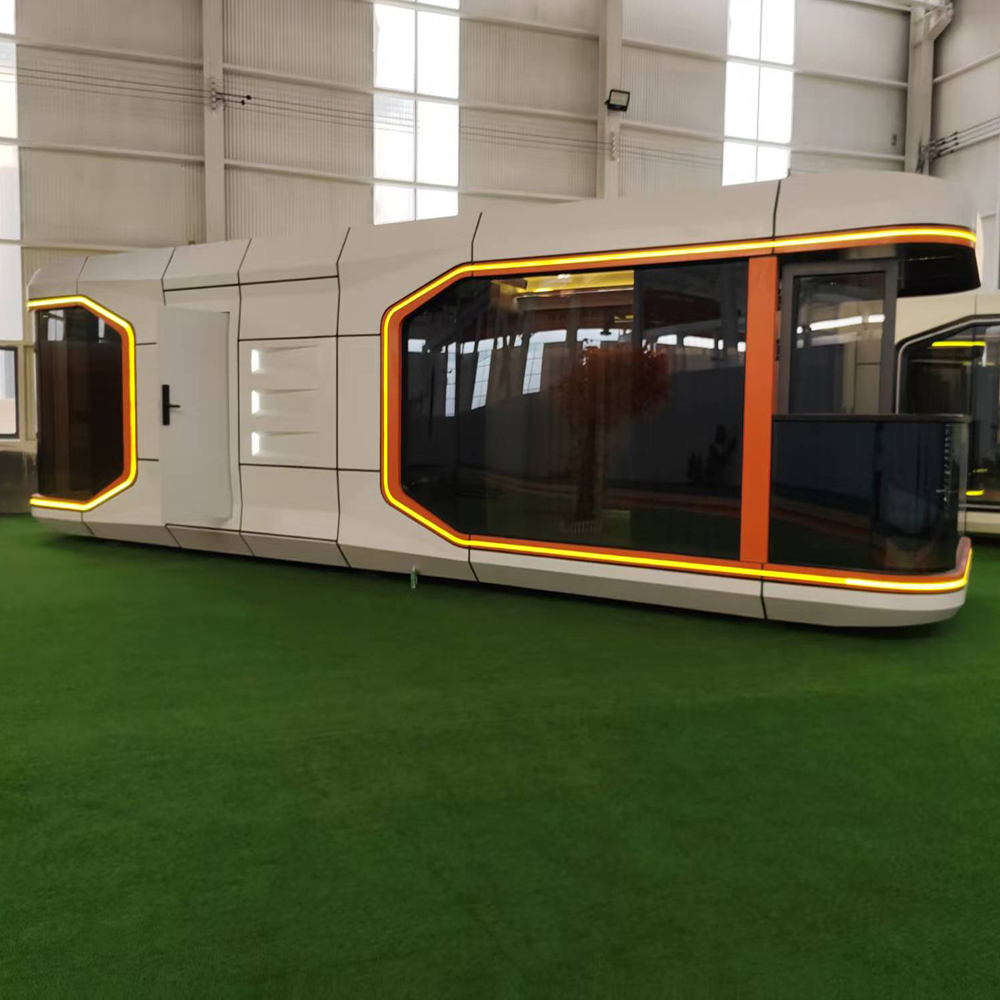
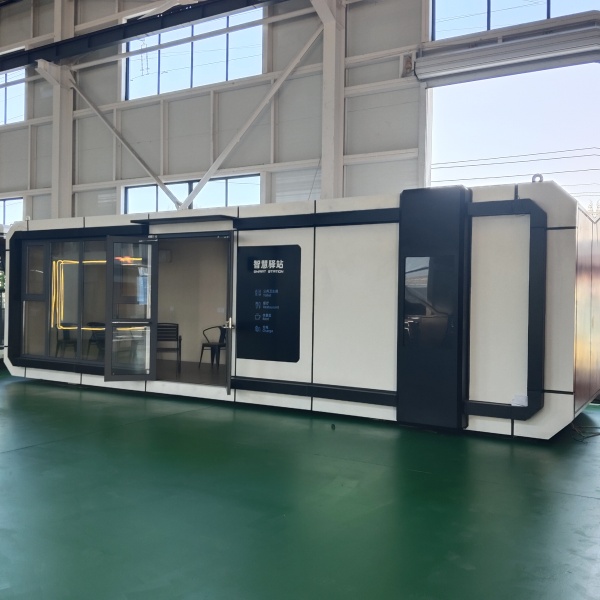
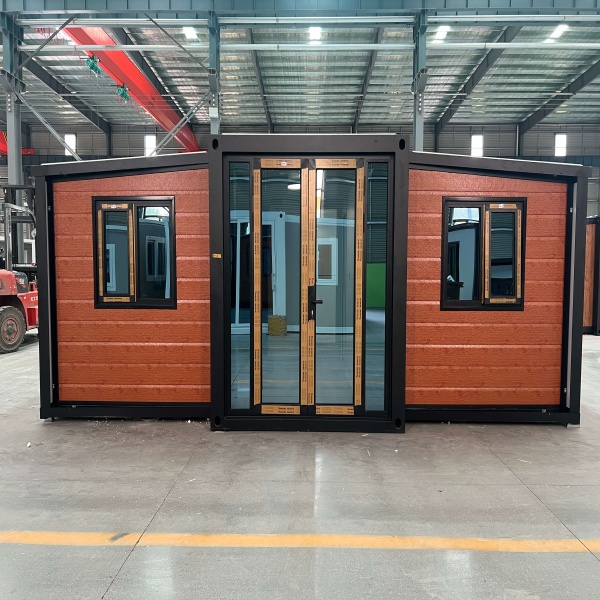
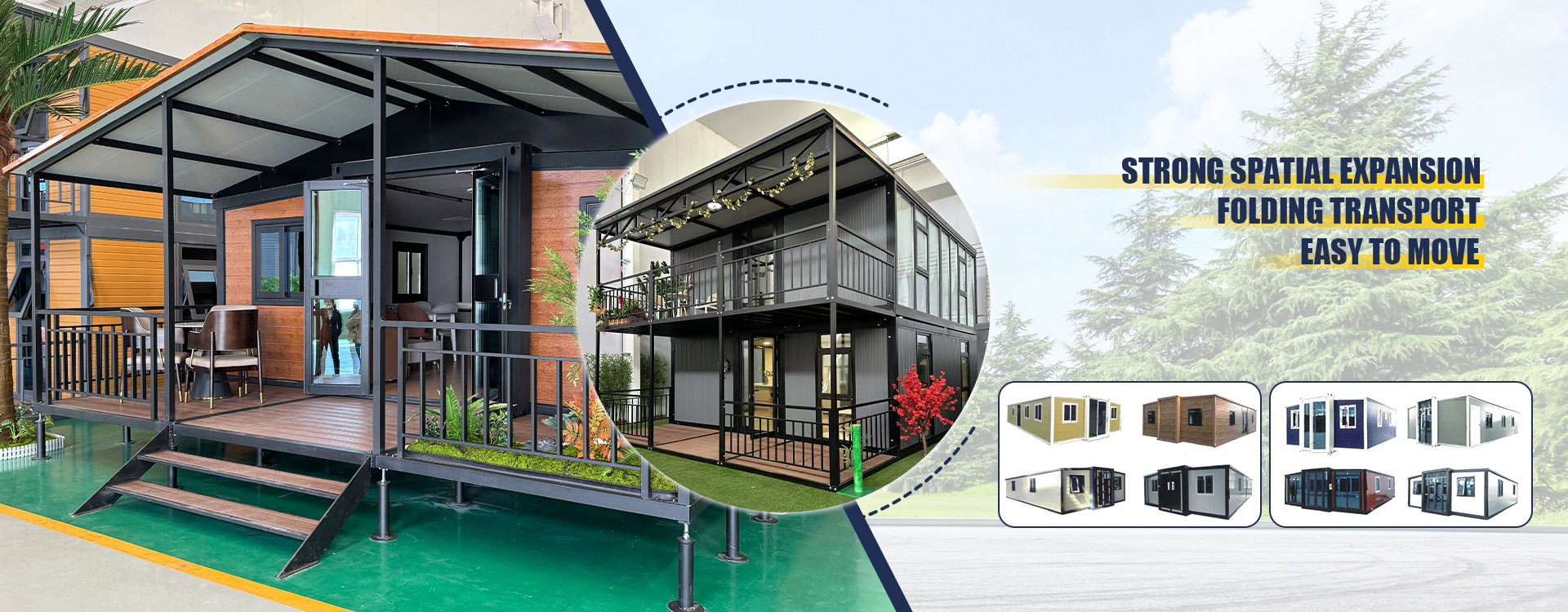
Best selling products
Best selling products-
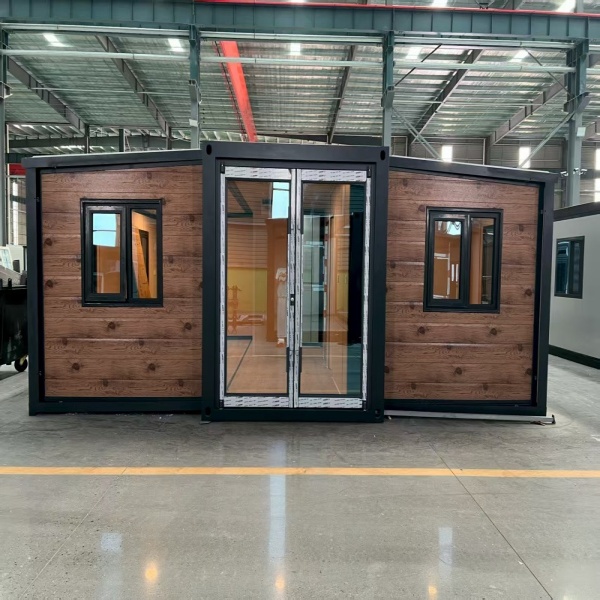
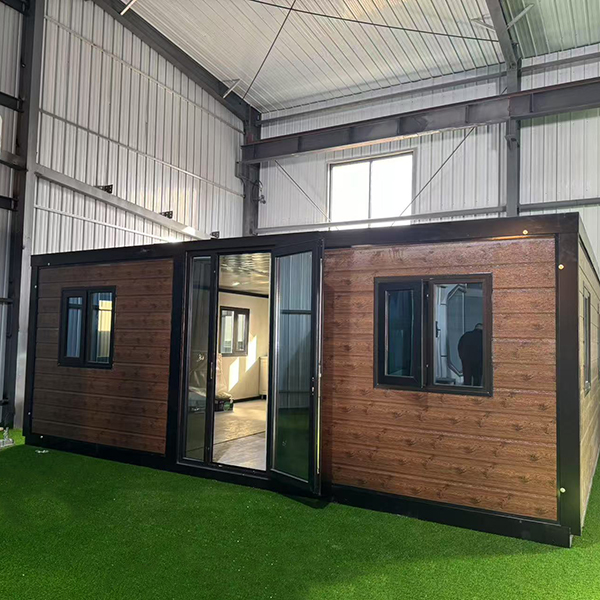 Good Quality Modular Homes Prefabricated House Expandable Container House 20FT Mobile Flat Roof House
 -
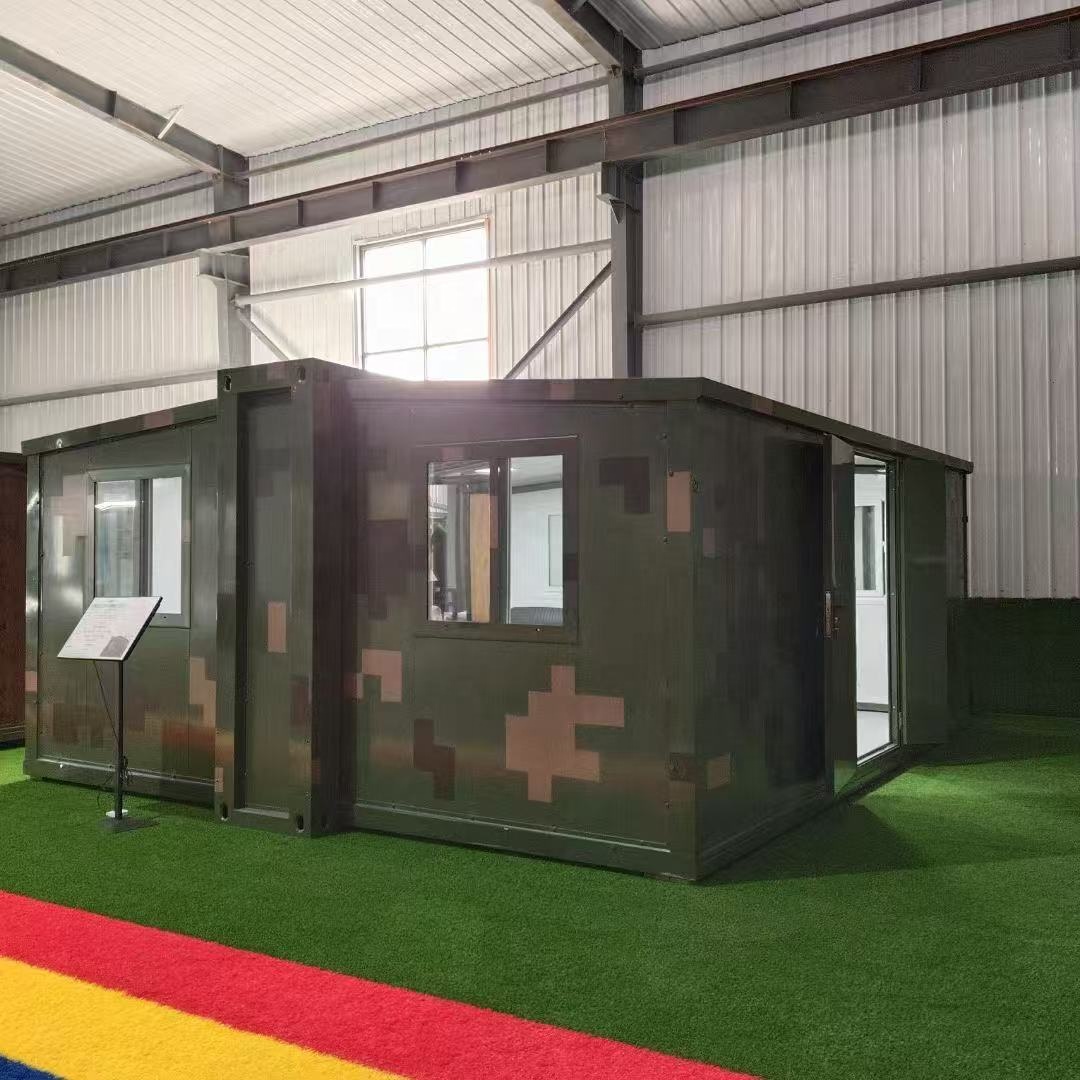 Movable Prefabricated Container House Villas Modular Portable Homes 1 Bedroom Container House Offices Apartments
 -
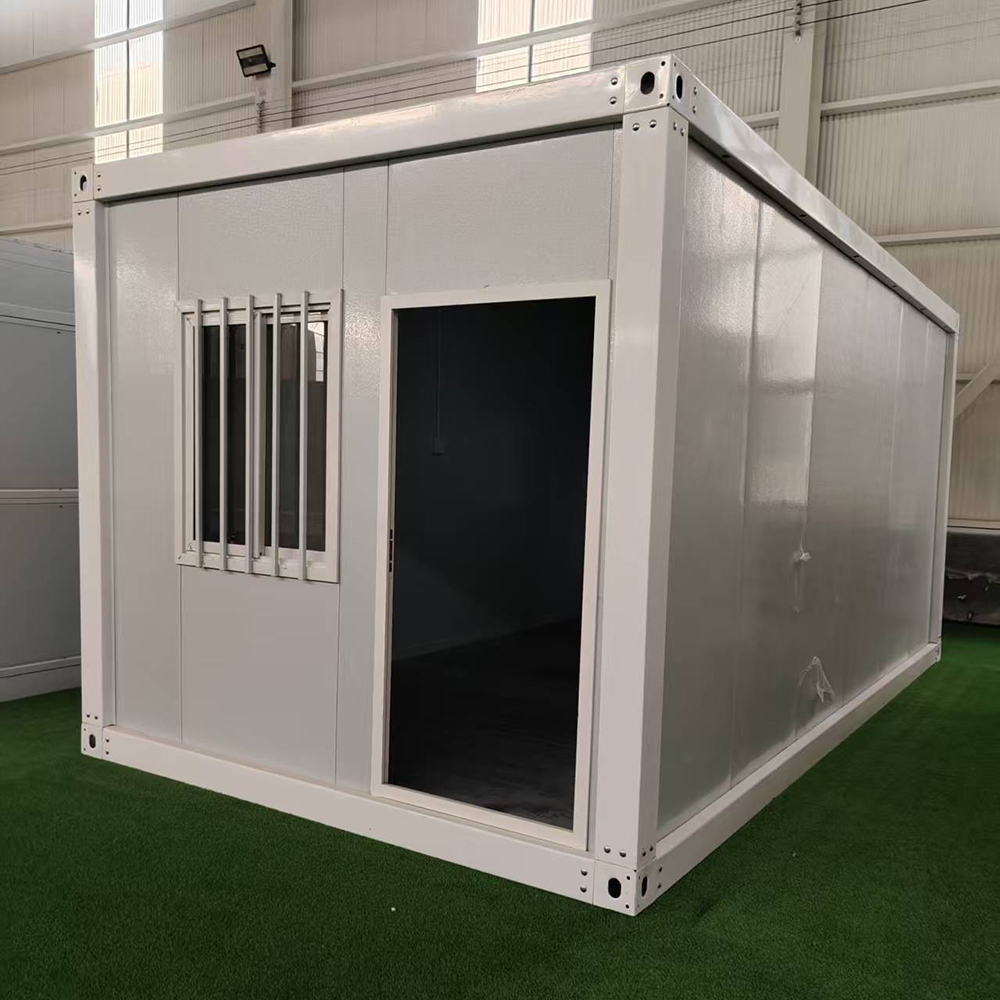 Folding Container Moving House Modular Office Container House Prefab Container for Outdoor Use
 -
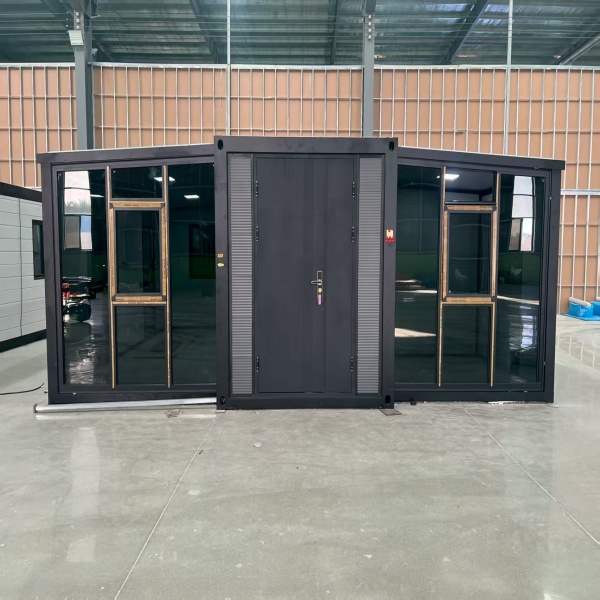 Customizable Office Mobile Home with Flat Roof and Double Wing Expansion Box, Convenient Container
 -
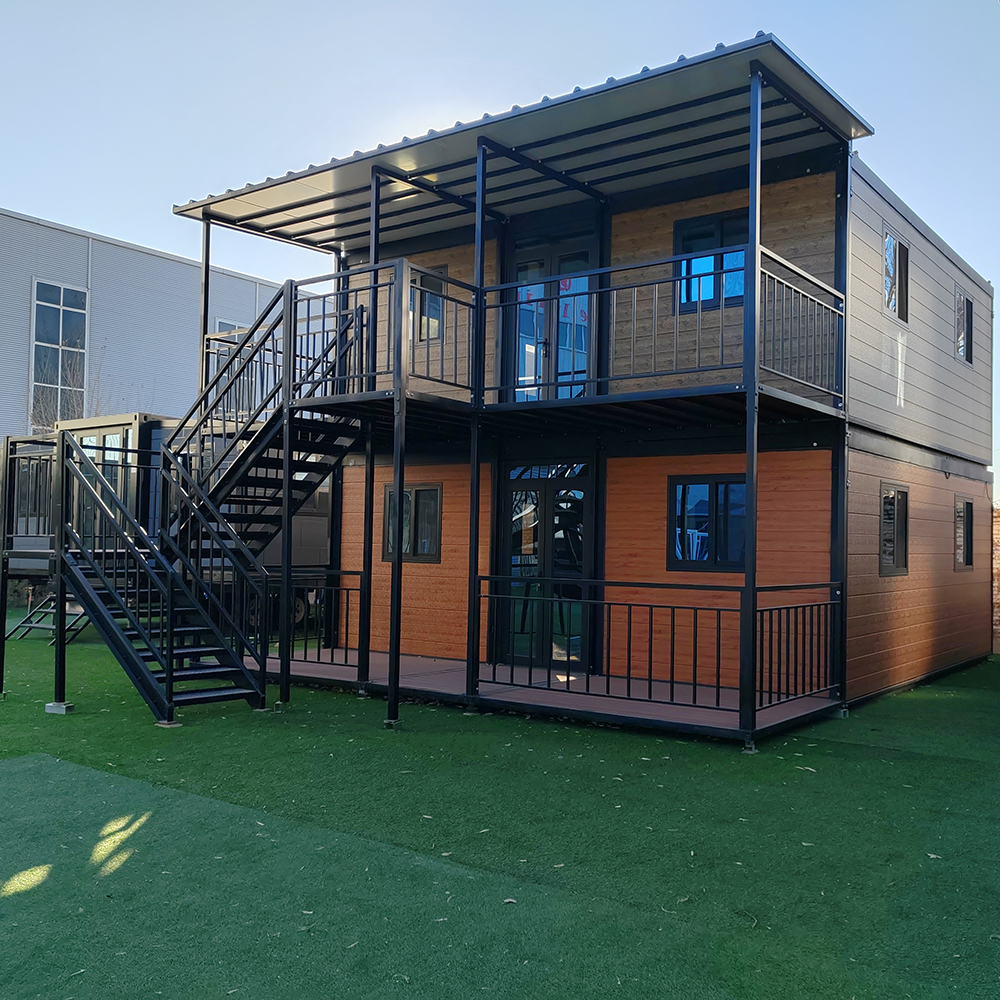 Easy Install Customized Detachable Container Homes Extendable House Prefab 2 Floors Expandable Container House
 -
 Luxury Foldable Two Story Container House for Glamping Resort and Villa Hotel
 -
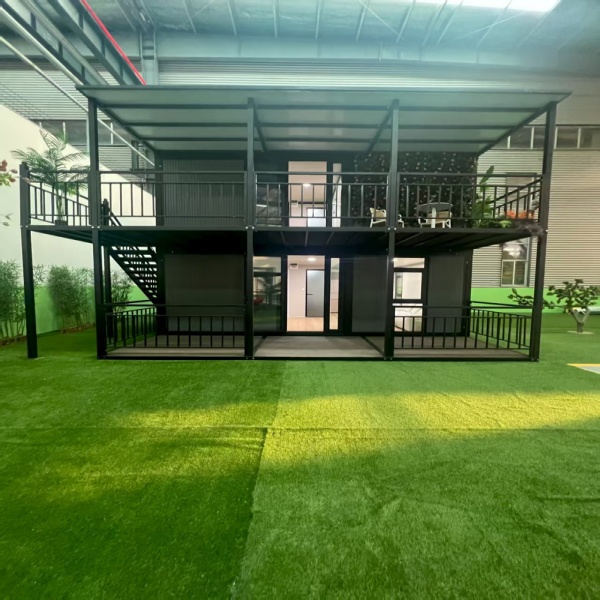 Luxury foldable two-story container houses in luxury resort hotels and villa hotels
 -
Two Wing Folding Expandable Container House
-
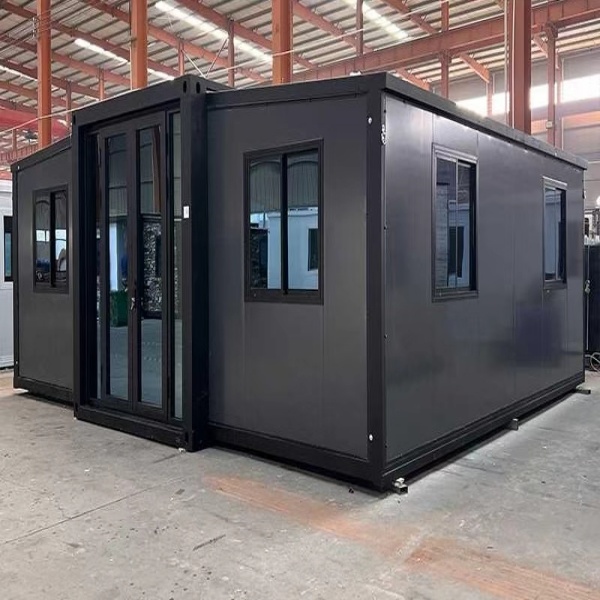 Dual-Wing Folding Container House: Fast Assembly, Space-Saving & Multi-Scene Adaptable
 -
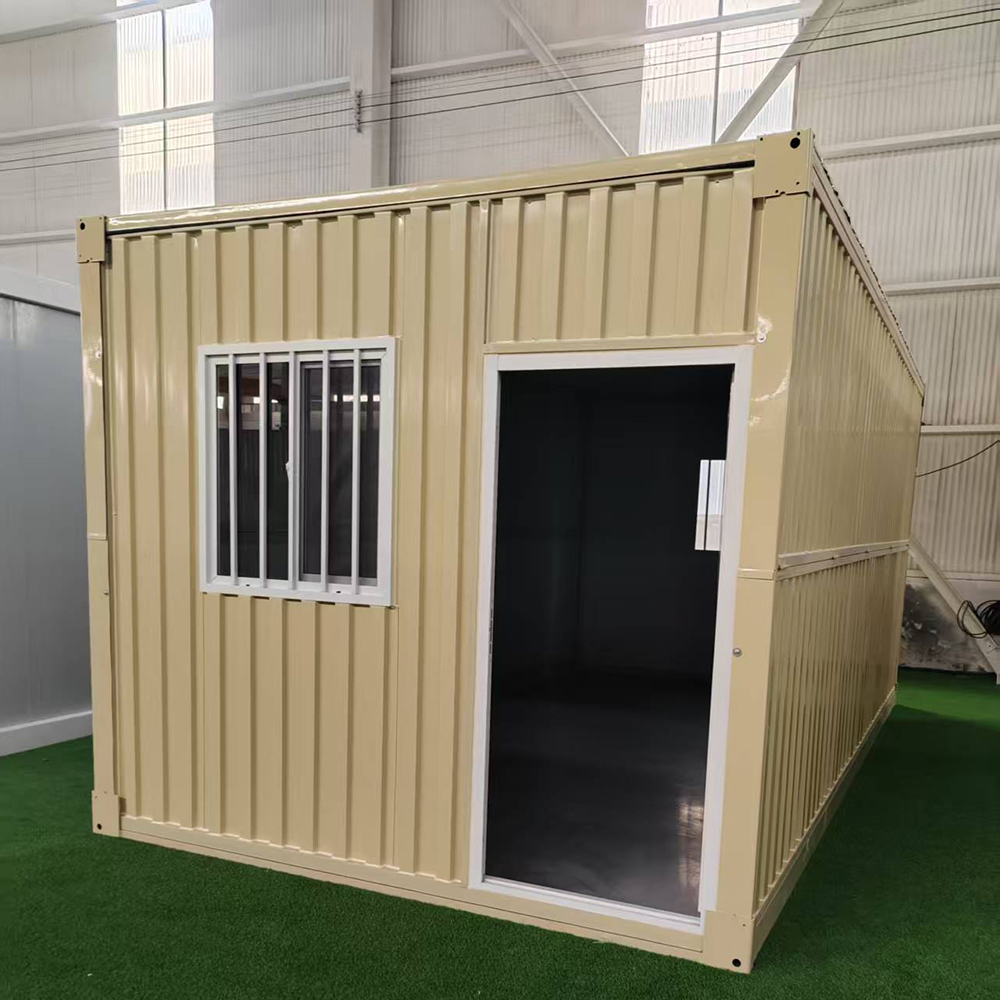 Competitive Price Portable Container House Foldable Container Mobile Living Modular Homes
 -
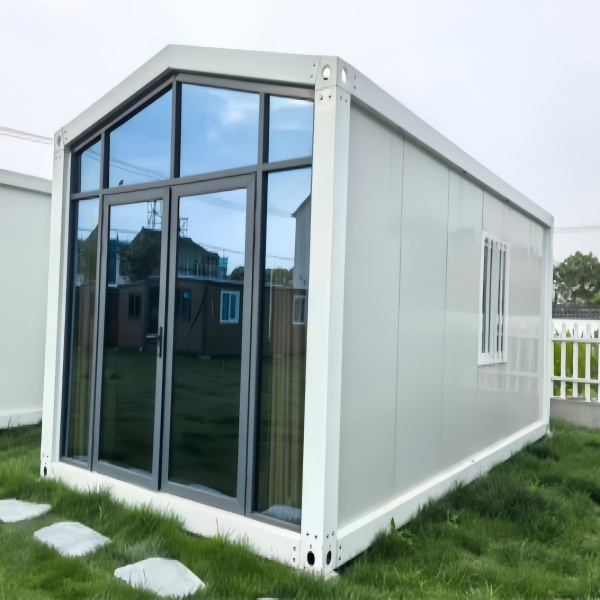 Waterproof folding container house – mobile accommodation for campsites/scenic spots
 -
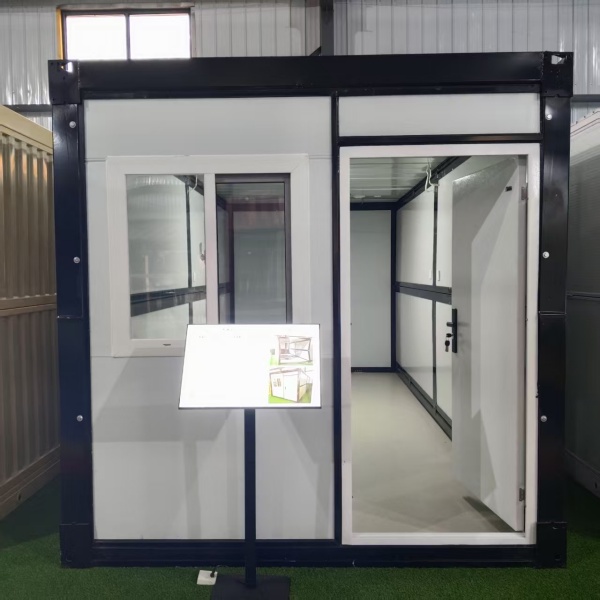 Hot-selling foldable container houses, expandable prefabricated houses, suitable for office or living use, with fast delivery.
Related search
Related search- China low price flat pack container house prefabricated
- China new spire prefabricated house container house
- prefab container house
- container house
- semi trailer fold out houses
- premade shipping container house
- China prefab container house
- China prefab cabin container house
- China portable folding houses for sale
- apple pod cabin garden cabin