
-
E-mail
Austin120521@outlook.com -
E-mail
sales@jujiuhouse.com -
Telephone
+86-17864099991 -
Telephone
+86-17854044442
- Chinese
- French
- German
- Portuguese
- Spanish
- Russian
- Japanese
- Korean
- Arabic
- Irish
- Greek
- Turkish
- Italian
- Danish
- Romanian
- Indonesian
- Czech
- Afrikaans
- Swedish
- Polish
- Basque
- Catalan
- Esperanto
- Hindi
- Lao
- Albanian
- Amharic
- Armenian
- Azerbaijani
- Belarusian
- Bengali
- Bosnian
- Bulgarian
- Cebuano
- Chichewa
- Corsican
- Croatian
- Dutch
- Estonian
- Filipino
- Finnish
- Frisian
- Galician
- Georgian
- Gujarati
- Haitian
- Hausa
- Hawaiian
- Hebrew
- Hmong
- Hungarian
- Icelandic
- Igbo
- Javanese
- Kannada
- Kazakh
- Khmer
- Kurdish
- Kyrgyz
- Latin
- Latvian
- Lithuanian
- Luxembou..
- Macedonian
- Malagasy
- Malay
- Malayalam
- Maltese
- Maori
- Marathi
- Mongolian
- Burmese
- Nepali
- Norwegian
- Pashto
- Persian
- Punjabi
- Serbian
- Sesotho
- Sinhala
- Slovak
- Slovenian
- Somali
- Samoan
- Scots Gaelic
- Shona
- Sindhi
- Sundanese
- Swahili
- Tajik
- Tamil
- Telugu
- Thai
- Ukrainian
- Urdu
- Uzbek
- Vietnamese
- Welsh
- Xhosa
- Yiddish
- Yoruba
- Zulu
- Kinyarwanda
- Tatar
- Oriya
- Turkmen
- Uyghur




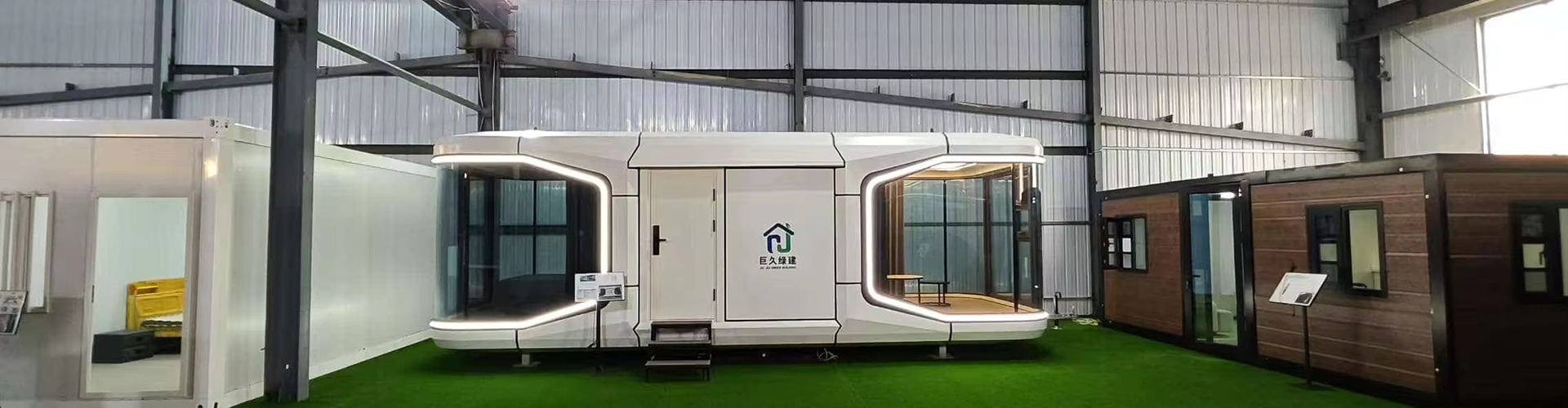
expandable container house
The Practical Realities of Expandable Container Houses
Amid the growing attraction to modular living solutions, expandable container houses have emerged as a favored option. While they offer undeniable advantages, from affordability to sustainability, there are common misconceptions and practical nuances to be aware of that only seasoned professionals in the field, such as Shandong Jujiu Integrated Housing Co., Ltd., might anticipate.
Understanding the Appeal
The allure of expandable container houses is multifaceted. Primarily, they promise rapid installation and cost efficiency. Unlike traditional builds, these container homes can be deployed quickly, a significant benefit for those pressed for time. For example, a project I worked on last year showcased how an entire unit could be operational in less than a week.
However, it's not just about speed. These homes are inherently sustainable. They often repurpose existing materials, making them an eco-friendly alternative. But sustainability is more than just recycling. At Shandong Jujiu, we meticulously design and optimize our products to ensure minimal energy consumption during use, aligning with broader environmental goals.
There's a personal project of mine that impressively reduced utility costs by 30%, thanks to these thoughtful design choices. Stories like this underline the genuine benefits, but not everything is straightforward.
Challenges and Misconceptions
A common misconception is the belief that expandable container houses are entirely maintenance-free. In reality, while they demand less upkeep than traditional homes, they are not exempt from challenges. The metal structures require regular anti-rust treatments, especially in humid climates.
Our team at Shandong Jujiu, listed at jujiuhouse.com, understands these intricacies. We incorporate advanced coatings, but nothing substitutes for consistent maintenance. Neglect can lead to costly repairs, an unfortunate lesson from a previous project where assumptions were made too hastily.
Additionally, customization can be both a boon and a bane. While it's possible to tailor homes to personal tastes, one must be wary of over-complicating the design. A client once insisted on a radical floor plan, which ultimately led to issues with structural integrity. Simplicity often prevails.
Navigating the Installation Process
Installation of an expandable container house involves more than just assembly. Site preparation is crucial. A solid foundation not only ensures stability but also impacts the longevity of the house. I’ve seen projects where inadequate groundwork led to water accumulation, undermining the structure.
At Shandong Jujiu, we emphasize thorough inspection and preparation. It's a fundamental step that, if overlooked, can negate the time and cost savings these homes typically offer. The success of our project relies on such vigilance; it’s a crucial message we communicate to every client.
Permits and local regulations can be another sticking point. Regardless of the flexibility these houses offer, they must still adhere to local building codes. Misunderstanding these can lead to delays or even legal troubles. Experience has taught us to navigate these waters carefully.
Maximizing Comfort and Efficiency
The compact nature of container homes might lead some to question their comfort levels. However, with savvy space management, they can be remarkably livable. Over time, we have developed strategies to maximize every inch without compromising functionality.
For instance, integrating multifunctional furniture can transform limited spaces. In one successful project, we incorporated foldable fixtures that effortlessly transitioned rooms from day to night use, illustrating the inventive potential of these homes.
Moreover, efficient insulation is non-negotiable. Many assume containers excel only in moderate climates, but with proper insulation materials and techniques, they can withstand even extreme temperatures. Shandong Jujiu advocates for high-grade insulative solutions, ensuring year-round comfort.
The Future of Expandable Living
As we look ahead, the role of expandable container houses seems poised to grow, especially as urban populations increase and sustainable living gains traction. At Shandong Jujiu, we anticipate a shift towards more integrated housing solutions, blending technology with traditional building methods.
Our recent endeavors involve experimenting with smart home technologies, aiming to enhance the adaptability and efficiency of these homes. Imagine automated systems that adjust to occupant patterns, optimizing resource usage — a frontier we're eager to explore.
While challenges remain, the potential innovations in this space are vast. The lessons learned from past projects guide our path forward, underscoring the value of practical experience over theoretical promise. The future of living might just be packed in a humble container, waiting to unfold.
Related products
Related products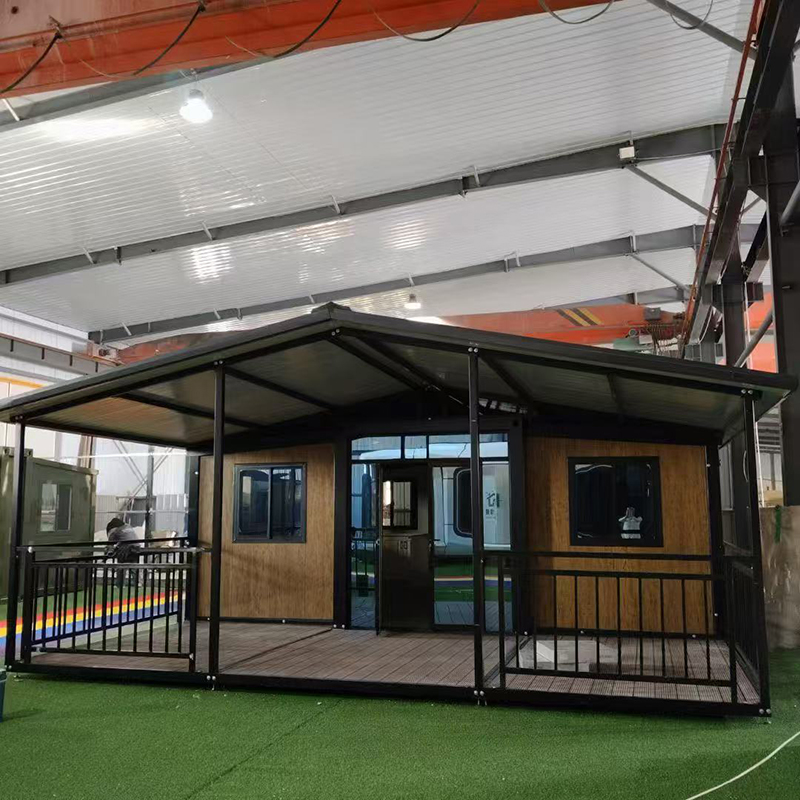
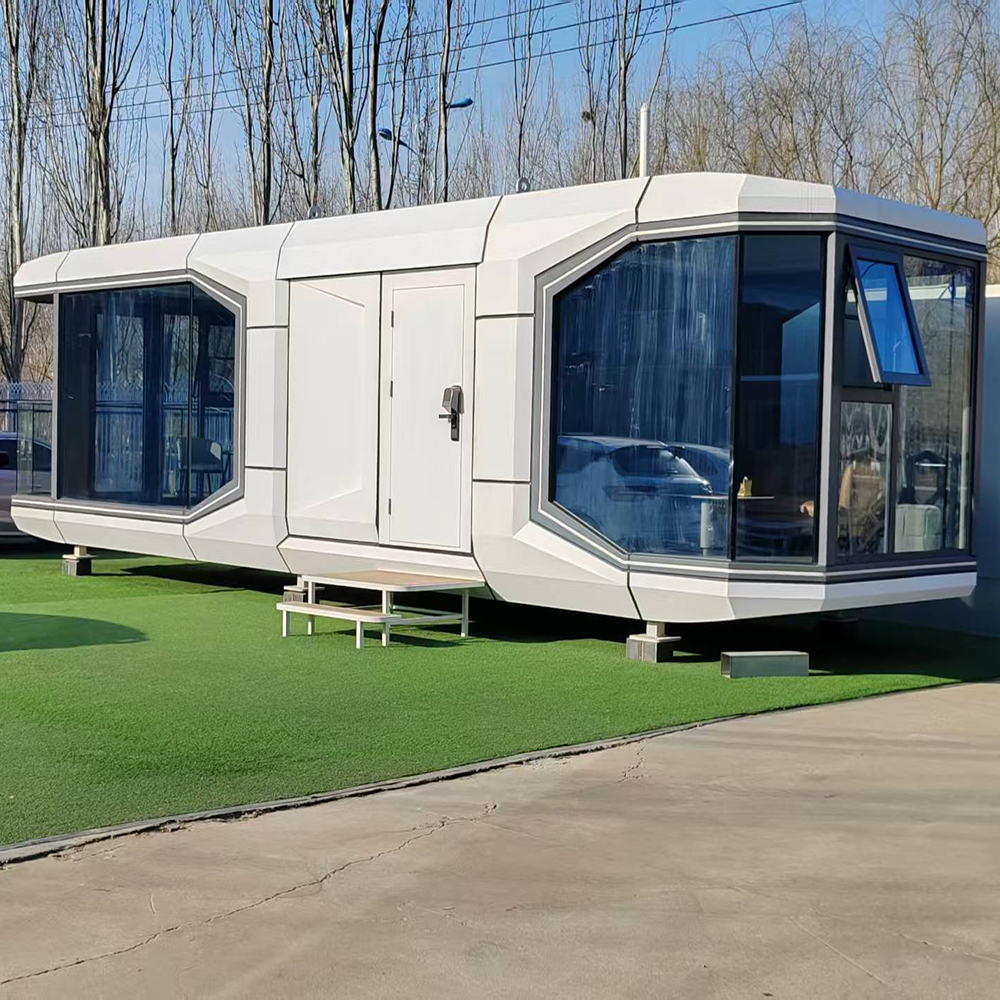
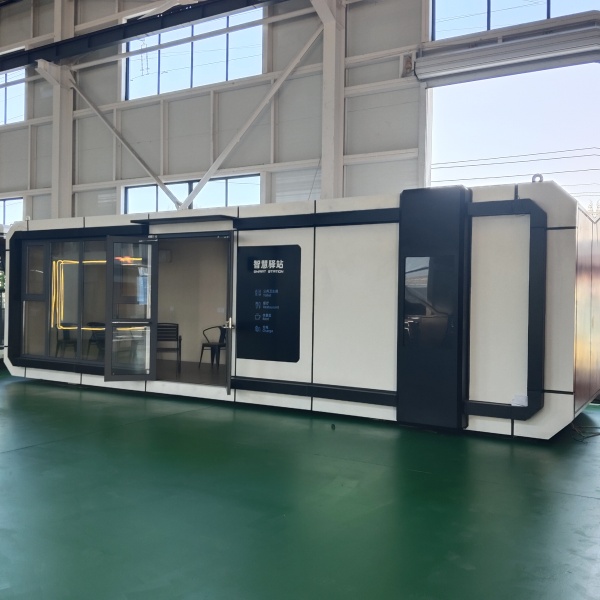
Best selling products
Best selling products-
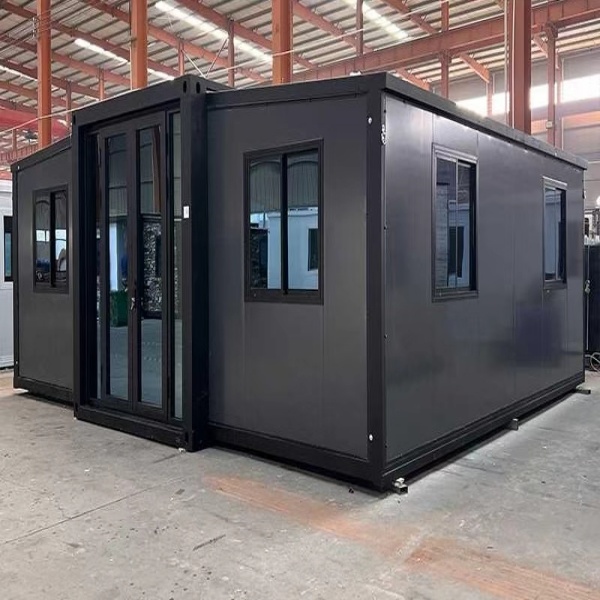
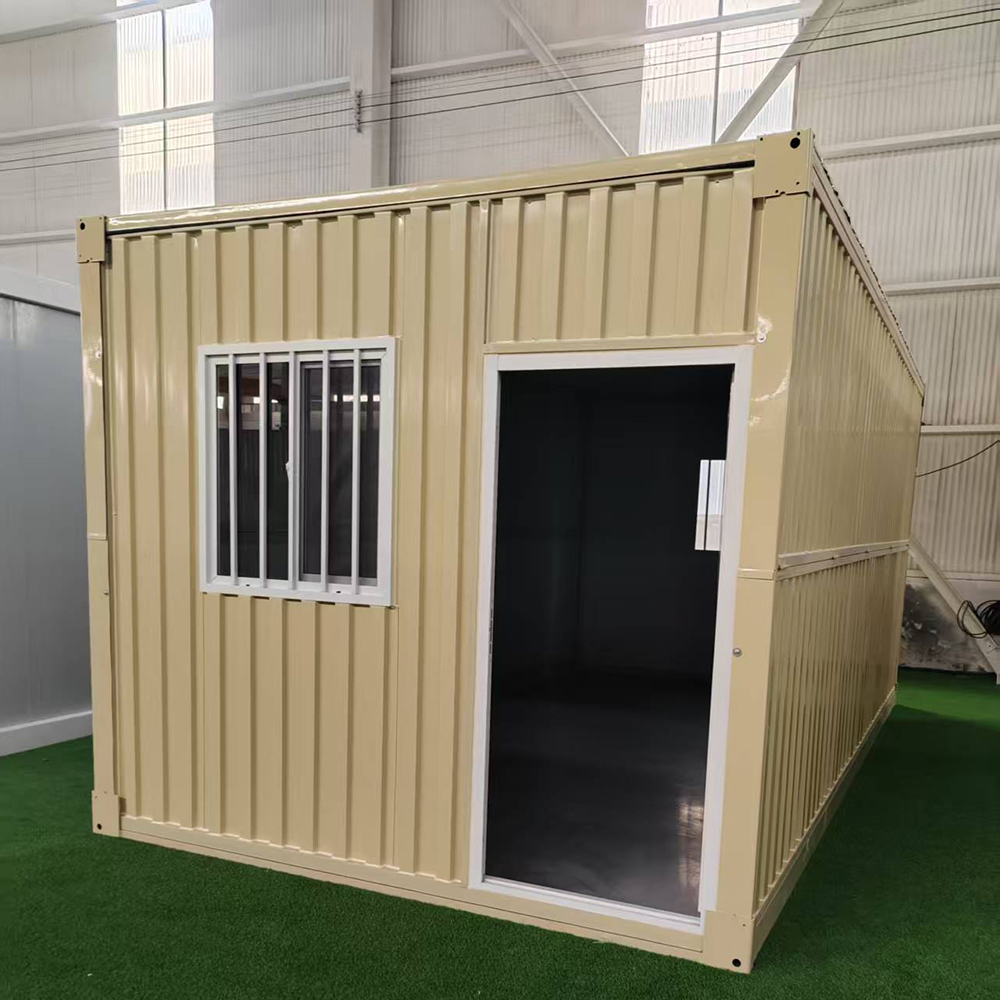
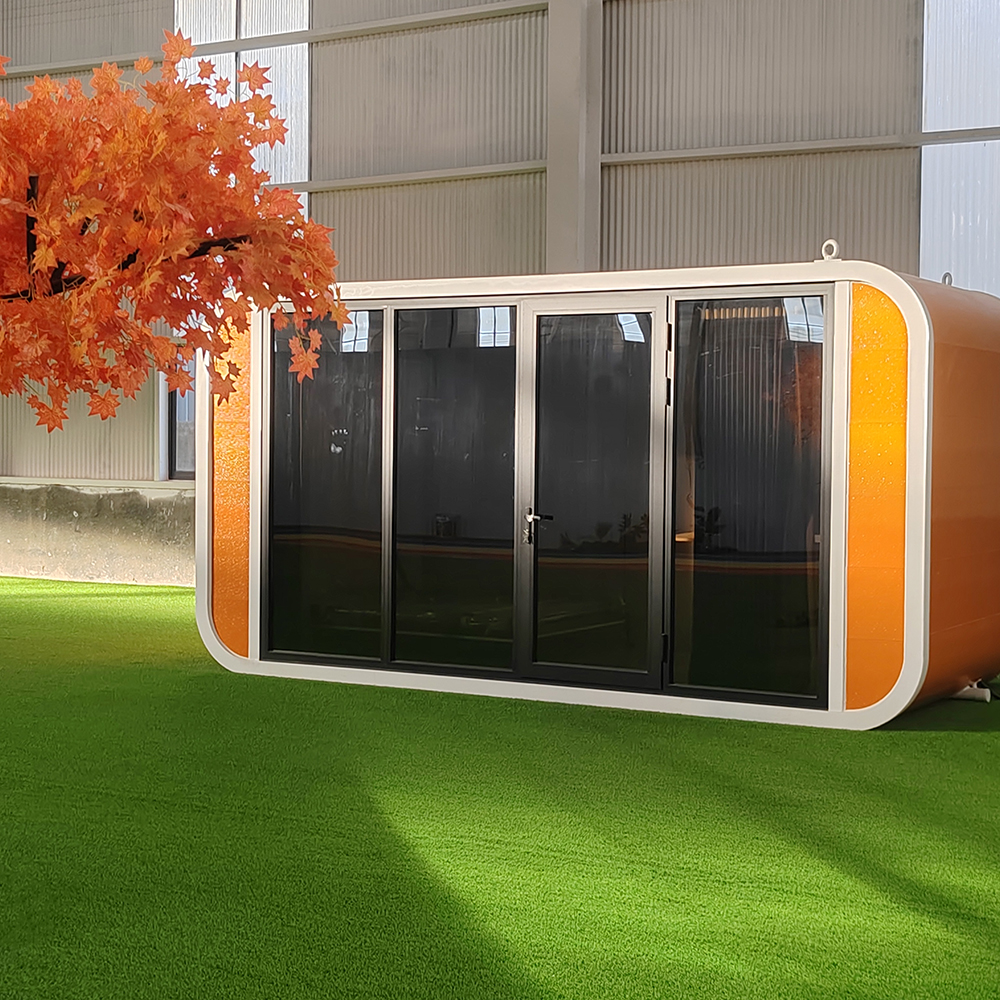
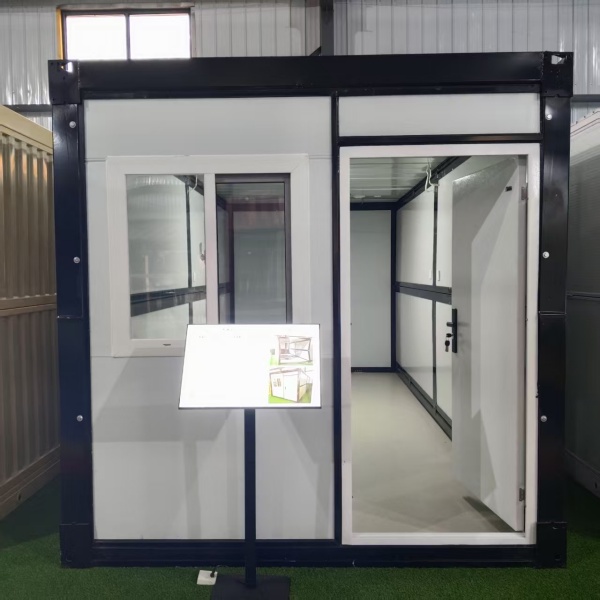 Hot-selling foldable container houses, expandable prefabricated houses, suitable for office or living use, with fast delivery.
 -
Factory Direct Sales Office Folding Container Luxury House Living Container House
-
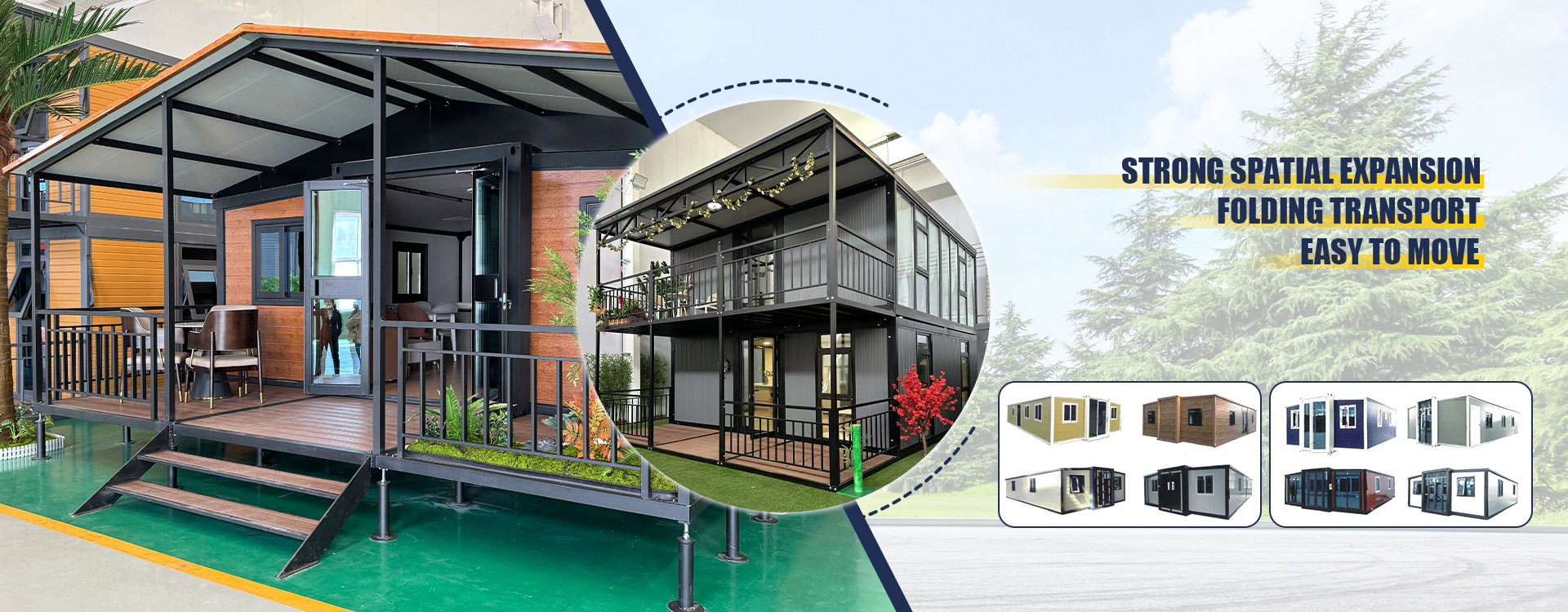
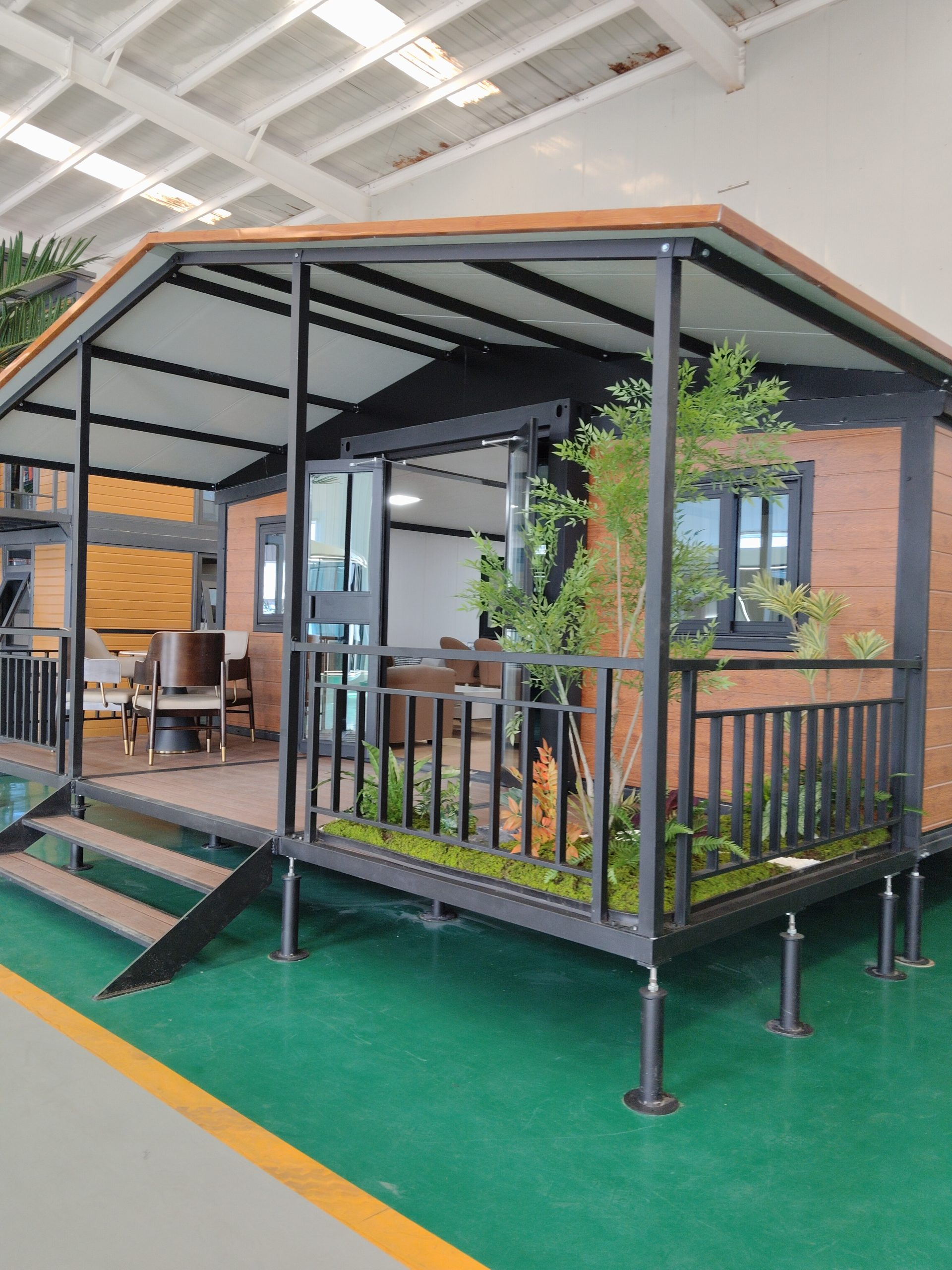 A container house with a terrace and double-wing folding design, suitable for various purposes such as offices, meeting rooms, living rooms, etc.
 -
Two Wing Folding Expandable Container House
-
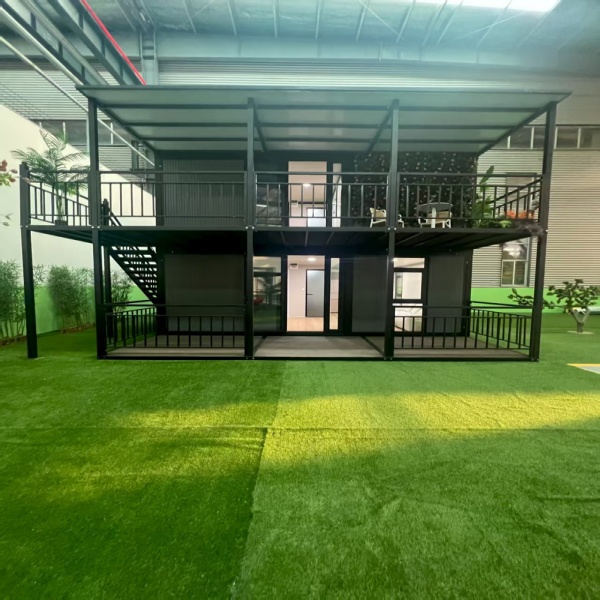 Luxury foldable two-story container houses in luxury resort hotels and villa hotels
 -
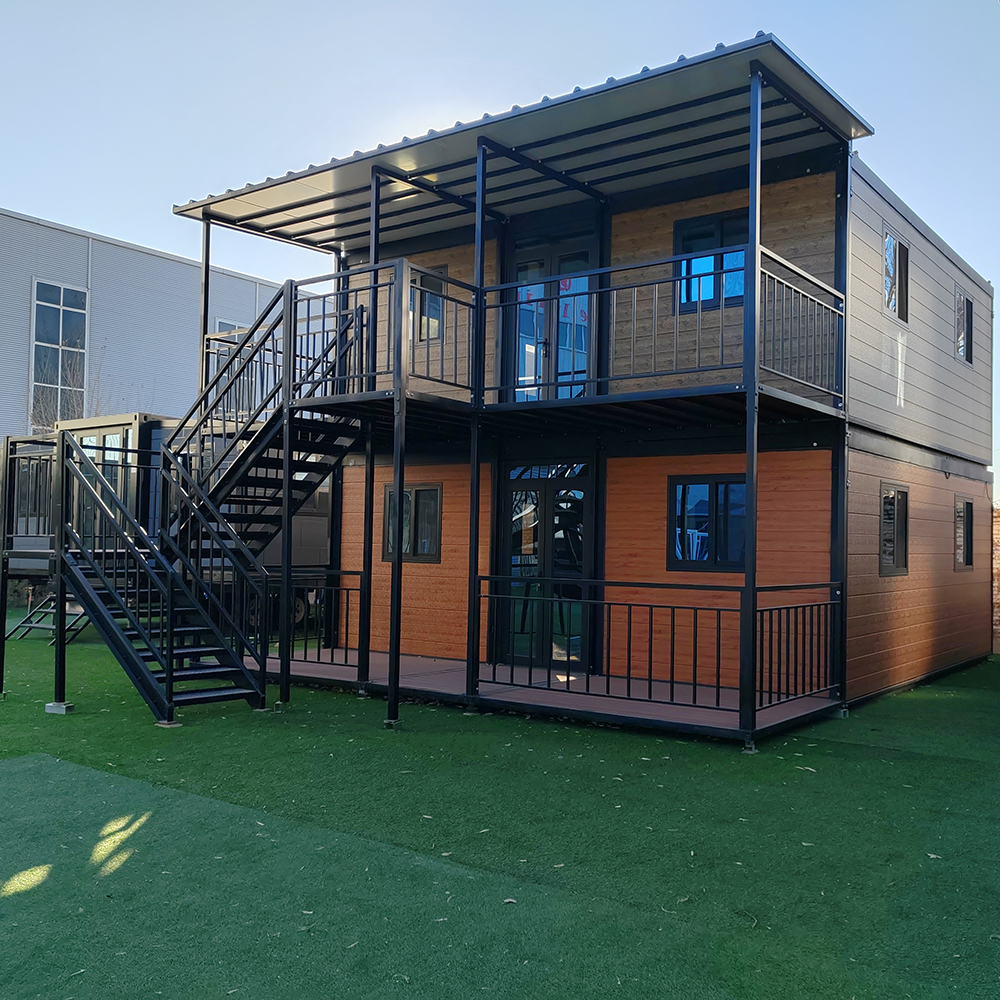 Easy Install Customized Detachable Container Homes Extendable House Prefab 2 Floors Expandable Container House
 -
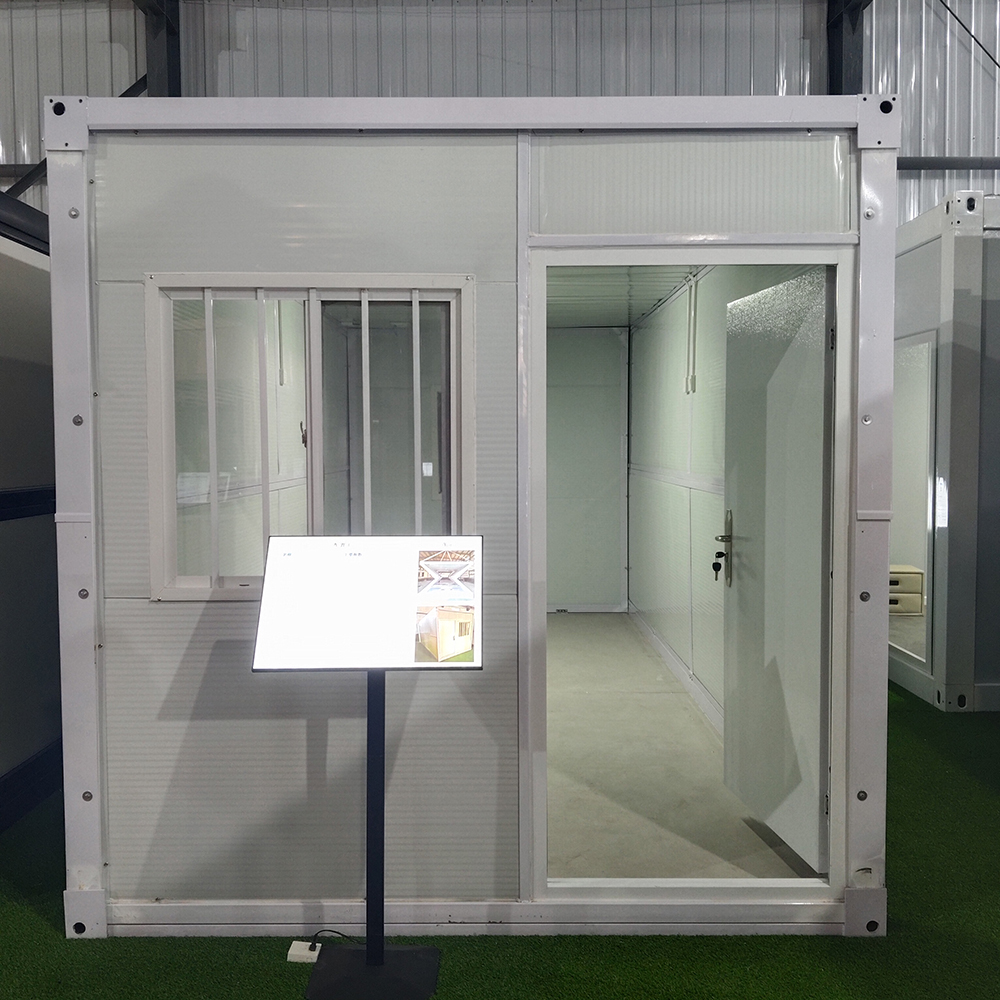 Reasonable Price 1 Bedroom Modular Container House Folding Container Home for Villa or Apartment Use
 -
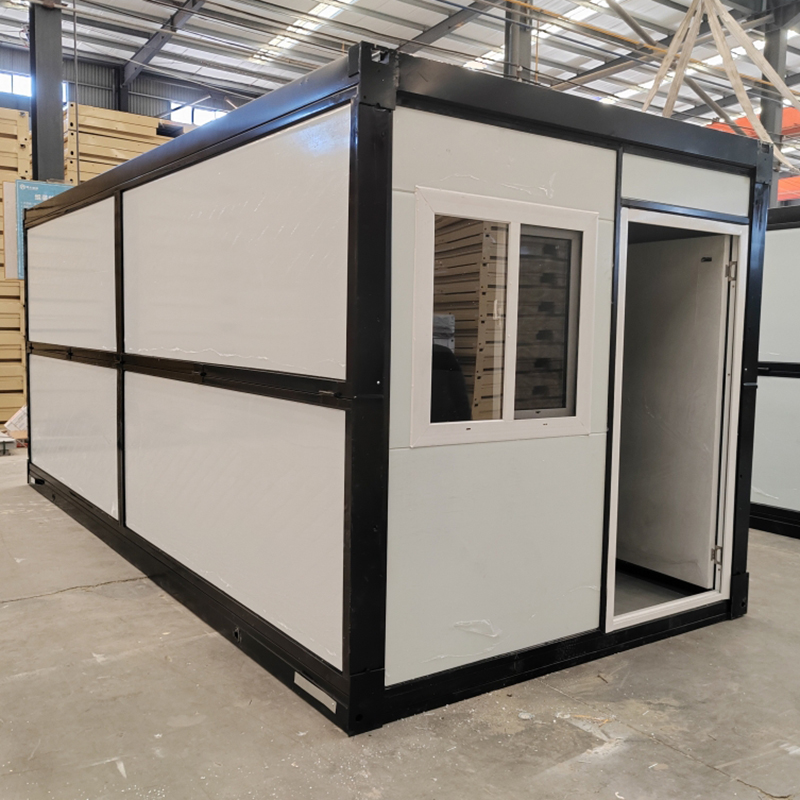 Detachable Design Prefabricated Container House Portable Modular Office Building Folding Container House
 -
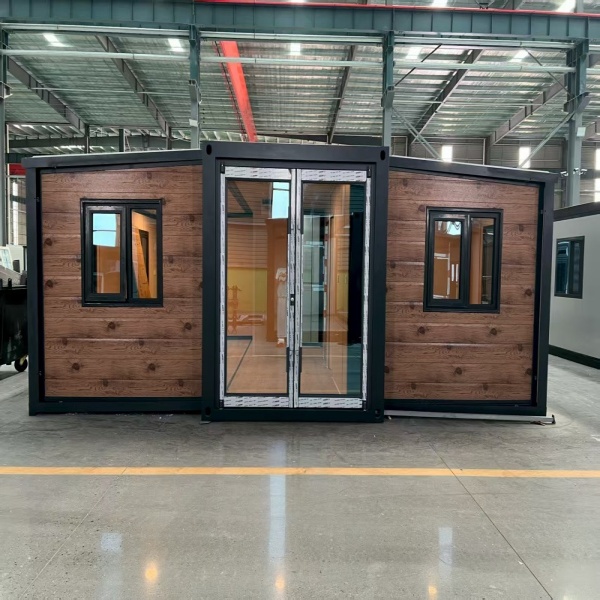 The foldable container house with side wing design can be quickly set up and is suitable for various environments.
 -
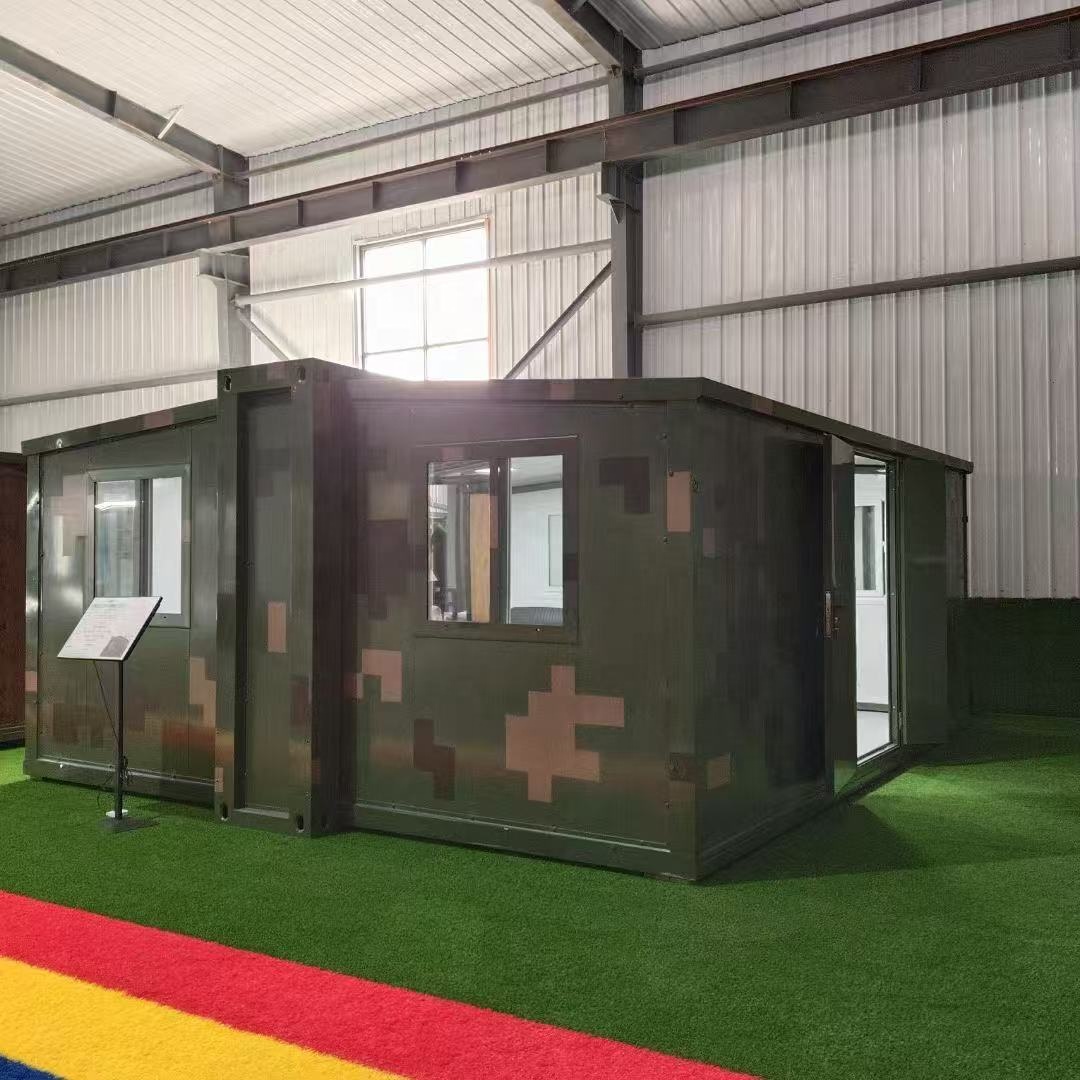 Movable Prefabricated Container House Villas Modular Portable Homes 1 Bedroom Container House Offices Apartments
 -
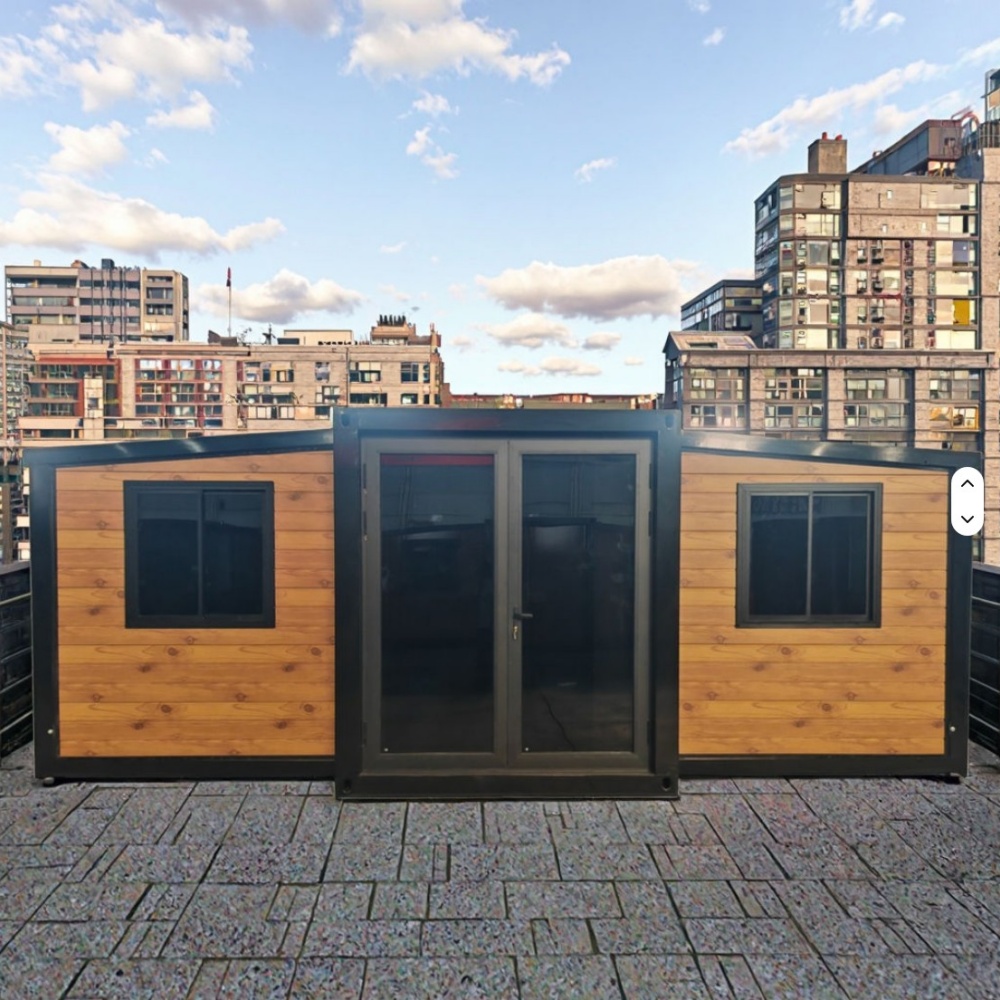 Customized Two Wing Folding Expandable Container House
 -
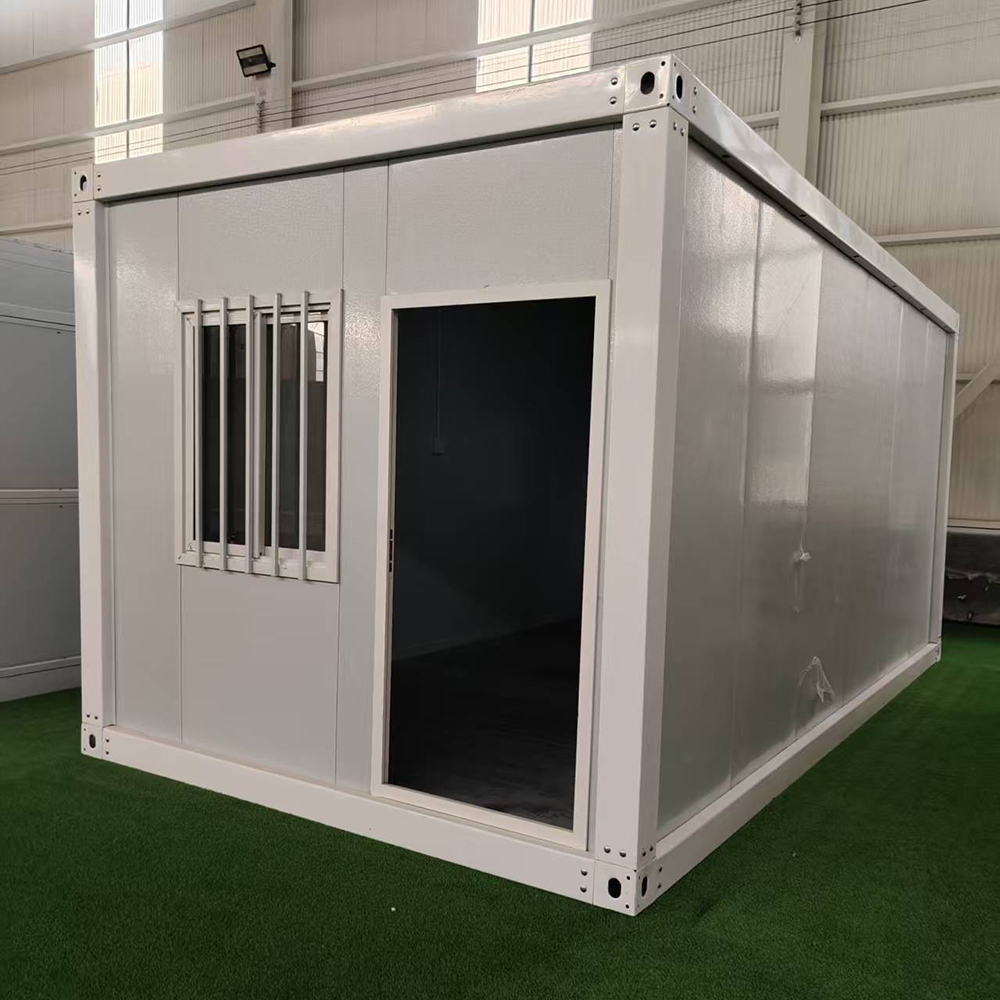 Folding Container Moving House Modular Office Container House Prefab Container for Outdoor Use
Related search
Related search- China foldable container house
- space cabin capsule
- cabin expandable container house for hotel
- price homes extended expandable container house
- Buy folding caravan container house
- Buy space capsule
- China apple office cabin house
- Buy good price folding shipping container house
- wholesale 40 foot container house prefabricated
- folding house price