
-
E-mail
Austin120521@outlook.com -
E-mail
sales@jujiuhouse.com -
Telephone
+86-17864099991 -
Telephone
+86-17854044442
- Chinese
- French
- German
- Portuguese
- Spanish
- Russian
- Japanese
- Korean
- Arabic
- Irish
- Greek
- Turkish
- Italian
- Danish
- Romanian
- Indonesian
- Czech
- Afrikaans
- Swedish
- Polish
- Basque
- Catalan
- Esperanto
- Hindi
- Lao
- Albanian
- Amharic
- Armenian
- Azerbaijani
- Belarusian
- Bengali
- Bosnian
- Bulgarian
- Cebuano
- Chichewa
- Corsican
- Croatian
- Dutch
- Estonian
- Filipino
- Finnish
- Frisian
- Galician
- Georgian
- Gujarati
- Haitian
- Hausa
- Hawaiian
- Hebrew
- Hmong
- Hungarian
- Icelandic
- Igbo
- Javanese
- Kannada
- Kazakh
- Khmer
- Kurdish
- Kyrgyz
- Latin
- Latvian
- Lithuanian
- Luxembou..
- Macedonian
- Malagasy
- Malay
- Malayalam
- Maltese
- Maori
- Marathi
- Mongolian
- Burmese
- Nepali
- Norwegian
- Pashto
- Persian
- Punjabi
- Serbian
- Sesotho
- Sinhala
- Slovak
- Slovenian
- Somali
- Samoan
- Scots Gaelic
- Shona
- Sindhi
- Sundanese
- Swahili
- Tajik
- Tamil
- Telugu
- Thai
- Ukrainian
- Urdu
- Uzbek
- Vietnamese
- Welsh
- Xhosa
- Yiddish
- Yoruba
- Zulu
- Kinyarwanda
- Tatar
- Oriya
- Turkmen
- Uyghur




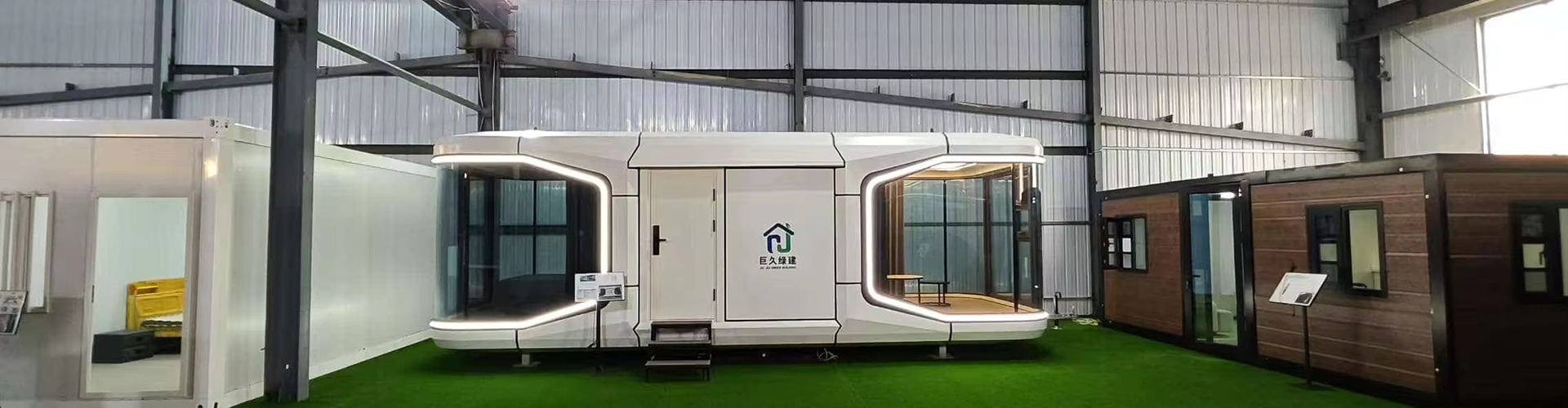
fold out shipping container house
The Intricacies of Fold Out Shipping Container Houses
Fold out shipping container houses are intriguing solutions in the realm of modern architecture. They provoke curiosity, yet often lead to misconceptions about their practicality and design. Let's delve into what makes these houses a compelling, albeit complex, choice.
Understanding Fold Out Shipping Container Houses
Many people imagine fold out shipping container houses as mere boxes, overlook their potential versatility. These structures are designed to unfold into fully functional living spaces, a feature that both simplifies and complicates their use. I've seen them adapted into various forms, often limited only by the imagination of their designers.
A common misunderstanding is that they can be easily replicated just anywhere. Reality check: the logistics of transporting and deploying these units is far more intricate than most anticipate. Weather conditions, spatial constraints, and local regulations all contribute to the challenges one faces in this fledgling industry.
Moreover, the notion that any container can be transformed into a home doesn’t hold up under scrutiny. The selection process involves careful consideration of material quality, structural integrity, and compatibility with fold-out mechanisms. Here, the expertise of a company like Shandong Jujiu Integrated Housing Co., Ltd. becomes invaluable. Their comprehensive approach to R&D and construction underscores the depth of knowledge required to bring these projects to fruition.
The Design and Functionality Challenges
From a design perspective, the compact nature of shipping containers demands innovative solutions. Customizing a container involves more than just cutting out windows and adding insulation. Plumbing, electrical systems, and even the fold-out features require meticulous planning and execution.
I've witnessed projects stall due to underestimating the complexities involved in incorporating these elements into a unified design. Each fold out must align perfectly within the constraints of the container's dimensions, a task that mandates precision engineering. Errors at this stage can lead to costly setbacks and unsatisfactory results.
Functionality often clashes with aesthetics. Achieving a balance between the two is a frequent headache in design meetings. There’s an art to ensuring that the operational mechanics of a fold-out house do not hinder its visual appeal. It’s not uncommon for designers to iterate on concepts multiple times before achieving a satisfactory compromise.
Installation: Field Realities
The installation phase is where theory meets reality. No two sites are ever the same, which means installing fold out shipping container houses demands adaptability and foresight. Topographical challenges can turn a straightforward deployment into a logistical puzzle.
In some instances, heavy equipment may be required to maneuver containers into place, especially in rugged terrains. This is where the planning phase pays dividends; companies like Shandong Jujiu have honed their processes through experience, offering insights that only come from time spent on the ground.
Weather unpredictability is another factor that can’t be overlooked. Rain, wind, or extreme temperatures can disrupt timing and complicate procedures. Such unpredictability has led some companies to develop contingency plans that allow flexibility in execution.
Real-World Applications and Examples
Despite the challenges, the real-world applications of fold out shipping container houses are impressive. I recall a project in a coastal town that adopted these structures as eco-friendly guest lodges. The fold-out design allowed for quick assembly, creating lodging facilities in record time to accommodate a surge in tourists.
These examples illustrate the adaptability and speed-to-market that make fold-out houses appealing for both short-term events and as permanent structures. Their mobility and reusability further enhance their appeal in disaster relief scenarios. Companies with a robust portfolio, like Shandong Jujiu, are often at the forefront, able to deploy these innovative solutions efficiently.
Yet, it’s crucial to recognize that success stories stem from detailed groundwork and the expertise of seasoned professionals. Each project is a learning opportunity, revealing nuances in execution that may not be immediately obvious to newcomers.
Conclusion: Weighing the Pros and Cons
In conclusion, while fold out shipping container houses offer a fascinating glimpse into the future of modular living, they are not without their hurdles. The allure of a quick-fix solution often overshadows the arduous journey from concept to habitation. Insight from industry experts, reflected in the practices of companies like Shandong Jujiu Integrated Housing Co., Ltd., can bridge these gaps.
For anyone venturing into this domain, it's essential to approach with tempered enthusiasm, understanding that the path is paved with both challenges and rewards. The landscape is constantly evolving, promising innovation hand-in-hand with practicality, but always demanding respect for the intricacies involved.
Related products
Related products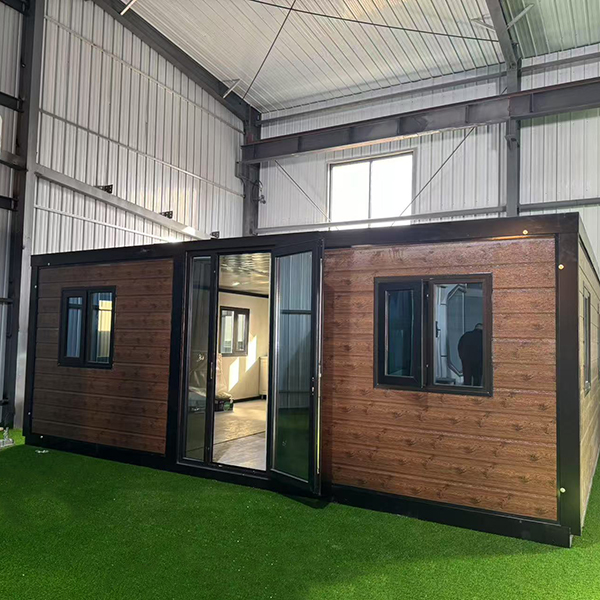
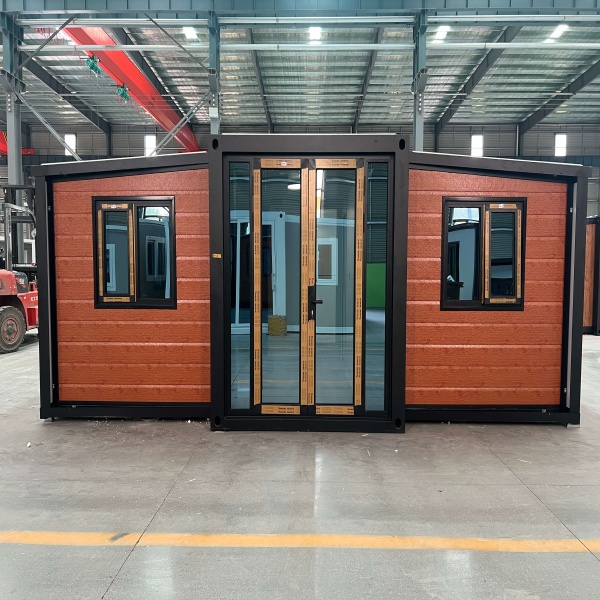
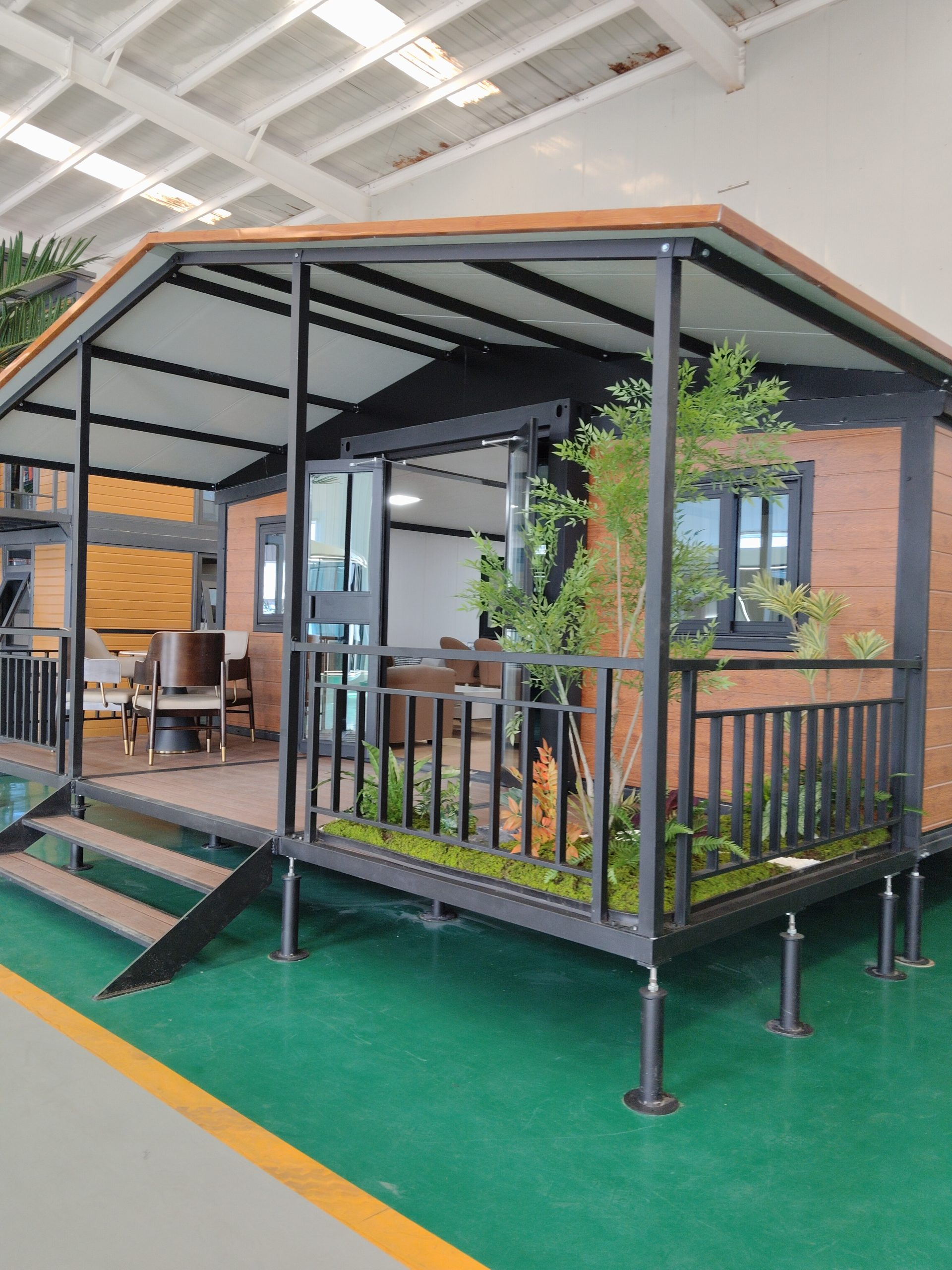
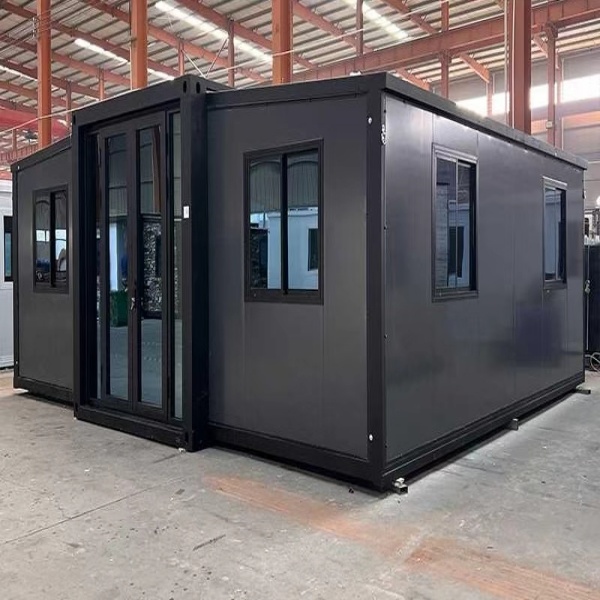
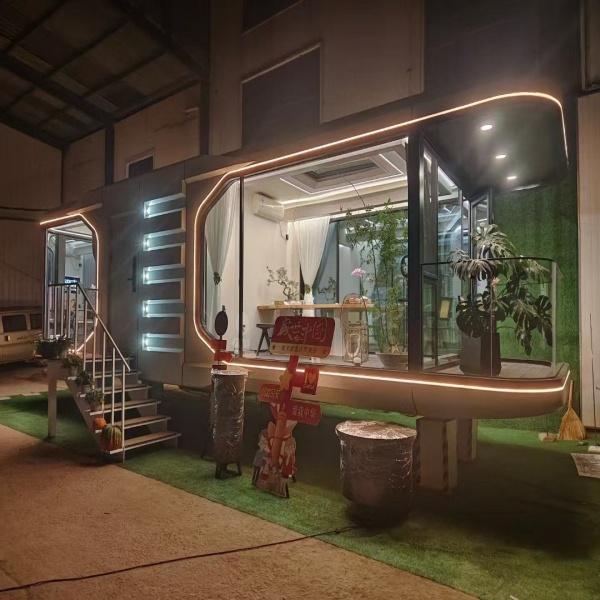
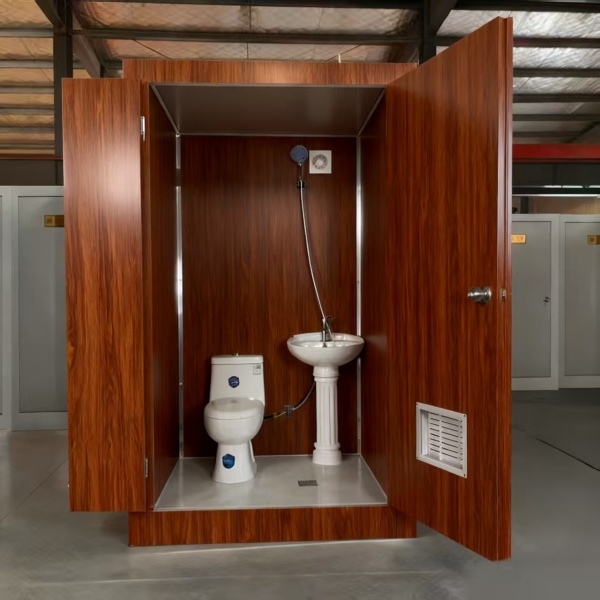
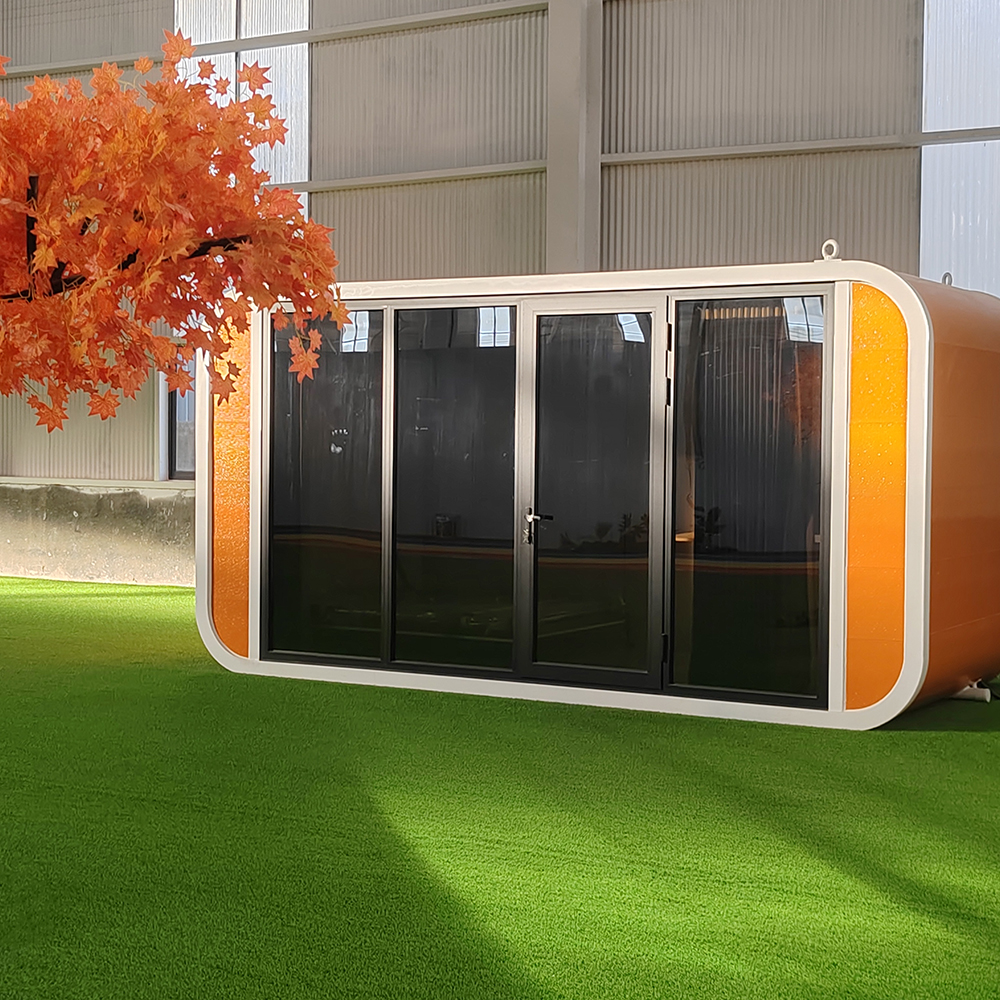
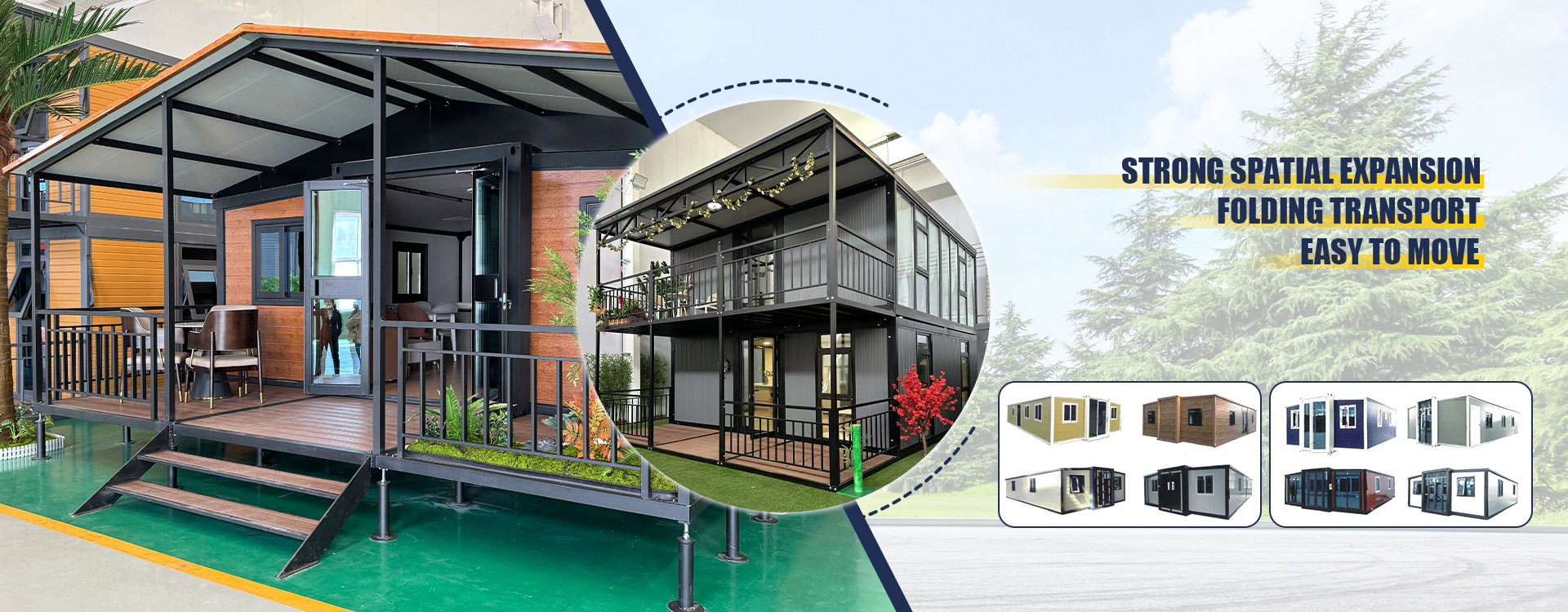
Best selling products
Best selling products-
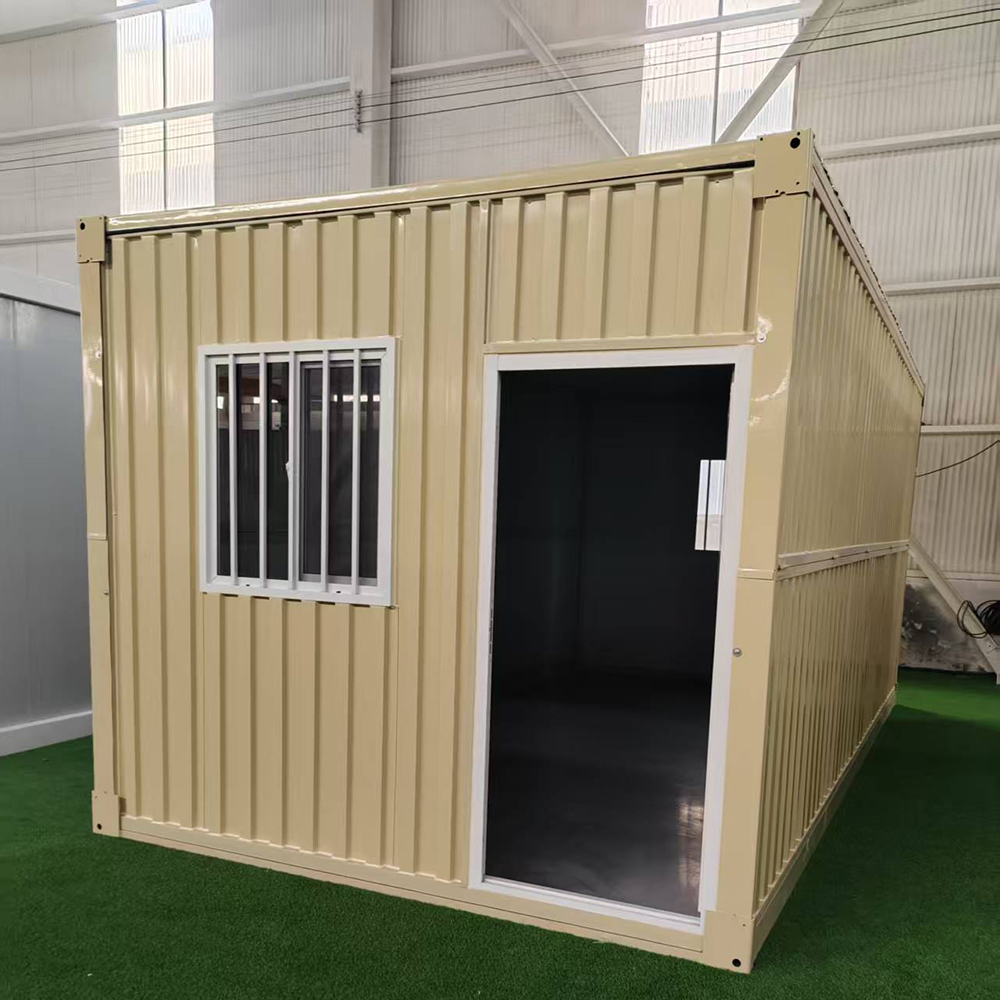 Competitive Price Portable Container House Foldable Container Mobile Living Modular Homes
 -
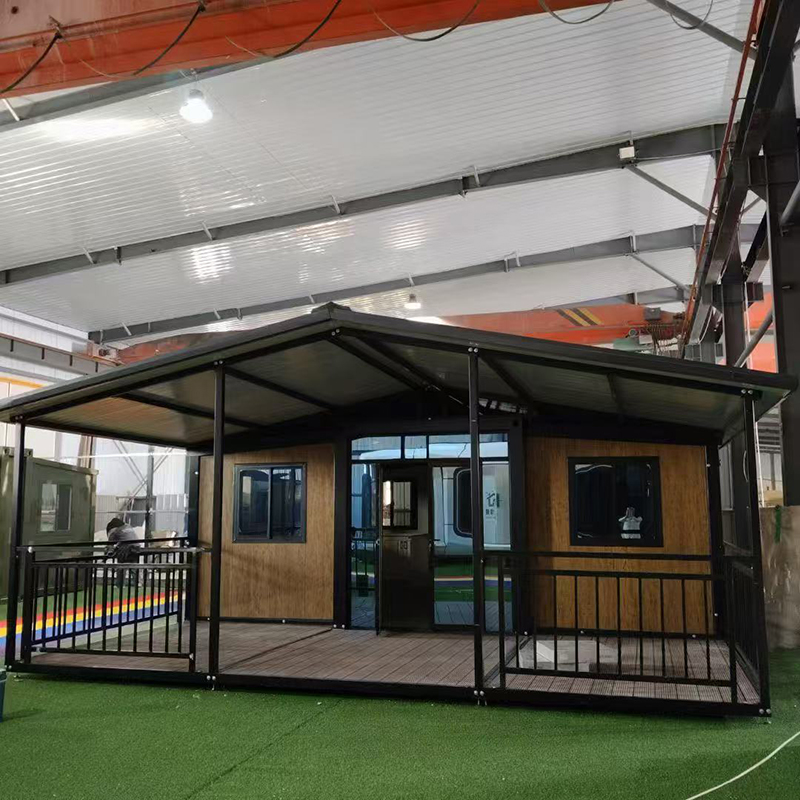 Customized Expandable Container House Holiday Home Folding Prefab Container House with Bathroom and Kitchen
 -
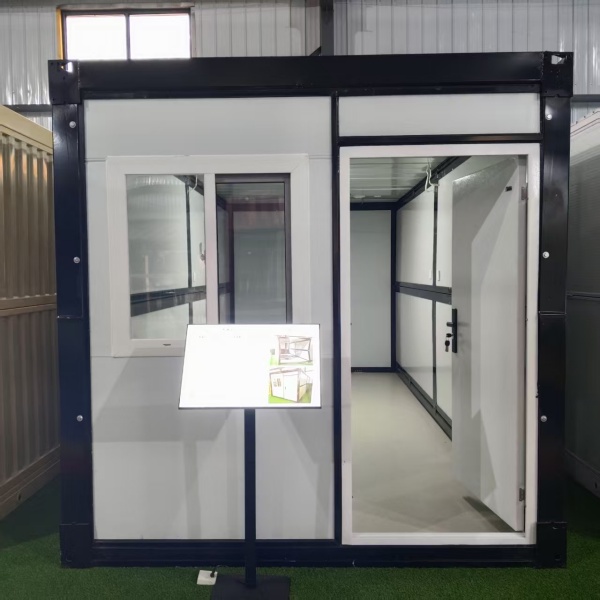 Factory Direct Sales Office Folding Container Luxury House Living Container House
 -
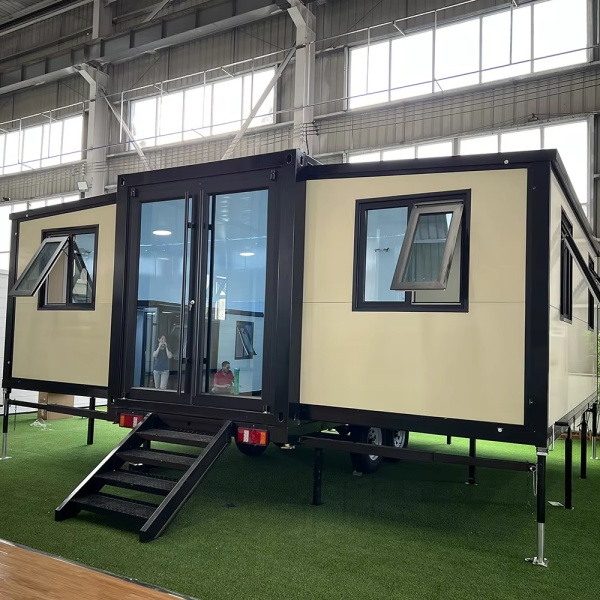 Stair Access Double Wing Expandable Container House | Easy Installation Mobile Office
 -
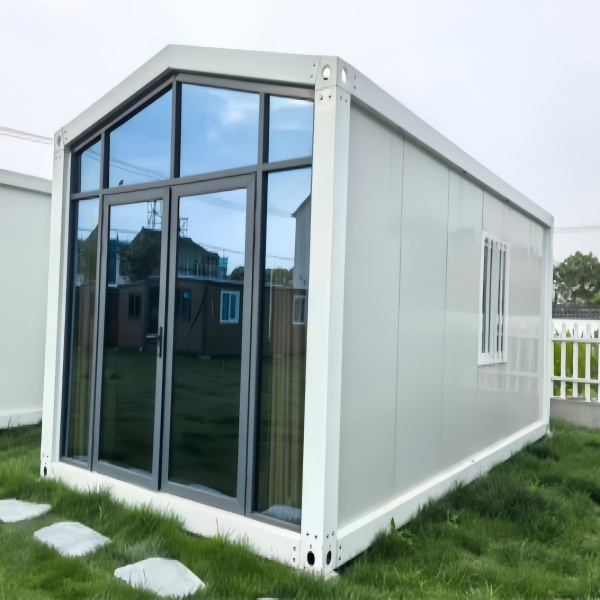 Waterproof folding container house – mobile accommodation for campsites/scenic spots
 -
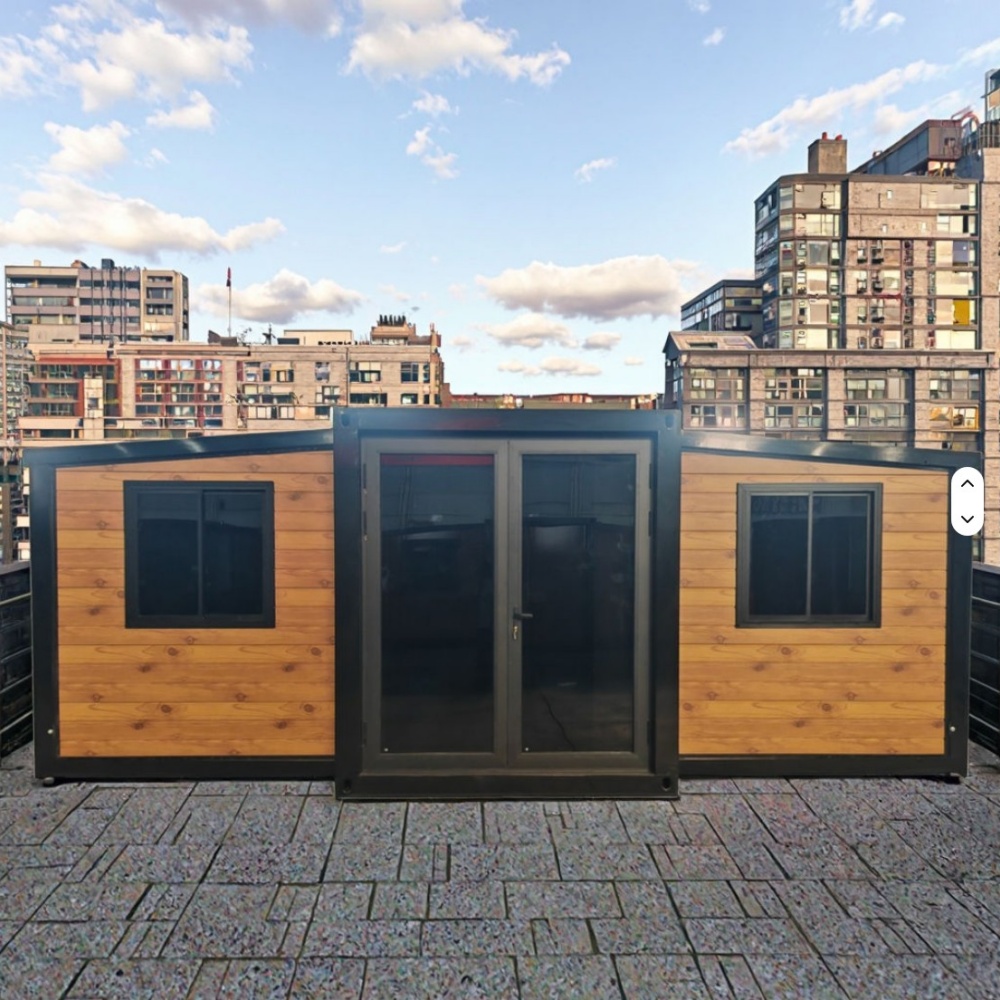 Customized Two Wing Folding Expandable Container House
 -
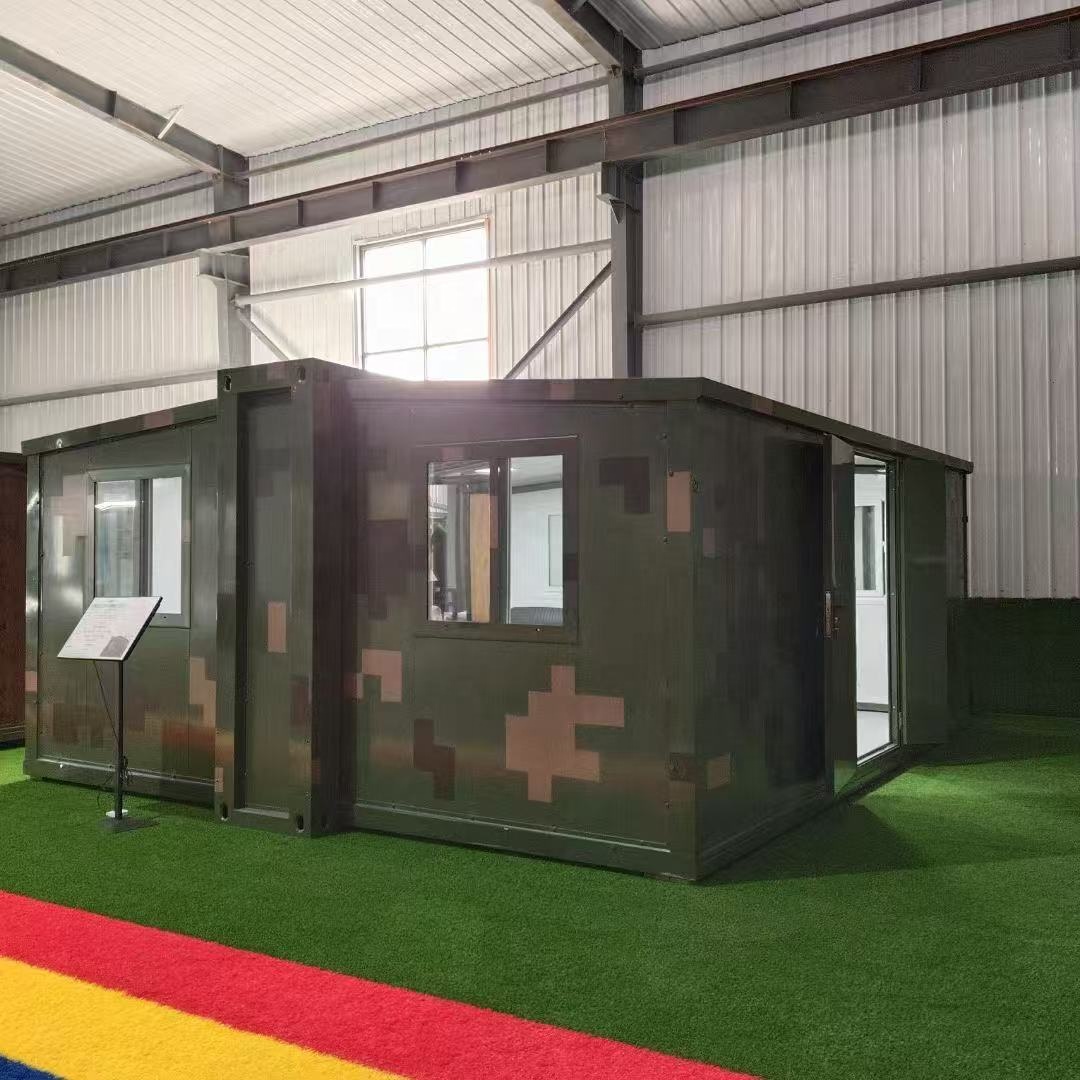 Movable Prefabricated Container House Villas Modular Portable Homes 1 Bedroom Container House Offices Apartments
 -
 Luxury Foldable Two Story Container House for Glamping Resort and Villa Hotel
 -
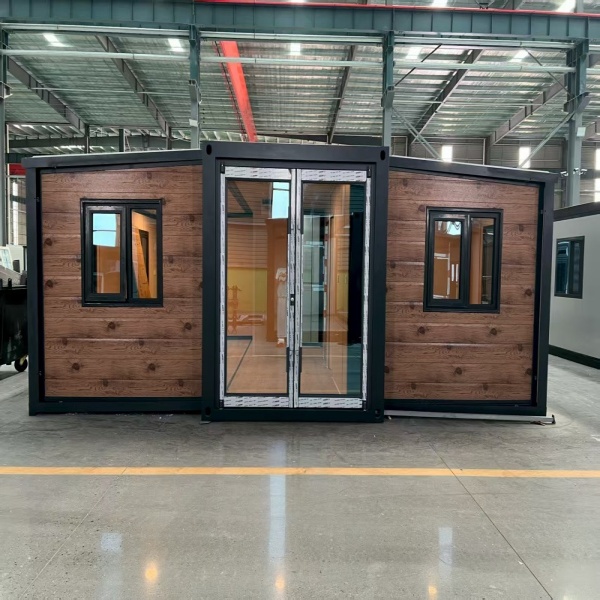 The foldable container house with side wing design can be quickly set up and is suitable for various environments.
 -
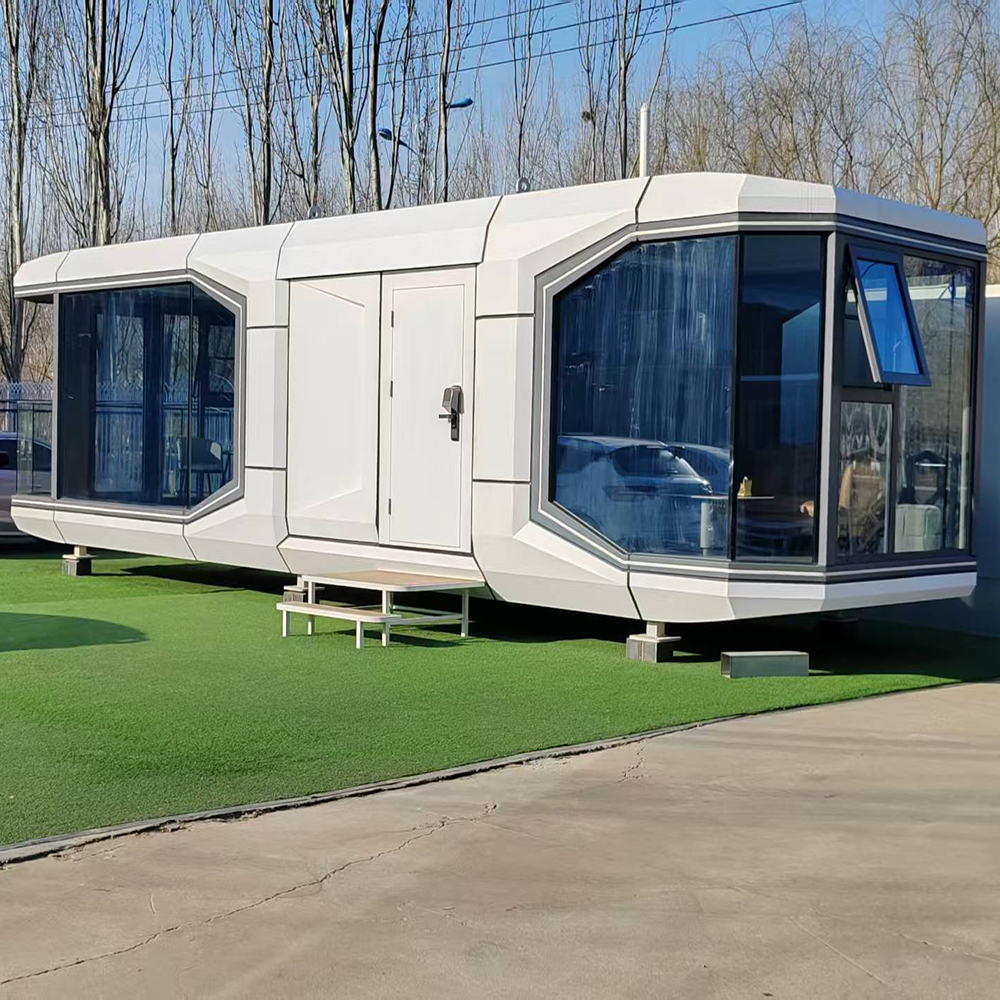 Luxury High Quality 2 Bedroom Container Home Prefabricated Steel Space Capsule for Office Shop Hotel or Outdoor House
 -
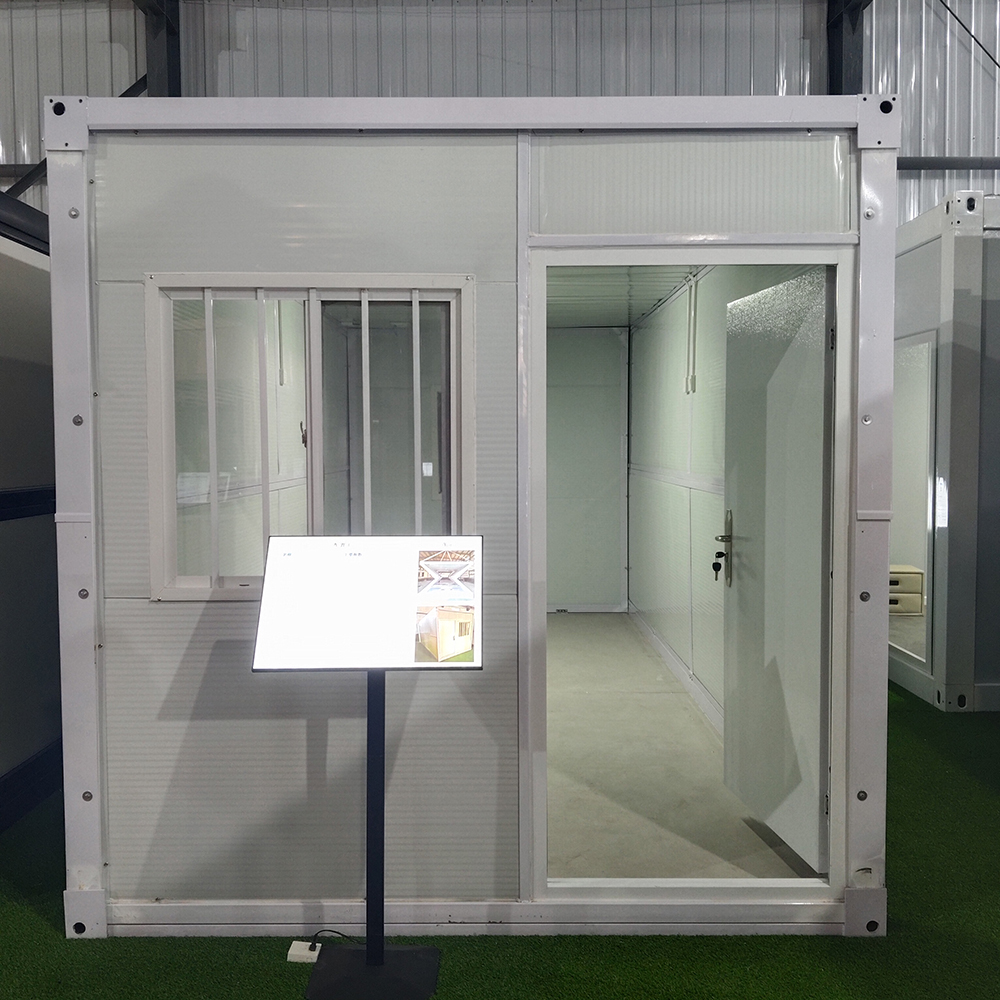 Reasonable Price 1 Bedroom Modular Container House Folding Container Home for Villa or Apartment Use
 -
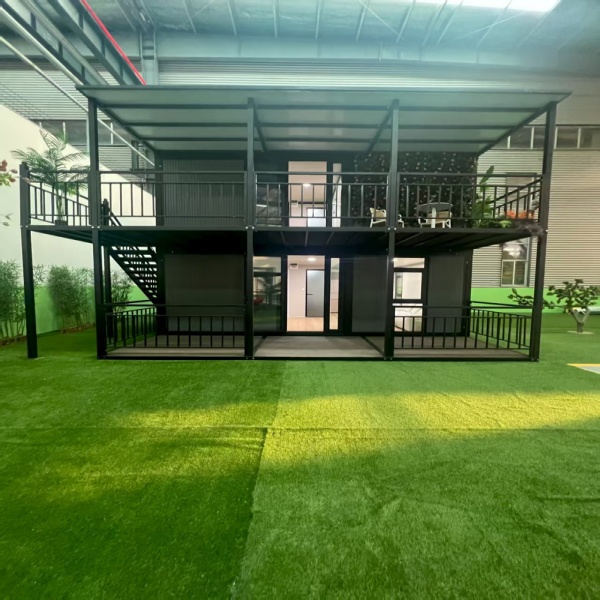 Luxury foldable two-story container houses in luxury resort hotels and villa hotels
Related search
Related search- China fold out container homes
- 2 bedroom space capsule house
- prefab foldable homes
- expanding container house
- container homes fold out
- fold out houses from boxabl
- modular modern container house tiny home prefabricated
- Buy 15ftx 20ft mobile expandable prefab house mobile home prefab
- fold out container homes price
- apple valley road cabins