
-
E-mail
Austin120521@outlook.com -
E-mail
sales@jujiuhouse.com -
Telephone
+86-17864099991 -
Telephone
+86-17854044442
- Chinese
- French
- German
- Portuguese
- Spanish
- Russian
- Japanese
- Korean
- Arabic
- Irish
- Greek
- Turkish
- Italian
- Danish
- Romanian
- Indonesian
- Czech
- Afrikaans
- Swedish
- Polish
- Basque
- Catalan
- Esperanto
- Hindi
- Lao
- Albanian
- Amharic
- Armenian
- Azerbaijani
- Belarusian
- Bengali
- Bosnian
- Bulgarian
- Cebuano
- Chichewa
- Corsican
- Croatian
- Dutch
- Estonian
- Filipino
- Finnish
- Frisian
- Galician
- Georgian
- Gujarati
- Haitian
- Hausa
- Hawaiian
- Hebrew
- Hmong
- Hungarian
- Icelandic
- Igbo
- Javanese
- Kannada
- Kazakh
- Khmer
- Kurdish
- Kyrgyz
- Latin
- Latvian
- Lithuanian
- Luxembou..
- Macedonian
- Malagasy
- Malay
- Malayalam
- Maltese
- Maori
- Marathi
- Mongolian
- Burmese
- Nepali
- Norwegian
- Pashto
- Persian
- Punjabi
- Serbian
- Sesotho
- Sinhala
- Slovak
- Slovenian
- Somali
- Samoan
- Scots Gaelic
- Shona
- Sindhi
- Sundanese
- Swahili
- Tajik
- Tamil
- Telugu
- Thai
- Ukrainian
- Urdu
- Uzbek
- Vietnamese
- Welsh
- Xhosa
- Yiddish
- Yoruba
- Zulu
- Kinyarwanda
- Tatar
- Oriya
- Turkmen
- Uyghur




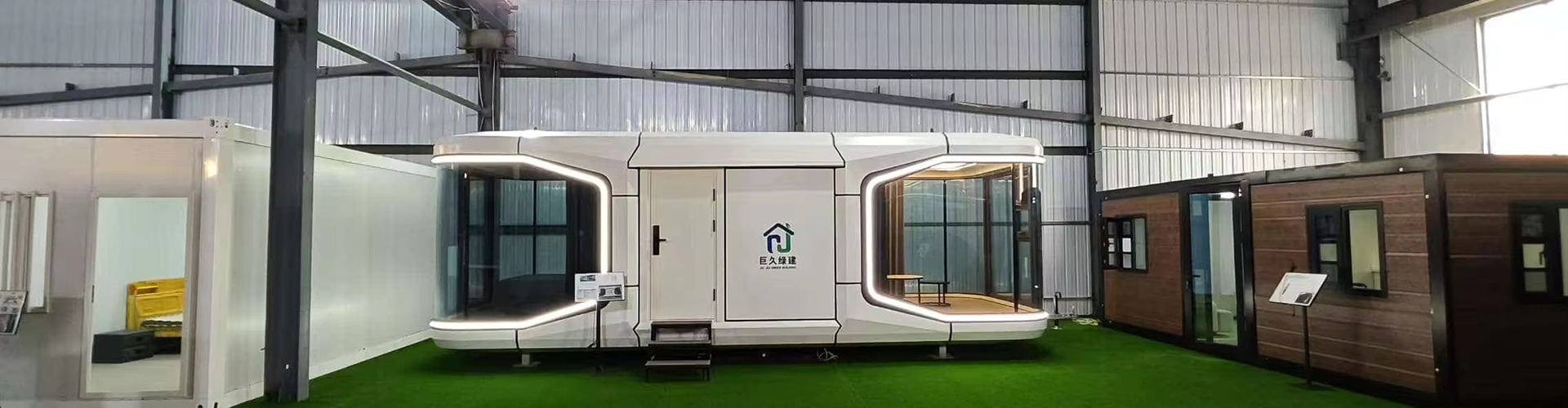
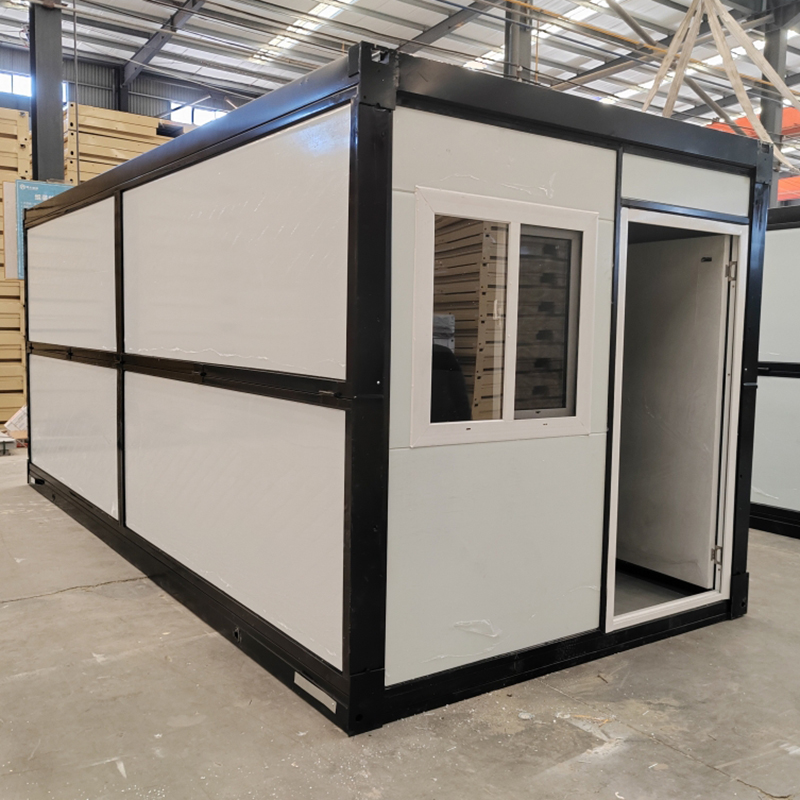
homes that fold out
The Fascinating World of Homes That Fold Out
In the realm of modern architecture, the concept of homes that fold out often evokes a sense of innovation and adaptability. These structures are not merely novelty items; they represent a significant shift towards maximizing space efficiency and mobility. The term might conjure images of compact living and sustainable design, yet it's easy to overlook the challenges and engineering marvels that underpin these dwellings.
Understanding the Fold-Out Home Market
The market for fold-out homes, sometimes known as portable or pop-up houses, has been steadily gaining traction. These structures can literally unfold to provide a fully functional living space. Shandong Jujiu Integrated Housing Co., Ltd., accessible at jujiuhouse.com, is one key player in this burgeoning field. Their expertise spans various dimensions of transient architecture, including mobile board rooms and light steel villas.
The appeal is clear: adaptability and space efficiency. For instance, consider the practical needs of urban environments where land is scarce. Here, a fold-out home isn't just a luxury but a necessary evolution in housing design.
However, what might seem straightforward—almost magically self-assembling housing—requires sophisticated engineering. The balance of durability, weight, and user-friendly assembly is far from simple, demanding careful consideration of materials and design.
The Mechanics Behind the Folding
The genius of these homes lies in their construction. Unlike traditional structures, fold-out homes use materials that allow for both strength and flexibility. Typically, manufacturers utilize lightweight steel or specially treated wood, which contributes to the structural integrity necessary for both folded and expanded forms.
For instance, Shandong Jujiu Integrated Housing Co., Ltd. employs robust techniques to ensure stability when these homes transition from compact shapes to full-sized dwellings. It's a game of precision, where even small misalignments must be anticipated and counteracted during the design phase.
Practicality is key. It's not just about making something that looks good on paper; it’s about execution in real-world conditions. Wind load, seismic activity, and weather variations are critical factors that these designs must withstand.
Real-World Applications
Imagine a scenario where temporary housing is urgently needed—disaster relief zones, for instance. Fold-out homes can be pivotal here, offering rapid deployment and a semblance of normalcy for displaced individuals. Their ability to be transported and installed with minimal infrastructure can significantly ease logistical burdens.
Moreover, these homes have applications beyond emergency use. Ecotourists often seek sustainable, low-impact lodging solutions, and fold-out homes perfectly fit this niche. They offer a retreat into pristine environments without the permanent footprint of traditional construction.
On the more adventurous side of things, these designs are popular in the off-grid community, where autonomy and self-sufficiency are prized. A fold-out home can be just as comfortable on a mountaintop as it is within a conventional neighborhood.
Challenges in the Industry
While fold-out homes offer numerous advantages, they also face hurdles. One significant challenge is public perception; many still see them as temporary or low-quality. Addressing this stigma involves educating potential users about the durability and luxury that modern designs can offer.
Another concern is the regulatory landscape. Navigating building codes, zoning laws, and permits can be a tedious process, varying drastically between regions. Manufacturers like Shandong Jujiu Integrated Housing Co., Ltd. must work closely with regulatory bodies to ensure compliance and safety standards.
Lastly, there is the matter of cost. Although efficient, the technology is not entirely cheap. However, as the industry scales, prices are likely to become more competitive, making these homes an increasingly viable option for a broader audience.
The Future of Fold-Out Living
Looking ahead, the potential for homes that fold out is vast. As populations grow and land becomes even more precious, these structures will likely become central to accommodating an increasingly mobile and urban society.
The innovative approach by companies like Shandong Jujiu Integrated Housing Co., Ltd. is important. By continually pushing the envelope in design and technology, they help usher in a new age where housing is both affordable and environmentally thoughtful.
Ultimately, the story of fold-out homes is one of ingenuity and adaptability. It's a solution that speaks to the evolving needs of our time, proving that sometimes, the future truly can unfold before our very eyes.
Related products
Related products
Best selling products
Best selling products-
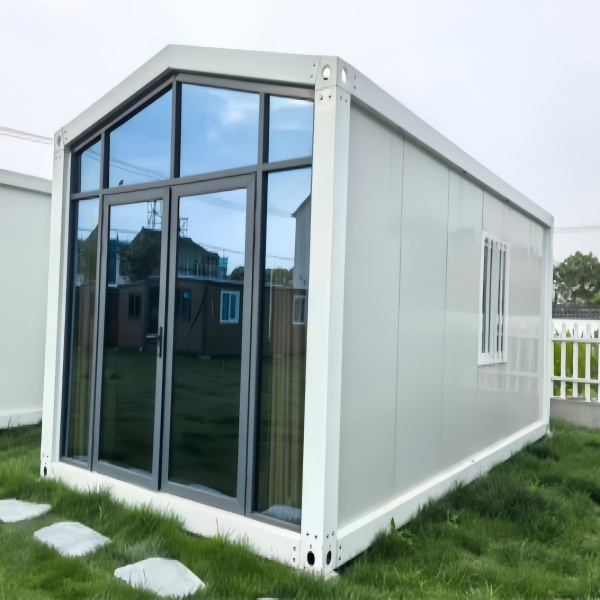 Waterproof folding container house – mobile accommodation for campsites/scenic spots
 -
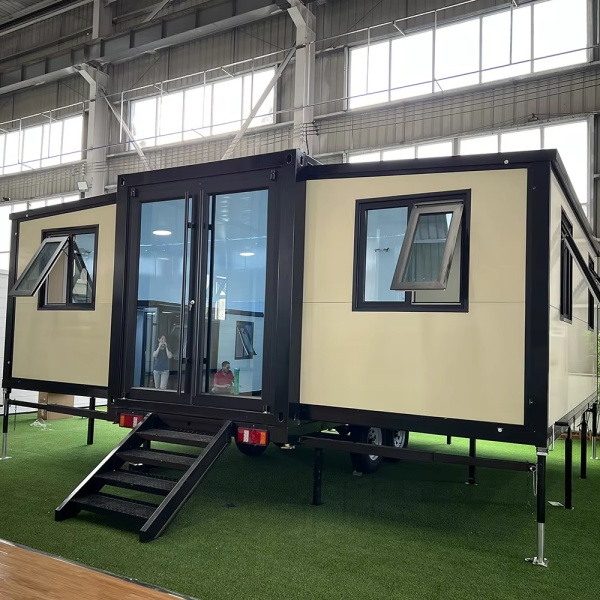 Stair Access Double Wing Expandable Container House | Easy Installation Mobile Office
 -
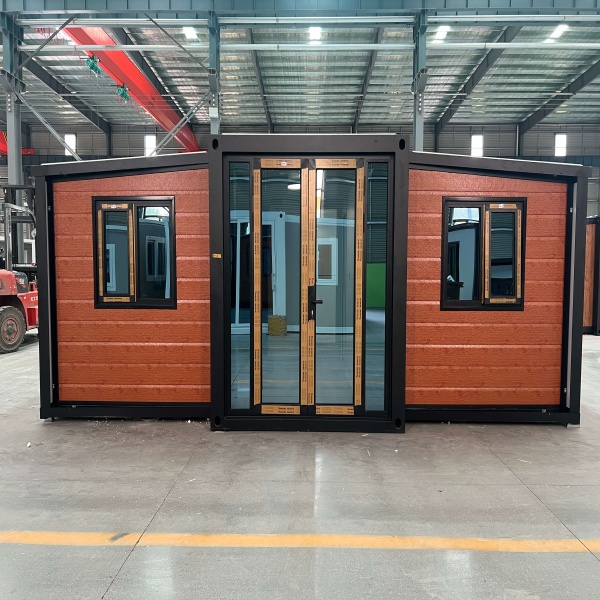 High-quality Double-wing Folding Container House with Doors and Windows, Insulated Walls, Suitable for Various Scenarios.
 -
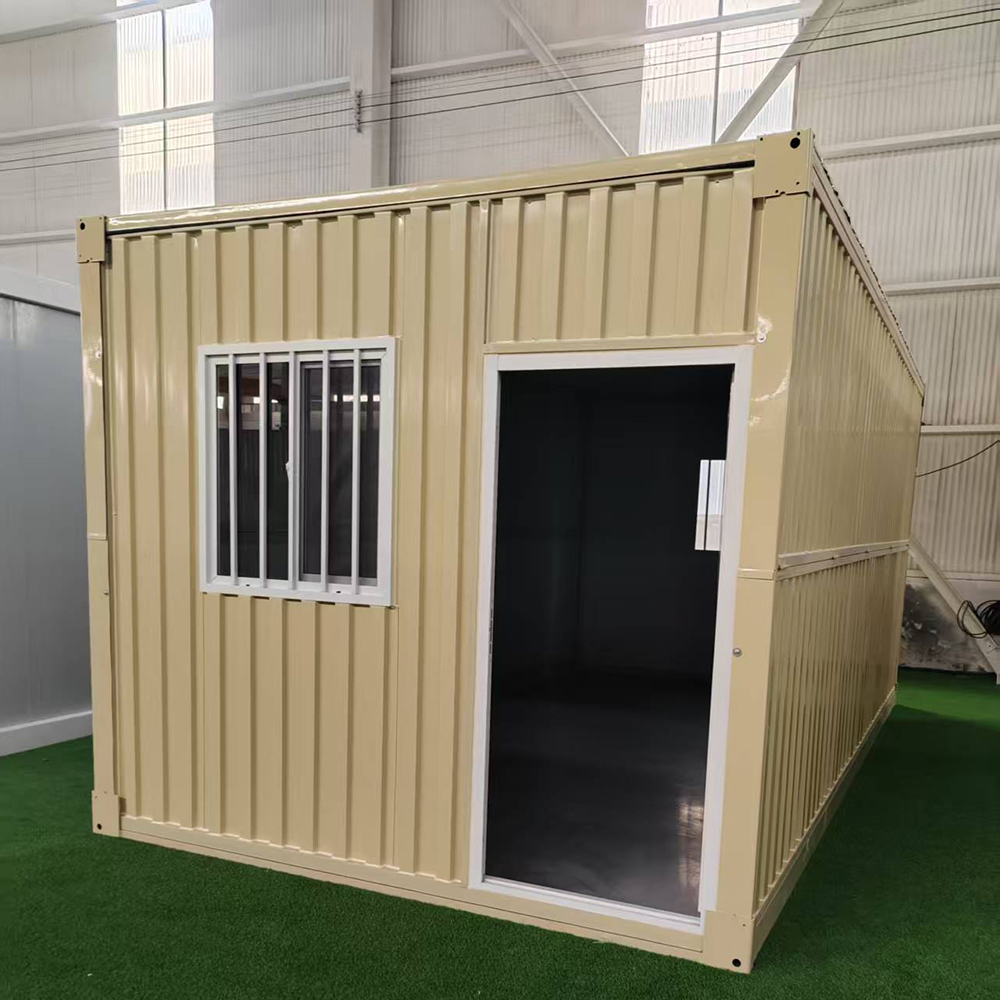 Competitive Price Portable Container House Foldable Container Mobile Living Modular Homes
 -
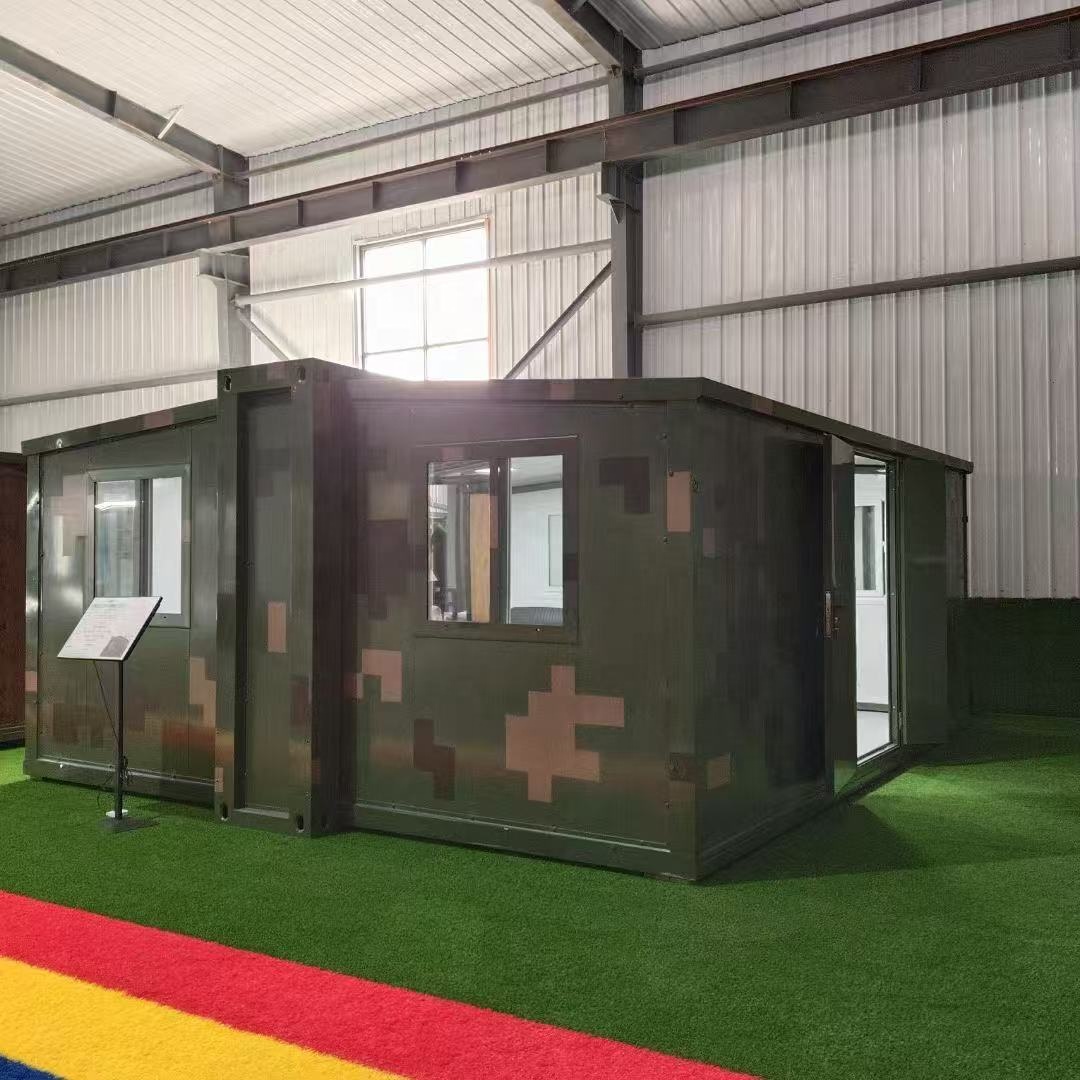 Movable Prefabricated Container House Villas Modular Portable Homes 1 Bedroom Container House Offices Apartments
 -
 Luxury Foldable Two Story Container House for Glamping Resort and Villa Hotel
 -
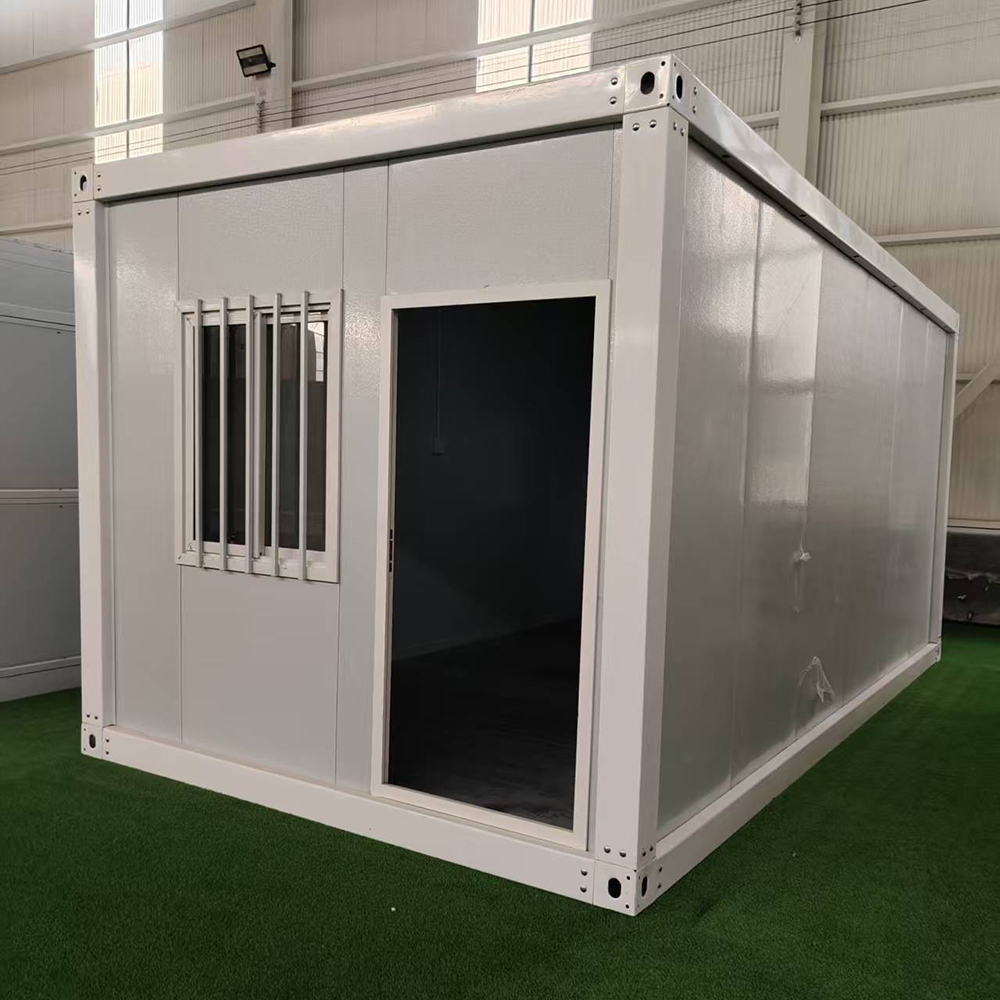 Folding Container Moving House Modular Office Container House Prefab Container for Outdoor Use
 -
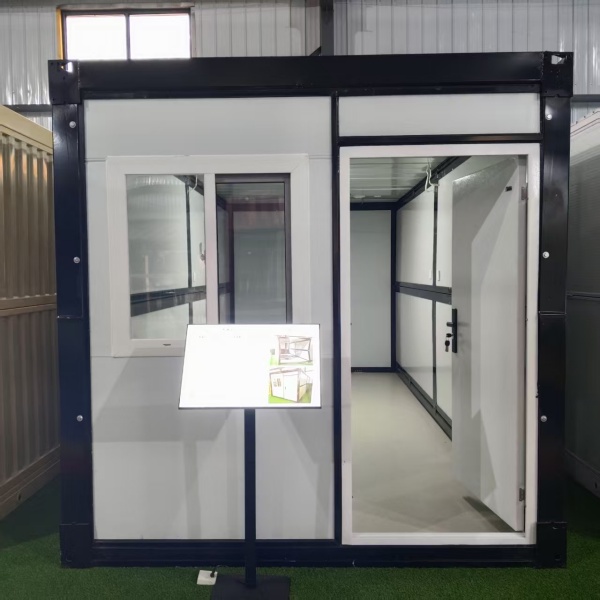 Hot-selling foldable container houses, expandable prefabricated houses, suitable for office or living use, with fast delivery.
 -
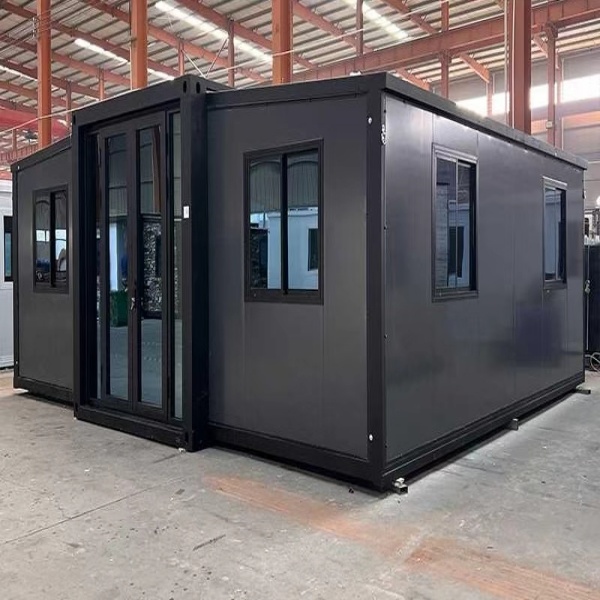 Dual-Wing Folding Container House: Fast Assembly, Space-Saving & Multi-Scene Adaptable
 -
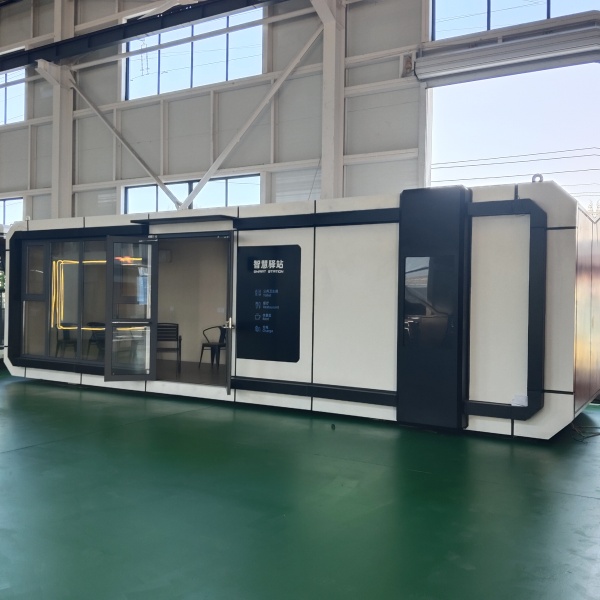 Modular modern movable apple cabins, customized high-end folk houses and portable bedrooms, delivered as a whole
 -
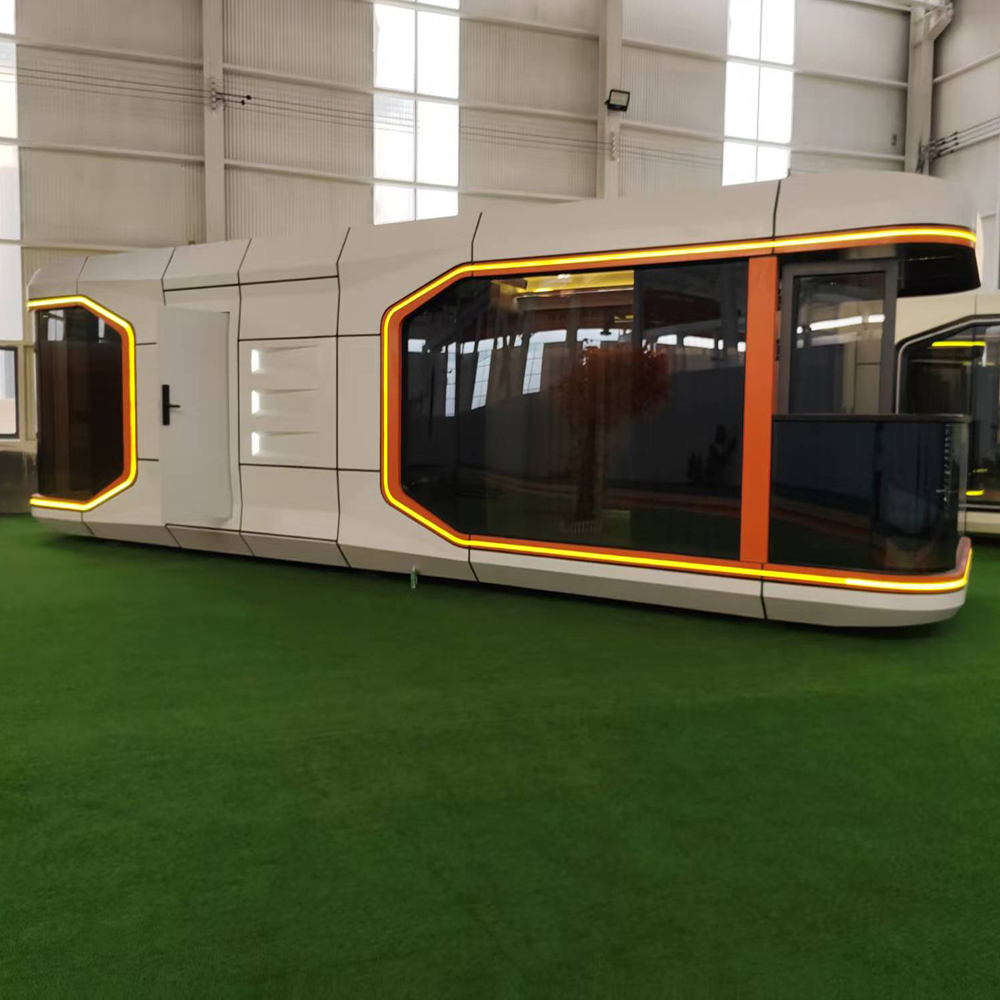 Standard Modern Camping Pod Space Prefabricated Portable Mobile Capsule Room Hotel Bathroom Prefabricated Spaceship House
 -
 Detachable Design Prefabricated Container House Portable Modular Office Building Folding Container House