
-
E-mail
Austin120521@outlook.com -
E-mail
sales@jujiuhouse.com -
Telephone
+86-17864099991 -
Telephone
+86-17854044442
- Chinese
- French
- German
- Portuguese
- Spanish
- Russian
- Japanese
- Korean
- Arabic
- Irish
- Greek
- Turkish
- Italian
- Danish
- Romanian
- Indonesian
- Czech
- Afrikaans
- Swedish
- Polish
- Basque
- Catalan
- Esperanto
- Hindi
- Lao
- Albanian
- Amharic
- Armenian
- Azerbaijani
- Belarusian
- Bengali
- Bosnian
- Bulgarian
- Cebuano
- Chichewa
- Corsican
- Croatian
- Dutch
- Estonian
- Filipino
- Finnish
- Frisian
- Galician
- Georgian
- Gujarati
- Haitian
- Hausa
- Hawaiian
- Hebrew
- Hmong
- Hungarian
- Icelandic
- Igbo
- Javanese
- Kannada
- Kazakh
- Khmer
- Kurdish
- Kyrgyz
- Latin
- Latvian
- Lithuanian
- Luxembou..
- Macedonian
- Malagasy
- Malay
- Malayalam
- Maltese
- Maori
- Marathi
- Mongolian
- Burmese
- Nepali
- Norwegian
- Pashto
- Persian
- Punjabi
- Serbian
- Sesotho
- Sinhala
- Slovak
- Slovenian
- Somali
- Samoan
- Scots Gaelic
- Shona
- Sindhi
- Sundanese
- Swahili
- Tajik
- Tamil
- Telugu
- Thai
- Ukrainian
- Urdu
- Uzbek
- Vietnamese
- Welsh
- Xhosa
- Yiddish
- Yoruba
- Zulu
- Kinyarwanda
- Tatar
- Oriya
- Turkmen
- Uyghur




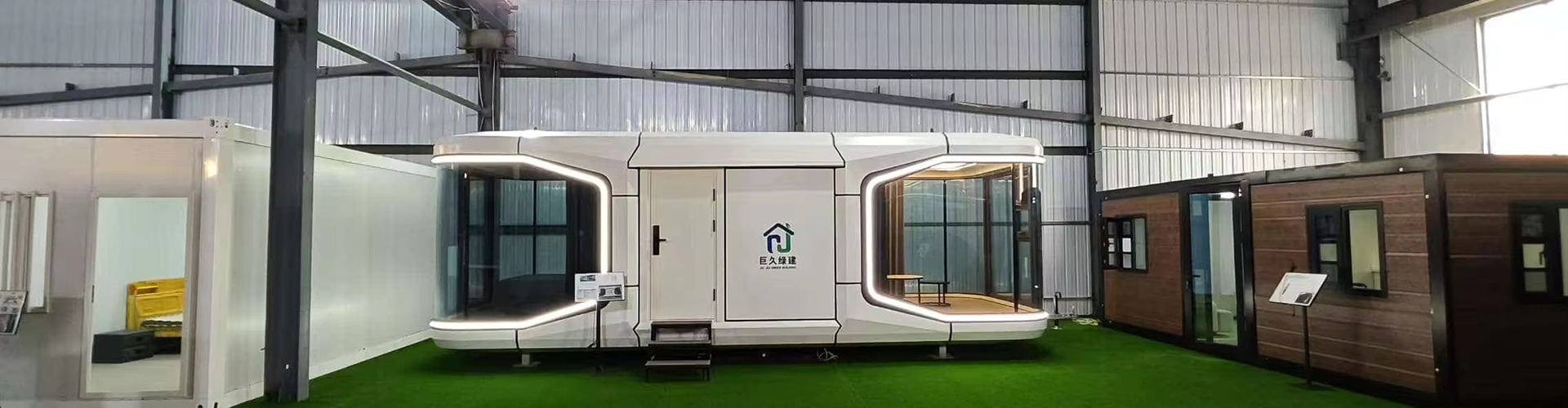
madi folding house
Exploring the Madi Folding House Concept
Madi Folding House is more than a buzzword. It's reshaping how we think about portability and efficiency in modern housing—all without sacrificing quality. But what are the real specifics behind it, and has it lived up to its promise?
The Appeal of Compact Living
When I first heard about the Madi Folding House, I was skeptical. The idea of a home that unfolds like origami felt too sleek for its own good. Wouldn't it compromise on sturdiness? Once I had the opportunity to see one in action, I was intrigued. The design lets you expand or contract the home effortlessly, key for anyone on the move or looking to minimize their physical footprint.
However, skepticism often morphs when confronted with practicality. These homes aren't just about a clever folding gimmick. It's the meticulous design principles—lightweight materials, modular build—that make them so effective. This is why companies like SHANDONG JUJIU INTEGRATED HOUSING CO, LTD are thriving by pushing the innovation envelope in integrated housing solutions.
But, the appeal doesn't stop at logistics. When done right, a folding house opens up options for different terrains, climates, and even emergency housing, adding layers of flexibility not typically associated with traditional homes.
Industrial Shift: A New Way Forward
From my experience in the construction industry, especially with companies like Shandong Jujiu, the focus has shifted toward optimizing every aspect of building processes. Their work in modular designs, especially those concerning steel structure engineering and curtain wall projects, complements the whole folding house idea.
It's worth noting that while the appeal is high, not every implementation is foolproof. Early adopters have often faced challenges in seamless installation and insulation, especially in colder climates. But these are teething issues, ones that experienced teams continue to address with advanced R&D.
As folding homes gain traction in niche markets, the technological enhancements from industry leaders only promise to expand their feasibility and accessibility, making them not just an experiment, but a viable housing solution.
Cost and Efficiency: The Reality Check
Okay, let's talk numbers. Initially, you'd think a Madi Folding House would be a wallet-buster. The reality is quite different. The compact size reduces materials and labor costs significantly. From conversations with projects handled by Shandong Jujiu, many clients find themselves saving not just on initial costs but in long-term maintenance.
There’s also the consideration of energy efficiency. The insulation techniques aligned with this housing type often surpass traditional builds, offering better management of heating and cooling. Remember, energy savings over time can make a huge difference.
Yet, it must be admitted—there are obstacles. Transportation and setup can be cost-intensive, depending on location and availability of skilled labor. But as the sector grows, these concerns are decreasing rapidly, making it a more palatable option for diverse clientele.
Customization and Design Potential
Now, one might wonder if a folding house means generic design and utility. The truth? Quite the opposite. Take Shandong Jujiu’s approach to design and customization. Their effort is to ensure each project meets specific client needs while maximizing the modular potential.
The collaboration between designers and clients leads to unique, tailor-made homes that fit the lifestyle and aesthetic preferences of the homeowner. Want panoramic windows or a solar roof? Those options are more accessible than you'd expect, providing a level of personalization once reserved for bespoke homes.
It’s a dance between efficiency and creativity, and finding the right balance is where industry pioneers are truly shining.
The Path Ahead: Challenges and Opportunities
In summing up, it's essential to recognize where the Madi Folding House stands on the larger real estate stage. It's not just about the specific product; it's indicative of a movement toward more sustainable, adaptable construction methods.
There are hurdles—regulatory concerns, long-term durability in extreme climates—but these are being tackled with ongoing research and industry collaborations. As firms like Shandong Jujiu continue to innovate, the future looks promising.
The folding house concept is not merely a curiosity. It's a reflection of changing consumer priorities—sustainability, flexibility, and cost-effectiveness. With continual technological improvements, these homes are poised to shift from niche to mainstream much faster than we might anticipate.
Related products
Related products
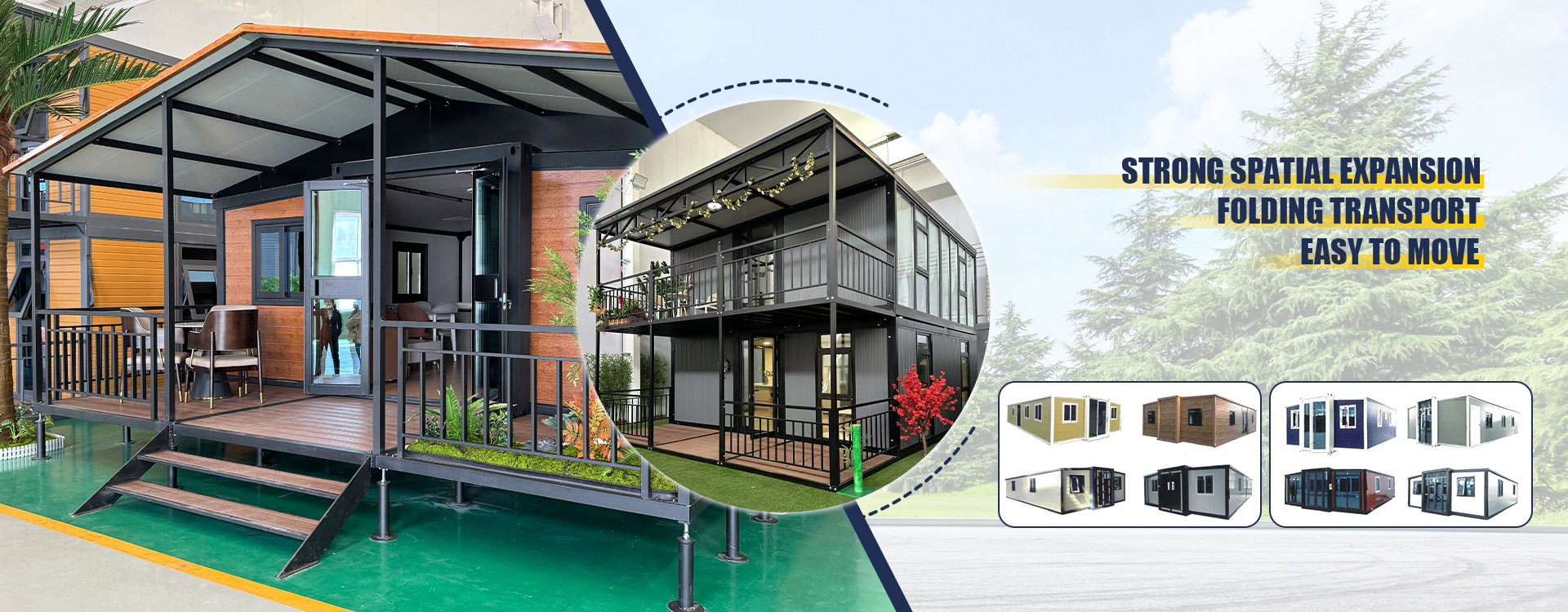
Best selling products
Best selling products-
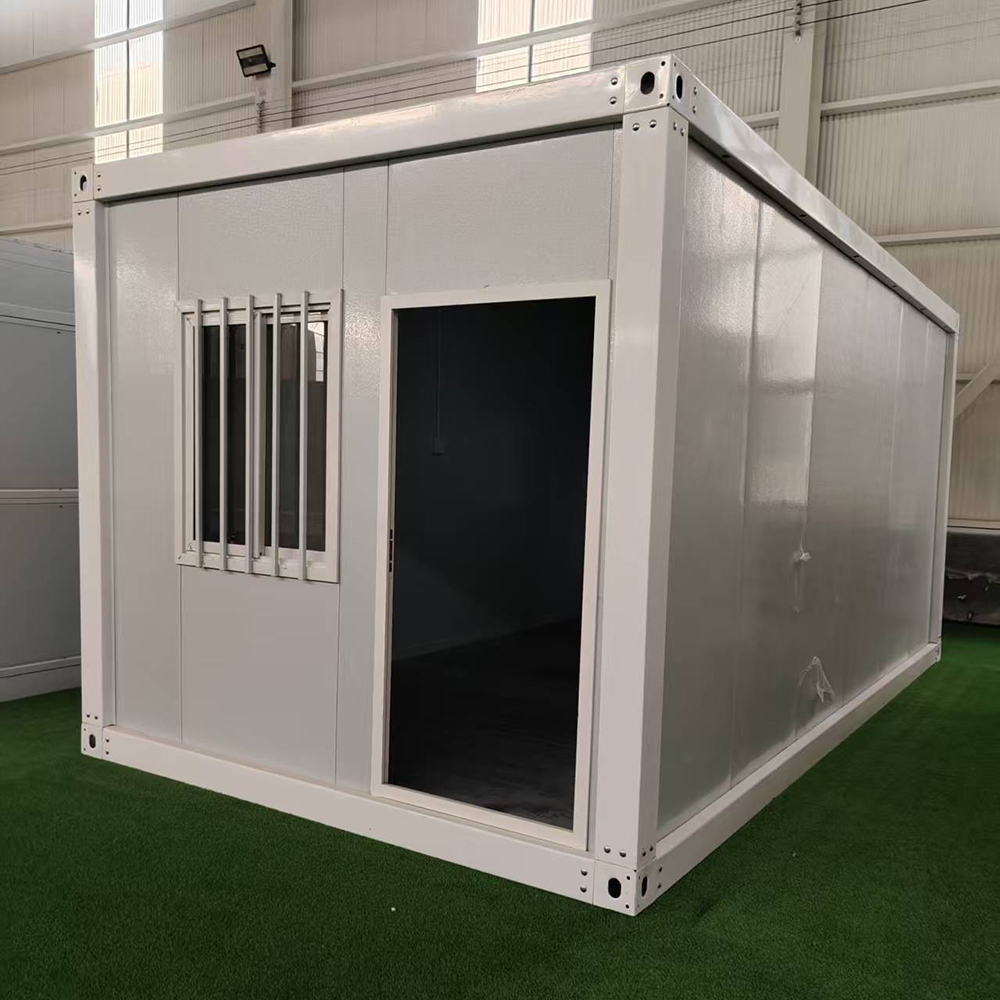
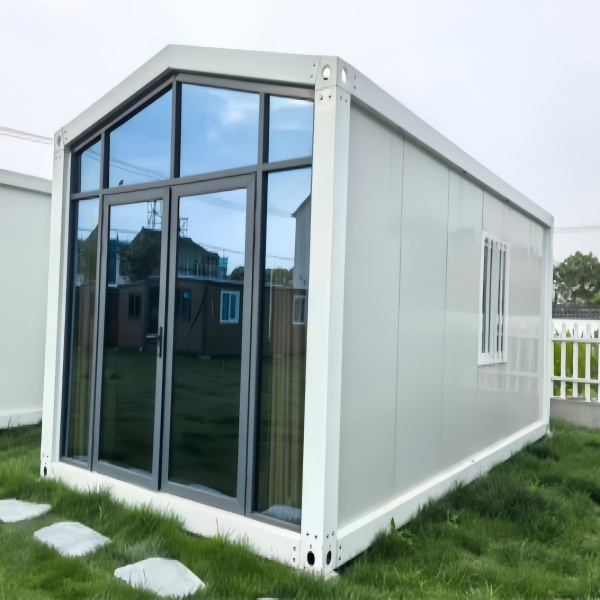 Waterproof folding container house – mobile accommodation for campsites/scenic spots
 -
 Luxury Foldable Two Story Container House for Glamping Resort and Villa Hotel
 -
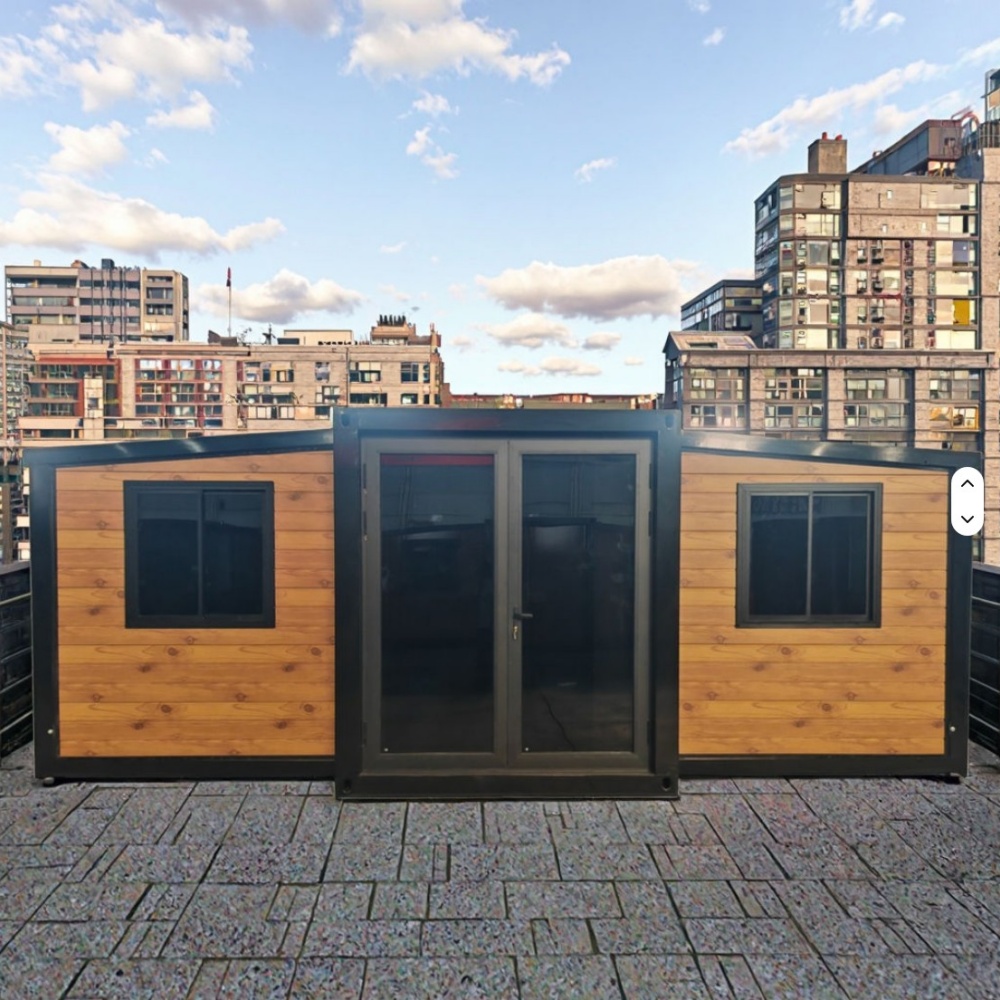
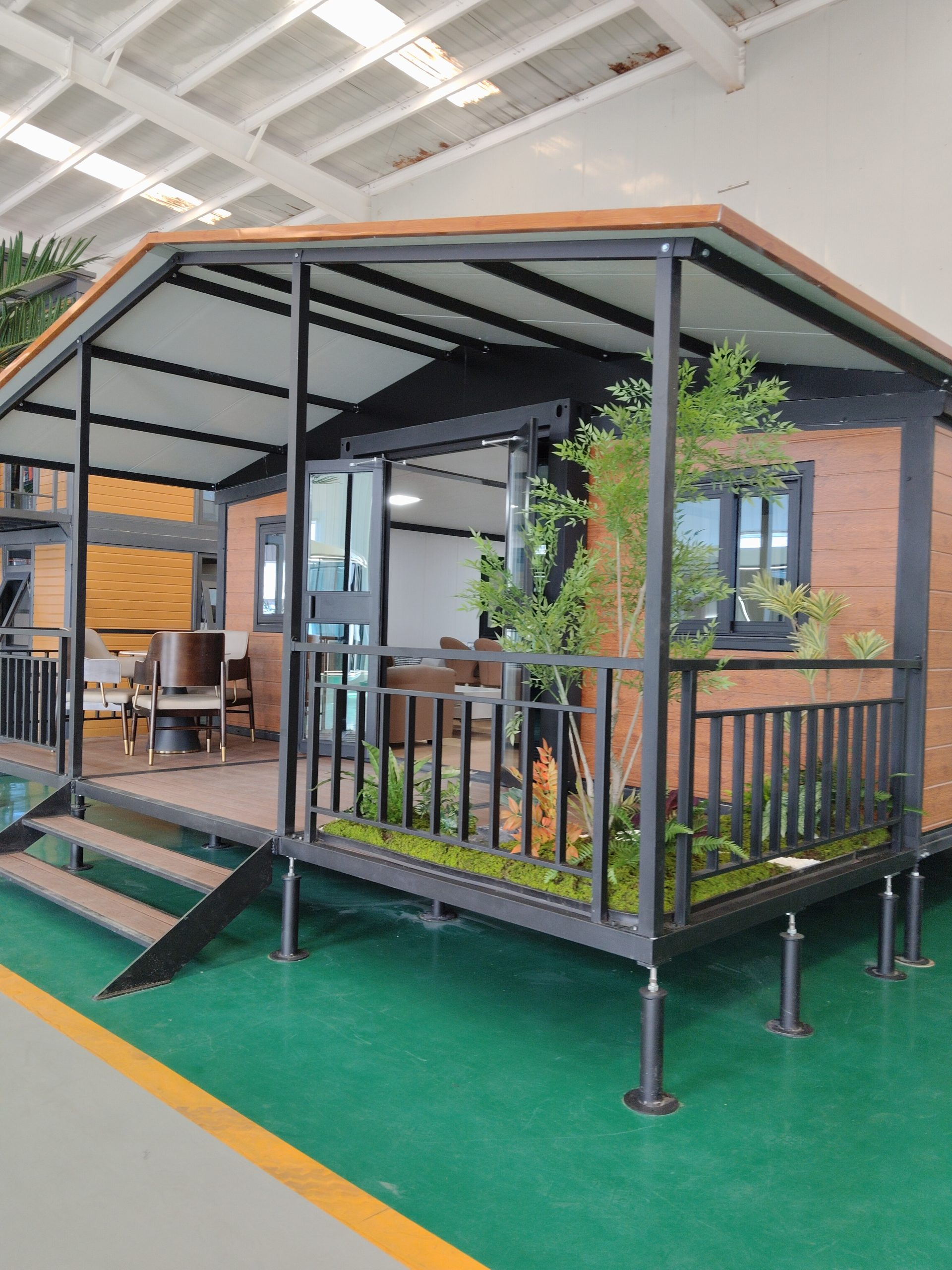 A container house with a terrace and double-wing folding design, suitable for various purposes such as offices, meeting rooms, living rooms, etc.
 -
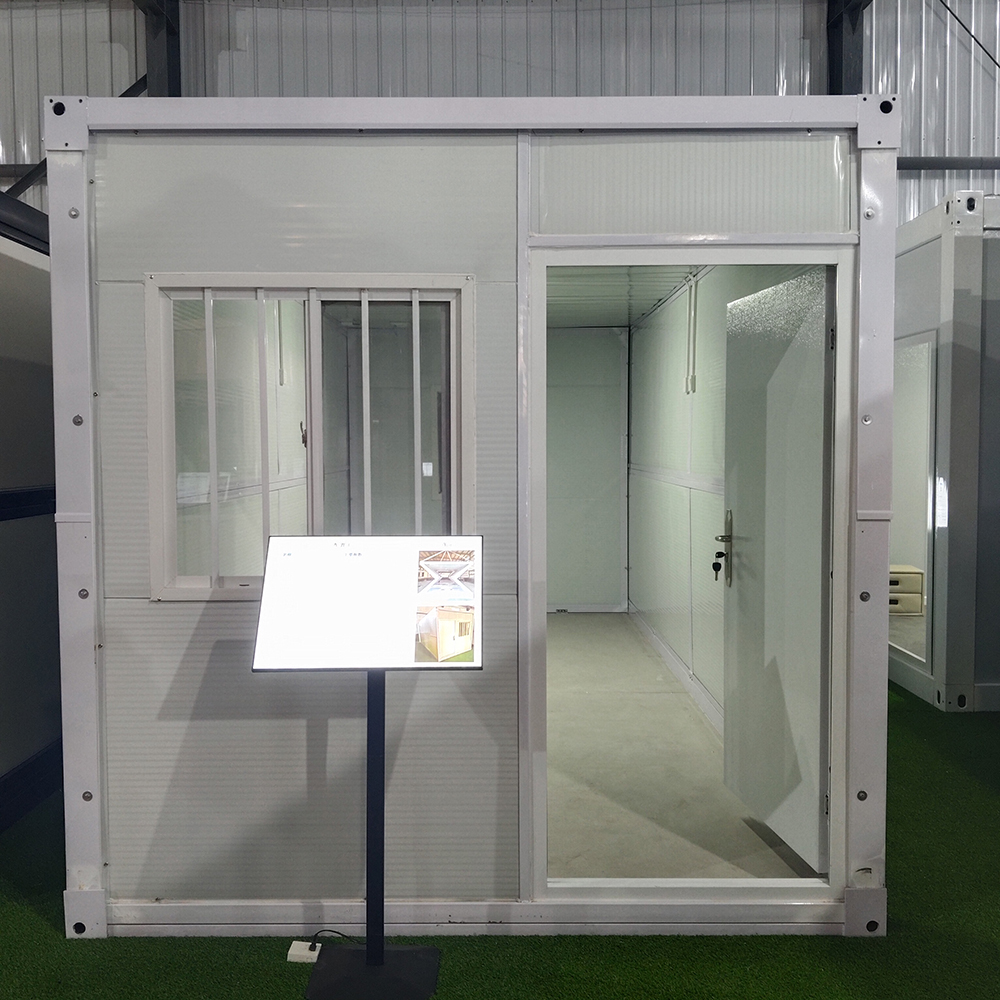 Reasonable Price 1 Bedroom Modular Container House Folding Container Home for Villa or Apartment Use
 -
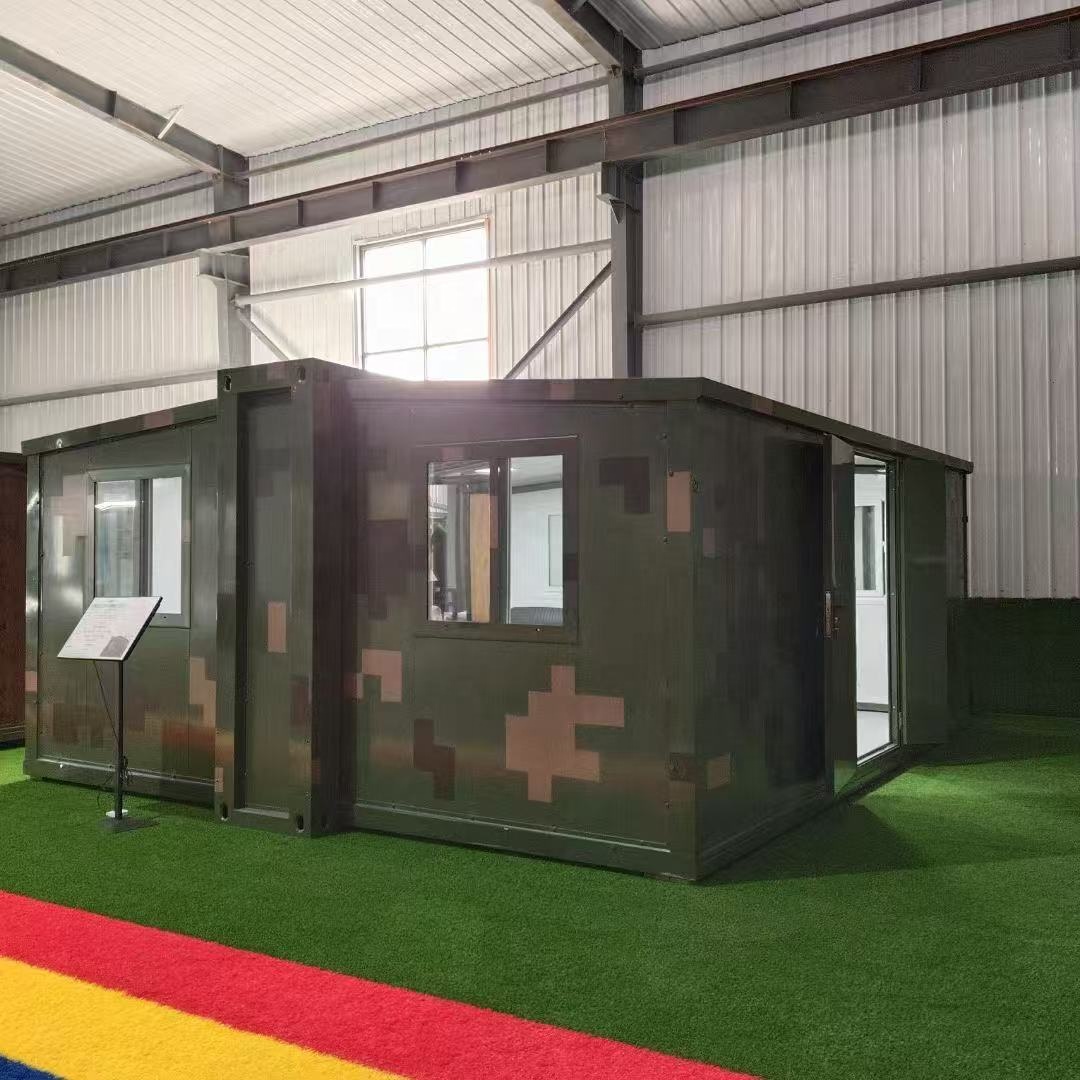 Movable Prefabricated Container House Villas Modular Portable Homes 1 Bedroom Container House Offices Apartments
 -
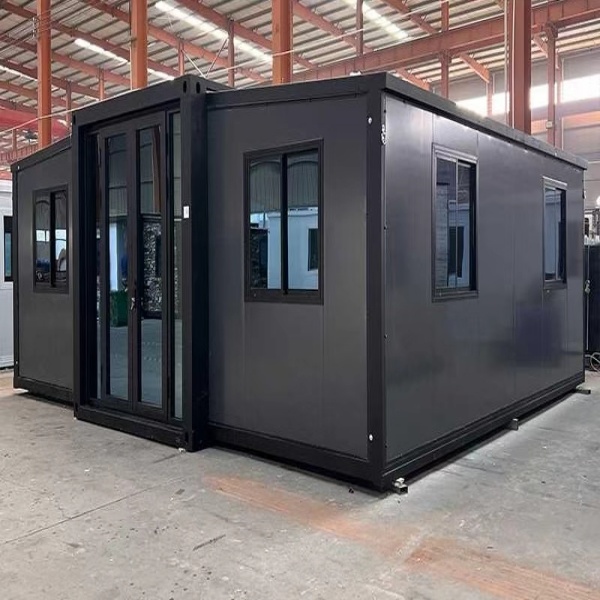 Dual-Wing Folding Container House: Fast Assembly, Space-Saving & Multi-Scene Adaptable
 -
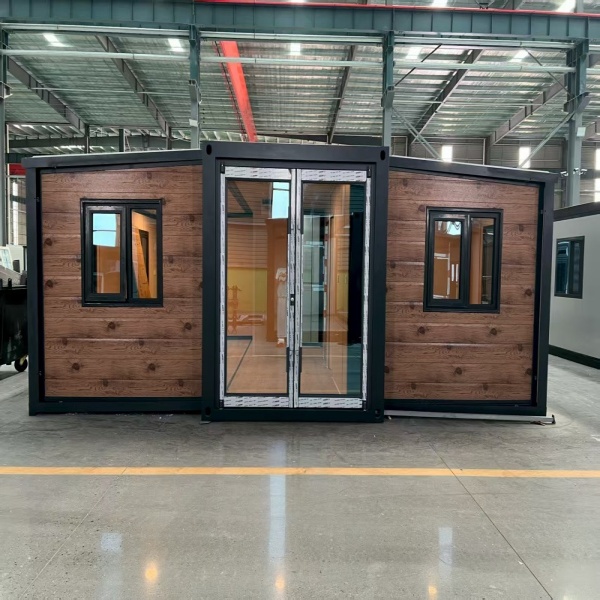 The foldable container house with side wing design can be quickly set up and is suitable for various environments.
 -
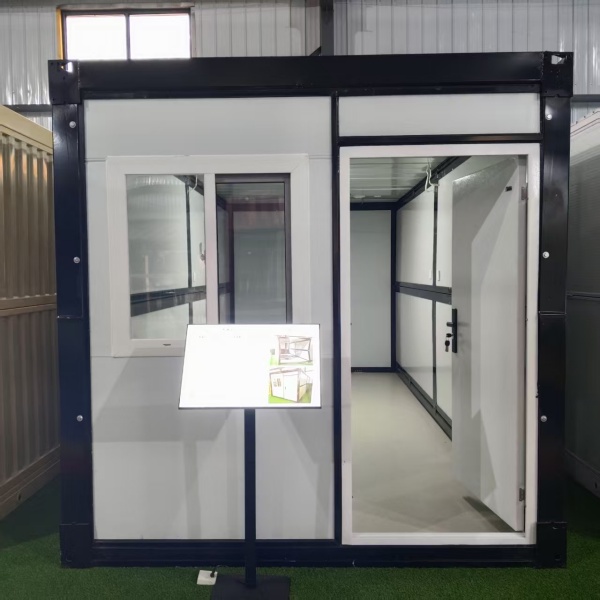 Hot-selling foldable container houses, expandable prefabricated houses, suitable for office or living use, with fast delivery.
 -
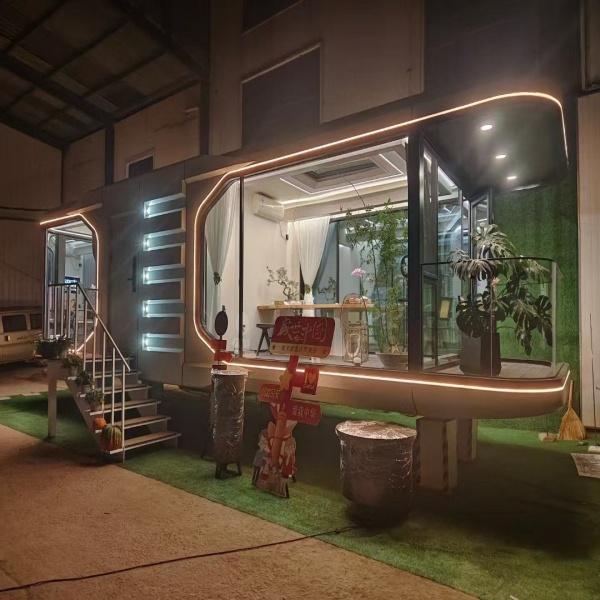 Outdoor ecological capsule rooms, luxury pods, space capsule hotel rooms, prefabricated space capsules, container houses
 -
A container house with a terrace and double-wing folding design, suitable for various purposes such as offices, meeting rooms, living rooms, etc.
-
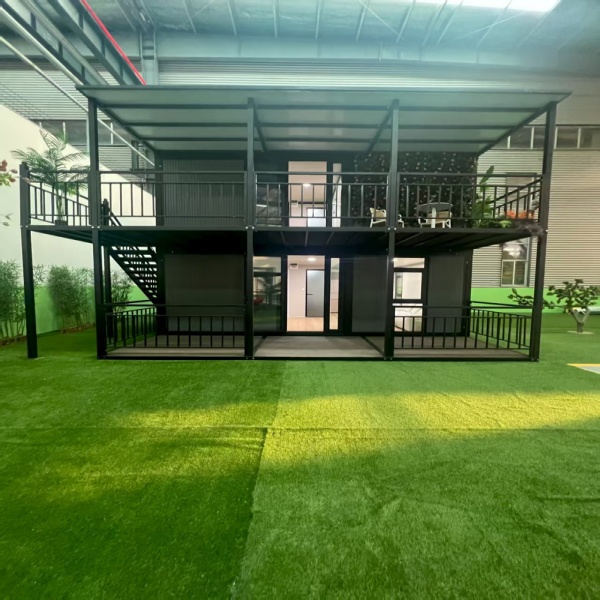 Luxury foldable two-story container houses in luxury resort hotels and villa hotels
 -
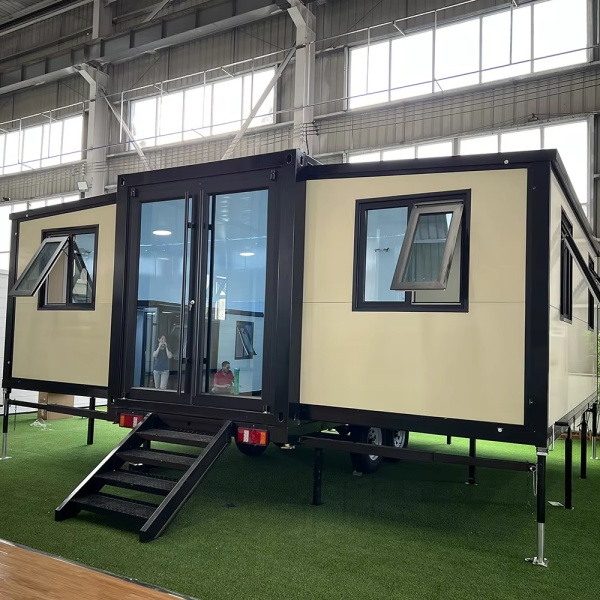 Stair Access Double Wing Expandable Container House | Easy Installation Mobile Office
Related search
Related search- Buy mobile expandable prefab house prefab home 19ft x 20ft
- Buy folding house on wheels
- Buy portable fold out homes
- expandable container house with ensuite
- China mobile expandable prefab house prefab home 19ft x 20ft
- modular fold out homes
- folding houses usa
- fold out tiny home
- China space capsule hotel
- Buy folding house container