
-
E-mail
Austin120521@outlook.com -
E-mail
sales@jujiuhouse.com -
Telephone
+86-17864099991 -
Telephone
+86-17854044442
- Chinese
- French
- German
- Portuguese
- Spanish
- Russian
- Japanese
- Korean
- Arabic
- Irish
- Greek
- Turkish
- Italian
- Danish
- Romanian
- Indonesian
- Czech
- Afrikaans
- Swedish
- Polish
- Basque
- Catalan
- Esperanto
- Hindi
- Lao
- Albanian
- Amharic
- Armenian
- Azerbaijani
- Belarusian
- Bengali
- Bosnian
- Bulgarian
- Cebuano
- Chichewa
- Corsican
- Croatian
- Dutch
- Estonian
- Filipino
- Finnish
- Frisian
- Galician
- Georgian
- Gujarati
- Haitian
- Hausa
- Hawaiian
- Hebrew
- Hmong
- Hungarian
- Icelandic
- Igbo
- Javanese
- Kannada
- Kazakh
- Khmer
- Kurdish
- Kyrgyz
- Latin
- Latvian
- Lithuanian
- Luxembou..
- Macedonian
- Malagasy
- Malay
- Malayalam
- Maltese
- Maori
- Marathi
- Mongolian
- Burmese
- Nepali
- Norwegian
- Pashto
- Persian
- Punjabi
- Serbian
- Sesotho
- Sinhala
- Slovak
- Slovenian
- Somali
- Samoan
- Scots Gaelic
- Shona
- Sindhi
- Sundanese
- Swahili
- Tajik
- Tamil
- Telugu
- Thai
- Ukrainian
- Urdu
- Uzbek
- Vietnamese
- Welsh
- Xhosa
- Yiddish
- Yoruba
- Zulu
- Kinyarwanda
- Tatar
- Oriya
- Turkmen
- Uyghur




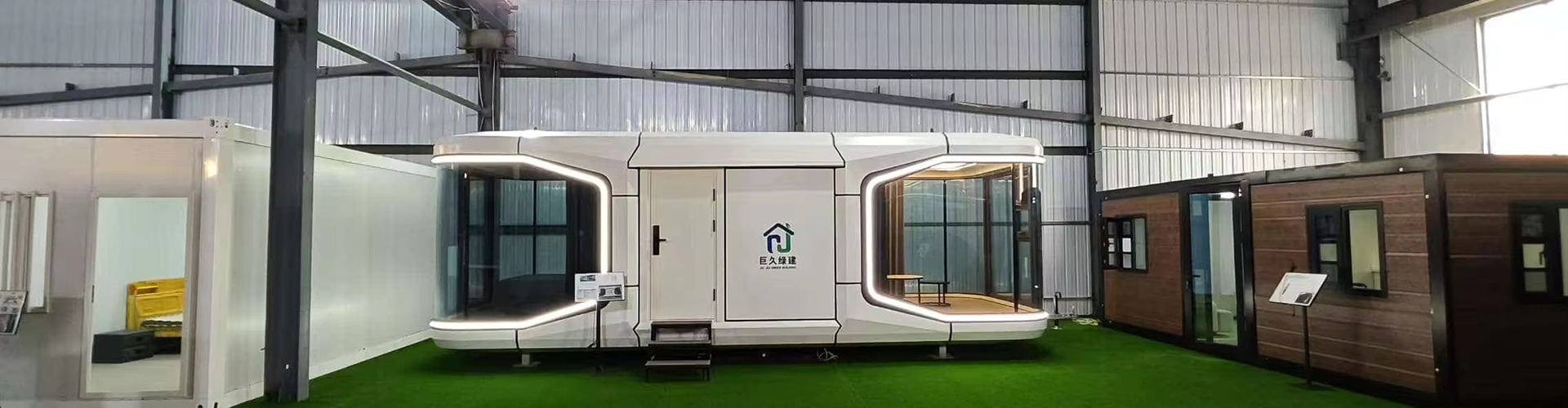
wholesale 40 foot container house prefabricated
The Realities of Wholesale Prefabricated 40 Foot Container Houses
In recent times, the phrase wholesale 40 foot container house prefabricated has caught significant attention in the housing sector. It's tempting to see it as an easy, cost-efficient housing solution. However, things are never quite that straightforward. Let's delve into this burgeoning industry, punctuated by stumbling blocks, revelations, and real-world insights.
Understanding the Prefabricated Market
Walking the halls of possibilities in the prefabricated housing market, you quickly realize that not all 'affordable' solutions are created equal. The appeal of the 40 foot container house primarily lies in its upfront cost and quick setup. But dig a little deeper, and a myriad of other factors starts shaping the true cost.
Take Shandong Jujiu Integrated Housing Co., Ltd., a notable name in this field. With a website at jujiuhouse.com, they exemplify a successful model in the integrated housing industry. They specialize in a range of options from light steel villas to complex steel structure engineering, merging design and practicality. Yet, the logistics involved in transporting and setting up these giants often cost over half of the product price itself.
Versatility is another selling point. A well-thought-out container can transform into multiple living spaces or function as a temporary office. But then again, there's the local jurisdiction to consider—all too often, a deal-breaker.
Design and Customization Challenges
Design flexibility meets its limits when accommodating client-specific needs. Customization requests range from modified entry points to specialized insulation panels. Each adjustment invites a cost spiral that contradicts the initial 'saving promise.'
Shandong Jujiu adeptly navigates this through thorough initial consultations, avoiding pitfalls later. Their R&D and design services ensure plans are realistically grounded before resources are committed. Yet, skeptics often overlook the unseen costs of these adjustments.
Indeed, adapting infrastructure to existing landscapes or incorporating energy-efficient solutions adds layers of complexity. Here, prefab evolves from an appealing buzzword into a tangible engineering puzzle.
Installation Realities
Installation seems deceptively simple. The notion: receive your prefabricated units and voila! You're set. But reality disappoints. Whether it's zoning laws, site preparation, or simple manpower availability, unforeseen variables multiply.
Even with expert guidance from companies like Shandong Jujiu, logistical details can delay projects. Their integrated housing solutions often require tailored approaches, with an eye on aligning logistics seamlessly with structural realities.
The unseen challenge: fitting a 'one-size-fits-all' solution into the bespoke demands of new locales. No small feat.
Maintenance and Longevity
Durability of these structures often teeters on thin lines. Materials used in prefabricated housing dictate longevity but also involve trade-offs in aesthetic and sustainability considerations.
Corrosion, temperature control, and human wear and tear challenge these structures' integrity over time. Shandong Jujiu offers ongoing support post-installation, but the client's maintenance commitment largely decides the structure's lifespan.
Clients often underestimate these demands. The shine of a fresh build distracts from ongoing responsibilities—a notable pitfall for the unprepared.
The Way Forward
Given these variables, where do container houses fit in the broader housing landscape? Perhaps, as supplementary solutions. They excel in rapid-build scenarios like emergency housing or niche commercial applications.
Companies like Shandong Jujiu blend integrated housing insights with rigorous real-world application—guiding clients responsibly through the process. While success stories abound, they often hinge on meticulous planning and augmented expectations.
For those willing to navigate the intricate web of modular architecture, prefabricated 40 foot container houses offer exciting prospects—but only with eyes wide open and the willingness to adapt throughout the journey.
Related products
Related products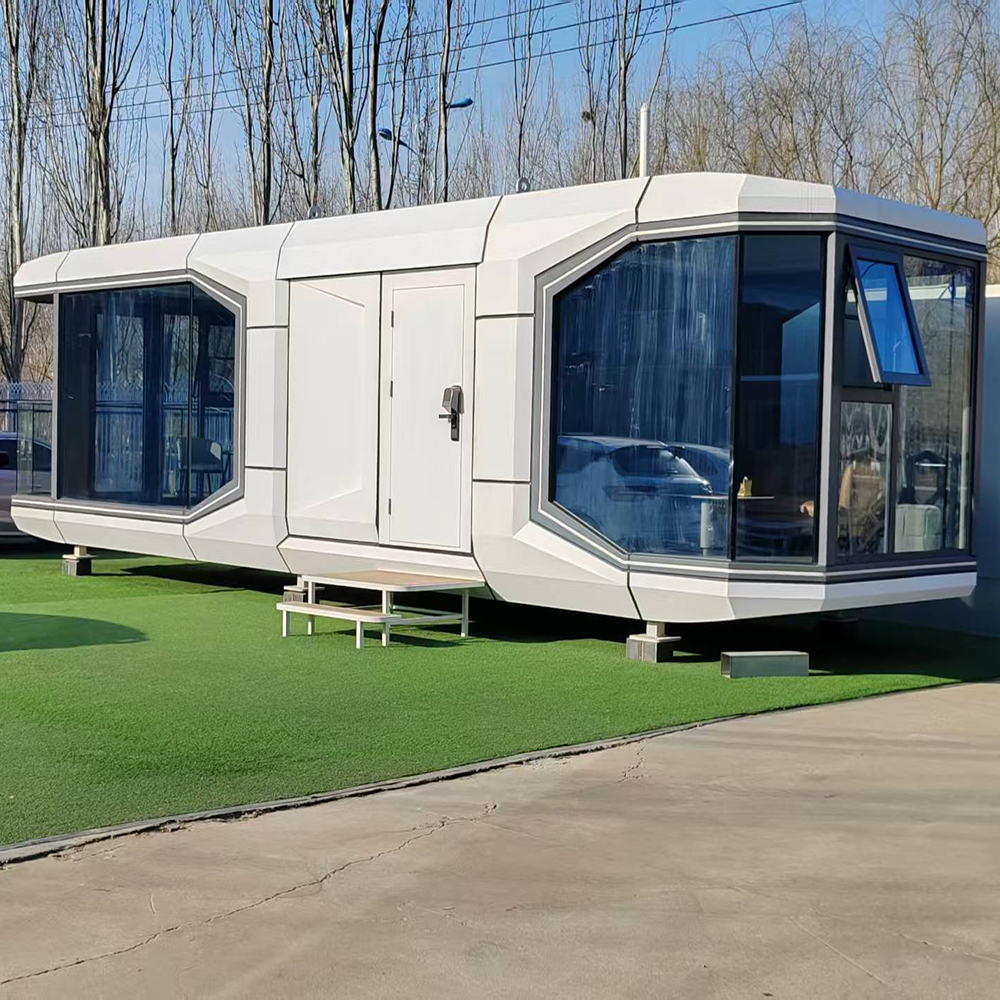
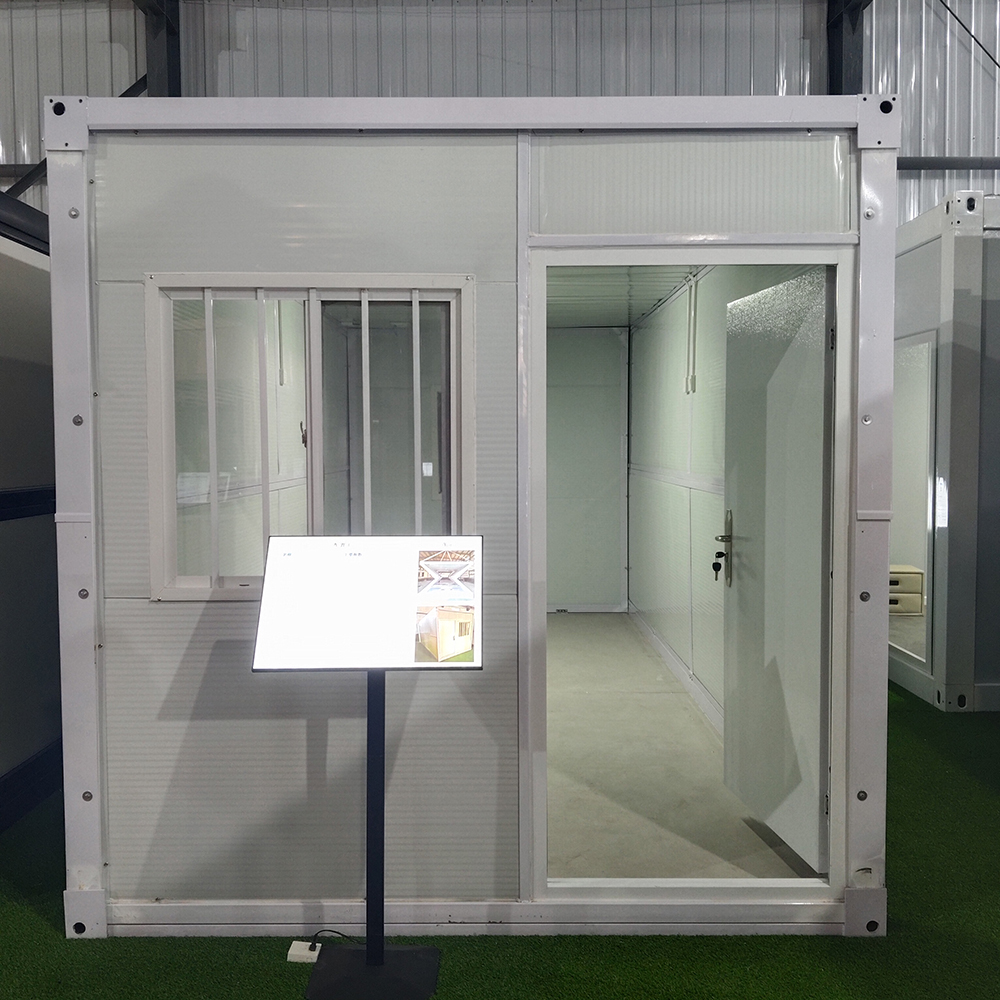
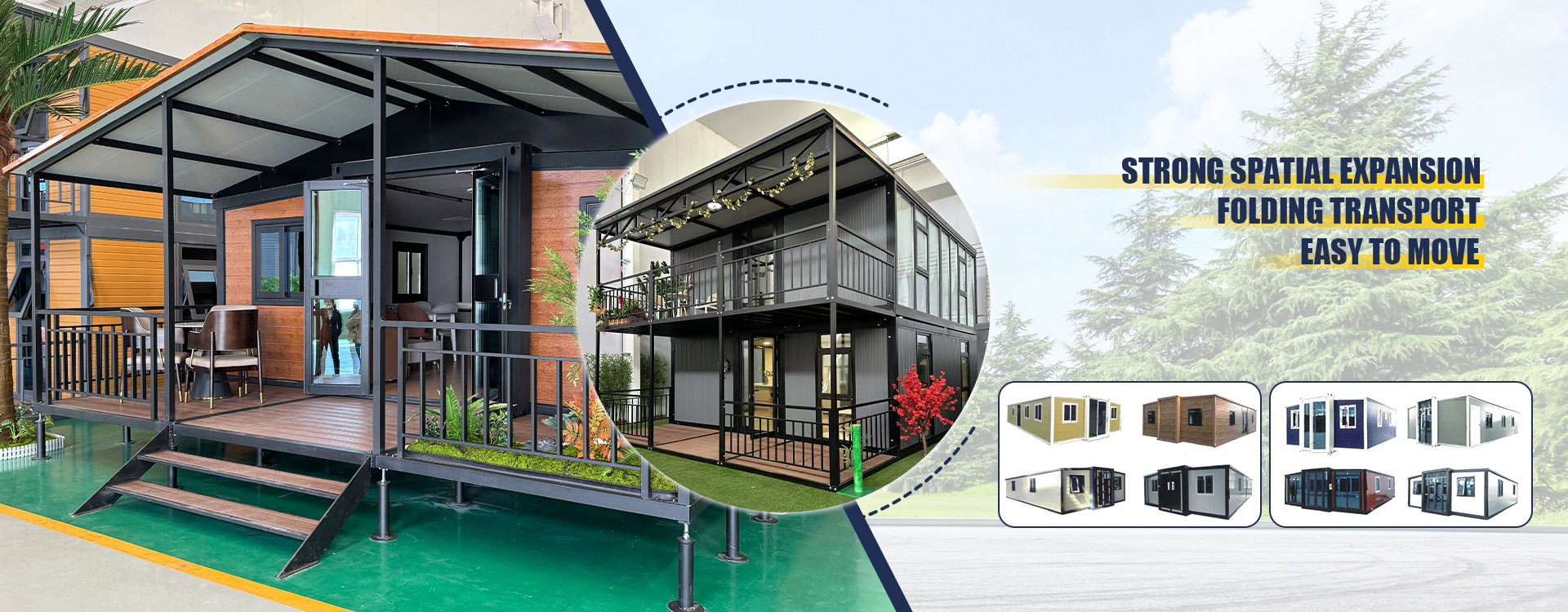
Best selling products
Best selling products-
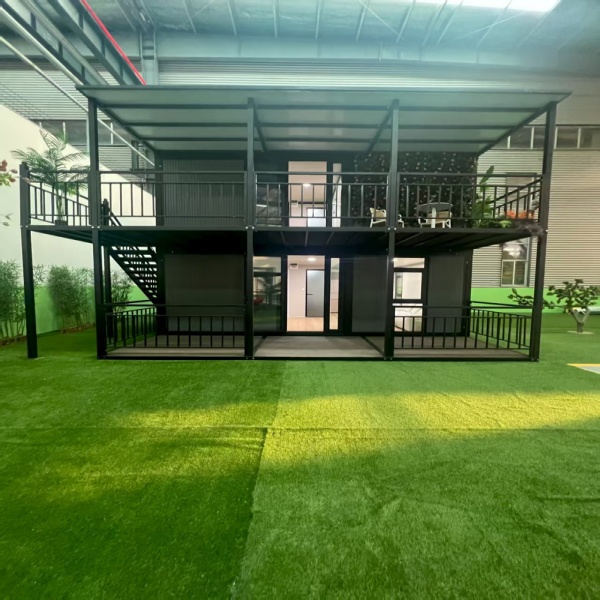 Luxury foldable two-story container houses in luxury resort hotels and villa hotels
 -
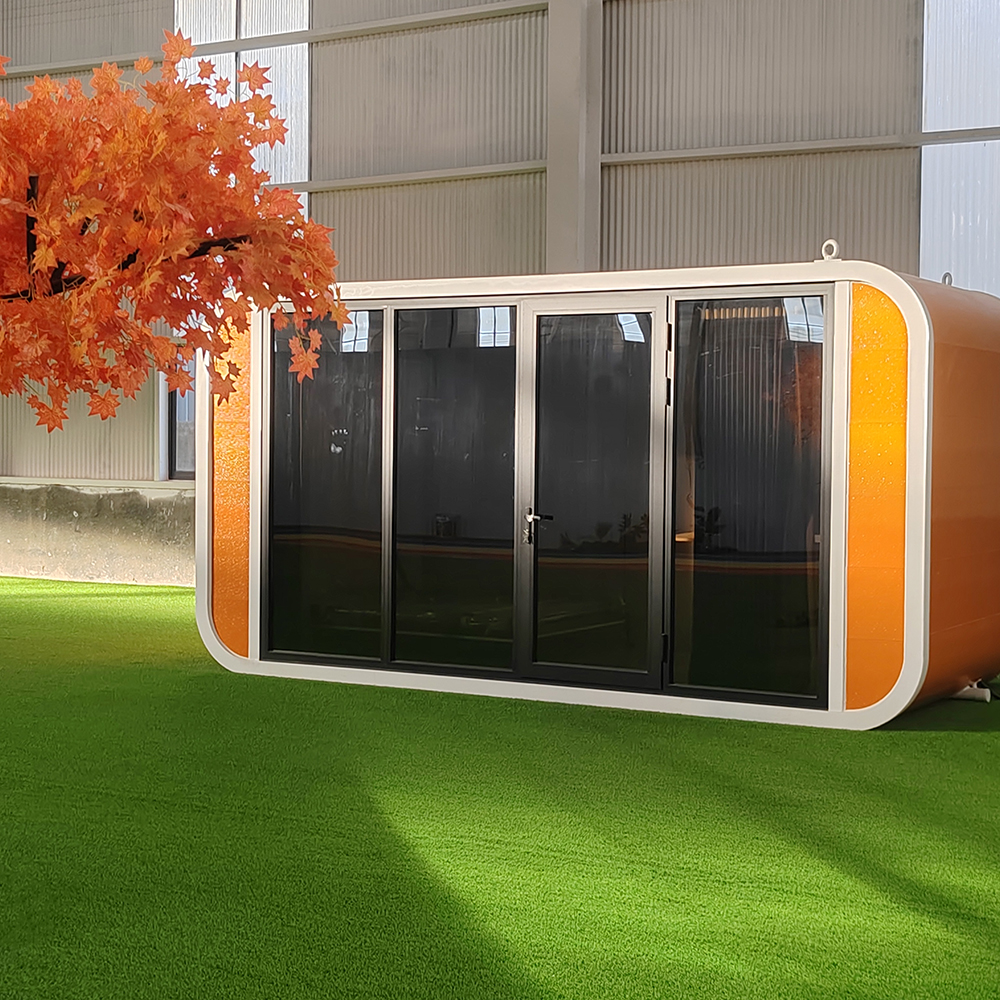 Luxury Prefabricated Living Container House Modular Glass Tiny House Prefab Container Home Apple Cabin
 -
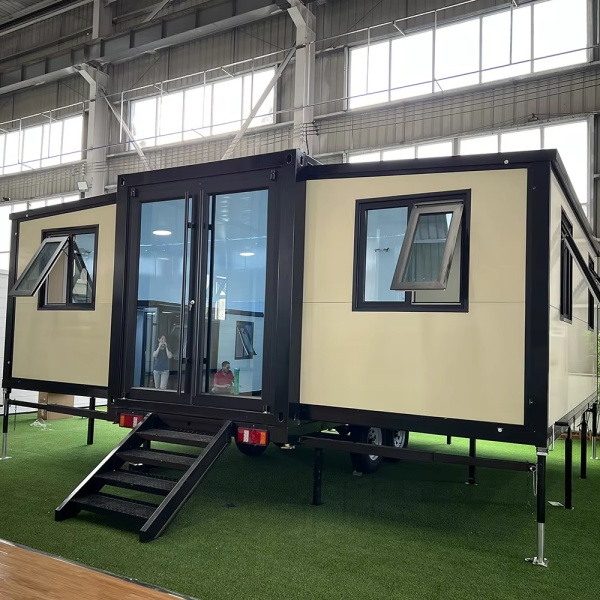 Stair Access Double Wing Expandable Container House | Easy Installation Mobile Office
 -
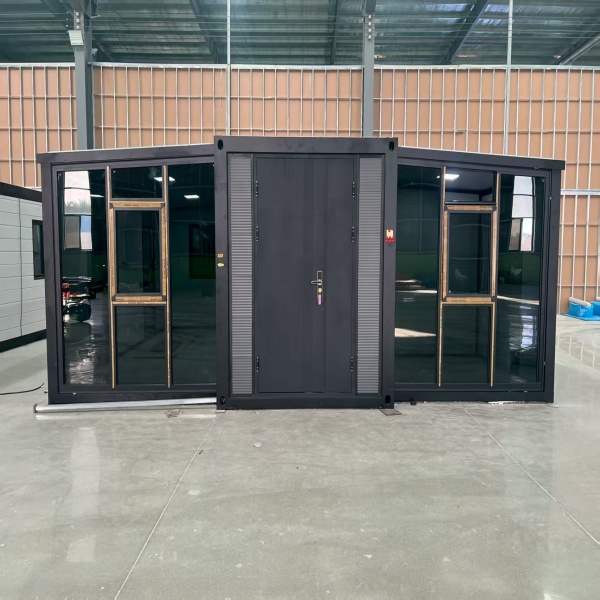 Customizable Office Mobile Home with Flat Roof and Double Wing Expansion Box, Convenient Container
 -
Two Wing Folding Expandable Container House
-
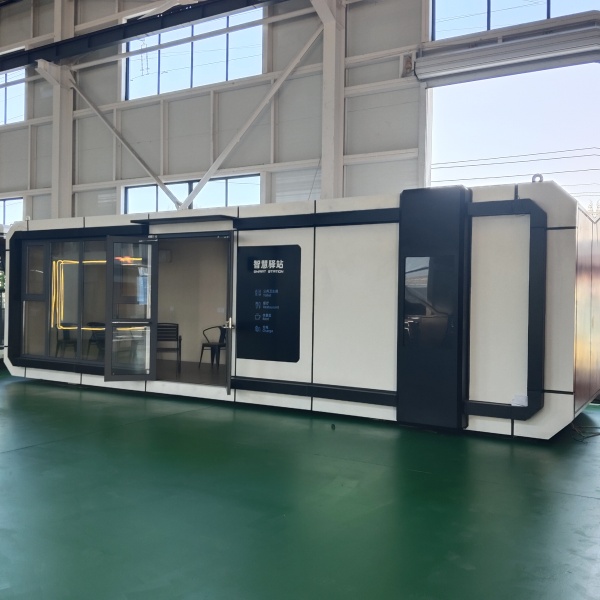 Modular modern movable apple cabins, customized high-end folk houses and portable bedrooms, delivered as a whole
 -
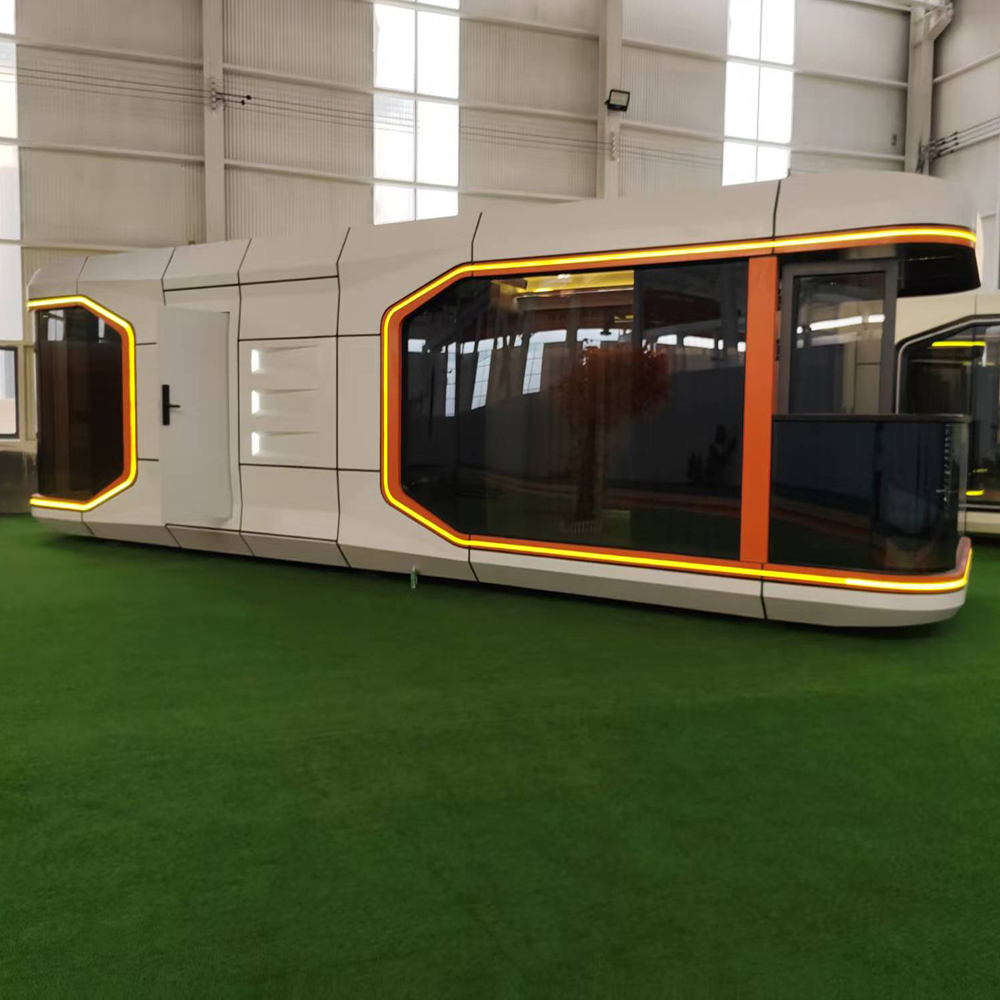 Standard Modern Camping Pod Space Prefabricated Portable Mobile Capsule Room Hotel Bathroom Prefabricated Spaceship House
 -
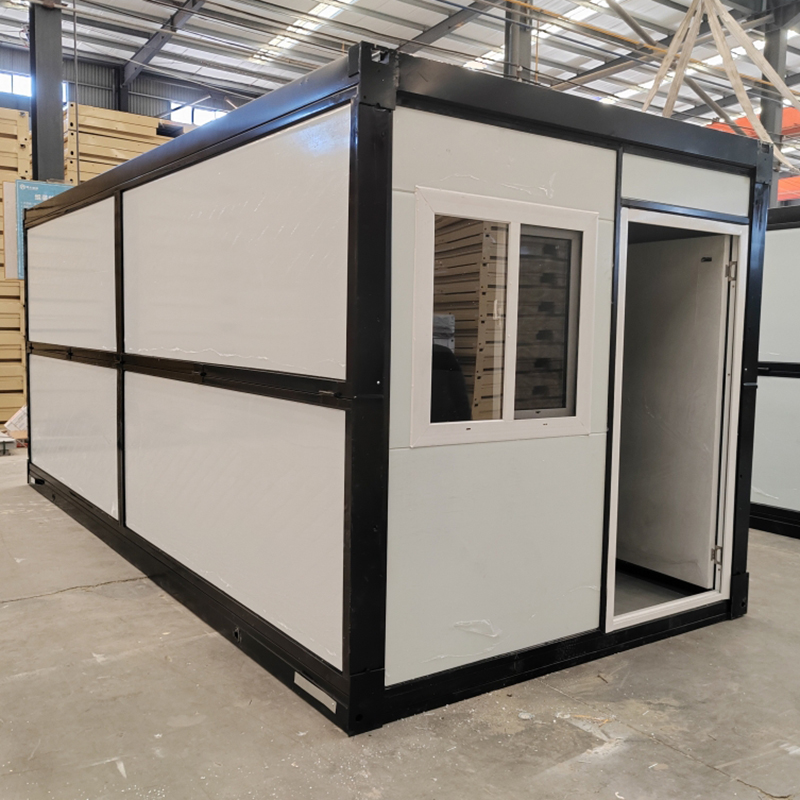 Detachable Design Prefabricated Container House Portable Modular Office Building Folding Container House
 -
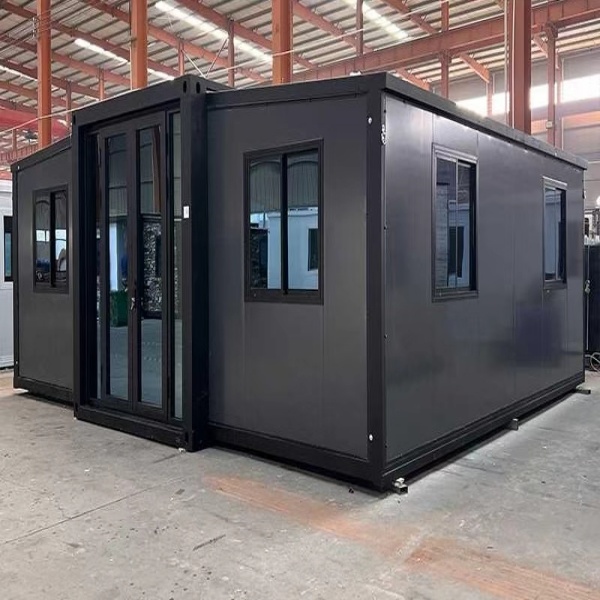 Dual-Wing Folding Container House: Fast Assembly, Space-Saving & Multi-Scene Adaptable
 -
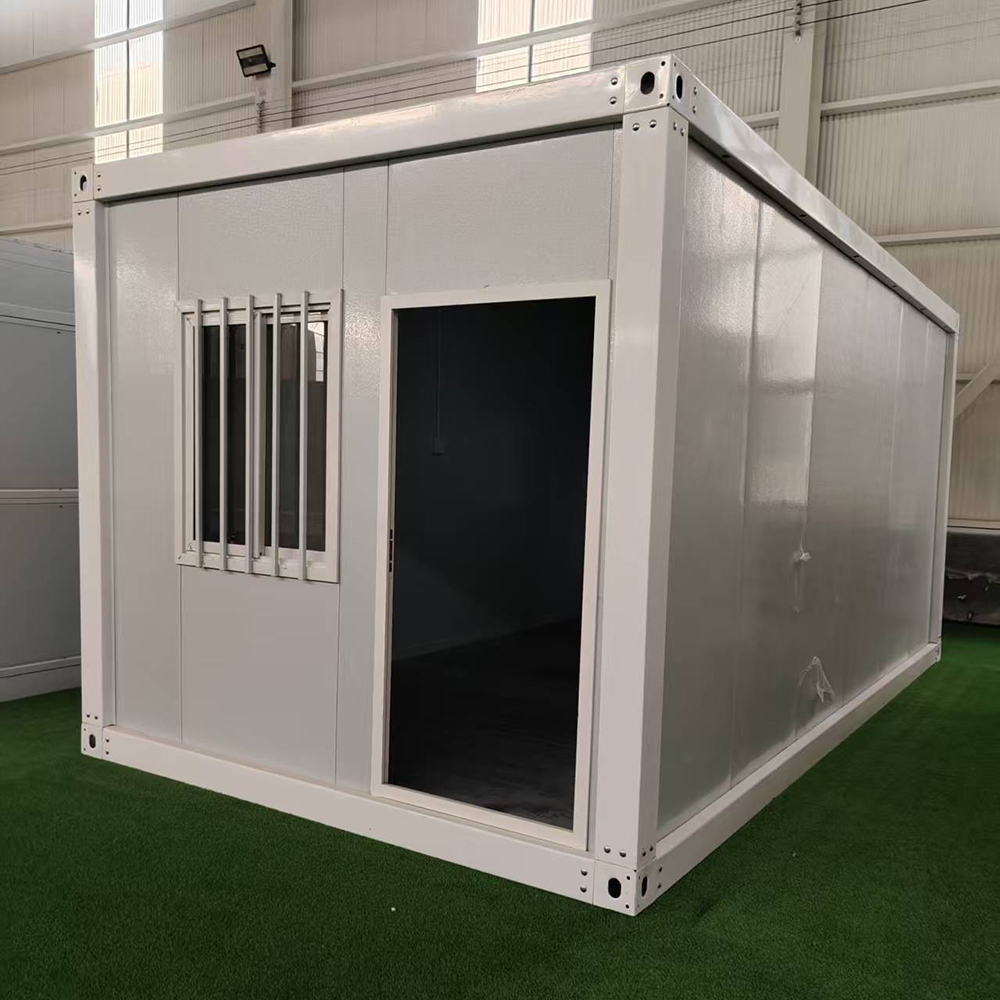 Folding Container Moving House Modular Office Container House Prefab Container for Outdoor Use
 -
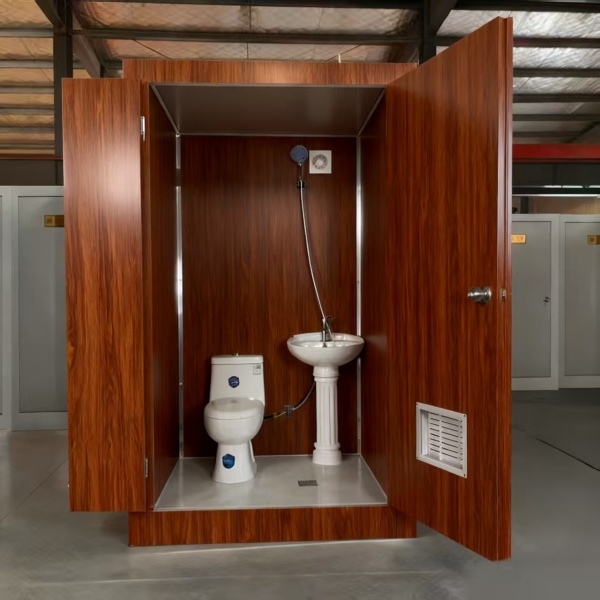 Portable outdoor camping bathroom, mobile toilet, prefabricated modular villa & rental of outdoor and indoor showers
 -
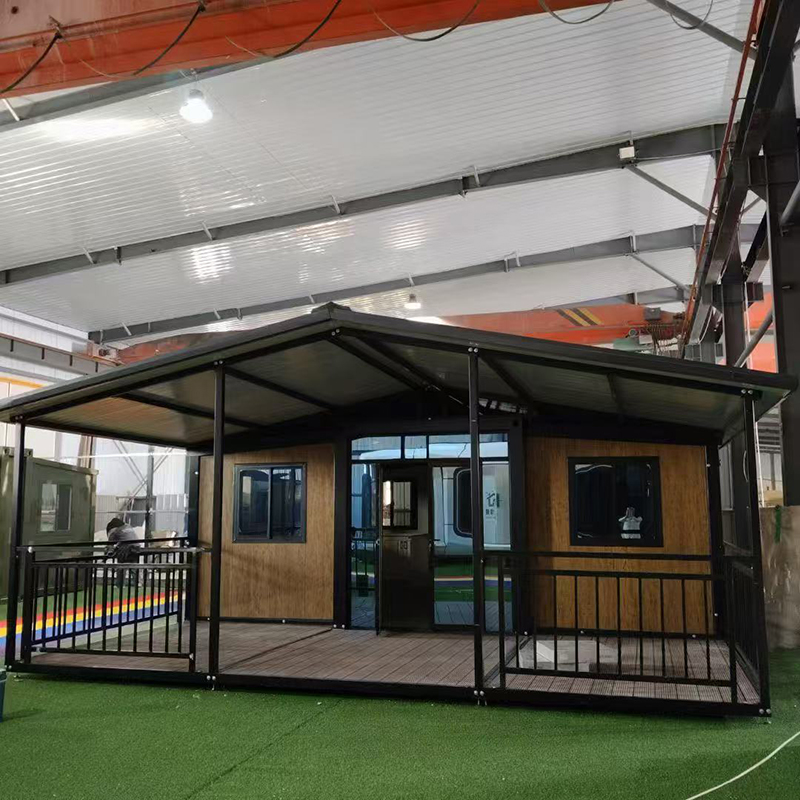 Customized Expandable Container House Holiday Home Folding Prefab Container House with Bathroom and Kitchen
Related search
Related search- prebuilt container house
- China container house
- China foldable container house
- modular container house prefab tiny home house
- Buy fold out container house
- prefab cabin container house
- Buy expandable container house for sale
- prefabricated container house
- Buy expandable container house with ensuite
- China 40ft expandable container house