
-
E-mail
Austin120521@outlook.com -
E-mail
sales@jujiuhouse.com -
Telephone
+86-17864099991 -
Telephone
+86-17854044442
- Chinese
- French
- German
- Portuguese
- Spanish
- Russian
- Japanese
- Korean
- Arabic
- Irish
- Greek
- Turkish
- Italian
- Danish
- Romanian
- Indonesian
- Czech
- Afrikaans
- Swedish
- Polish
- Basque
- Catalan
- Esperanto
- Hindi
- Lao
- Albanian
- Amharic
- Armenian
- Azerbaijani
- Belarusian
- Bengali
- Bosnian
- Bulgarian
- Cebuano
- Chichewa
- Corsican
- Croatian
- Dutch
- Estonian
- Filipino
- Finnish
- Frisian
- Galician
- Georgian
- Gujarati
- Haitian
- Hausa
- Hawaiian
- Hebrew
- Hmong
- Hungarian
- Icelandic
- Igbo
- Javanese
- Kannada
- Kazakh
- Khmer
- Kurdish
- Kyrgyz
- Latin
- Latvian
- Lithuanian
- Luxembou..
- Macedonian
- Malagasy
- Malay
- Malayalam
- Maltese
- Maori
- Marathi
- Mongolian
- Burmese
- Nepali
- Norwegian
- Pashto
- Persian
- Punjabi
- Serbian
- Sesotho
- Sinhala
- Slovak
- Slovenian
- Somali
- Samoan
- Scots Gaelic
- Shona
- Sindhi
- Sundanese
- Swahili
- Tajik
- Tamil
- Telugu
- Thai
- Ukrainian
- Urdu
- Uzbek
- Vietnamese
- Welsh
- Xhosa
- Yiddish
- Yoruba
- Zulu
- Kinyarwanda
- Tatar
- Oriya
- Turkmen
- Uyghur




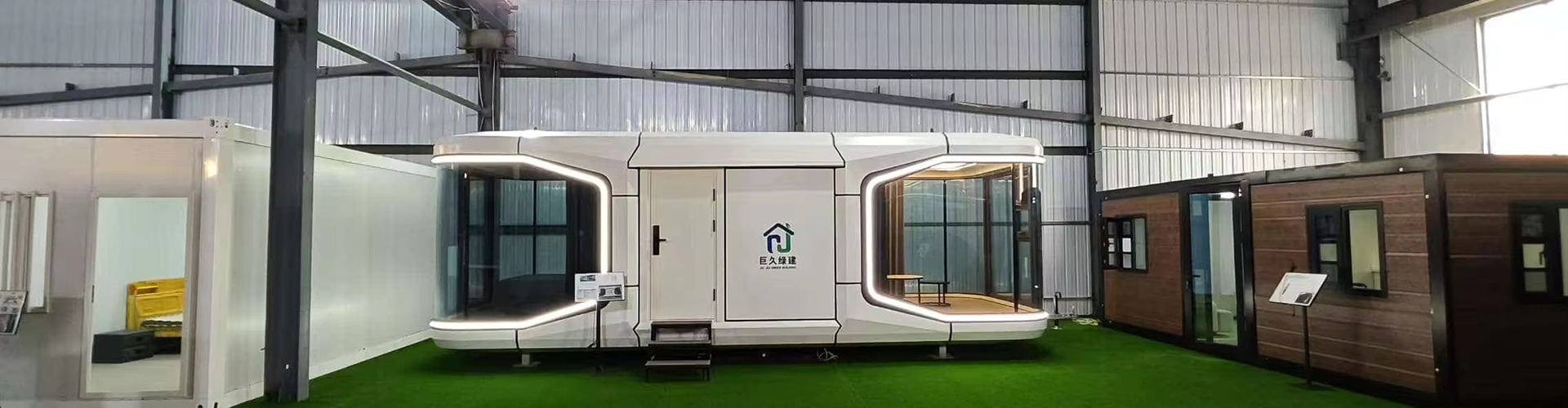
prefabricated shipping container house
Understanding Prefabricated Shipping Container Houses: Insights from the Industry
Prefabricated shipping container houses have emerged as a trendy yet practical solution in modern housing, garnering attention for their sustainability and cost-effectiveness. However, misconceptions abound—many view them as mere novelty items rather than viable living spaces. Here, we delve into both the potential and the challenges through the lens of industry expertise.
The Allure of Prefabricated Shipping Container Houses
There's a certain charm to living in a shipping container house. It’s not just about aesthetics but also the idea of recycling and reusing. The robust nature of containers, originally built to withstand harsh ocean conditions, offers a sturdy foundation for housing. Companies like Shandong Jujiu Integrated Housing Co., Ltd. have capitalized on this by turning heavy-duty containers into comfortable homes.
One might wonder about insulation. That's where the expertise in design optimization comes into play. Shandong Jujiu, for instance, emphasizes the importance of insulating panels in the walls and roofing. This isn't just about keeping the cold out in winter; it’s about maintaining comfort year-round. Yet, there’s always the question of how well it compares to traditional homes.
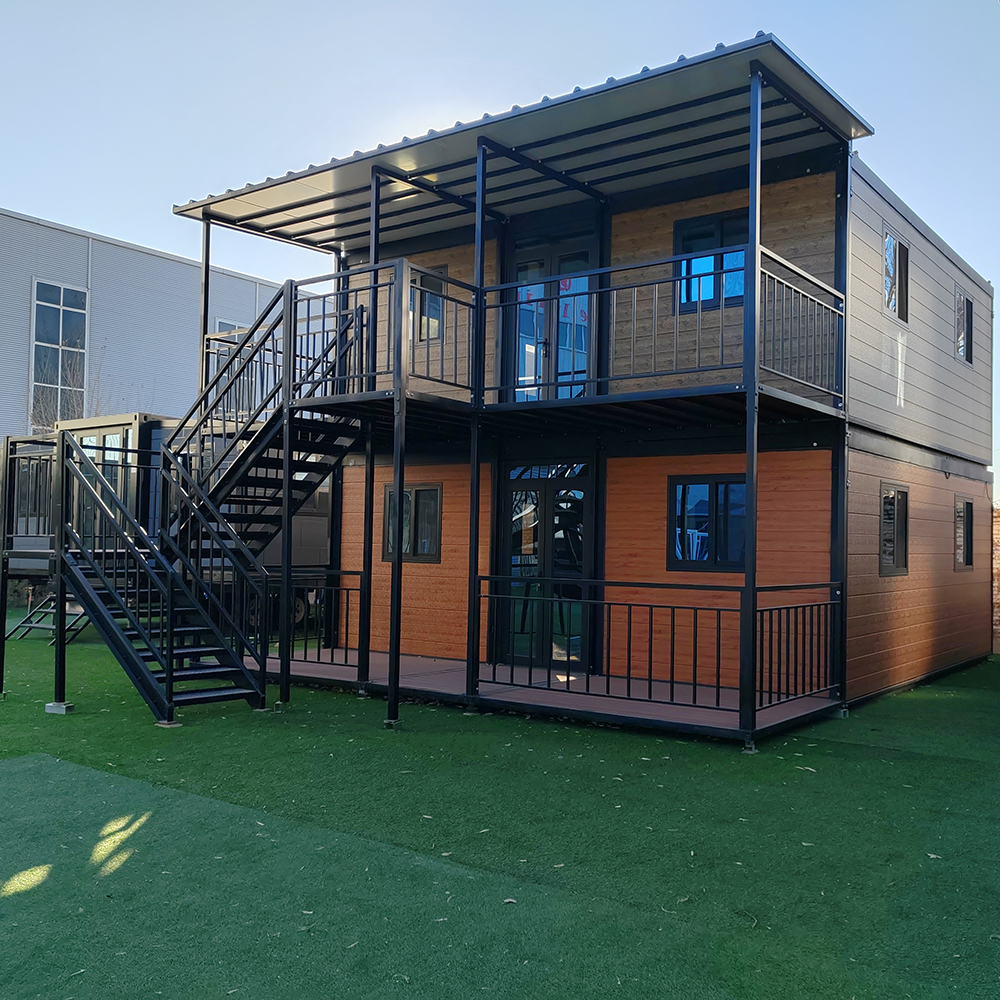
Another interesting aspect is the flexibility in design. With careful planning, these containers can be stacked and arranged in a variety of configurations to fit different needs. This flexibility can turn a single container into a cozy studio or a collection of containers into a spacious family home. The potential seems vast, but it requires a good balance of creativity and structural expertise.
Challenges in Construction and Implementation
Despite the benefits, constructing a prefabricated shipping container house isn't without its hurdles. The original design of shipping containers is far from suitable for habitation—it's airtight and devoid of natural light. Companies have to extensively modify containers by cutting out spaces for windows and doors while ensuring structural integrity. This balance is crucial, and not all modifications are straightforward.
Moreover, local zoning laws and building codes can pose significant challenges. Not all regions welcome the idea of shipping container homes, and navigating these regulations demands careful planning and negotiation skills.
Reputation also matters. In the integrated housing industry, the name of the builder can influence acceptance and trust. Collaborating with reputable manufacturers like Shandong Jujiu helps because their established expertise in light steel villas and other structures offers a proven track history, adding a layer of assurance to prospective buyers.
Real-Life Applications and Case Studies
Across various demographics, prefabricated shipping container houses have seen successful integration. Urban areas use them for affordable housing projects, providing a quick deployable solution for housing shortages. Rural areas appreciate them for vacation homes or rental properties.
One notable project handled by Shandong Jujiu involved a community housing development, where multiple container homes were connected via shared walkways and green spaces. Residents appreciated the communal feel, and the project demonstrated that container homes are more than isolated units—they can be the backbone of a vibrant community.
However, not every case is a success story. There are instances where cost overruns occur due to unforeseen site-specific challenges, like soil stability for stacking multiple containers. Lessons from these experiences underscore the necessity of meticulous pre-construction assessment and planning.
Future Trends in Container House Design
Looking ahead, the integration of smart home technology seems inevitable. As the industry evolves, companies may offer advanced tech solutions, like automated climate control or security systems tailored for container homes. This modern approach not only enhances comfort but also increases energy efficiency, aligning with sustainable living goals.
Another trend is the customization wave. Today’s buyers seek personalized living environments, and prefabricated shipping container homes increasingly offer bespoke solutions—whether it's an artist's studio with abundant natural light or a home office setup maximizing every inch of space.
Considering all these elements, it's clear that while the path to widespread adoption is riddled with complexity, the potential for prefabricated shipping container houses is vast. It requires balancing creative architectural design, stringent regulatory compliance, and consumer needs to transform novel concepts into accepted standards.
Final Thoughts on Prefabricated Shipping Container Homes
In the world of modern housing solutions, prefabricated shipping container homes stand out as a unique blend of creativity and practicality. Companies like Shandong Jujiu Integrated Housing Co., Ltd. are not just participating in this trend—they’re shaping it. With their comprehensive approach to design, production, and installation, they represent the forward-thinking spirit driving the industry.
Ultimately, whether or not container homes become mainstream may boil down to how well companies address the aforementioned challenges and continue to evolve with technology and consumer expectations. The journey is ongoing, and it’s an exciting one for industry watchers and participants alike.
So, while skepticism still exists, many recognize that these innovative homes offer a glimpse into the future of adaptable, sustainable living. As interest grows, we can anticipate even more fascinating developments in this dynamic sector.
Related products
Related products
Best selling products
Best selling products-
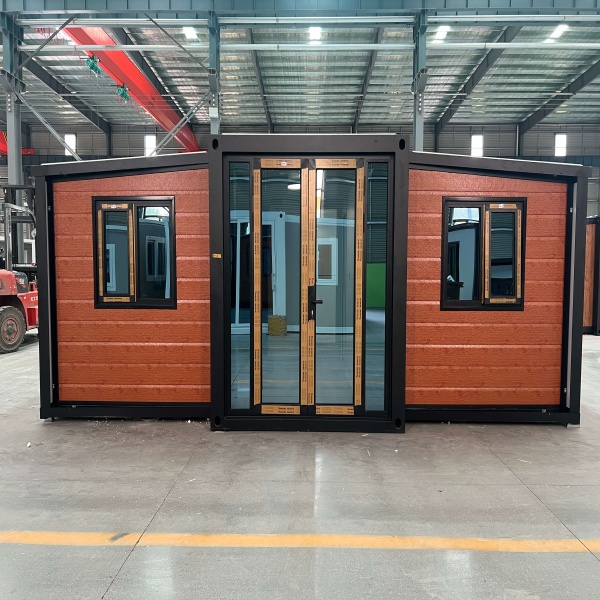 High-quality Double-wing Folding Container House with Doors and Windows, Insulated Walls, Suitable for Various Scenarios.
 -
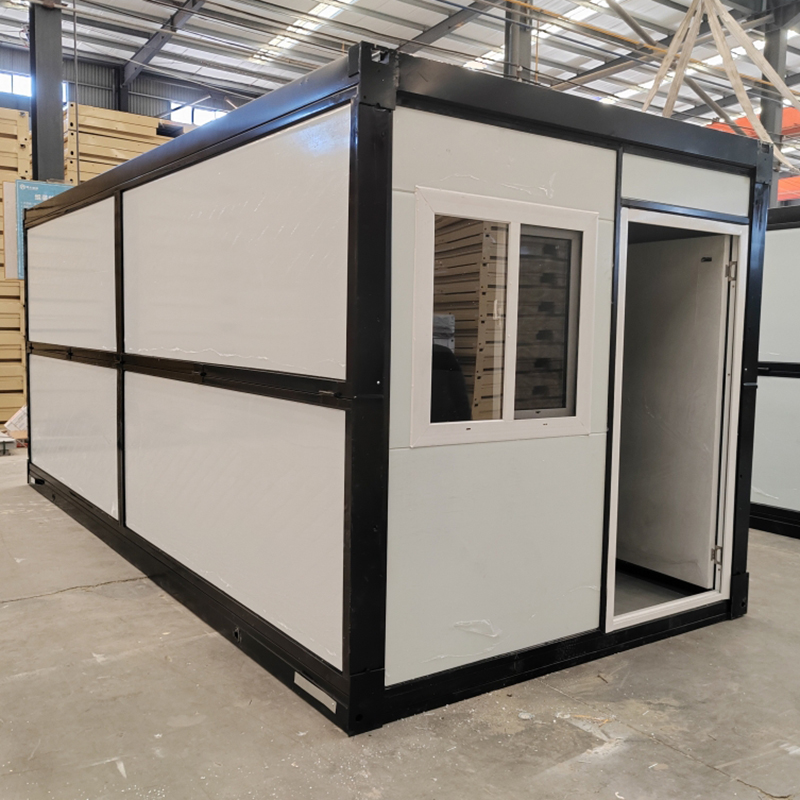 Detachable Design Prefabricated Container House Portable Modular Office Building Folding Container House
 -
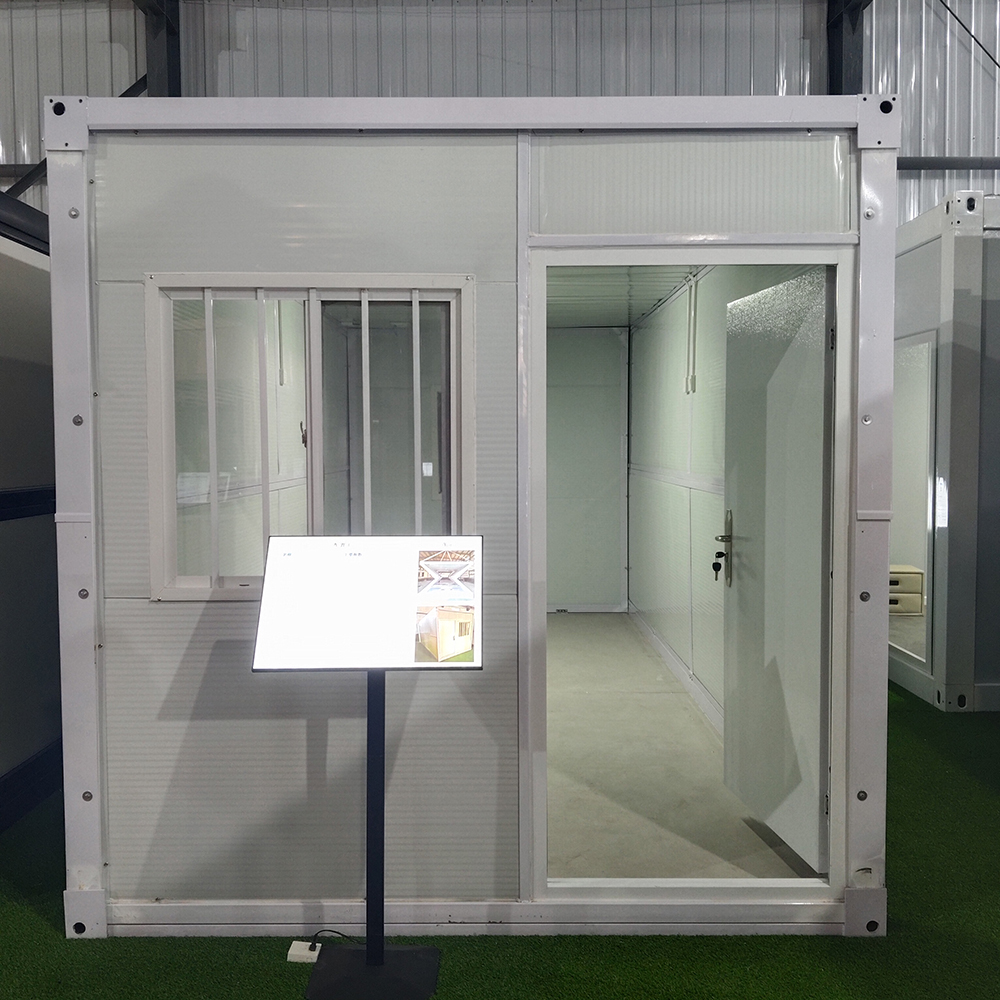 Reasonable Price 1 Bedroom Modular Container House Folding Container Home for Villa or Apartment Use
 -
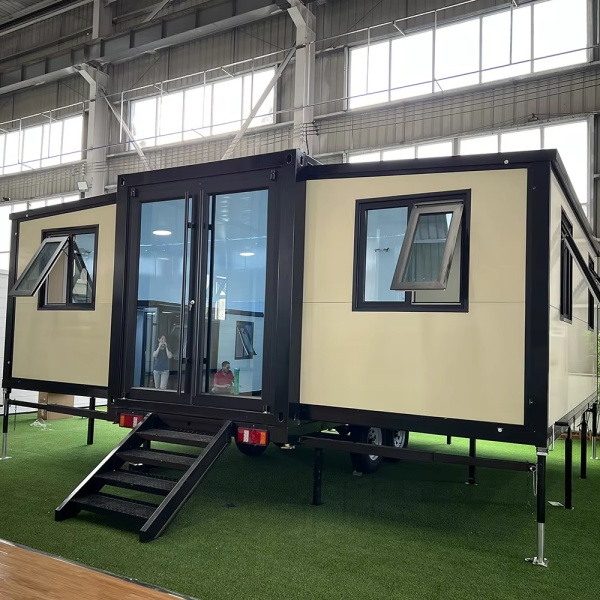 Stair Access Double Wing Expandable Container House | Easy Installation Mobile Office
 -
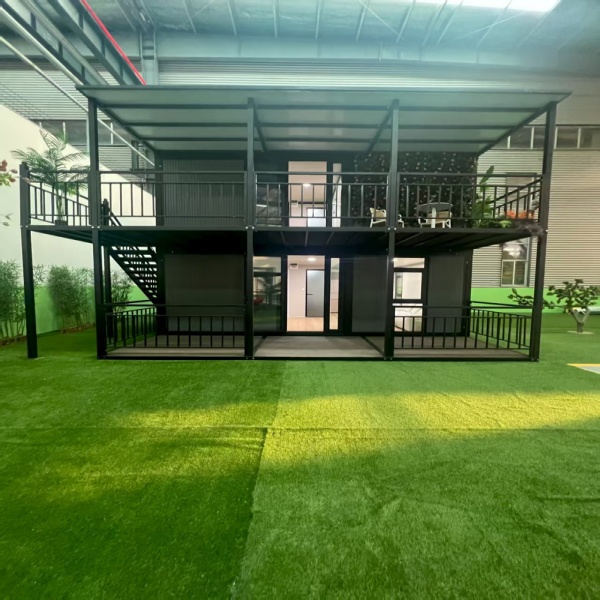 Luxury foldable two-story container houses in luxury resort hotels and villa hotels
 -
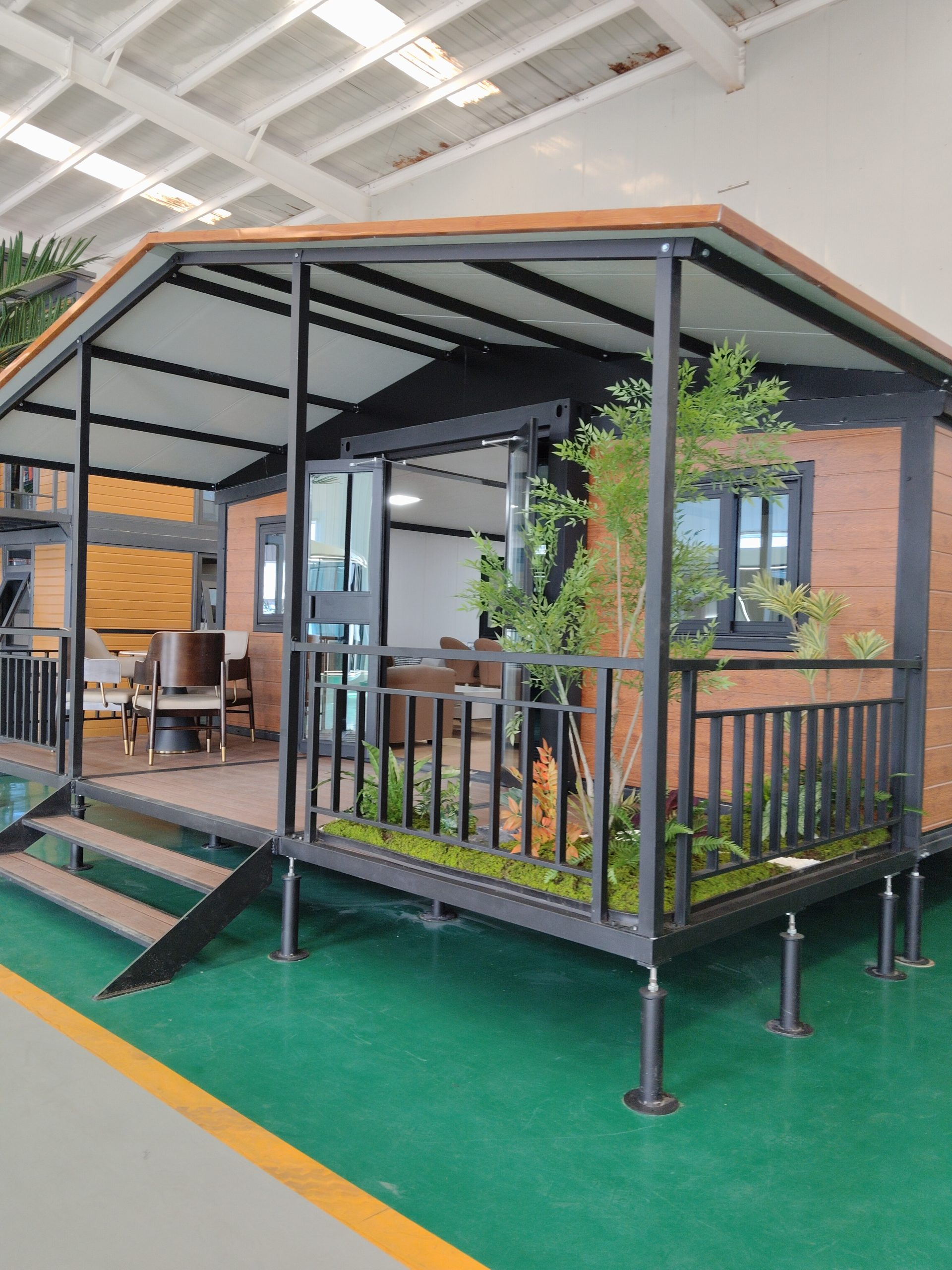 A container house with a terrace and double-wing folding design, suitable for various purposes such as offices, meeting rooms, living rooms, etc.
 -
Two Wing Folding Expandable Container House
-
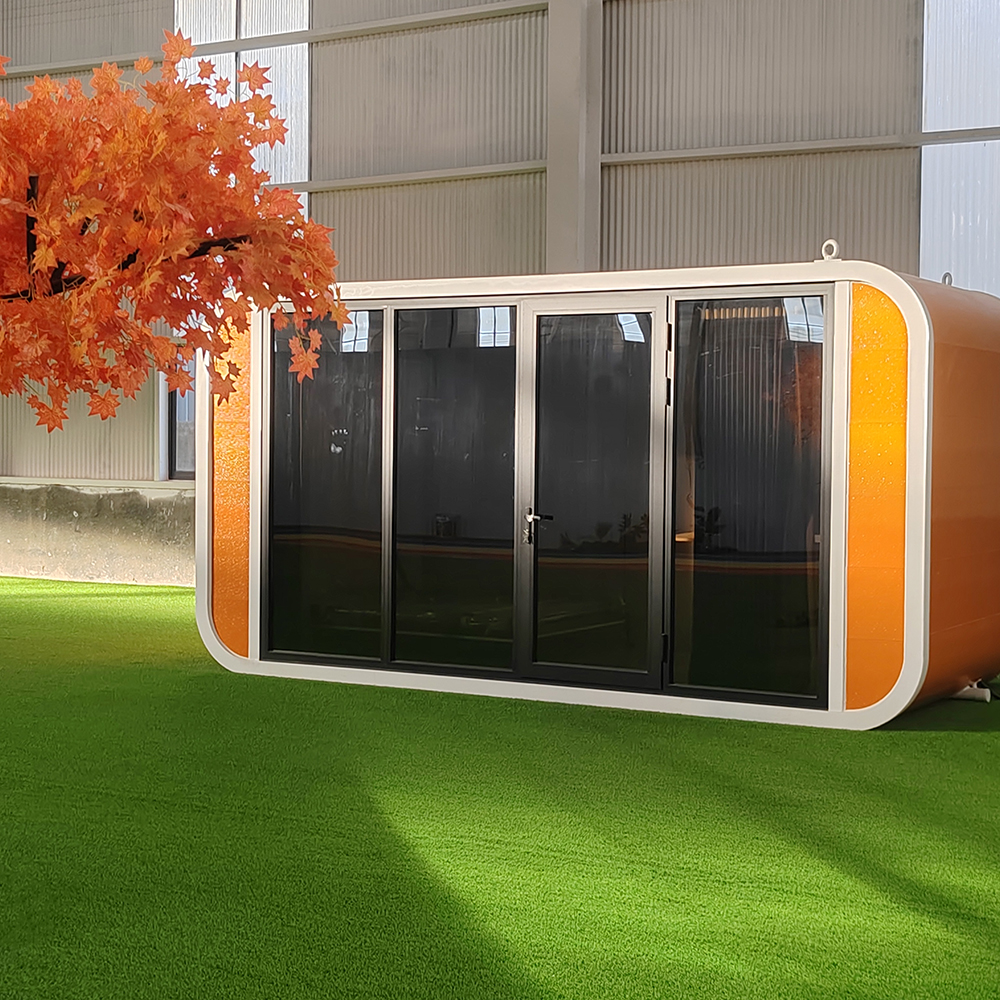 Luxury Prefabricated Living Container House Modular Glass Tiny House Prefab Container Home Apple Cabin
 -
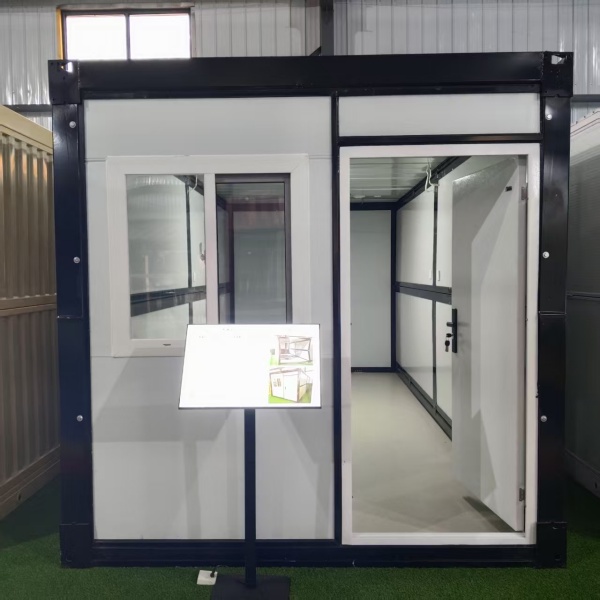 Factory Direct Sales Office Folding Container Luxury House Living Container House
 -
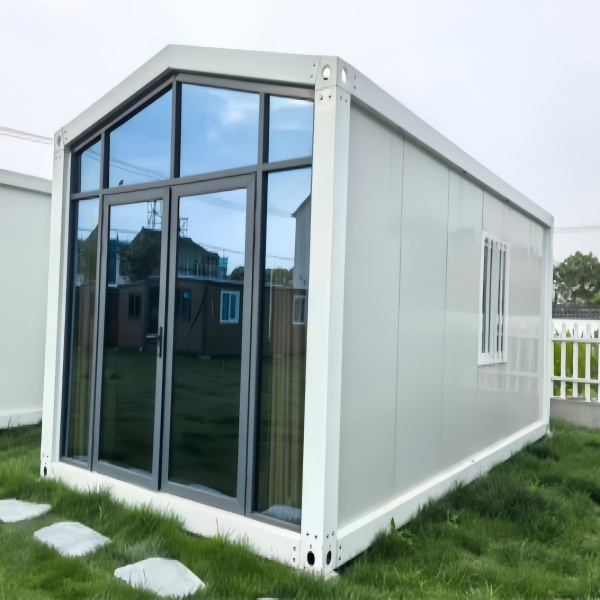 Waterproof folding container house – mobile accommodation for campsites/scenic spots
 -
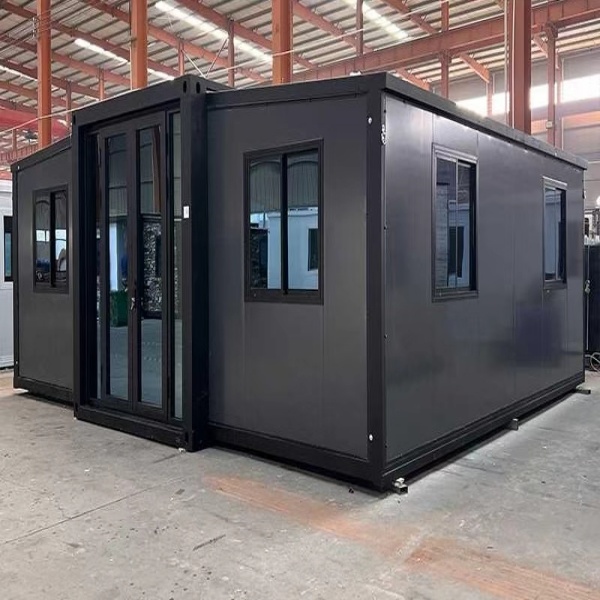 Dual-Wing Folding Container House: Fast Assembly, Space-Saving & Multi-Scene Adaptable
 -
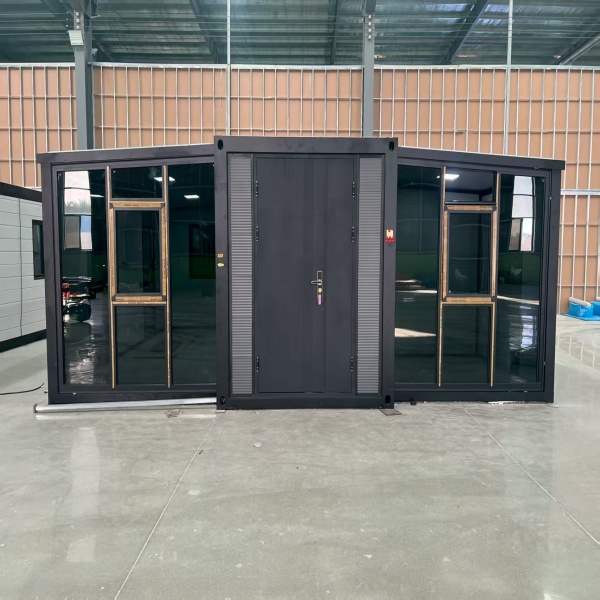 Customizable Office Mobile Home with Flat Roof and Double Wing Expansion Box, Convenient Container